Travelblog LA#23: Utila – Honduras

10th – 14th August, 2023


To finish off my time in Honduras, I went to yet another Caribbean island: Utila, which sits on the south end of the Mesoamerican Barrier Reef and is a place famous for an old pastime of mine.

Diving!

The ferry from La Ceiba arrived early in the morning. I had originally planned to have a day to get my bearings and decompress a little, but after checking in at Alton’s Dive Centre they told me that there was a boat leaving that afternoon, and I was keen to get into the water again so went to get myself fitted for gear.

I operate in a strange position when it comes to diving. Technically, I have Advanced Open Water certification, and I have around two hundred dives under my belt, but most of them were during my teenage years (when I was a member of a local dive centre and went for a couple of holidays in Egypt). My diving in my adult life has been very sporadic. I usually do a few days of it during each long trip I go on but can’t afford anything more than that on a backpacker budget. The last time I dived was five years ago – when I went to the Galapagos – so I was required to do a refresher which entailed a quick test to see how much of the theory I remembered and a demonstration of some essential diving skills (such as equipment recovery and buoyancy). My first dive was a one-to-one with Branden – one of their Dive Masters – and I was pleased to find that most of it came back to me instinctively. Once the review was over, we went to a place called The Labyrinth, which had some interesting rock formations, and we saw a pair of bright green moray eels.

Utila is said to offer some of the best places for diving in Central America, but it does have a rivalry with a neighbouring island called Roatan. Many people seem to debate online over which is ‘better’, and I have not dived Roatan, but if you want me to throw in my perspective after my time in Utila, here it is.

From what I have heard, it seems you are more likely to encounter ‘big’ creatures – such as sharks – during dives at Roatan, whereas Utila has more pristine coral. Utila is also said to have a more laid-back vibe, whereas Roatan has livelier nightlife and is more ‘resorty’. Nobody contests that Utila is much cheaper – not just for diving, but also accommodation and everything else. I spent five days exploring the reefs of Utila, which is more than I usually do while backpacking, but if I had gone to Roatan I would have been forced to do less than that for budget reasons.

Overall, I am very happy that I went to Utila, and not just because it was cheaper and I got to do more dives. A lot of the diving I have done over the past decade or so has been very ‘ticking a box’ style. What I mean by this is that you are diving in a specific place because you want to see a creature and tick it off your bucket list. When I did Gordon’s Rock on the Galapagos, it was to see hammerhead sharks. When I went to Manta Point in Indonesia, it was to see – yes, you’ve guessed it – Manta Rays. These kinds of dives usually involve heavy currents and you end up clinging between different rocks between either riding or fighting against strong drifts. They usually pass by very quickly, and you don’t see much in the way of coral or other marine life. It is diving with a sole objective which if you don’t succeed you will get back on the boat feeling disappointed. I certainly do not regret doing these dives. They were exciting, and I was lucky enough to be one of the people who did get to see the creatures that I wanted to.

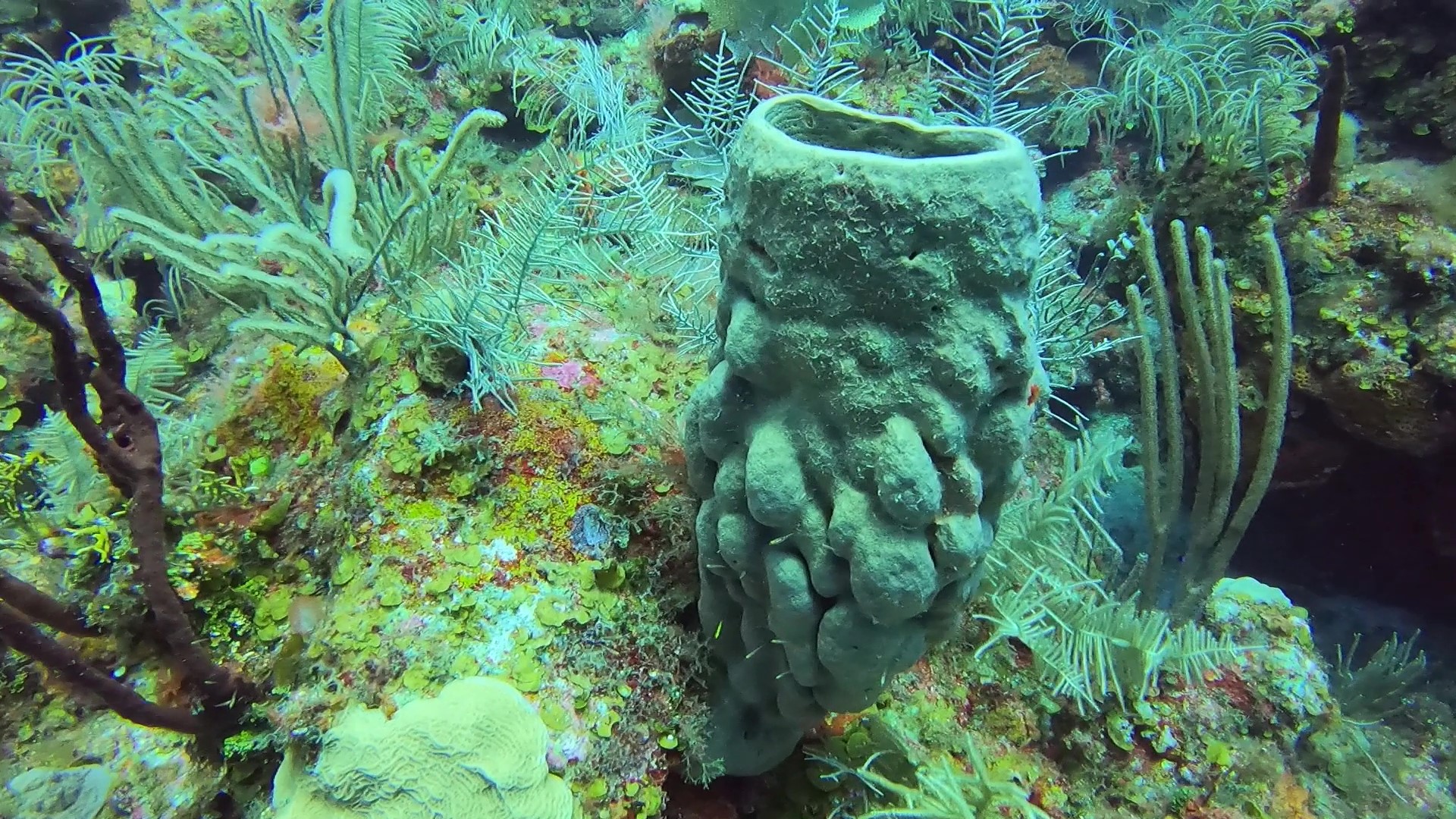
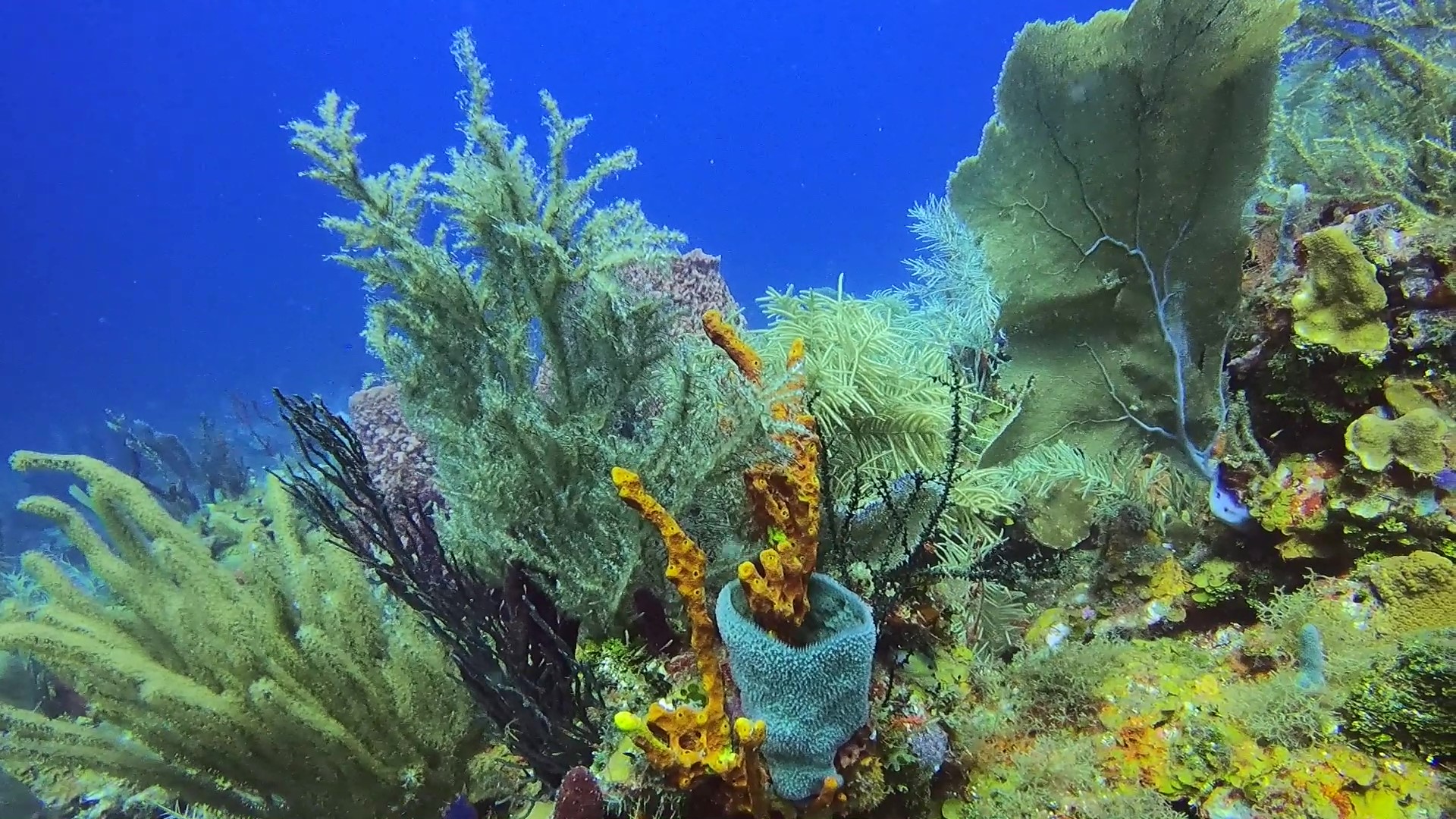
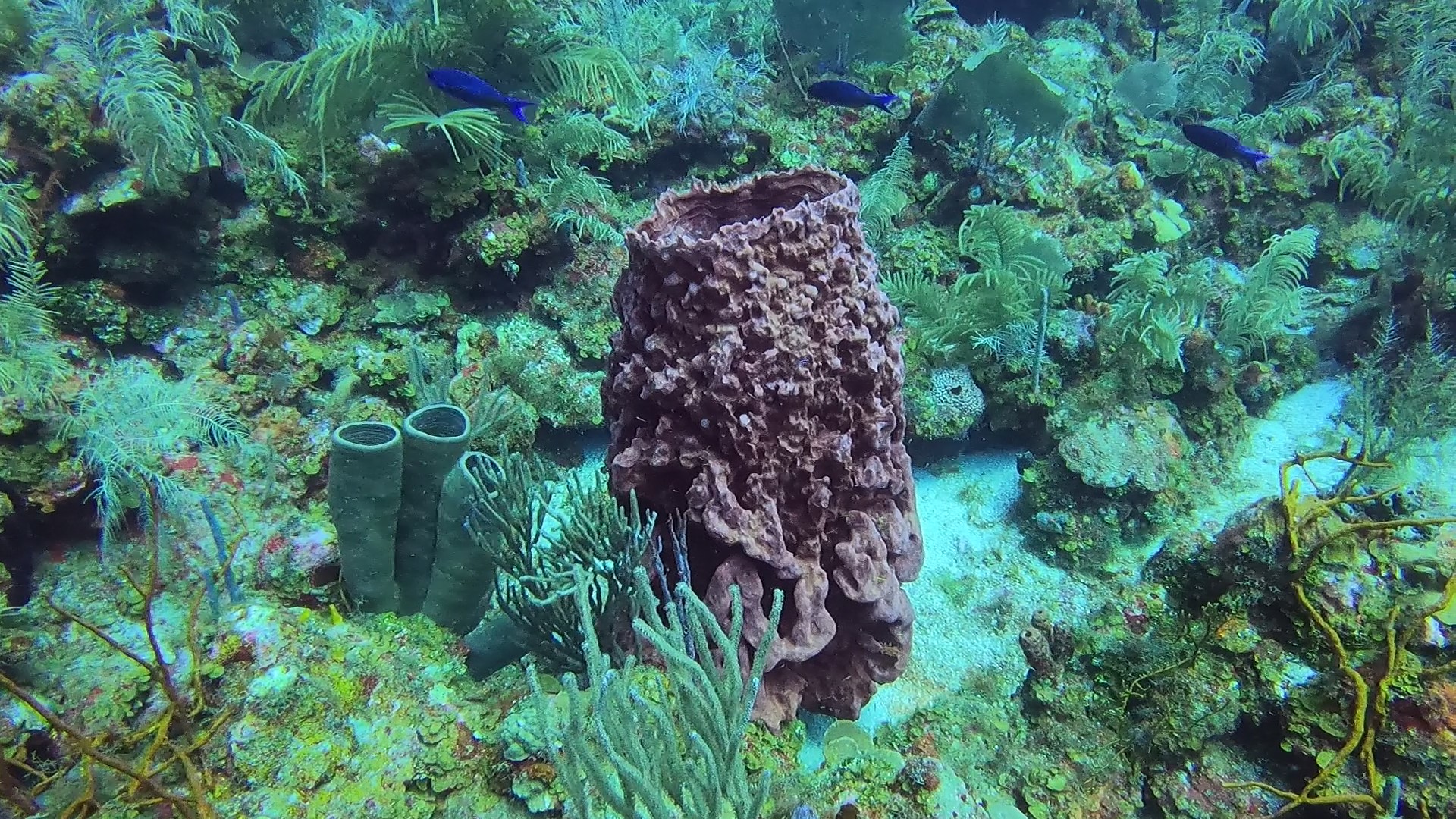
Utila was very different. You are never diving somewhere merely to see a specific creature. Every time you get into the water you are guaranteed to see lots of beautiful, healthy, intact coral – something that can often be scarce these days in popular diving locations – and lots of fish, and any special or noteworthy species that you may see will be a surprise and a highlight rather than the objective. The seas are also calm, so the visibility is almost always good, and the currents are either non-existent or gentle. This makes diving there a more relaxing experience for those who are seasoned and a great place for newbies to learn.

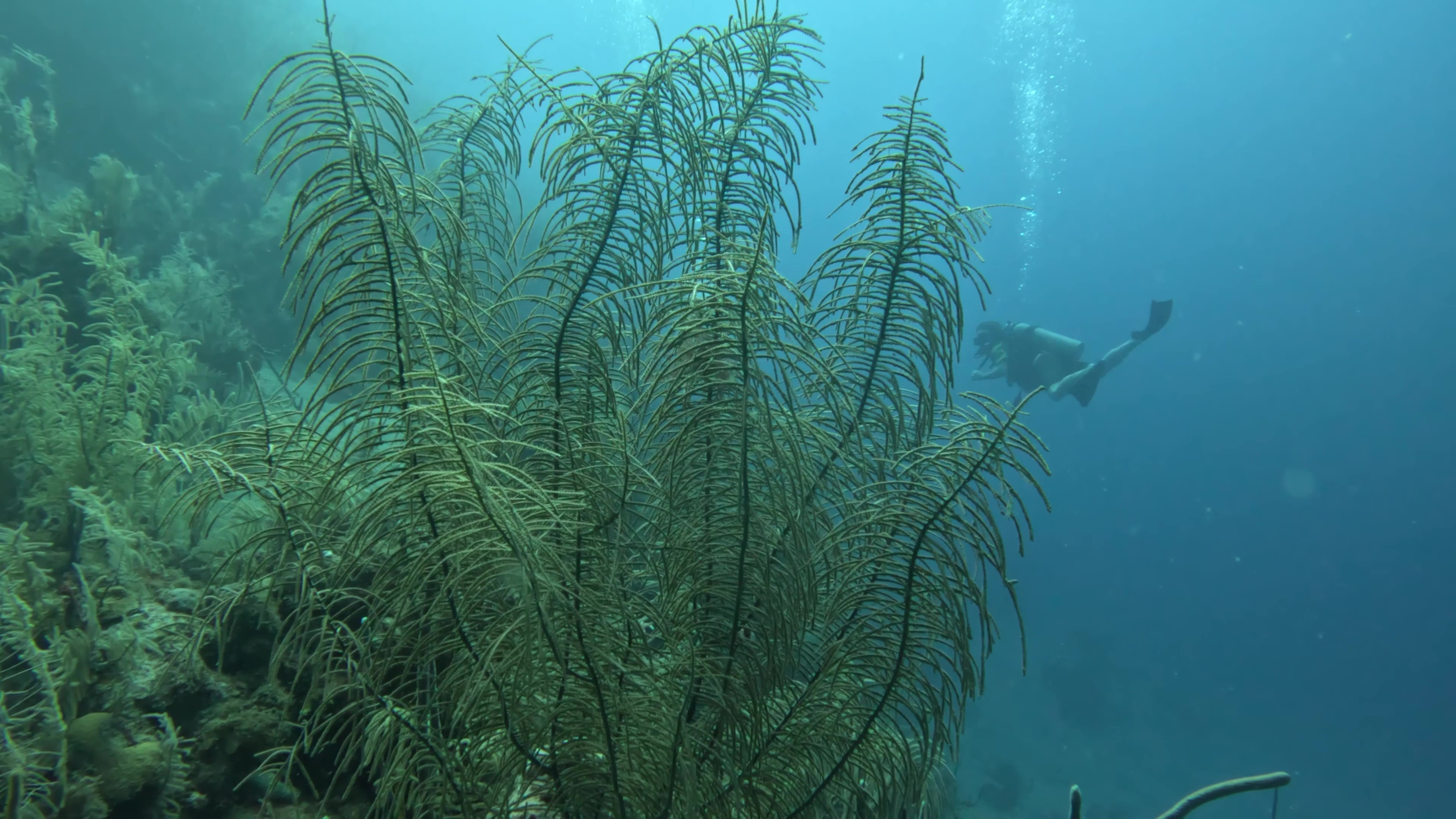
Out of all of the days that I spent diving there, the third was the most memorable. It also happened to be the day that not just one but two of my companions had GoPros, so I can share some of what I saw with you.

We were taken to a secret spot that only Alton’s Dive Centre knows about (and they only take their guests there once every couple of weeks to limit the chances of others finding out about it, so I was lucky with the timing). As with most dives around Utila, we started swimming along a walled reef, but we also eventually reached some pristine coral gardens.

As usual, we saw lots and lots of fish that day, but the more notable sightings included three lionfish – which, I was later informed, are an invasive species and are not good for the ecosystem. The local authorities are even offering rewards to people who hunt them down. Still, they were interesting to see.

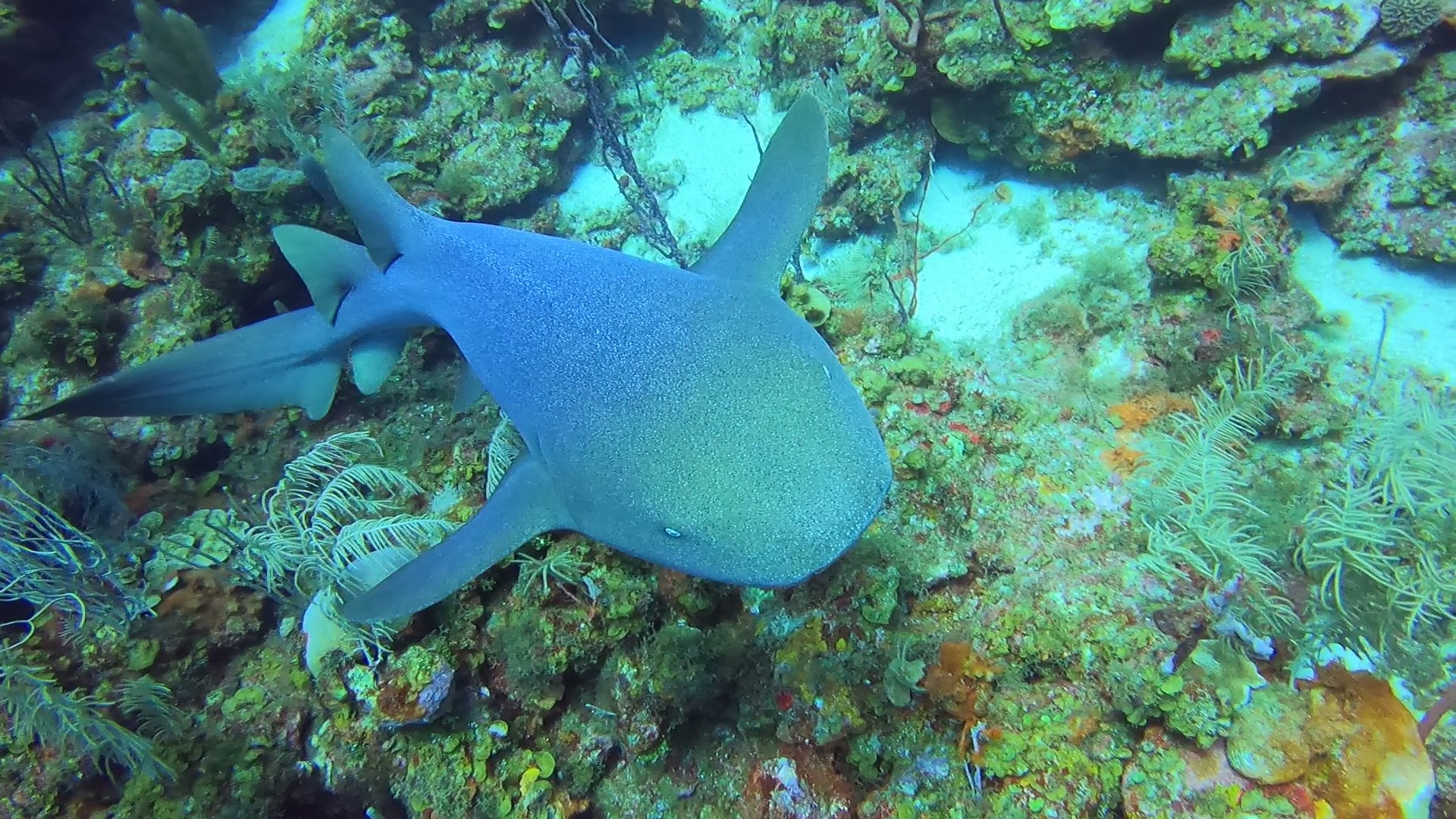
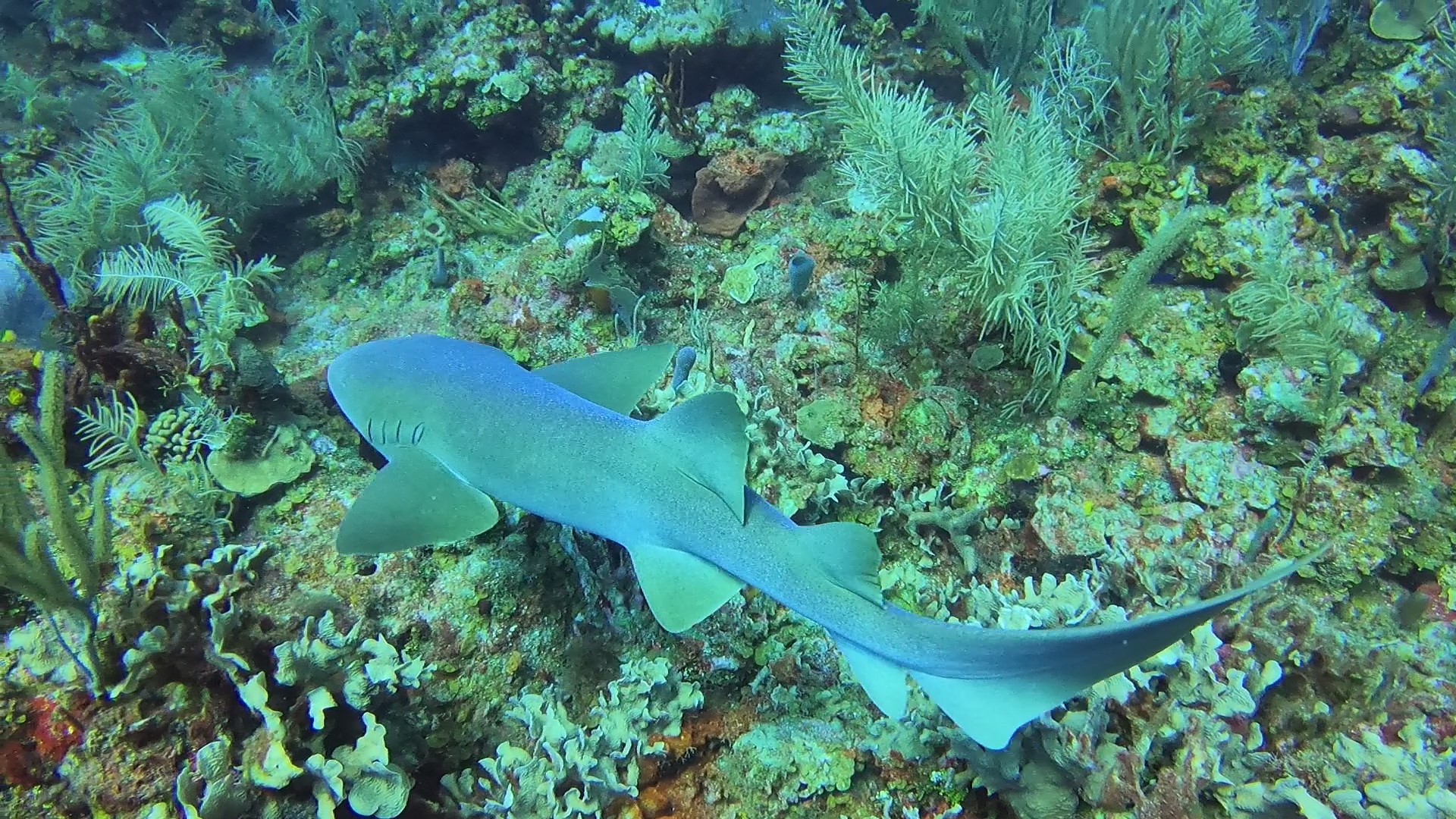
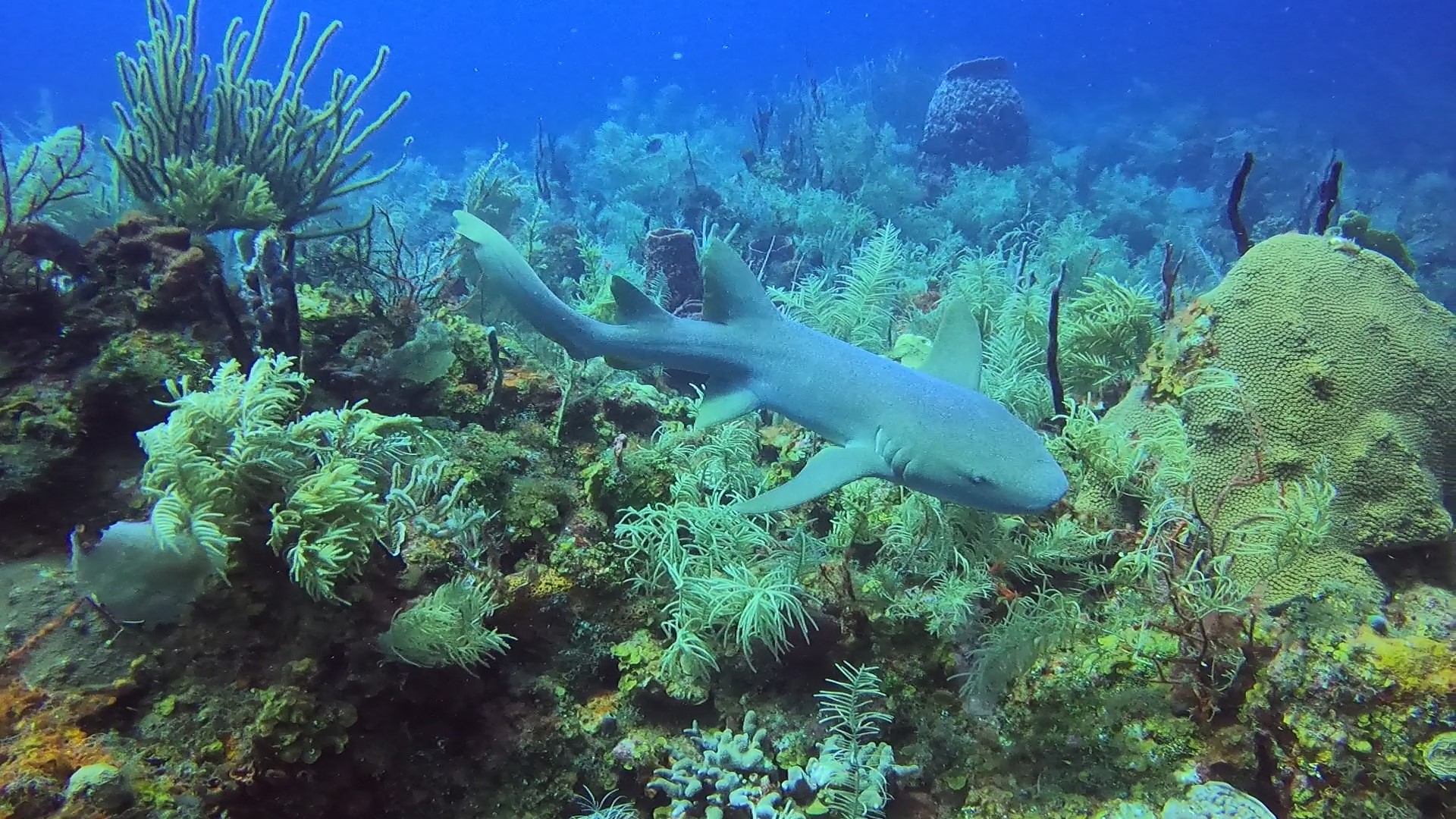
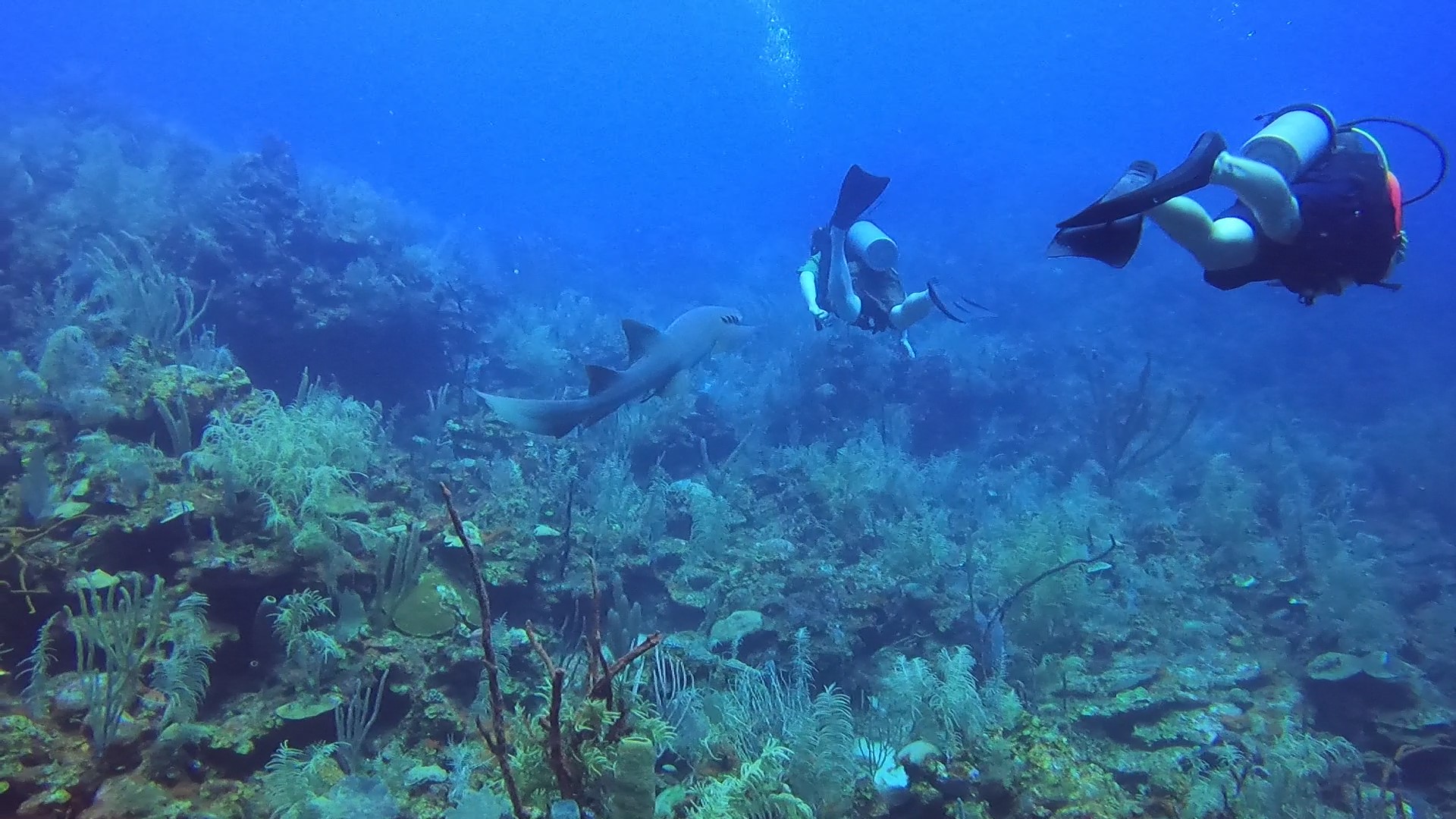
But, most notably, two nurse sharks appeared shortly in the dive.

And after, they just… kept appearing.

Again and again.

They seemed very curious about us and kept swimming up close. Once we surfaced, a young woman called Amy said it was, “like we had two extra dive buddies,” which was a very fitting way to put it.

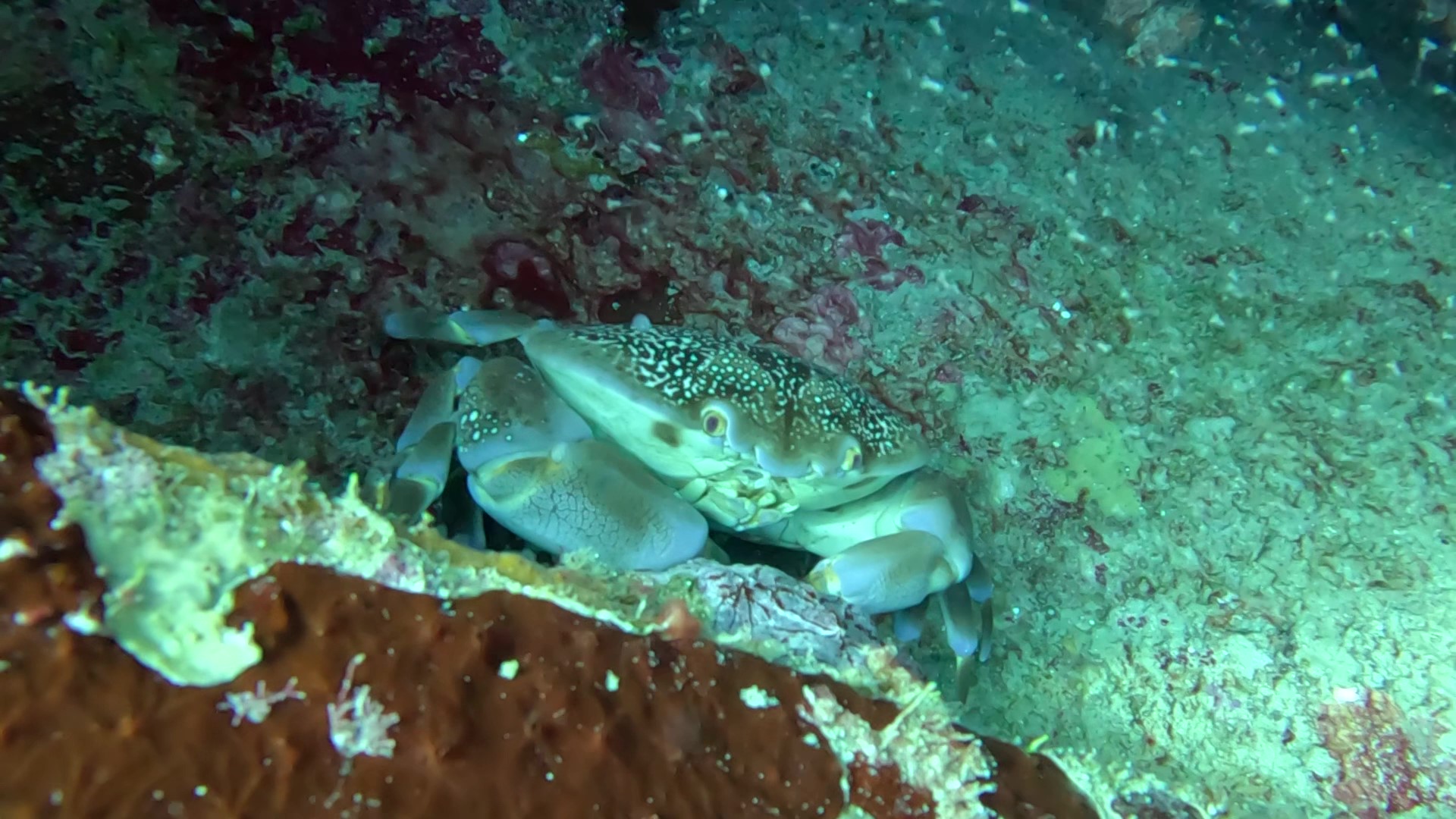
The second dive that day was at Ted’s Point, one of the more common sites. We started by descending to the ocean floor to look at the wreck of a small boat, where we spotted a crab.

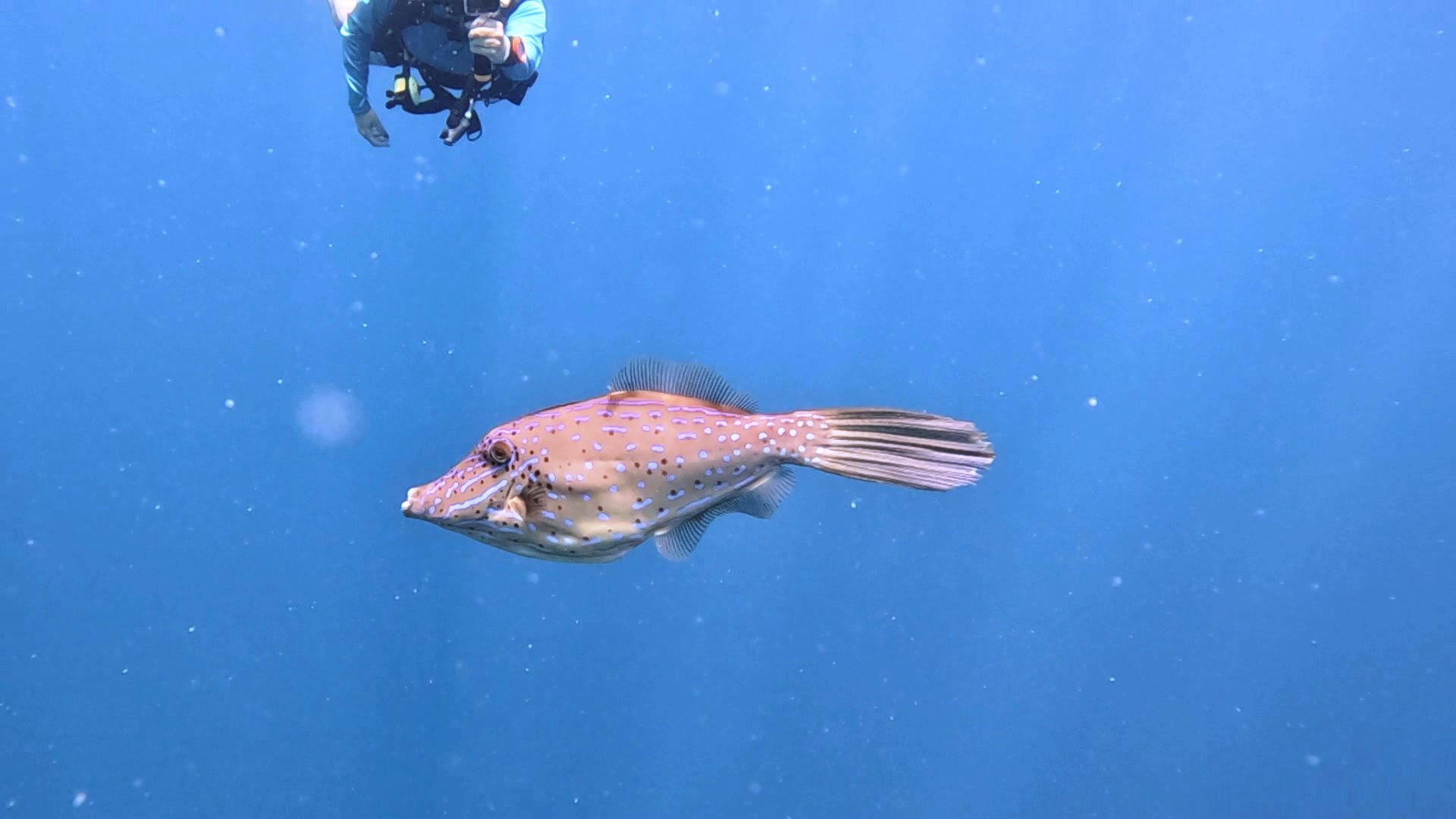
And then, we ventured back to the reef, where our Dive Master – who that day was Ryan – found two species of frogfish, as well as barracudas, tarpons, and a cool-looking filefish.

But, I think the highlight of this particular dive – for me, at least – was this squid that appeared just as we were beginning to ascend for our safety stop.

Another particularly memorable day was my final one, and it just so happened to be another one where someone who owned a GoPro was present.

As it was my last day, Branden took me to see a little cave within the wall of the reef and lent me his torch. Within the darkness I could see a small group of fish backed up against the far side of it, watching me. It was an eerie experience, and when I swam back out of it the sight of being back amongst all the bright and colourful coral again was a moment that I will always remember.

In terms of sightings that final day: the ones that stood out of me was a giant lobster that Branden found hiding within one of the coral formations. I didn’t manage to get any footage of that but I do have some of the barracudas we saw lurking by the wall of the reef.

As well as pufferfish, which we saw several. Towards the start of the dive I found one that was big and of a greyish/blue colour, and then later on we also found a spotted puffer that was yellow and had black spots.

Utila is a lovely place, and I think when I look back on my time there I will not just remember the diving but also the people that I met and watching beautiful sunsets from Alton Dive Centre’s pier whilst enjoying a beer. I can see why many people end up staying here and making a new life for themselves.

The following day, I caught the ferry back to La Ceiba where I spent a day relaxing and preparing for the next stage of my journey; Nicaragua.

Photos and videos used for this blog were kindly donated to me by several people. Most of them are anonymous, but the ones with the nurse sharks and the beautiful coral were from Kari, who also happens to run a business called Island Pet Movers that is currently running a scheme to help those who have been affected by the Maui bushfires relocate their pets and pay for vet services. If you enjoyed the pictures and happen to have some spare money consider donating.

Travelblog LA#22: Lake Yojoa – Honduras

4th – 8th August, 2023


The journey to Lake Yojoa was without incident. The reason that I feel a need to mention this is because I passed through San Pedro Sulla which is infamous for being one of the most dangerous cities in the world. I have seldom heard a conversation during my travels where someone has mentioned this city without people then discussing how dangerous it is.

I have looked more into this, and it is true that it once was the murder capital of the world back in 2012 – when its homicide rate peaked at 173 per 100,000 – but it has since dropped to 36. This still places it in the top fifty in the world – so it is still a cause for concern – but to put that in perspective; Cancun in Mexico scores higher, and so do several cities in the United States which don’t seem to come with the same grave warning whenever they are mentioned. Also, most of the murders in San Pedro Sulla are gang-related and rarely affect tourists. When I passed through, I did not linger – as it didn’t have anything that would interest me anyway – and I was actually quite impressed by how modern its bus station was.

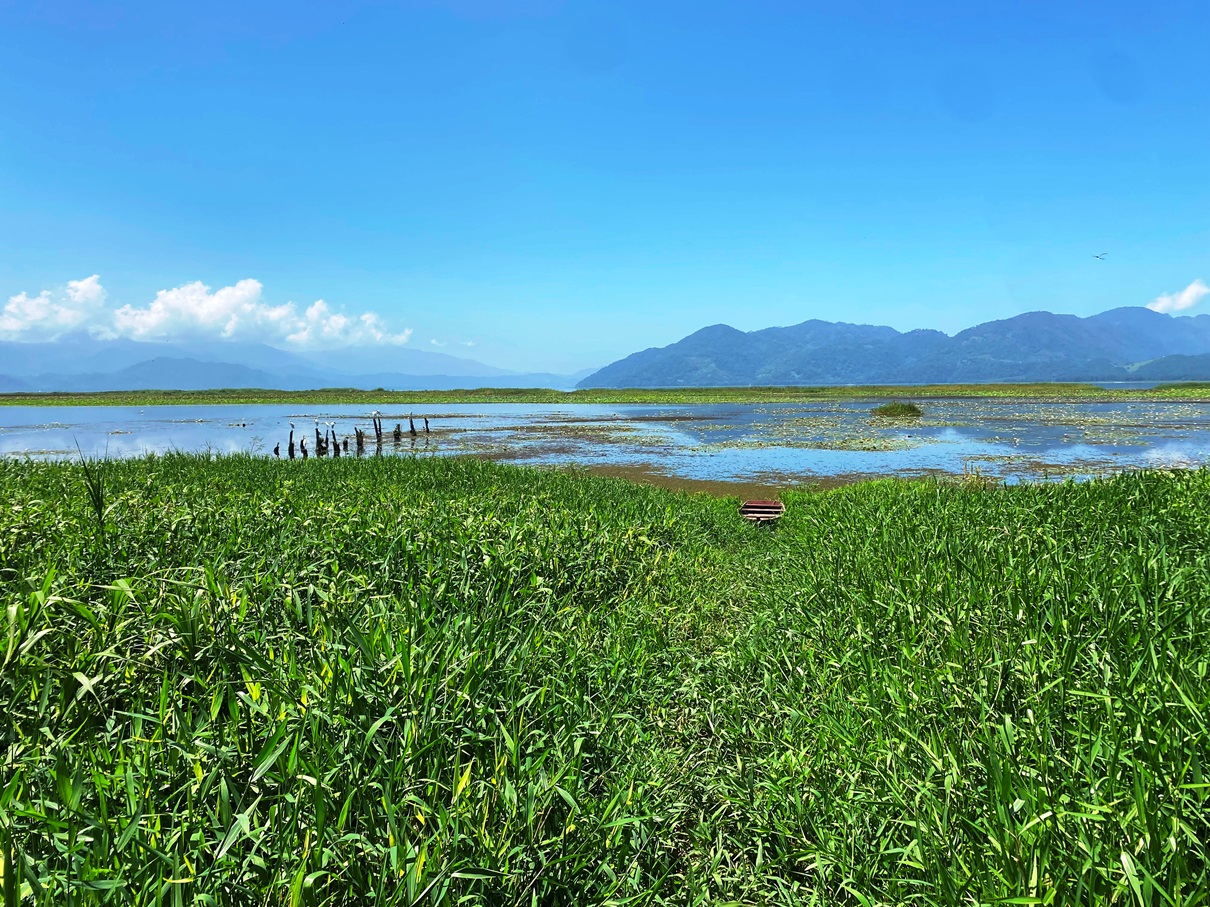
A few hours later, I arrived at Los Naranjos; a little village by the shore of Lake Yojoa. Like almost everyone who visits this place I stayed at D&D Brewery. It is the place that pioneered tourism in this area and still to this day possesses its only backpacker-friendly lodgings.

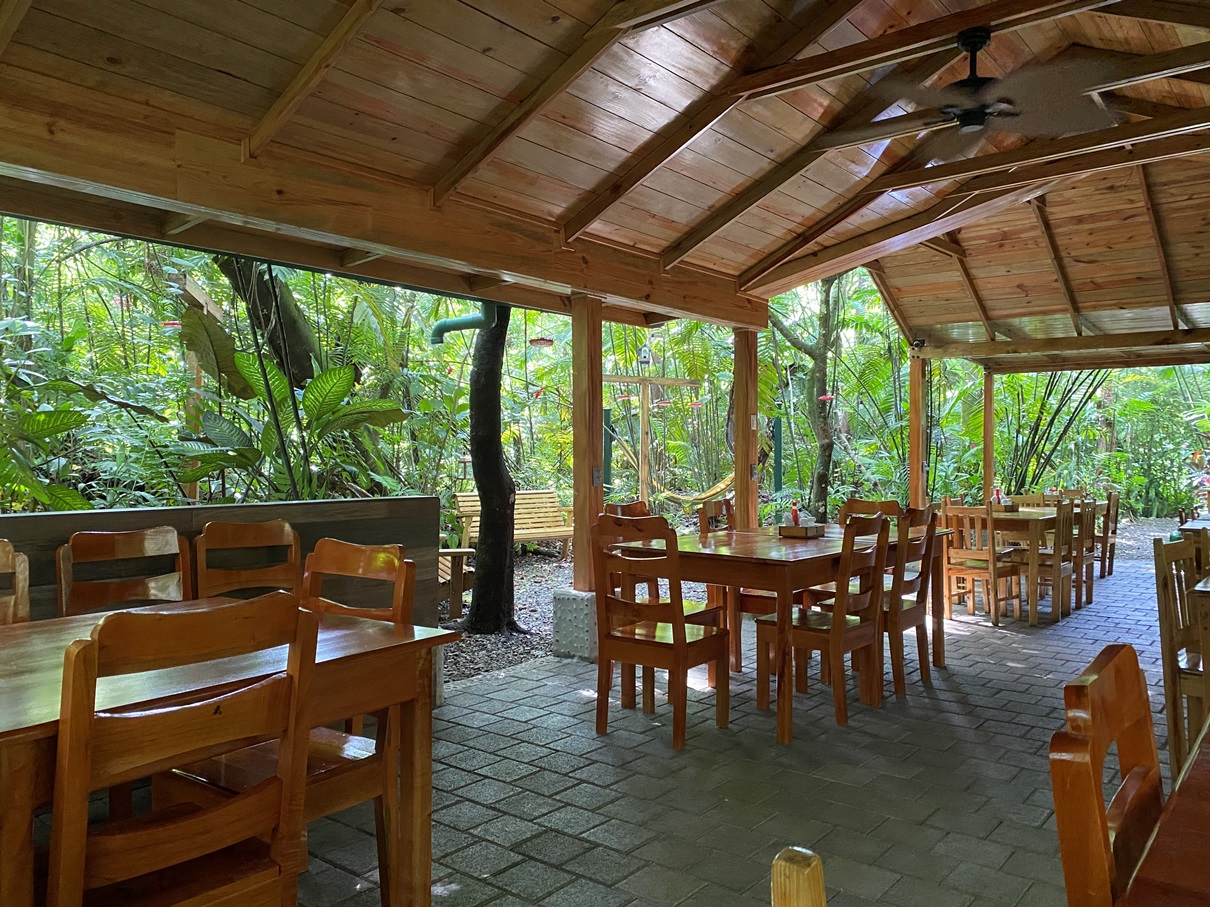
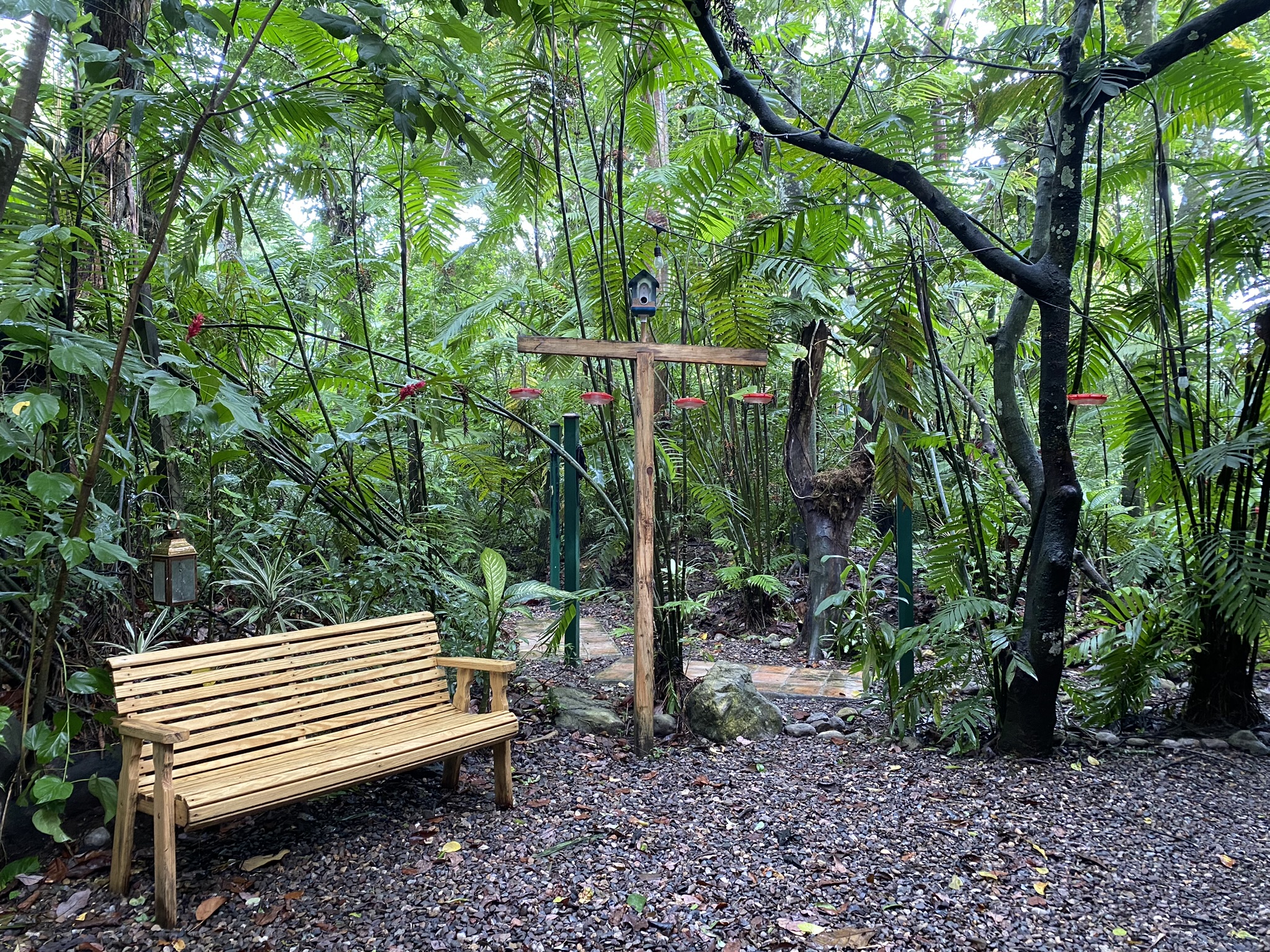
I found it to be deserving of its status. They have created a beautiful ambience by cultivating a lush jungle between all of their cabins connected by pathways, a great restaurant area with plenty of power points, a firepit area (which they light up most nights), and hammocks.

I have over the years learnt to be a bit suspicious when it comes to isolated accommodation. A lot of places will take advantage of their guests relying upon them and inflate their menu prices, but this place has not let their status – nor the fact that they have a monopoly – affect them, and everything is still reasonable. I think it is because they do not seem to rely primarily on backpackers for their income anyway; during my stay, I noticed that they are busiest during lunchtime when daytrippers arrive. The evenings, by comparison, were quiet. The first night of my stay I had the eight-bed dorm to myself, and after that there were never more than three of us.

One of the other things that I found refreshing about this place is that they provide their guests with plenty of information about things they can do in the area independently – instead of just trying to push expensive tours onto them like many places do these days. They do have some tours on offer for their guests, but they are not pushy with them. They seem to understand how hospitality works because this approach makes people feel inclined to stay longer. During my five days here I went to several places, including:

Pulhapanzak Waterfall, which was just a short bus journey away. The pictures speak for themselves. It was very beautiful.

I also went for a hike up the nearby Cerro Las Nalgas, a route that passed through some farms and then into the jungle until I reached the top which had two viewpoints. One overlooking Los Narajos.

And another with a view of the lake.

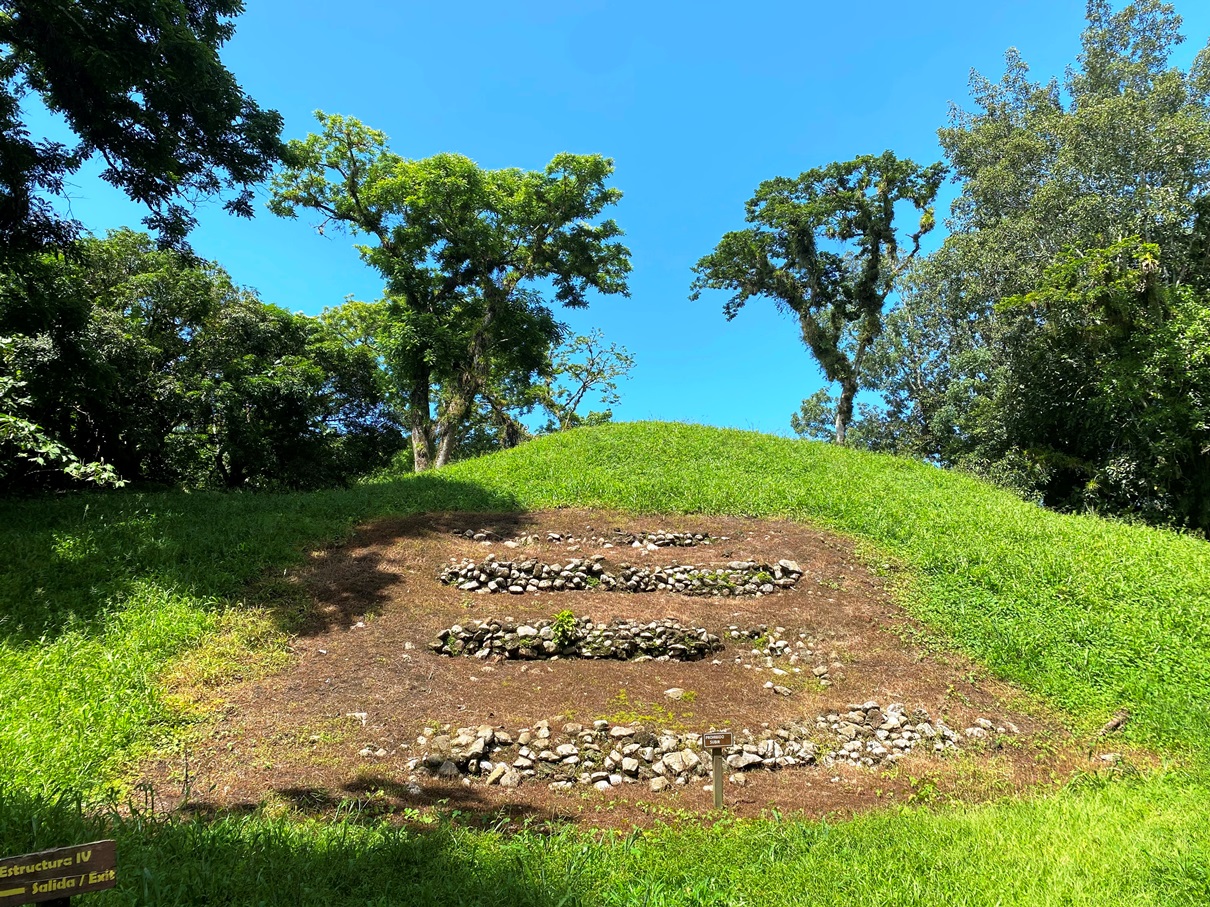
But the place where I spent most of my time was Parque Arqueológico Los Naranjos. Which was not only interesting for its mysterious ruins.

And its little museum, which is home to some pottery and some information about the history of the area.

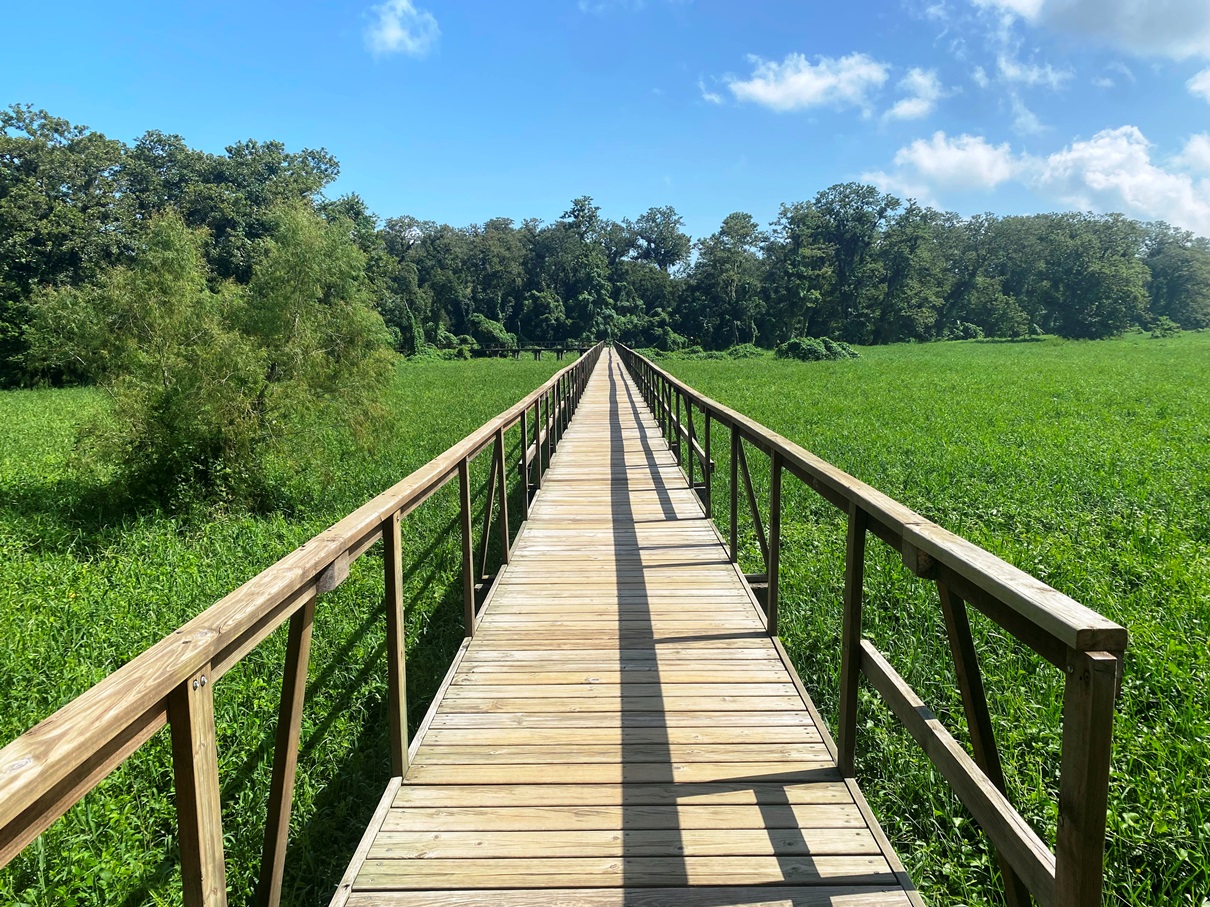
It also has a lovely boardwalk by the wetlands at the shore of the lake.

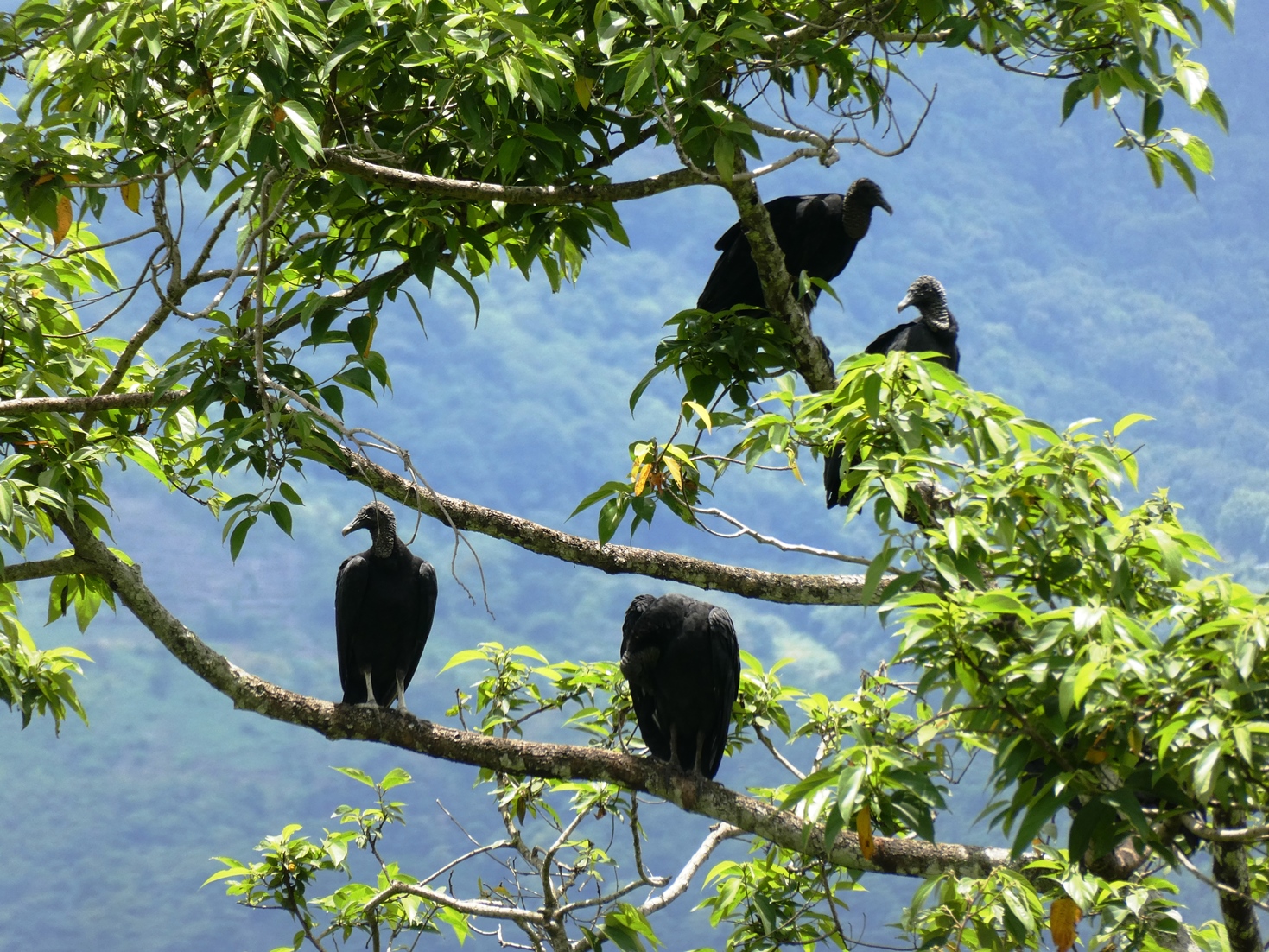
But mostly, this place was remarkable for its birdlife. It is home to over five hundred known species.

I came here almost every day during my stay. Usually in the morning and always with my camera.

And, well, I think we all know by now that I am not a professional photographer. There are certainly better photos that can be found of all of these birds online.

But it is still nice to be able to post my own snaps and know that I was the one who took them.

And let us not forget the thing that D&D Brewery is named after; beer. I am usually more of a wine or cider drinker myself but I found myself having a glass or two each evening. They even do taster platters where you can try them all.

Once again, Honduras has surprised me with more fond memories that I will take with me. This country keeps exceeding my expectations, and I expect that to continue when I head to Utila for some scuba diving.


For more photos from Lake Yojoa, click here.


Travelblog LA#21: Copán Ruinas – Honduras

31st September – 2nd August, 2023


Another day, another border crossing. This is my third in less than a month, leaving Guatemala again, but this time for Honduras. Like the others, it was relatively painless. From Cobán I caught a bus to El Rancho and had to wait for over three hours for a bus to the border. I get the impression that this is a place that only exists because opportunists sprung up when it became the meeting point for two of Guatamala’s main roads. The one time I went out to stretch my legs I had to tiptoe around trash and a prostitute propositioned me, so I mostly waited in the ticket office. The second bus came, and it was reasonably comfortable. I arrived at El Florido in the early evening, and the border control was empty.

Copán Ruinas is a sleepy town. I was expecting it to be much more touristy than it was – as it is one of the primary hotspots of Honduras – but I have a feeling that ‘touristy’ is on a different scale in Honduras to most other places I have visited. I stayed at one of its only hostels and most of the beds were empty. One of the few guests was a guy called Cameron, whom I had met a few weeks ago in San Ignacio.

The following morning I went straight to the ruins and arrived just after they had finished feeding the scarlet macaws. I know that I have gotten onto my soapbox a few times on this blog about feeding wild animals, but this is one of the cases where it is justified. Copán Ruinas has a rehabilitation centre that works with the administrators of the ruins as part of its release program. When the birds are well enough to fly again they release them here, and the forests around the ruins have feeding stations to help the birds out during the transition period. It is regulated, and there are signs around the place telling visitors not to engage in any bird feeding themselves.

Their presence is quite fitting and adds to the atmosphere. The scarlet macaw is a motif that the Mayans featured in much of their iconography, particularly in their ball courts where they held their famous ball game, and this city seemed to have a particular fondness for them.

I arrived before the tour buses and had the place mostly to myself for the first couple of hours. I know I have visited several Mayan ruins by now, but these were special and possibly the most memorable.

They are not as well-known as places such as Tikal or Chichen Itza. Possibly because they are located in Honduras – which isn’t exactly a country people associate with the Maya – and also because they don’t have quite as iconic pyramids. This city was a big player during the Classical period of Mayan civilisation. It dominated most of the cities around it and endured a rivalry with Tikal that lasted for hundreds of years.

And when it comes to micro details, Copán is unmatched. Steles and statues are dotted about the place, many of them depicting past rulers in godlike forms.

And their backs and sides are covered in hieroglyphs, bragging about their deeds and telling their history. Much of our knowledge about Mayan history is thanks to Copán.

The most awe-inspiring feature of this place – and a monument that I believe deserves much more recognition – is the hieroglyphic stairway.

Much effort is put into preserving this feature. It is cordoned off to stop visitors from climbing, and they have placed canvas to protect it from the rain, which somewhat compromises the view of the site as a whole, but is understandable, all considering.

Each of its sixty-two steps is covered in hieroglyphs which tell the story of Copán ’s dynastic history. It was commissioned during the Late Classic period after the Quirigua captured the city’s thirteenth ruler Uaxaclajuun Ubʼaah Kʼawiil, and sacrificed him.

The Copán complex is made up of many parts. Most of the tourists that come only go to the central acropolis and leave but being the geek I am I also went to many of the smaller places, such as Las Sepulturas.

If I am honest, these other ruins weren’t much to write home about, but I am still glad I went to them as they gave me a reason to walk around more. The forests around Copán  Ruinas are very good for birdlife, and I spotted many species whilst wandering between its different ruins. Honduras is less developed than most Latin American countries, and the lack of other people probably helped.

I also walked to Los Sapos. This is a bit away from all the other ruins and is essentially just some rocks close to a stream that has been carved so that they have the faces of frogs. So I guess consider just how much into ruins you are before deciding whether to go. I enjoyed it as the walk there was nice and it had a very interesting energy. It is believed that they were most likely shrines that people would visit to make pleas to certain gods or spirits. Perhaps to do with fertility.

Another memorable visit that I made during my time here was to the Museo de Esculturas. It is located at the same place as the ruins, but I went on a separate day as I did not want to rush my way through and wanted to read through all of its information with a fresh mind. Its central feature was something particularly memorable.

Now, before you get too excited, I just want to say that this is not an original monument. I have mentioned during my entries for both Tikal and San Ignacio two things; that the Maya often built their new monuments on top of old ones and that – much like the Greeks – their world was much more colourful than it would seem because the pastes they used to colour their facades have washed away over the years.

Well, this is a reconstruction of something they found underneath one of Copán ’s pyramids. It is called Rosalila. This is not exactly as they found it but they analysed the residues on the faces of the rocks to guess what it would have looked like when it was in use.

Also within this museum are many statues, panels, and facades that they have rescued from the Acropolis and other sites in the area. They keep them here to protect them from the rain and keep them preserved. This a place to check out if you are visiting Copán.

Overall, I think I will look back on my first few days in Honduras fondly, and I am excited for what I have to come. This country is quieter and less developed than the others I have visited so far on this trip, and I am enjoying the ambience. The climate has also been very agreeable to me. It is technically ‘low season’ but the daytimes have been warm, and most of the rain has come in the late afternoons and evenings in the form of dramatic storms (which I love), cooling the air for nightime. My next destination will be Lake Yojoa, where I plan to undertake some hiking.


For more photos from Copán Ruinas, click here.