Travelblog LA#31: Mexico City Part 2 (Independence Day Celebrations & Teotihuacan) – Mexico

15th – 18th September, 2023


As mentioned in my last blog (to read Part 1 of my time in Mexico City, click here), I arrived in Mexico City a few days before its Independence Day celebrations were due to begin, and that was certainly not something to miss. This blog is going to cover that and my visit to Teotihuacan.
The Mexican Independence Day festivities begin on the evening of the 15th of September with the ‘El Grito’. When thousands of people gather within the main square of the Zocalo district to witness the President make a series of inciting speeches to which the crowd yells back, “Viva Mexico! Viva l independence!”. This is a partial reenactment of the time when Miguel Hidalgo incited the citizens of Dolores to fight for their independence from the Spanish in 1810.

But when the actual day came, it seemed that it might not be possible for me. I didn’t mention this in my last blog but I had been experiencing problems with my back recently. I think the cause was probably a combination of things. I had spent a lot of time sitting in the seat of a car during my road trips with Juan in Costa Rica, and when I arrived in Mexico I ended up having to walk around the airport for a while with all my bags to find an ATM that wouldn’t slap my foreign card with excess charges. Then, after that, my first few days in Mexico were mostly spent in museums – which involved a lot of walking around and standing in spots as I read displays. By the time the 14th of September came I was at the point where I couldn’t even walk more than a few minutes without it flaring.

That, and on the early evening of the 15th, a storm suddenly swept over Mexico City. One that was so dramatic that the other guests at the hostel and I had to abandon the gazebo that served as a communal area on the rooftop and take shelter in the kitchen.

But, as the time drew closer, the weather began to clear and my back was feeling a little better so I decided to take a paracetamol and join the troupe of other guests heading out to the festivities.
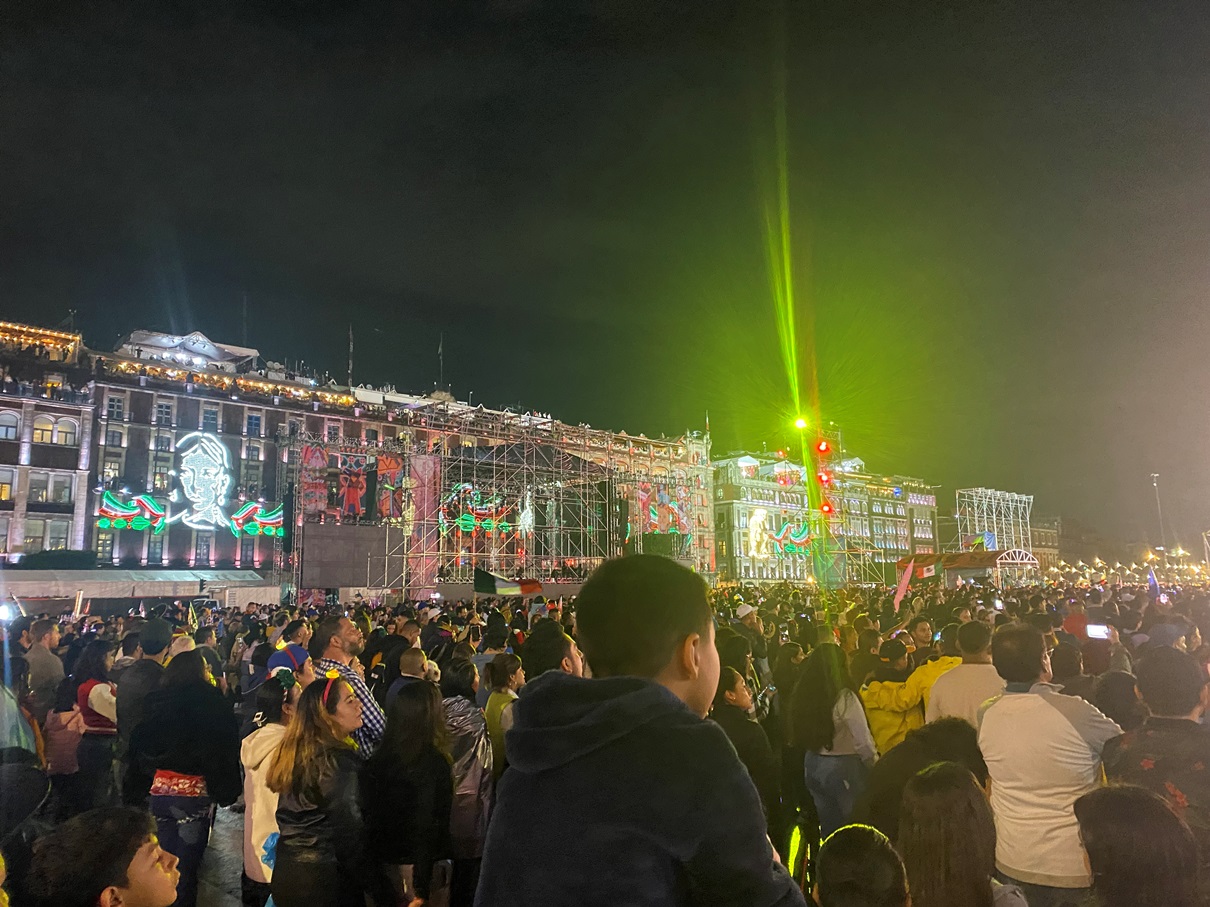
I had thought that – with us turning up as late as we did – there wouldn’t be any space left in the plaza but it seems that we were not the only people who had been deterred by the storm. We arrived just as an opening concert was about to begin. A famous band started to play on a stage in front of the cathedral.

I stayed there for about half an hour or so but eventually had to leave. Partly because my back was starting to flare up again but also because there were no public toilets and I had drunk several beers with some of the other backpackers during the storm.

This meant that I missed the part where the President appeared. It would have been nice to witness that first-hand, I guess, but I was happy I got to see the prelude and soak up the atmosphere for a while.

There was one good thing about returning at the time I did, however…

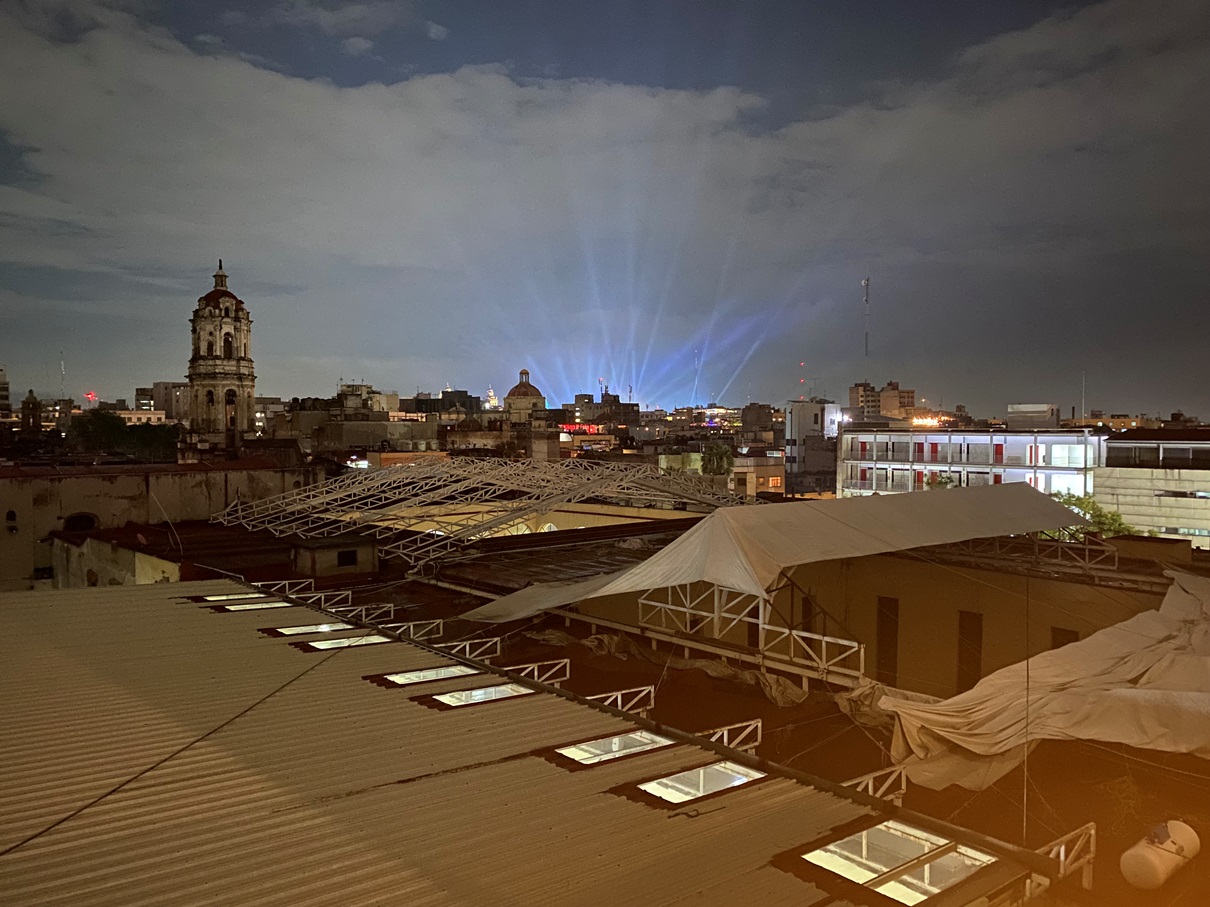
… and that is that I got to watch the fireworks display from the roof of my hostel (whilst drinking another beer).

The following day there was a military parade, and I went to see it with two of the other people staying at the hostel.
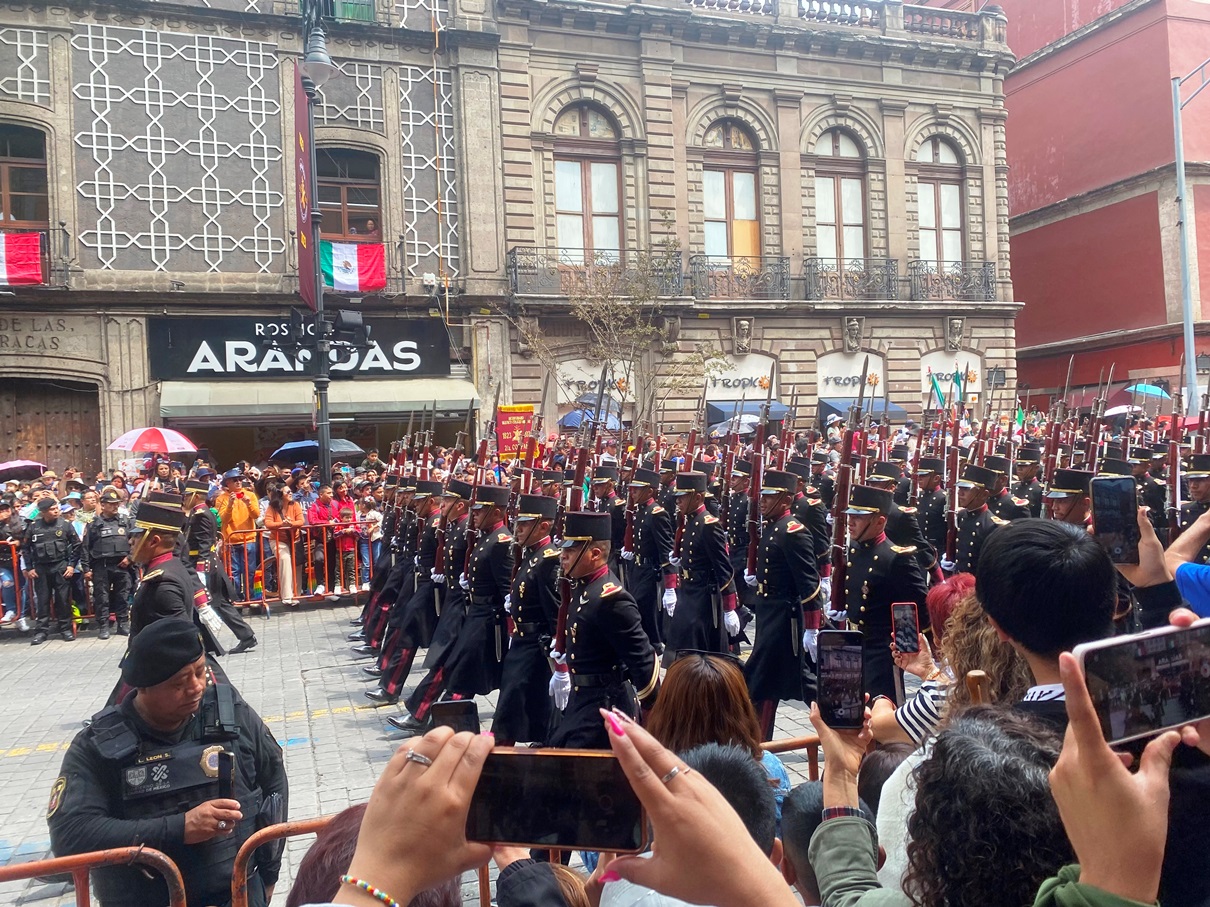
Contrary to the previous night, we found it impossible to get into the plaza on this occasion – by the time we tried to make our way there it was already packed – so we made our way to one of the nearby avenues that the parade was due to pass through.

And, as usual with such events in Latin America, there was a lot of waiting for it to start. I think we were there for about an hour before we started to faintly hear music and other sounds echoing from the plaza. During that time we did occasionally get to watch fighter jets passing above, but besides that, we just waited.

When the parade came it didn’t disappoint. I won’t bore you by listing all the things that we saw but I will say that it was very long. Tanks, paratroopers, engineers, infantry, cavalry, medics, and many others. Some of them even on the backs of large trucks.

One of the highlights for me was a group of falconers marching by with eagles. A friend who was observing from a different place said that she witnessed them all take off. Some of Mexico’s allies were also represented, including many Latin American and Caribbean countries along with some others. I will say, however, that it was a bit disorientating for me to hear people cheering when soldiers from Russia marched by. I can only guess that they hear a very different spin on their news in this part of the world.
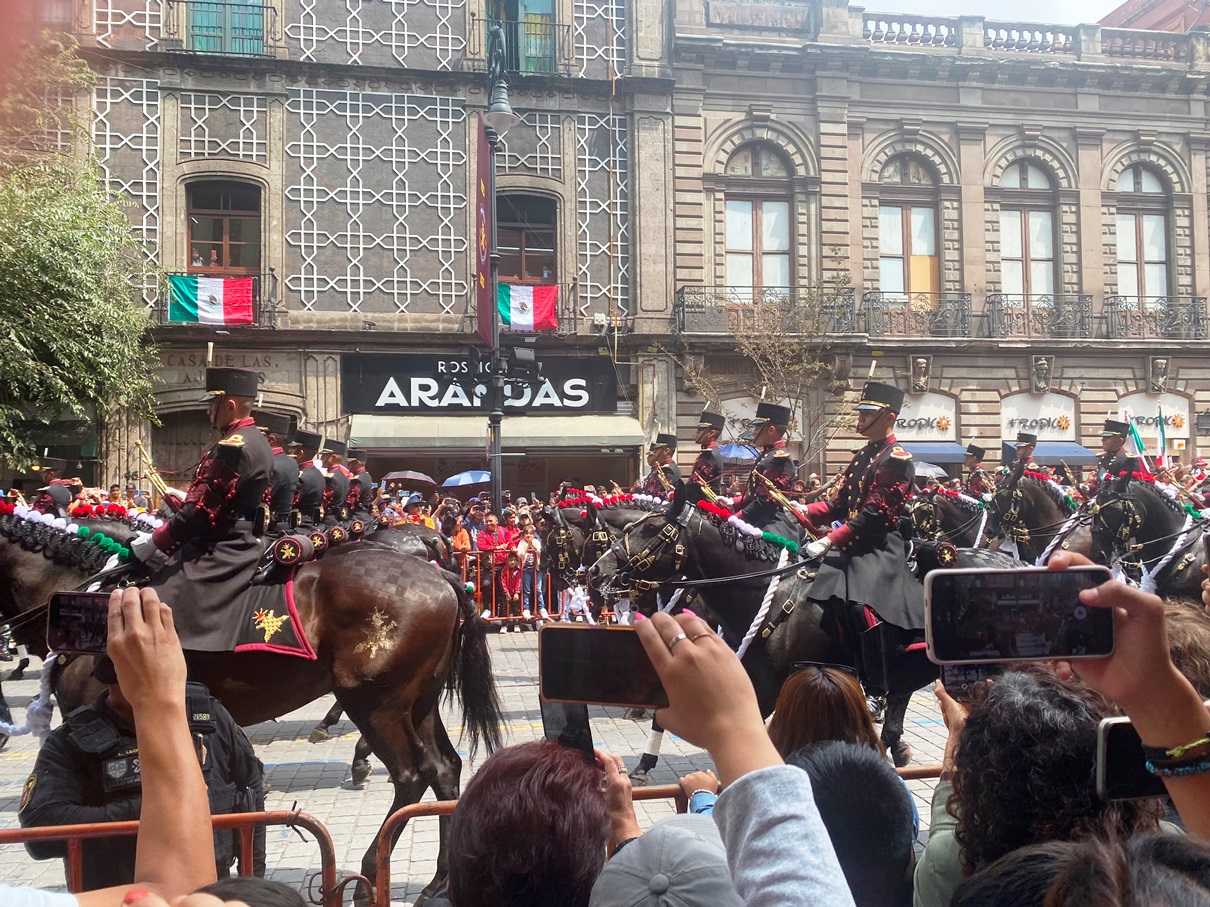
I will also admit that I didn’t watch the entire thing, as it was very, very long, and – especially towards the end – a bit repetitive. I made my way back through the plaza, which by then had emptied a little and was covered in confetti.

And now I will write about what I suspect most of you are here for; my visit to Teotihuacan.
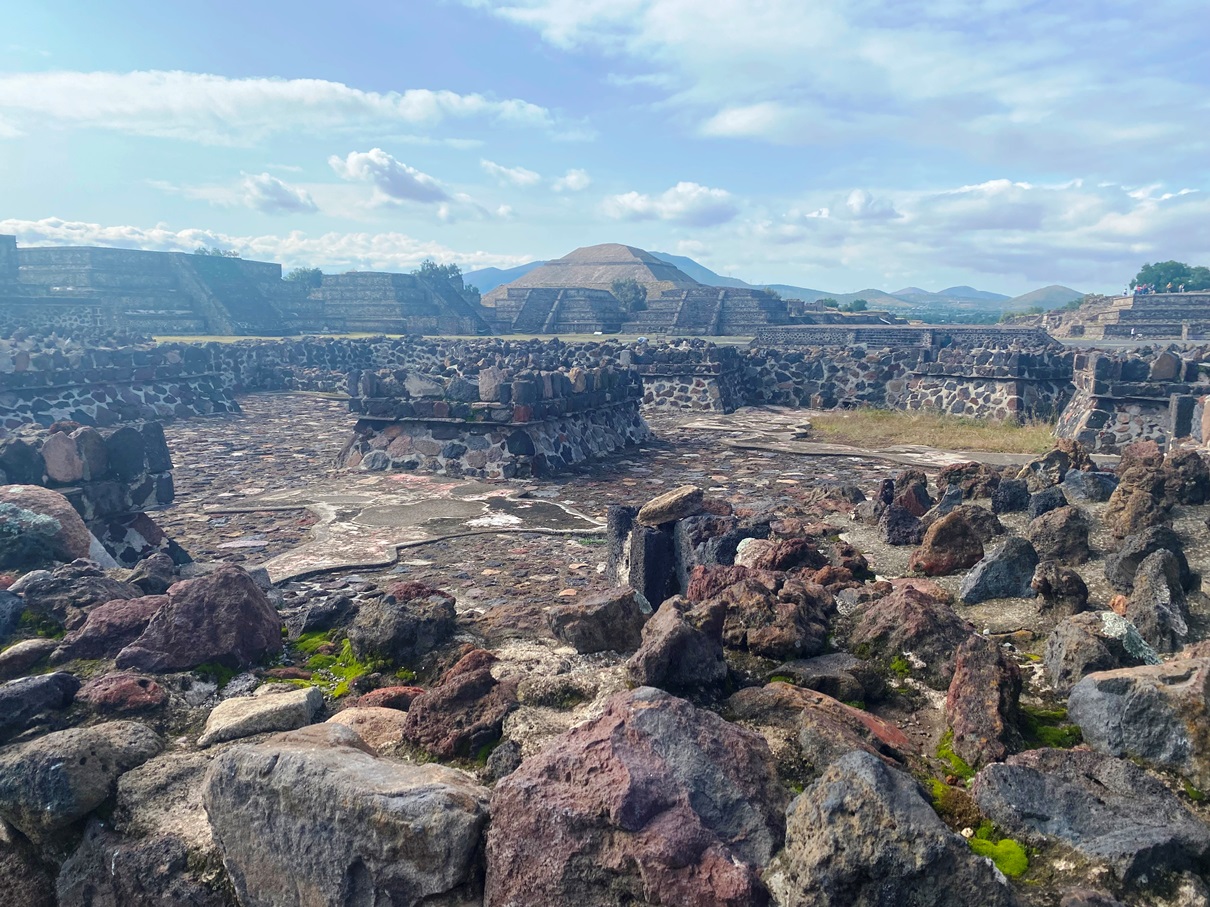
I purposefully waited a couple of days after the Independence Day celebrations. Not only to give my back a bit of a rest but also because I wanted to wait until the weekend was over so I could avoid the crowds.
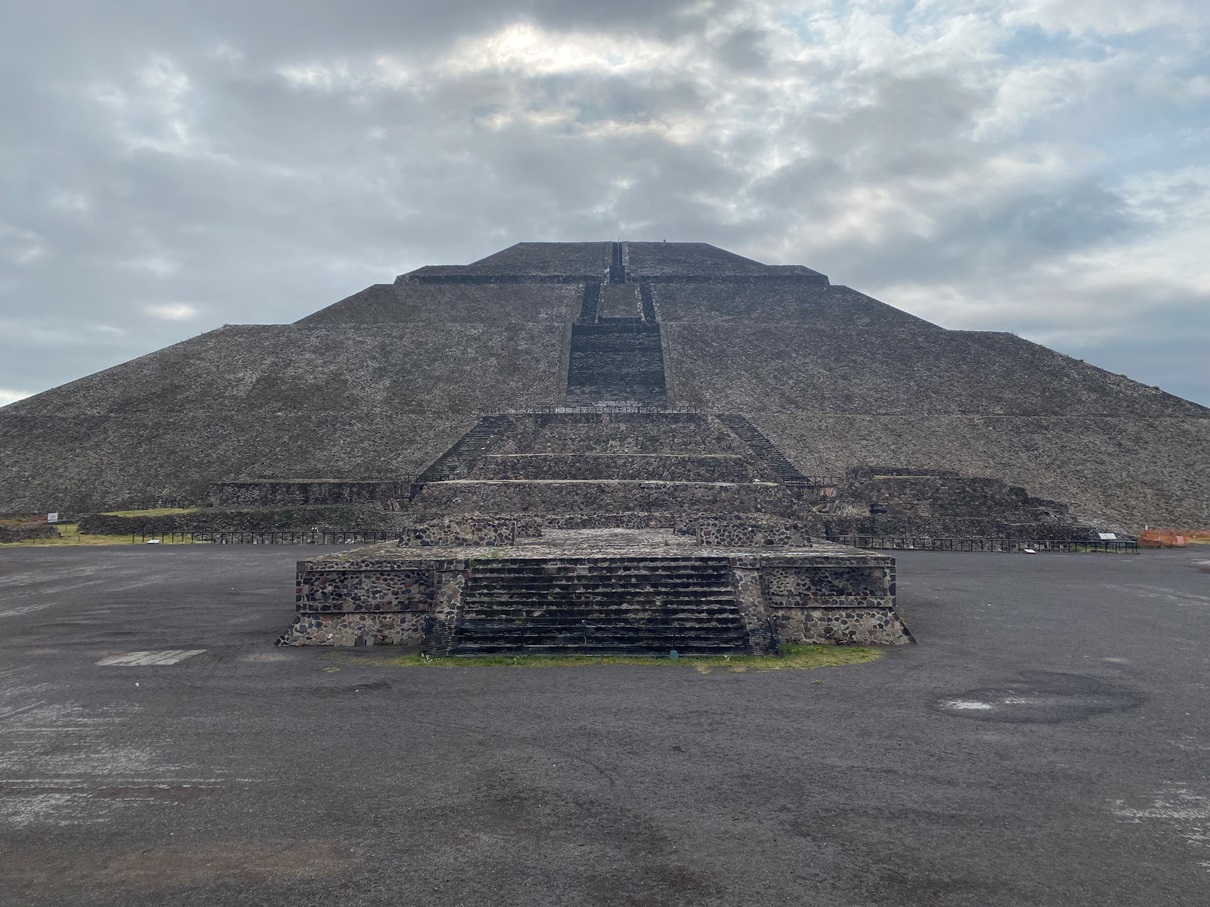
I was fairly successful with this. When I arrived I managed to take a few photos of it whilst it was still fairly empty, but I think that might have had more to do with the fact that I turned up early. Within a couple of hours, some tour buses arrived and the place was much busier.
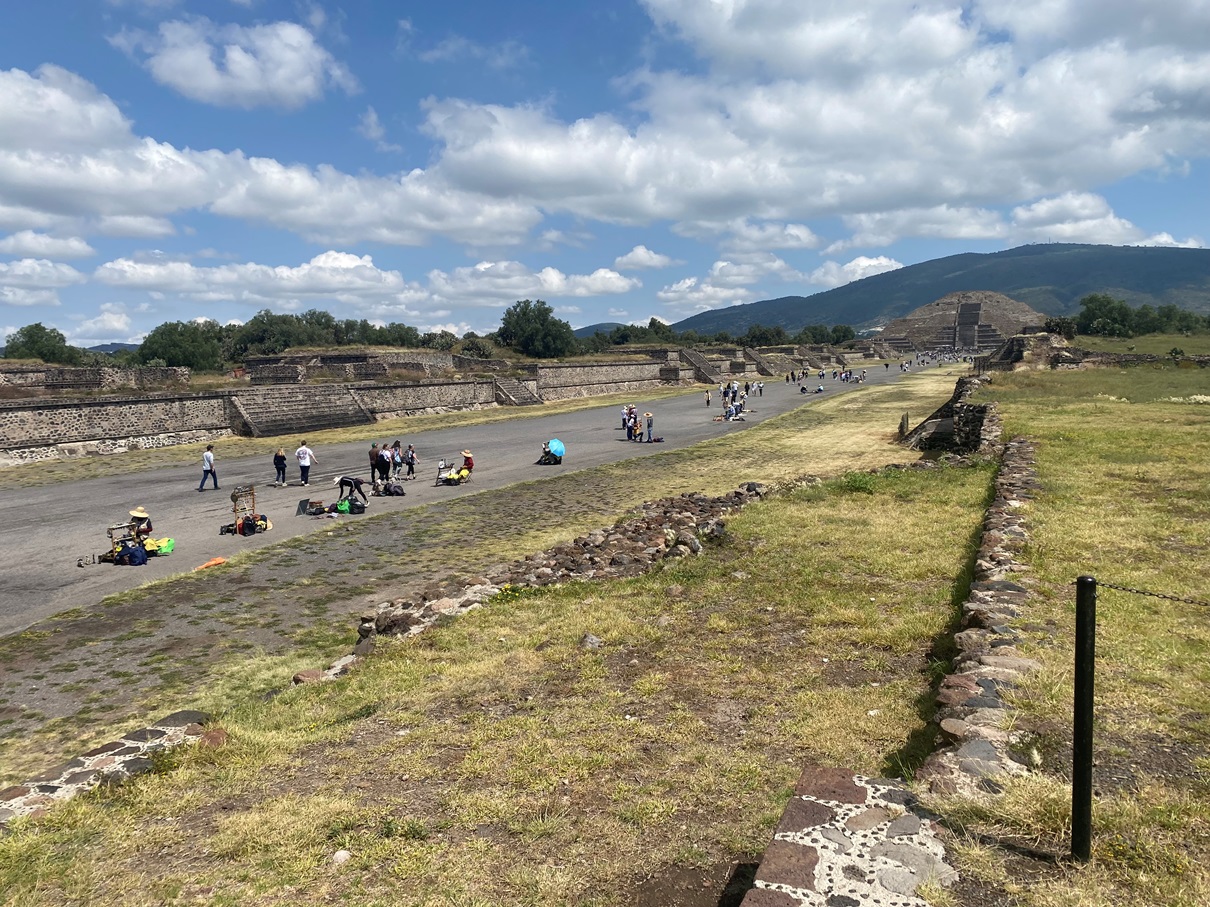
The first feature you see when you enter the site is the Pyramid of the Sun, which is much bigger than pictures like this would make you think.
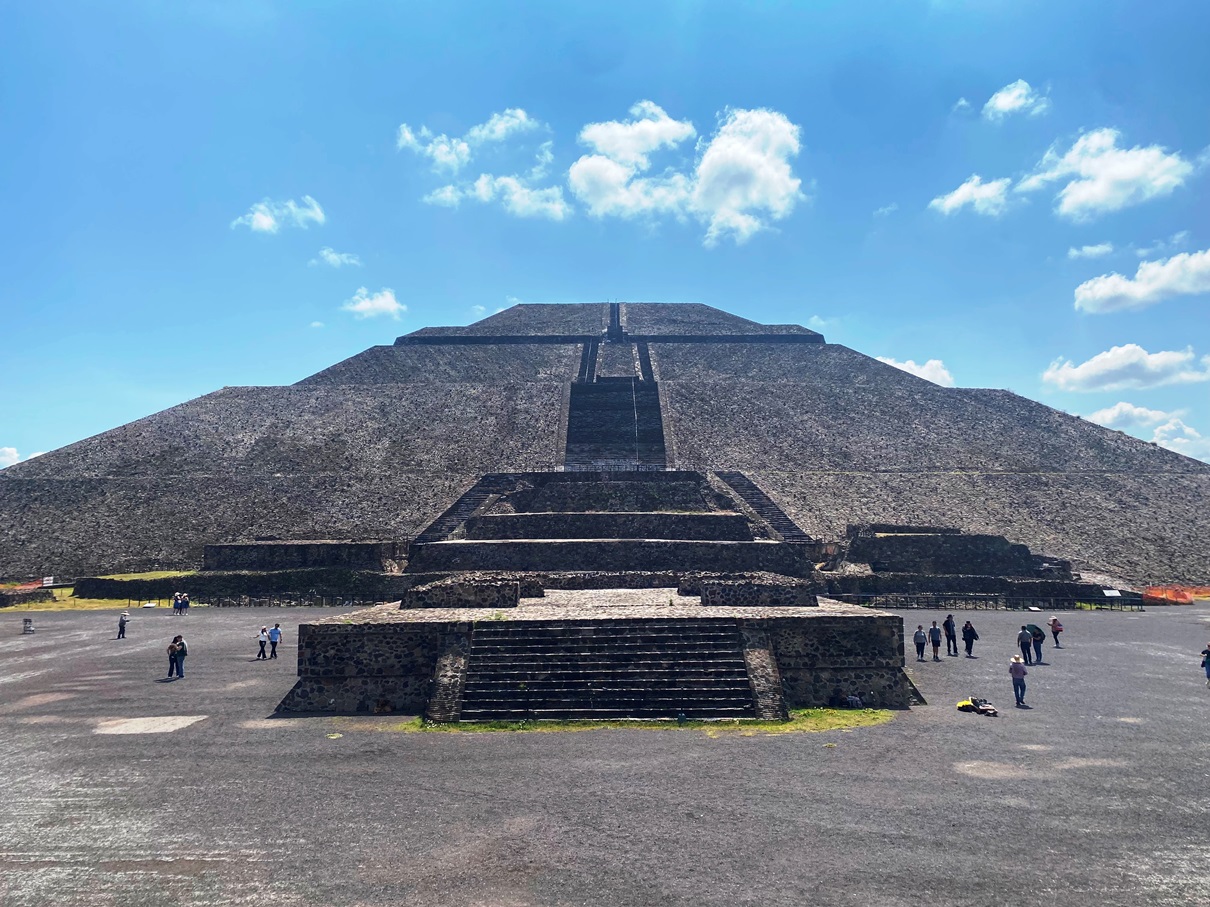
It is also possibly misnamed; many contemporary historians have analysed the archaeological finds and concluded that this is more likely to have been dedicated to Tlaloc, the rain god. I do not have the authority to weigh in heavily on this but – as an amateur enthusiast – the arguments for it seem fairly convincing to me.
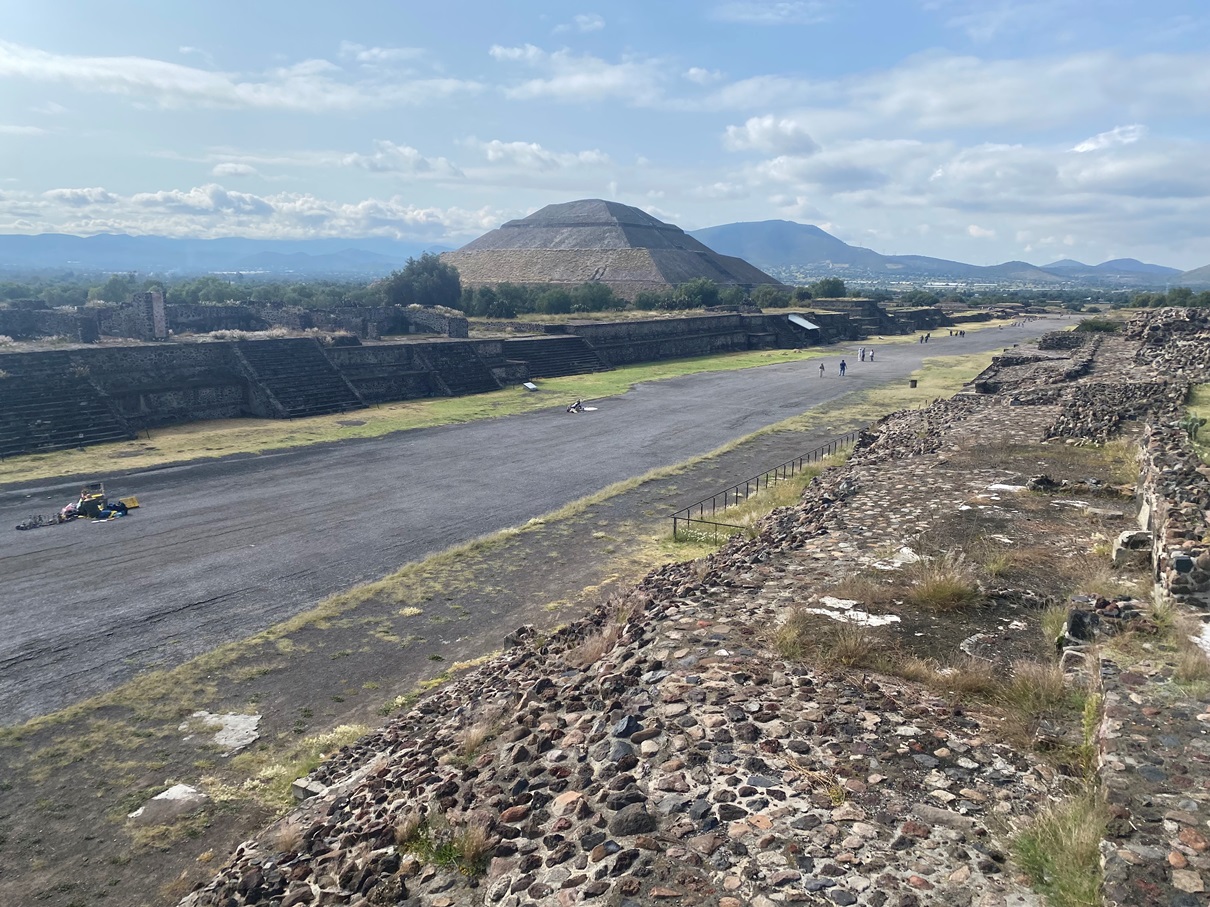
After walking along the Avenue of the Dead, one reaches the second most prominent pyramid that looms over the site; the Pyramid of the Moon. Evidence left in murals seems to suggest that this was dedicated to a deity we do not have a name for so is often referred to as The Great Goddess of Teotihuacan.
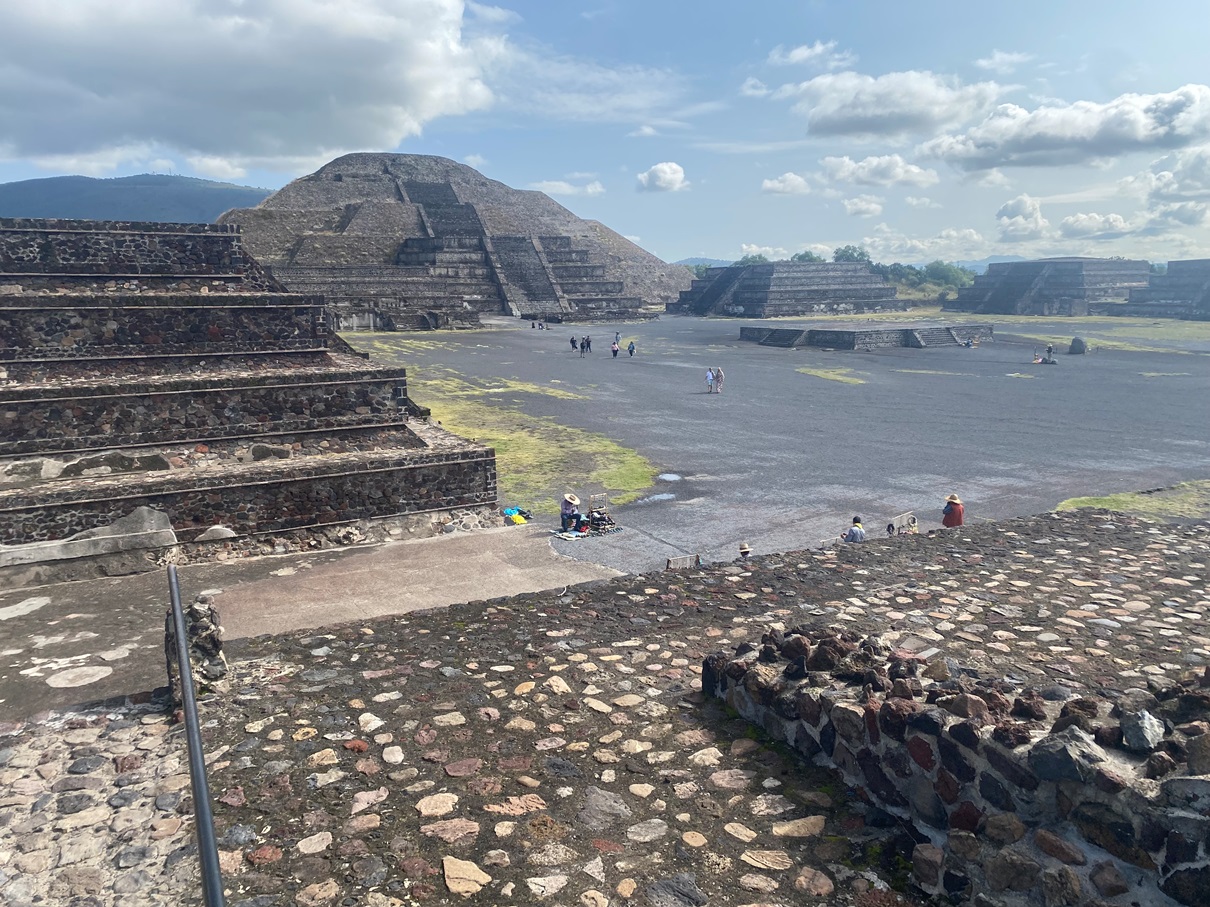
In truth, we do not truly know what any of the deities of Teotihuacan were called. Their civilisation fell into decline mysteriously during the eighth century and their script has never been deciphered. The Aztecs rediscovered this site hundreds of years later and appropriated many of their gods into their pantheon whilst giving them new names.

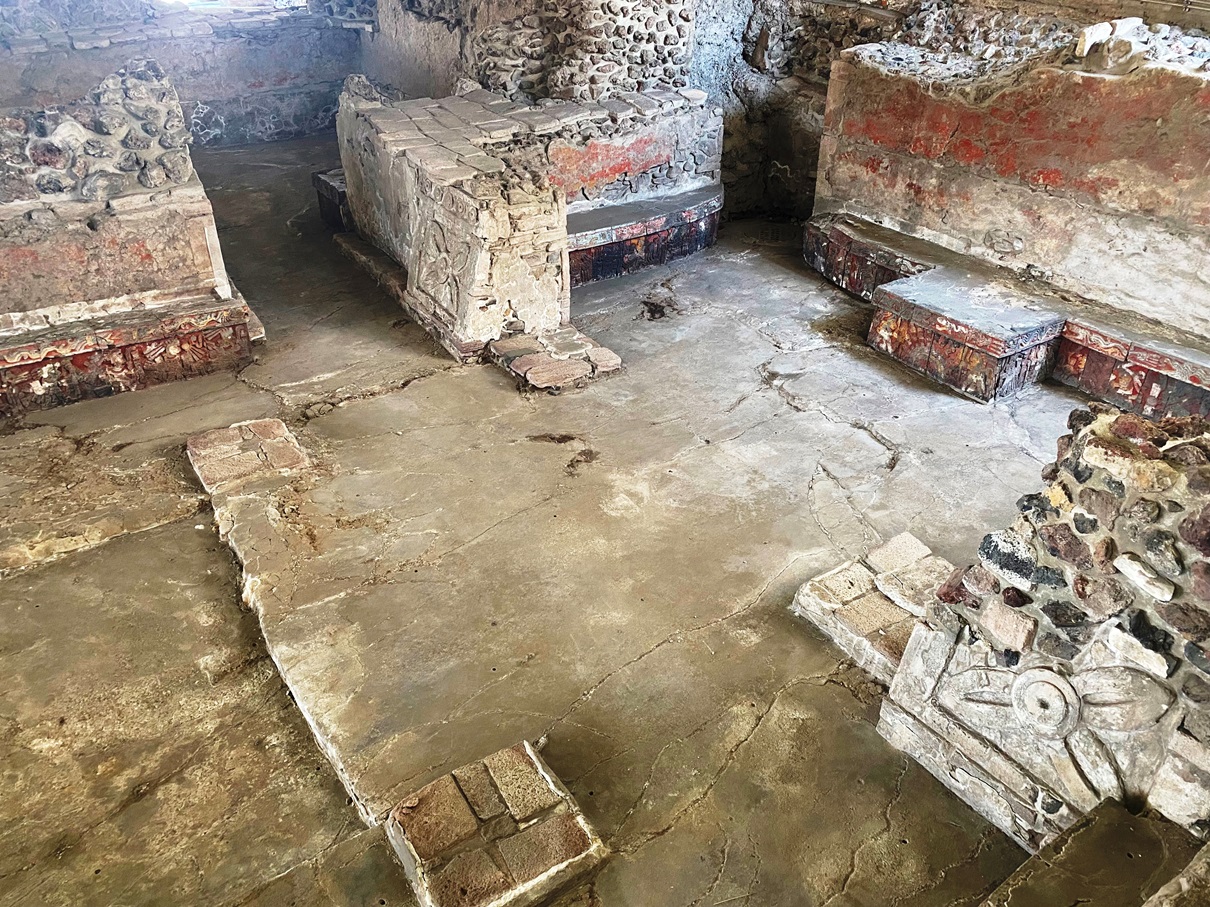
Close to the Pyramid of the Moon are a series of buildings filled with little temples, shrines and courtyards. They are not as well-known but fascinating because many of the walls are covered in murals and carvings.

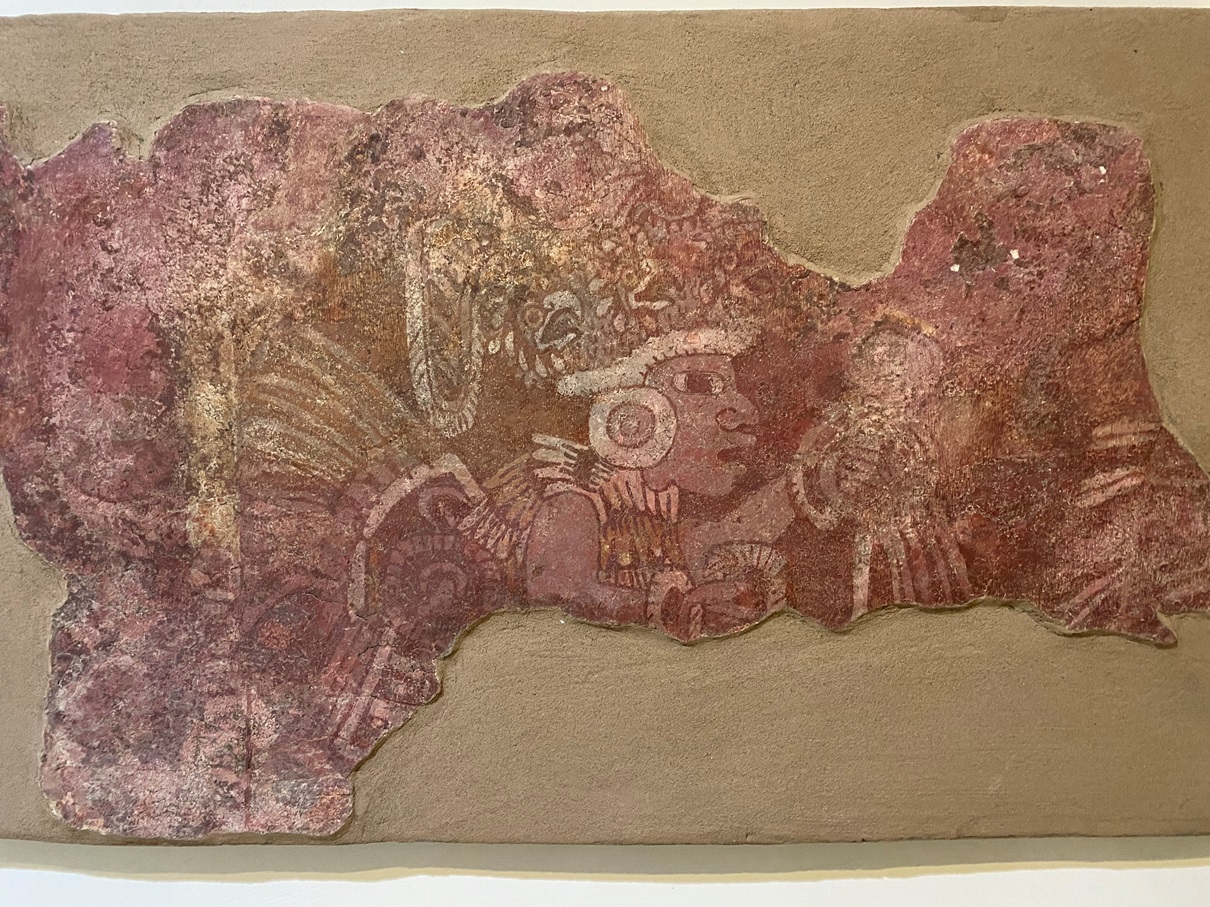
Speaking of carvings; a tip that I would like to give to those who might be visiting is to not miss the Museo de los Murales. This is also close to the Pyramid of the Moon and is included with your entry fee when you come to Teotihuacan, but many people miss it. It is home to many of the better-preserved murals that they have recovered from the site, many of them with information.
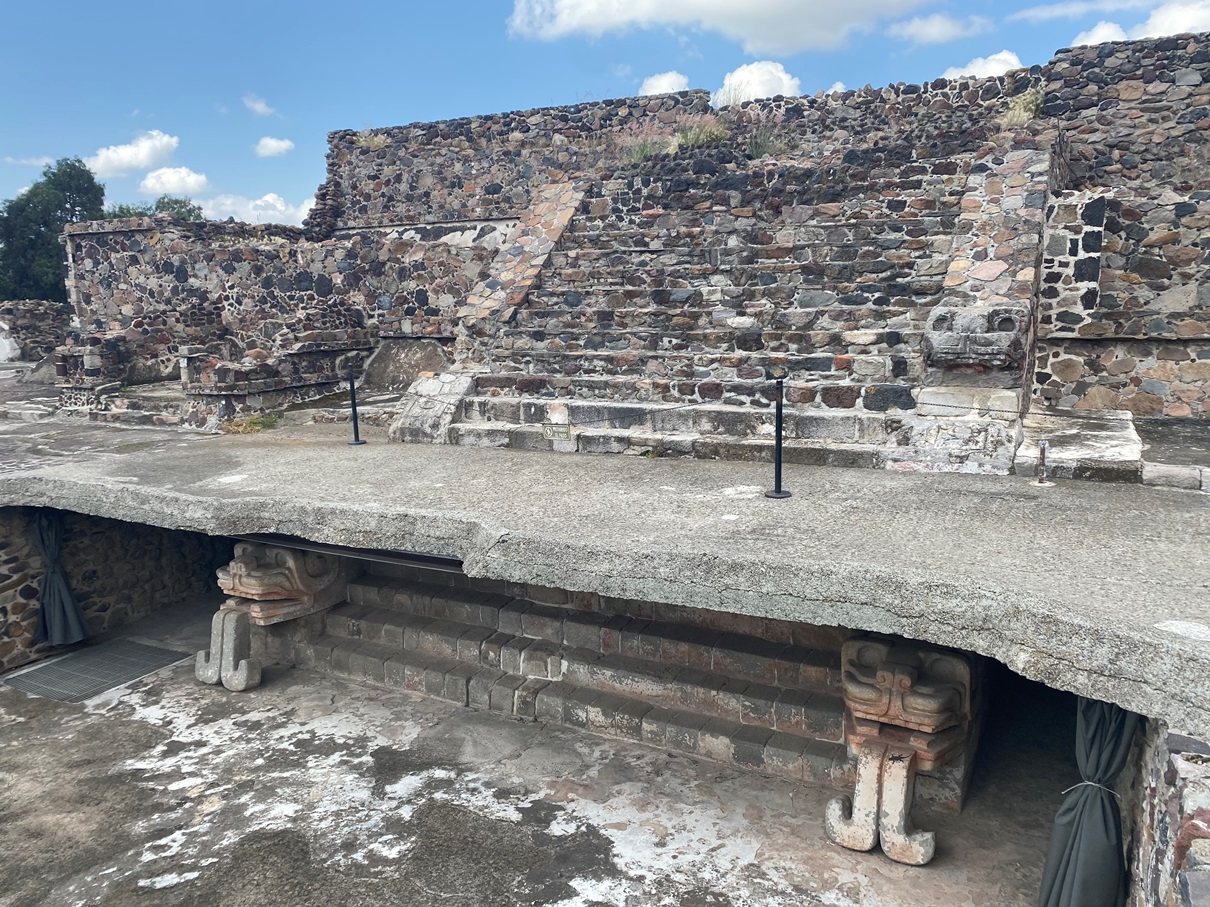
On the southern side of the Avenue of the Dead are Plaza Oeste and some of the residential areas. The Plaza has an interesting example of the different stages of Teotihuacan’s different stages of building as they have excavated one of the floors to see more steps beneath.
The residential areas are perhaps not as exciting to look at if you are a visitor, but – as usual – this area has been a treasure trove to archaeologists in finding clues as to how the people of Teotihuacan lived.

Teotihuacan is very intriguing in that regard. I have seen a few instances where people have nicknamed the Teotihuacan ‘The Rome of Pre-Colombian America’, but I am not sure if that is the most fitting comparison to be made. They were certainly very multicultural, as the evidence from the living quarters shows that they had many different peoples dwelling in this city – including the Maya – and some of them even had their own districts.

Another thing the archaeological evidence indicates is that they were a fairly egalitarian society whose citizens enjoyed a fairly high standard of living for the time. They are still not sure how this place was governed as they haven’t found any indication of a singular ruling class. This, and the other mysteries that surround them concerning their religion and mysterious decline, makes me think more about the Harappans (if a comparison were to be made).

The Temple of the Feathered Serpent is usually the final stop for those who visit Teotihuacan. It is situated in a very iconic plaza surrounded by little platforms and pyramids, and it is certainly structurally impressive.
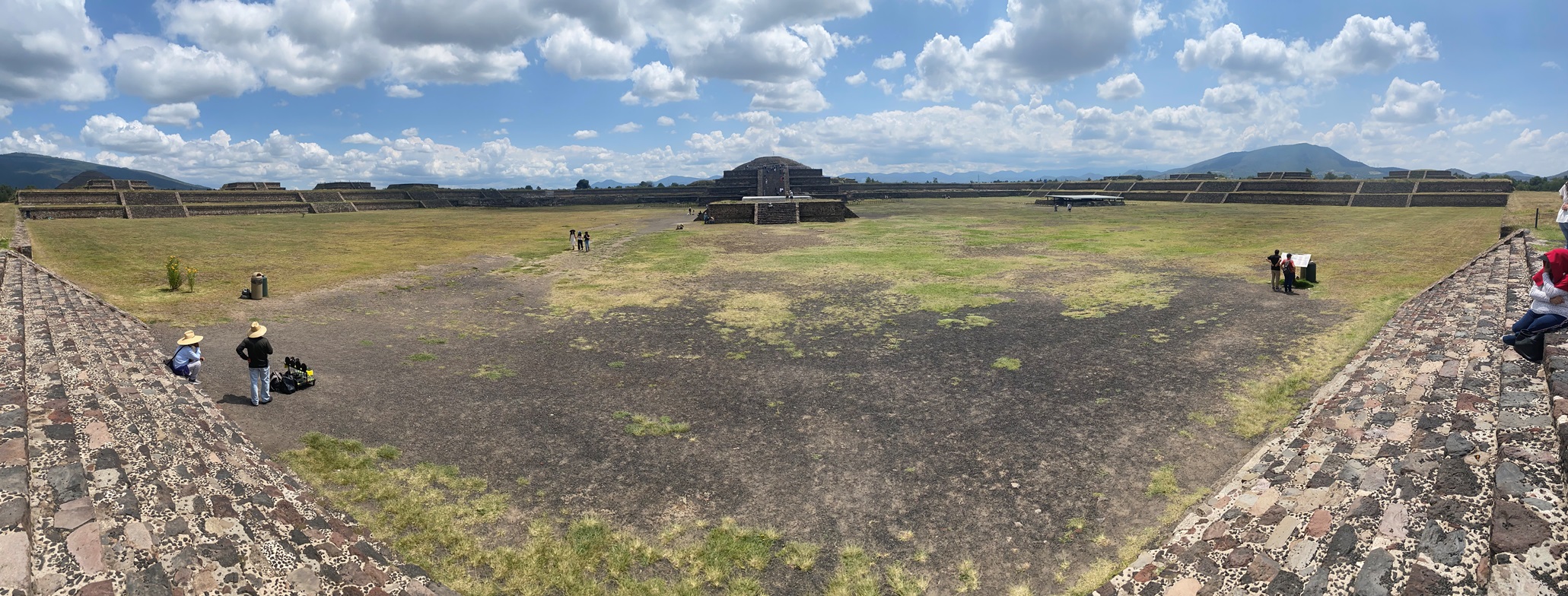
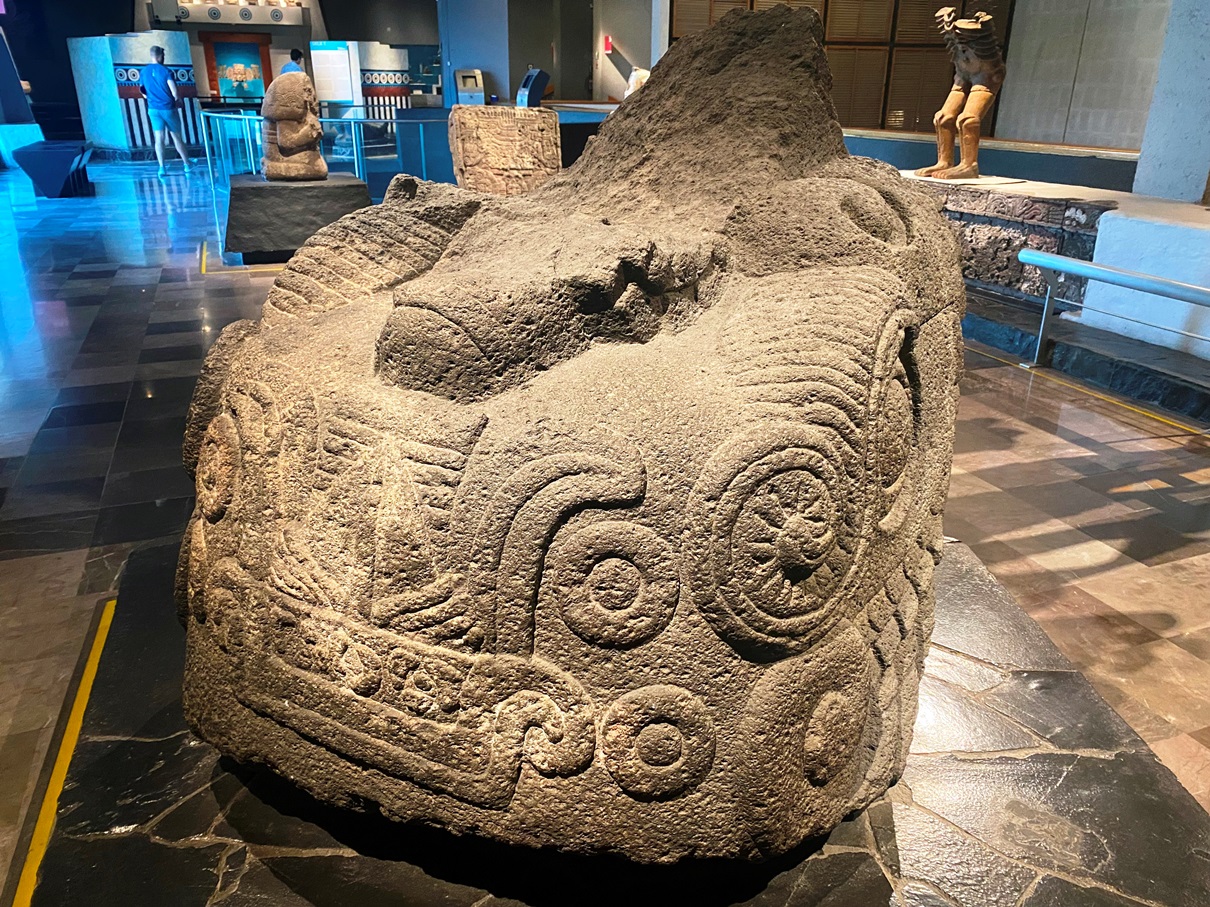
But I didn’t get quite the same energy as I did from the other two main pyramids here, and I am not quite sure why. I think this one has been excavated a lot, and I suspect that the serpent heads on display are recreations, as they look far too well-preserved to be originals.

One last thing I will say about Teotihuacan is that there are a few other little sites included in your ticket scattered around the nearby neighbourhood. Some of them were closed on the day I came but I did manage to get inside the Palacio de Tetitla which is a great example of the high standard of living the population of this city enjoyed and is covered in interesting murals.
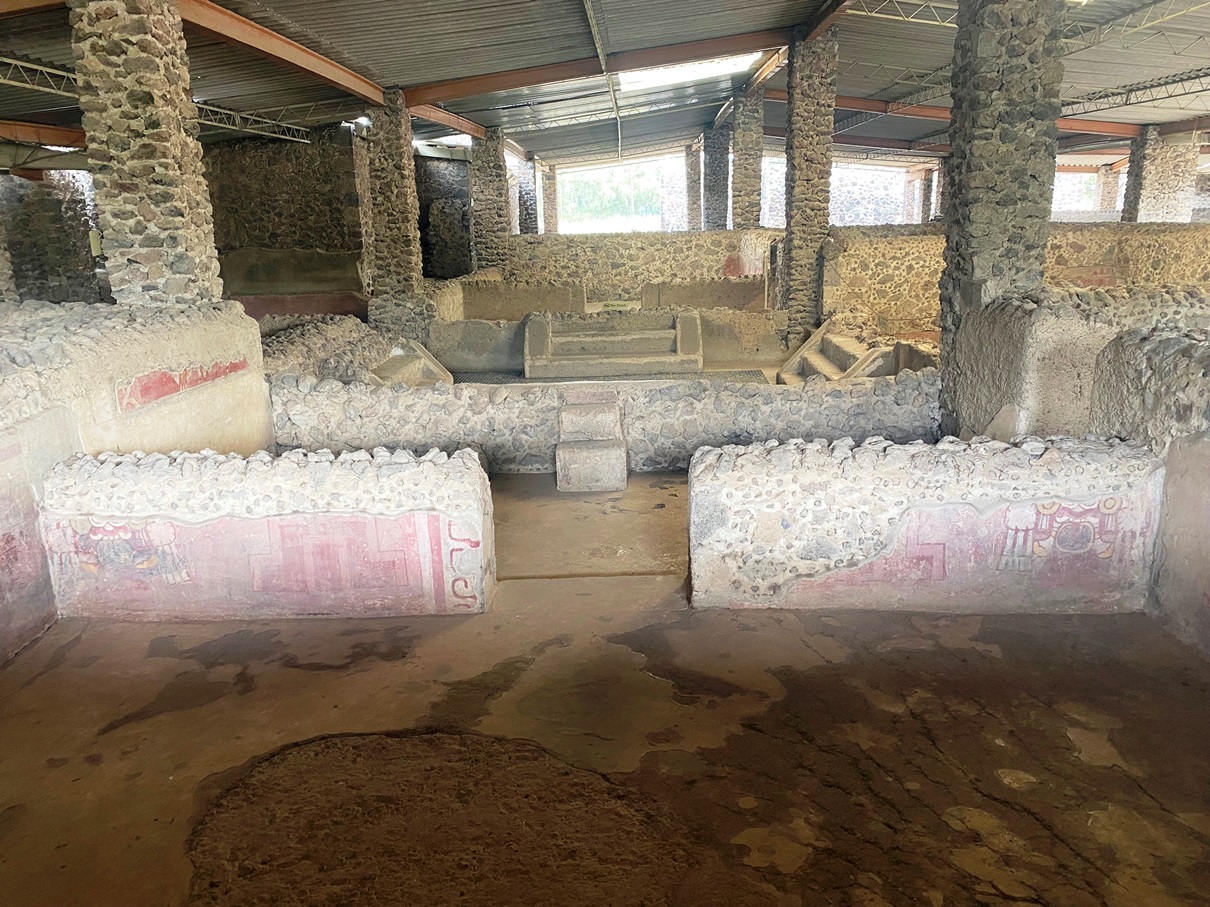
 

For more photos of Teotihuacan, click here. Also, I have many videos from the Independence Day celebrations that can be found in my Mexico City album.
 

Travelblog LA#30: Mexico City Part 1 (Templo Mayor & Museums) – Mexico

 11th – 15th September, 2023


Mexico. The final lap of this trip that I began over six months ago. Out of all the countries in Latin America, this is a big one, so I am looking forward to it. I have about seven weeks to explore, and my first stop is its capital city.

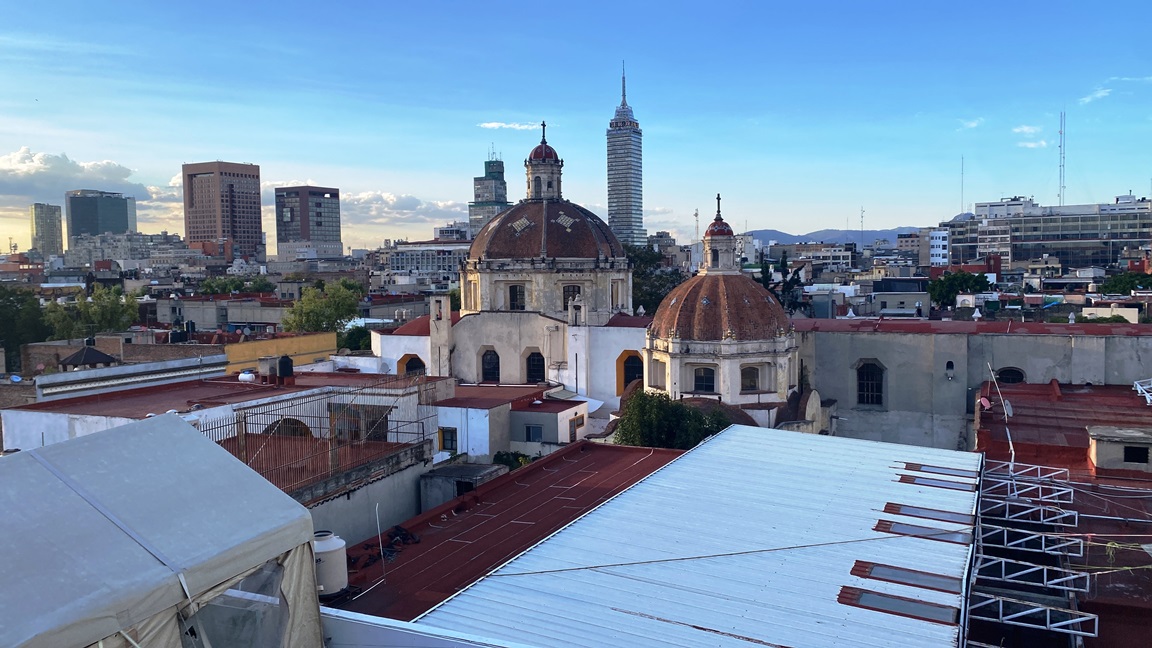
I arrived in the early evening, and – after catching an Uber and climbing five flights of stairs – was pleased to see that my hostel had a nice view of the city, overlooking the Regina Coeli Parish. I didn’t do much that first evening as I was tired and needed to get my bearings. I drew out some money and grabbed some food, but mostly just stayed in my hostel. It was the following morning that I started exploring, and did so by walking through the nearby historic centre (also known as Zocalo).

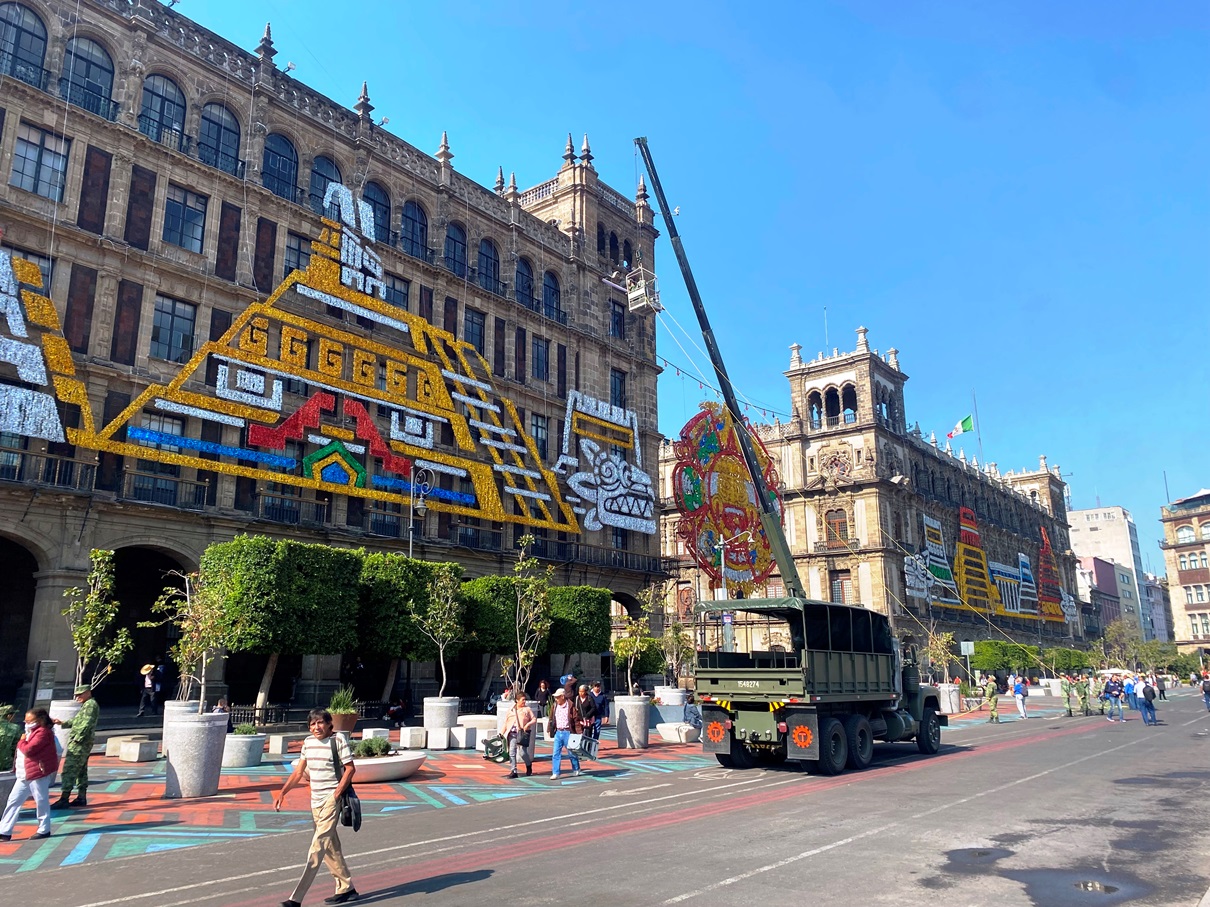
By a fortunate coincidence, I had come to Mexico City on the week of its Independence Day celebrations, and I witnessed preparations being made. Much of the main plaza was cordoned off, stages were being built, and decorations were draped across the facades of buildings. There was even a little village of tents – which I was not quite sure was made of people trying to claim their spaces early, or protestors, but when I returned a couple of days later, they had all vanished.

After soaking up the plaza, I went for a quick walk around the Metropolitan Cathedral whilst on my way to the main attraction that day; Templo Mayor.

This site – also known as Huēyi Teōcalli – is one of the most historically significant places in all of Mexico, but it isn’t as known as the likes of Teotihuacan or Chichen Itza. Mexico City is built upon the foundations of Tenochtitlan, the capital of the Aztec Empire, which was made out of a network of causeways forming a grid upon a lake. The design was sacred, and many of Huēyi Teōcalli’s features represented duality between the earth and sky. It was situated at the nexus of this amphibious city, where the main causeways met, and thus – to the Aztecs and other inhabitants – it was the centre of the cosmos.

It is, admittedly, not the most photogenic out of all the ruins that I have seen. Many of the edifices were dismantled by the colonists to build the Zocalo we know today, and then the foundations were buried beneath the earth for hundreds of years until they were rediscovered in 1978.

What this place may lack in terms of intact structures, it has more than made up for in archaeology. During excavations, it was discovered that – much like the Mayans – these peoples had a habit of adding new layers to their religious buildings over the generations and this happened seven times. On each occasion, statues, stuccos, offerings, and other artefacts were buried with the structures, preserving them. Sometimes they were even placed in special boxes made of stone.
The on-site museum is where most of the visitors end up spending most of their time once they have finished wandering through the remains of the foundations, and it is where the real treasures of this place are.

Some of the highlights – for me – included:

These stone knives. They are made from flint (with other precious stones as decorations to symbolise teeth and eyes). These are believed to have been used mostly for ritual purposes, including human sacrifice.

Several ceramic pots depicting Tlaloc, the god of rain.

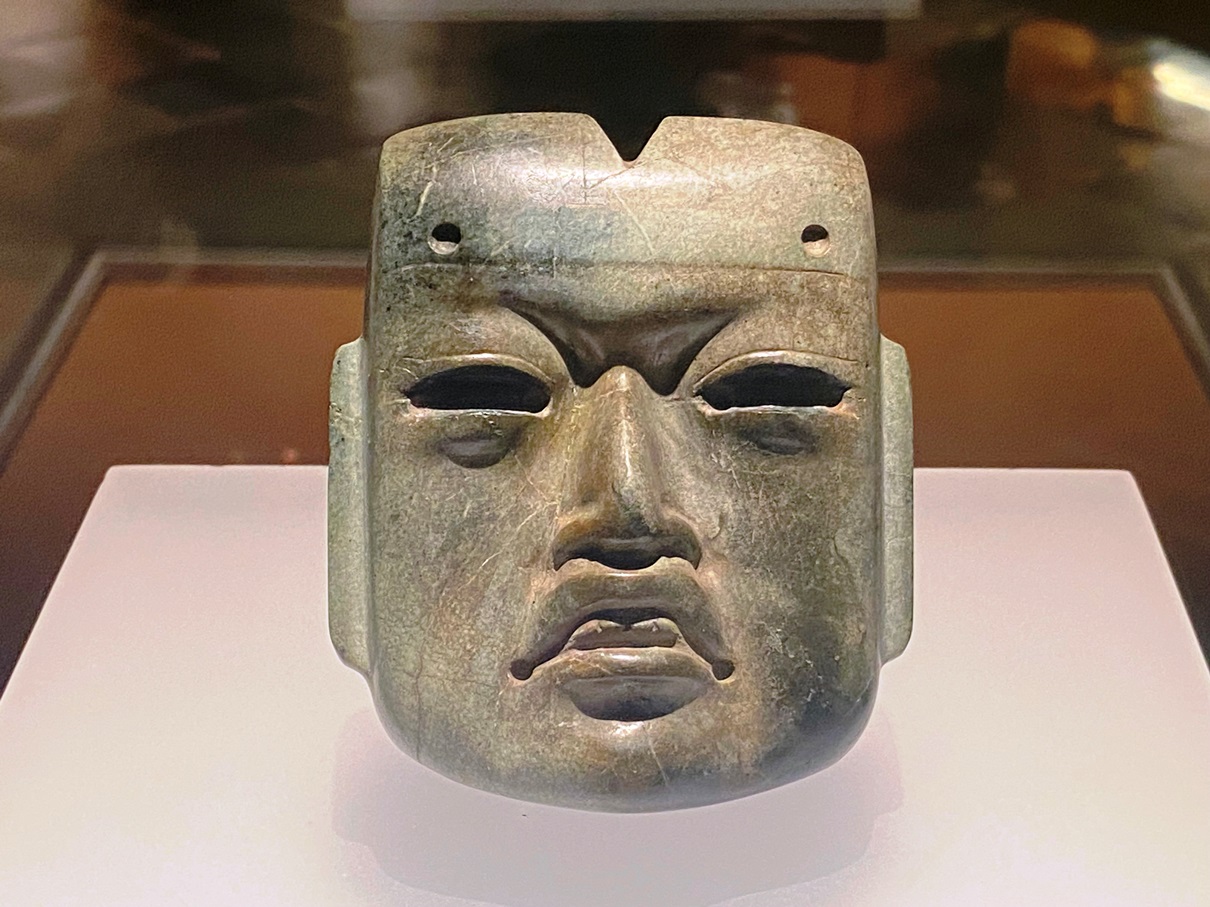
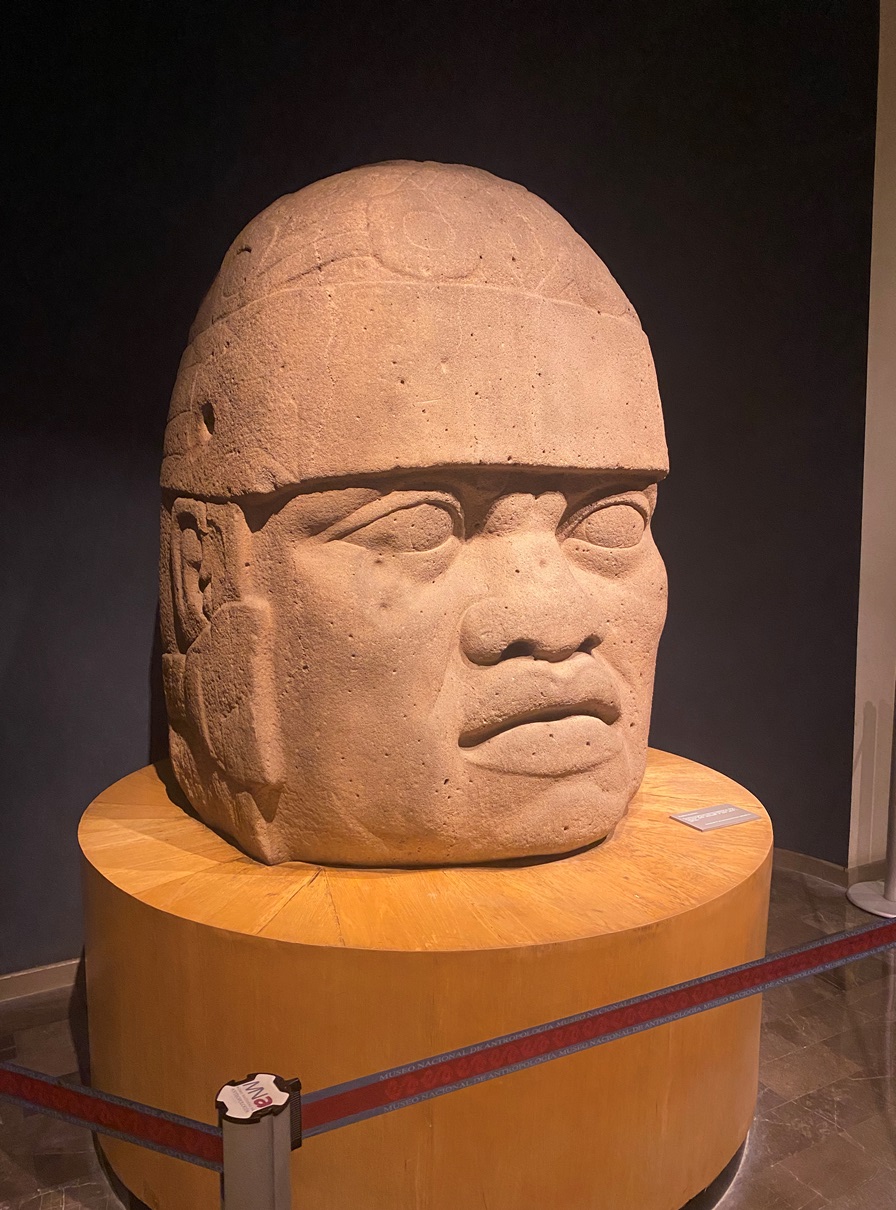
This Olmec mask was probably what made the biggest impression on me. There are many artefacts here that are possibly more complex, but I like the refined simplicity of it. Also, this is one of the oldest finds, as the Olmecs were the earliest known civilisation in Mesoamerica – predating the Tenochtitlan by hundreds of years. Findings like this hint that the Aztecs – and other latter civilisations – were aware of the Olmecs, and perhaps even venerated them.

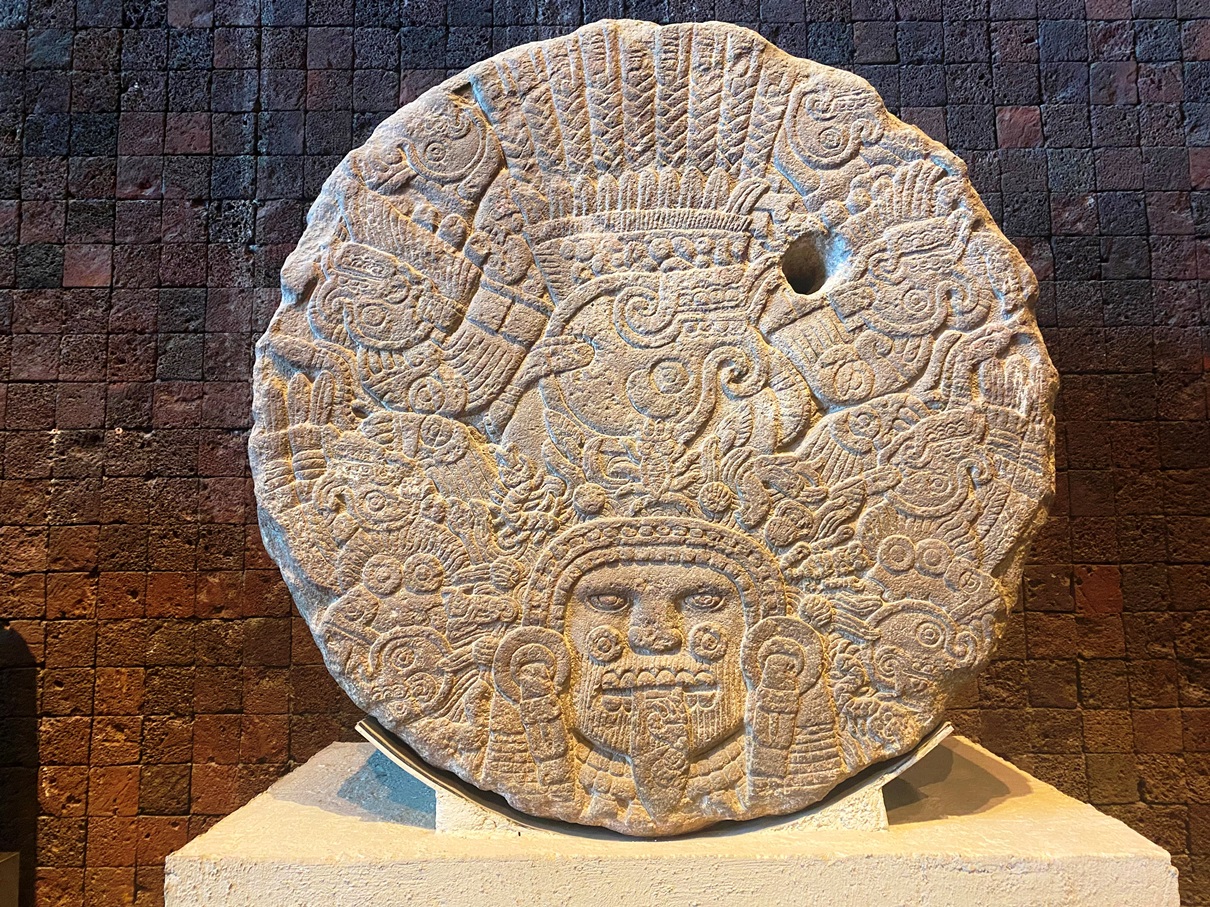
And this huge and iconic monolith of Tlalcihuatl, an earth goddess, which was found at the foot of the site.

On my second day in Mexico City, I had originally planned to go to the world-renowned National Museum of Anthropology, which is based in the Chapultepec district (on an old hill that was sacred to the Aztec people but is now an urban park). When I arrived, however, I found the whole park and all of its museums and attractions closed. I saw men in uniform through the bars, so I am guessing it might have been something to do with the parade later this week.

So, upon hearing this news, I found myself looking at the Paseo de la Reforma – a famous avenue that runs through some of Mexico City’s most iconic civic features – and decided to walk down it.

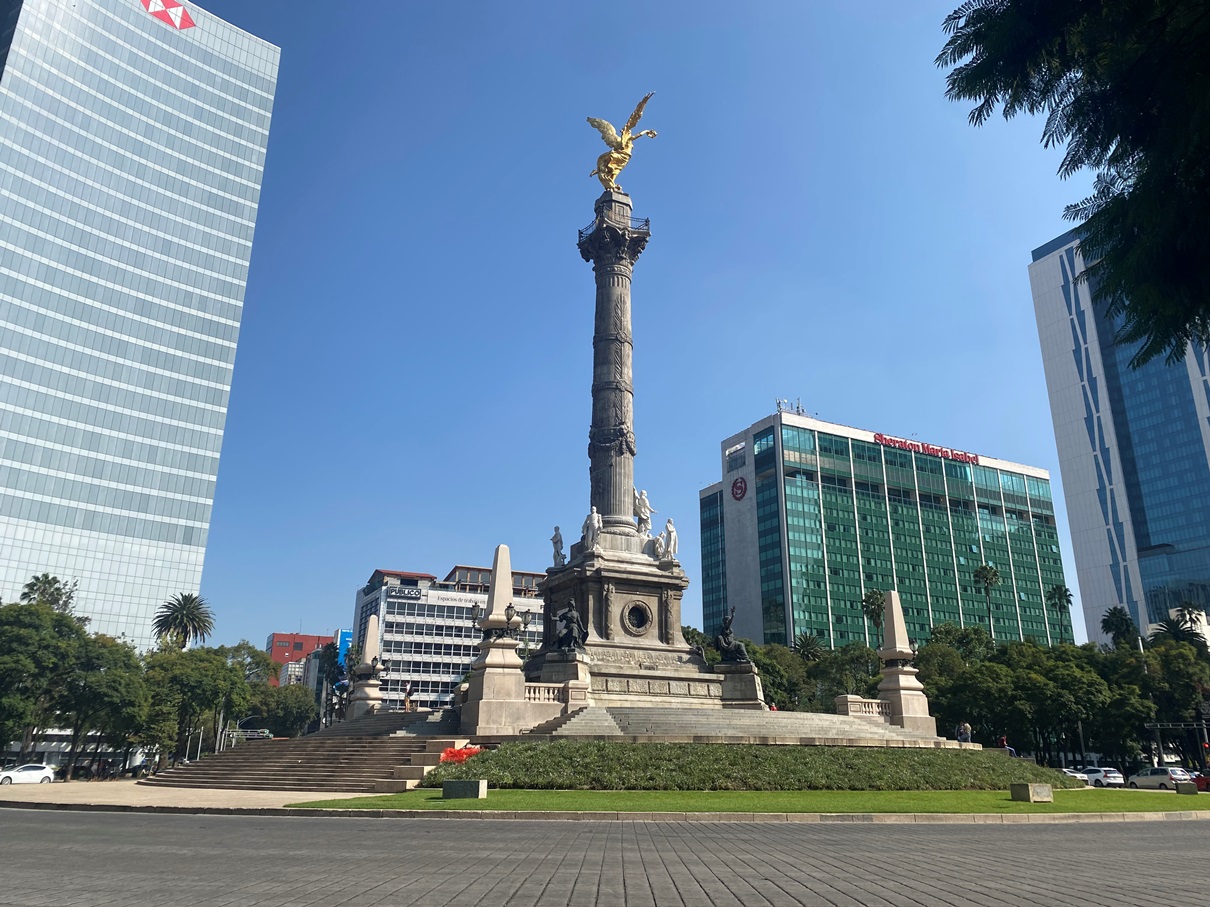
Many people will recognise the Angel of Independence, but there were several other monuments across its breadth, including one for Cuauhtemoc, the last Aztec emperor.

Conveniently, this walk also brought me close to Alameda Central, which is not only the oldest public park in the city but also close to the Palacio de Bellas Artes.

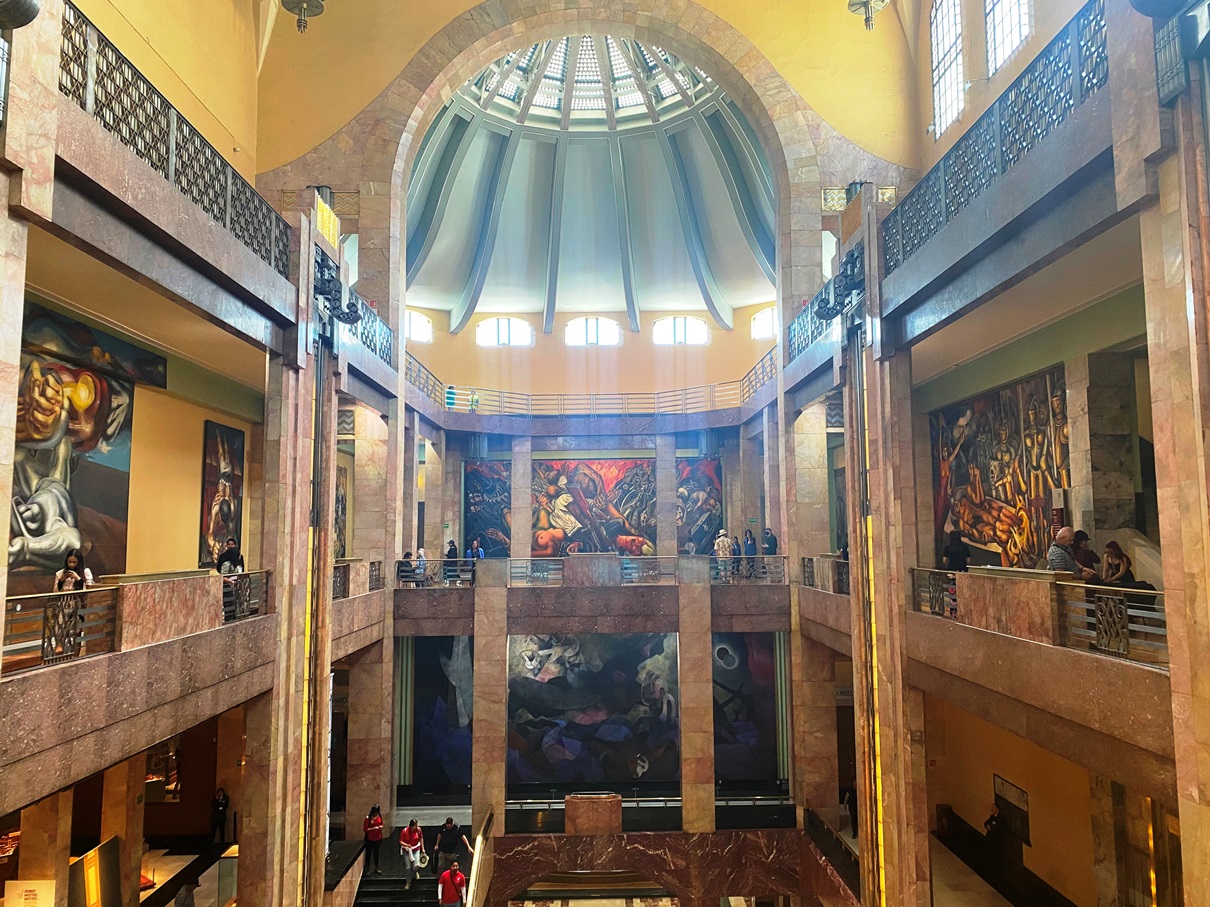
This building is not just a museum but the architecture is a work of art in itself.

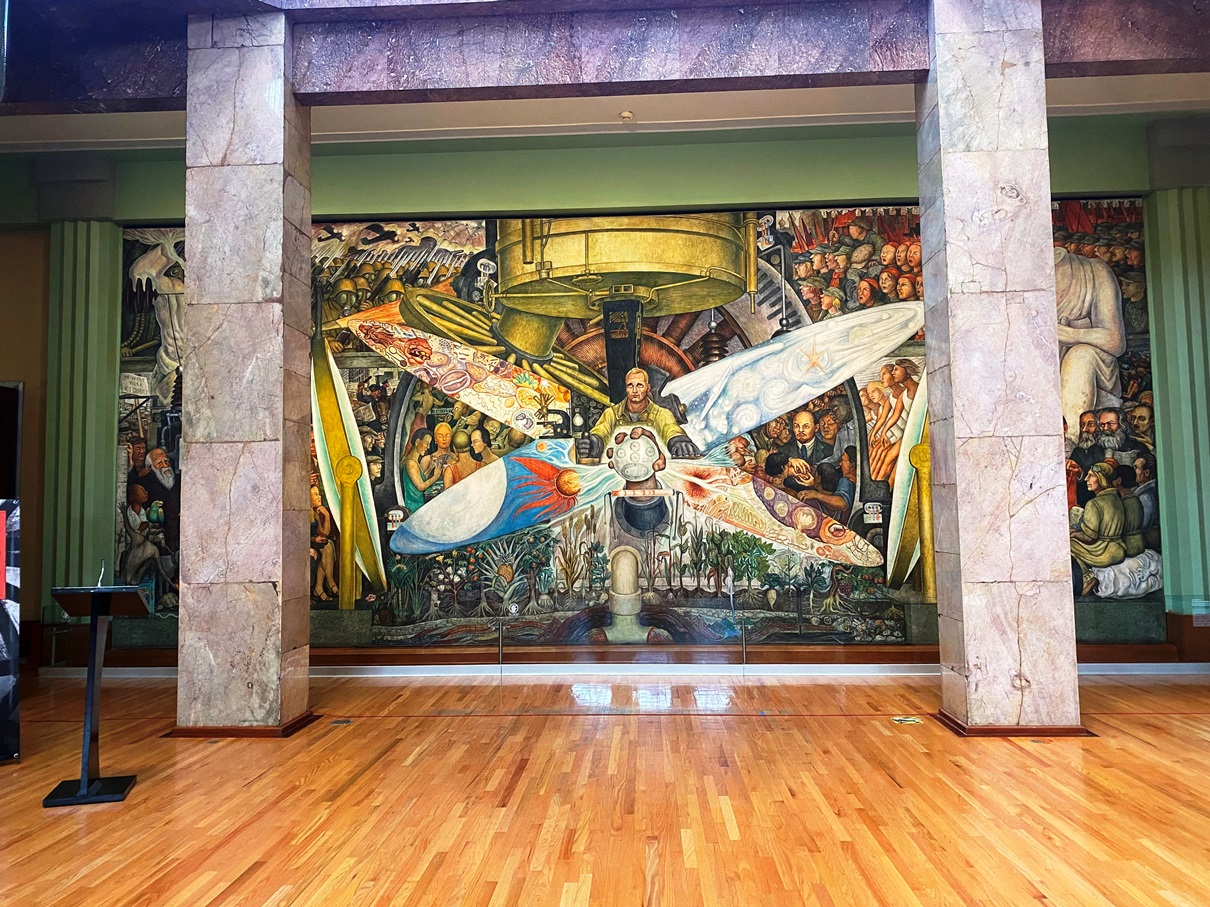
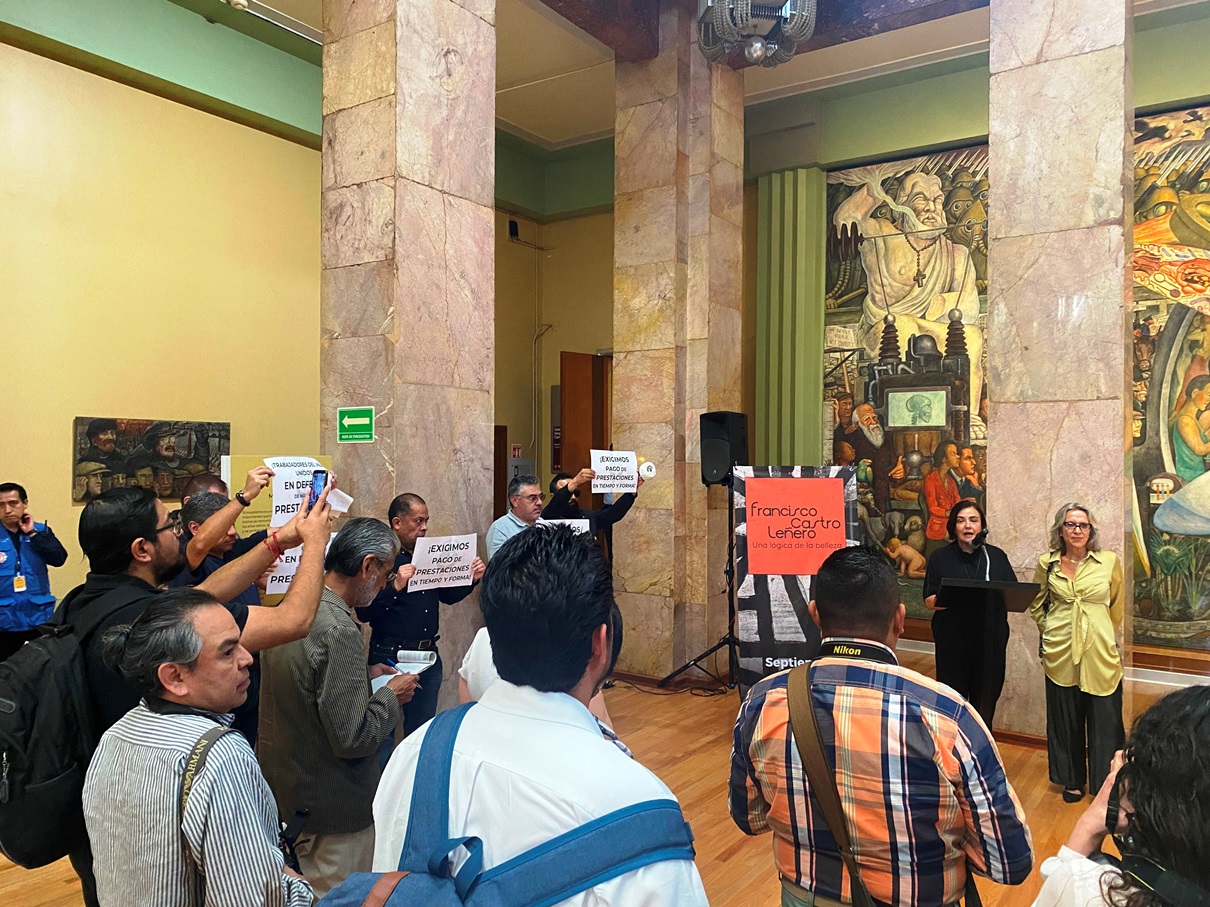
Because of a press event going on – which I am guessing, like most things I came across this week, was connected to the independence celebrations– many of the exhibitions were closed but I still got to go to the top floor which is what most people come here for because it is home to a collection of famous murals by artists such as Diego Rivera.

At one point I got to witness part of the press event. A crowd of people appeared and a public figure was interviewed in front of this iconic painting. There was also a swam of protestors at the edges. They let her finish her speech before chanting about their grievances.

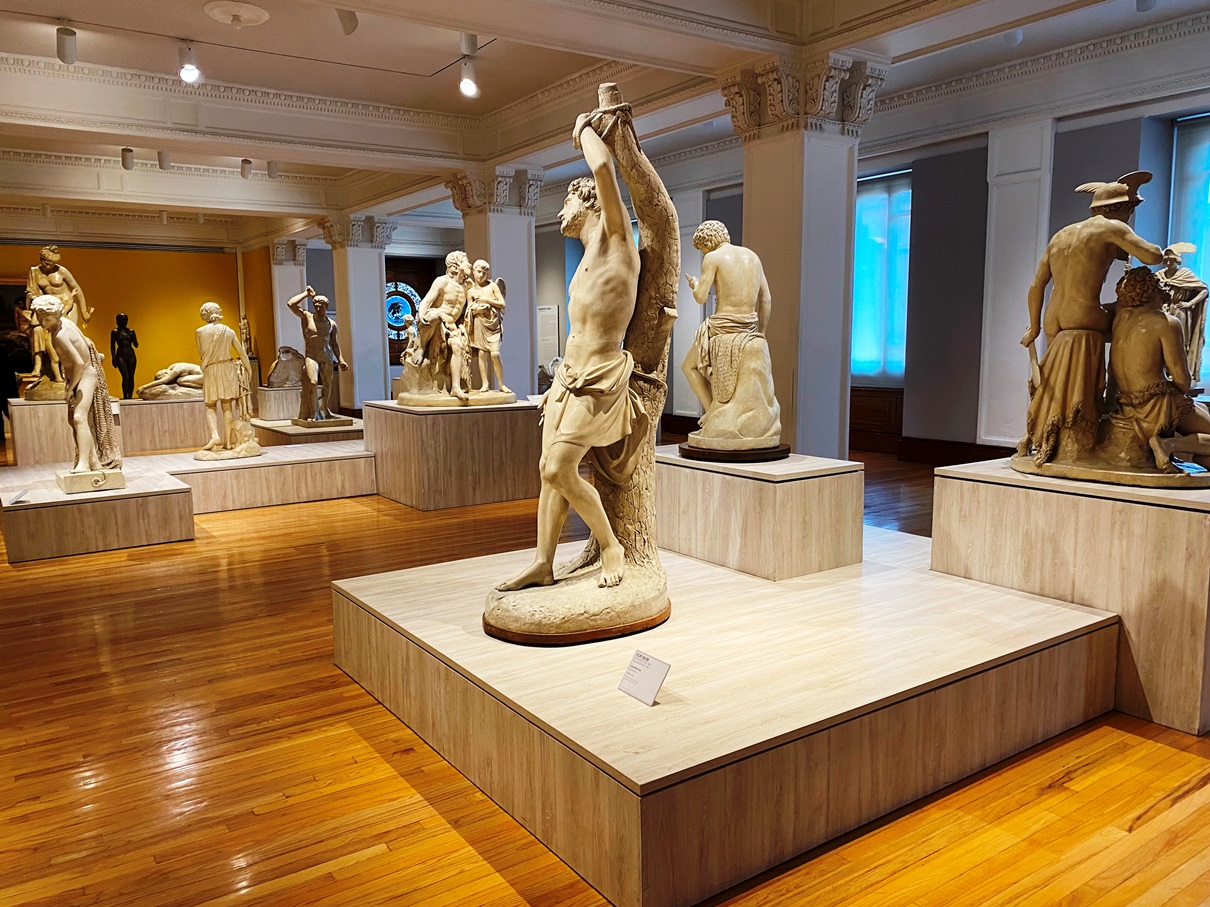
I also went to the National Museum of Art, which was within yet another impressive building.

The exhibitions here are more diverse and vary from colonial to modern, sculpture, and many others.

And my final visit that day was to the Museum of World Cultures. As named, it features lots of exhibitions concerning cultures from around the world. It is perhaps a little generalist, but it is free to enter so worth a wander if you have some spare time. Many of its display items are recreations rather than originals – or at least I assume so, as I suspect this place would be a much bigger deal if this was the original Code of Hammurabi.

On my third day, I finally made it to the National Museum of Anthropology, the crowning jewel of Mexico’s museums and the one I was most looking forward to.

I will try to condense the entire day that I spent here as succinctly as I can handle when in my geek mode.

This place is very big, and it is almost impossible to go through all of its exhibitions in a single day so many people are tactical about which parts they go to.

The first section is about the evolution of the human species. If you are someone who has studied this – even at an amateur level – you probably won’t find out anything new here (in fact you may find some of the information a bit outdated). If you haven’t studied this subject but are interested I would highly recommend this as an introduction.

If you go upstairs from the exhibition about human evolution, there are some exhibitions concerning the contemporary indigenous cultures within Mexico. This is quite fascinating but if you are here for more ancient history and artefacts, you might find your time better focussed elsewhere.

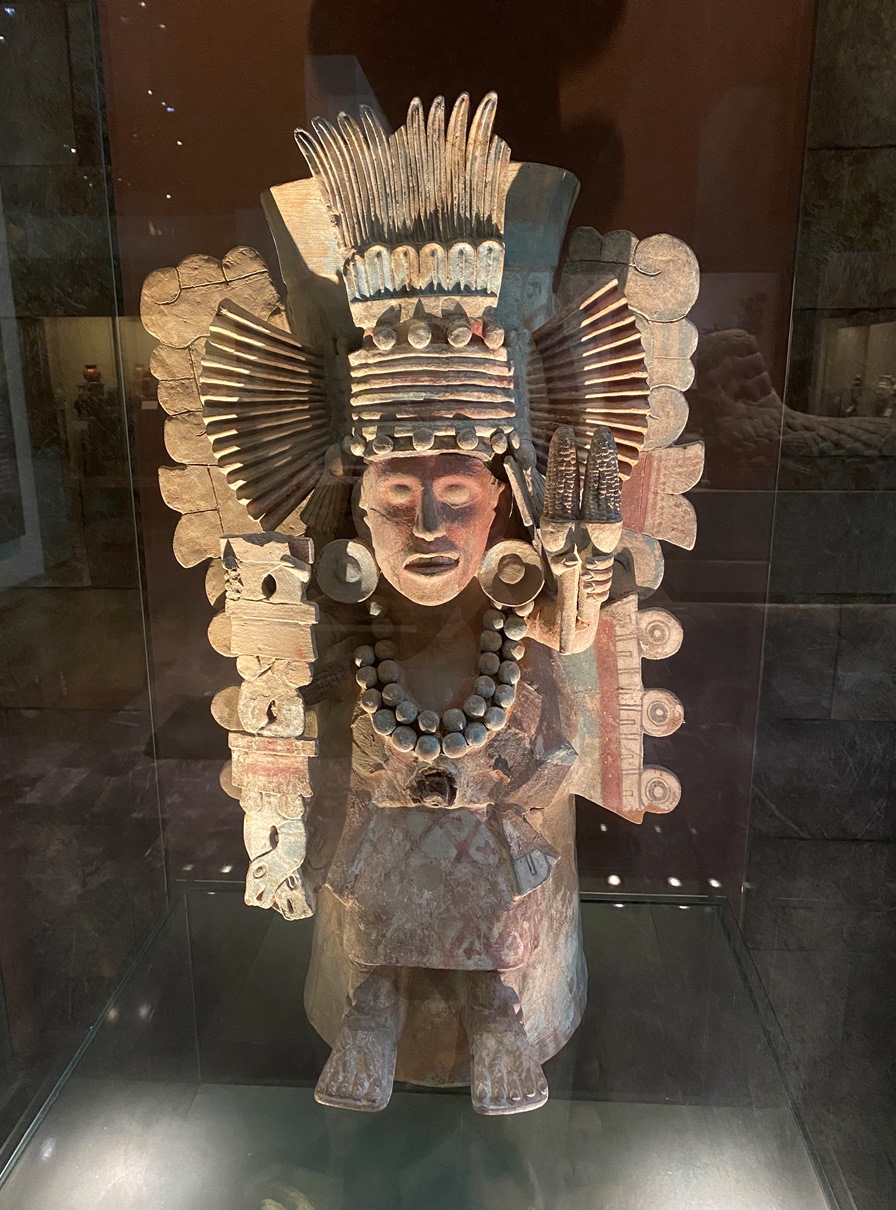
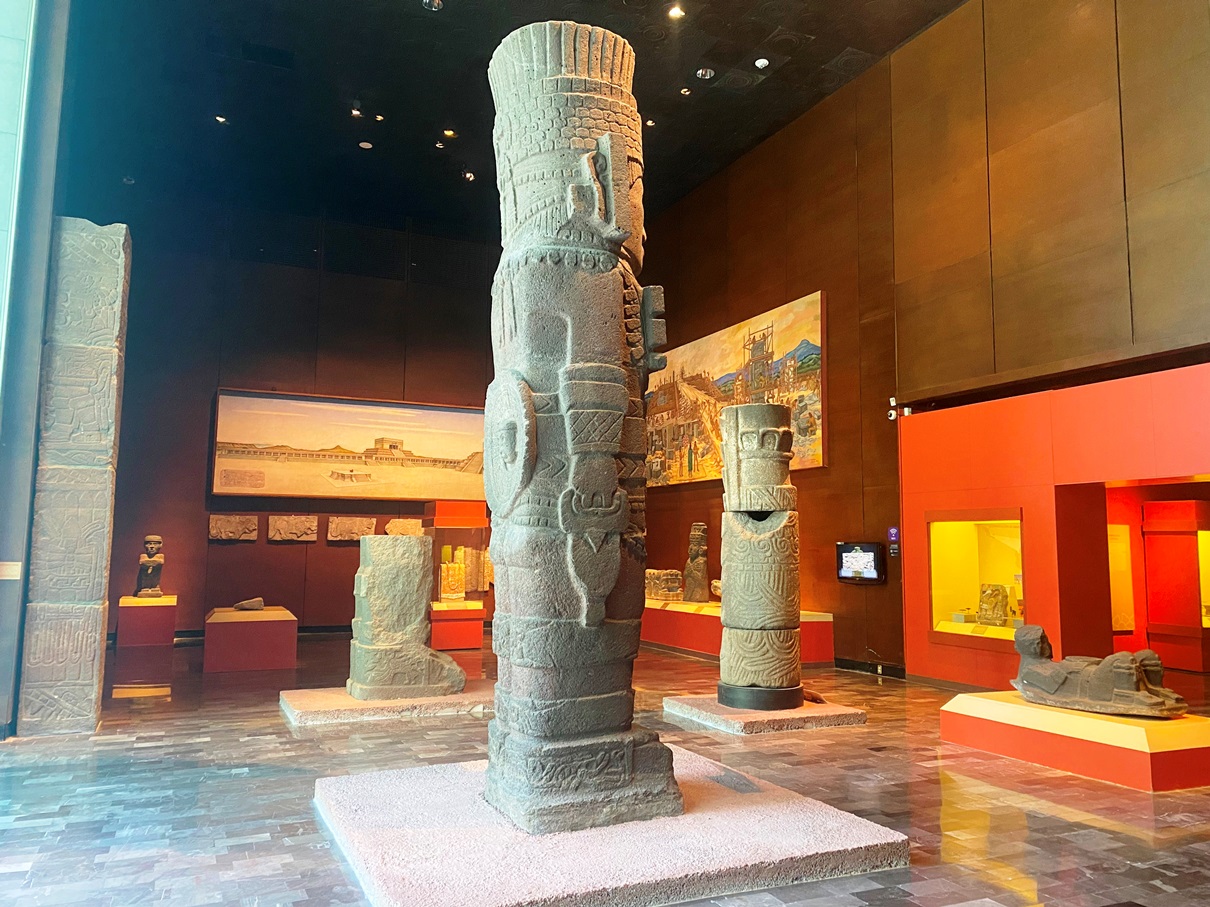
It was when I reached the exhibition concerning Teotihuacan that I found myself becoming enthralled. Not only does this place feature many amazing artefacts excavated from the site.

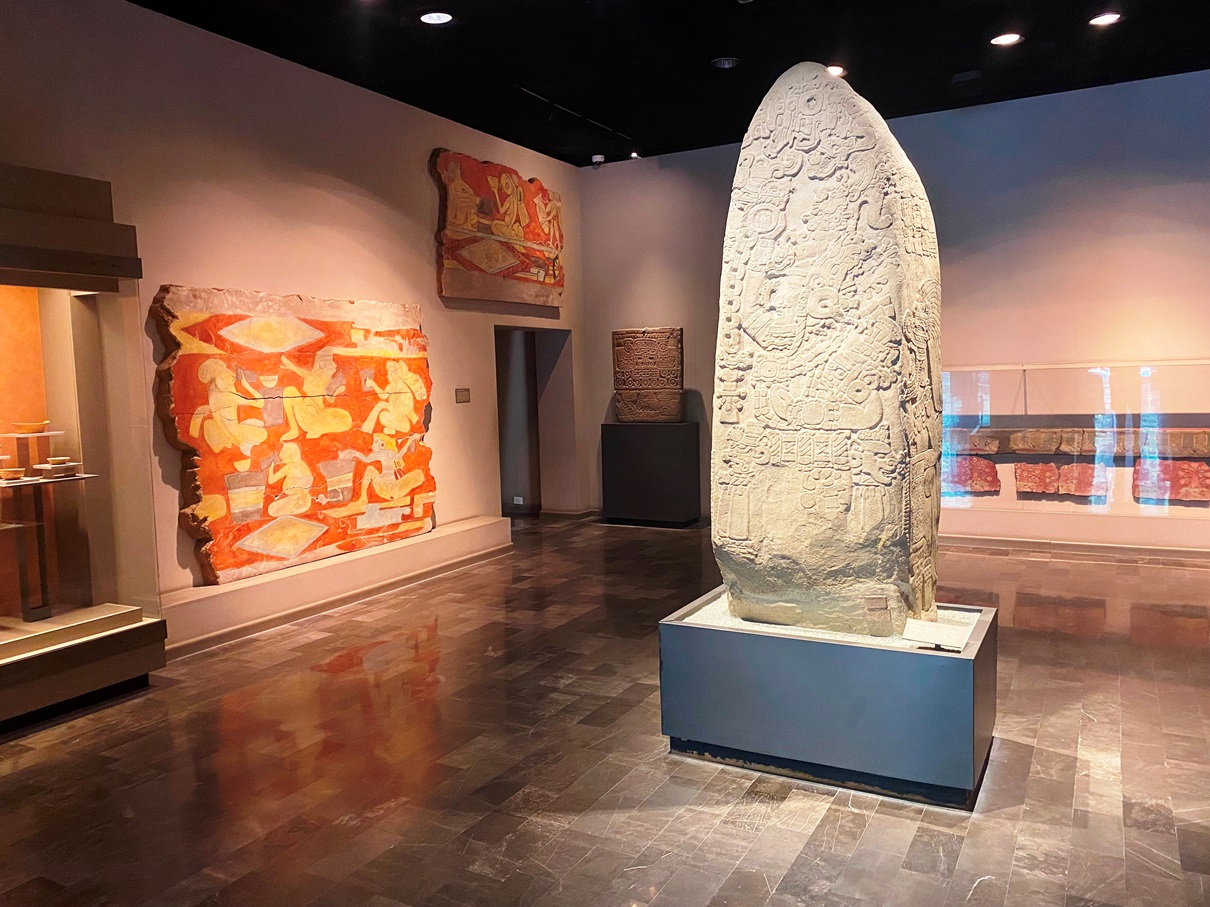
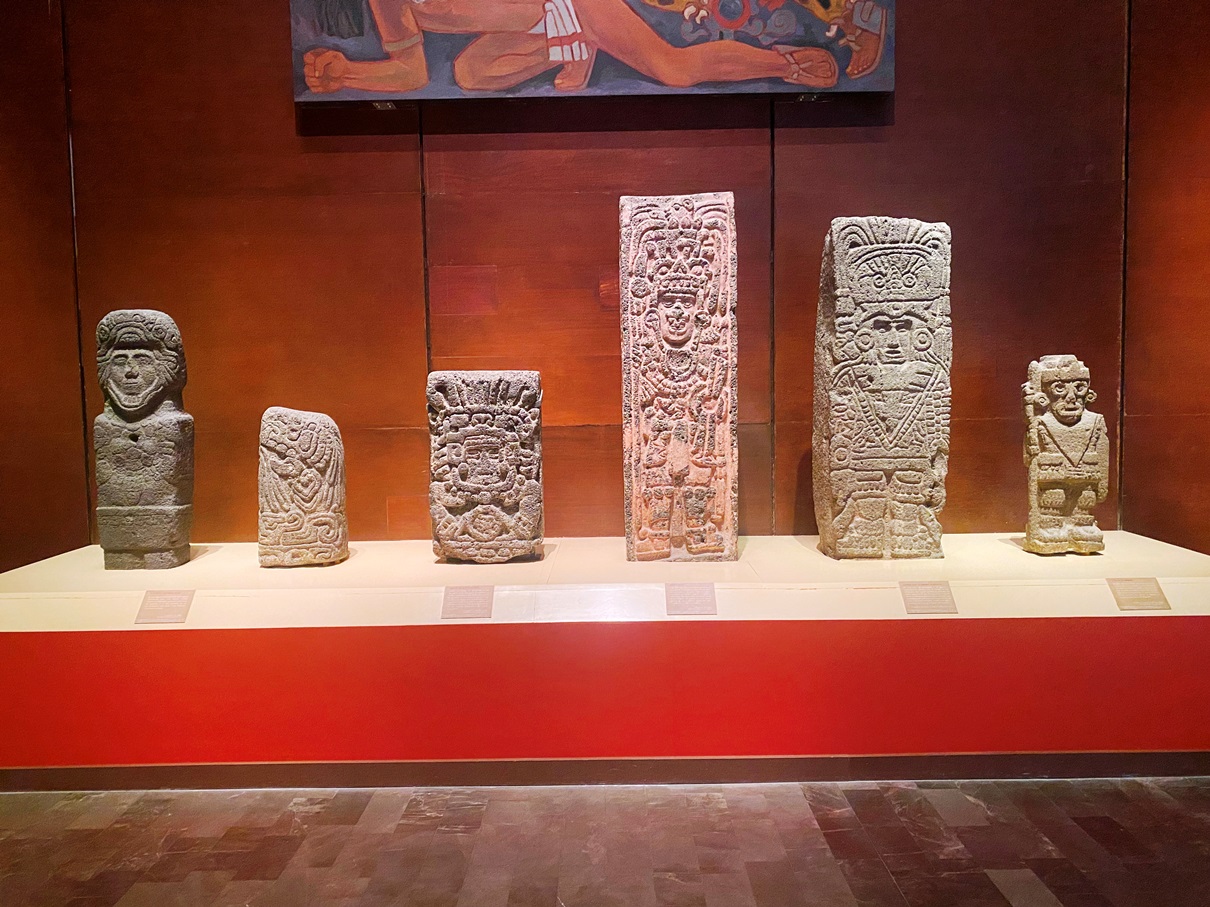
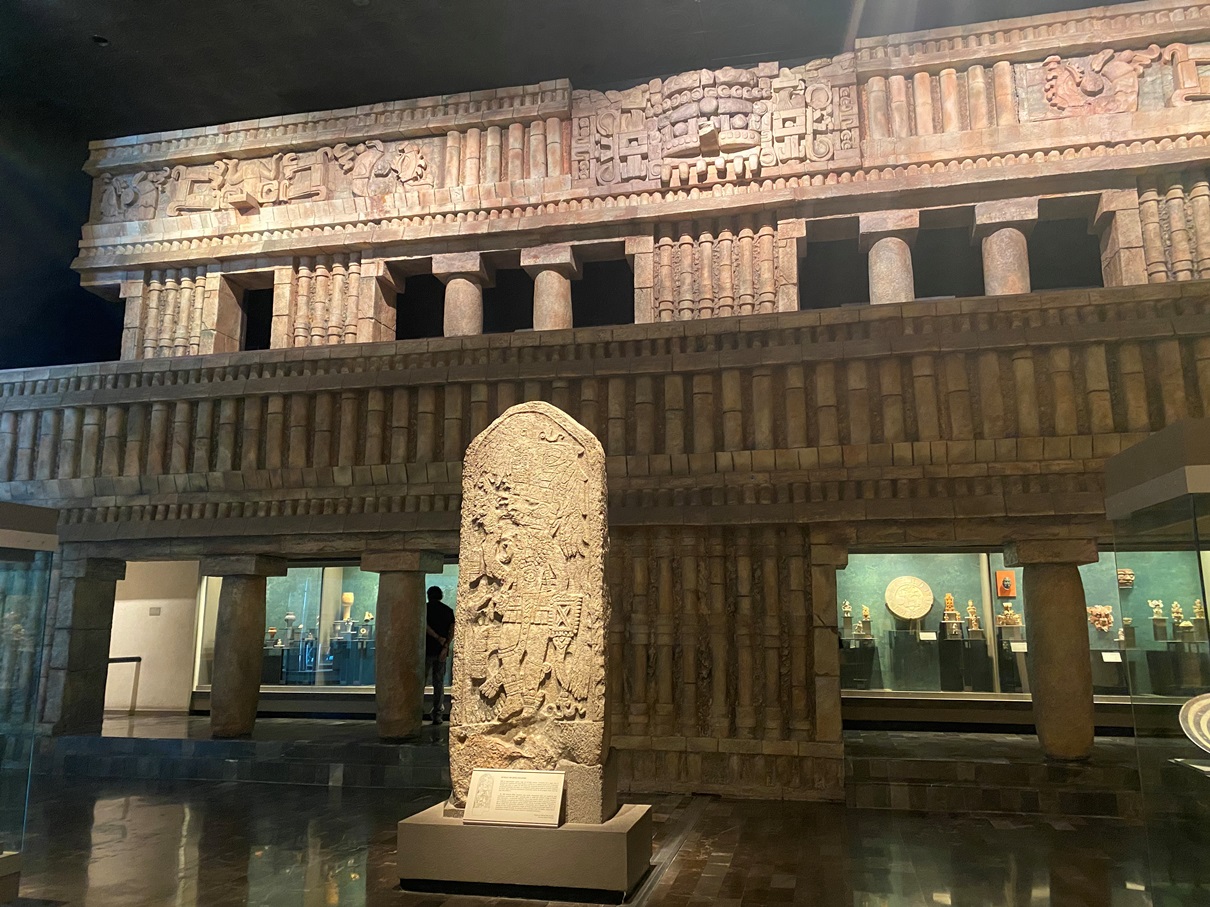
But it is also home to many original towering monoliths.

As well as some historical reconstructions of what they believe parts of this acropolis to have looked like, such as this façade of the Temple of the Feathered Serpent.

You can even walk inside it to see some of the original remains of human sacrifices that were found within.

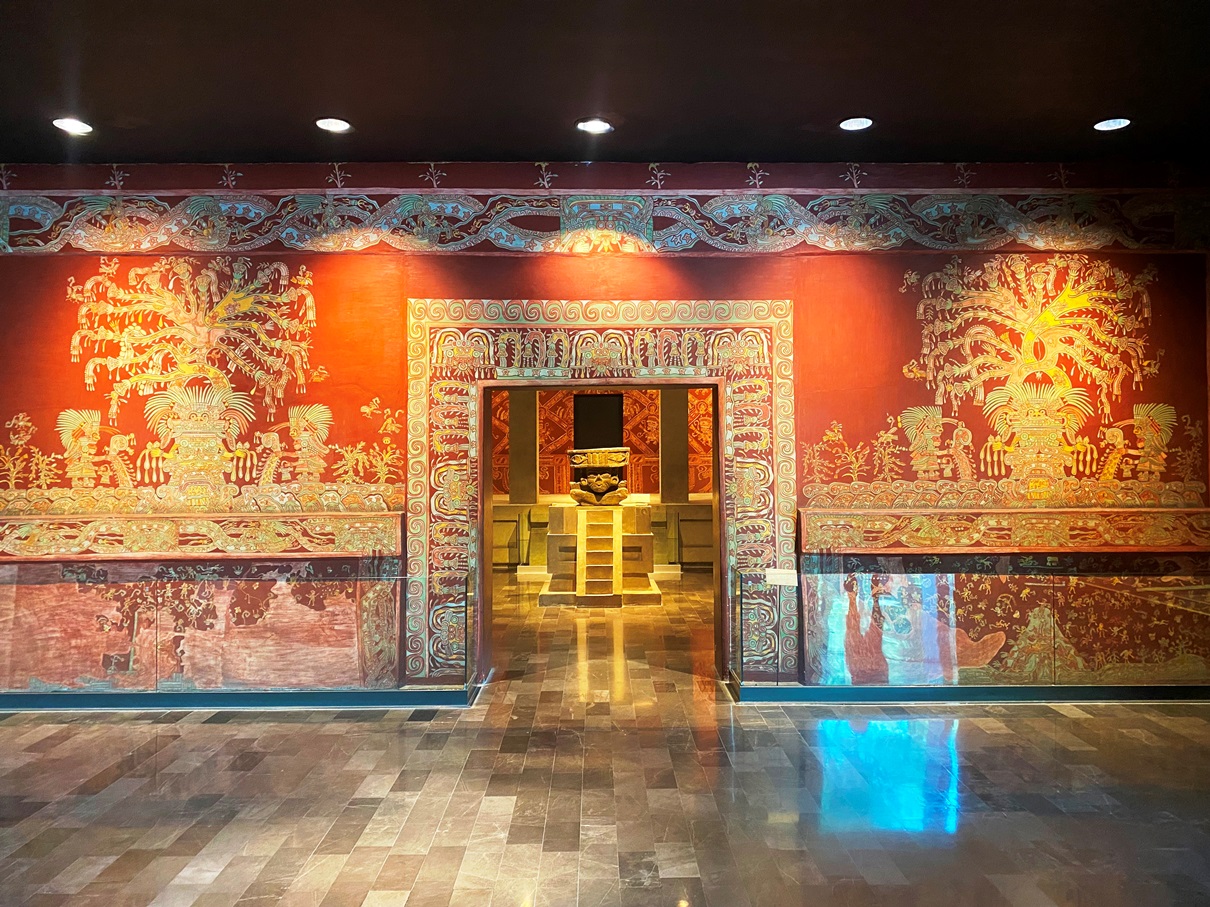
This exhibition also features reconstructions of what they believe some of the inner courtyards to have looked like, with murals painted on the walls.

In many ways, this museum works as a great introduction to many of the historic sites in Mexico, and I am glad that I came here before visiting Teotihuacan itself, as I believe I will now be able to better contextualise it and picture what it made have looked like in my mind’s eye when I go.

And it is not just Teotihuacan, either. Adjacent to this exhibition is another concerning some of the smaller civilisations which rose in prominence in the power vacuum that appeared once Teotihuacan fell, such as Xochicalco.

I also spent quite some time exploring the exhibition concerning the Oaxaca civilisation, as I will be venturing to that region soon and exploring some of its sites.

The Maia are, of course, well-represented with an entire exhibition dedicated to them.

As well as some of the lesser-known civilisations that existed in the Gulf Coast and the Baja California Peninsula.

But, out of all of them, a particular highlight for me was – once again – their section on the Olmecs. This place is home to a couple of the enigmatic heads this older and mysterious civilisation left behind.

As well as many other artefacts, which are – once again – somewhat more simplistic than those of the latter civilisations, but have a breathtaking finesse. I am finding myself becoming increasingly fascinated by them.

No matter where your particular interests lay, some other highlights that are not to be missed at this museum include:

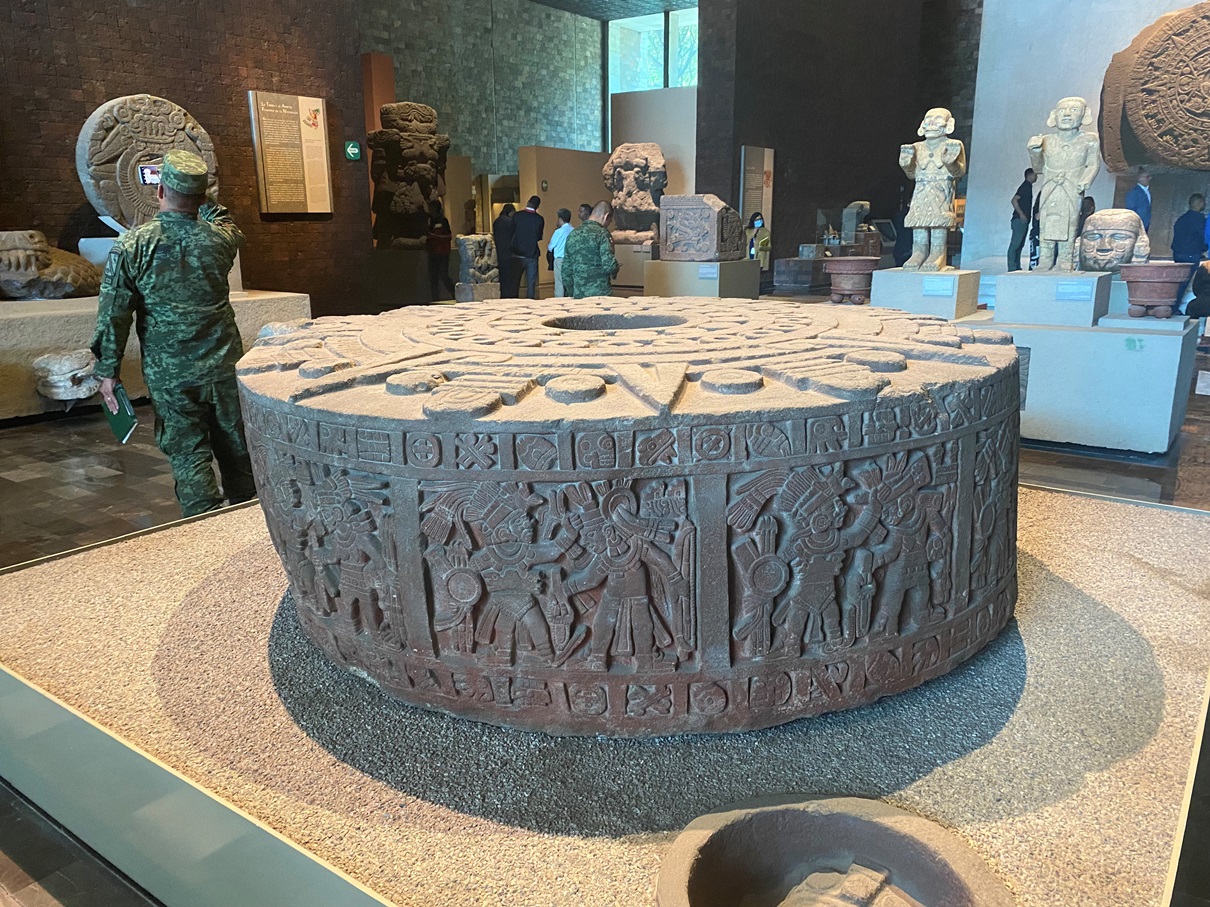
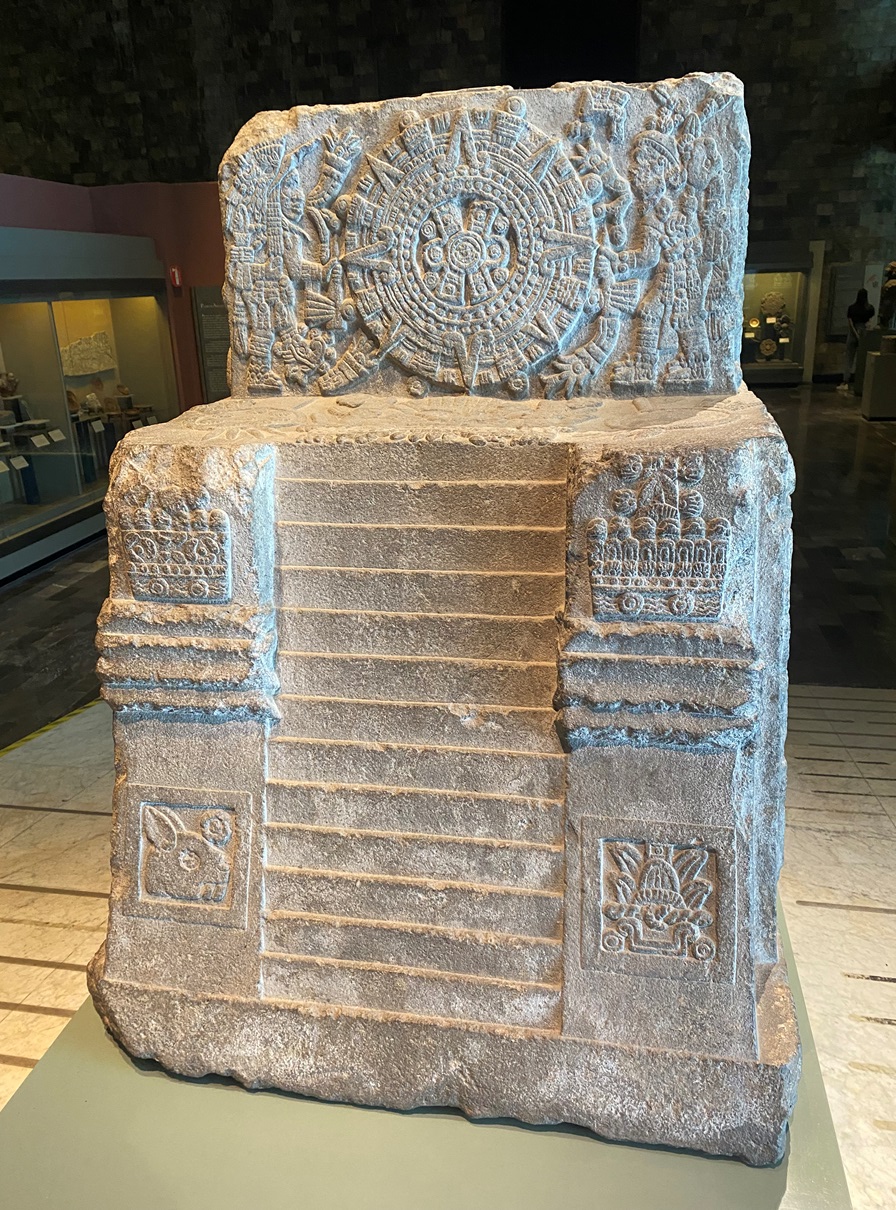
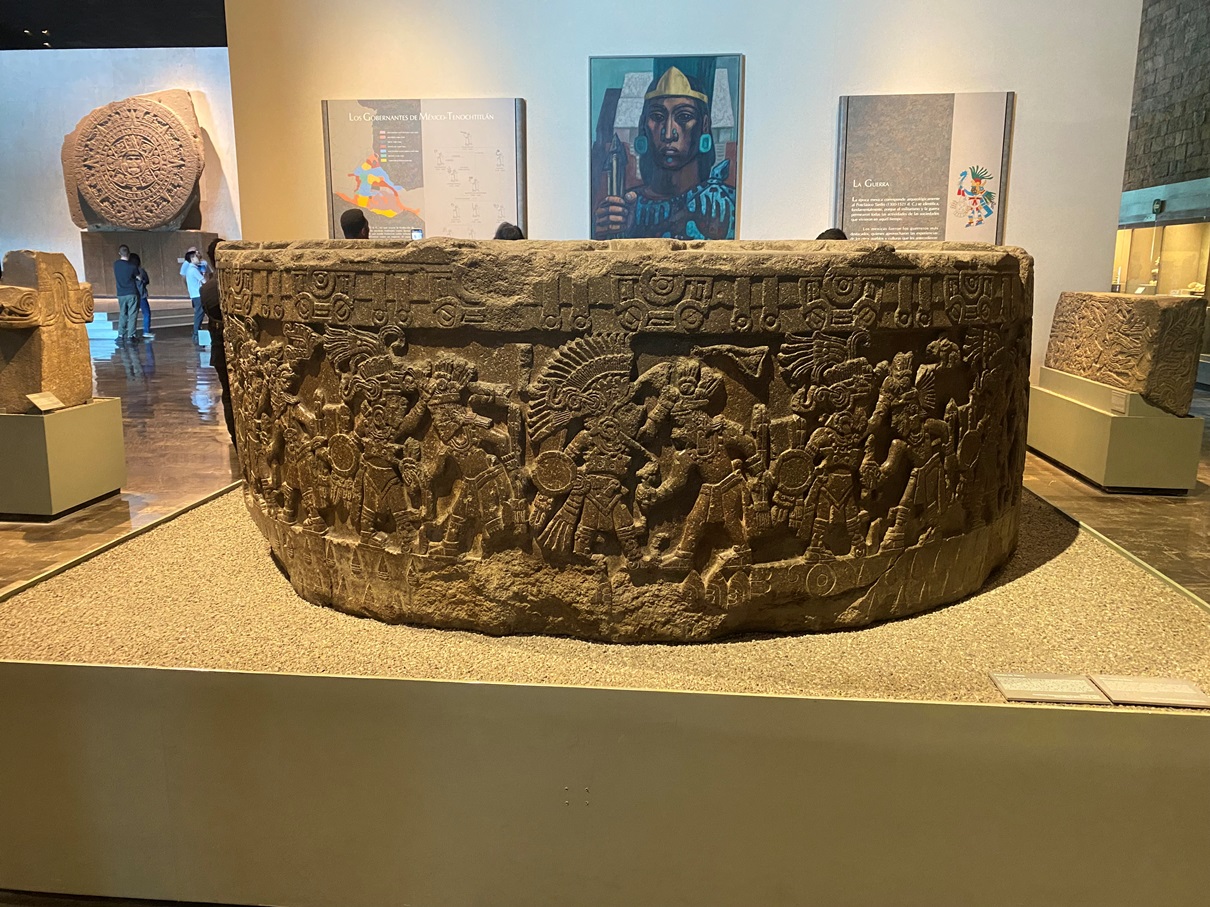
The Mexica Exhibit located in a large room at the far end of the courtyard. It is here that many of the larger sculptures found in the area around Mexico City are located.

Including the famous Aztec Sunstone.

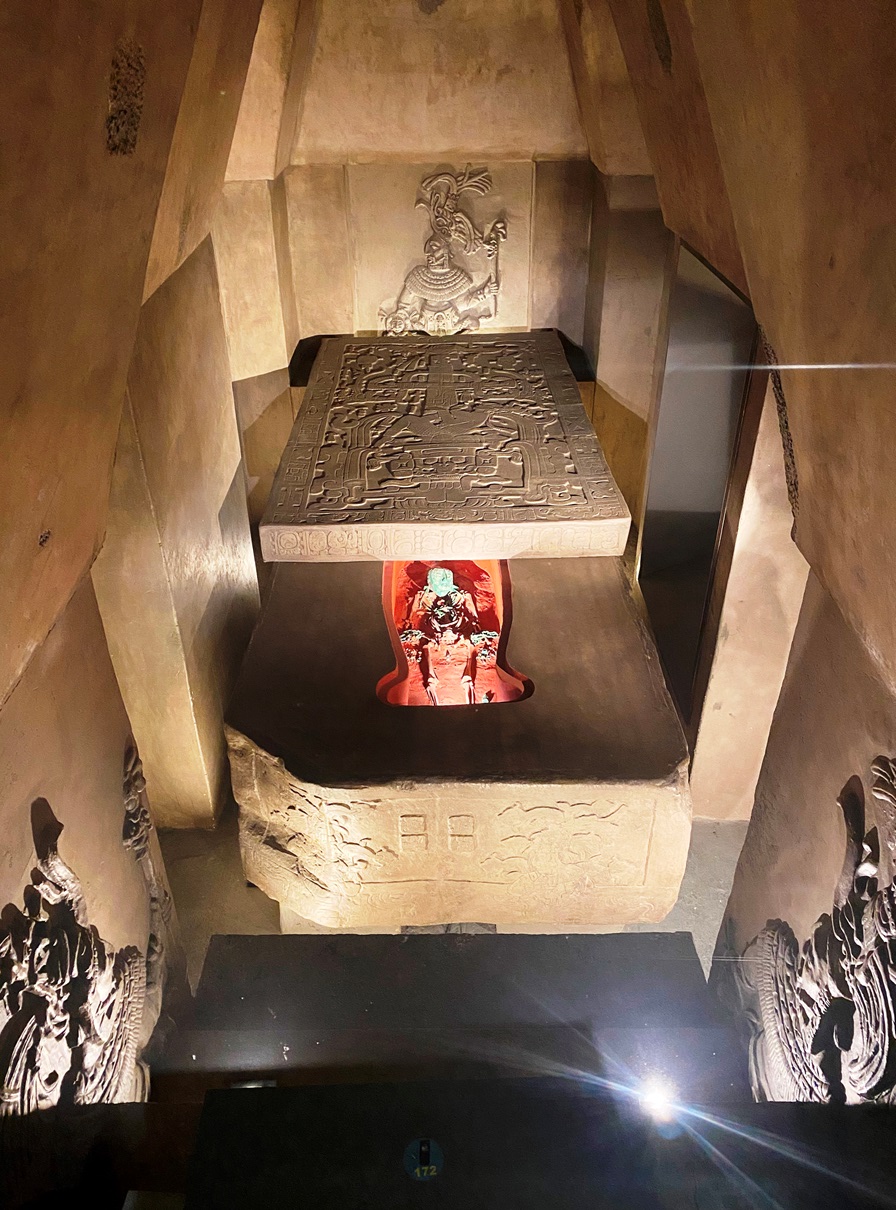
A reproduction of the Tomb of Pakal the Great, as it was found within the Temple of Inscriptions in Palenque (another place I will be visiting during my time in Mexico).

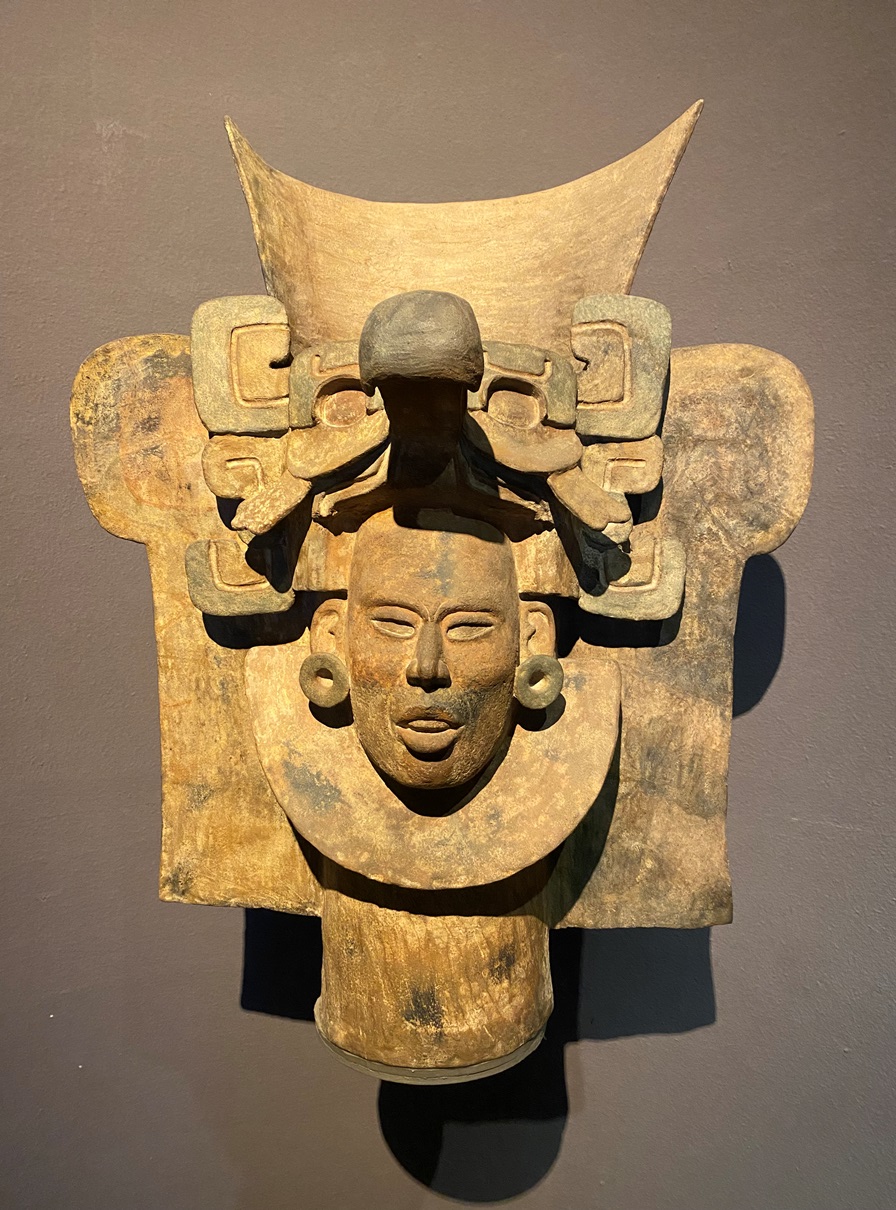
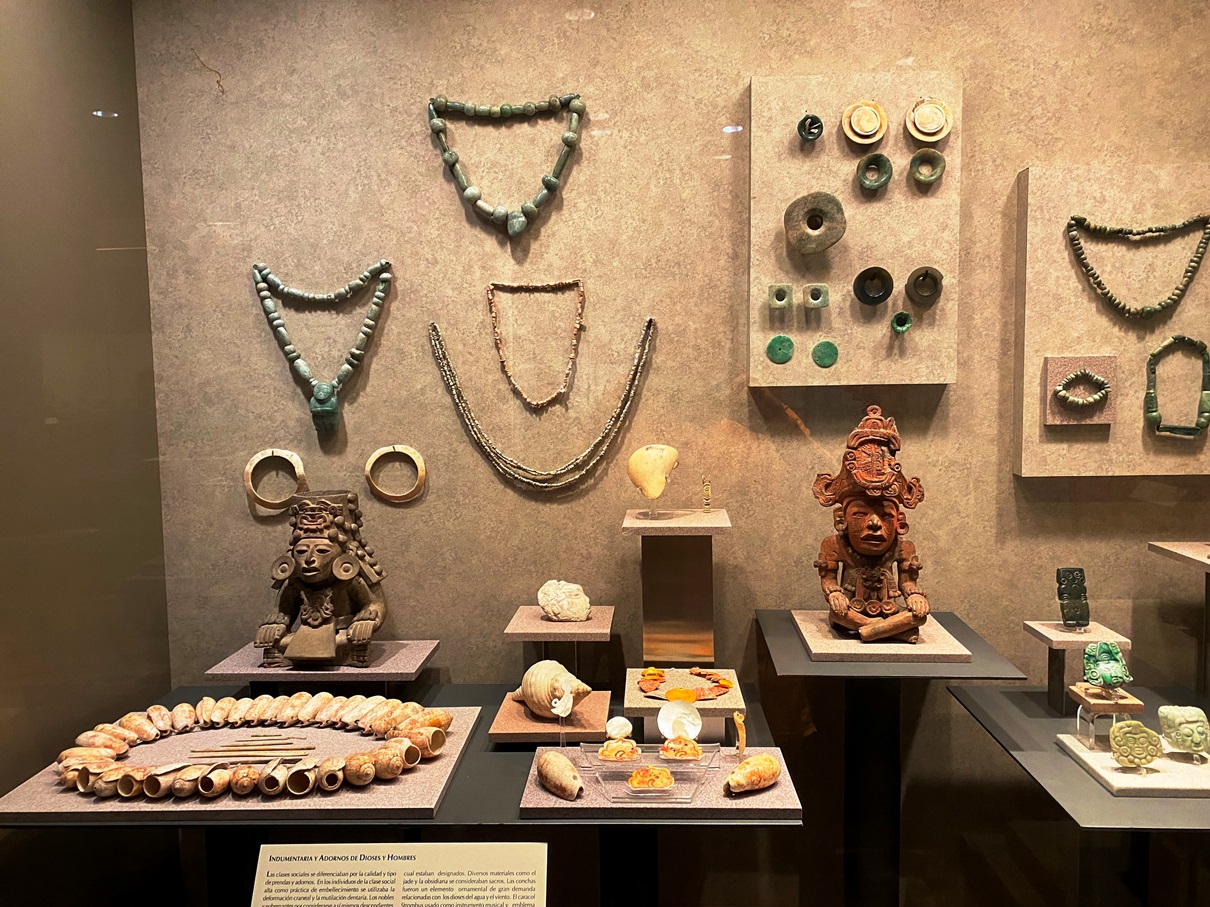
And this amazing serpentine mask, decorated with jade and other precious stones. These were often found placed upon the faces of the dead in Mesoamerica. This one is believed to have been a warrior.

This is the end of this entry concerning my time in Mexico City, but stay tuned for part two which will cover the Independence Day celebrations and my visit to Teotihuacan.


For more photos of amazing artefacts, art, and other sites around Mexico City, click here.


Travelblog LA#29: Irazú Volcano, Manuel Antonio National Park & Venado Island – Costa Rica

3rd – 9th September, 2023


Note; this blog is a continuation of my previous entry where I gave an account of my stay in the Puriscal region of Costa Rica. Throughout the time covered in this blog I am still (mostly) based in Puriscal, but I went on some day trips with my friend Juan.


Irazú Volcano

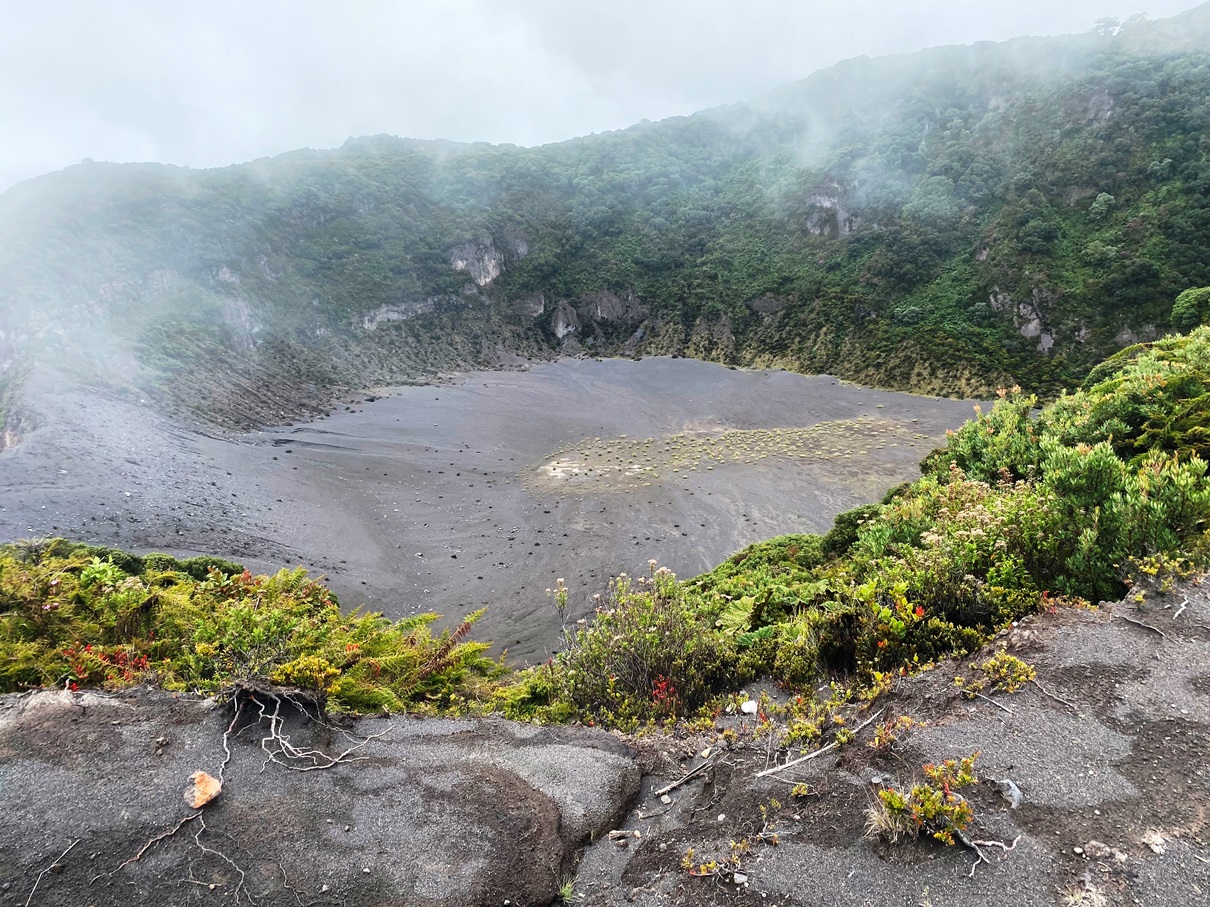
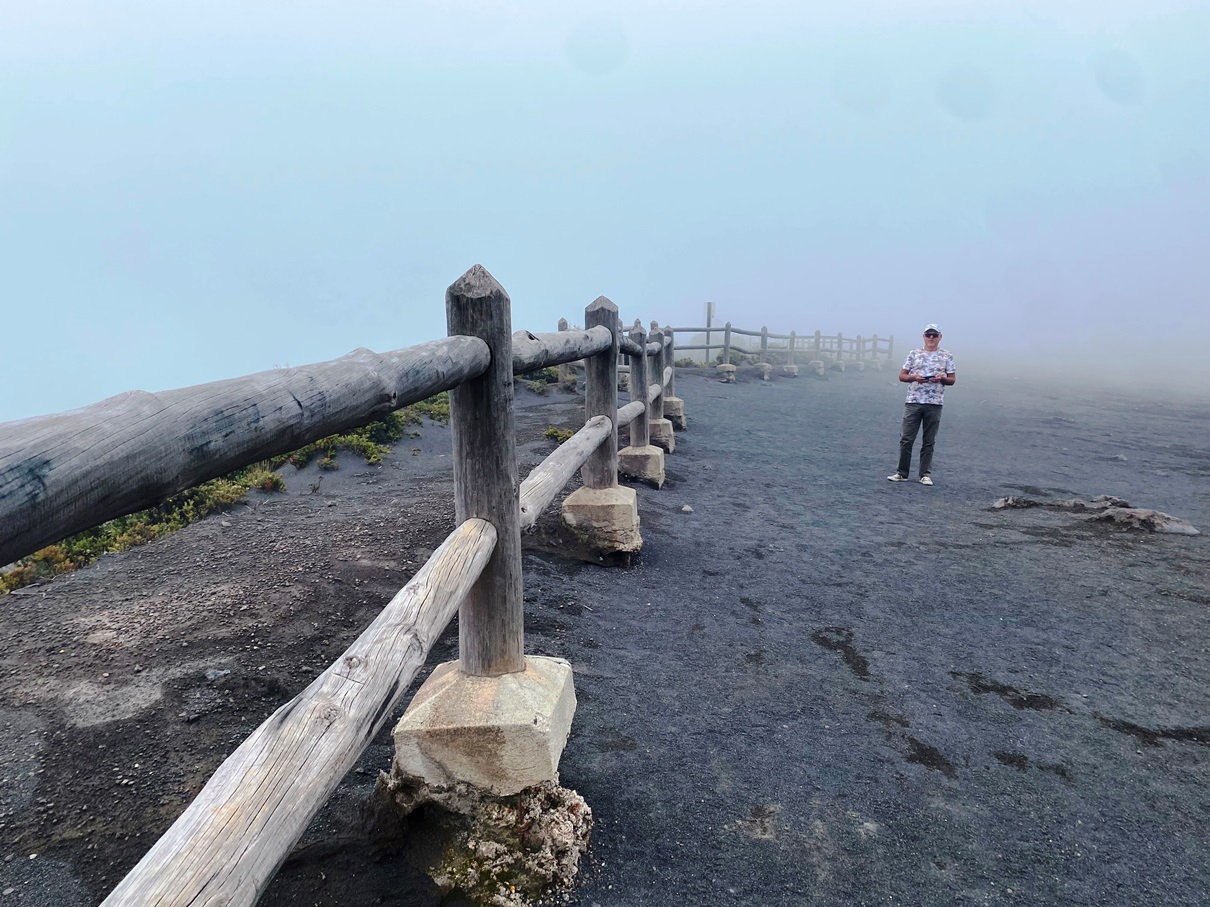
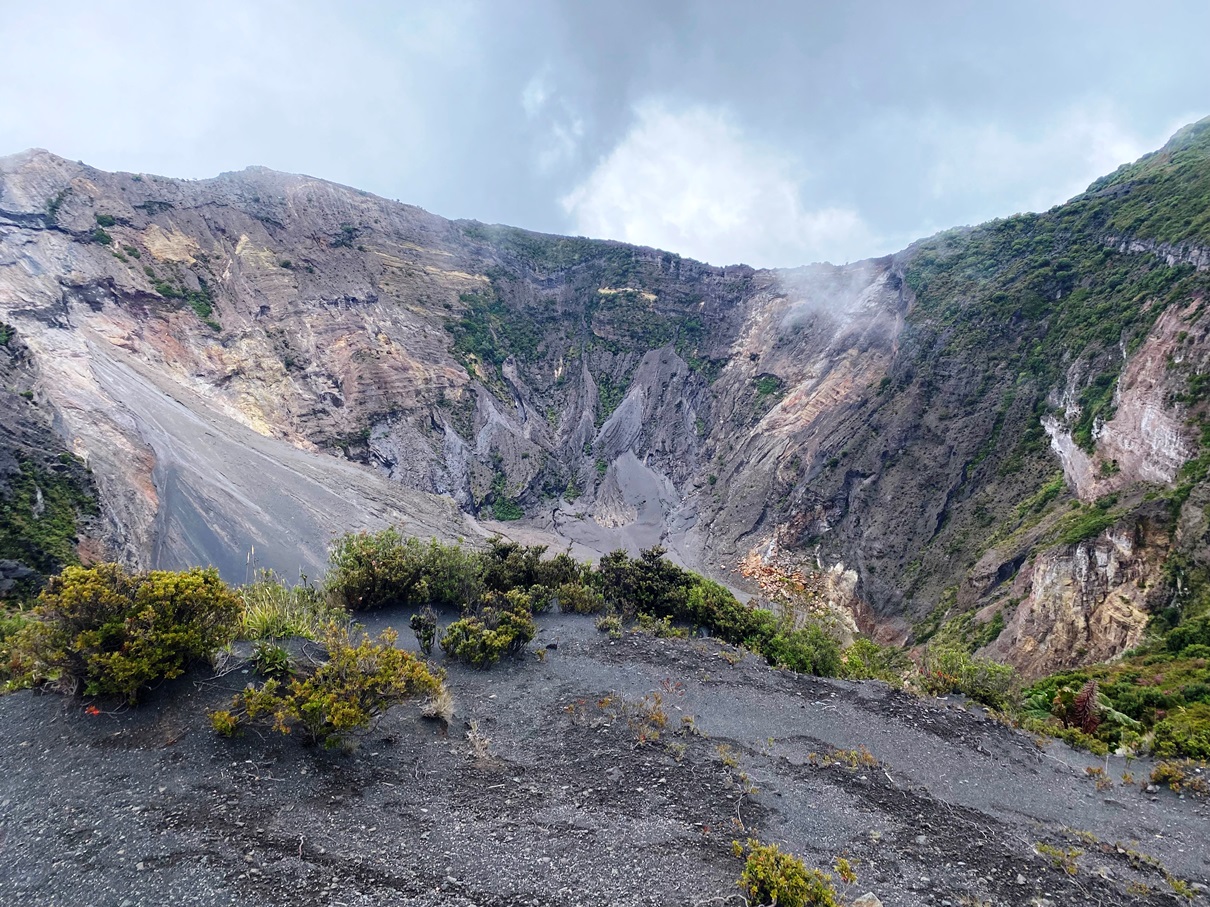
This is the highest volcano in the whole of Costa Rica, and it is said that on a clear day you can see both the Pacific and Atlantic oceans from its summit. We were perhaps a little unlucky in that regard – as the weather that day didn’t allow for any panoramas – but I do not consider us unfortunate. It was a nice, refreshing, atmospheric walk, and watching the mist draft across the various craters was a novelty.

This volcano has erupted over twenty times since its first recording in 1723, the most famous being when it showered Costa Rica’s capital in ash during John F. Kennedy’s visit in 1963. It has been almost thirty years since the last occasion but I suspect this is one to watch out for as most of its incidents have been explosive.

If you go to this place you are almost certainly going to pass by Cartago, which is Costa Rica’s former capital (and there are some gorgeous views along the way). As far as colonial cities go it isn’t very well preserved so it doesn’t hold up to the likes of Antigua or Granada, but we did make a stop along the way to have a little walk around the main plaza and its cathedral; both of which were quite charming.


Manuel Antonio National Park

Basing myself in Puriscal has meant that most of my time in Costa Rica has been a bit off the beaten track but as soon as Juan’s car approached this park I knew I was back in on the tourist trail when we passed lots of gringos, international restaurants, and souvenir shops. This is not a critique. Some places are popular for a reason, and this is one of them. It was just a very noticeable transition.

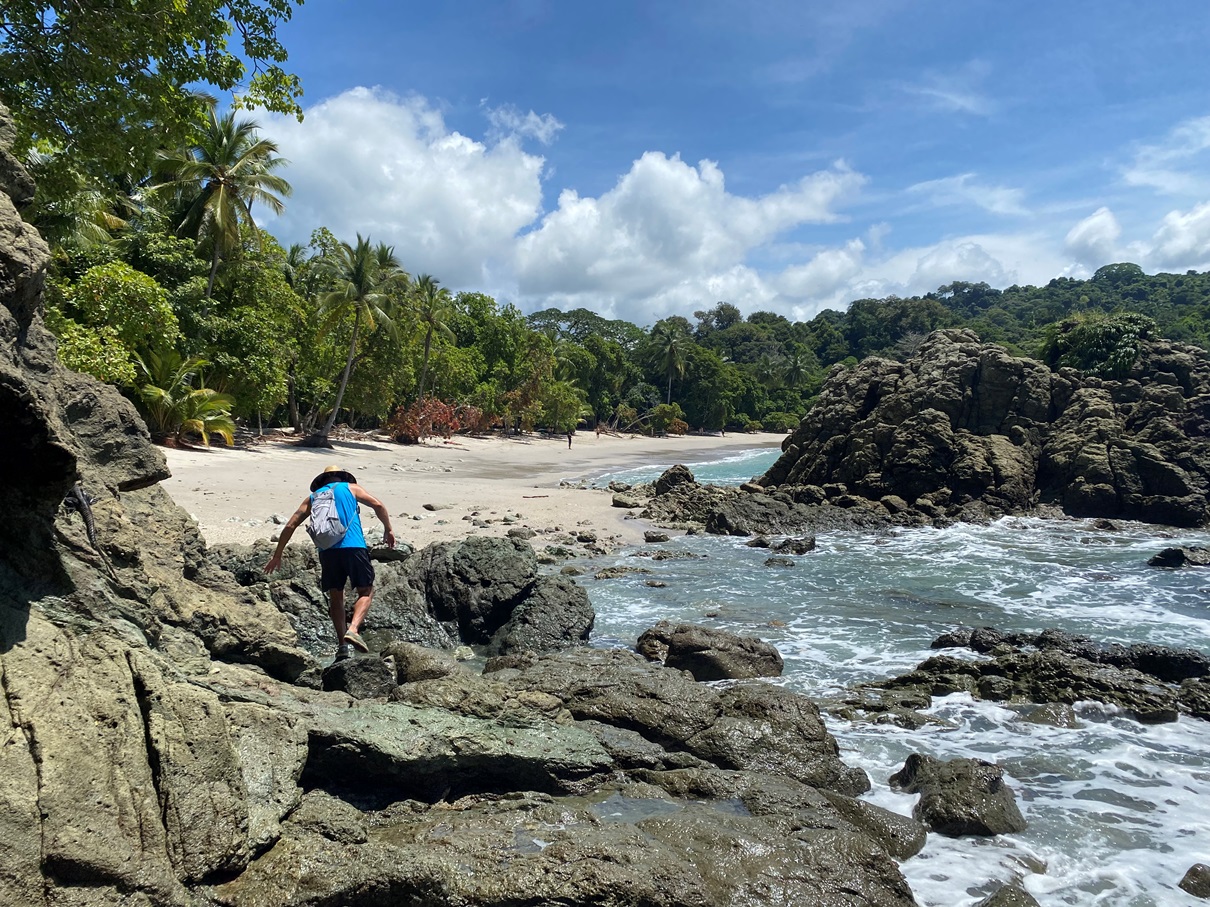
In many ways, this place reminded me of Tayrona National Park in Colombia, as it is essentially a sprawl of gorgeous tropical beaches surrounded by jungle, all connected by paths and boarded walkways. During our walks along the trails we saw lots of wildlife, including some white-faced cappuchins.

Howler monkeys.

Sloths.

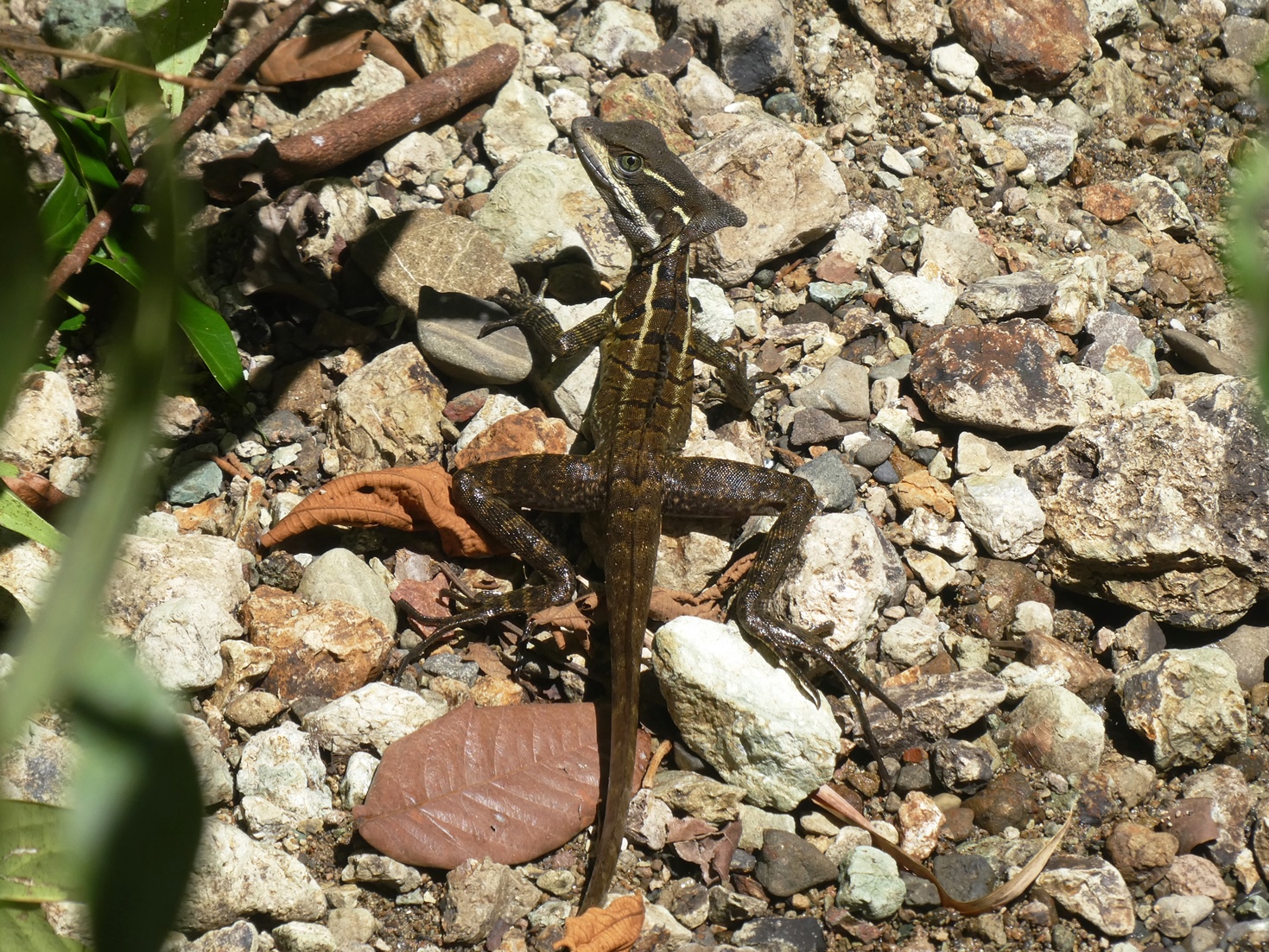
Iguanas.

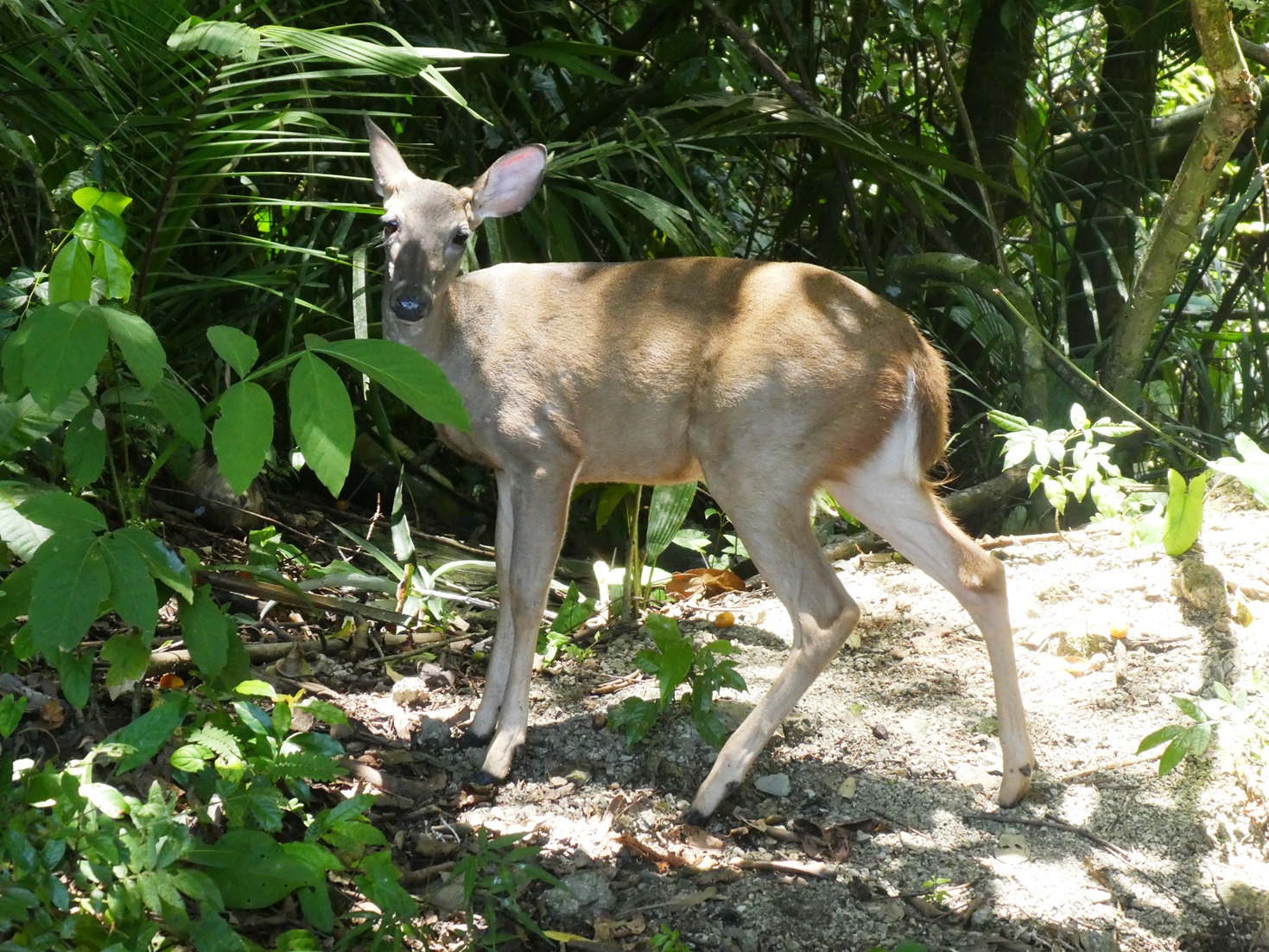
Deer.

And this green snake, as well as a few other things.

The beaches were all very picturesque.

And there were also some nice sights to be seen along the walkways through the jungle.

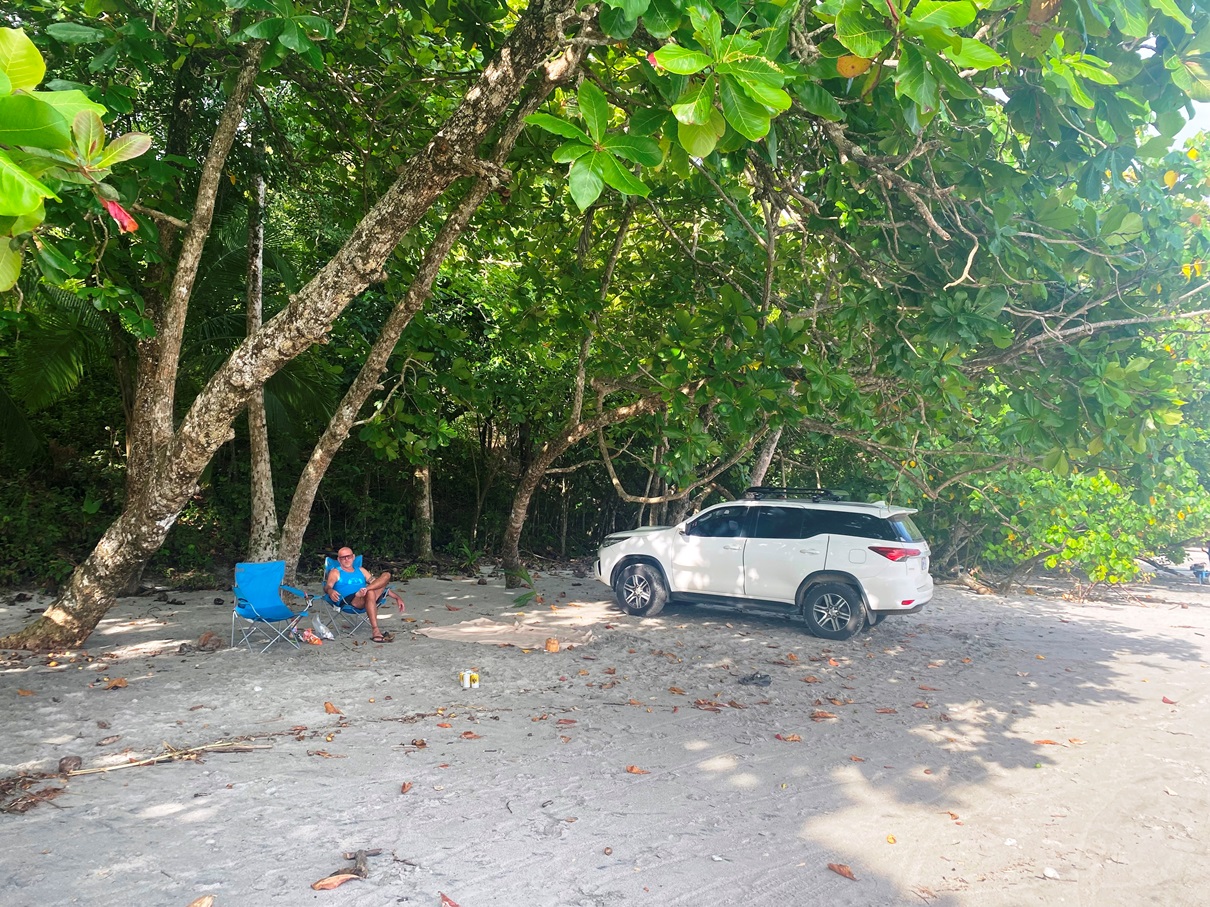
A nice little addition to the day was that – after exploring the park – we got back into the car, and Juan drove to a secret beach nearby. I was not too far away but almost empty, and it being a bit off the beaten track meant that he could drive onto the beach and park up by the edge of the trees. We got a pair of camping chairs out, had a swim, and drank a few beers while enjoying the view.

It turned out that this place was also quite good for wildlife too. Not only did we see another sloth, but one of the locals alerted us to another creature lurking not too far away. I am not quite sure what it is, but happy for people to tell me if they do.


Venado Island

This was something that Juan organised. I had mentioned to him that I was interested in going to the Nicoya peninsular, and he remembered that a friend had recently recommended a place to stay on one of the more remote islands in this area: Cabinas La Loma on Venado Island.

So, Juan drove to Puntarenas, from which we took a ferry, and then it was just a short drive to a little dock where our host – Esteban – picked us up.

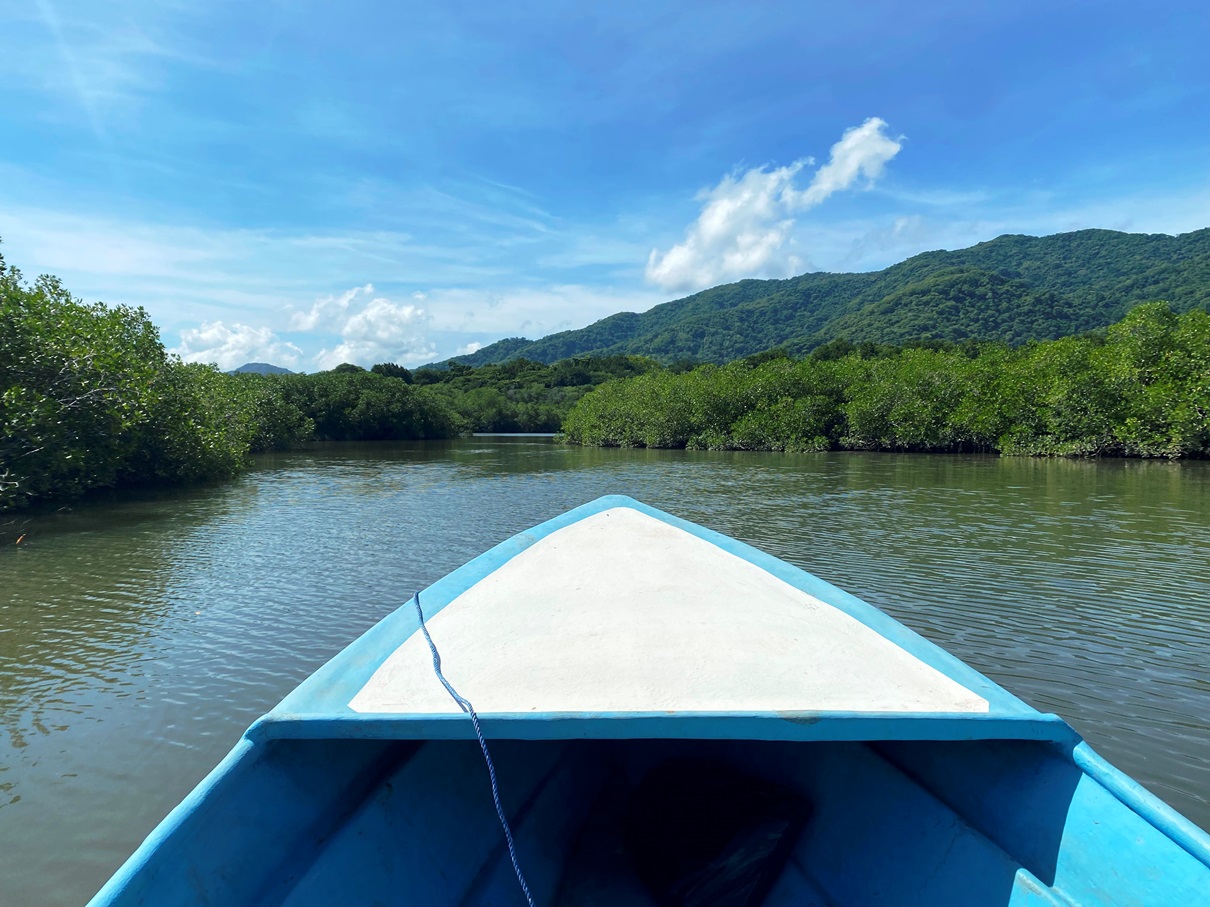
Esteban was a great host. Happy to tell us all about the area and its attractions. He also stopped off by some of the mangrove forests on the way to look at the birds resting in the trees.

Among them were frigates: a species I have not seen since I visited the Galapagos five years ago.

When we reached the shore of his village, it was a short walk up a little hill to reach his hostel. We had our own little cabin with a view of the coast, and the communal area featured an outdoor dining table, hammocks, and a pool.

It is a family-run business so it was his wife who cooked us our meals – all of which were local seafood and delicious – and after eating lunch we went for a walk around the island.

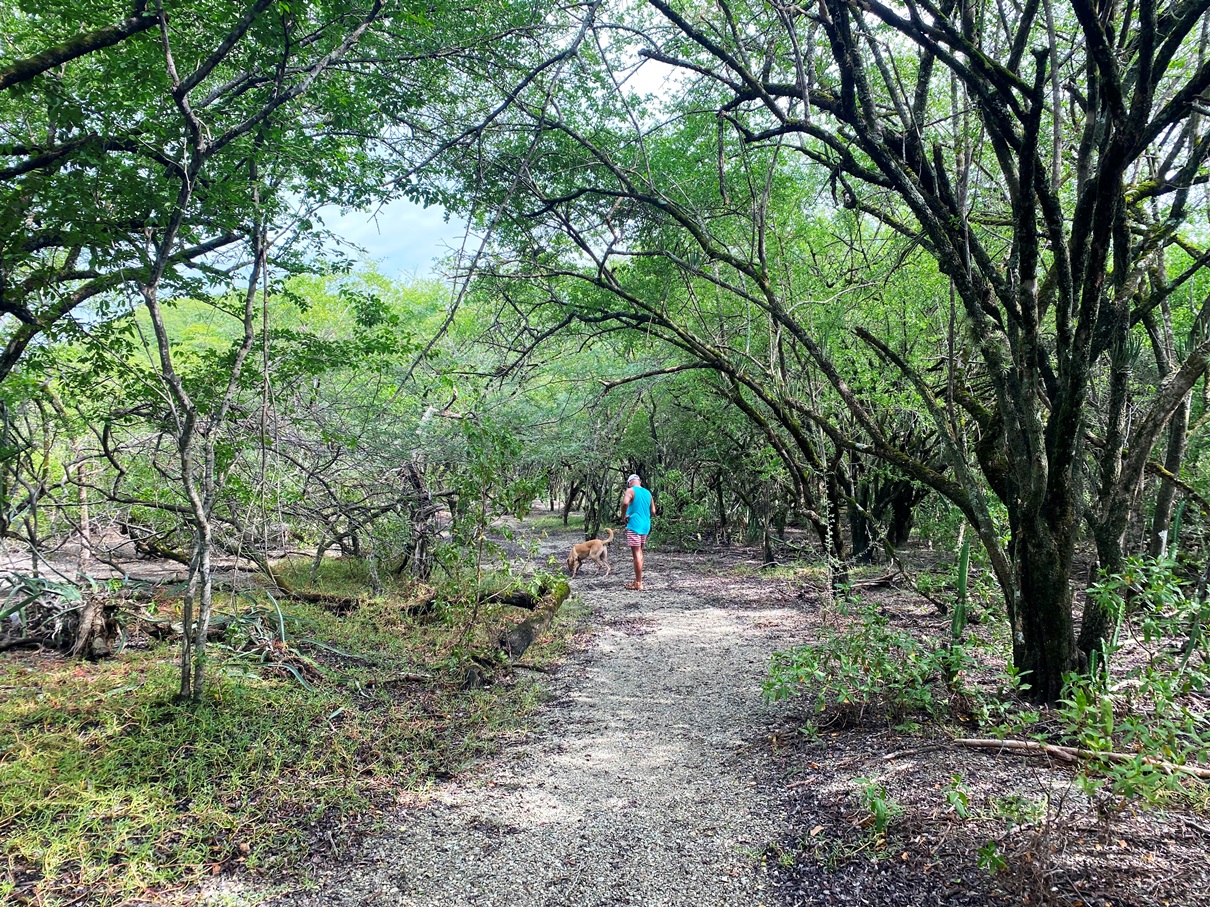
It took us a couple of hours, in all, and we passed by little villages lined with fishing boats, mangrove forests, and beaches. By the time we got back, we were happy to just relax by the pool and enjoy the sunset.

The following morning Esteban took us on a little tour on his boat. The first hour or so was exploring some of the mangrove forests to see what birds we could find, which included pelicans, cormorants and roseate spoonbills.

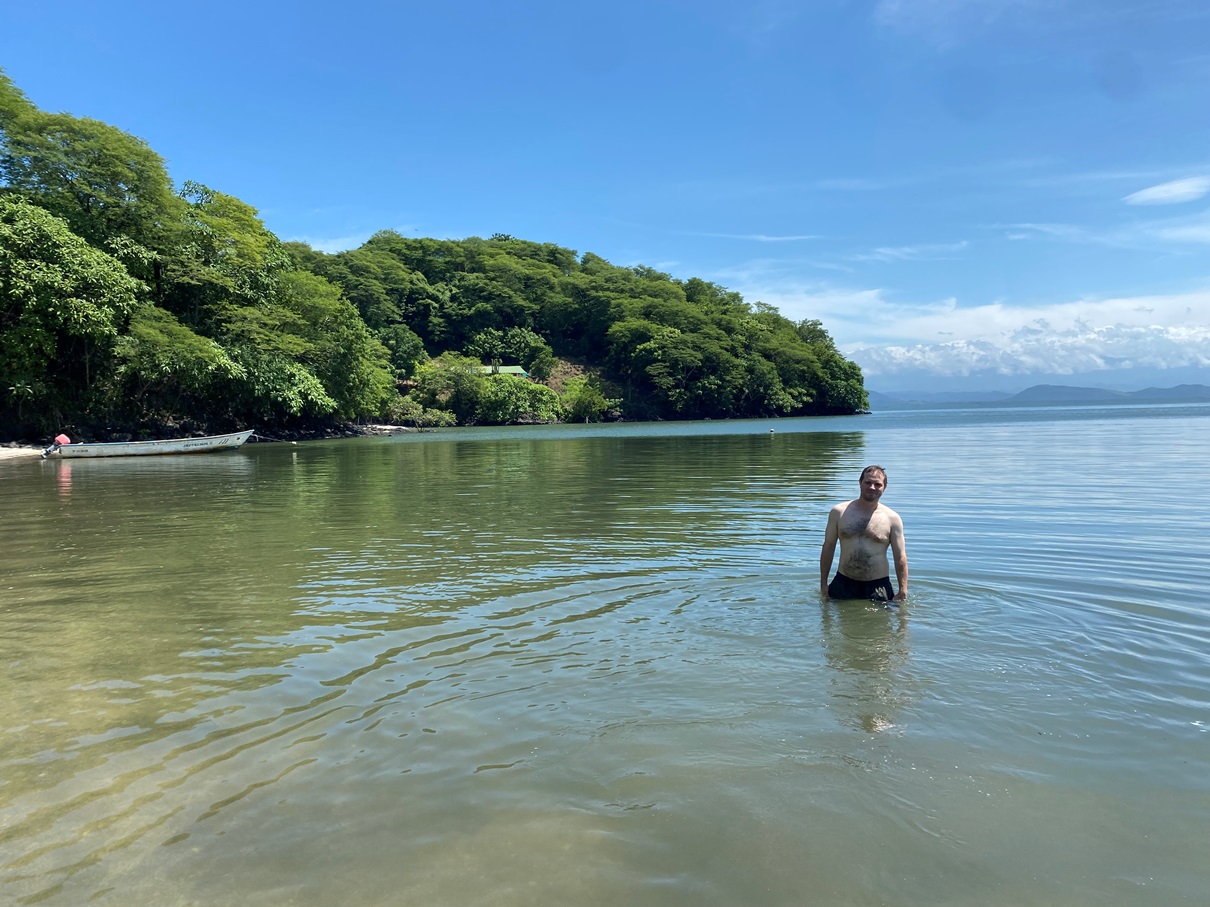
And then afterwards we went to another remote island called Caballo, where we had a little swim at the shore and a walk around its village.

After that, we went back to the cabin, packed up our things and made our way back to the mainland. I had just two more nights more nights left in Costa Rica and I was happy to spend them at Juan’s house and enjoy the view of the mountains of Puriscal. I mentioned in my last blog that my time in Costa Rica has felt more like a holiday than backpacking, but it has been a welcome respite to prepare me for the next stage of my journey. I will look back on my time here fondly, and I am also grateful to Juan for his hospitality.

My next destination is Mexico; the final country on this trip. I have two months to explore it, and I will be back to staying in hostels and living like a thrifty traveller.


Click on these hyperlinks to see more photos from Irazú, Manuel Antonio Park, and Venado Island.