Travelblog LA#28: Puriscal – Costa Rica

28th August – 2nd September, 2023


After my couple of days in San José, I moved on to the Puriscal, a region within the mountains to the south of the capital.

This will be where I will base myself for the rest of my time in this country. I am very lucky to have a friend from here – Juan, who I met during my time in Colombia – and his offer to host me was one of the reasons that I decided to add both Costa Rica and Nicaragua to my itinerary. Costa Rica is the most expensive country in Central America and would usually be way beyond my budget, but having somewhere to stay made it much more affordable.
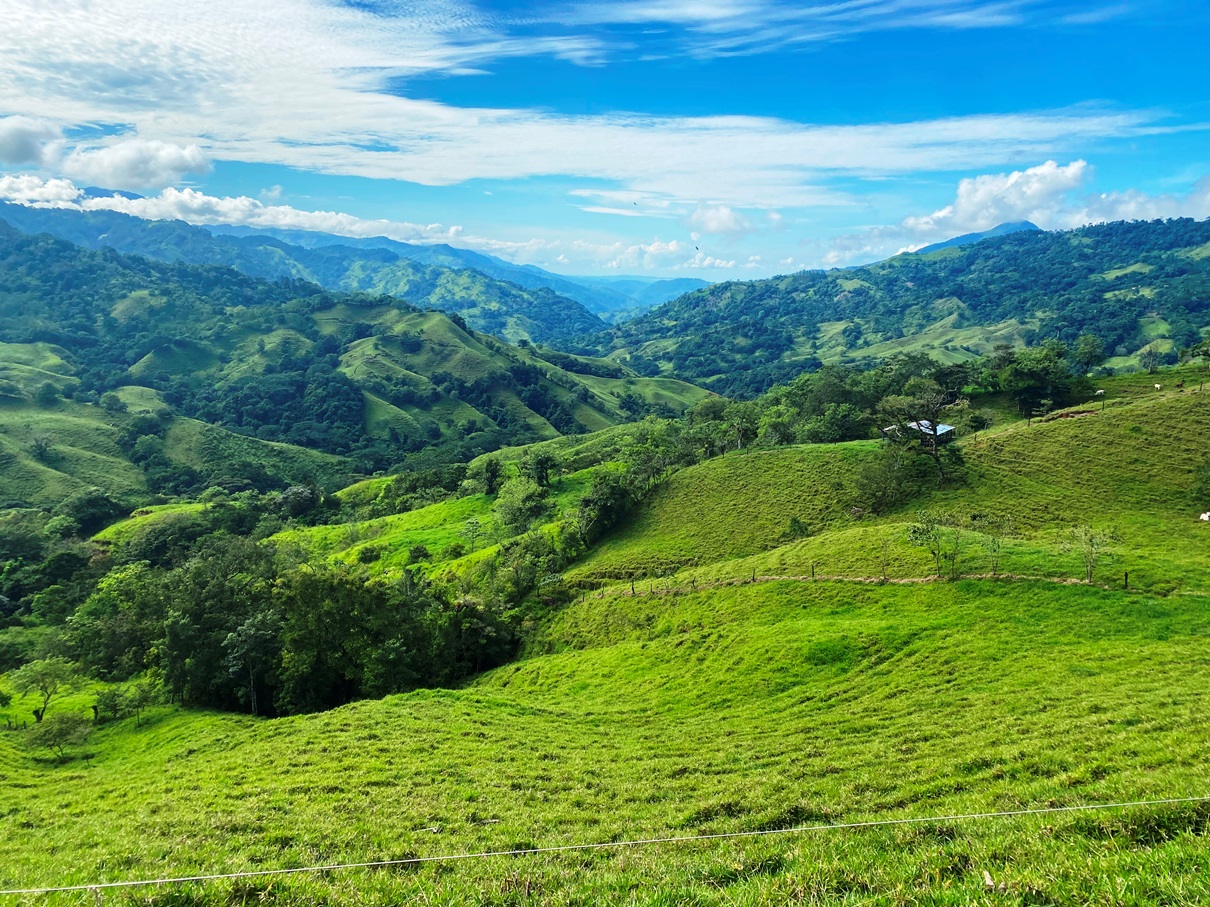
The Puriscal region isn’t spoken of much in the travel guides. Many gringos pass through here on their way to Turtle Island or Manual Antonio National Park, but there aren’t many hotels or other such tourist trappings. It is campesino territory; a place where generations of rural families have dwelled for generations, and life moves slowly. The climate is temperate, with warm days and cool nights, and the frequent rains mean that the mountains are covered in lush vegetation.

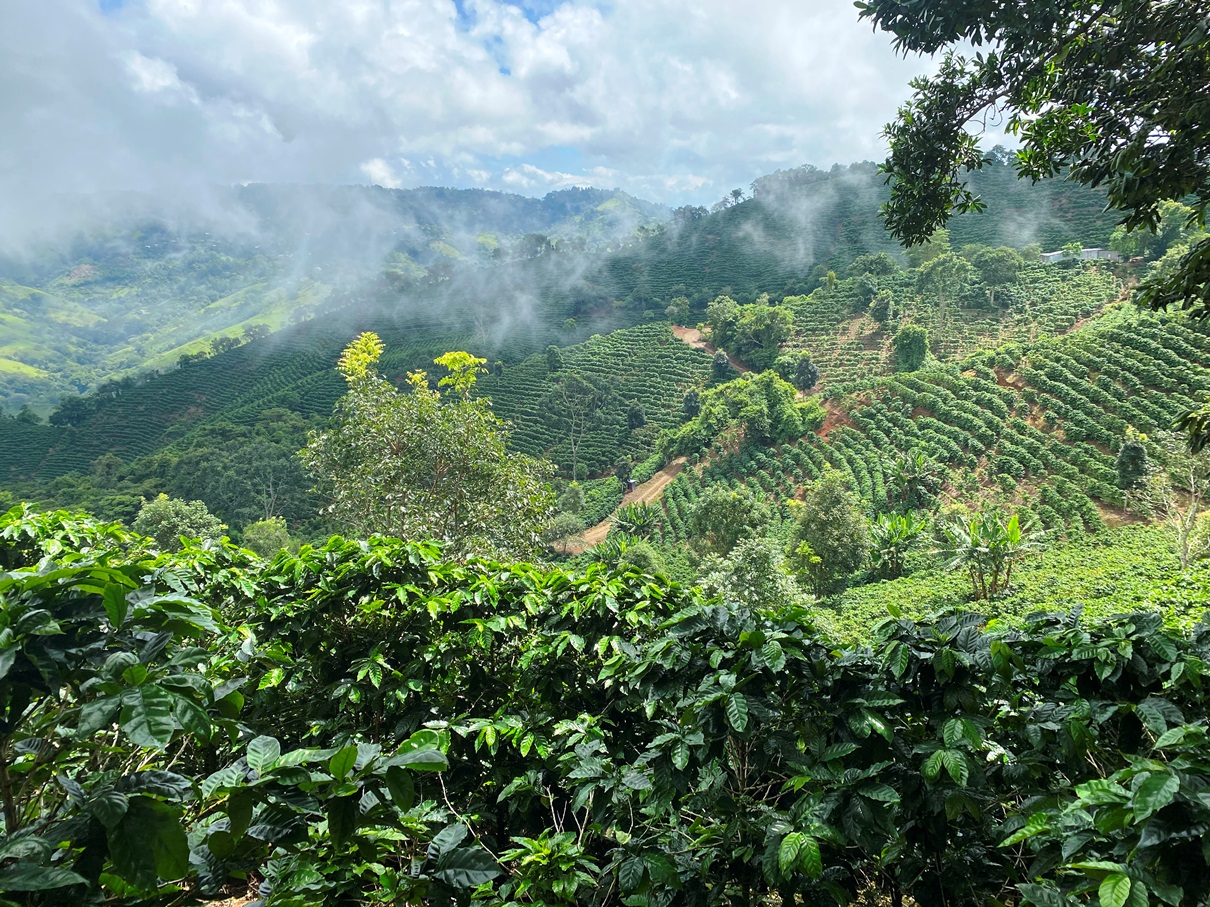
These next two weeks will feel more like a holiday than backpacking, and to be honest, it is a welcome respite after being on the road for several months. This is not to mean that I have been doing nothing. I spent my first few days exploring around the hills close to Juan’s home – as there are plenty of rewarding trails in his village. Most of the trails are dirt track roads that snake between the farms, lined with fruit trees and coffee plantations.
And I also soon realised that this area is a haven for birdlife. Not only can plenty be spotted whilst out on walks but also from simply watching from Juan’s balcony.

On my fourth day, the two of us went on a road trip to the Pacific coast. There are lots of little seafood restaurants at the little coves here, and we stopped at one of them for a couple of beers before having a walk along a quiet beach dotted with fishing boats and pelicans perched on the rocks.
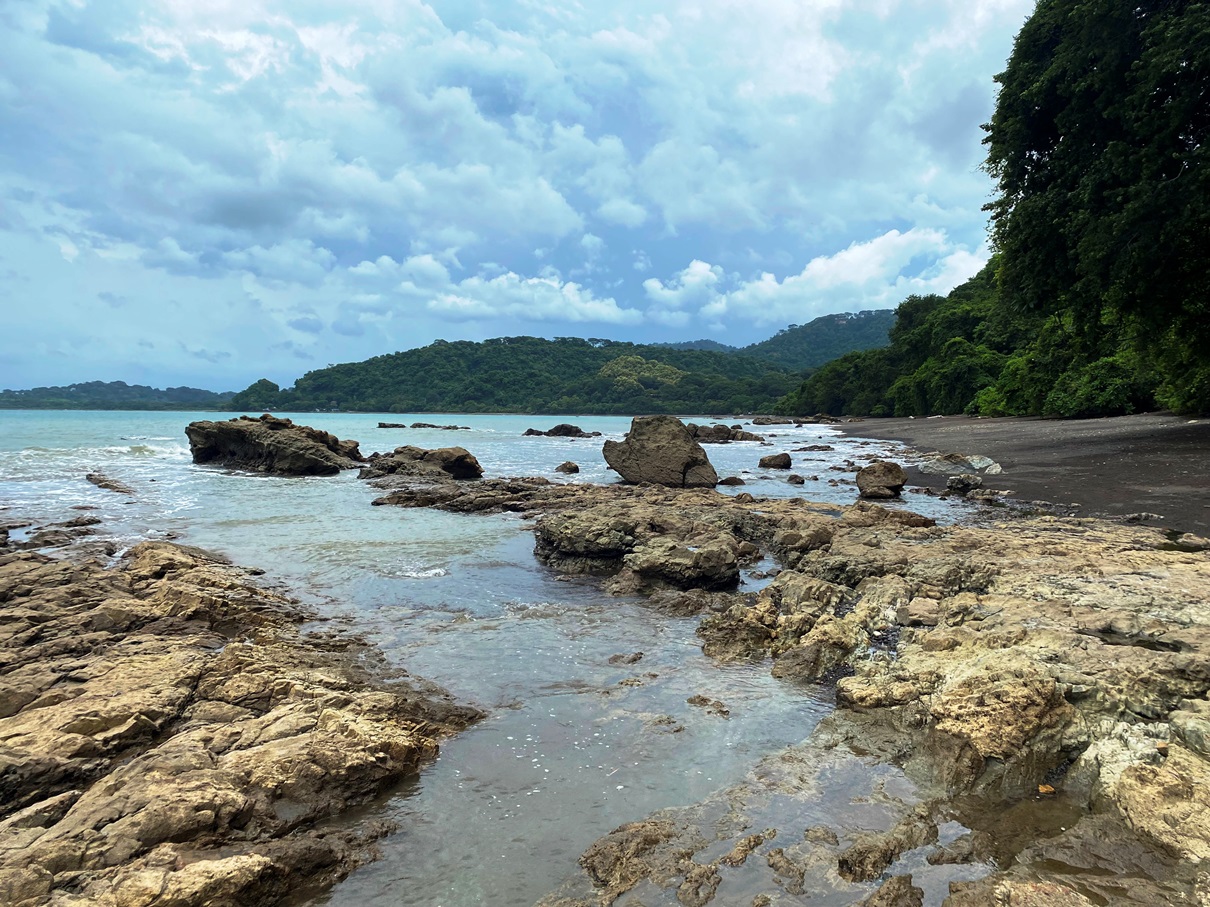
We also passed by some of the beaches in the area around Jaco, which is a famous resort town. With it being low-season, it was somewhat quieter than usual.

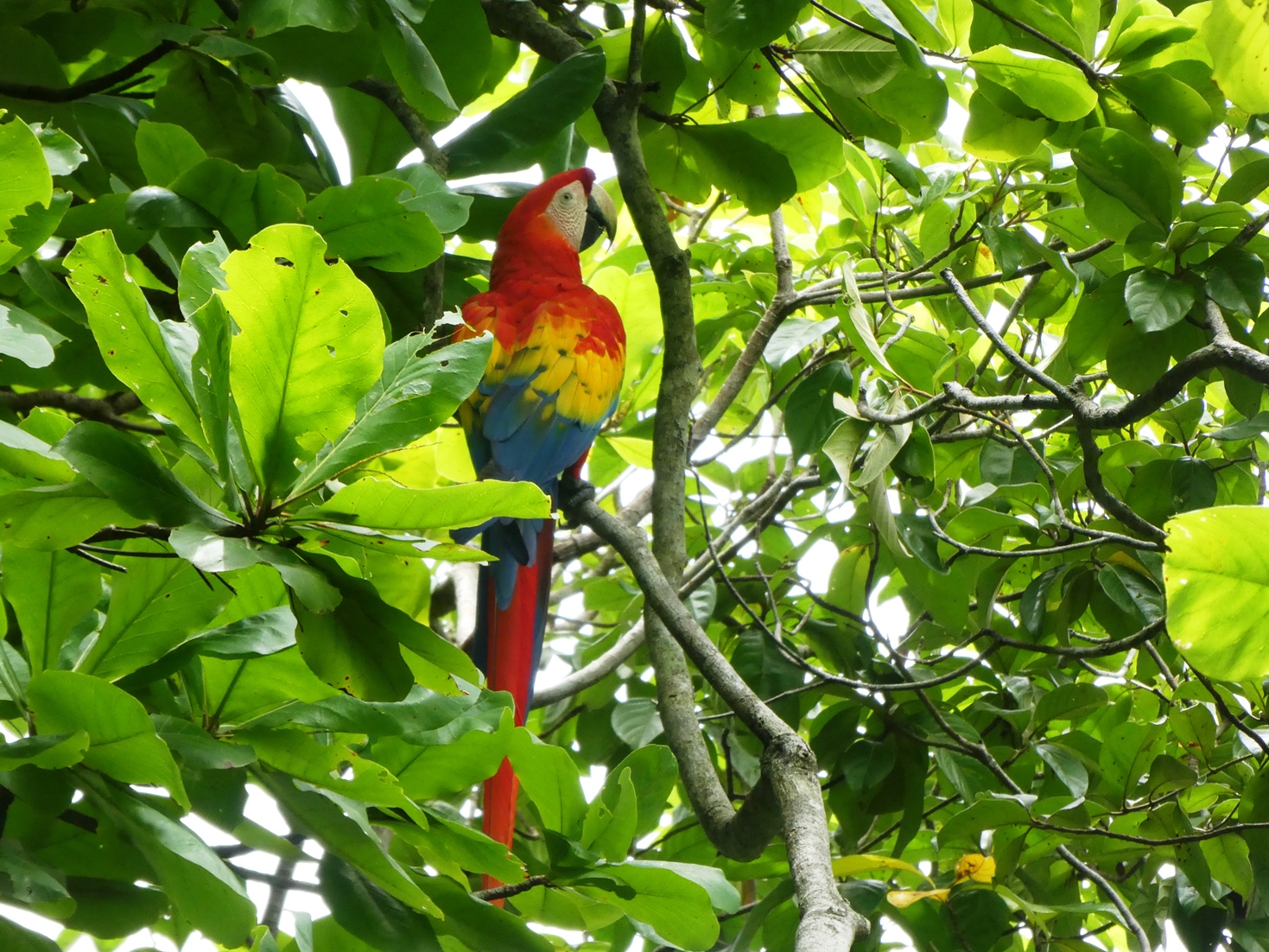
And just outside of town we also stopped at a little mirador close to some trees where we saw yet more birds, including a group of scarlet macaws.
And then, at the end of the day, a place called Peñón de Guacalillo, where one can watch the waves crashing against the cliffs. Videos of this can be seen by looking at my Google album. It was the perfect end to the day.

Another day trip we made was to the area around a village called Mastatal, where there are several attractions. We started by going for a walk around La Cangreja National Park which has a trail that follows the Rio Negro through lush rainforest.
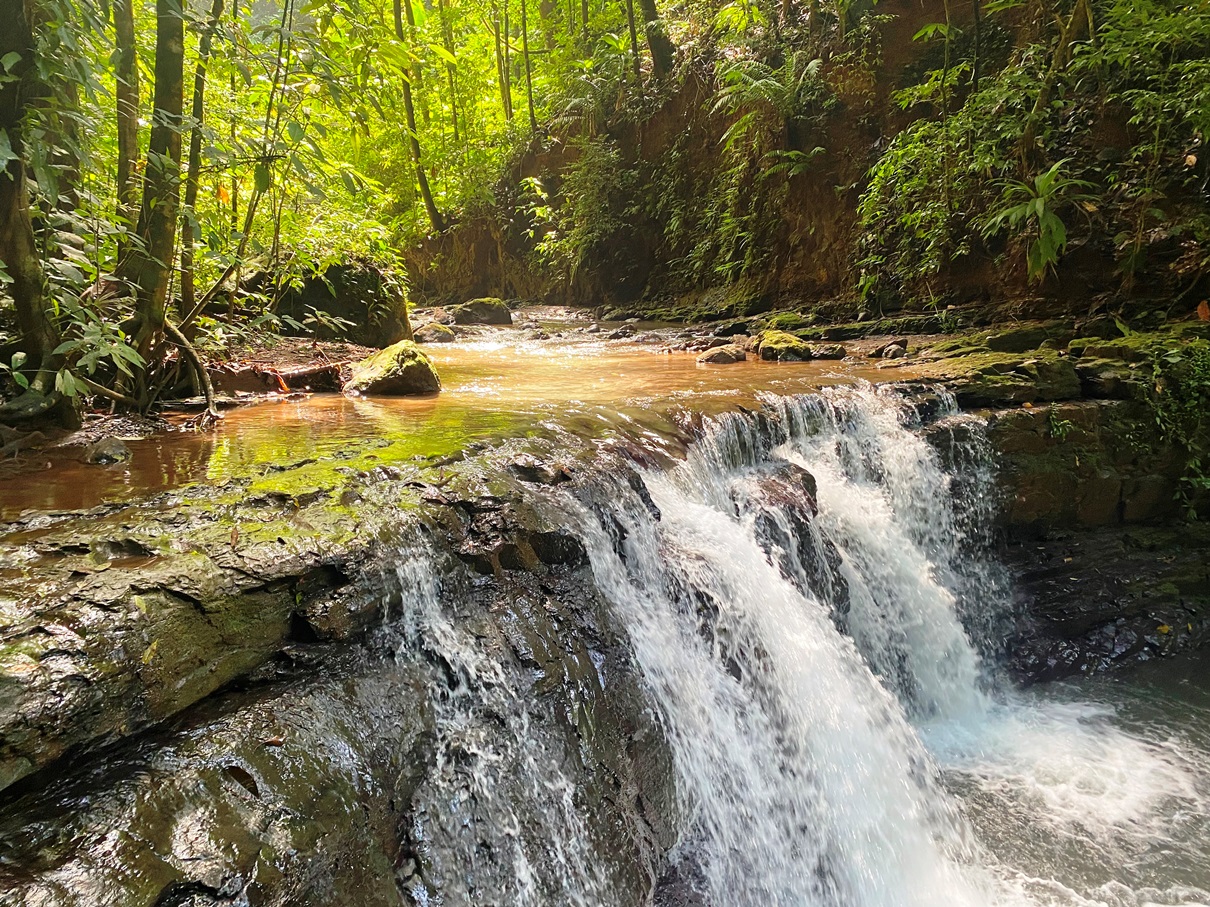
There are lots of little waterfalls there, and we also saw plenty of birds, frogs and snakes.

In the afternoon we went to Las Gemelas, which are a pair of large waterfalls within a valley.

This is also technically within the La Cangreja National Park (around twenty-five percent of Costa Rica is protected land), but access to this part of it is controlled by a campesino family. As many of you know, I am not a big fan of natural features being privatised, but in this case, it has been done benevolently. The family who own it have looked after their land well and have a respect for nature and conservation. They have turned it into an enjoyable place for visitors by making a series of trails and extra features, such as miradors overlooking the valley.
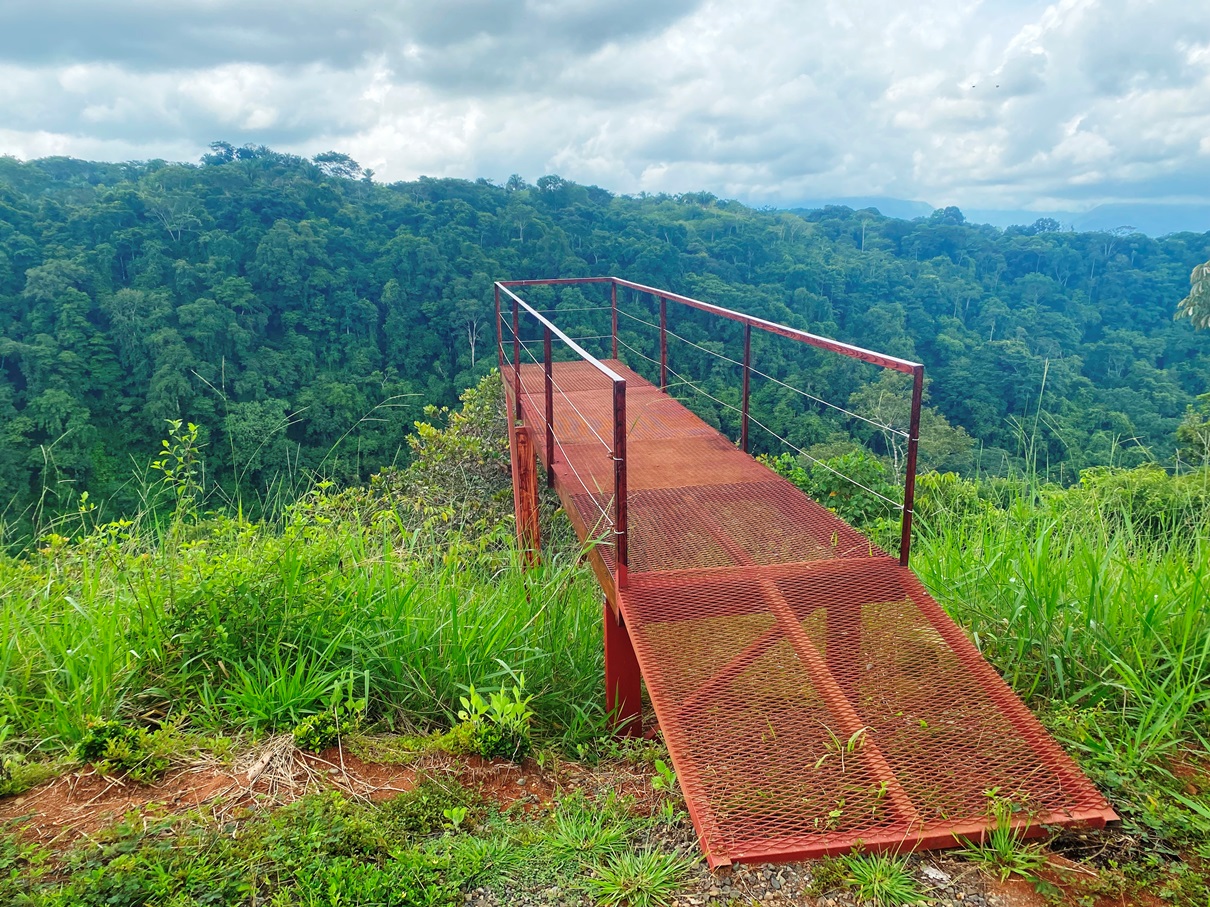
And they also offer discounted access if you pay for both entry and have lunch there, which was a nice way to finish off the afternoon. This is the view that we enjoyed from their restaurant area.

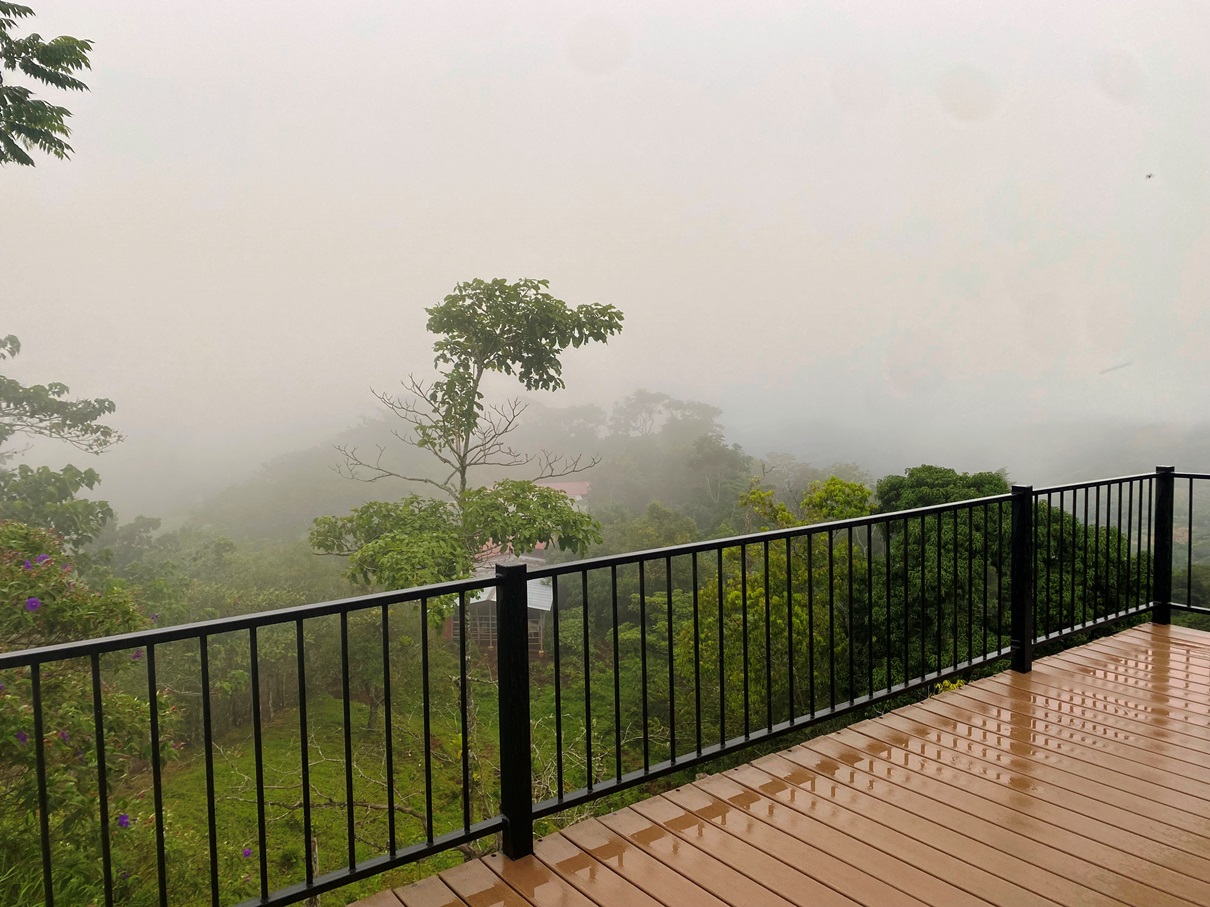
Besides these two-day trips and some local hiking, the rest of my first week in this area has been spent relaxing and enjoying the scenery. It is the rainy season, so come in the late afternoons and evenings. Watching them play out from Juan’s balcony has often been a magical experience, especially when the mist comes and clouds up everything.
As well as some sublime sunsets.

I have another week to go here and during it, we are planning to make some trips that go a bit further afield. These I will cover in my next blog.


For more photos from my time in the Puriscal region, click here.


Travelblog LA#27: San José – Costa Rica

25th – 27th August, 2023


Costa Rica, another country that was not in my original itinerary but I squeezed in at the last minute.

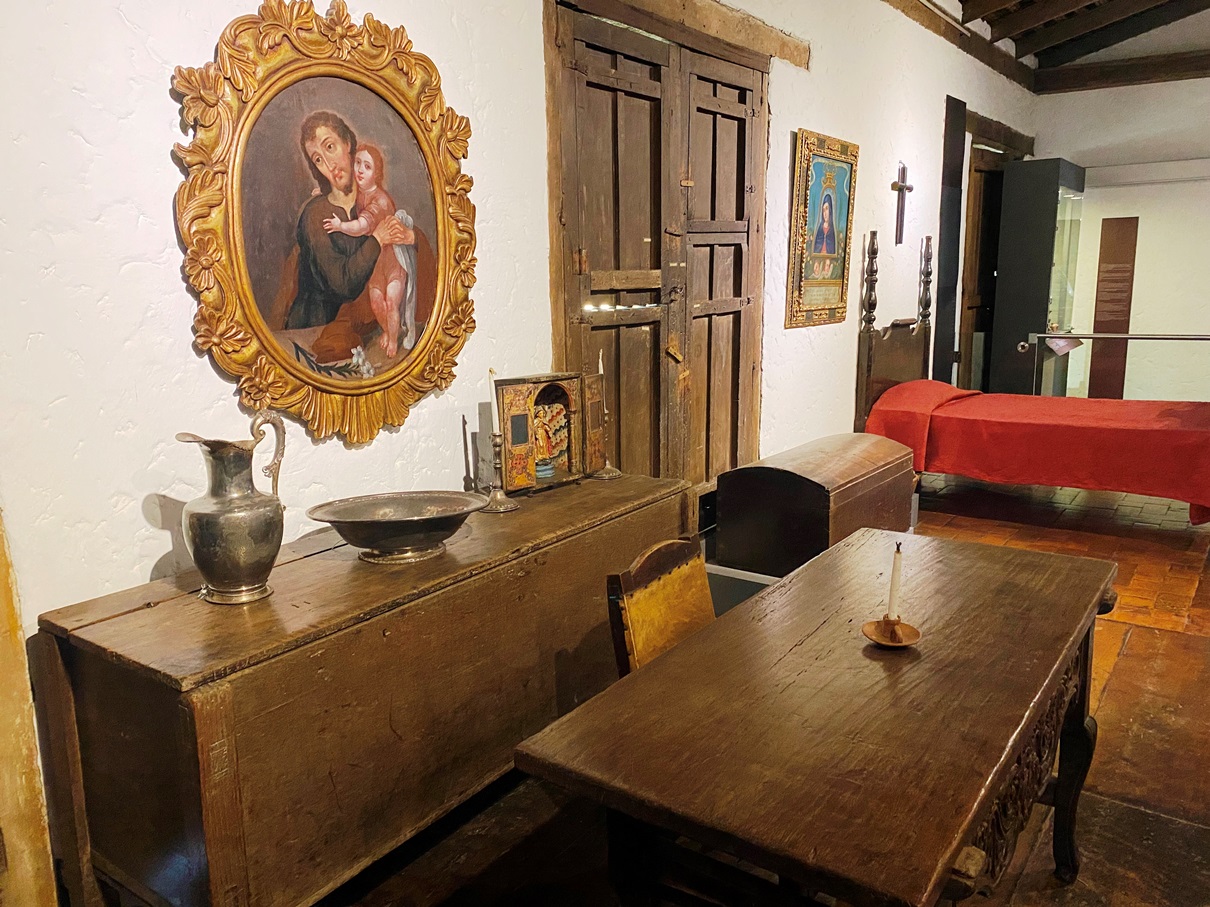
With that in mind, my first stop in its capital was at the national museum, situated within the walls of an old fortress. It has many different exhibitions which together make a very comprehensive catalogue of Costa Rica’s history. From pre-colonial times to its struggles for independence (not just from Spain, but also Mexico, the US, and the shortly-lived Federal Republic of Central America), to the twentieth-century civil war, all the way up to the present day. Which was great for me as I had some catching up to do.

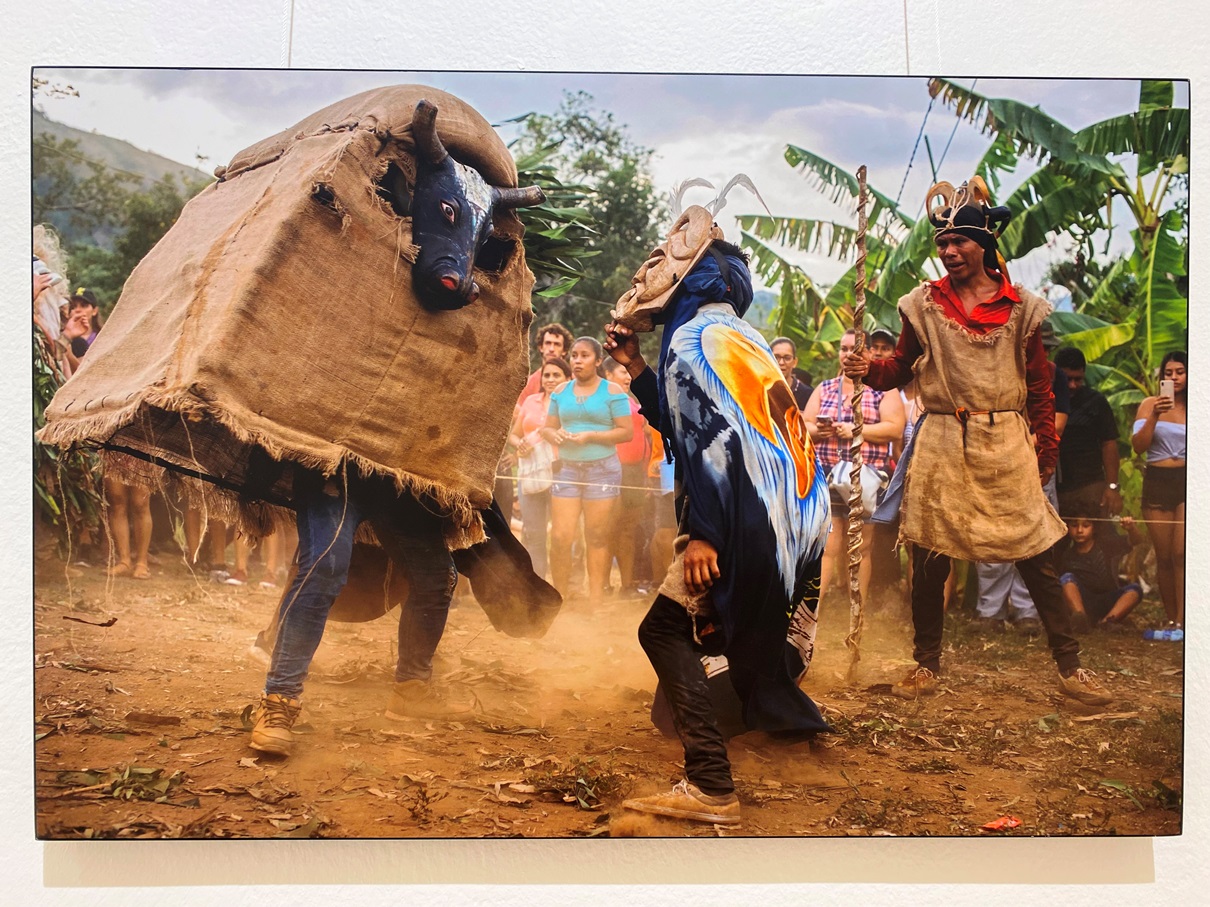
I was also quite pleased to see that the indigenous population were also given some focus here, with details concerning their cultures, origins and history with the colonisers. Like all new world countries, the story concerning Costa Rica’s relationship with the original inhabitants is fraught with human rights violations, and this museum doesn’t shy away from that. Costa Rica does still have some native groups living in some of its regions but most of the population would now describe themselves as ‘mestizo’, and this fusion of cultures is also reflected in many of the nation’s festivals and traditions.

Out of all of the Latin American countries, Costa Rica is one of the most prosperous, and as to how they achieved that, I don’t think there is one definitive answer. I don’t believe any population is innately superior so luck plays a huge part in these things. Their ancestors certainly proved in the past that they were willing to take up arms when their liberty was under threat, but their more recent history has been more harmonious. For most Latin American countries, the root of many of their problems stems from neo-colonist exploitation and meddling from the US, but Costa Rica has faired much better than others, and it seems to me that it is largely because they have – for better or worse – played good diplomatic game of making enough concessions to keep the US happy whilst also putting the interests of their citizens first. Their army was disbanded in 1948, meaning the government had more money to spend on welfare, and it vastly improved the quality of life here. Since then, Costa Rica has remained peaceful by adopting a practice of political neutrality.

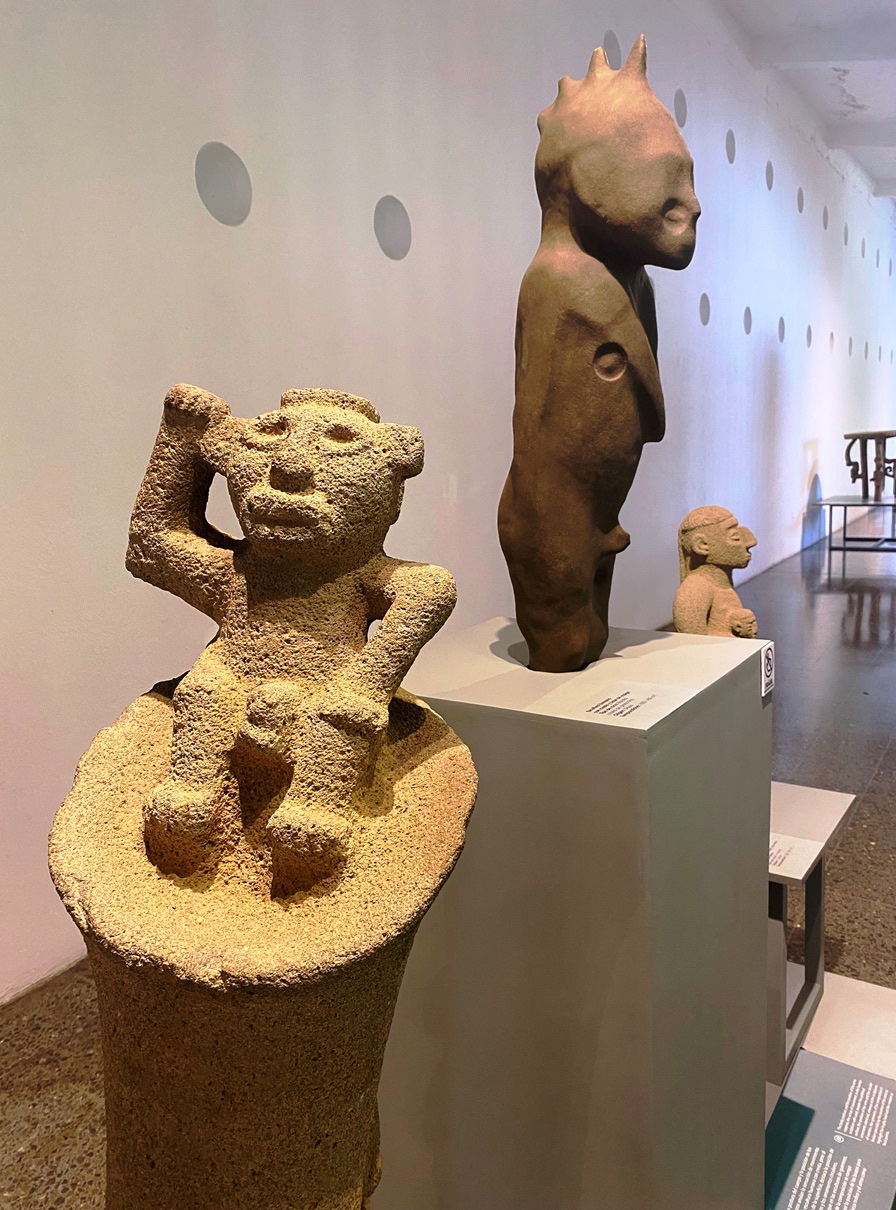
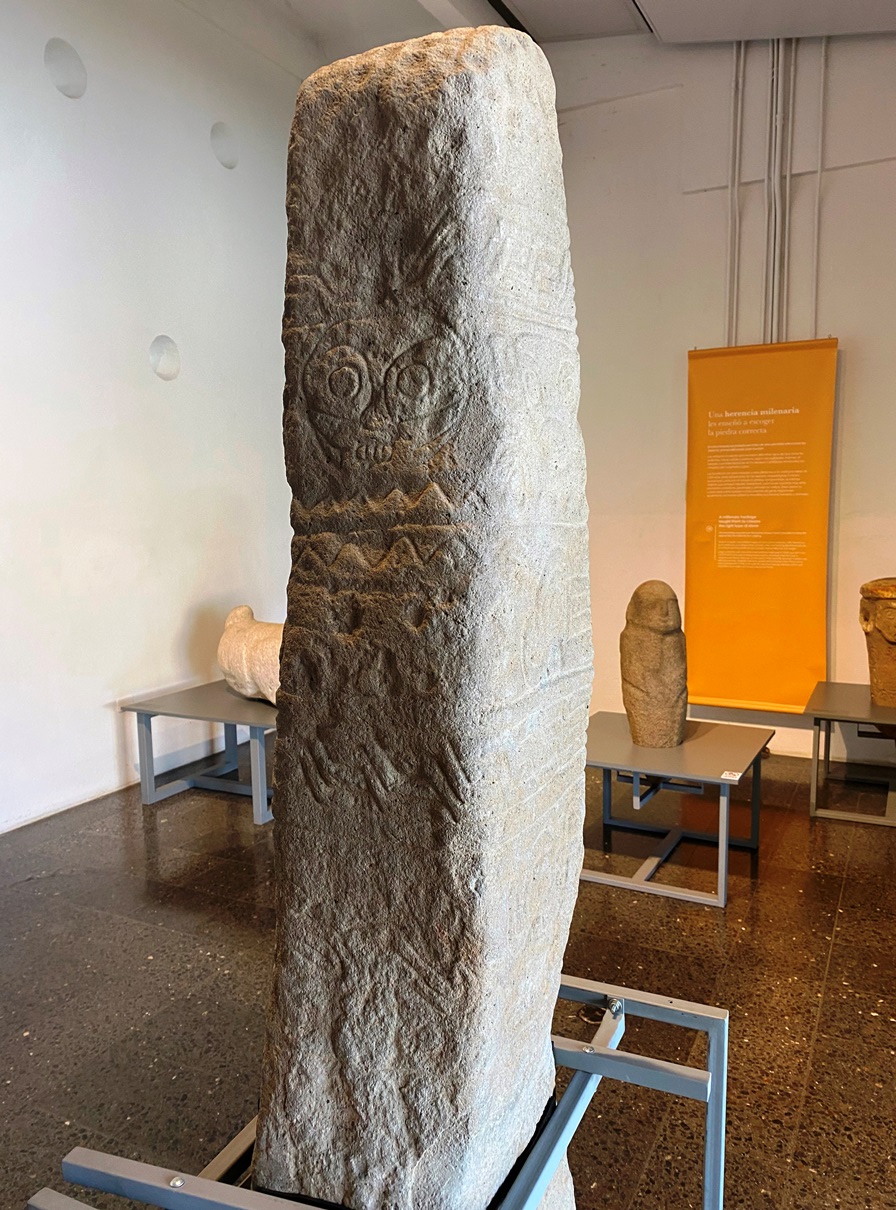
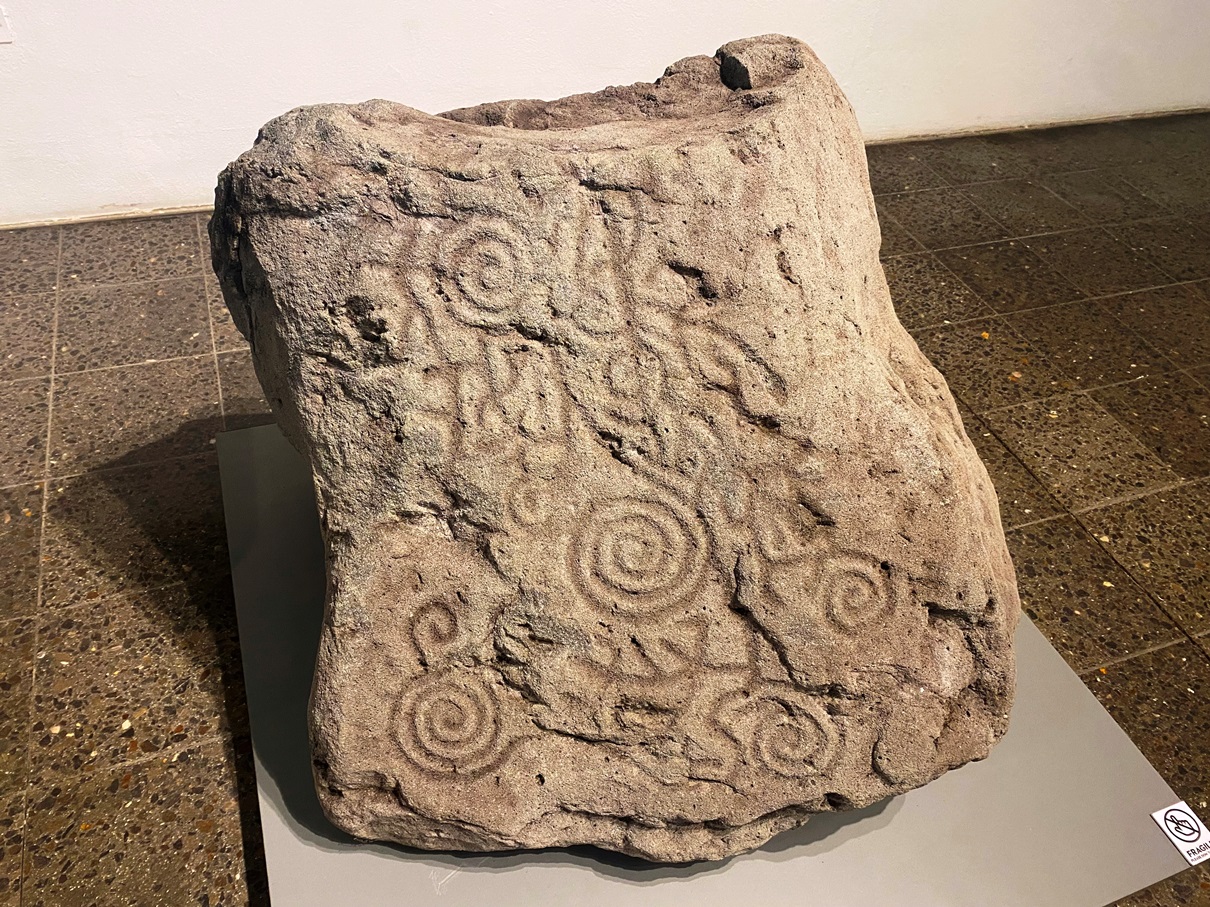
Those of you who follow me regularly will not be surprised when I tell you that my favourite part of this museum was its pre-Colombian exhibition. The civilisations that dwelt here are not talked about much because not as much is known about them. They didn’t leave behind any cities quite as majestic as the Inca or Maya did, so any golden age they may have achieved is either the kind that did not leave behind as many traces or remains buried and still to be discovered.

But something that they did leave behind plenty of was stone sculptures, and I was surprised by how intriguing they were.

Many of them feature the usual anthropomorphic features that appear to be common in pre-Colombian civilisations in all of Latin America, but – as usual – the styles of each region are quite variable, and they certainly have their own flair here.

Also popular are statues of warriors, many depicted holding weapons and trophy heads of those they defeated; hinting that this was a war-like society.

And they also seemed to have been fond of geometric patterns.

But perhaps most intriguing of all is their culture of ‘metates’; stone and oval ritual platforms. Their purpose was almost certainly ceremonial as many of them feature shamans and gods in anthropomorphic forms.

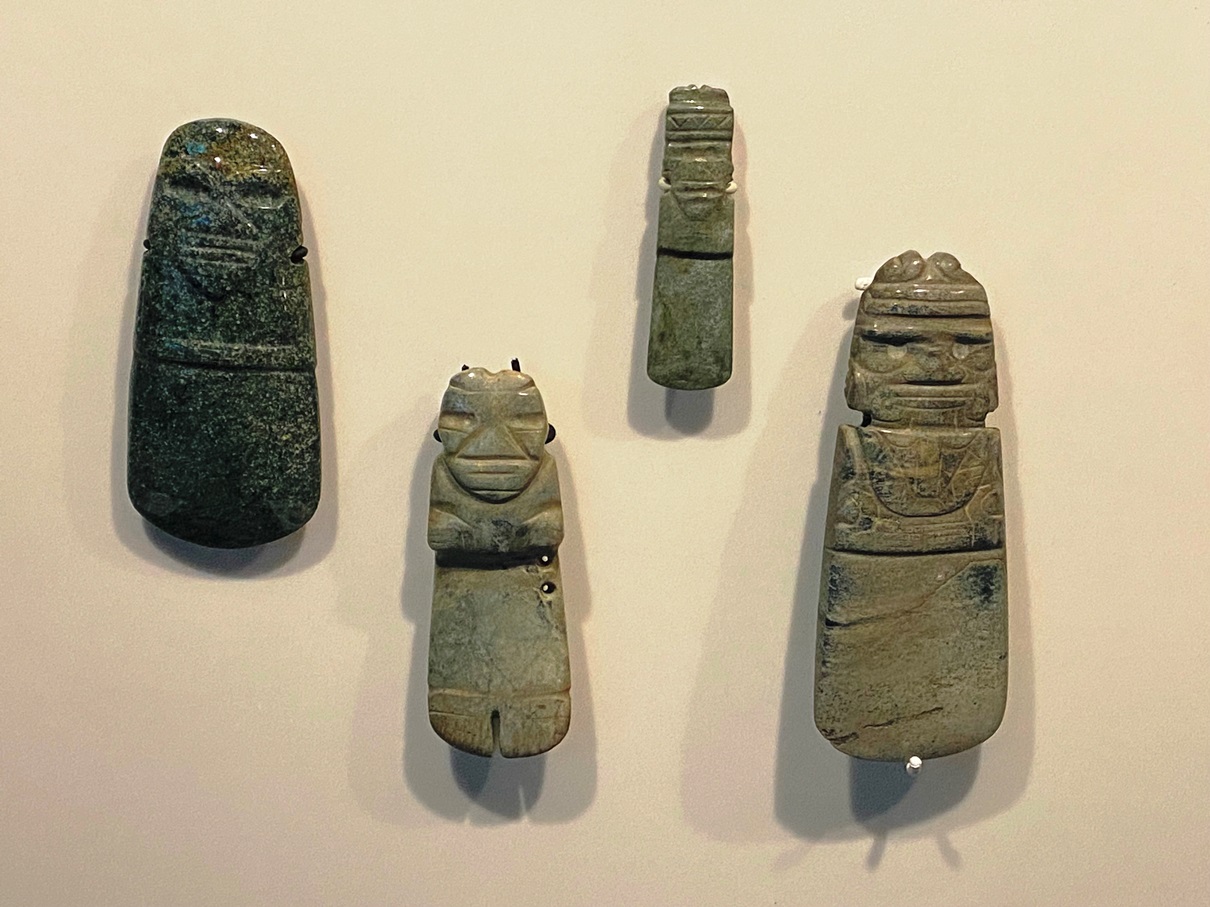
Another museum that also made a big impression on me was the Museo del Jade.

I was not previously aware of this, but the artisans of Costa Rica’s pre-Colombian civilisations were rivals to both the Olmec and Maya when it came to the production of this precious stone.

Such objects were not only treasured but also believed to play a prominent role in day-to-day life and were indicators of status and power.

They were also used in ceremonies. It is thought that each person was assigned a protective spirit at birth in the form of an animal, and given an object in its shape as a talisman.

This museum is very expansive, spread across four entire floors. One is called ‘Splendour of the Night’, which has dimmed light and eerie birdsong. The displays are focused on depictions of nocturnal animals such as owls and jaguars. It was very atmospheric.

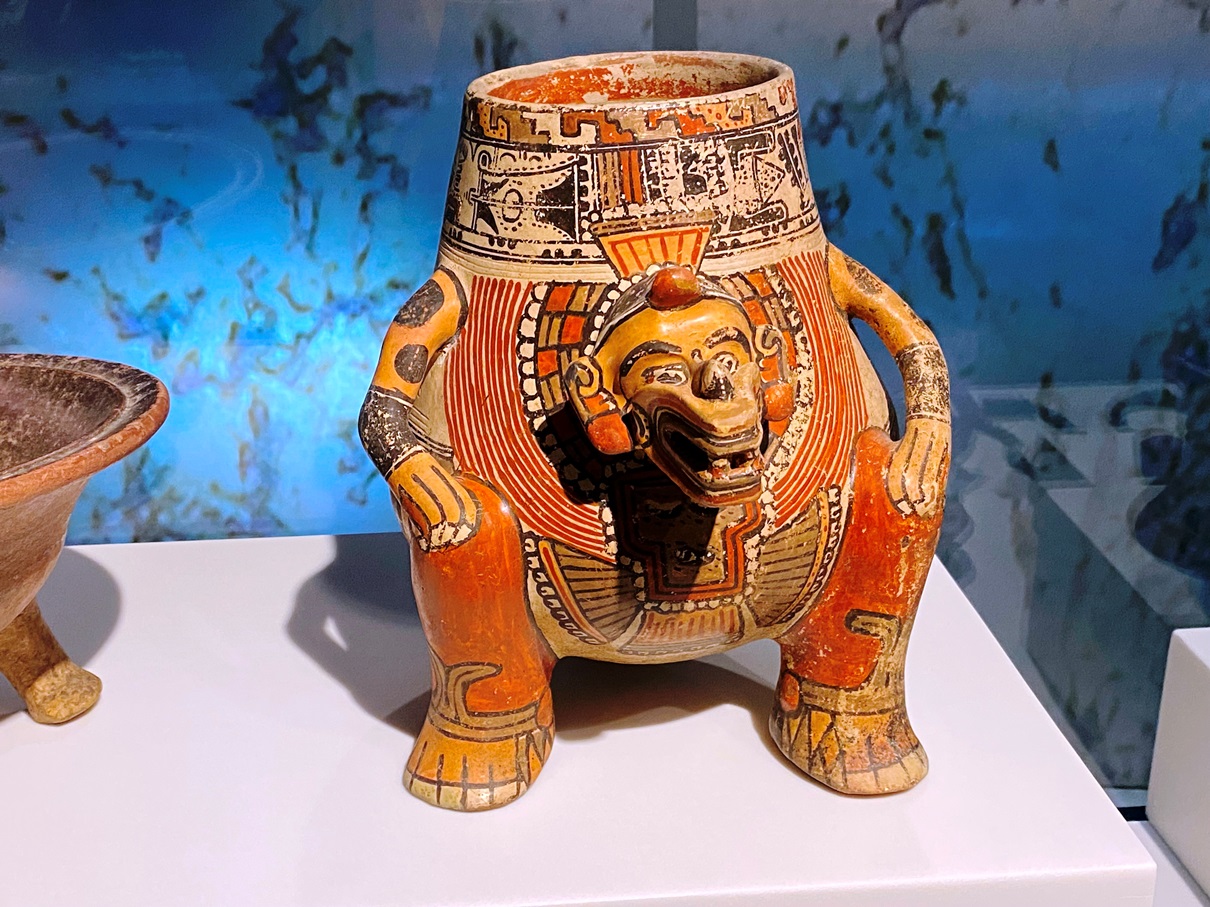
And not all of its displays are exclusively jade. There is also a lot of pottery: much of which is of local style.

As well as pottery that appears to have come from other pre-Colombian civilisations, including Mexico: indicating that these people were well connected.

But one of the things that I found the most interesting was its collection of depictions of female shamans. Most civilisations from this part of the world only have evidence of men being shamans, but it seems there were more opportunities for women here.

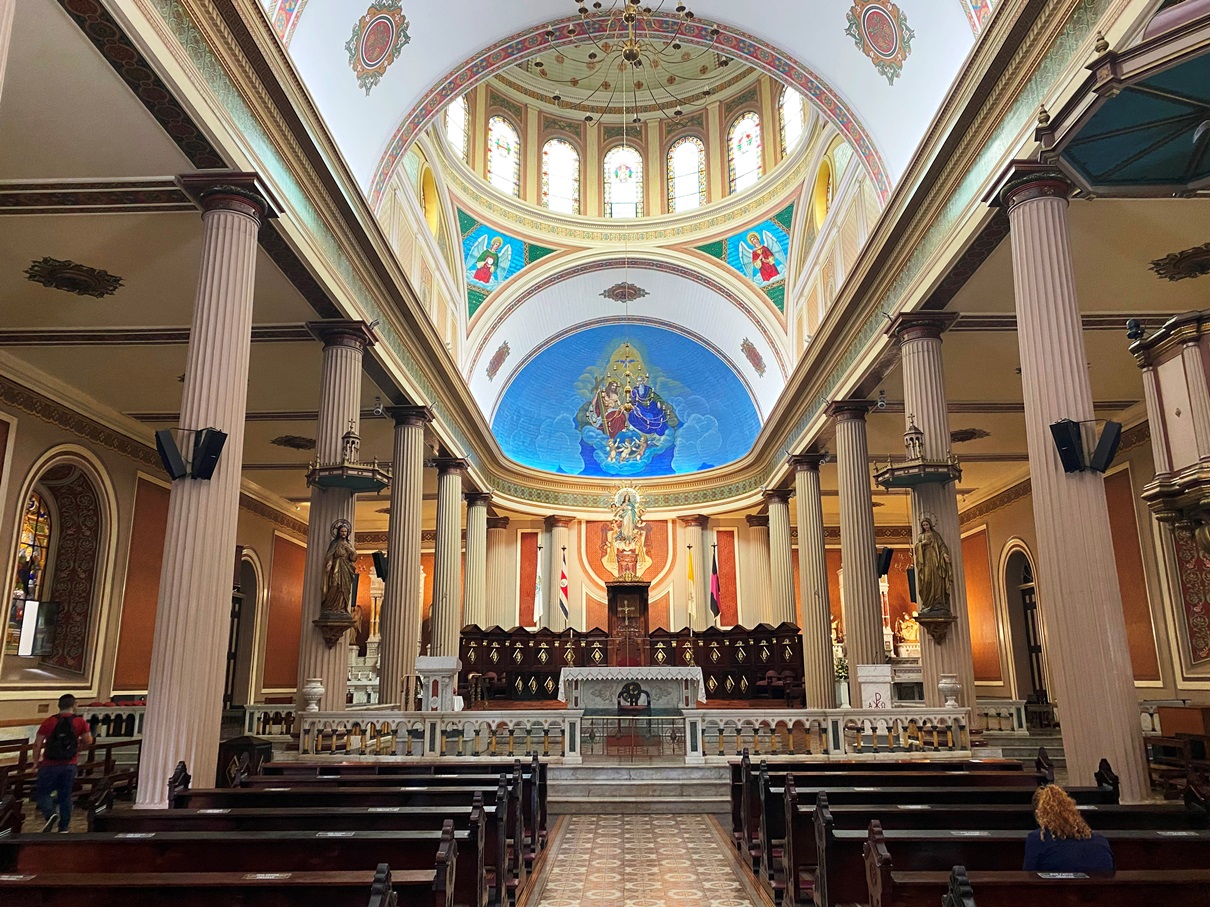
Apart from visiting museums, I spent most of my time in San José wandering around its streets, parks, and churches, and I overall found it to be a pleasant city. The cathedral is – yet another – post-earthquake reconstruction, so it is modern, colourful, but pleasant.

And there are lots of scenic plazas with nice architecture to be found. I particularly liked the National Theatre.

Once again, I am in a country during the low season, yet the weather has mostly been fine. The hostel I was staying in was almost empty, and the few other people I met during my time there were on holiday and just passing through before heading to Costa Rican’s islands, national parks, and beaches. I know that when people have just a short amount of time they need to prioritise, but I think they were missing out on not exploring Costa Rica’s capital.

I also want to shout out to the hostel too: NATIVUS. A lovely little place with great facilities, amazing artwork on its walls, and kind people. Recommended.


For more photos from my time in San José, click here.


Travelblog LA#26: Nightmare Border Crossing at Peñas Blancas – Nicaragua

25th August, 2023


When I posted my last blog I thought that it would be the last account of my time in Nicaragua but that turned out to be wrong, as I met a bit of trouble as I was leaving the country which I will cover here.

I mentioned previously that entering Nicaragua was a weird experience. Their border control system was pointlessly clunky and inefficient, which made it way longer than it should have been and an altogether frustrating experience. Well, it turned out that leaving was even more of an ordeal.

I suspect one of the reasons that their border control is so slow – besides the lack of streamlining – is that the software the immigration officers use is outdated, and they need to input a lot of data manually. Just as it seemed that my turn was about to finally come, a man jumped in front of the queue. And he was not just any man; he was a man with an entire folder of documents with him and bearing a confrontational expression. He began making a long speech to the officer, and I immediately know that my wait had just got much, much longer.

This was just the beginning of my ordeal. It was after I got my passport stamped that the problems truly began.

One thing that I mentioned during my account of entering the country from Honduras was that – despite how much time they spent faffing – they didn’t do what you would think to be an essential and checked our luggage. They let us keep them on the bus, and even the vehicle didn’t get an inspection.

Well, for some reason I still don’t understand, it was only when I was leaving the country that they finally felt this urgent need to scan my bag. Weird, I thought, but whatever. You do you, Nicaragua. This is not something I was concerned about. It is not like I am a drug mule. A part of me thought that, perhaps, they might have a problem with the cheese sandwich I had brought with me for lunch and make me throw it away. That was the only thing I anticipated being an issue.

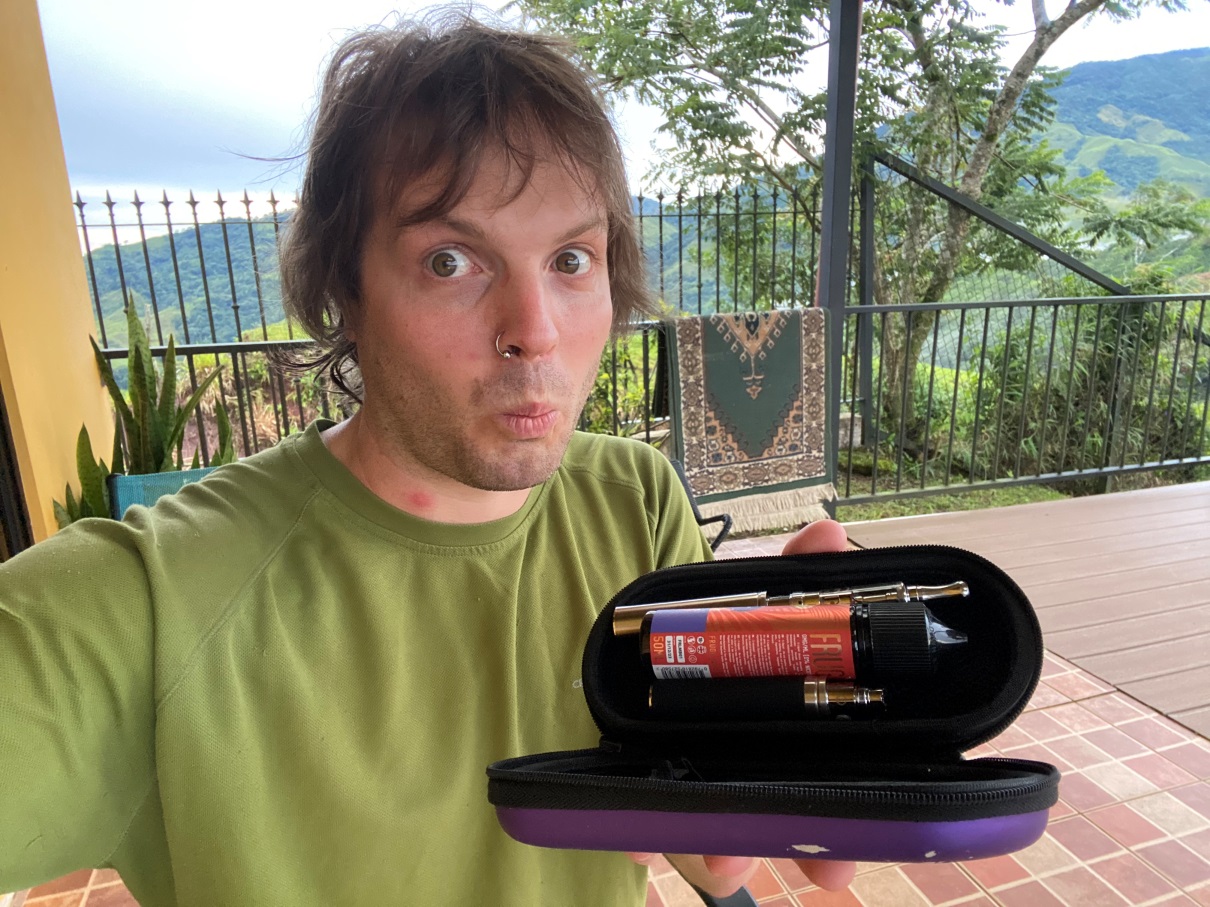
But, after my stuff went through the conveyor belt, a woman confronted me. She said it was over something electronic and my first instinct was to go through my daypack (which has all my valuables) but it was my main backpack that she was gesturing to. It took me a while to figure out what she could be talking about – as I couldn’t remember anything of that nature being in there – but eventually, after some thinking, I asked her if she meant my case of electronic cigarettes.

What followed was an infuriating amount of drama that I will try to not make it too long-winded.

At first, I was just in disbelief. I just kept repeating to her that it was an e-cigarette. You’ve surely seen one of these before, right? They’ve been around for over a decade now. I have seen them being used by other people in Nicaragua. I have seen then being sold in Nicaragua. I have travelled dozens of countries with mine and it has never been a problem. After a while, I wondered if it was because she suspected it might contain illegal substances, so I reassured her the liquid contained a tiny bit of nicotine and some flavouring, that’s all. But, weirdly, she seemed much more concerned about the batteries and the device itself, than the liquid.

Anyway, she made me fill out a brand-new form – the same one I had filled before getting my passport stamped – but this time declaring my e-cigarettes, and I naively thought that this would be the end of the problem, but, after I completed it, she then led me to the other side of the building to speak with another department.

By this point, I was getting annoyed at how tedious this was all becoming, and I was also worried the bus that was waiting would leave without me. When I spoke to the next representative I told them I was happy to just throw the electronic cigarette away if it meant I could get on with my day and they would not waste any more of my time. To which he told me that they indeed are going to throw my electronic cigarette away – that much was certain – but they were going to add insult to injury and waste even more of my time preparing an official document to record the destruction of my property.

And from there, things just got increasingly ridiculous. I then had to be escorted to yet another department which was in a building on the other side of the car park. He walked me there very slowly and I told him about the bus. “Don’t worry,” he replied dismissively (in Spanish). “It will wait for you”. Which was a stupid thing to say because – unless he was telepathic – he had no way of knowing such a thing.

I then had to give my details to another official so that they could prepare this ever-so-important document, and he did so languidly. I was really angry and frustrated by this point and – as he typed away at his keyboard – I just kept thinking about my bus. I knew that I had to temper myself to limit the risk of further complications but I didn’t get it. I was leaving the country, not entering. They had already stamped me out. Why did they care? Why are they wasting all this time and energy over an e-cigarette? Everything about it was so infuriating.

And, it turned out they were indeed lying about the bus; by the time they finally let me go, it had given up waiting. I was merely lucky enough to catch the moment that turned a corner and I had to race to catch up with it, whilst carrying all my things.

So, yeah, that is the bulk of the story. I know that as far as travel stories go it is not exactly the most dramatic, and I wasn’t – to my knowledge – in any danger. Just thought I would share as I try to cover both the good and the bad of my journey in this blog, and perhaps sharing this experience might help someone who plans to travel to Nicaragua.

Out of all my years of travelling, this was certainly the most ridiculous thing that has ever happened to me at a border (and that includes the absolute clown I once had to deal with at Kuala Lumpur airport), and I would be lying if I said it didn’t leave a bit of a sour taste in my mouth when I now think about Nicaragua. This sentiment is not directed at the people of Nicaragua – most of the ones I interacted with during my stay were lovely – but the immigration control at Peñas Blancas clearly needs to grow up. When I posted about it on social media many of my Latin American friends told me that they were not surprised; the Nicaraguan dictatorship is famously inefficient as much as it is corrupt.

In all honesty, Nicaragua’s political situation isn’t something that I knew too much about. Regular readers will know that I usually do some research into the countries that I visit but Nicaragua was a last-minute decision for me so I was going in blind on this occasion. I did notice that some of the people I met during my short time there spoke to me quite scathingly about the dictatorship they were under – always with a hushed tone as if they were scared of the repercussions of doing so too loudly.

And I just want to also say that this is not me saying I regret coming here. Like many places in the world, Nicaragua is full of wonderful people who deserve a much better ruling class. If you are a Gringo reading this and thinking of coming; don’t let this put you off, but I would certainly advise people to maybe do a bit more research than I did, and be particularly careful when crossing the borders here.

When I reached Costa Rican side it was – like all over immigration services in Latin America, besides Nicaragua – a breeze. I handed over my passport, they scanned it, asked me a few questions and then stamped me in. They also scanned my bag but saw nothing in there to have reason to hold me up. This was especially satisfying because, you know what I will take as a small victory?

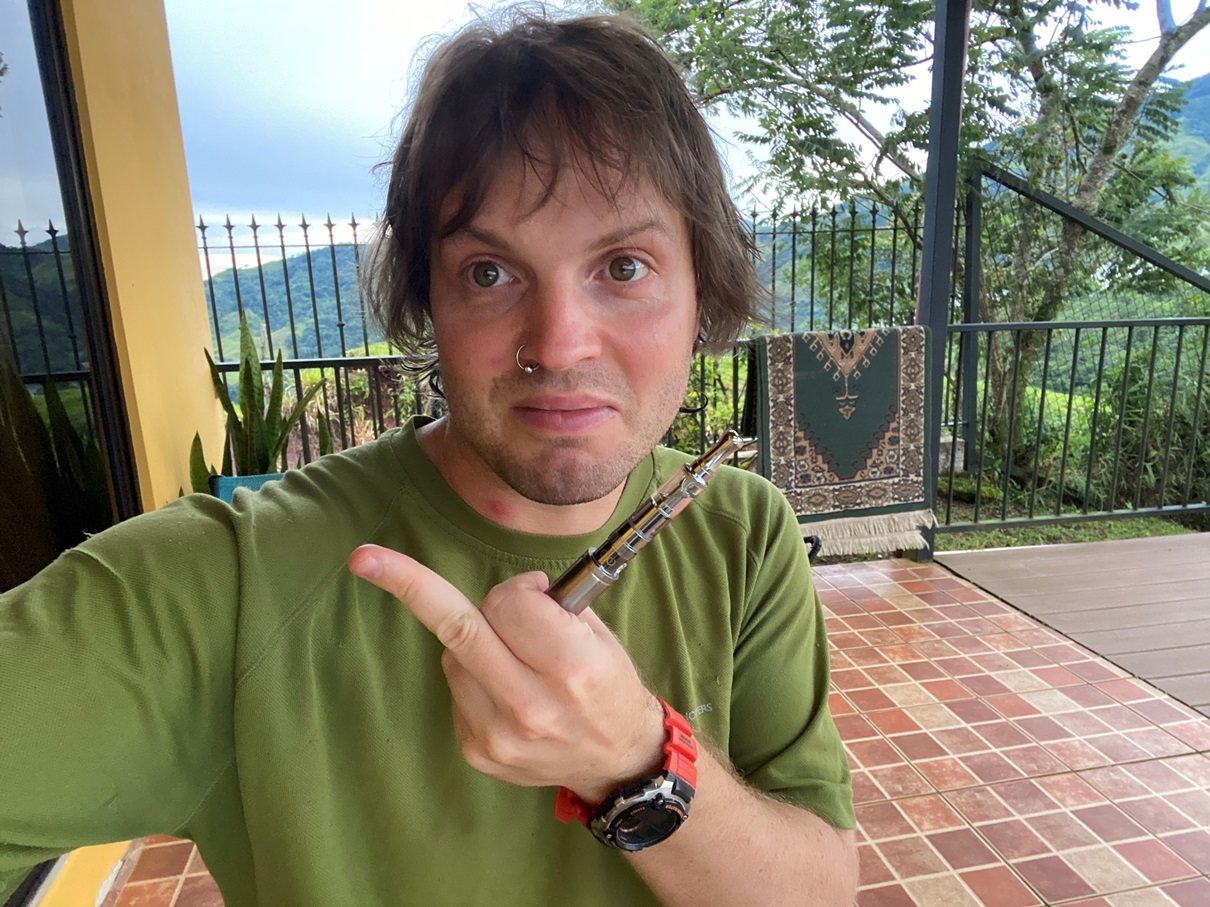
The case of e-cigarettes they confiscated was just my in-use one. They missed my backup supply. So here’s to you, Nicaraguan Immigration. You weird, creepy, control freak.