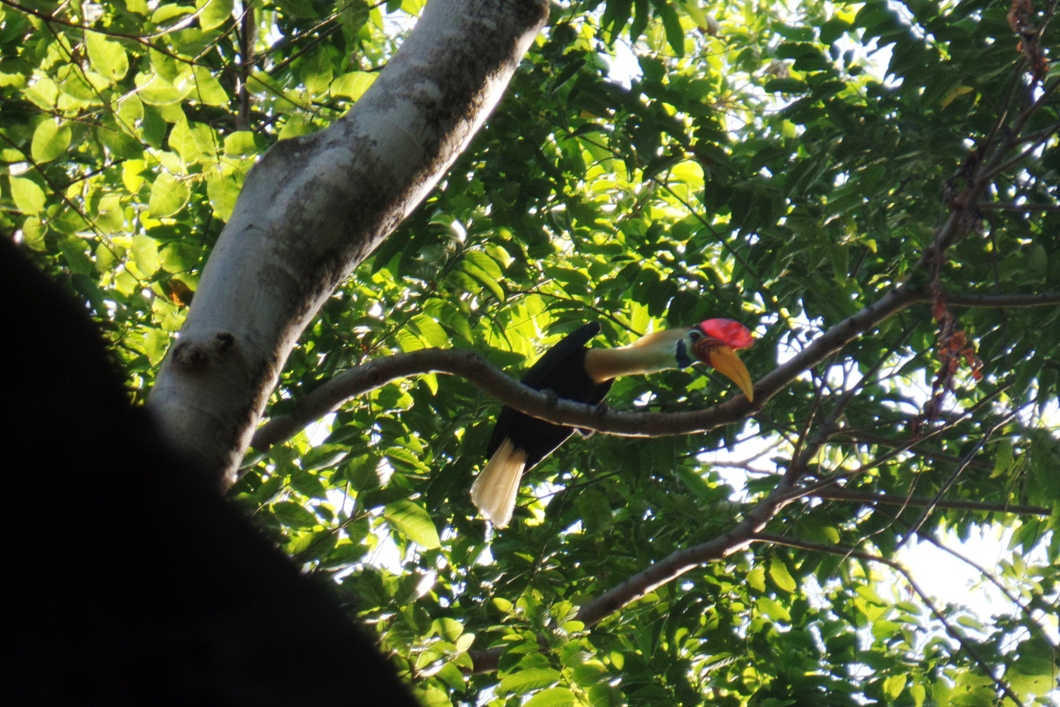
Travelblog#25: Padang – Sumatra, Indonesia

25th November, 2014

The end of my time in Sulawesi coincided with the expiry of my 60 day tourist visa, so, after a thirty hour journey involving three flights and transits in both Jakarta and Kuala Lumpur, I exited Indonesia and entered again. This time into a different region; Sumatra.

Indonesia is so large and culturally rich it often feels like you have just stepped into a different country when you move between different parts of it. Bali was shiny, beautiful, and inhabited by fervently superstitious Hindus. Nusa Tenggara was a rustic archipelago of mountainous islands populated by a diverse range of tribal minorities. Sulawesi had everything from bustling, modern cities, to remote islands and exotic jungles. The one thing that that has been quite concurrent though, throughout my first two months in Indonesia, was that my adventures were primarily nautical and involved many boats and beaches.

Sumatra is going to be a little different. It is a very large island – larger than many countries, even – and while it does have many wonderful coasts and islands, it is mostly for its interior of jungles, mountains and lakes it is known, and for which I am particularly interested in.

So, with my much-used snorkel now buried to the very bottom of my backpack and new pair of hiking boots on my feet, I arrived into the airport at Padang at around 9am and was stamped into Indonesia again. Sometimes, when I am issued a visa and see how long I have been given, I can’t help but look at my passport and think; “You do know how big your country is, don’t you?” In this case it was 30 days.

I was very tired by this point but, as it was still the beginning of the day, I decided to knuckle through the next twelve hours and make the most of the daylight. I explored Padang.

???????????????????????

I began by walking to the Adityawarman Museum which, while not particularly grand, cost a fraction of the price I am used to paying to enter places in Indonesia as a foreigner. It had a small natural history section with taxidermy examples of Sumatran wildlife and a collection of proto-human skulls accompanied by an evolutionary family tree. The upper floor was mostly about the marriage practices and customs of the local Minangkabau people.

???????????????????????

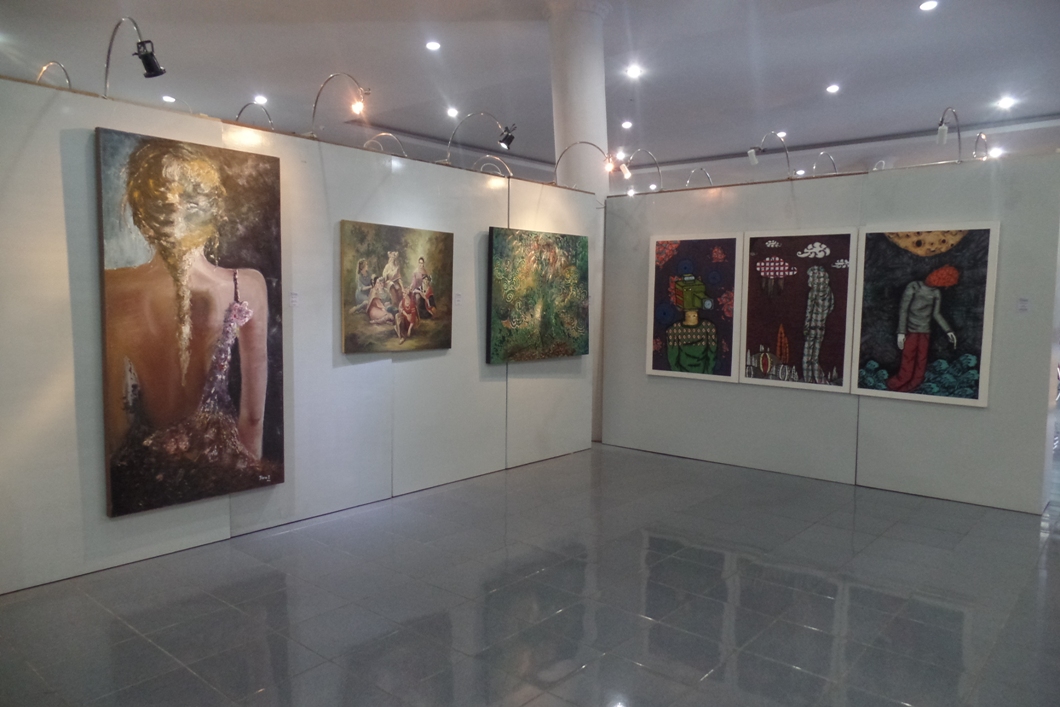
More rewarding for me was the Taman Budaya Cultural Centre which, at the time of my visit, had an exhibition of paintings by local artists. Most of which was very impressive.
???????????????????????

After that I strolled around aimlessly and stumbled upon a decrepit looking building which had a sign outside saying “Gallery”, which I decided to investigate. A caretaker was sweeping the floor and seemed very surprised to see me; he ran into one of the doorways and returned a few moments later with two young women who spoke a little English.

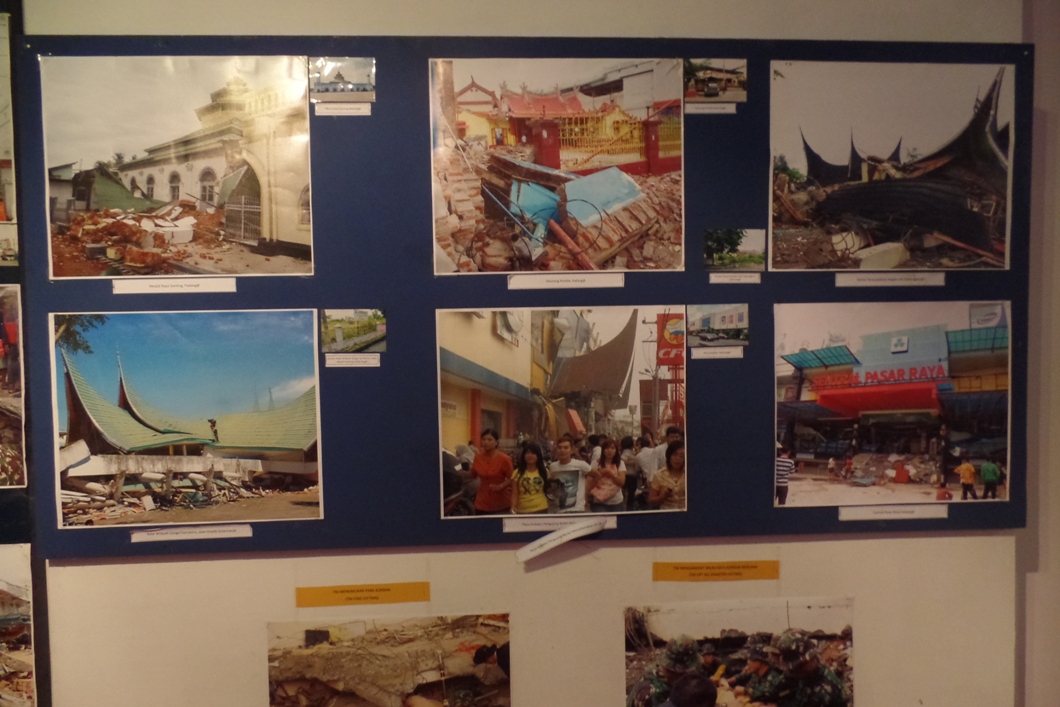
They escorted me up to the stairs to what turned out to be a small memorial museum.
???????????????????????

Sumatra, with its active volcanoes, yearly monsoons, and frequent earthquakes, has one of the biggest natural disaster rates in the world, and the case is especially true for Padang which sits upon the meeting of two tectonic plates. When I checked in into my guesthouse that morning one of the details I was asked to fill out on the form was an emergency contact – which is quite unusual – and I also noticed while walking around the town that almost every street-corner was accompanied by a sign pointing towards the direction you should run in the event of a sudden tsunami.

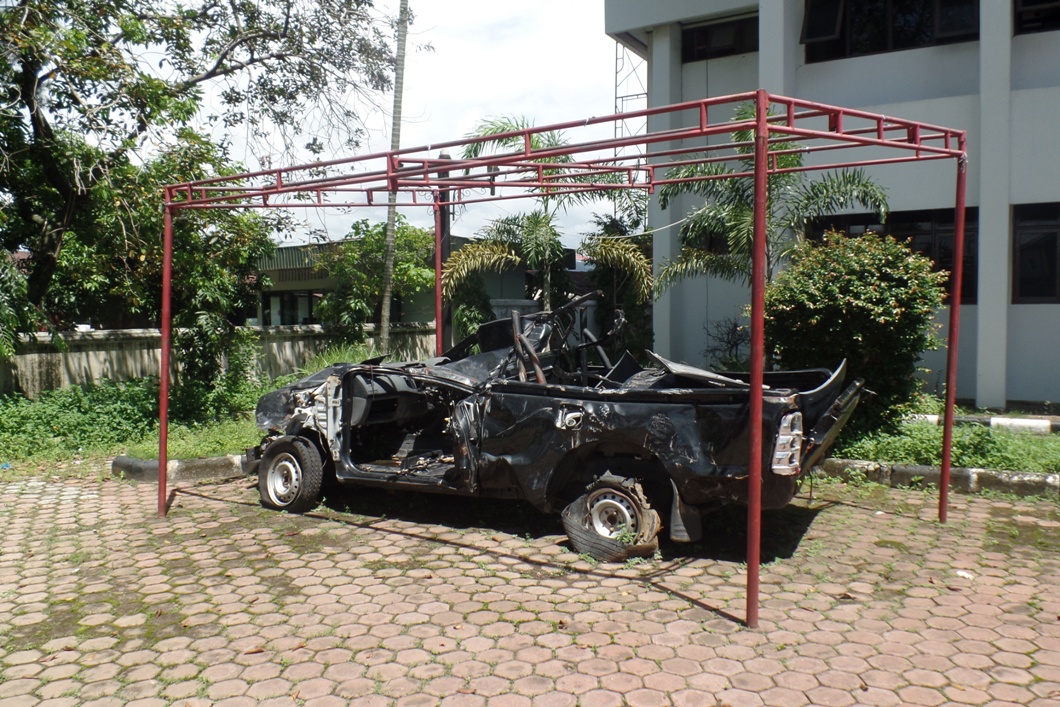
Padang was not affected as much as many other parts of Sumatra by the tsunami in 2004. More devastating – and much more recently – for them, was 7.6 Richter Scale earthquake in 2009, in which much of the city was destroyed.

I wondered around the displays, viewing photos of the colossal damage and reading some of the information. The girls put on some background music, which was moving, but tasteful. I eventually came across a number: 1115 – that was how many people were killed – and looked back at the two girls who were watching me, realising that, with Padang having such a small population (95,000), almost everyone must have known at least one person who died that day.

Strangely, they both smiled whenever my eyes met theirs and, rather than being solemn, they were very eager to show me around and answer any questions that I had. Always, with a stoic smile on their faces. I think they were happy I was there, because they want to make sure that people don’t forget what happened.

When I was finished I decided I wanted to leave a donation and reached for my wallet, but one of them stopped me.

“Free,” she said.
???????????????????????

After the memorial museum, I walked through the market and then on to the colonial quarter by the river, which had lots of interesting Dutch architecture and some old Chinese shophouses. I was approached by many friendly locals who were all keen to converse and, like the two girls I had met at the museum, spoke of the 2009 disaster stoically.

By the end of my day there I found myself becoming fond of Padang, with its sombre atmosphere and brave people.


For more photos from Padang, click here.

Travelblog#24: Tomohon – Sulawesi, Indonesia

20th-23rd November, 2014

My time in Sulawesi was now drawing to a close, and me and my travel-buddy Roy had just parted ways: he was destined for Sri Lanka, whereas I still felt like I was not finished with Indonesia just yet, so I was heading for Sumatra.

Now a solo traveller, I had three days to wait for my flight. I decided to spend them in a little town called Tomohon.

???????????????????????

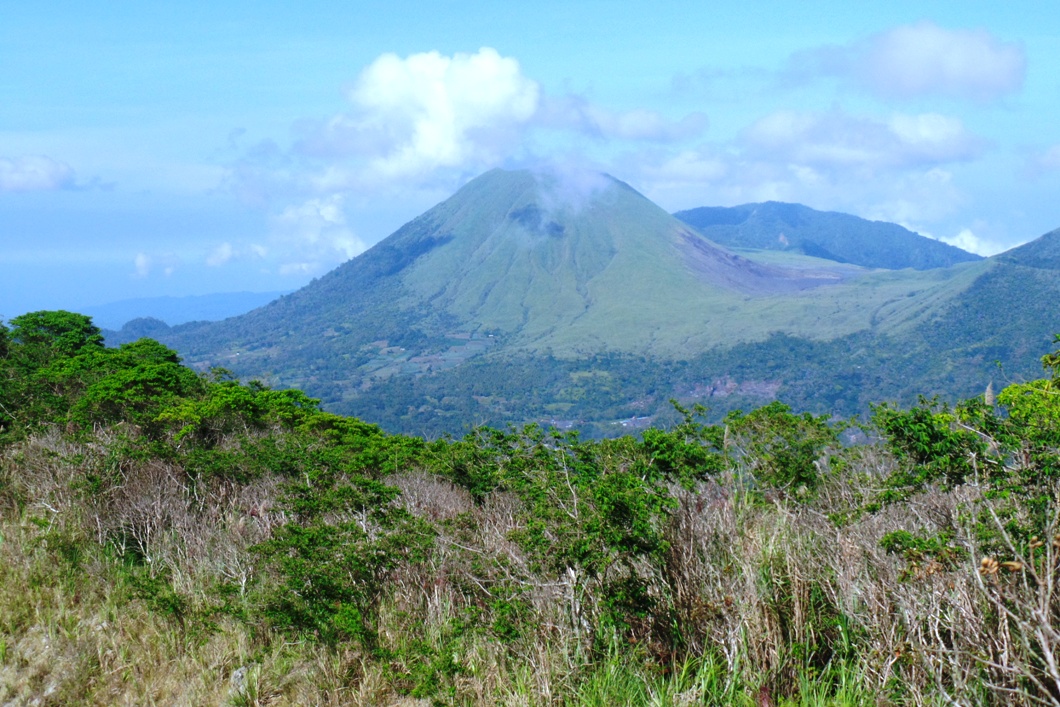
I stayed in a place called Volcano Resort, which was situated at the base of Mount Lokon and set around some very pretty gardens.

???????????????????????

So, I had: stunning views of the nearby volcano, a cabin all to myself, cool mountain air, and some peace and quiet (apart from the constant birdsong, but I didn’t mind that). The only thing that I was missing was some wheels.

???????????????????????

Which the very helpful lady running the resort kindly found for me.

Any visions I may have had of me seeming all man-like roaming around on a motorbike were squished when I asked for a crash helmet and was handed the Pink Power Ranger’s headgear.

Kimberly, I believe this belongs to you?

But safely first, and all of that. The next morning I set off.

???????????????????????

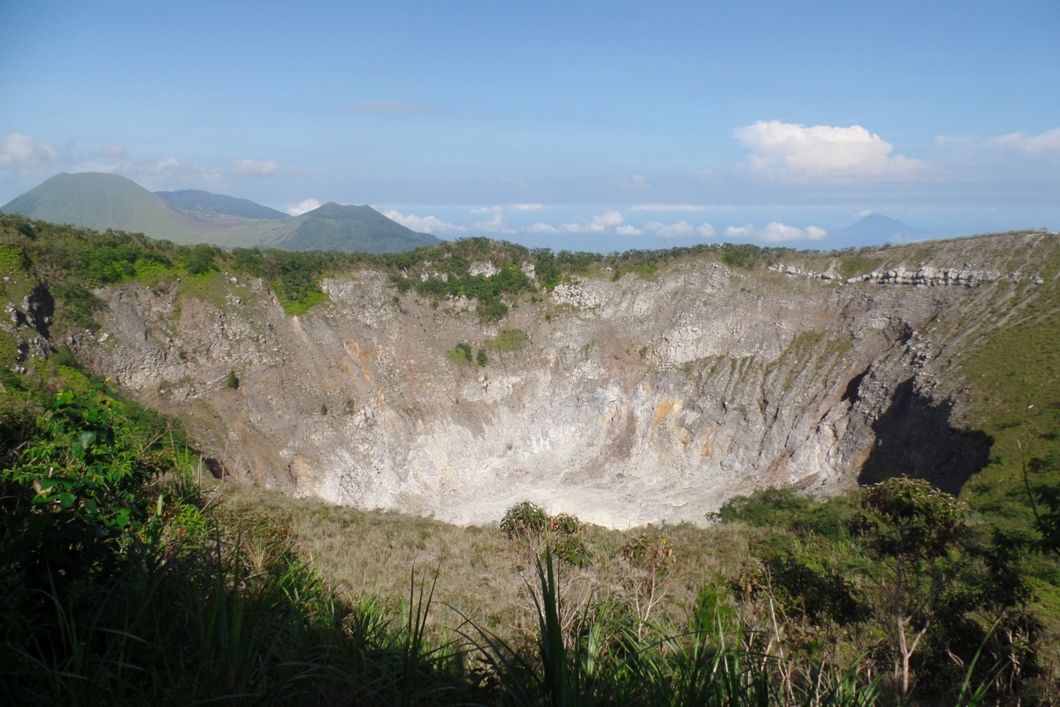
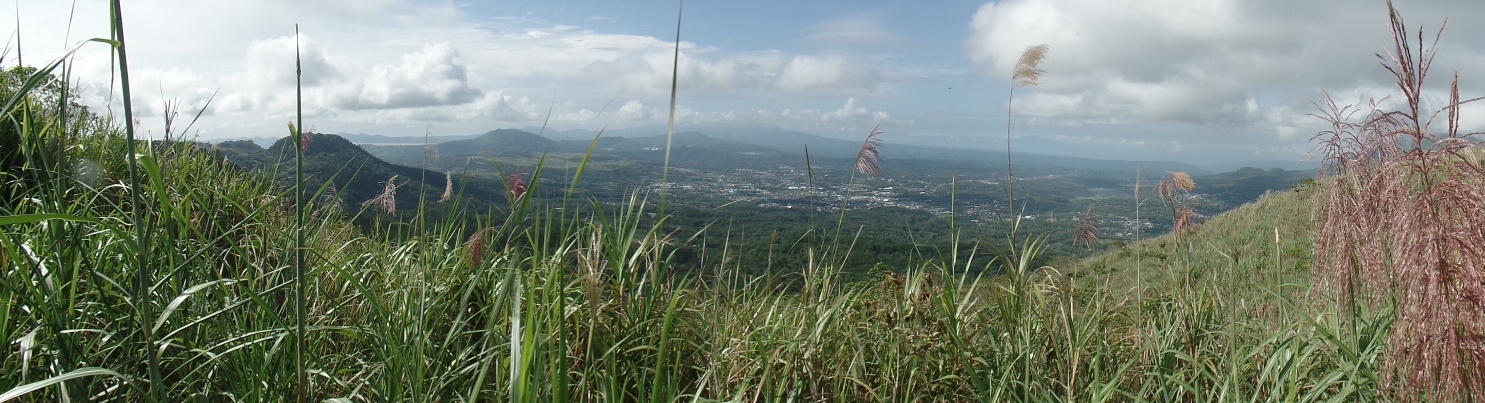
My first destination was Mount Mahawu, which had a very impressive crater. I walked around the rim and was rewarded with a great panorama.

???????????????????????

I then made my way back down the mountain and got lost for a while. But in a good way: I roamed around lots of villages. The people were all very friendly and the hills were blanketed with farms and greenery.

???????????????????????

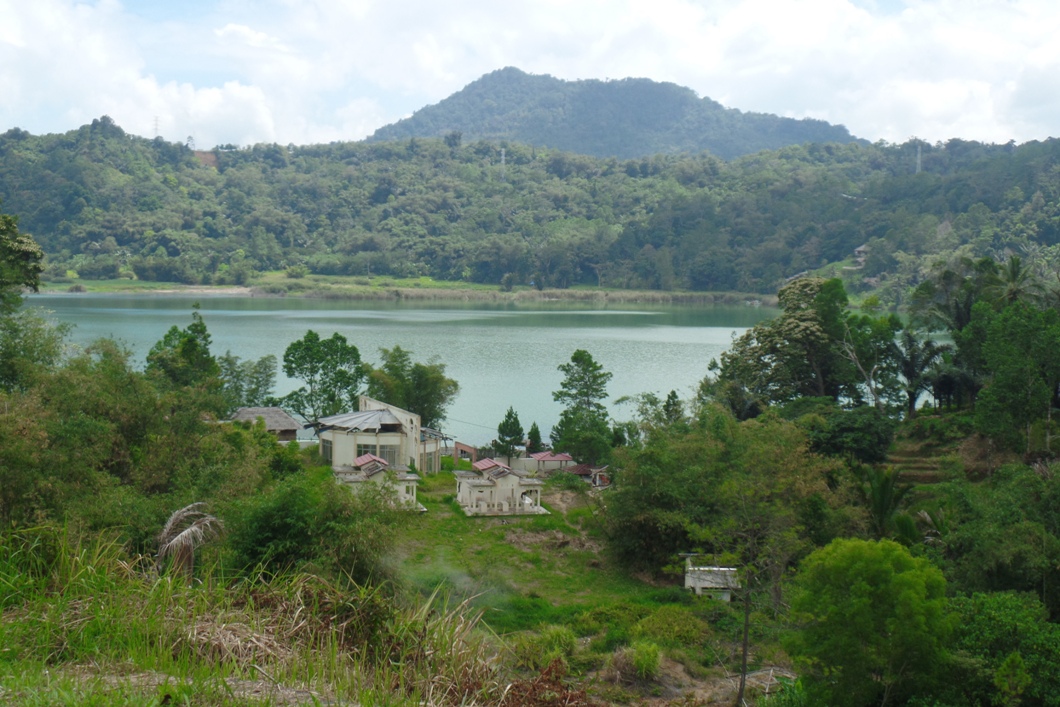
After eating a quick lunch at a warung, I then went to Linow Lake, which was a vivid green colour and had lots of bird life.

???????????????????????

I tried to walk a full circuit around it, but found myself having to turn back three-quarters of the way in by a rather obnoxiously placed fence. Not matter. I walked back around, and got onto my bike again.

???????????????????????

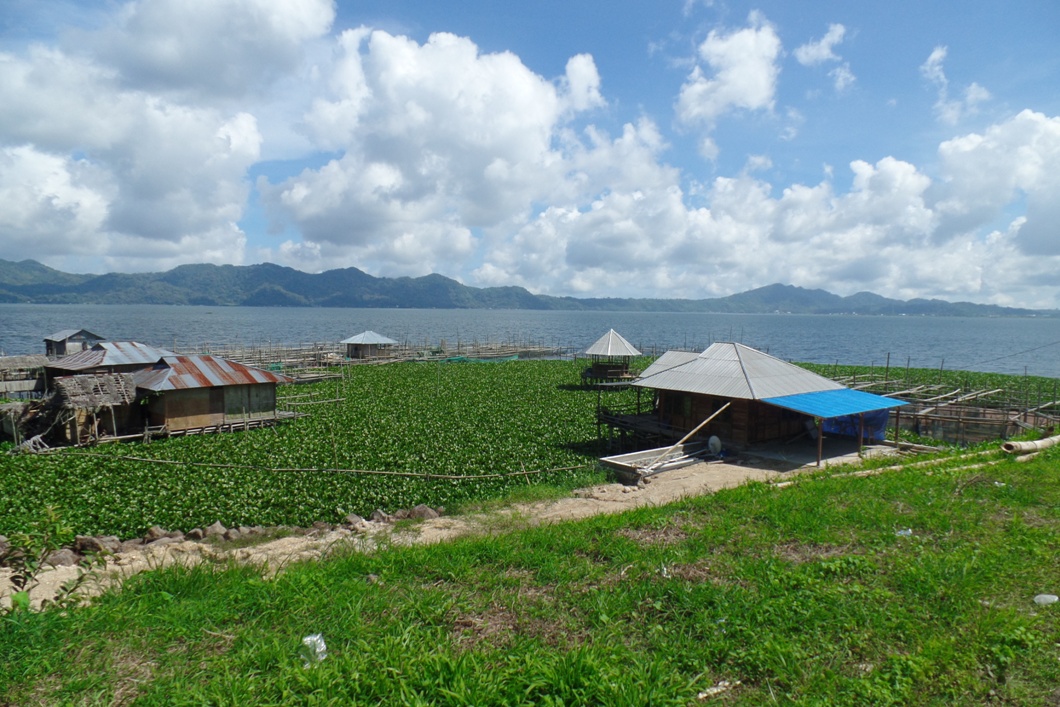
Tondano Lake was next, and it was rather large (10,500+ acres). I started driving around it and was shortly heckled by a group of ladies I am guessing were having a hen do. Maybe it was just all the arak they were drinking, but apparently fairly average-looking white guys wearing Pink Power Ranger helmets are desirable in this part of the world, because they were very insistent that they have their picture taken with me and there was much giggling and blushing.

???????????????????????

They tried to make me stay and drink with them, but I politely reminded them that I was driving and still had most of a lake to explore. I put my Pink Power Ranger helmet back on and started up the engine.

???????????????????????

Tondano Lake was very beautiful, and I passed through many small hamlets and villages along the way, stopping every now and then to take photos.

???????????????????????

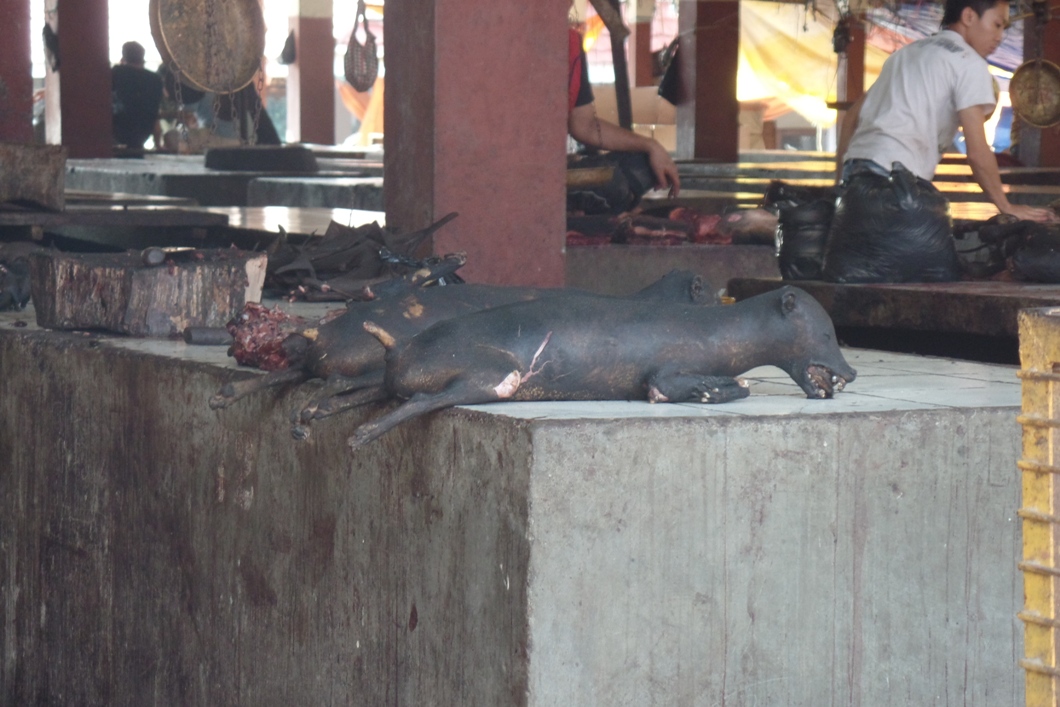
In the late afternoon I finished my circuit and turned my bike back towards Tomohon. I got back just in time to make a quick visit to its infamous market, where pretty much anything with four legs was on the menu.

???????????????????????

I had planned to climb Mount Lokon the next day, but after making an enquiry I was warned that I would be doing so at my own risk because the volcano was currently active. It last erupted less than a month ago, and was smoking only yesterday.

???????????????????????

So I decided it would probably be wise to give it a miss. Instead, I spent a day relaxing in the lovely gardens at Volcano Resort, watching the birds, reading a book, writing this blog.

???????????????????????

Tomohon was a wonderful way to finish off my time in Sulawesi.


More photos can be found here.

Travelblog#23: Bunaken & Tangkoko Nature Reserve – Sulawesi, Indonesia

15th-20th November, 2014

The first thing I saw, as I waded out to sea, where lots of starfish scattered along the seabed.

Note: This photo was not taken by me. I lifted it off the internet.

And that was all I saw, for a while. I carried on swimming and eventually came across some corals, too, and a few little critters. None of it was anything particularly exciting or new to me, though: I had been in Indonesia for almost two months by this point and at least a third of that time had been spent by the sea. I had swum with manta rays, sharks, morays, dozens of turtles, the list goes on…

Just as I was beginning to think, “What is the big fuss about this Bunaken place?” I then caught a glimpse of some bright colours glistening in the blue ahead. I swam faster.

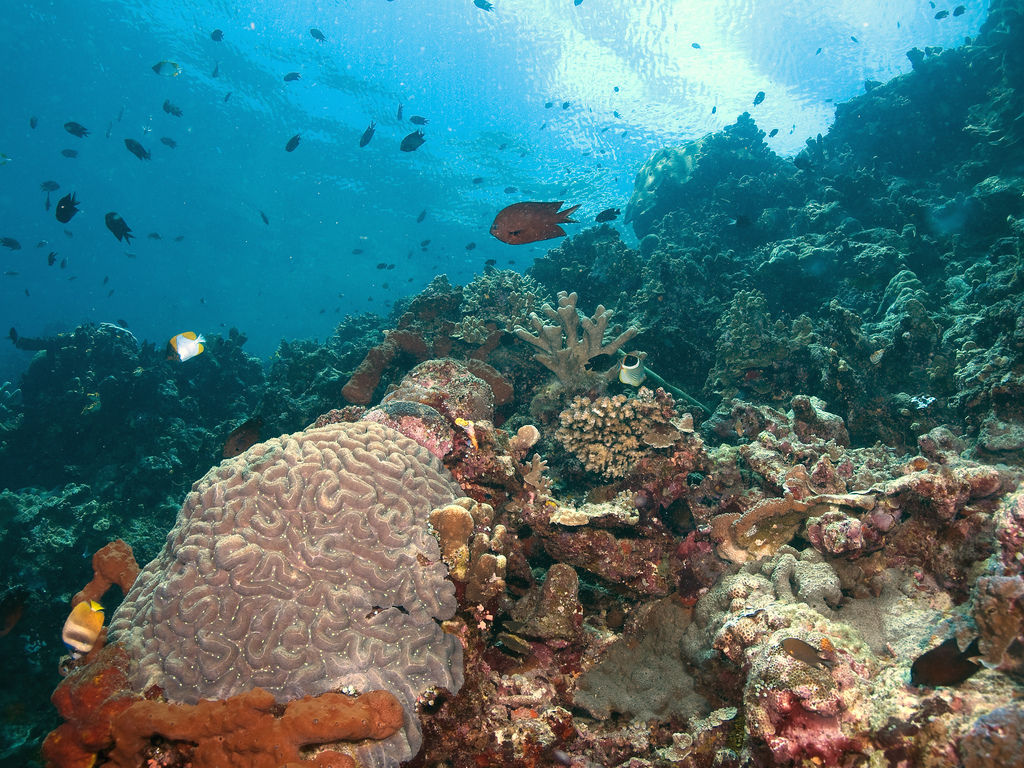
When I reached the ocean wall, the first thing that hit me was how striking the coral was. It was like a cliff edge in some kind of strange and beautiful alien world. It went so far down I couldn’t even see where the ocean floor was and there were hundreds of tiny fish in a whole variety of shapes and colours swimming around the face.

Note: This photo was, also, not taken by me and was lifted off the internet.

The second thing that hit me was a strong current, which abruptly began to pull me downstream. I fought it, trying to pull myself along the surface with breast-stroke.

I then noticed that between all the shoals of fish there were two figures ahead – fellow snorkelers, hanging on for dear life to a buoy attached by a rope. They were motioning for me to come join them.

I switched to front-crawl and swam hard, fighting the drift. Once I had reached them and safely grabbed hold of the rope, I pulled my head to the surface.

“Crazy currents, huh?” one of them said.

“Yep. It’s awesome down there, though,” I said, briefly dipping my mask beneath the water again.

They both nodded.

“You don’t have any fins!” one of them exclaimed, laughing.

“How long have you been here?” I asked.

“Two days,” he replied. “You?”

“Literally just got here. Is it all as good as this?”

“Pretty much.”

Nice… anyway, I am going to swim up there now,” I said. I thought I could feel the current weakening, and I definitely wanted to see more.

“Be careful, dude.”

I let go of the buoy, and swam off. It was hard work, but after a hundred meters or so the current eased.

I had never seen so many shoals of fish in my life, nor coral as abundant. Yeah, there weren’t any sharks or any other predators of note, but I swiftly realised that Bunaken doesn’t need larger creatures because it is more about the micro-life.

I swam all the way up to the northern peak of the island, and every span of the journey was spectacular and teeming with life. After completing what was probably the best snorkelling I had ever ventured out on, I retired back to by beach hut behind a small patch of mangroves.

I ended up staying on Bunaken Island for three days. On the final day Roy and I signed up for some scuba diving, but it was a bit disappointing. Firstly, because we didn’t really see anything else by going deeper because there were actually more fish nearer to the surface and, secondly; the dive outfit we were taken out with (Immanuel Divers) weren’t very professional (no buddy checks, very little guidance underwater, Roy’s depth gage didn’t work, as well as a few other things). We signed up for three dives, but Roy only completed one; I gave up after the second.

We left, and made our way to Tangkoko Nature Reserve.

???????????????????????

On our way there we passed through a town called Girian where by a stroke of fortune we bumped into Jenly, who just happened to own Tarsius Homestay which is situated just outside the park headquarters. He gave us a lift there and, along the way, told us many stories about the park, the creatures which lived there, and about how crew from the BBC Natural World series stayed with him while filming Meet the Monkeys.

When we arrived we were fed and told about all the different guided expeditions we could be taken out on. As well as all the jungle excursions there were also dolphin spotting tours being run by local fisherman. We were told that the dolphins nearly always turn up and sometimes, if you are lucky, you can even swim with them. Roy didn’t have time for this (as it meant staying for an extra day and he had a flight to Jakarta to catch) but I did.

Myself and the four other people were taken out on the boat the next day and were apparently very unlucky; there were no dolphins that morning. It was a shame but, if they did turn up, swimming with dolphins is probably an experience I would have remembered for the rest of my life. If you don’t ever take chances like that, you’ll miss out on some amazing experiences.

I arrived back from that rather disappointing tour with plenty of the day still left. So, what did I do?

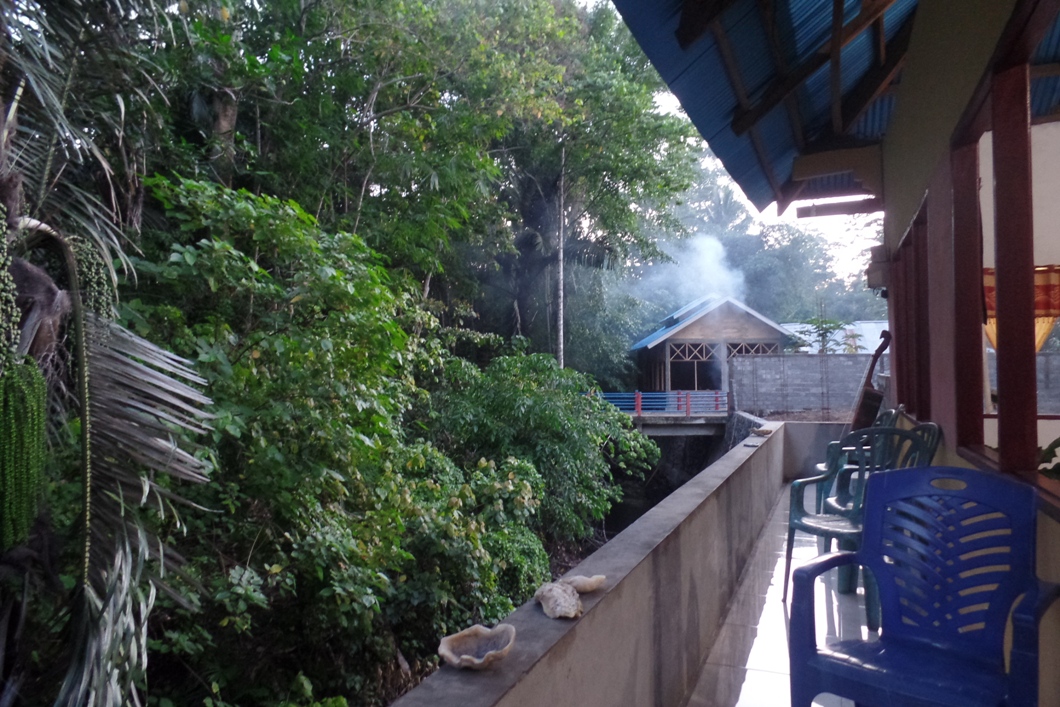
Well there was a whole jungle just beyond the balcony of the place I was staying in…

???????????????????????

So I did something a little bit naughty, and snuck in.

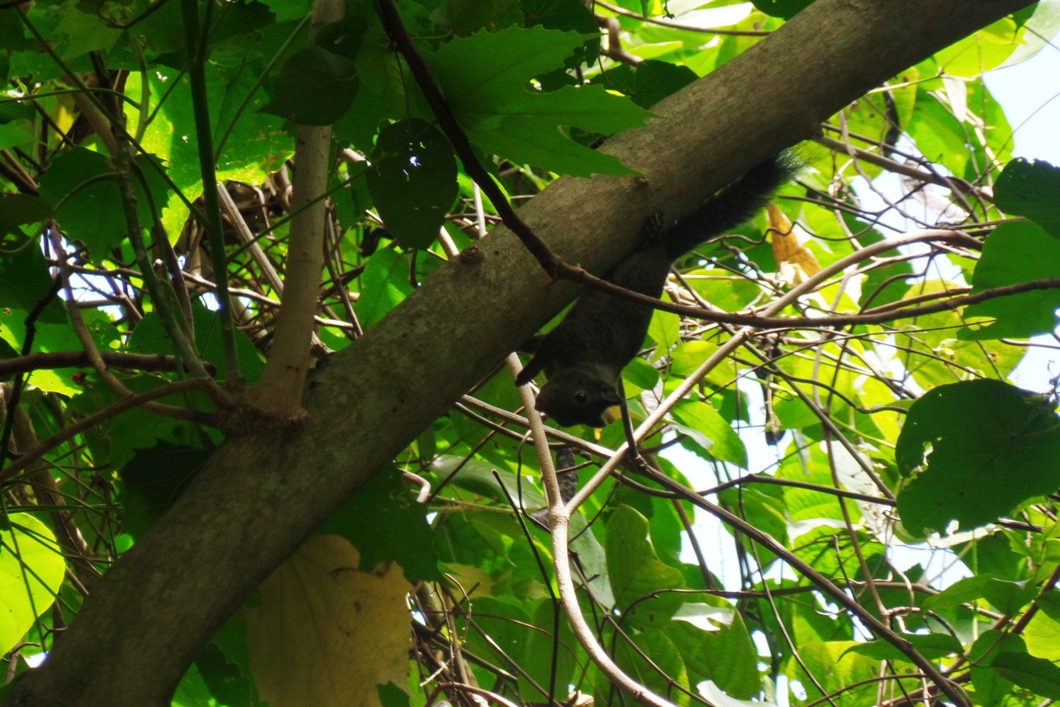
I thought that because I didn’t have a guide who knew their way around the place there wasn’t much chance of me finding anything too exciting. I saw a few birds, lizards, and a black squirrel.

???????????????????????

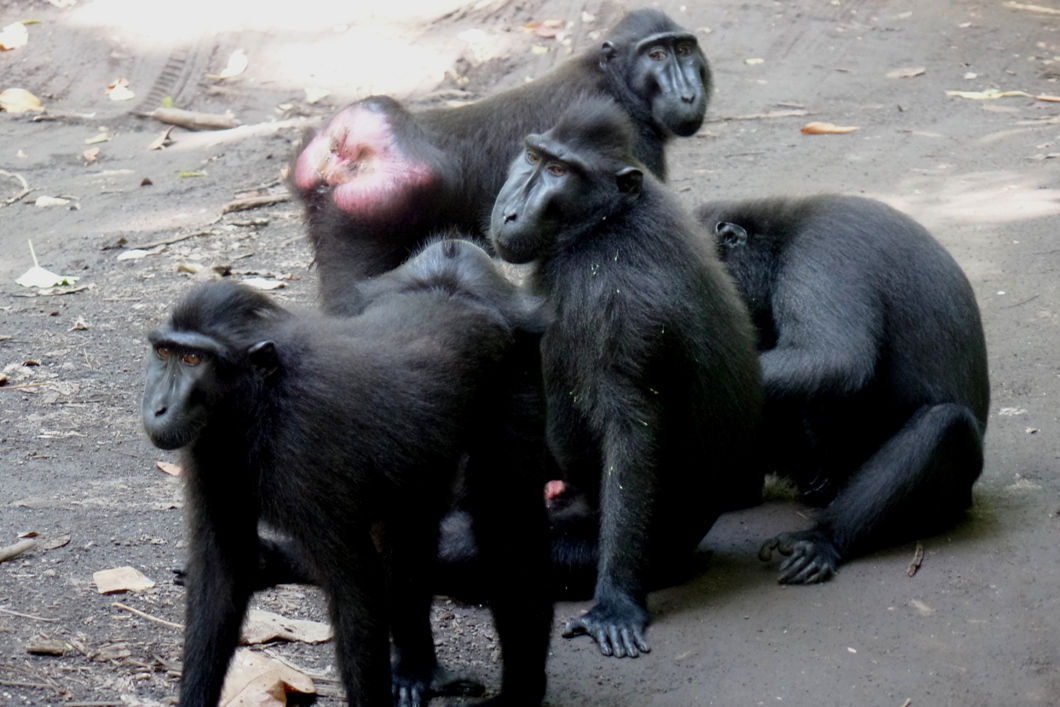
I wasn’t at all expecting to stumble upon these guys.

???????????????????????

Celebes crested black macaques. They are indigenous to Sulawesi only, and now, thanks to the destruction of most of their natural habitat and poaching by locals, on the red list of endangered species.

???????????????????????

It was pretty awesome to see them, but they were a rather large group (there were many more in the trees around me) and it made me all too aware that I was alone in the jungle. I soberly made my way back to Tarsius Homestay, sat on the balcony with a Bintang, and read a book while listening to the jungle.

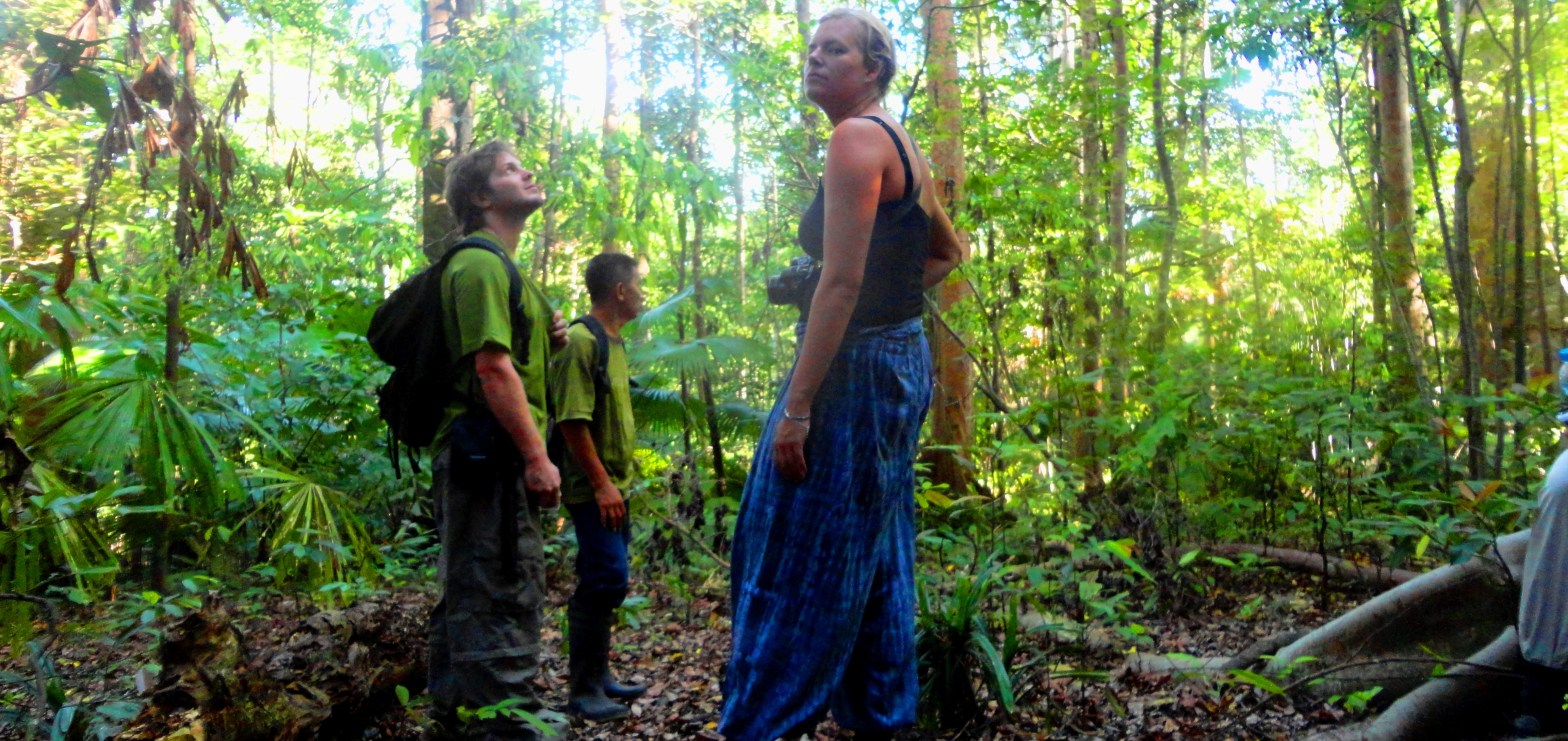
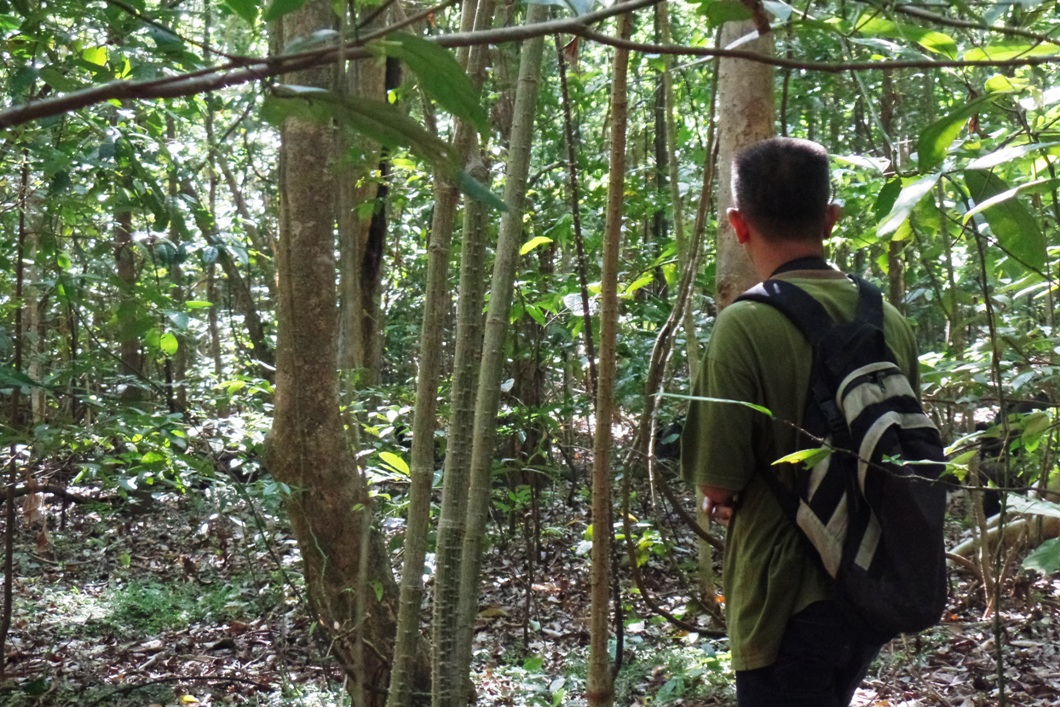
The following morning I woke up at 4 am, got dressed, sprayed myself with plenty of repellent, and went to meet the others for our jungle trek.

???????????????????????

Jenly was taking us out himself, and also with him was Untu, a bird specialist.

???????????????????????

It was still dark when we set out, so we walked by torchlight. We got to hear the dawn chorus and even saw a few tarantulas along the way, but they all crawled back into their tree-holes before I could snap a picture of them. By the time it was light we reached a tree where the tarsiers come home to roost after a long night of hunting insects.

???????????????????????

When we had finished admiring and taking photos of them, Jenly went off on his own to see if he could find out where the monkeys were while Untu took us bird-spotting. He found a red-backed thrush, which is something we were quite lucky to see.

???????????????????????
It was a bit too far away to get a decent picture of with my camera. I tried to get a little bit closer but it flew away.

The hornbills were probably the highlight of the entire day for me. We found about five of them, in all, and they were amazing creatures. Whenever they flew you would hear a great whoosh-whoosh as their wings beat against the wind, and the sounds they made when they opened their beaks was like nothing I have ever heard.

???????????????????????

We also came across a pair of cuscuses, but they were sleeping and could only be seen with a pair of binoculars. They were far too high in the treetops for me to take a photograph. The same was true for the woodpeckers and some of the other species of bird we spotted with Untu’s binoculars.

Time seemed to fly by very quickly in Tangkoko; before we knew it we looked at our watches and realised that we had been there for over six hours and it was time to head back. We found another group of the macaques on our way out though, which was a great relief to the four other people I was trekking with who had not seen them yet.

???????????????????????

I then went back to my room, showered, packed my bags, and got ready to begin a new chapter of my journey. After over three months of travelling together, mine and Roy’s paths had now been destined for different directions; he was heading to Sri Lanka, and I, to Sumatra. From this point on, unless I click with someone who just happens to be on the same route as me, I will be a solo traveller until I reach Taiwan.

More photos from Tangkoko can be found on my Flickr account.