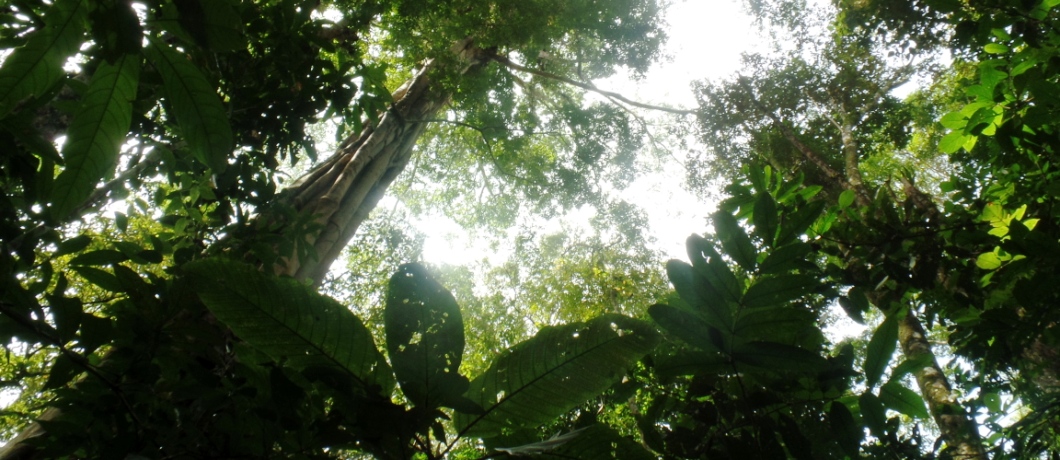
Travelblog#30 Gunung Leuser National Park – Sumatra, Indonesia

9th-12th December, 2014

Day 1

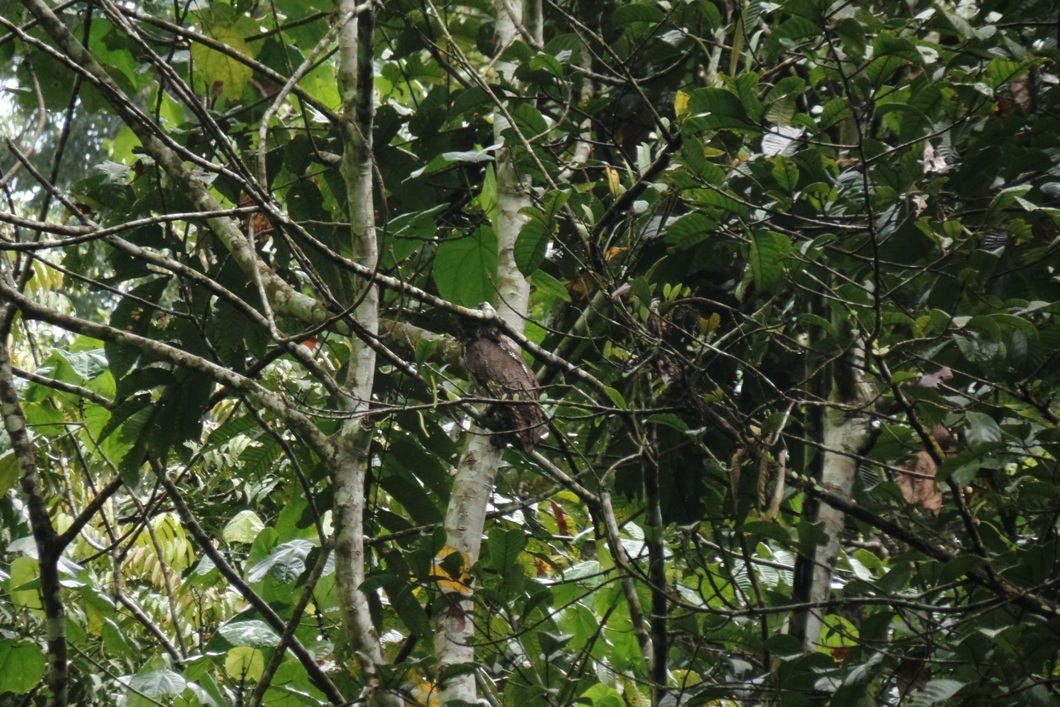
It was not twenty minutes after stepping off from the road and into the jungle, that we caught our first sighting; a startled owl flying away. Its companion though, remained stubbornly upon the branch.

???????????????????????

After taking a photo we carried on walking, taking breaks every now and then. This first three hours would be the hardest of the entire excursion for my guide, Udin, who was carrying most of the food and equipment. Once we reached basecamp it would be much easier; as we would only have to carry water with us when we went out on hikes. I told him to take his time.

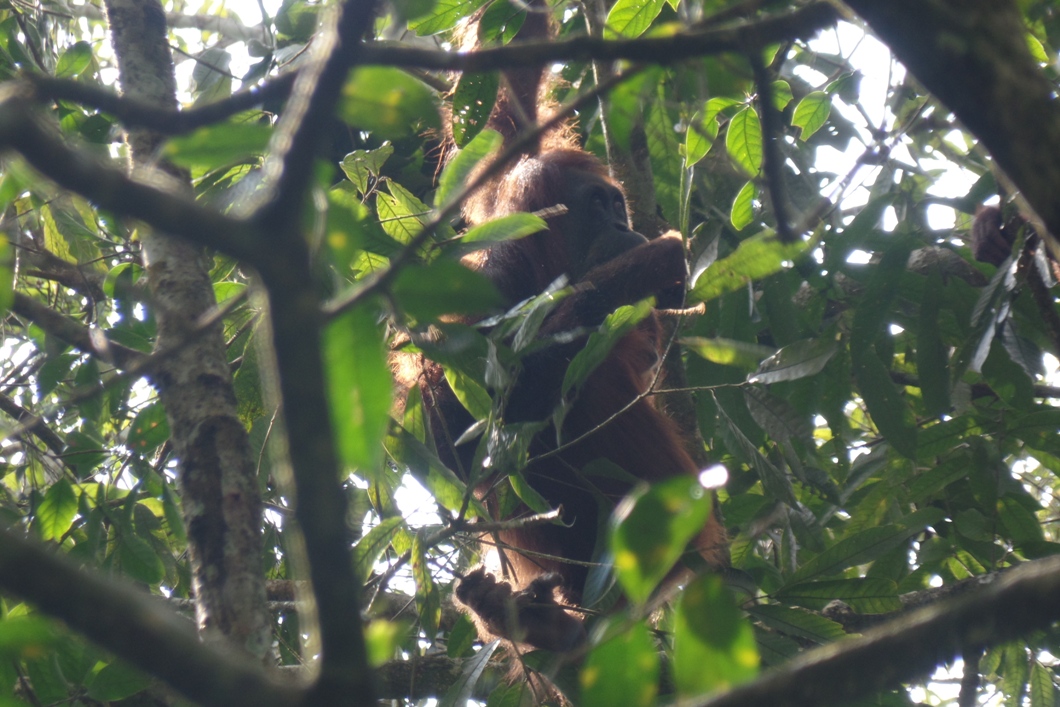
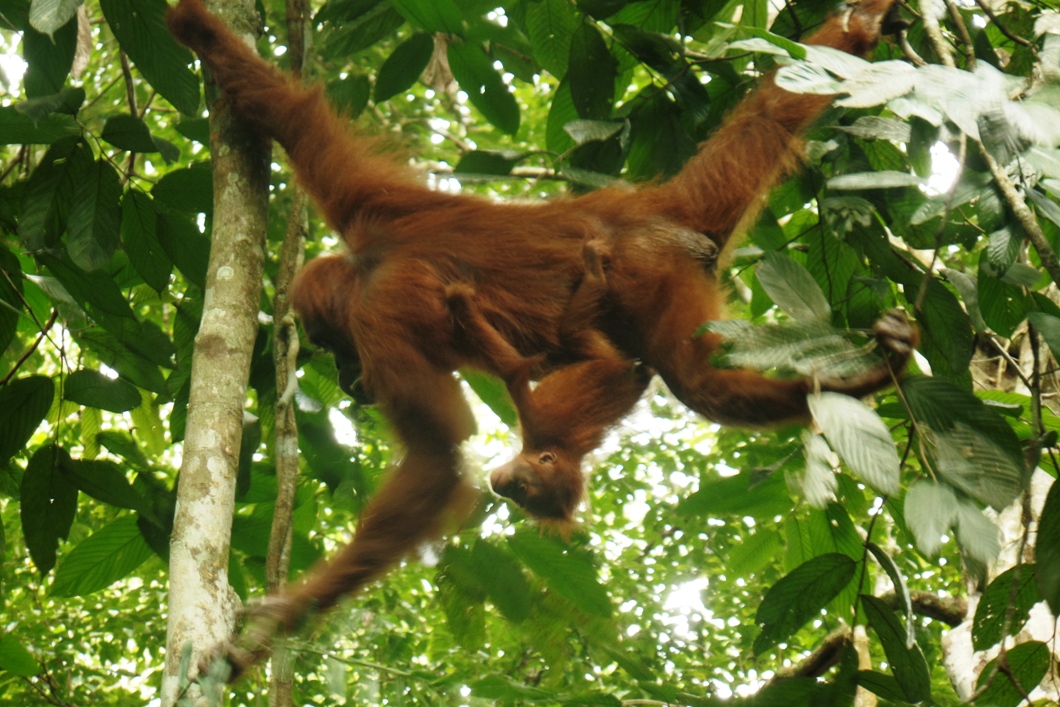
This was a very fortunate arrangement, for it was during such a break that we heard some branches snapping, looked up, and spotted a family of orang-utans.

???????????????????????

Mummy, Daddy and baby. We watched them for a while as they climbed between the branches, gathering fruit. I had seen orang-utans before when I visited the Rehabilitation Centre in Borneo but that was three years ago, and they were creatures that had been tamed by the human care they had received. These orang-utans were truly wild; born and raised in the jungle.

An hour or so later, we bumped into another group of people who had been in the jungle for three days, and still not seen a single one of these amazing creatures.

???????????????????????

We also came across a group of Thomas-leaf monkeys that morning, but they were quite far up in the trees. I was hoping to see one up close before my trip was over.

???????????????????????

Basecamp was, typically, set beside a river and the porter for another group – the same group we passed on our way in – was already there, tending to a fire. Udin finally took the heavy backpack off of his shoulders and began making lunch; noodle soup – a meal I would get very accustomed to during the next few days.

Halfway through eating it I saw a rustling in one of the trees on the other side of the river and ran over to look, seeing something with long arms swinging between the branches. It was too big to be for a monkey, but yet too small for an orang-utan, I realised. Maybe it was a-

“White-handed gibbon,” Udin said, appearing beside me.

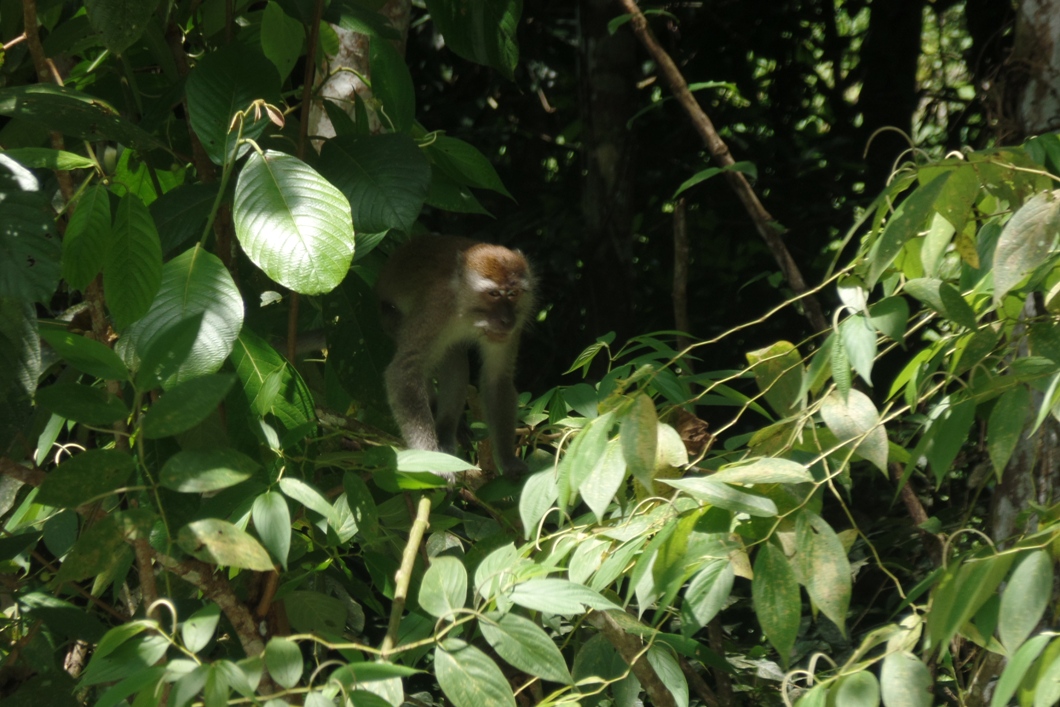
Shortly after I finished eating lunch I saw my fourth primate of the day: a group of long-tail macaques.

???????????????????????

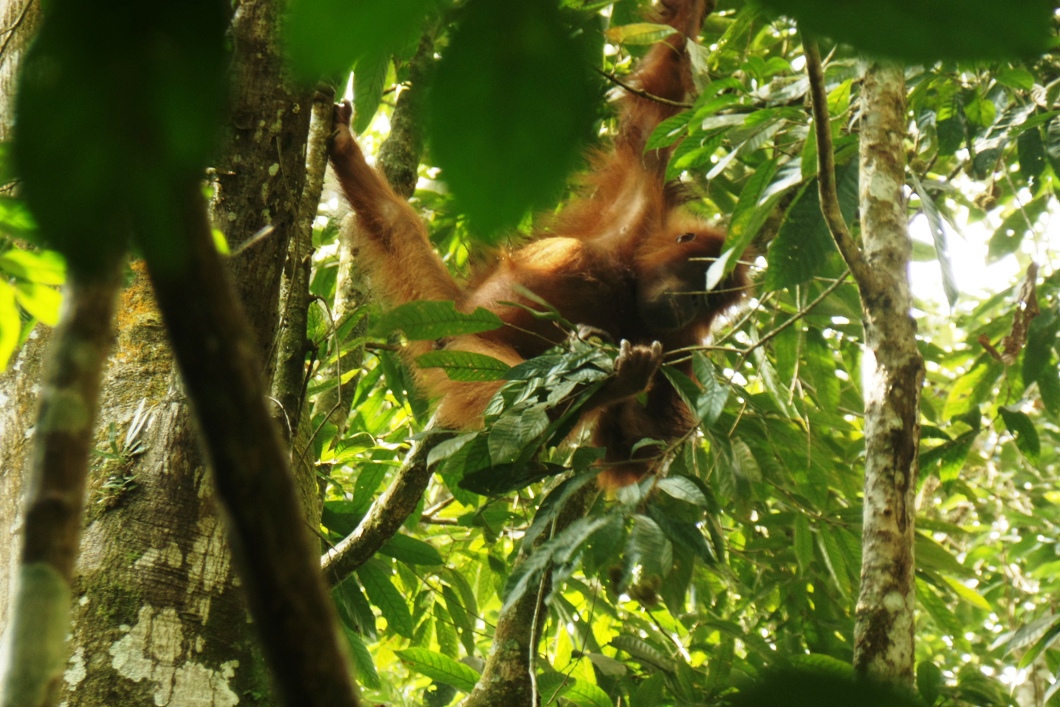
During our afternoon trek we found another group of orang-utans; a mother with a small baby and older child. We sat down and watched them for almost an hour as they fed on leaves. At one point a group of wild pigs walked near to us, not realising we were there. They soon fled in that piggy-like way, making lots of grunting noises.

Possibly the highlight of the day for me was when the younger orang-utan swung onto a tree above us and proceeded to urinate. Fortunately, his aim was not so good.

We wandered back to camp at about 4pm, and I had a wash in the river while Udin began preparing dinner.


Day 2

After a stormy night in a leaky tent, I woke up feeling very tired. Yet I was also eager to get going and see more of the jungle.

???????????????????????

I managed to get close enough to Thomas-leaf monkeys to see their funky hairdos that morning. They were noisy and playful creatures.

???????????????????????

Later on the sound of woodpecker sent our eyes up to the sky. We never spotted the bird, but instead, we found a ratufa high in the treetops. They are large tree squirrels with big, fluffy tails.

There was another family of orang-utans passing through our part of the jungle that day and we spotted them twice. It was a mother with a baby and child of around five years old (and nearing an age of independence). We witnessed them encounter a group of Thomas-leaf monkeys, who made a big show of making loud sounds in an attempt to scare them off. The orang-utans, of course, being much larger creatures, paid them no heed, and carried on swinging through the trees.

???????????????????????

After a supper of noodles, rice, vegetables and egg we rested for a while and then, after it got dark, we got ready to begin our night walk.

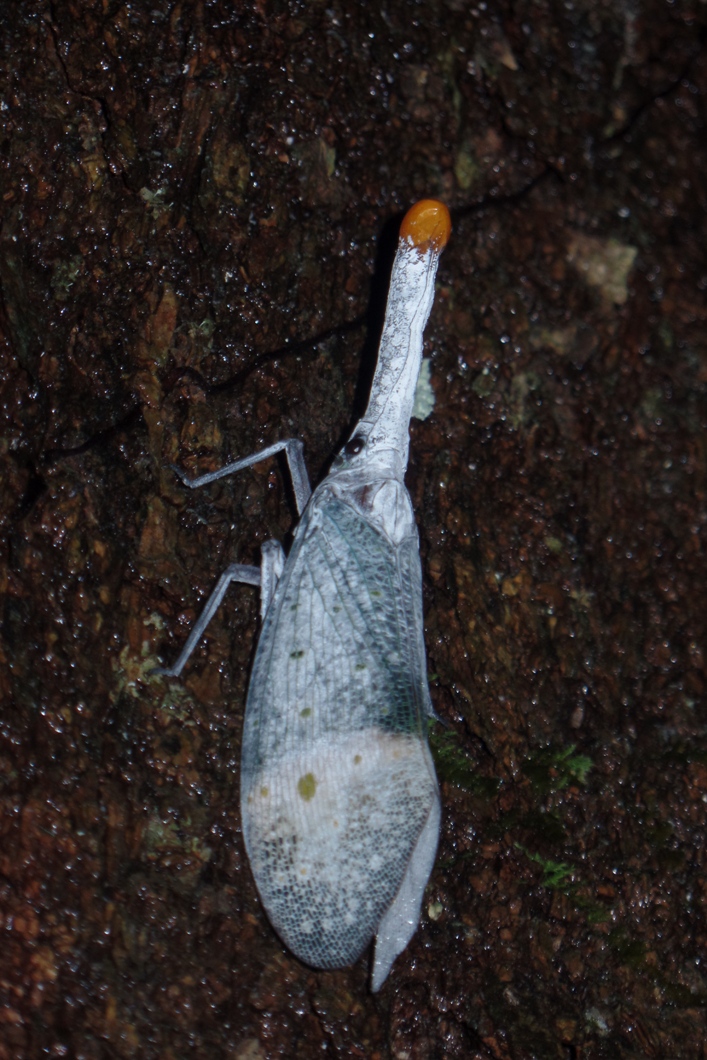
For the first hour or so we didn’t see much, apart from lots of strange and beautiful creepy crawlies, like this little critter.

???????????????????????

It was nice to be out in the jungle at night though, and eerie. Eventually we found a kingfisher sleeping on one of the branches. I managed to get quite close to it.

???????????????????????

The flash of my camera caused it to fly away. Just as I was climbing back up to the trail Udin yelled out; “Quick! Quick!” as he pointed at something in the undergrowth. I ran, getting there just in time to see a porcupine scrambling away.

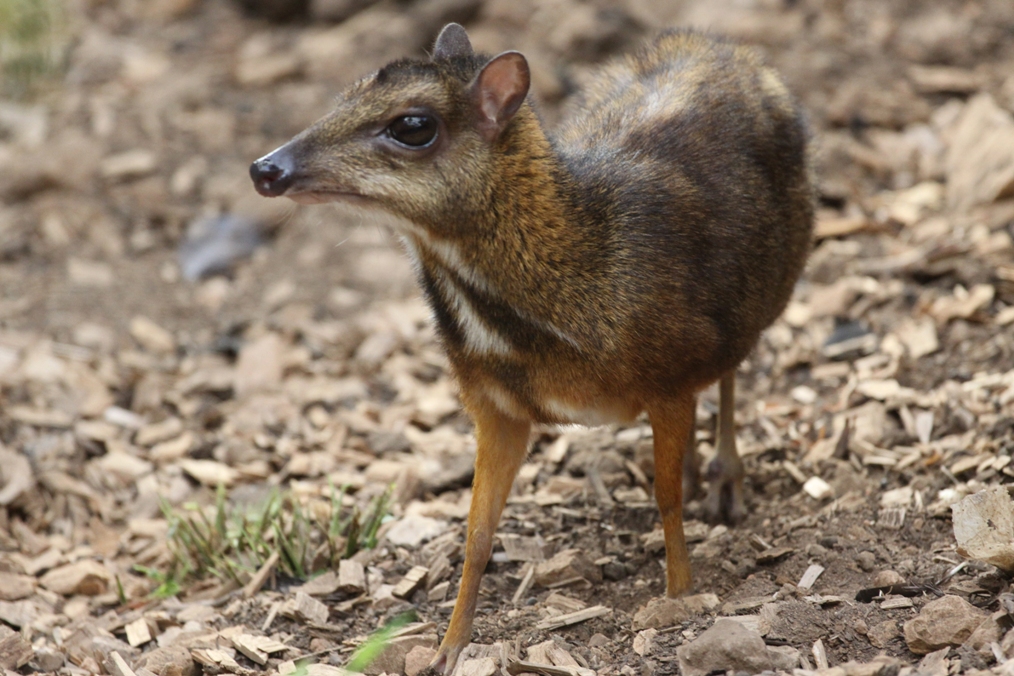
We carried on walking, occasionally spotting big spiders, crickets, and strange caterpillars. The highlight of the night was definitely the mouse deer I found. It was a very timid and shy creature, with big yellow eyes which glowed in the night. I never managed to get a photo of it; we followed it for a while as it tried to slink out of sight, but it was impossible to get my camera to focus on it in the dark. For the purposes of illustration though; here is a photo of one I lifted from the internet. Just so you can see how awesomely cute they are.

11


Day 3

By then I had reached a place where every time I saw a Thomas-leaf monkey I would just look at it for about ten seconds and then think; Great, another one. Next!

Which I guess makes me spoilt.

We didn’t find anything else that third morning, apart from a fleeting sight of a rhinoceros hornbill flying between the trees, an eagle soaring over the river, and a trogon resting in a tree.

???????????????????????

I guess our orang-utan-athon had to end somewhere.

Udin was being a little bit lazy that day, which I guess was understandable with me getting him to take me out on a night-walk the night before as an extra. We were both a little tired.

As it was my last night in Camp 1 (which is said to be better for wildlife than Camp 2), I said to Udin that I would like to watch the orang-utans make their nest if we could find them. Udin seemed quite confident and said; “Okay, we leave at four.”

At 3:30 I woke him up from his nap and we got ready. I didn’t take us long to find them. It was the same three we bumped into the day before; the mummy/baby/junior family.

???????????????????????

And then it was a matter of waiting. We watched for over an hour as mummy orang-utan gorged herself on endless leaves. Eventually it began to rain, forcing the orang-utans to climb down a bit lower and begin searching for a suitable place to make nests for the night. We followed, and the rain got heavier. By the time the orang-utans finally pulled branches of leaves from the tree and arranged them into their beds for the night, it was pouring. When it was over, Udin and I ran back to camp.


Day 4

Udin had been coughing all night, and by the morning he didn’t look well at all. He slowly made breakfast – noodle soup, again – and, after eating a few mouthfuls, he ran into the trees and threw up.

He had a fever: it became clear that we were going to have to go back. He was very apologetic about it. I told him it wasn’t his fault and helped him pack up.

We walked to Ketambe slowly, Udin stopping every now and then to rest or cough up bile.


For more photos, click here.

Travelblog#29: Lake Toba – Sumatra, Indonesia

3rd-7th December, 2014

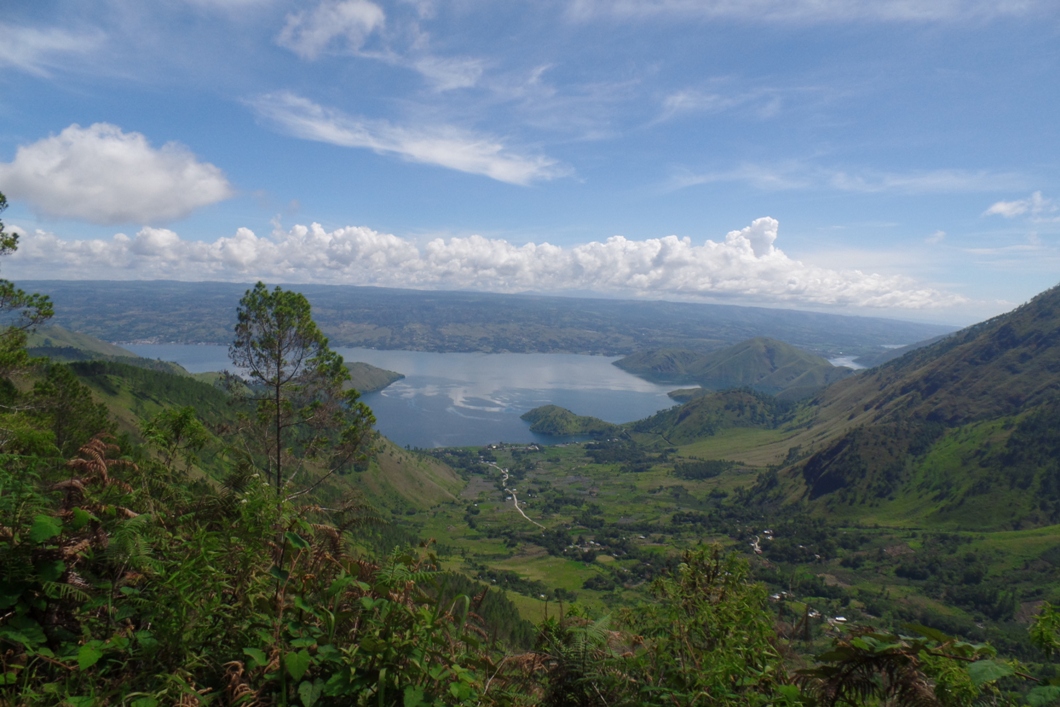
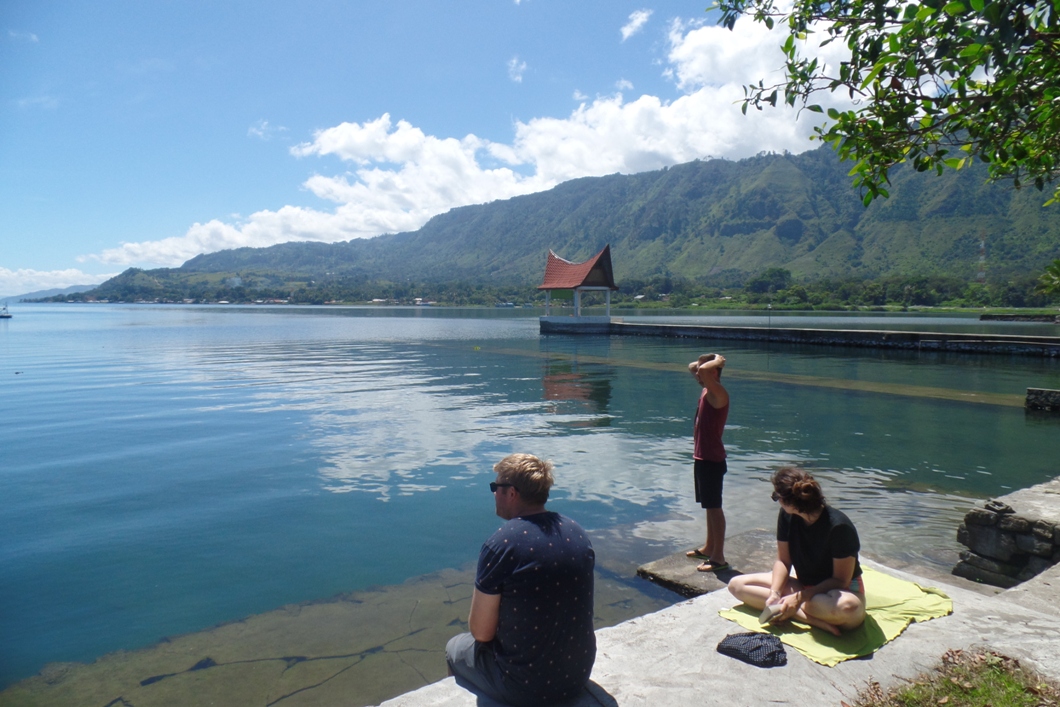
Danau Toba is the largest lake in Southeast Asia. What makes this fact even more impressive is that it is actually a crater for a gargantuan volcano.

1

Thought to have caused a period of ice-age when it erupted 70,000 years ago – the time when geneticists believe the population of the human race was reduced to bottleneck numbers – it is a place which is a landmark in our world’s natural history.

Sometime after the initial colossal eruption a comparatively smaller one occurred and formed an island in the middle of the lake, almost as big as Singapore. This, and the surrounding area, would later become the home of the Batak people; a group of proto-Malay tribes who were driven into Sumatra by other peoples migrating through Siam. They lived around Lake Toba for centuries and, in their isolation, developed a culture which was rich and sophisticated and yet also very feudal. They were ‘discovered’ by the western world in the nineteenth century, and missionaries were quick to move in with their bibles, sermons and spiritual blackmail, to ‘civilise’ them.

It is a very different place now. Most Batak people can now speak Bahasa Indonesia and are Christian. Samosir Island experienced a golden-age as part of ‘The Banana Pancake Trail’ in the 90’s: hoards of travellers came rolling in, resorts were built, full-moon parties were hosted and many people ended up staying there for months on end.

This ended after the 2004 tsunami and the following series of terrorist attacks in Bali; when all of Indonesia experienced a crash in tourism which it has never quite recovered from. Samosir is fairly quiet these days, and receives only a gentle trickle of visitors.

???????????????????????

Dominique and I arrived late at night, after a long bus journey from Bukittinggi. I had previously been recommended a place to stay called “Liberta Homestay” by Bertrand (the biker I travelled much of Flores with) so I went straight there. They gave me a semi-traditional Batak-style house for a price which was very reasonable, so I didn’t bother looking anywhere else. Tired from my journey, I went to bed early that night.

The next morning I woke up eager to begin exploring, so I rented out a motorbike and set off.
???????????????????????

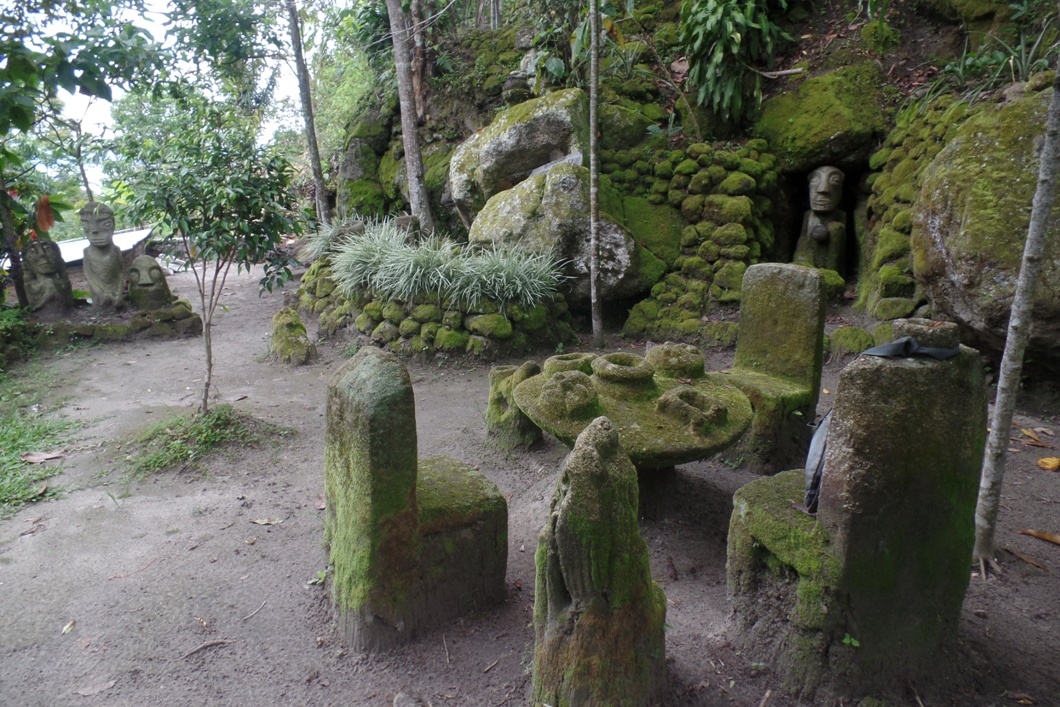
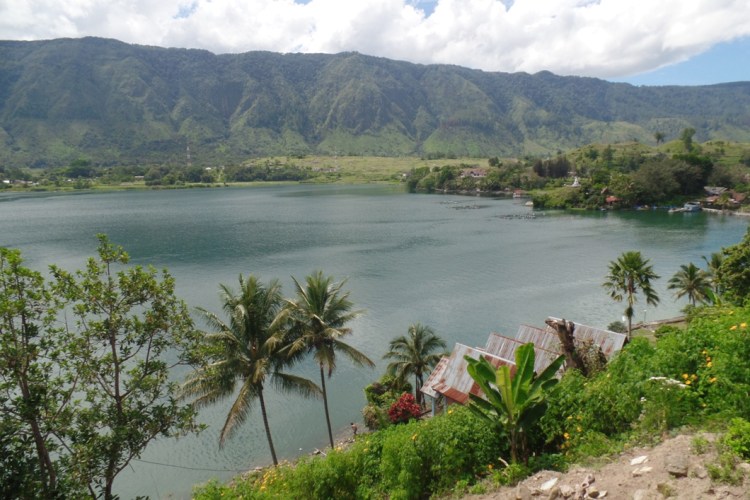
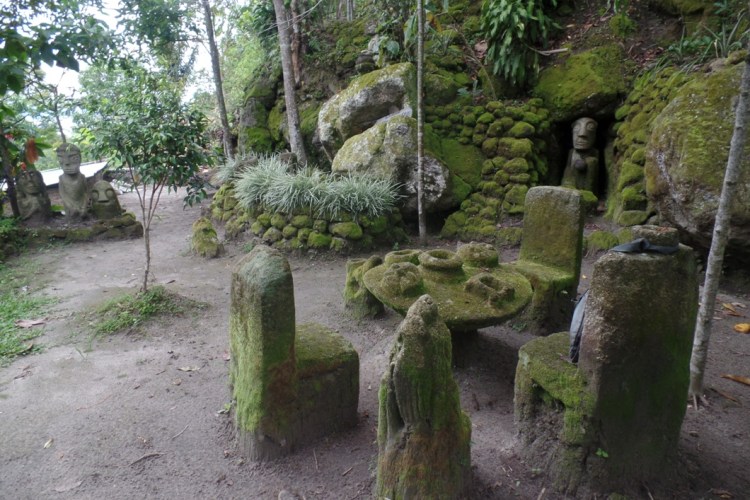
The first thing that I came across as I drove around (apart from spectacular scenery) was the “Stone Chairs”, which is an old Batak religious site in a village called Ambarita.
???????????????????????

After a brief wander around the stone effigies of deities and bizarre symbolism, I immediately found myself intrigued by the Bataks and yearning to find out more. The next village along the road just so happened to have a museum which staged traditional Batak dances every day, so I got back onto my bike.
???????????????????????

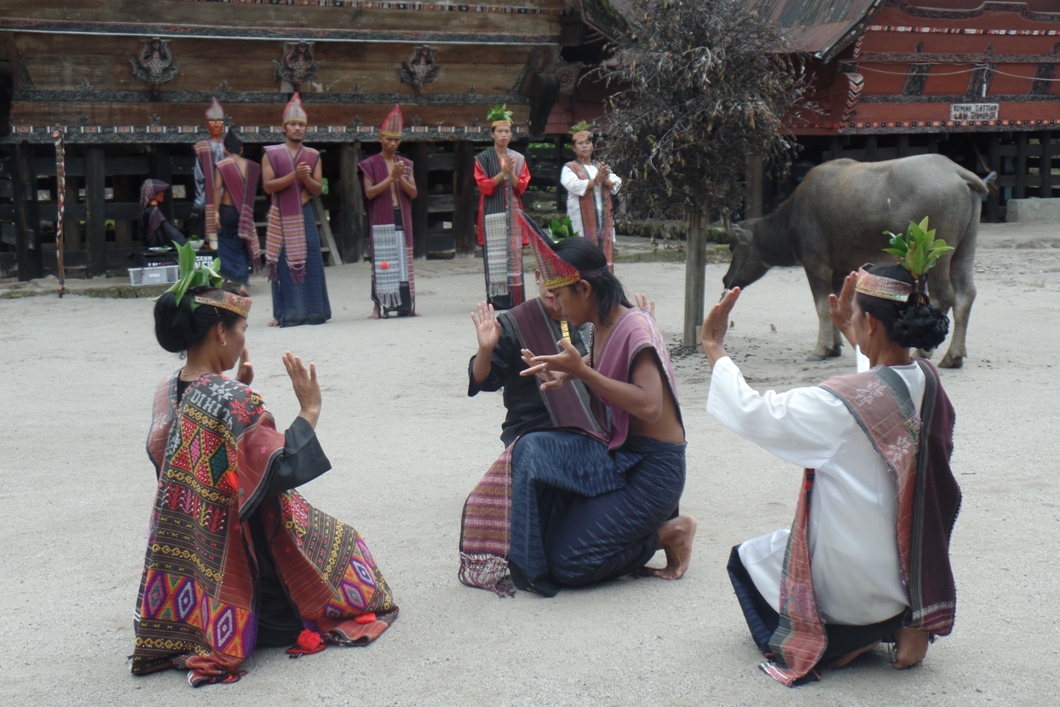
I arrived just in time to see the first performance: a group of men were on a balcony above, drumming upon their percussive instruments, and the dancers were filing into the courtyard.

???????????????????????

And while the sequences were fairly interesting, I found myself a bit underwhelmed. The way some of the dancers moved was a bit stilted; you could tell that they were a bit bored of performing the same routines every day and that the spiritual significance had been long forgotten. The buffalo in the background – the nucleus for many of these (once) sacred dances – munched upon some non-descript food in the background, oblivious.

I realised that if I was going to connect with Batak culture while on this island, it would not be here.

???????????????????????

The ‘museum’ was also very disappointing. The exhibition consisted of a room jumbled with Batak artefacts, and there was no information in English to provide any context, background, or history. The entry fee pretty much just pays for the dance performance. I got back onto my bike.
???????????????????????

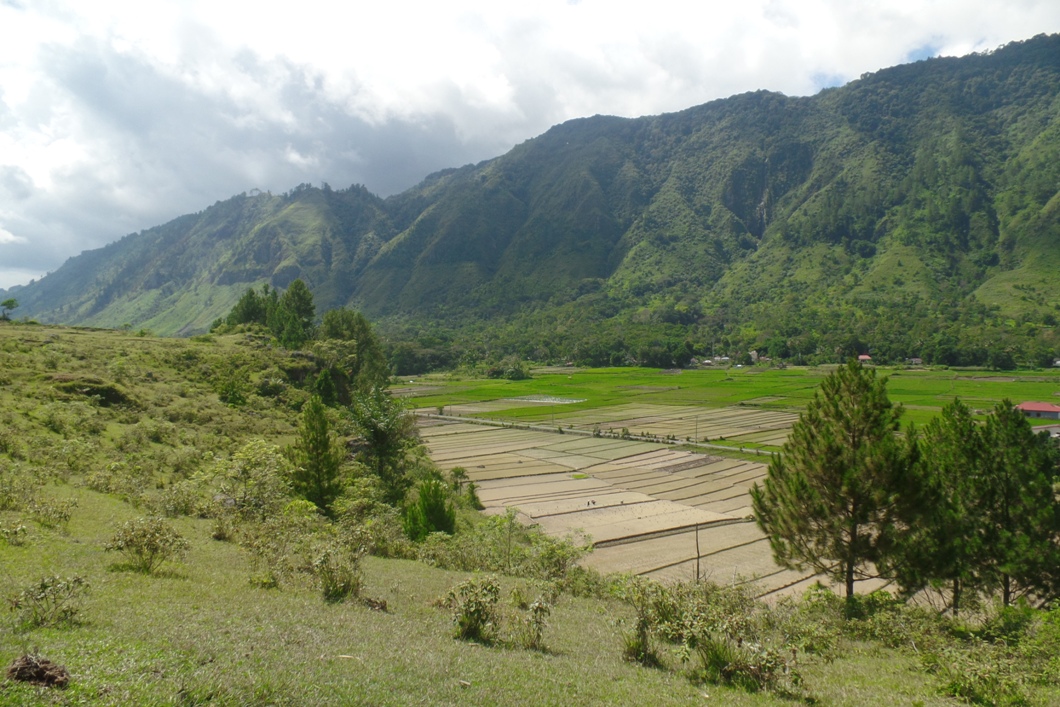
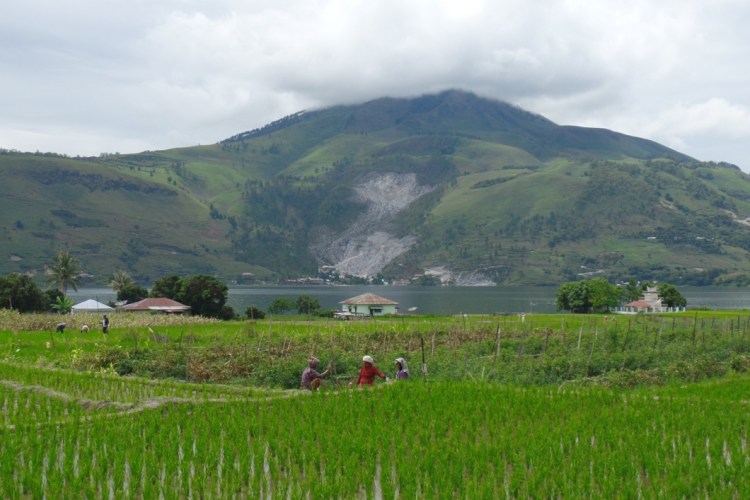
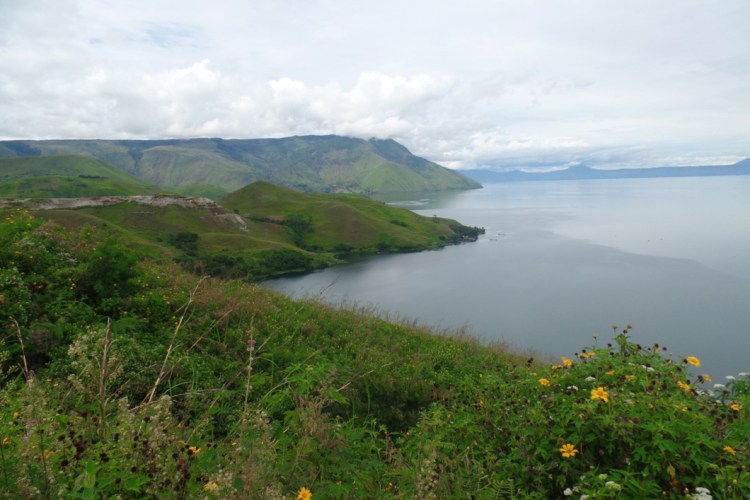
I drove on, a little bit disappointed by the ‘cultural experience’ I had been anticipating that morning, but enjoying the scenery of Lake Toba. When I reached the other side of the island I crossed over a small land bridge and drove along a road to Tele which cuts through the Sagada Valley – a stunning landscape – but I then realised that taking the bike all the way there might be a bit too ambitious for one day, so I turned back.

???????????????????????

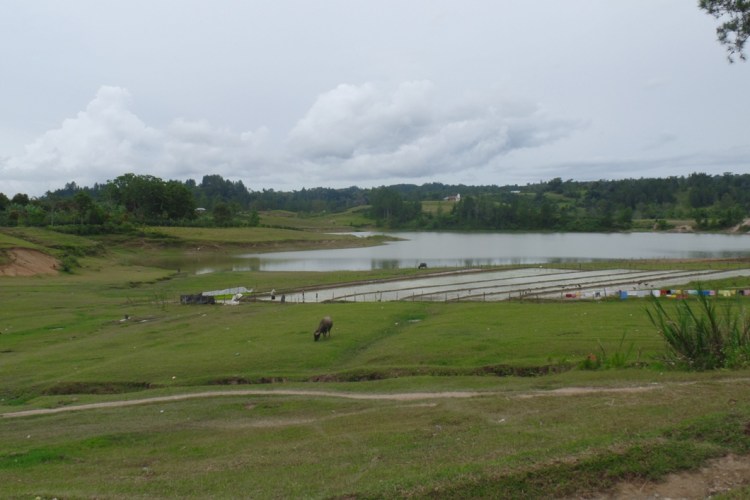
Back on the island again, I drove up the mountain and through a series of pine forests to reach Danau Sidihoni; an inner lake (which actually makes it a lake, within an island, which is on a lake, within a volcanic crater – I bet there aren’t many lakes in the world which can make that claim).
???????????????????????

I then made my way back down to the coastal road so I could carry on driving around the island and complete the circuit.

It was shortly after that that I had my little accident.

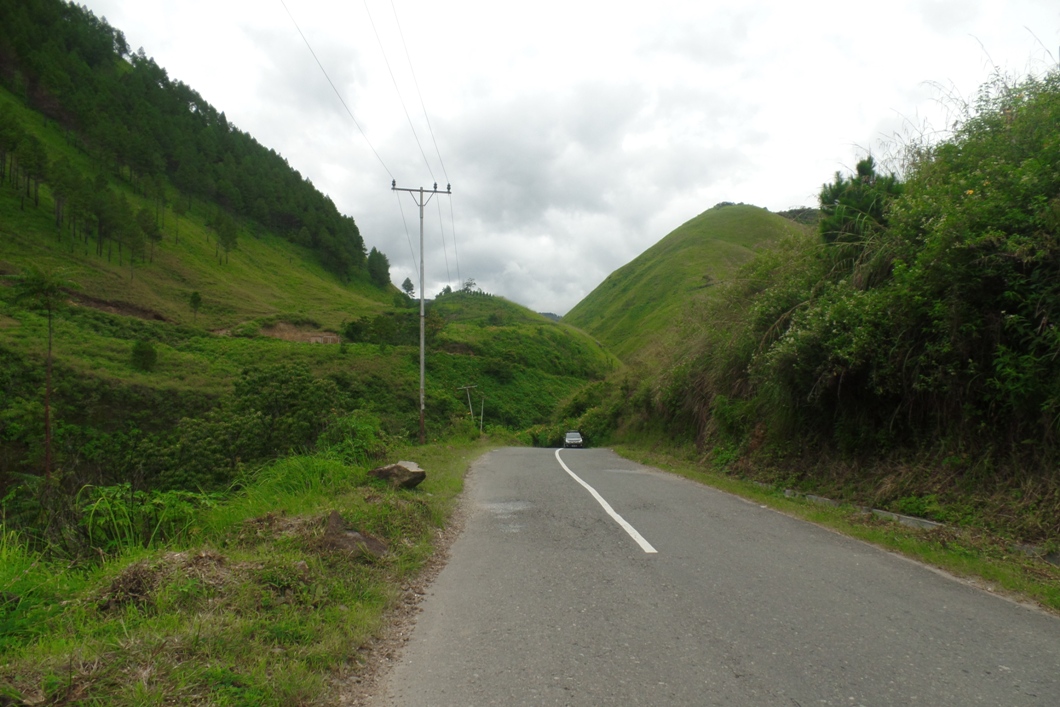
It was a bit silly really. Lake Toba’s roads are inconsistent; much of it is really bad and dotted with potholes – and, obviously, you always drive around those parts carefully – but, every now and then, you come across stretches of road which are actually quite good. At the time of my accident I was driving along a straight road which was newly sealed, but yet, for some reason that I still do not understand, there was a hidden bump. It wasn’t painted, it was so thin it was almost unrecognisable, and it was on one side of the road but not on the other…

I don’t really remember what happened. One minute I was driving, enjoying the views and obviously not paying quite enough attention, the next, I was on the ground, entwined with my bike, a bit disorientated, and I was bleeding from a series of cuts and grazes on my arms and hands.

Some ladies came out from a shop nearby with cotton buds and iodine. “It was the bump,” I explained, pointing to it. They nodded and, while tending to my wounds, one of them said something which I didn’t understand because it wasn’t in English, but there was an air of knowingness and tired familiarity about it. They didn’t seem surprised at all. I also realised that they had been very quick to come out with the iodine; they were so prepared, it dawned upon me that this was obviously a regular event for them. Not that surprising really: I haven’t been driving for all that long, but that was one of the most retardely placed speed bumps I have ever come across.

After the bleeding had stemmed a little and I was feeling more coherent, I thanked them and went back to inspect the bike, knowing that I should get back on it while I still had all that adrenaline in my veins or I might not ever get back on at all. One of the wing-mirrors was broken, the fender was cracked, and there were scratches all over (but the bike was already quite scratched before I got it, so it was hard to know if any of them were my doing). I realised that I must have skidded quite far though, because the metal on the side of one of the handlebars had melted to a new shape and was still warm.

It took me a couple of hours to drive back, and I did so very carefully, stopping at a repair shop on the way to get the wing-mirrors replaced. I began to worry about how much I was going to be charged for the other damages. They were all merely superficial, but you hear lots of horror stories in Asia about bike shops inventing further ‘repairs’ which supposedly need to be done and adding on all kinds of fanciful charges once they find out you’ve had a fall.

Liberta Homestay weren’t like that at all. They were only concerned about me. When I got back and, apologetically, showed them the partially melted handlebar, they just shook their heads and said; “No worry. This bit cheap. Are you okay?”

I went back to my room, washed, and tended to my wounds. It was only after the adrenaline rush was over that I realised that I was limping and in pain. The cuts, however, once that they had stopped bleeding and been cleaned, weren’t as bad as I originally thought.

When you ride a motorcycle you know that there are risks. Coming to Asia itself, is a risk, and many of the decisions you make as a traveller involve weighing up what potential dangers are and deciding whether they are worth it. Do you go to one of those darkest parts of Papua New Guinea, for example, where you will possibly experience tribal life at its most wildest, but there is almost no law and rumours of cannibalism? Or even just a bus journey through a mountain pass where you will glimpse some of the most incredible views of your life, but occasionally look down into the ravine and see the remains of other vehicles at the bottom which didn’t quite make it?

If you reach a pint where you are avoiding countries because they occasionally have natural disasters and skirting around jungles because you’ve heard there is malaria, then yeah, you are ever-so-slightly more likely to make it back home in one piece, but at what cost to the value your experience? Because they can often be the most interesting places. One thing that you need to remember is that you, if you are a backpacker, are most likely a privileged white person who is just passing through (probably wrapped in a safety bubble of air-conditioned vehicles, mosquito repellent, guides, and travel insurance), and the majority of the people who actually live amongst these dangers their entire lives, survive it.

For me, the risks of riding a motorcycle are worth it because there are many experiences in Asia you will miss out on if you can’t drive a bike: it gives you the freedom to create your own itinerary, reinvent it as you go, halt for a while when you stumble upon charming little villages, and you see places which you will never even hear about in Lonely Planet. It is also, genuinely, fun feeling the wind on your face, winding around corners, accelerating hard whenever you come across a straight road with no other traffic. Everyone has a fall every now and then and, fortunately, it is not serious most of the time. Usually, when it is serious, or fatal, it is because of a collision, and for that to happen either you or the other party have done something you shouldn’t have.

I am going to be much more careful from now on though.

???????????????????????

I took it easy the next day and spent most of it working on some writing and chilling out by the lakeside with some of the guests at Liberta. I eventually worked up enough energy to go for a limp around Tuk Tuk (the village I was staying in), where I ended up getting into a conversation with a British expat called Chris for a while.

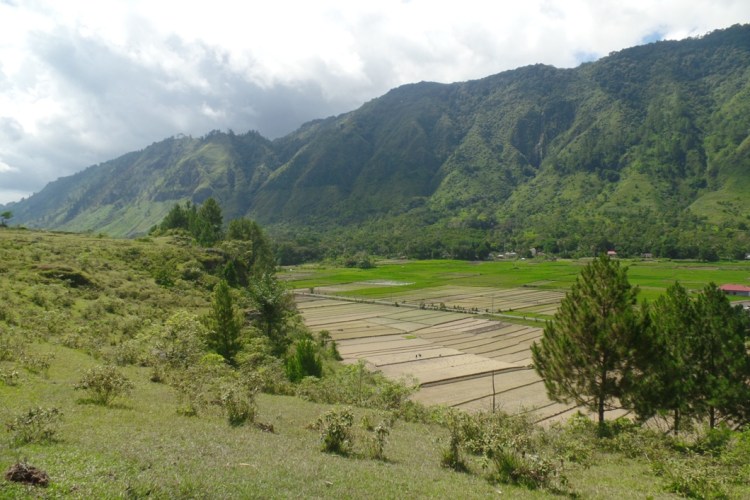
The next day my limp was gone so I went for a walk. I meant to find a local waterfall but I got lost along the way and ended up walking along the crest of one of the nearby hills which had wonderful views, so it was a blessing, really.
???????????????????????

The guesthouse next to mine was hosting a Batak dance and music event that evening, so I went along and Dominique came with me. The dancers were a group of teenage girls who, apart from one who looked very much like her parents had sent her there as punishment for not doing her homework, seemed to be a bit more into it than their counterparts at the museum and were smiling. Unfortunately, I forgot to bring my camera with me, so I don’t have any pictures.

After the girls had finished dancing, the musicians came forward and played some beautiful songs which really managed to liven up the audience. It was a great way to finish off my time in Lake Toba.

Dominique and I said farewell: she was heading to Berastagi the next day, whereas I was going to Ketambe for some jungle trekking.

I left the following morning upon a bus heading north-west. The driver put on a disk of Batak music and proceeded to drive through the Sagada Valley. I spent much of the journey hanging out of the window with my camera, taking pictures, feeling very happy to be alive.

???????????????????????

For more photos from Lake Toba, Samosir Island, and Sagada Valley, click here.

Travelblog#28: Harau Valley – Sumatra, Indonesia

29th November – 2nd December, 2014

During my time in Bukittinggi I kept hearing of a place called Harau Valley: it was an area only briefly mentioned in my copy of the Lonely Planet, but everyone I met who had been there said that it was a must-see.

I had just finished doing a motorcycle tour around Bukittinggi, so I decided it was time to move on. My new friend, Dominique, was also interested in seeing this Harau Valley place everyone kept talking about, so we started packing our bags. Just as I was beginning to wonder how we were going to get there, I overheard a group of young Europeans who were staying in the same guest house as us talking about making a daytrip to the very same place. We ended up hitching a ride with them.

The driver we hired out for the day took us to coffee plantation along the way. It was blatantly a commission stop but we didn’t mind; it was quite interesting to see the coffee making process, and they also had a fairly pleasant seating area with a mountain view.

???????????????????????

They kept bringing free samples of all kinds of things to our table: coffee, coffee-leaf tea, mulberry tea, cinnamon tea, yam crisps, biscuits made from dahlia flowers, and the list goes on. As a marketing tactic it definitely worked, because their products were genuinely quite good and many of us ended up leaving with slightly lighter wallets.

After another stop along the way, where we ate lunch at a padang restaurant, we eventually found ourselves driving into a dramatic landscape of forested cliffs rising out from the rice fields. We had reached Harau Valley.

???????????????????????

Staring out of the windows, as we passed through the series of canyons, was more than enough to make the journey there worth it. Throughout the rest of the afternoon, our driver took us to a series of waterfalls and viewpoints.

???????????????????????

Later that afternoon Dominique and I were dropped off at Abdi Homestay, where we were greeted warmly. Ikbal – the owner – gave us a wonderful cottage with two floors, and, his brother in law Ewal  spoke great English, and told us much about the area. Throughout our stay we were treated like family and Ikbal’s wife rustled up a great spread of food every dinnertime.

???????????????????????

The setting was perfect: the cottages all had balconies pointing in the direction of the valley, and there was a waterfall cascading down the cliff behind us which you could always hear in the background.

???????????????????????

On my first morning there I stepped outside and there was a Malaysian family eating breakfast at the table. The matriarch hailed for me to come and sit with them and, in a very motherly fashion, forced successive rounds of noodles and curried samosas upon me whilst asking me my life story. Within minutes she was making suggestive hints about how her single daughter just happened to be around my age, which made everyone laugh and said daughter blush. They were a very nice family, but it was partly a relief when they set off for their day of sightseeing.

I had plans of my own: Ewal was taking Dominique and myself on a five hour trek up to the top of one of the mountains.

???????????????????????

After a short walk through the village, we reached the start of the trail. It was a steep climb, but the views from up there were well worth the effort.

???????????????????????

We then walked through the terrain of jungle along the ridge. Ewal was a great guide and made the experience fun for us, telling us about the creatures we spotted, showing us the insides of carnivorous pitcher plants which were in the process digesting bees, and he even made Dominique a nice little hat out of ferns.

???????????????????????

The final panoramic view at the other side of the mountain was spectacular, and a great way to finish off the day.

???????????????????????

Dominique left the next morning, but I decided to spend another day in Harau Valley to relax and enjoy the view from my balcony as I caught up with some writing and blogging.

???????????????????????

I reluctantly forced myself to leave the following morning, for there was much more of Sumatra to explore. Ikbal gave me a lift back to Bukittinggi on the back of his ojek, dropping me off at my old haunt: Hello Guest House, where Ling, ever the kindhearted person that she is, organised a bus ticket to my next destination – Lake Toba – and let me use her wifi and shower, even though I wasn’t staying there anymore, and refused to take any commission.

Hello Guest House and Abdi Homestay are two places that I would thoroughly recommend to anyone travelling through the area.


For more photos from Harau Valley, click here.