Travelblog#26: Bukittinggi Part 1 (First Day) – Sumatra, Indonesia

26th November, 2014

I left Padang at 6am in the morning. Partly because I wanted to make the most of the day ahead but also because the guest house I stayed in was infested with bedbugs and I was keen to get out of there.

The bus journey to Bukittinggi was about two hours long and there were some great views of the Anai Valley on the way. I reached Hello Guest House at around 9am, where I met the owner, Ling.

“Where have you come from?” she asked, as I was checking in.

“Padang,” I replied

“And where did you stay in Padang?”

“Errr…” I murmured, trying to remember.

“Brigitte’s?” she guessed.

I nodded. I think most solo backpackers passing through Padang end up staying at Brigitte’s House.

“Did you find any bedbug?” she asked, knowingly.

“Maybe…”

“Don’t worry, you can still stay here,” she reassured me. “But I am going to have to ask you to keep your backpack on the roof…”

Which was both understandable and responsible. Throughout my stay in Bukittinggi, Ling and her parents were very helpful, friendly, and an invaluable source of information on nearby attractions and how to get to them. I cannot recommend Hello Guest House enough: they gave me a comfortable bed in a dorm room, with hot water and free wifi, and it was all at a very reasonable price.

And there were definitely no bedbugs.

I started out my first day there by visiting Batang Palupuh Nature Reserve, where rafflesia arnoldii flowers were in bloom. I arrived there a couple of days too late though, so the giant, parasitic flowers had decayed to a blackish colour rather than their famous majestic red, but it was still interesting to see.

???????????????????????

My guide, Jonny, took me on a ramble through the jungle and told me much about the local flora along the way. It was pouring with rain and I was attacked by my second and third kinds of bloodsuckers that day: leeches and mosquitos.
???????????????????????

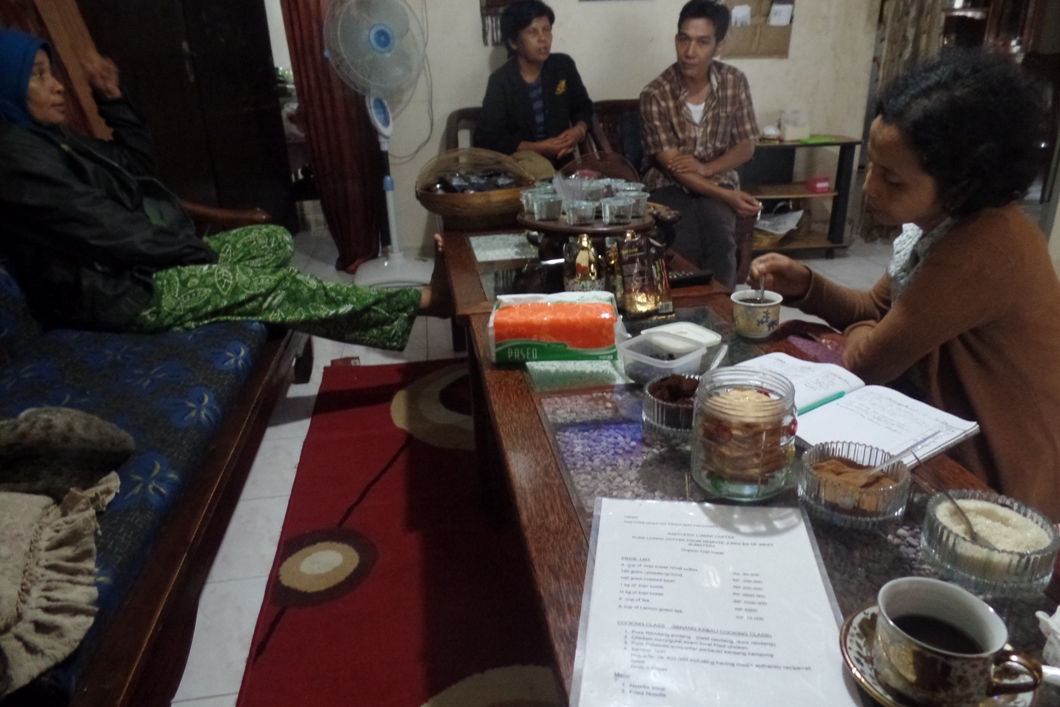
Afterwards he took me to his home, where I drank local luwak coffee while I dried off. His mother explained to me how the coffee beans are gathered from the stools of wild civet cats and that its rich taste and claimed health benefits are due to the fermentation process happening in the digestive system with all the other fruits the creatures eat.

I would like to make a note here that if anyone reading this is interested in buying this special kind of coffee; you need to be careful where you source it from these days. Some companies have, rather predictably, begun creating a lesser version where the civet cats are kept in cages. Not only is this cruel, but it also an inferior product because the civets are kept under stressful conditions, not fed a very wide variety of other fruits, and one of the reasons the real thing is so nice is that the creatures roaming around in the wild are fussy and only pick out the finest beans.

Note: this is not my photo.

That evening I met Martijn (from Holland) and Dominique (from Quebec). They were both – like myself – interested in visiting Lake Maninjou the next day, so we decided to venture out together the next morning for a motorcycle tour.


For Part 2 of my time in Bukittinggi, click here.

Travelblog#25: Padang – Sumatra, Indonesia

25th November, 2014

The end of my time in Sulawesi coincided with the expiry of my 60 day tourist visa, so, after a thirty hour journey involving three flights and transits in both Jakarta and Kuala Lumpur, I exited Indonesia and entered again. This time into a different region; Sumatra.

Indonesia is so large and culturally rich it often feels like you have just stepped into a different country when you move between different parts of it. Bali was shiny, beautiful, and inhabited by fervently superstitious Hindus. Nusa Tenggara was a rustic archipelago of mountainous islands populated by a diverse range of tribal minorities. Sulawesi had everything from bustling, modern cities, to remote islands and exotic jungles. The one thing that that has been quite concurrent though, throughout my first two months in Indonesia, was that my adventures were primarily nautical and involved many boats and beaches.

Sumatra is going to be a little different. It is a very large island – larger than many countries, even – and while it does have many wonderful coasts and islands, it is mostly for its interior of jungles, mountains and lakes it is known, and for which I am particularly interested in.

So, with my much-used snorkel now buried to the very bottom of my backpack and new pair of hiking boots on my feet, I arrived into the airport at Padang at around 9am and was stamped into Indonesia again. Sometimes, when I am issued a visa and see how long I have been given, I can’t help but look at my passport and think; “You do know how big your country is, don’t you?” In this case it was 30 days.

I was very tired by this point but, as it was still the beginning of the day, I decided to knuckle through the next twelve hours and make the most of the daylight. I explored Padang.

???????????????????????

I began by walking to the Adityawarman Museum which, while not particularly grand, cost a fraction of the price I am used to paying to enter places in Indonesia as a foreigner. It had a small natural history section with taxidermy examples of Sumatran wildlife and a collection of proto-human skulls accompanied by an evolutionary family tree. The upper floor was mostly about the marriage practices and customs of the local Minangkabau people.

???????????????????????

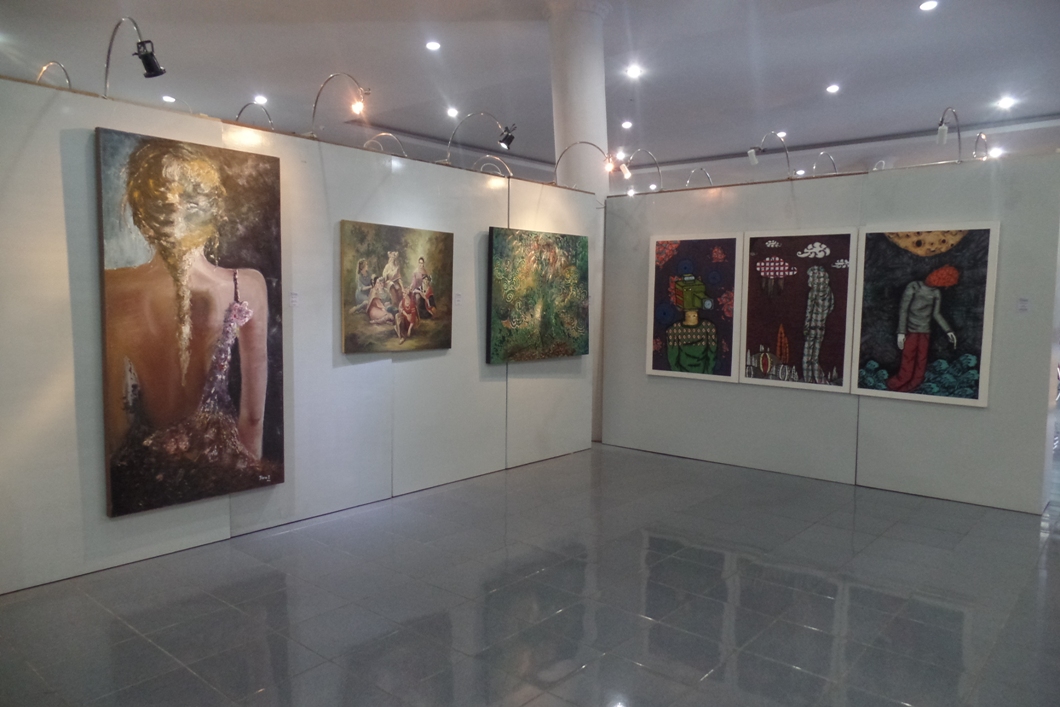
More rewarding for me was the Taman Budaya Cultural Centre which, at the time of my visit, had an exhibition of paintings by local artists. Most of which was very impressive.

???????????????????????

After that I strolled around aimlessly and stumbled upon a decrepit looking building which had a sign outside saying “Gallery”, which I decided to investigate. A caretaker was sweeping the floor and seemed very surprised to see me; he ran into one of the doorways and returned a few moments later with two young women who spoke a little English.

They escorted me up to the stairs to what turned out to be a small memorial museum.

???????????????????????

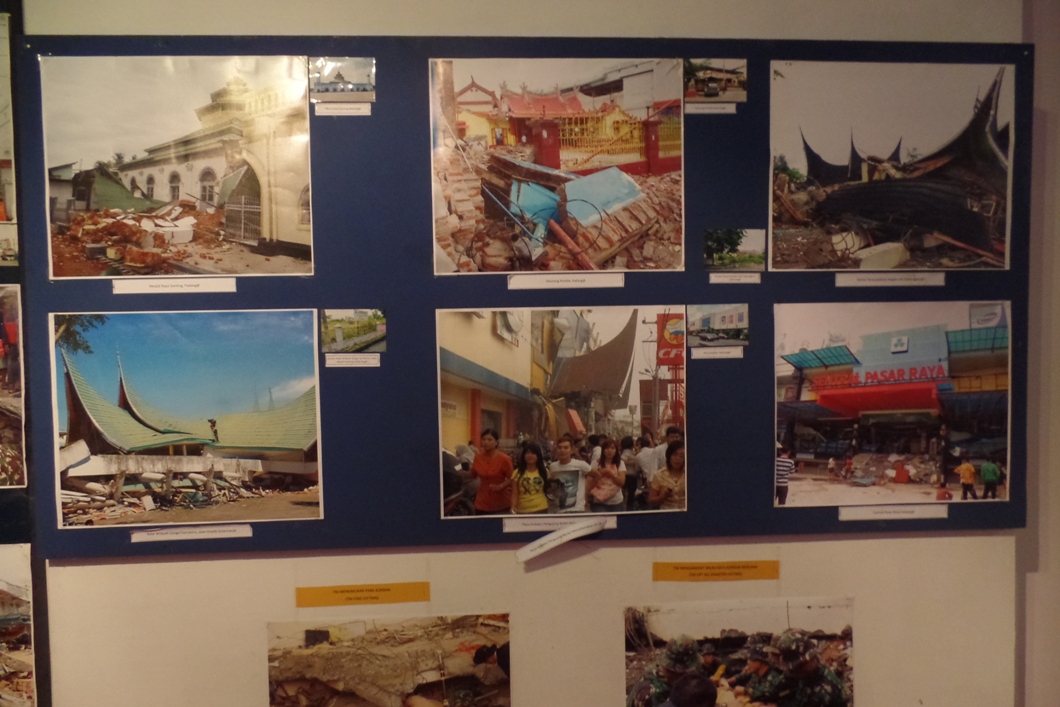
Sumatra, with its active volcanoes, yearly monsoons, and frequent earthquakes, has one of the biggest natural disaster rates in the world, and the case is especially true for Padang which sits upon the meeting of two tectonic plates. When I checked in into my guesthouse that morning one of the details I was asked to fill out on the form was an emergency contact – which is quite unusual – and I also noticed while walking around the town that almost every street-corner was accompanied by a sign pointing towards the direction you should run in the event of a sudden tsunami.

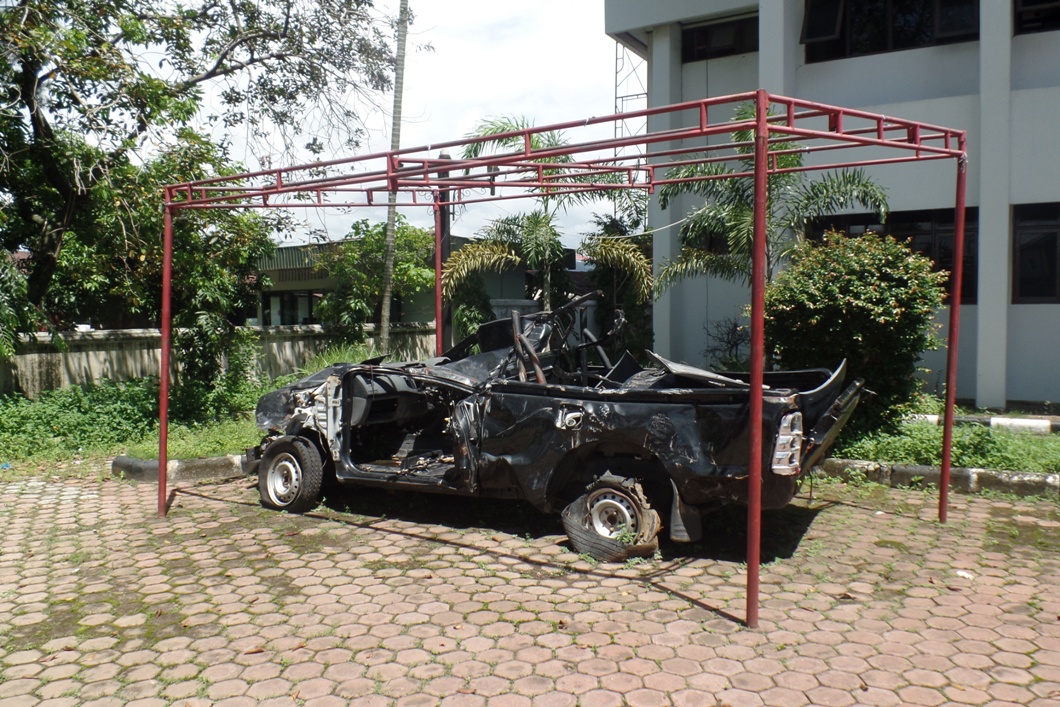
Padang was not affected as much as many other parts of Sumatra by the tsunami in 2004. More devastating – and much more recently – for them, was 7.6 Richter Scale earthquake in 2009, in which much of the city was destroyed.

I wondered around the displays, viewing photos of the colossal damage and reading some of the information. The girls put on some background music, which was moving, but tasteful. I eventually came across a number: 1115 – that was how many people were killed – and looked back at the two girls who were watching me, realising that, with Padang having such a small population (95,000), almost everyone must have known at least one person who died that day.

Strangely, they both smiled whenever my eyes met theirs and, rather than being solemn, they were very eager to show me around and answer any questions that I had. Always, with a stoic smile on their faces. I think they were happy I was there, because they want to make sure that people don’t forget what happened.

When I was finished I decided I wanted to leave a donation and reached for my wallet, but one of them stopped me.

“Free,” she said.

???????????????????????

After the memorial museum, I walked through the market and then on to the colonial quarter by the river, which had lots of interesting Dutch architecture and some old Chinese shophouses. I was approached by many friendly locals who were all keen to converse and, like the two girls I had met at the museum, spoke of the 2009 disaster stoically.

By the end of my day there I found myself becoming fond of Padang, with its sombre atmosphere and brave people.


For more photos from Padang, click here.

Travelblog#24: Tomohon – Sulawesi, Indonesia

20th-23rd November, 2014

My time in Sulawesi was now drawing to a close, and me and my travel-buddy Roy had just parted ways: he was destined for Sri Lanka, whereas I still felt like I was not finished with Indonesia just yet, so I was heading for Sumatra.

Now a solo traveller, I had three days to wait for my flight. I decided to spend them in a little town called Tomohon.

???????????????????????

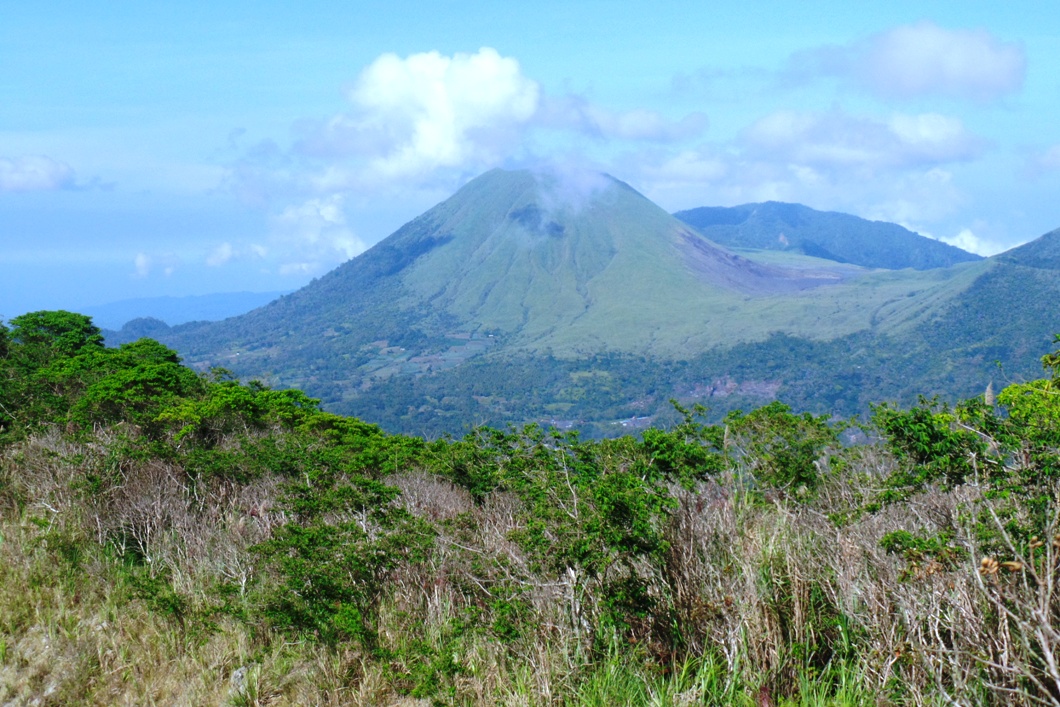
I stayed in a place called Volcano Resort, which was situated at the base of Mount Lokon and set around some very pretty gardens.

???????????????????????

So, I had: stunning views of the nearby volcano, a cabin all to myself, cool mountain air, and some peace and quiet (apart from the constant birdsong, but I didn’t mind that). The only thing that I was missing was some wheels.

???????????????????????

Which the very helpful lady running the resort kindly found for me.

Any visions I may have had of me seeming all man-like roaming around on a motorbike were squished when I asked for a crash helmet and was handed the Pink Power Ranger’s headgear.

Kimberly, I believe this belongs to you?

But safely first, and all of that. The next morning I set off.

???????????????????????

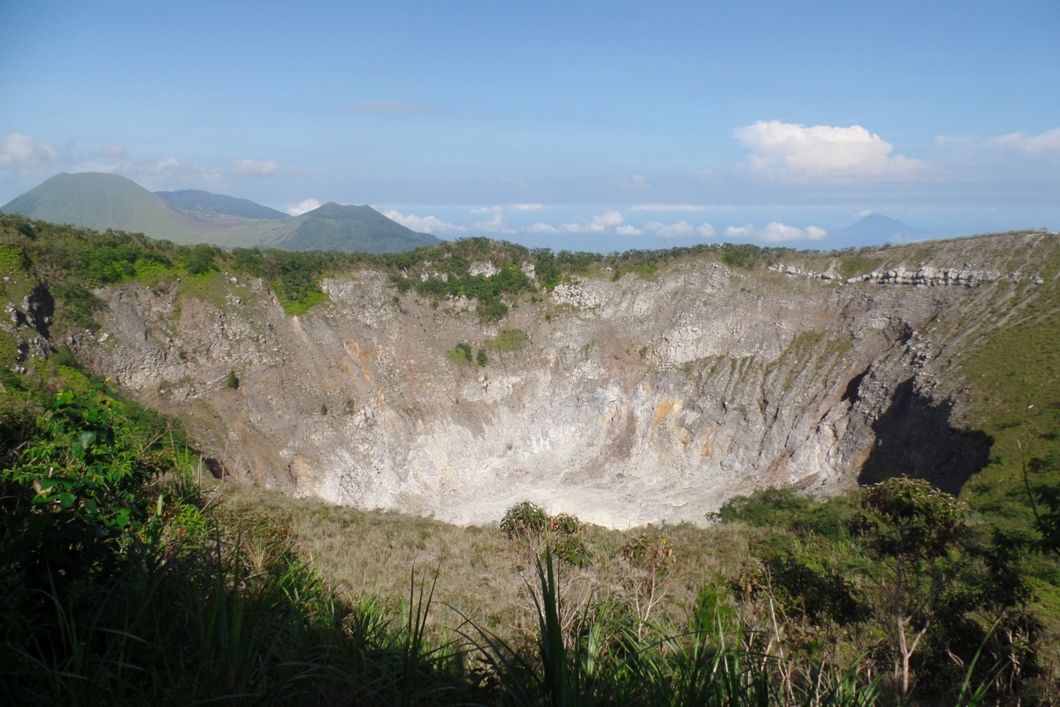
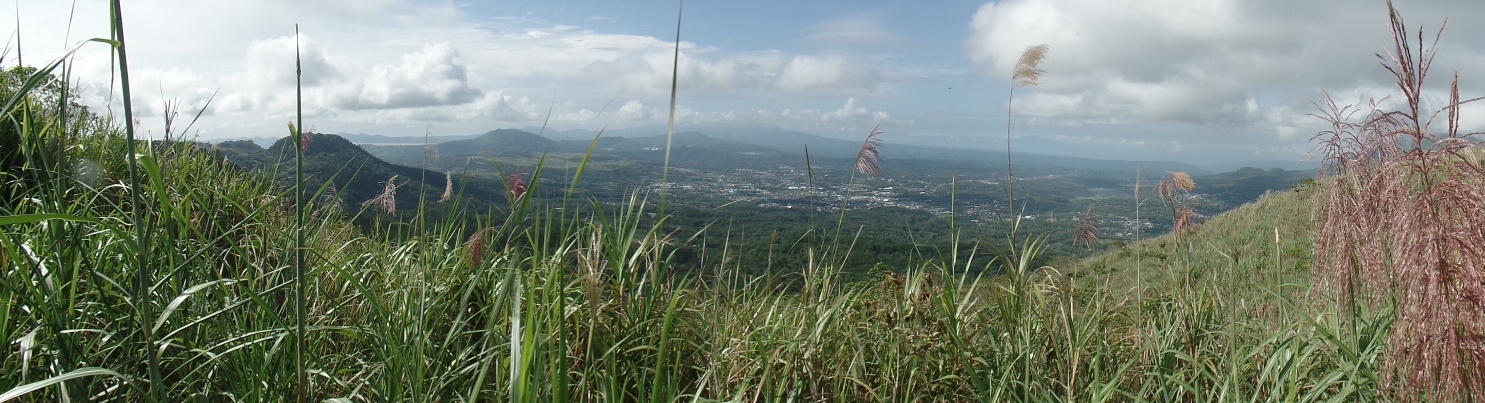
My first destination was Mount Mahawu, which had a very impressive crater. I walked around the rim and was rewarded with a great panorama.

???????????????????????

I then made my way back down the mountain and got lost for a while. But in a good way: I roamed around lots of villages. The people were all very friendly and the hills were blanketed with farms and greenery.

???????????????????????

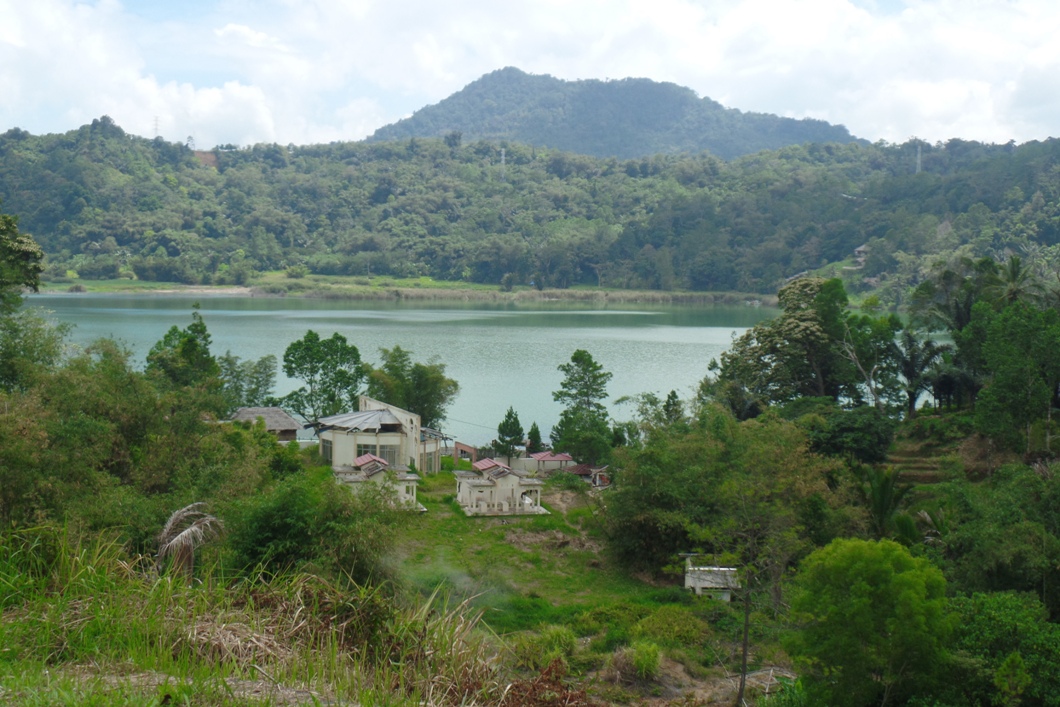
After eating a quick lunch at a warung, I then went to Linow Lake, which was a vivid green colour and had lots of bird life.

???????????????????????

I tried to walk a full circuit around it, but found myself having to turn back three-quarters of the way in by a rather obnoxiously placed fence. Not matter. I walked back around, and got onto my bike again.

???????????????????????

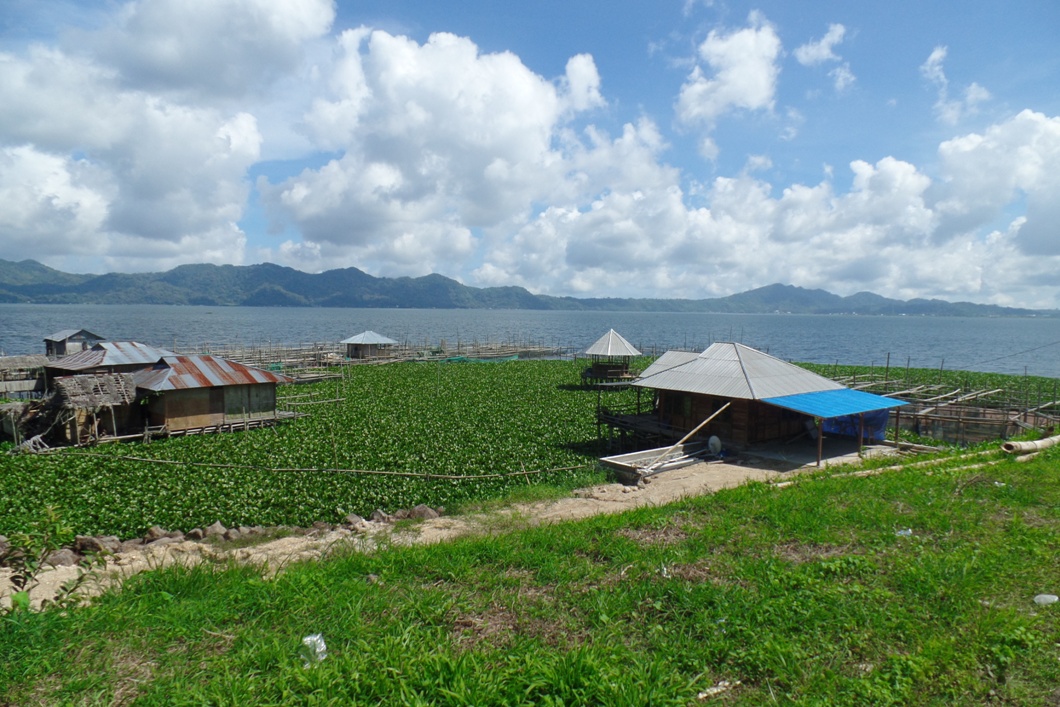
Tondano Lake was next, and it was rather large (10,500+ acres). I started driving around it and was shortly heckled by a group of ladies I am guessing were having a hen do. Maybe it was just all the arak they were drinking, but apparently fairly average-looking white guys wearing Pink Power Ranger helmets are desirable in this part of the world, because they were very insistent that they have their picture taken with me and there was much giggling and blushing.

???????????????????????

They tried to make me stay and drink with them, but I politely reminded them that I was driving and still had most of a lake to explore. I put my Pink Power Ranger helmet back on and started up the engine.

???????????????????????

Tondano Lake was very beautiful, and I passed through many small hamlets and villages along the way, stopping every now and then to take photos.

???????????????????????

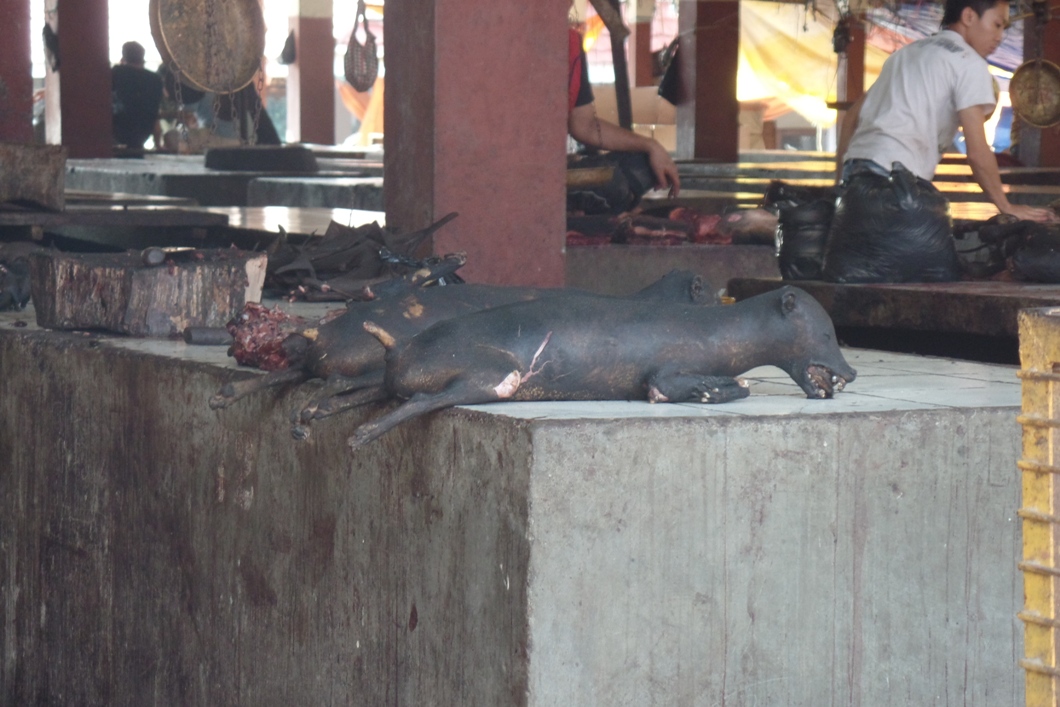
In the late afternoon I finished my circuit and turned my bike back towards Tomohon. I got back just in time to make a quick visit to its infamous market, where pretty much anything with four legs was on the menu.

???????????????????????

I had planned to climb Mount Lokon the next day, but after making an enquiry I was warned that I would be doing so at my own risk because the volcano was currently active. It last erupted less than a month ago, and was smoking only yesterday.

???????????????????????

So I decided it would probably be wise to give it a miss. Instead, I spent a day relaxing in the lovely gardens at Volcano Resort, watching the birds, reading a book, writing this blog.

???????????????????????

Tomohon was a wonderful way to finish off my time in Sulawesi.


More photos can be found here.