30th August – 5th September 2018
Sometimes when travelling you have rather romanticised expectations which do not deliver and such was the case when I embarked upon my journey to the Amazon.
The idea was that I wanted to reach Iquitos – the Amazon’s biggest city, an urban pocket deep within the jungle – by cargo boat. It is a famous journey, said to be one of the highlights of Peru. When I arrived into Yurimaguas, I set out to do just that. I caught a tuk-tuk to the port, bought a hammock, and set it up on the upper deck of a ferry which was being loaded with cargo. I had enough food and water to last me for several days, and the plan was to – like many a traveller and local before me – lay back, and watch the Amazon slowly roll by as the boat snaked deeper into the jungle, calling at villages along the way to deliver supplies.

That was my intention, but it didn’t go to plan.
The tuk-tuk driver who escorted me to the boat and helped set up my hammock told me it was due to leave the next morning but, after he left, I chatted to some of the other people there and began to hear a different story. Eventually, I heard it from the mouth of one of the boatmen themselves. The boat wasn’t due to leave for another two days.
And I also happened to know, from reading about other peoples’ experiences online, that if they were saying two days, that likely meant another three or four. That, plus the four days of cruising up the Amazon after it actually did leave, meant I was facing being on that boat for more than a week.
It was a tough decision, but eventually, I decided to abort and catch the ‘rapido’ service – which leaves several times a day and only takes fourteen hours – which was a great shame. I was gutted I would be missing out on something I had been looking forward to, but being stuck on a boat (which for most of the time wouldn’t actually be moving) just because of an idealised novelty just wasn’t sensible.
I bought a ticket for a rápido leaving that night and, while at the office, I tried to sell my hammock to another tuk-tuk driver for less than half of what I had just bought it. I thought it was a very good deal for him but, after taking it from me, he refused to complete the transaction and started claiming he had already paid me for it. There were lots of other people there but they turned a blind eye and none of them stuck up for me. This was a small town, and he was a local. I was just a gringo speaking broken Spanish. Eventually, he drove away while I was distracted.
I felt quite low that evening as I waited for the boat. Not only was I missing out on something I had been looking forward to, but I was feeling isolated. It wasn’t just the guy who stole my hammock. The man who coaxed me to buy the hammock in the first place had misled me too (by lying about when the boat was leaving) and every other tuk-tuk driver I had encountered that day had tried to greatly overcharge me. I don’t want people to read this and be put off going to Yurimaguas or trying to catch the slow boat – as I do believe that everywhere has good and bad people and I just happened to turn up at the wrong time and have bad luck with my encounters – but my overall experience there was a negative one, and I didn’t feel welcome. I was glad to be leaving.
I was tired that night so, even though the boat wasn’t very comfortable, I managed to sleep. I woke up in the morning, opened up the shutter, and stared out at the river. I was feeling better. I realised that my ‘problems’ the previous day were very first-world and that, if it really was my worst experience so far – over a period of three months – then I am doing quite well.
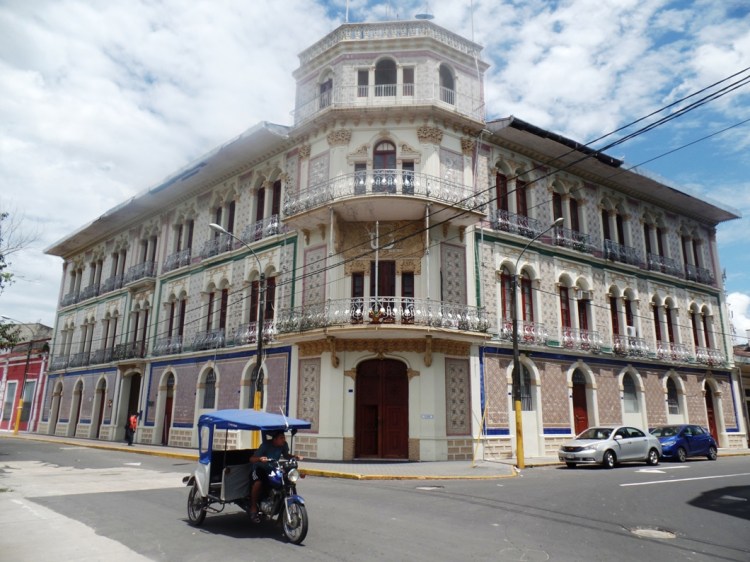
When I arrived in Iquitos I realised that I was there five days earlier than I had expected and had plenty of time on my hands, so I relaxed for a while. The place I was staying – Hospedaje Golondrinas – was owned by a lovely family and it had a pool. Most of the other gringos I met there were on their way to ayahuasca retreats, and I heard some of their horror stories about experiences with greedy ‘shamans’. It reinforced my conviction to not be a part of it.

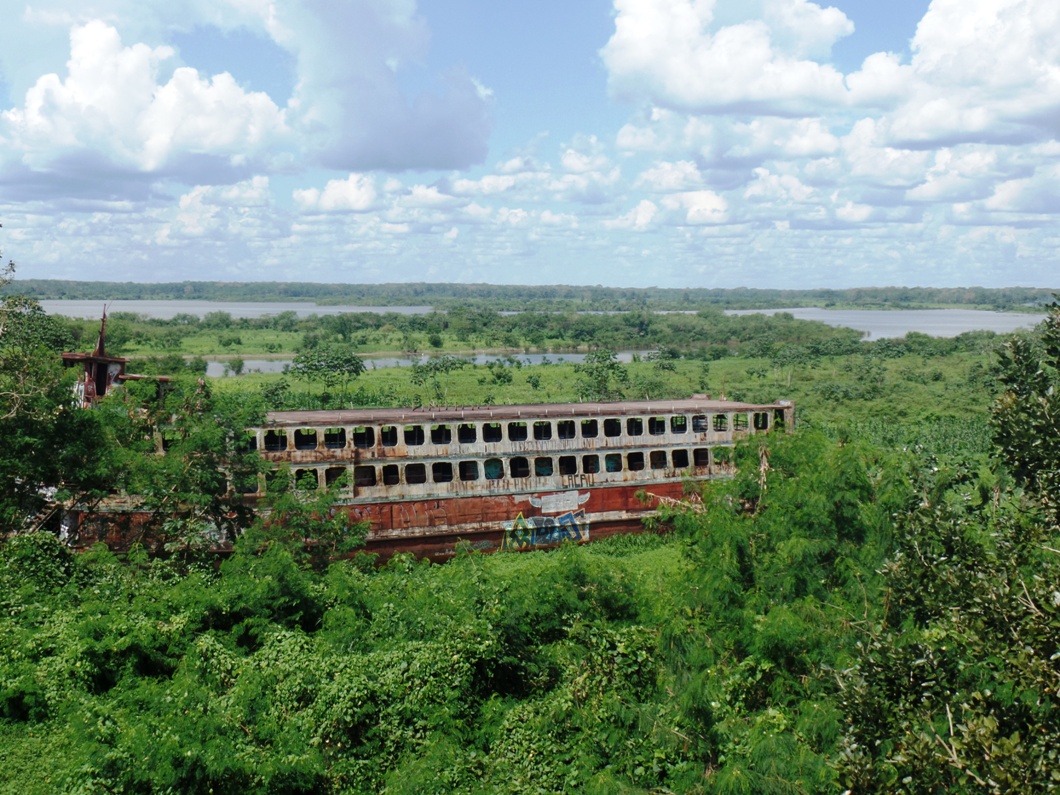
Iquitos is a little rough around the edges, but it does have a certain charm about it. The bank along the Amazon river has a promenade and it is lined with old abandoned boats which have been left to rust. Belén – a shanty town, further upstream – is rather grim in places but is host to the cities’ biggest market. Iquitos also has some attractions just a stone’s throw away, and I visited many of them at a leisurely pace during the days which followed. The Museum of Indigenous Amazonian Cultures had a collection of tribal regalia along with a great wealth of information. I chose to miss the infamous zoo at Quistococha, as I had heard bad things about the conditions its animals are kept in, but I did go the Manatee Orphanage, which was also home to otters, caimans, capuchins, turtles and lots of birds.
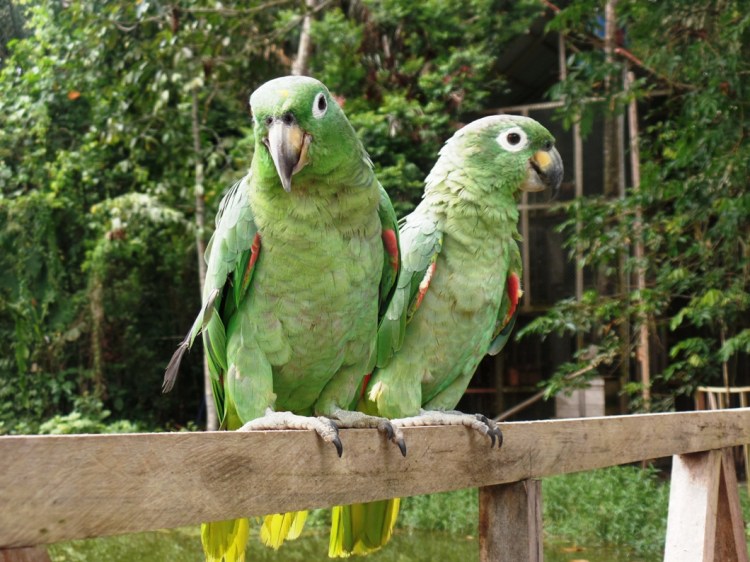
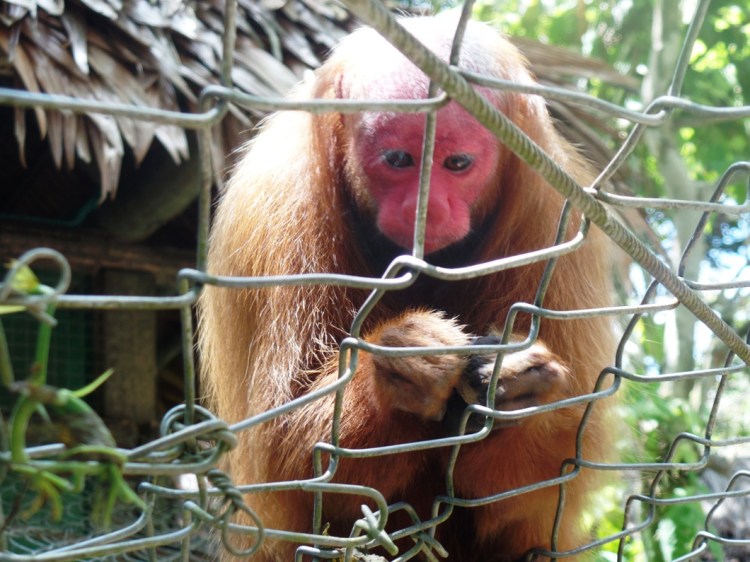
Pilpintuwasi Butterfly farm was just a short boat ride away and I got to see some Amazonian villages on my journey there. Run by an Austrian woman who started out small but expanded it over the years, it is now a refuge of many acres and to dozens of animals such as red uakari monkeys, ocelots, macaws, and even a jaguar.
My real reason for coming to Iquitos though was to venture into the jungle, so I signed up for a tour with Jungle Wolf Expeditions, which are owned by the same family I was staying with.
For more photos from Iquitos, click here.








 Tej Turner