Travelblog SA#10: Cajas National Park – Ecuador

12th-14th August 2018

I am much more kitted out for this trip than my previous ones. I have a tent, camping stove, sleeping bag, and all the other gear needed to go off-grid, but I have hardly used them so far as they are mostly intended for when I reach Patagonia. Until then, there are only a few opportunities to put them to good use, one of them being Cajas National Park.

So, leaving most of my possessions at a trusty hostel in Cuenca and gathering all I needed for a few days away from civilisation, I hopped on a bus destined for this unique part of the Andes.

2.JPG

When I arrived at the station, I was very surprised when the ranger told me they had a basic kitchen I could use and also that, for no extra cost, I could sleep in one of their bunk beds in the cabin. A part of me was disappointed – and I was tempted to stay in my tent anyway, as I had been excited about using it out for the first time – but, considering the fact Cajas sits on an altitude of 4,000 meters and that, at night, temperatures drop below freezing, I saw no merit in putting myself through discomfort to prove a point.
4.JPG

Once I dropped my things off into the cabin, I put on my coat and began exploring.

SAMSUNG CAMERA PICTURES

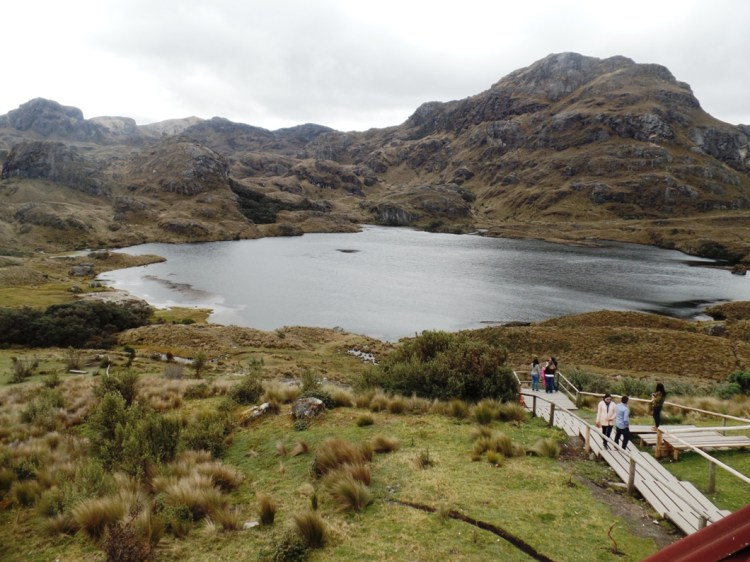
Beginning with a stroll around Laguna Toreadora, which was right outside the station, I met a group of Americans along the way and we wandered along a trail. Soon, we found ourselves in a strange, eerie, almost Tolkeinesque forest.

SAMSUNG CAMERA PICTURES

These trees are actually a form of quinua polylepis, which are specially adapted for this terrain, and Cajas’ forests, which only exist in little pockets where the curvatures of the mountains protect them from the brunt of the winds, are among the highest altitude in the world.

3.JPG

But it is not just the forests which are strange about the Cajas; the entire páramo is home to all kinds of unique flora, including shrubs, grasses, fungi and plants. And, with almost eight hundred lagoons dotted across its surreal, green landscape, over 150 species of bird can be spotted here.
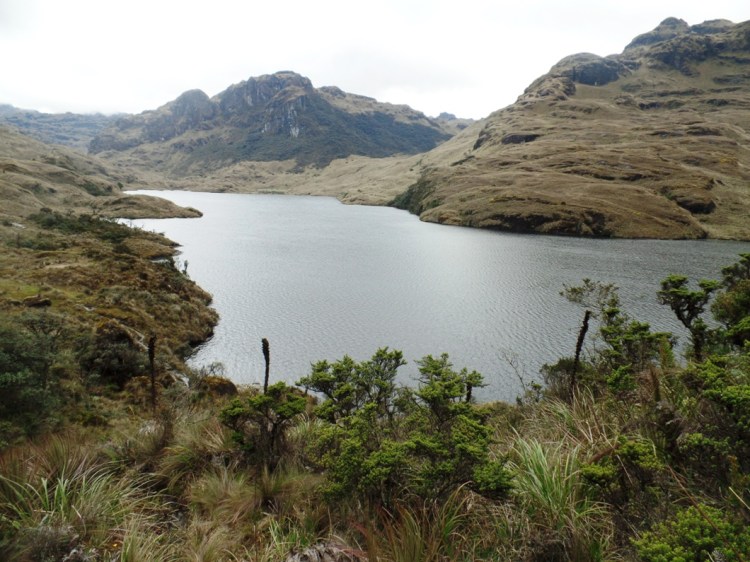
SAMSUNG CAMERA PICTURES

After my first day of wandering around some of the smaller trails close to the headquarters, I made myself soup for dinner and got into my sleeping bag early, as the temperature plummeted. The winds made the cabin rattle during the night as I drifted in and out of sleep.
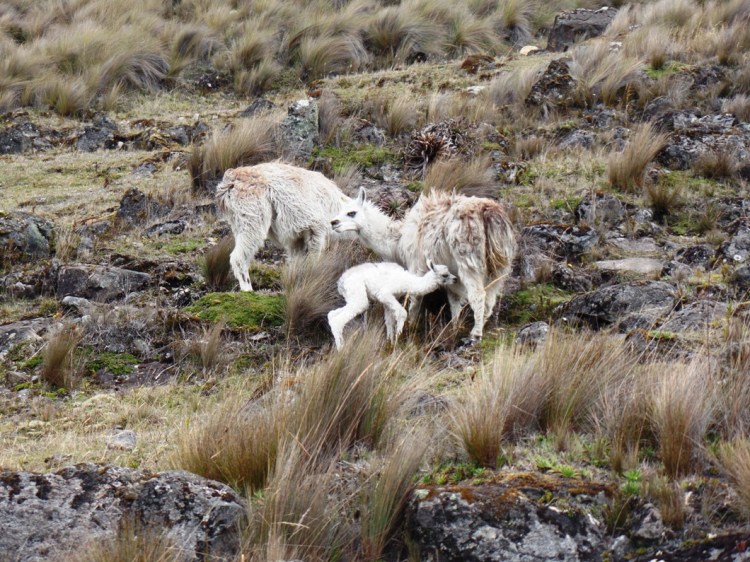
SAMSUNG CAMERA PICTURES

The following morning, I left early. I had already negotiated with the rangers which of Cajas’ many trails I was permitted to go alone and we agreed upon a route which was satisfyingly challenging, and yet well enough marked to have a small chance of getting lost. People do get lost in Cajas, so the rangers are very safety conscious, but they can also be flexible if you have the right attitude and approach them in the correct manner. I found them very accommodating – and I guess that was because I turned up early, had all the right gear, and seemed like I knew what I was doing – but I witnessed a completely different side to them with some of the other people who showed up. A group of youngsters were sternly forbidden to even walk to the nearby lagoon because they came late in the day, dressed in completely wrong attire and generally seeming like they had ventured to the park at a whim. And a pair of girls turned up one evening who actually did have all the right gear with them, but the ranger who was on duty was very rude to them and only let them set their tent up in the car park after a long altercation. He did not offer them to bunk in the cabin or tell them about the communal kitchen either. So my advice for any readers considering going to Cajas; make sure you turn up early and are prepared.
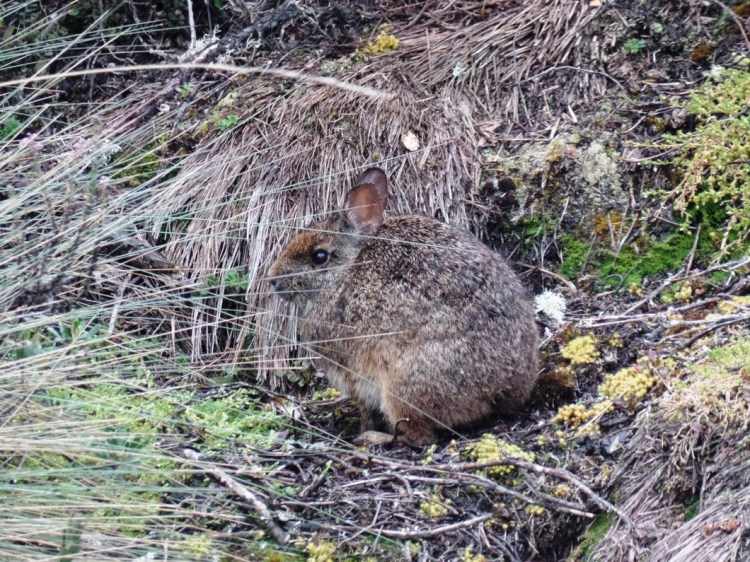
SAMSUNG CAMERA PICTURES

As soon as I left the cabin I saw a wild Andean rabbit, and I stopped to take some photos of it before I made my way towards the trail. I had to walk along the road for a little while, but then I saw the trailhead and turned off, making my way up to the ridgeline of a series of mountains.

SAMSUNG CAMERA PICTURES

Once across, I found myself looking down into the heart of Cajas National Park. The headquarters, road, and all other signs of civilisation were far behind me, and the only sounds were the wind and occasional bird.
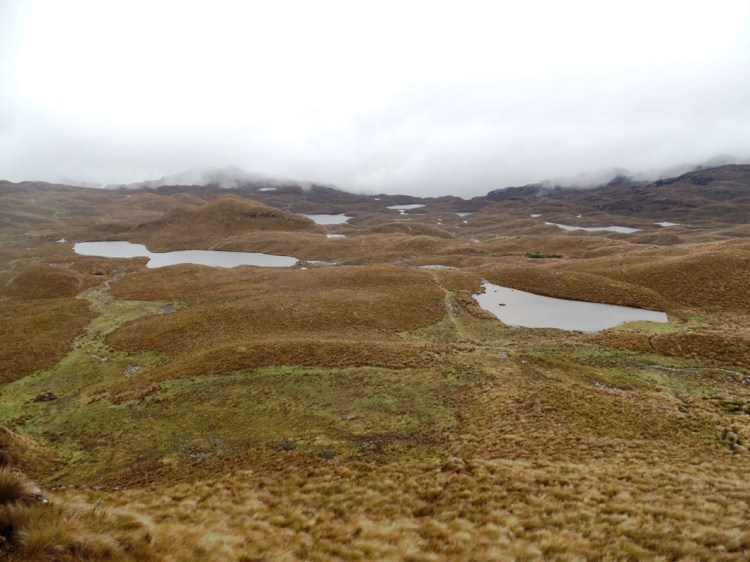
SAMSUNG CAMERA PICTURES

The trail snaked between a series of lakes, and then an hour or so later I reached a valley and followed the course of a river as the trail plunged into lower reaches of the plane, with mountains and waterfalls all around me.

13.JPG

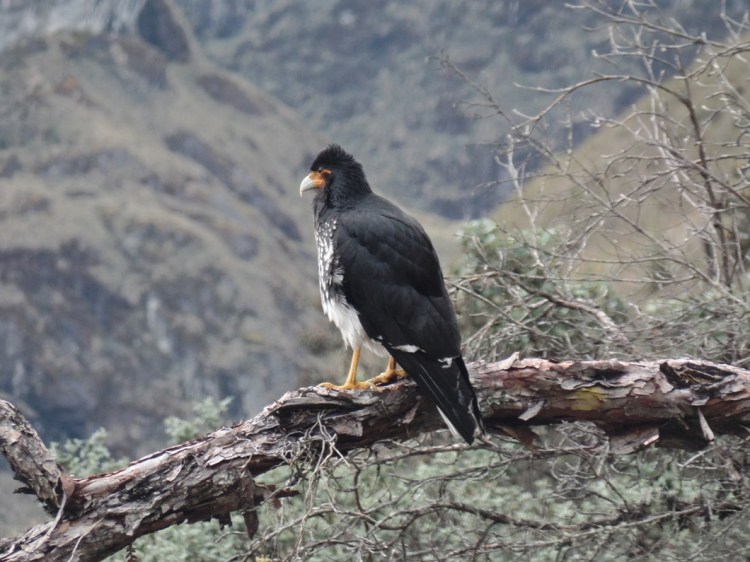
At one point I saw a wild fox, but I didn’t manage to get my camera out in time to get a photo of it. I did, however, catch a few snaps of this falcon.
SAMSUNG CAMERA PICTURES

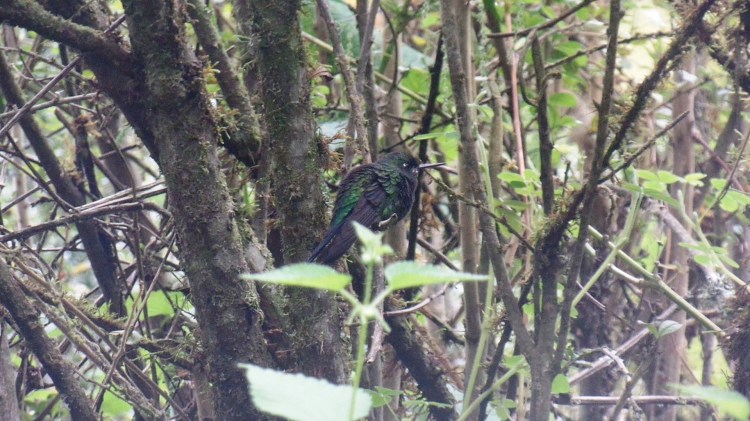
And also, later on, a hummingbird. I saw dozens throughout my time there but this was the only one which stayed still long enough to get a picture.
SAMSUNG CAMERA PICTURES

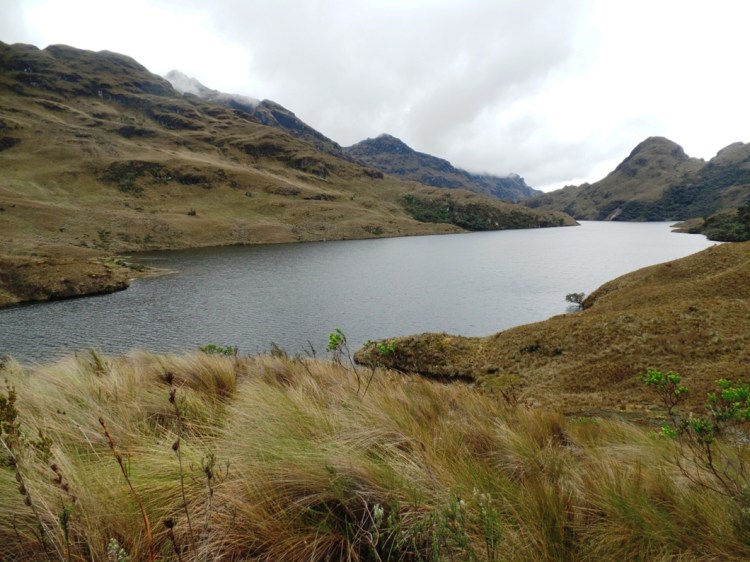
I arrogantly believed that, as this trail was mostly descending in elevation rather than ascending, it would be easy, but I was mistaken. A lot of it was very boggy and steep. Towards the end of the day, progress became slower as I had to be really careful to not trip. To have an injury in this wilderness could be very unfortunate, as I hadn’t seen another soul all day. I reached laguna Taitachugo later, and had to climb up one last ridge before I descended through a forest into another valley. The climate warmed.
SAMSUNG CAMERA PICTURES

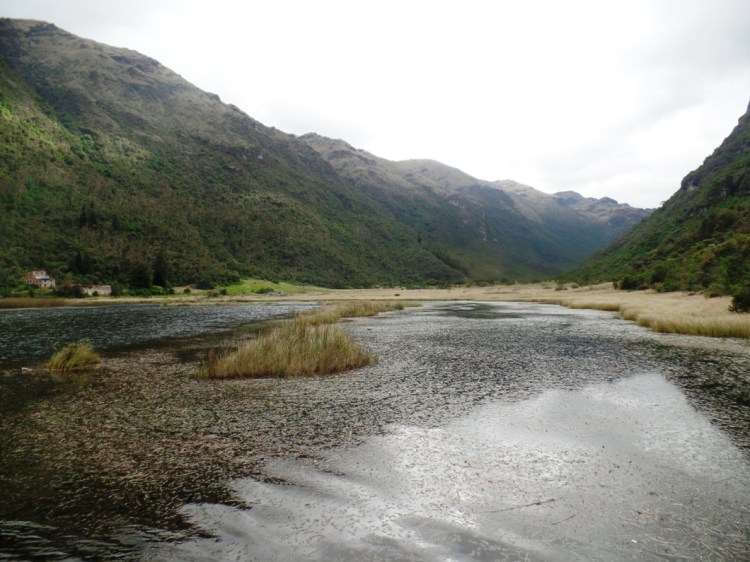
When I finally reached the end of the trail, it was late in the afternoon and I was at a lake filled with birds. This was another campsite and I called into the office there to let them know that I was fine and had finished the trail. Then, I made my way to the road nearby and flagged down a passing bus to the main headquarters.
SAMSUNG CAMERA PICTURES

By the time I reached the cabin back at Laguna Toreadora, it was almost dark and I was tired. I made myself some supper and went straight to bed. I left Cajas the next morning and returned to Cuenca.


For more photos from Cajas National Park, click here.

Travelblog SA#9: Cuenca – Ecuador

9th-11th August 2018

The southern capital of Ecuador, and also – due to its colonial architecture – a UNESCO city, Cuenca is often compared to Quito.

SAMSUNG CAMERA PICTURES

I spent my first couple of days there touring its churches and museums, beginning with its new Catedral de la Inmaculada Concepcion, which was structurally impressive but somewhat lacking in character. I then went on to the Museo de Arte Moderno, which had some impressive installations but wasn’t very big, and I finished wandering around it in just a few minutes.

SAMSUNG CAMERA PICTURES

The Museo del Banco Central Pumapungo had a pleasing collection of antiques, art, ethnographic displays, and its grounds are also home to some modest Inca ruins, but I wasn’t too keen on its aviary, as some of the birds were in cages which were way too small.

SAMSUNG CAMERA PICTURES

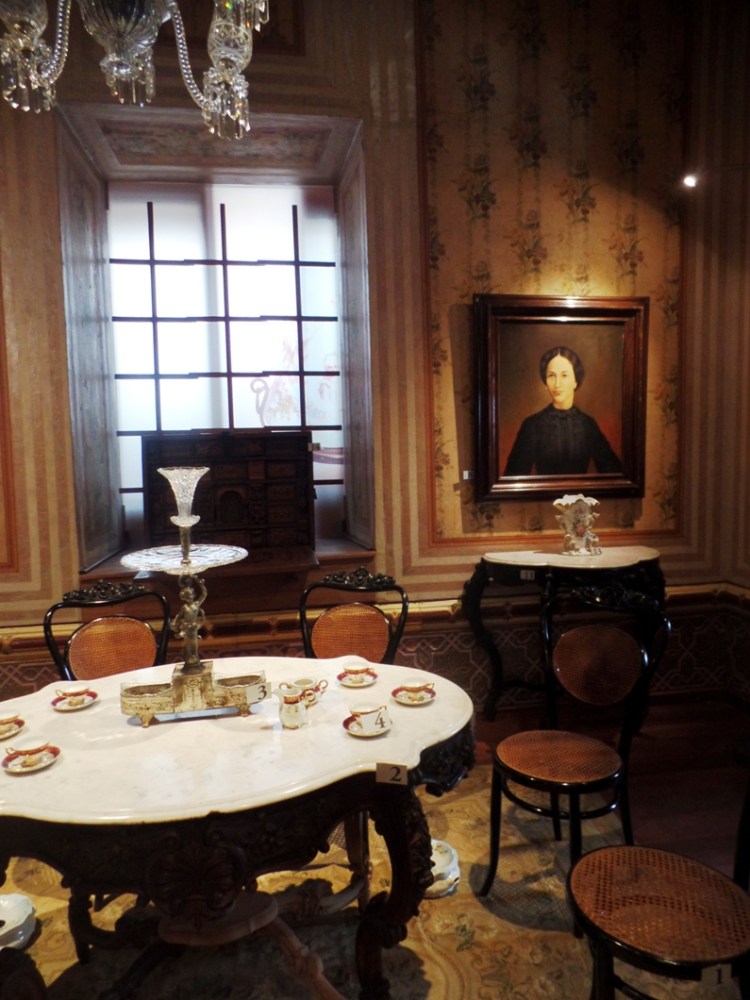
I also visited the restored home of Ecuadorian writer and lawyer Remigio Crespo Toral, but none of its displays were in English so my time there was rather superficial and I just enjoyed looking at all the pretty things inside.

SAMSUNG CAMERA PICTURES

Overall, to be honest, I think that if one has to compare Cuenca to Quito, Quito certainly has much better museums and churches. What Cuenca does have the edge on is pretty much everything else. Its streets are cleaner and better maintained. Its restaurants, shops and markets have better variety. It has a nicer atmosphere, and you can wander the streets of its historic centre at night and feel completely safe. It has a river running through the centre which they have turned into a park lined with trees. And Cuenca is also, much cheaper than Quito, for food, accommodation, and entry fees.

SAMSUNG CAMERA PICTURES

I made two friends called Fernando and George, and we went on a day trip to Ingapirca. It was that day I felt that my Spanish crossed into a realm where I would deem it ‘conversational’, as I was speaking with them most of the day and they were very patient with me, correcting mistakes and teaching me new words.

SAMSUNG CAMERA PICTURES

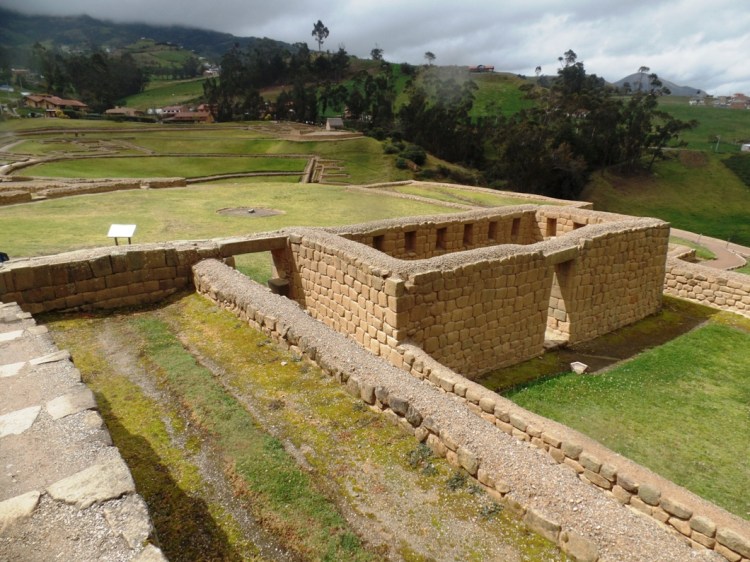
Ingapirca is no Machu Picchu, but it was certainly a good introduction and interesting to see. My only complaint is that it felt like we were rushed through them during the compulsory tour and the guides were not very sympathetic to English speakers, as there were some signs giving information in English but they didn’t give me many chances to wander over and read them between being rushed to different points. I only understood about 40% of what she explained because I don’t have a huge vocabulary yet.

10.JPG

That said, I was the only English speaker present, so it would be a bit unreasonable to expect them to slow everything down just for me, and I also understood why they took us around so swiftly when I came out later on and saw the queue. We were among the first to arrive that day, and it had been quiet, but during midday, Ingapirca seems to get lots of visitors for such a small site.

SAMSUNG CAMERA PICTURES

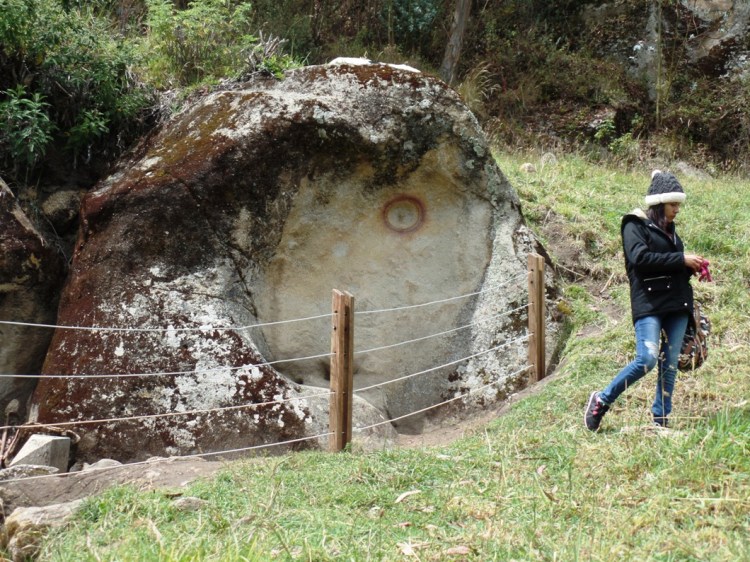
Afterwards, there was additional trail which meandered around the nearby valley, where the Incas have left other remnants. One of the most interesting was this ritual engraving of the sun into a rock.

SAMSUNG CAMERA PICTURES

And also this likeness of a face within the mountain, said to be held sacred to generations of animist farmers.

SAMSUNG CAMERA PICTURES


If you would like to see more photos from Cuenca, click here.

Travelblog SA#8: Tena – Ecuador

6th-8th August 2018

Having left Merazonia, which had been my home for almost six weeks, it felt strange to be back on the road again. I was no longer a volunteer but, once more, a backpacker. The transition was somewhat diluted because on the day I left some of the other volunteers were heading to Puyo to run some errands, so I was given a free lift to the bus station, where I said my farewells and climbed onto a bus to Tena.

2.JPG

Tena was a bit of a strange experience for me. Not at all what I had been expecting. My original reason for venturing there was because I believed I had a space on an ayahuasca retreat nearby but, shortly after my arrival, I found out that it had fallen through due to a rather scatty shaman’s miscommunication, and they no longer had space for me. I was disappointed, but maybe it happened for a reason and that centre just wasn’t meant for me. Taking part in a ceremony is on my bucket list of things I want to do by the end of this journey. I had already decided I didn’t want to do one in Iquitos – the place in Peru, which is most famous for it – as I did some research (as well as watching The Last Shaman, a documentary I highly recommend) and it seems that the ayahuasca industry there has become very touristy and inevitably been corrupted by greed, so I now have my sights set upon a centre in Bolivia.

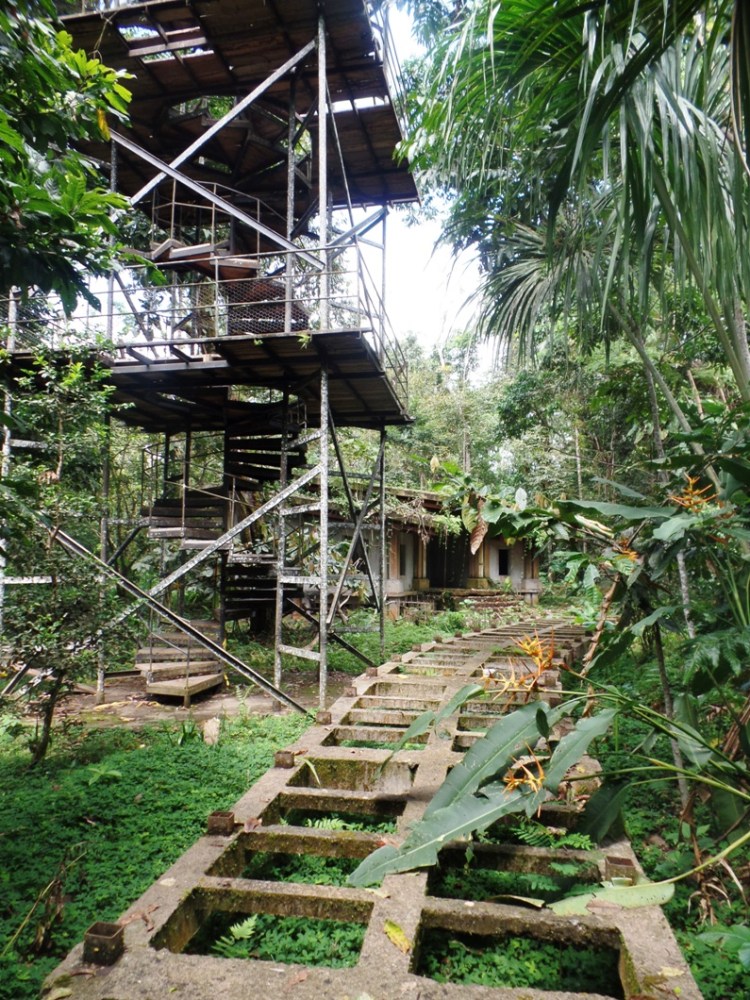
Despite this upheaval to my plans, I made the most of my time in Tena. Travel guides speak of the Parque Amazónico – an island within the river, which is home to a series of local plants and animal enclosures – but I guess they haven’t kept up with their research, because I arrived to find the place abandoned and, from the look of things, for quite some time.

SAMSUNG CAMERA PICTURES

But I actually thought of this as a nice surprise. I love scenes like this. It simultaneously conjures feelings of melancholy and awe to witness the tenacity of nature, and know that nothing is permanent. Eventually, everything withers and is replaced.

SAMSUNG CAMERA PICTURES

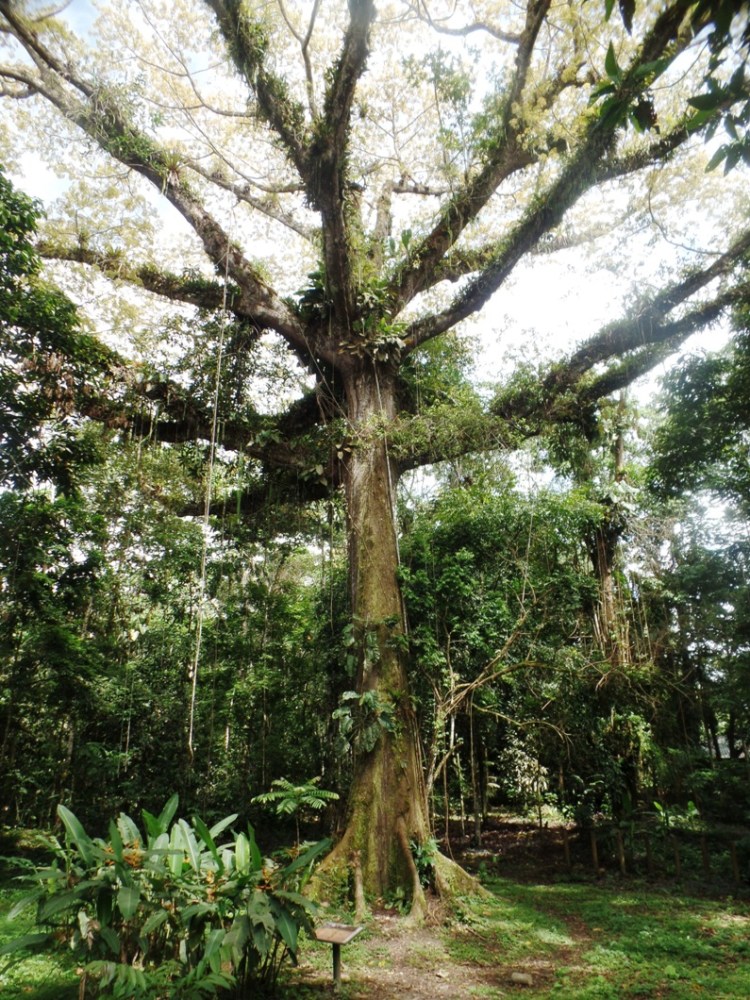
I also saw one of the most beautiful trees I have ever glimpsed. A ceibo, which are known as the ‘grandparents of the Amazon’ not only for the colossal size but also because as they grow they become hosts to all kinds of flora and fauna, and each one is a mini-ecosystem in itself.

SAMSUNG CAMERA PICTURES

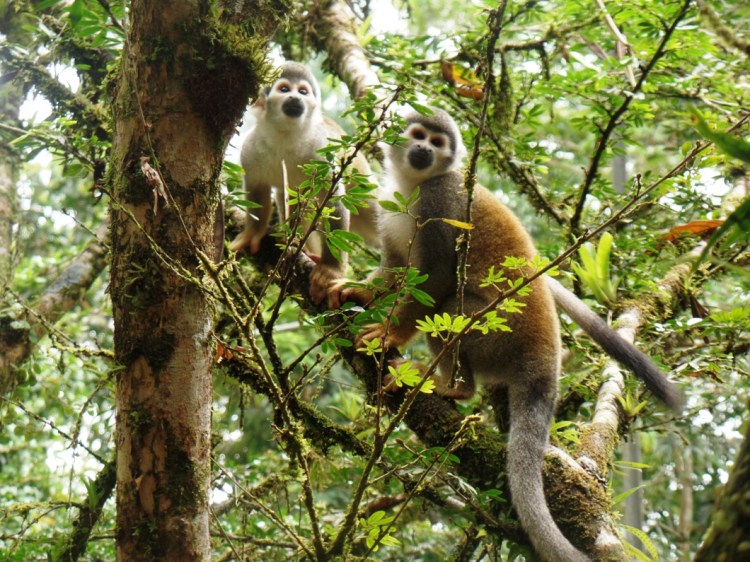
I also saw lots of birds. But they were all either too fast or far away to get a decent picture of them. I did, however, get some half-decent snaps of squirrel monkeys.

SAMSUNG CAMERA PICTURES

On my last day in Tena, I went on a day trips to AmaZOOnico as I thought it would be interesting to see a larger centre with a slightly different approach to the one I volunteered at. AmaZOOnico holds two licences, as both a refuge and a zoo, so it accepts visitors.

Unfortunately, when I arrived it was pouring down with rain, so I didn’t get to see too many of the animals, and the ones I did see I don’t have photos of. This was of no fault to AmaZOOnico, of course. I was quite impressed with the place. Being both a zoo and a rehabilitation centre can be a recipe for a conflict of interest, but they seem to tread the balance well. The animals which still have a chance of being released are kept away from the public.

SAMSUNG CAMERA PICTURES

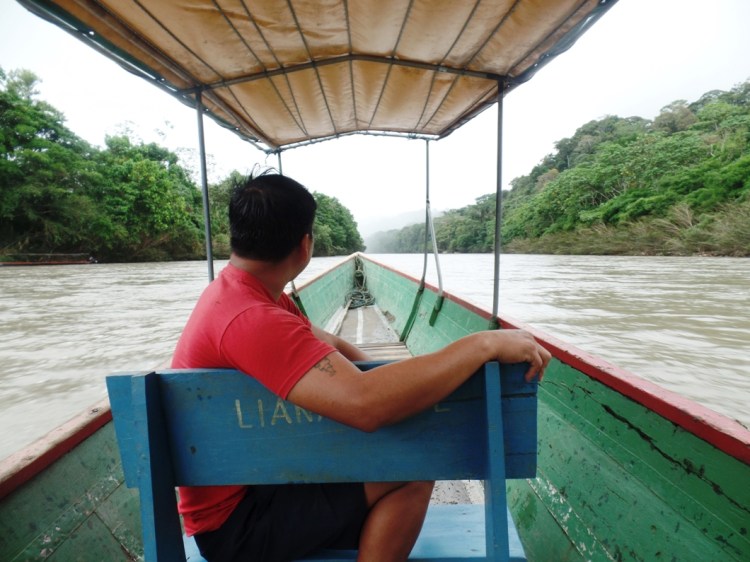
I rather enjoyed the journey to AmaZOOnico too; catching a rickety local bus which skirted along the Napo river, past some Amazonian villages, followed by a short boat passage where I got talking to a pair of men and surprised myself with how much Spanish I knew.

SAMSUNG CAMERA PICTURES

Later that afternoon, I gathered my things and caught a bus to Baños, feeling a little wistful as I went past Mera. I bumped into some of the friends I made at Merazonia when I arrived at Baños (they were on their day off) and we caught up for a while just before I hopped onto another bus; this time, an overnight one destined for Cuenca.


For more photos from Tena, click here.