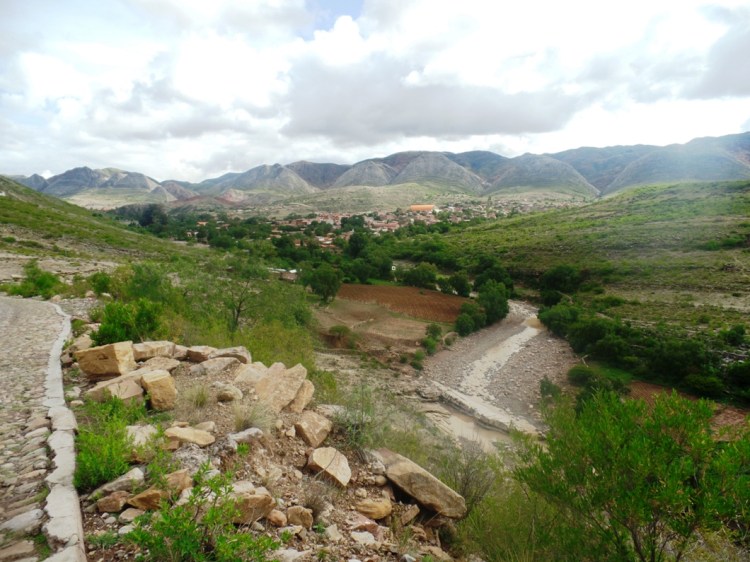
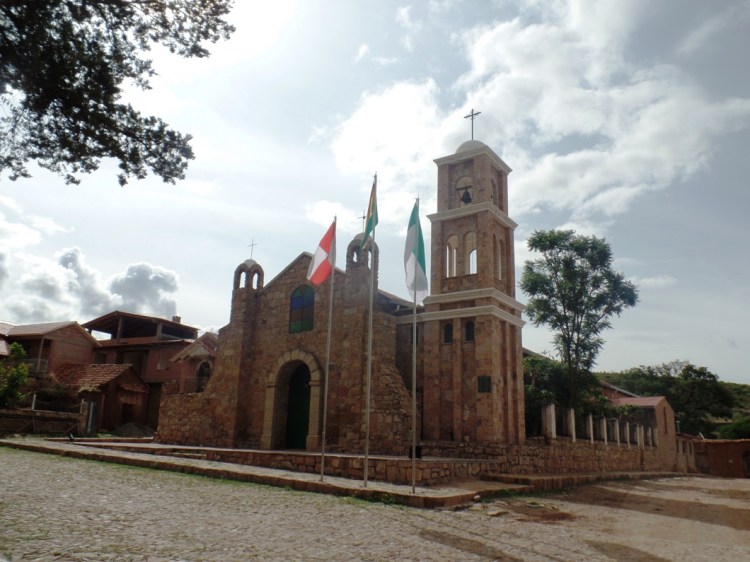
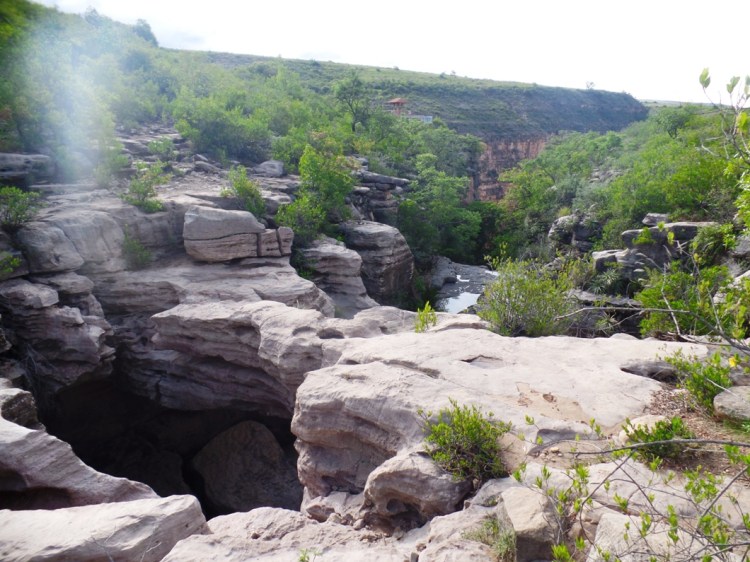
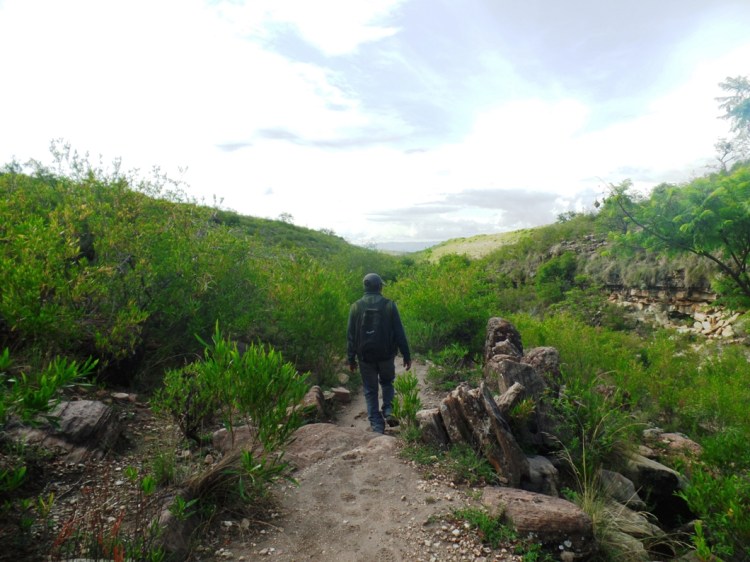
Travelblog SA#31: Cochabamba, Sucre & Potosi – Bolivia

23rd-30th November 2018

Coming to Cochabamba felt like my travelling had come full circle because it is possibly because of this place that I am in Bolivia now. Years ago, I watched a documentary called The Corporation which covered the story of how the people of this city rioted in against the rise in their water rates shortly after their supply was privatised in 1999. It escalated over the course of several months and the army had to be called in. There were several injuries and even a death but the people never backed down and eventually won. To this day, Bolivia remains one of the few countries in the world to retain a publically-owned water supply.

I remember feeling inspired because I saw a nation whose people had something that my own country lacks and I wanted to go there one day.

SAMSUNG CAMERA PICTURES

And now here I am. Although, I admittedly didn’t do much during my time in this city. The cold I had been suffering from over the last couple of weeks had gone to my chest and I wanted to rest to make sure I was well enough for the ayahuasca ceremony coming up.

I did go up to see the Cristo de la Concordia one afternoon though. It is the second largest statue of Jesus in the world and it is set within a park overlooking the city. The cable car to reach it was near to my guesthouse so it was a nice way to spend a couple of hours.

SAMSUNG CAMERA PICTURES

Eventually, the night of the ceremony came. I still had not got over my cold but decided to go ahead with it anyway. It was in a house on the outskirts of the city and there were about a dozen other people there, most of them locals from Cochabamba.

The shaman was a man called Miguel Kavlin, and he has been a practising scared medicine for several decades. He spoke to us for a while about some of the experiences we were likely to have before the ceremony began and then commenced with a long period of meditation and prayer. We were each called up to imbibe some of the liquid.

What happened over the hours which followed I will not go into too much detail, as it was very personal. Almost everyone who drinks ayahuasca will experience contact with spirits and entities. They will also relive moments from their past – some of which they thought they had forgotten – which helped shape the person they are, and they will do so in a way which helps gain a sense of clarity. It is an emotional rollercoaster, but most people come out of it feeling a sense of catharsis.

I cannot compare Miguel to other shamans because this was my only experience with ayahuasca but I can say that I was very happy with the way he worked. When I arrived I was nervous and he said some things to me which put me at ease. He has a very comforting presence about him and he worked hard all night to create a great energy in the room. While I was fading in and out of awareness, between all the visions I experienced that night, he was playing drums and other instruments and their rhythms helped ground me.

SAMSUNG CAMERA PICTURES

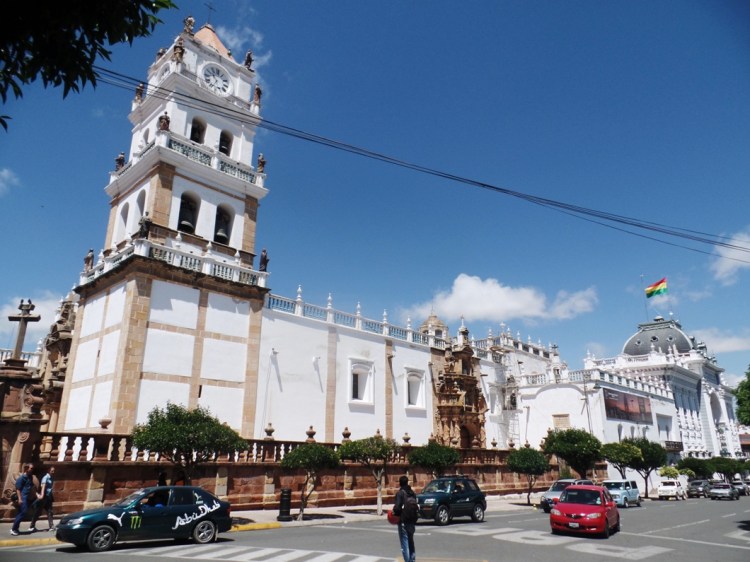
I didn’t sleep at all the night of the ayahuasca ceremony and then the following night I caught a bus, so I was very tired by the time I reached Sucre. It was a great place to kick back and rest, having well-maintained colonial streets, a laid-back atmosphere and lots of great restaurants.

SAMSUNG CAMERA PICTURES

After resting, I spent a couple of days touring around Sucre’s museums. The Cathedral and the Museo de Charcas had great collections of colonial religious art, and I also particularly enjoyed the Museo de Arte Indigena which had old lots of old tapestries which were excellently crafted. There are some outdoor activities one can embark upon from Sucre, including day trips to mountains and waterfalls, but I was quite happy to spend my days there languidly. My mind was still contemplating a lot of the things that I saw during the night of the ceremony and it was going to take me a while to feel ‘normal’ again.

SAMSUNG CAMERA PICTURES

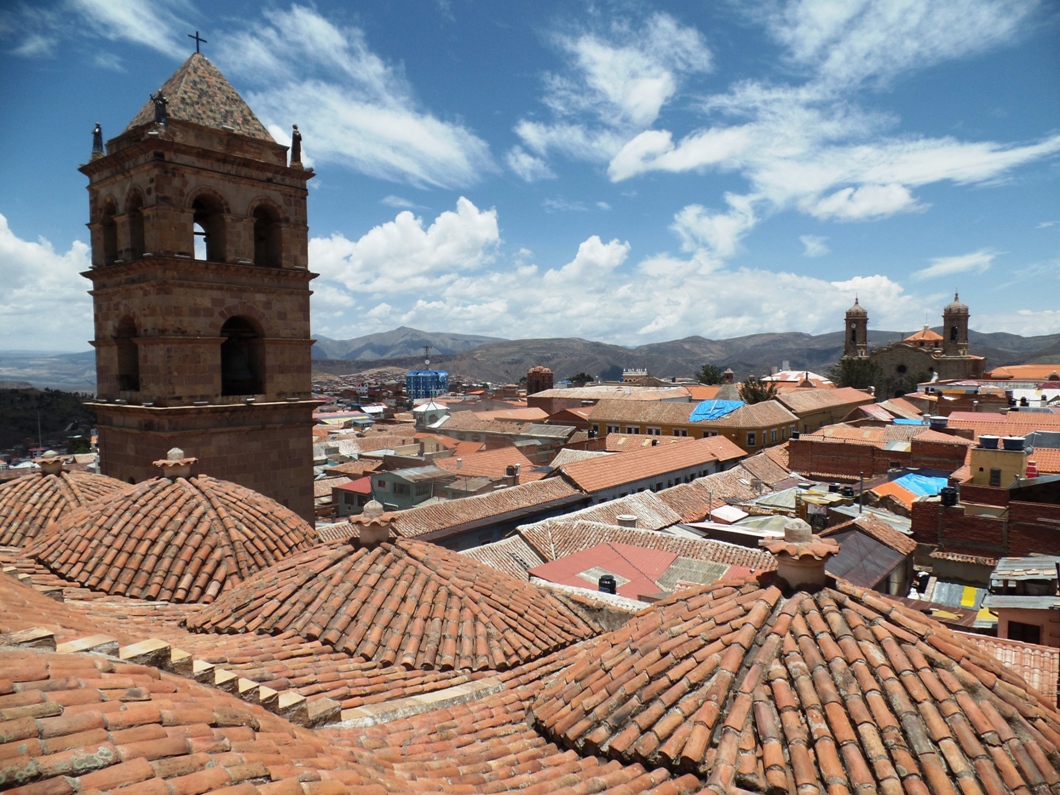
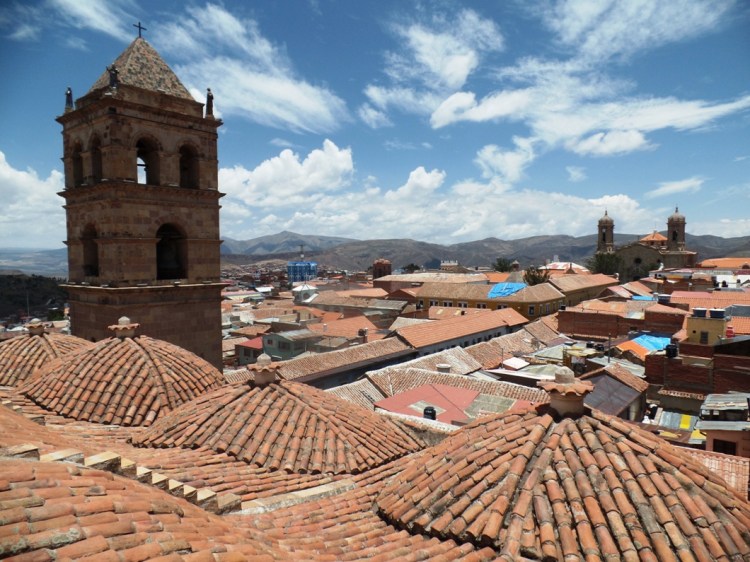
After a couple of days in Sucre, I moved on to Potosi, one of the highest altitude cities in the world. It is a historic place, nestled beneath Cerro Rico, the world’s largest known silver deposit which people have been mining for over four hundred years.

SAMSUNG CAMERA PICTURES

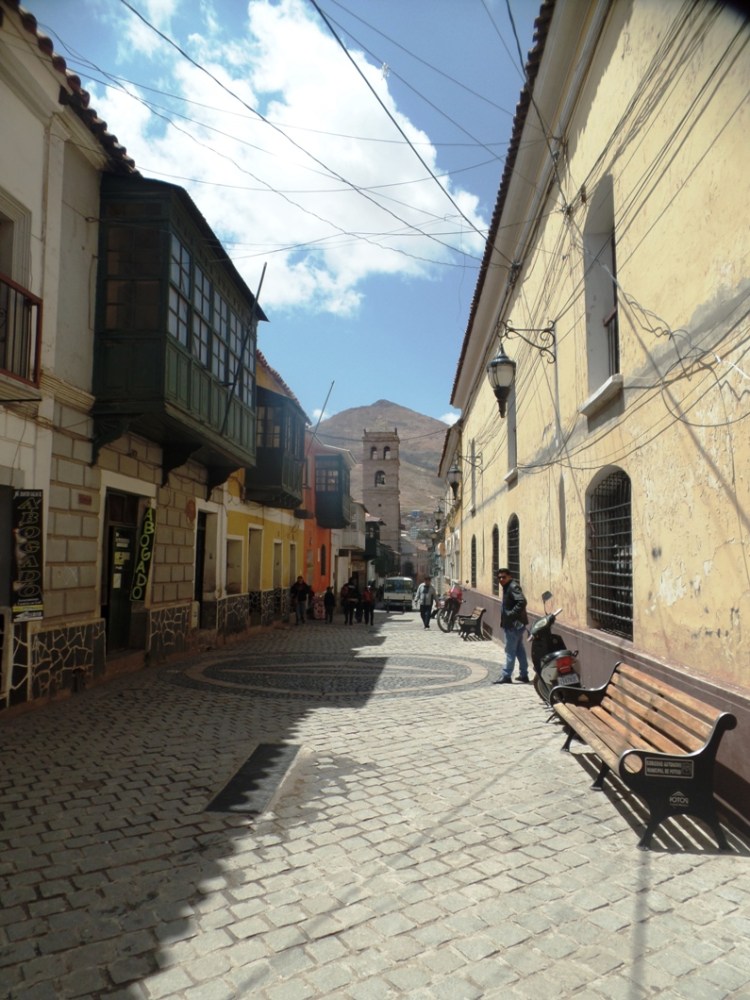
I spent my first couple of days in Potosi still pursuing light activities. I had to acclimatise again as I was at 4100 meters. I wandered through its UNESCO awarded streets and I visited its Convento de Santa Teresa, which has been home to Carmelite nuns from affluent families for centuries and is now also a museum.

SAMSUNG CAMERA PICTURES

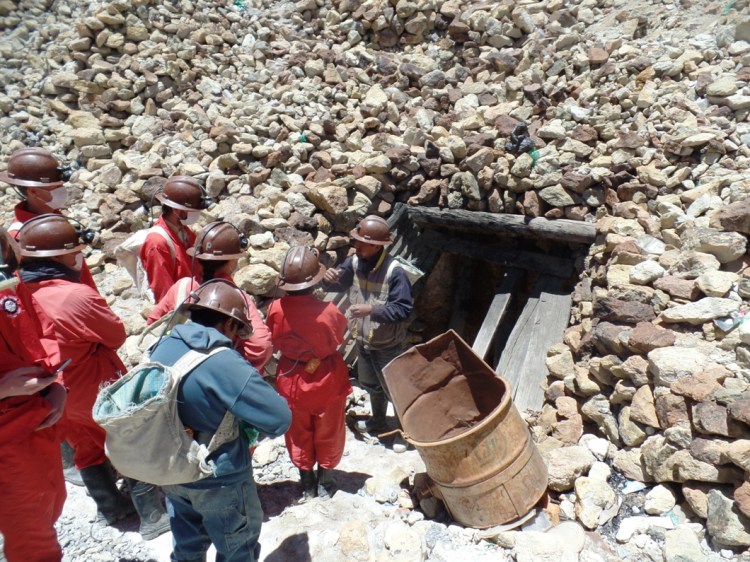
A visit to Potosi isn’t complete without going down the mines though. It is not one of those things you do for enjoyment but it is illuminating and part of the experience of Bolivia. There are some dangers involved, as the mines still largely operate the same as they did hundreds of years ago, so you are at a slight risk of cave-ins and breathing in noxious gases.

SAMSUNG CAMERA PICTURES

First, we all needed to be kitted up in red over-garments, rubber boots, and helmets. We even had to wrap our feet in plastic bags for some reason. Our guide then took us to the market so that we could buy snacks, drinks, dynamite and coca leaves as gifts for the miners. It was surreal seeing how easy it is to buy dynamite in Potosi. It only costs $3 a stick and you can buy them alongside groceries.

SAMSUNG CAMERA PICTURES

In the first few minutes descending into the caverns, a couple of the people in the tour turned back. Apparently, that is normal, and I could understand why. The initial tunnels were quite narrow which forced us to climb and crawl, and the air was dusty. All the silica in the air combined with the altitude makes it difficult to breathe.

SAMSUNG CAMERA PICTURES

Despite this being one of the most gruelling work environments in the world, the miners seem quite proud of their job and fairly happy considering that their life expectancy is so short. Most of them don’t die from accidents but from a condition known as silicosis, where the lungs fill up with the silica dust. They say that once you start working down there you have twenty years before the disease either kills you or forces you into retirement. At one point we met a man who was on his twenty-fifth year, currently the oldest miner.

SAMSUNG CAMERA PICTURES

One of the most interesting things we saw were the effigies for El Tio, a local deity whom the miners leave offerings and pray to daily. I have videos of our guide explaining this tradition to us here.

SAMSUNG CAMERA PICTURES

It is true that there is a slightly voyeuristic element to first-world people paying to be taken on a tour down these mines, but I also feel that if you enjoy some of the trappings of the modern world – such as a smartphone – you owe it to these people to see the price of obtaining the necessary materials. It is sad that these people live such gruelling and short lives but, having lived many of my years in Wales, I know that simply closing these industries down without giving people other means of income is not the answer. I have seen what happens to such communities. I am not going to pretend I am smart or knowledgeable enough to know what the answer is though.

SAMSUNG CAMERA PICTURES

For now, I do think that tourists going for trips down these mines are mostly a good thing. The gifts that they give to the miners help supplement their income and the more people who are aware of the poor conditions, the more likely things are to change. Most of the guides are former miners who have now found a source of income which doesn’t require them to spend as much time down in the caverns so it has probably prolonged their life spans.


For more photos from Cochabamba, Sucre and Potosi, click here. This album also includes much more videos from down in the mines.
If you are interested in taking part in an ayahuasca ceremony with Miguel then you can contact him via email (miguelkavlin@gmail.com) or WhatsApp (+91 82642 44598).

Travelblog SA#30: Torotoro – Bolivia

19th-22nd November 2018

I deviated from my plans this week, and I believe it was a good choice.

Originally, I was supposed to be spending more time in the mountains around La Paz. Hike the Takesi trail, spend some time in Chulumani , and maybe even do what most backpackers seem to be doing these days and cycle down the infamous ‘Death Road’, but my slight disappointment with the El Choro trail made me realise that maybe I was in Bolivia at the wrong time of year for such activities because of the weather. Having lived half of my life in Wales, I am not shy when it comes to a little rain, but getting that wet isn’t worth it with the mist swirling around the Andes at the moment obscuring its views.

I began to look into other options. I needed to be in Cochabamba for an ayahuasca ceremony soon so I read up on that area. A place called Torotoro National Park caught my attention. Not only is it home to canyons, caves, waterfalls, and even prehistoric dinosaur footprints, but there also happened to be a festival going on.

SAMSUNG CAMERA PICTURES

I was pretty tired when I arrived. Getting there involved an overnight bus from La Paz to Cochabamba followed by a walk through the pouring rain to reach the stand where the colectivos for Torotoro left. I was crammed into a minivan with several others and it was a bumpy ride. Although less than a hundred kilometres away, the journey took over five hours.

SAMSUNG CAMERA PICTURES

Shortly after I arrived, I called into the ranger’s office and they told me if I turned up early the next morning and they would match me with a group for a tour of the park. There were still some hours of daylight left and there was a mirador only an hour’s walk away on maps.me so I decided to check that out.

SAMSUNG CAMERA PICTURES

About halfway there, I came across a barrier and a woman in uniform came out to ask me where I was heading. It turned out that I was about to enter a restricted area of the park for which you need have paid the entrance fee (something I had not done yet) and have a guide. I explained to her that I was due to go out on a tour to see the caves the next morning and was just following something I noticed on my GPS.

While we were talking, a Bolivian couple with a guide arrived and the ranger was eventually lenient allowed me to tag along with them. I hopped onto the back of the guide’s bike and we headed into the park.

4.JPG

I am glad I got to have had a guide for this part because it was an enlightening experience. We walked along some of the riverbanks and he showed us dinosaur footprints. Some of many I would see over the next couple of days.

6.JPG

There were some other interesting geological formations along the trail, including a natural stone bridge.

SAMSUNG CAMERA PICTURES

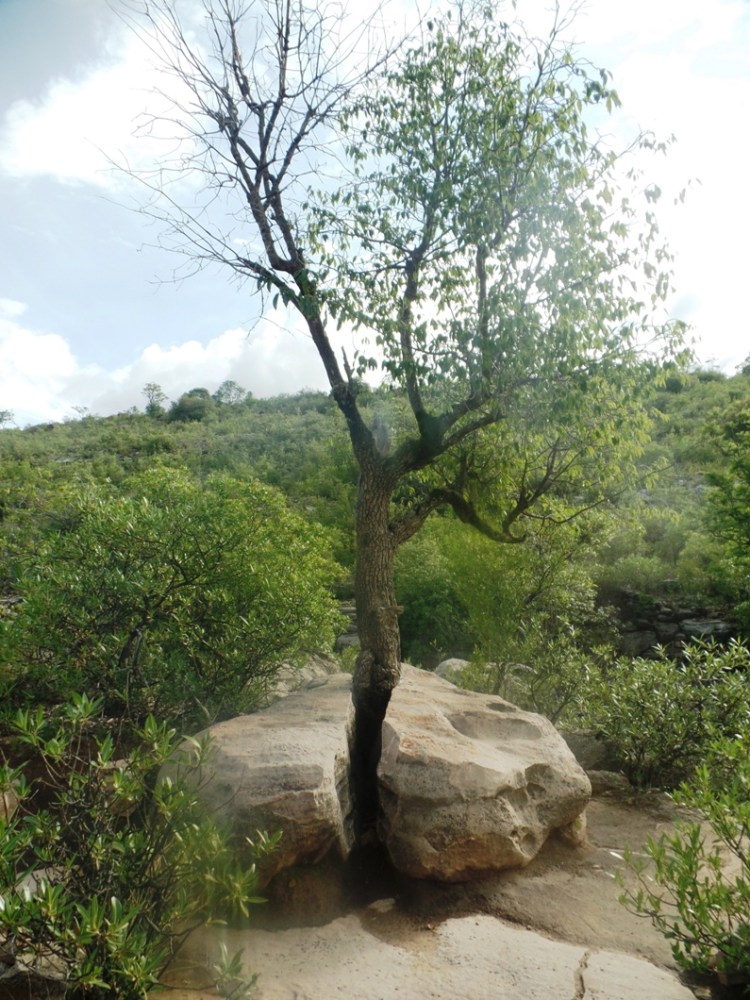
A huge boulder which, over the years, has been split apart by a tree.

SAMSUNG CAMERA PICTURES

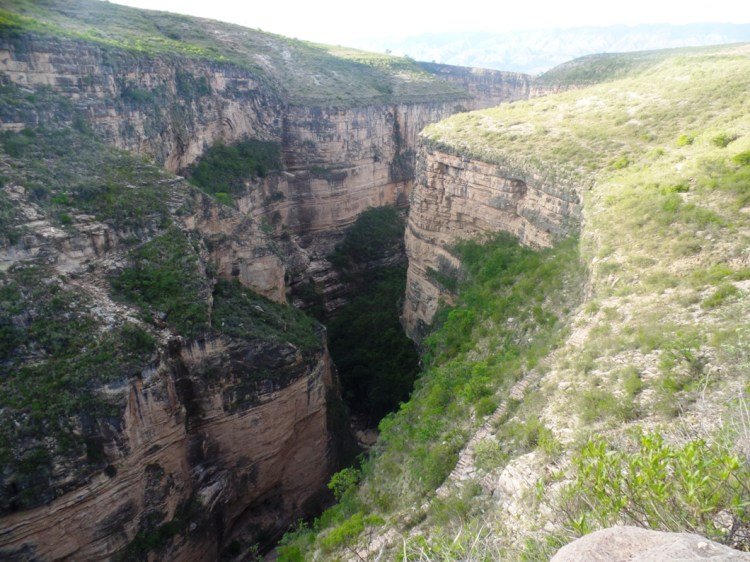
But the highlight was when we reached the mirador of the canyon.

SAMSUNG CAMERA PICTURES

There was another great viewpoint of the canyon a few minutes later too, and we even spotted a group of bright green parakeets.

SAMSUNG CAMERA PICTURES

The following day, I turned up early at the registry office and they put me with a group of French and Spanish people for an eight-hour tour of Cueva Humajalanta and Ciudad de Ita.

SAMSUNG CAMERA PICTURES

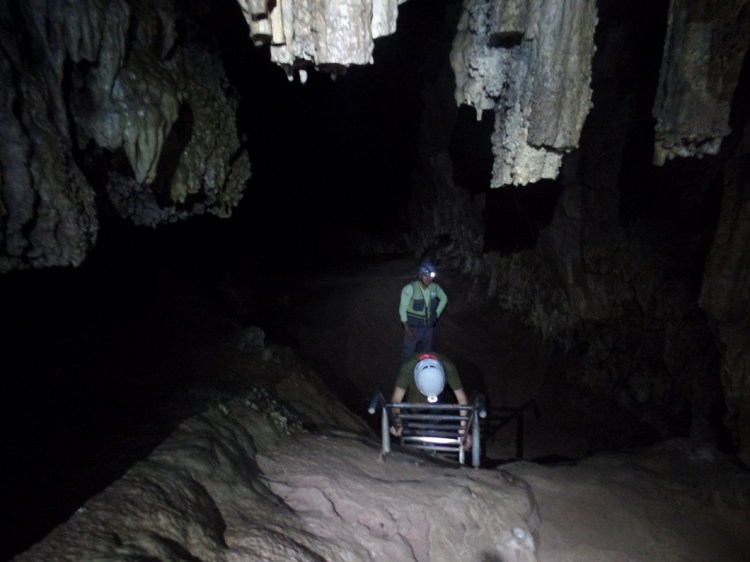
I was a little apprehensive about Cueva Humajalanta. I haven’t done any intermediate-level caving for a while. It is something which I do not do very often because I have moderate claustrophobia.

SAMSUNG CAMERA PICTURES

Most of it was fine though. I have a video here of the worst bit – where I did need some encouragement but I did manage to get through it in the end. It was a two-hour journey through all the chambers and we passed lots of caverns, underground rivers and even a waterfall.

SAMSUNG CAMERA PICTURES

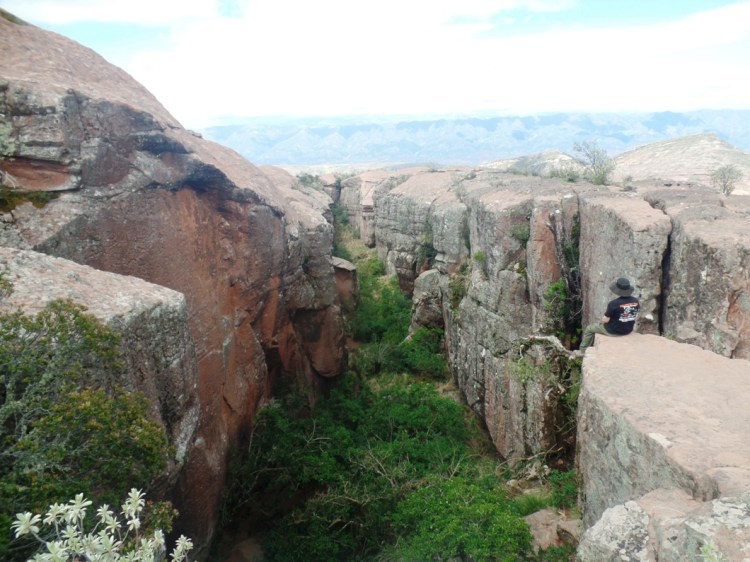
Ciudad de Ita, like its name (‘City of Rocks’), was a metropolis of crazy rock formations, with stunning views of the park’s landscape the entire way.

SAMSUNG CAMERA PICTURES

There were also cave paintings, which our guide informed us were over three thousand years old.

SAMSUNG CAMERA PICTURES

And towards the end, we came across a pair of local musicians filming a music video. They asked the French girl to sit down with them for a while as the song was about a ‘Gringita’. I have videos here.

SAMSUNG CAMERA PICTURES

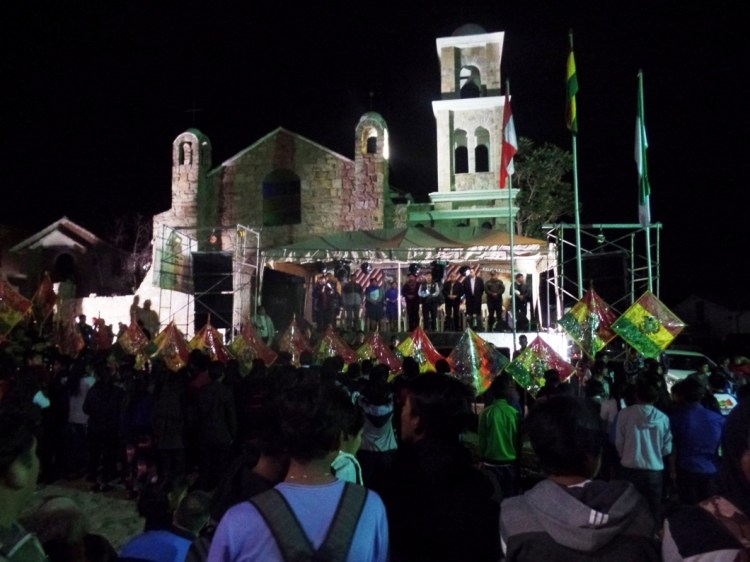
By the time we returned to Torotoro town I was very tired but I it was the beginning of their festival that evening so I forced myself to power on through. It was to commemorate the town’s inception 135 years ago. As evening began to set in, I went to the plaza and waited.

SAMSUNG CAMERA PICTURES

To be honest, this first night to the two-day festival was not too spectacular when compared to Puno Festival (which I went to just a few weeks before and had lots of colourful costumes and dancing). People simply marched in groups, representing the different industries of Torotoro. The tour guides, bus drivers, taxi drivers, farmers, and so on. At one point, fireworks started (which I caught a video of here).

Although it was quite basic, I did enjoy the atmosphere. It was intimate, honest, and I felt very privileged to be there, witnessing this moment of community pride.

For me, the heart and soul of the party that night were a group of men playing harmonicas and drums and looking like they have chewed on far too much cocoa but loving life (videos here).

The following day was a festival too, so I lingered in the town for another day. I was tired and the cold I caught while on the El Choro trek had gone to my chest, so spent the day relaxing in my hostel. I occasionally ventured outside to see what was happening. There was a bit of activity in the streets and preparations were being made. I asked some people what time the day’s events started, and one person told me midday and another said 3pm. I went back to my room, eventually hearing a brass band at 11:30. I rushed outside and there was a parade going on. I followed it to the plaza, but there was no costumes, dancing or anything too interesting going on. It seemed to be just a repeat of the previous day, with people merely marching.

I began to think that maybe this day was going to be a write-off, but then at 6pm I heard sounds again and rushed outside, finally seeing the sort of festival I came here for – filled with music, costumes, dancing and everything (I have videos of the highlights here, but there are a lot more in the full album which is linked below).

SAM_2850_Moment.jpg

For a place which wasn’t even on my original itinerary, I am very glad I came to Torotoro. Not only did I get to see a unique landscape which I had never seen anything like before but I got to witness village life and a festival.


I have more photos of the national park and also plenty of videos from the festival here.

Travelblog SA#29: El Choro Trek – Bolivia

13th-15th November 2018

Dropped off by the shore of Laguna Strellani with a backpack full of camping gear and all the food I will need to eat for the next few days, I was at the beginning of the El Choro trek.

SAMSUNG CAMERA PICTURES

After passing through a car park full of tour groups getting their bikes ready to ride down the ‘World’s Most Dangerous Road’, I reached the ranger station where I signed in. I noticed that there didn’t seem to be too many other entries in the book in recent days. I had heard this was a popular hike, but Bolivia does receive significantly fewer visitors than Peru and we were entering the low season.

I began upon the trail, looking forward to the idea that this was a walk where I would get to experience some solitude.

SAMSUNG CAMERA PICTURES

At around 4,500 meters altitude, the air was thin and I was rather breathless on my way up the pass. Once there, I was engulfed by clouds, totally obscuring – what I guess to be – the amazing views at the top, but I guess you can’t always win them all.

SAMSUNG CAMERA PICTURES

From the pass, the trail snaked down into the valley. Eventually, I reached a green meadow where there were some old ruins and a woman was herding llamas. She was the first person I had seen for a couple of hours and I didn’t see anyone else until over an hour later when I reached the tiny village of Chucura, which was the next checkpoint. A man got me to sign my name in his book.

SAMSUNG CAMERA PICTURES

I arrived at Challapampa at around 3pm. The owner of the campsite wasn’t there, but visitors still had access to water and the squat toilet. There were three French guys in the process of setting up their tents. We didn’t speak too much that first evening because I was tired and after making myself a dinner of soup I went straight to my tent to sleep, but I would spend the next couple of days living in their shadow. They were three, and thus sharing the burden of carrying all the gear as well as tasks such as pitching, packing and cooking, whereas I was doing all this alone. They were always a little ahead of me but, because we began the same day and had similar stamina, we ended up staying in the same places.

SAMSUNG CAMERA PICTURES

Shortly into the next morning, I experienced problems along the trail. The whole trek isn’t very well marked but most of the time it doesn’t matter because there is only one way you can go anyway.

When I reached the part known as ‘El Choro’, at first I walked all the way up to a series of huts up the hill. Like most of the dwellings along the trail, they were empty – with it being the rainy season – but I realised I had reached a dead end so I had to turn back. Maps.me seemed to be indicating that the trail was along the bank of the river so I ventured there, clambering along rocks because there didn’t seem to be a defined trail.

I could see on the app that there was a bridge around the corner though. Except that when I reached that location I merely found the remains of one which had collapsed.

This wasn’t a new situation to me. This kind of thing happens a lot in South America, a region of the world which is prone to earthquakes and landslides, and usually, if a new bridge has not been built yet there will be a detour to reach an alternative bridge. I spent the next hour walking back and forth, clambering around banks, venturing back up to the huts in El Choro and even backtracking along the trail for a while because I was convinced I must have missed something, but eventually I realised that I had no other choice but to take off my shoes and try to wade across the river. And pray that there was a trail somewhere on the other side (because I couldn’t visually see one).

I am not being dramatic in saying that it was dangerous. I was almost waist deep, it was a fast running river and the rocks beneath were slippery and I couldn’t see them properly. At one point I almost slipped and I was very conscious of the fact that I was alone and that if something happened to me there would be nobody to help or even know about it.

I did make it to the other side though, but some of my things got wet along the way. After putting my shoes back on, I clambered around a few different parts of the bank and eventually found a way back onto the trail.

I am very disappointed with the people in charge of this trek for this very irresponsible behaviour though. I went through two checkpoints and neither of the people there told me anything about it. Forewarning me would have not only saved me a very frustrating hour of my life but, more importantly, it is dangerous to have no indication of how to rejoin a trail again once it is broken. When people are lost they end up wasting time they may not have the food supplies for and climbing places they shouldn’t be.

SAMSUNG CAMERA PICTURES

The trail went a little uphill after that, through the cloud forest. I encountered another broken bridge an hour later. This time they had improvised a somewhat haphazard replacement but I think that it would have actually been safer to wade this one too, to be honest. When I crossed it the logs were twitching beneath my feet and at one point one of them swerved a little. Someone is going to have an accident on it one day, but luckily it wasn’t me.

6.JPG

I reached San Francisco by mid-afternoon and it was one of the few campsites where the owner was actually present, but I decided to carry on a couple of hours longer to Bella Vista as there was still some daylight left.

SAMSUNG CAMERA PICTURES

When I reached the Bella Vista the three French guys were there and had already set up their tent. I was feeling in a more social mood that evening so I chatted to them more. They had experienced confusion when they reached that river too but, with there being three of them, crossing it was a bit easier.

9.JPG

The third morning I heard thunder as I was packing away my tent and by the time I was on the trail, it began to rain. With it mostly being downhill that day I managed to keep up with the French guys for most of that day. We passed Sandillani, the final campsite of the trail, an hour in and met a Swiss couple who had spent the night there. Of all the campsites, Sandillani was the most beautiful – it had a garden overlooking the valley and lots of little cabins which used to serve several purposes – but it was also a sad place because the Japanese man who built it and lived there for fifty years recently died and the place has begun to fall into disrepair.

SAMSUNG CAMERA PICTURES

It began to rain heavier, so the French guys and I made our way. I put my cover over my backpack but didn’t put my raincoat on as it was fairly warm and I had not showered for a few days so I would prefer to be wet and refreshed than sweaty and clammy.

I didn’t get to take any photos for the rest of that day because my camera was stored safely within my backpack. It was pouring with rain and the views were obscured by clouds anyway. We made good progress, reaching Chairo before lunch.

Chairo is connected to a road but still quite far away from any public transport system, so we talked a man there who owned a minivan and negotiated a price to be taken to Coroico.

SAMSUNG CAMERA PICTURES

Overall, I have to admit that El Choro was not my favourite trek I have done over the last few months, but I did miss a lot of the views because I was there at the wrong time of the year. It was certainly good for birdlife and seeing some of the cloud forests of the Yungas though.


For more photos, click here.