Travelblog#21: Tana Toraja – Sulawesi, Indonesia

29 th October – 3rd November, 2014

Part 1

Following his loss of passport (as well as many other valuables) at the bus station in Makassar, Roy was forced to stay behind while Kate and myself ventured on to Tana Toraja.

It was a real shame, as Sulawesi was probably the part of Indonesia that the three of us had been looking forward to most and it now seemed that Roy was going to miss all its sights. It was also a bit shitty to part with one of my closest friends in such a sudden and downbeat manner. Kate and I weren’t expecting to see him again until, possibly, later that month when we passed through Jakarta – where the nearest British embassy was.

Rantepao, a laidback town nestled between the mountains of Tana Toraja, was where the two of us based ourselves for our first couple of days in the area. Kate was still recovering from a nasty spider bite which got infected and, with her brother no longer with us, I took over the duty of accompanying her on her third visit to the hospital to get the dressing changed.

We didn’t do much else that day. I scouted out the various “Tourist Information” centres, but none of them were willing to reveal to me where any of the tomates (traditional Toraja funerals) were happening or provide me with a map of the area. They were all merely thinly-veiled touts who wanted to sell me tours. I toyed with the idea of going on a multi-day trek, but the price they quoted me when I enquired came loaded with a staggering (and, quite frankly, offensive) amount of White Tax.

These days, when touts quote me ridiculous prices I don’t even bother trying to haggle them down. I just walk away, and hope that they’ll learn that, sometimes, trying to scam foreigners will lose them business.

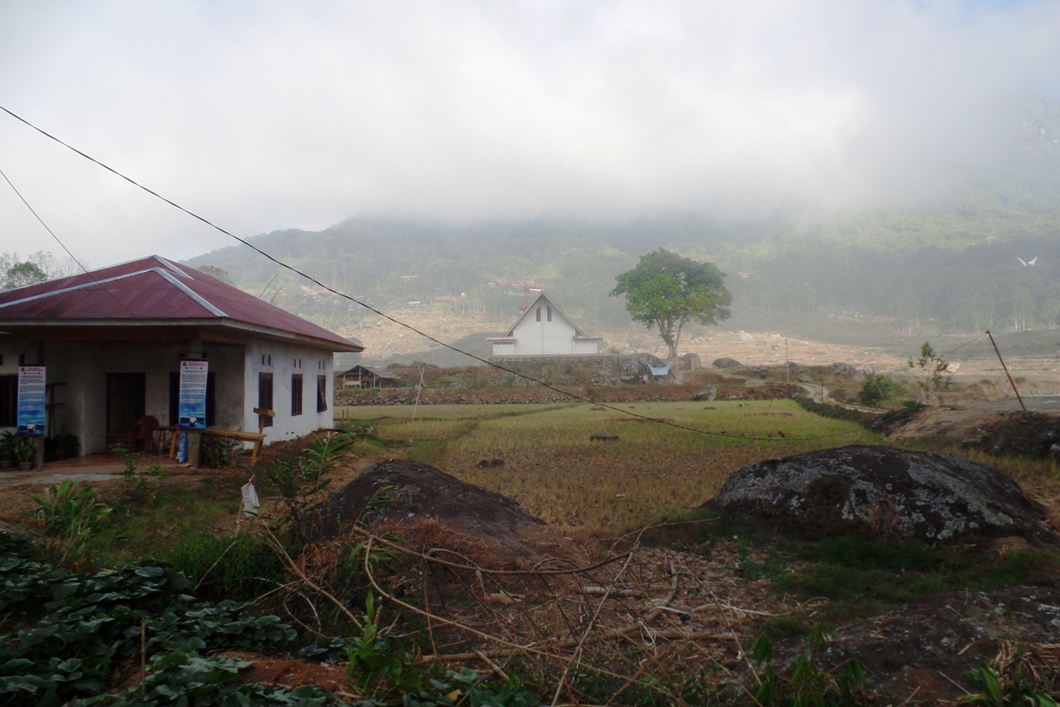
I did find a map, eventually, and Kate and I spent the rest of the afternoon researching the area. We found out that many of Tana Toraja’s most rewarding trails and sights could be seen without a guide and were near a village called Batutumonga, which itself had a handful of simple, homestay-style accommodation options. So it sounded like a perfect place to base ourselves for a few days.

That night, while eating dinner, I met Dana Rappoport; a French scholar who wrote Songs from the Thrice-Blooded Land: Ritual music of the Toraja,  as part of her PhD. It was published over ten years ago but only recently translated into Bahasa Indonesia, and she had returned to Toraja to finally present the book to the tribes-people who helped her write it so long ago.

She spoke very passionately of the Toraja people. I knew a little about them from what I had read and the documentaries I had seen, but during our conversation she fleshed out many of the details for me.

The people of Tana Toraja are mostly known for their peculiar burial customs: when people pass away here their family members will embalm the body and keep it in the house. They will even talk to them occasionally, as if they are still alive. In many ways the deceased are still thought of as alive until the family have gathered enough money and organised the funeral. This can take anything up to ten years.

These funerals – or tomate, as the locals call them – are extravagant and very public events which vary greatly in size and scale but often take place over the space of several days and almost always involve the sacrificial slaughter of dozens of pigs and buffalos.

Most of the population of Toraja call themselves “Christian” these days, but these customs are obviously from something much older. Dana told me, in a regretful tone, how the Toraja people used to have many more beliefs and practices which have now been lost thanks to the efforts of Dutch missionaries and the Indonesian government, who banned most of their rituals until eventually it was only some of their customs surrounding death that they still were still allowed to practice. The Toraja people used to have ways to celebrate life and older gods too, but that has mostly been forgotten now.

When I wandered back to my room later I switched my computer on. I had a message from Roy. It was good news: after spending the day jumping through a series of hoops with the Makassar police and the British consulate, he had been given permission to spend a few weeks in Sulawesi before he reported to the embassy in Jakarta to collect his Emergency Travel Document. He was, as he wrote to me, just about to jump onto the night bus, and would be with us by the morning.


Part 2

Roy arrived the next day bright and early and, after a quick reunion over breakfast, we decided to not waste any more time and find one of those Torajan funerals we had heard so much about. Kate had heard rumours about one taking place in a village called Langda, but we found it impossible to find a bemo heading there: everyone we asked just kept sending us around in circles. We also kept being told about other villages where funerals were supposed to be going on – Londa, Lemo, La’bo – so we decided to get on a bemo which was heading to Lemo.

This turned out to be a mistake: the driver had merely been giving us what I call the “Asian Nod”: a common practice in Asia, where one whom faces the prospect of receiving money from a foreign tourist will simply nod their head and say “yes” to pretty much anything.

“Going to Lemo?”

“Yes.”

“Funeral there, yes?”

“Yes”

“Definitely funeral there. Burial. Yes?”

“Yes.”

Usually, we would have spotted this by implementing a tactic Roy invented; asking a few trick questions, such as, “are there unicorns in Lemo?” and “does the ride come with a free handjob?” to see if they are actually listening – but it was a bit early in the day and I guess we were being sloppy travellers that morning.

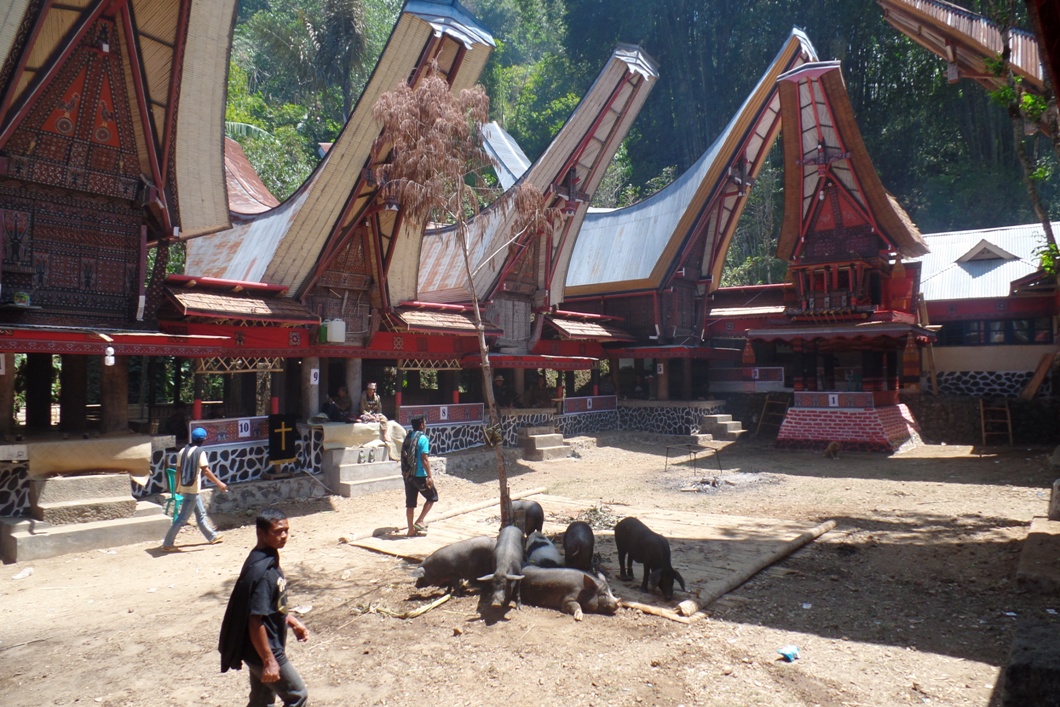
As far as mistakes go, it wasn’t a particularly bad one: Lemo was a pleasant village and it was there we saw our first examples of tongkonan (traditional Toraja houses, with boat-like roofs).

???????????????????????

We also got talking to some people there and found out about a couple of places where there actually were funerals going on. We then got back onto another bemo, this time heading east. To Sangalla.

???????????????????????

Where we found ourselves not walking into the main ceremony, but the bloody aftermath. Dozens and dozens of pigs and buffalos had just been sacrificed and people were in the process of butchering the meat and sharing it out.

???????????????????????

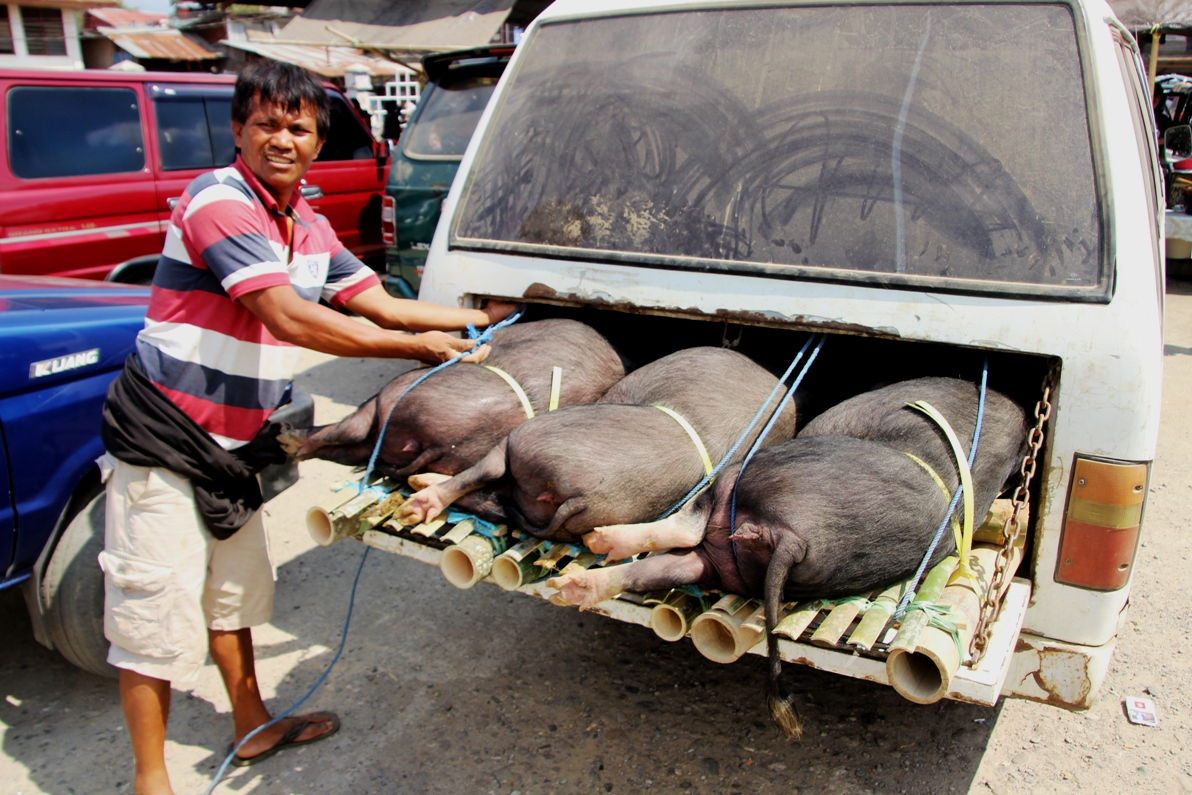
I found the level of animal cruelty in Tana Toraja a bit challenging at times. Yet I also felt that I – even though myself a vegetarian – was not in a position to judge them, being from a country where the majority of the meat consumed is battery farmed. Here, in Toraja, the buffalos and pigs at least seem to live fairly comfortable lives until the day they are picked to be sacrificed in a ceremony – after which, they are then unceremoniously strapped to a plank of wood and thrown into the back of a bus (as I witnessed being done several times to pigs at bus stations).

4

In the “modern” Western world, the meat industry is based upon denialism: factory-farms go to great lengths to stop consumers seeing the conditions animals are kept in, and the sterile, clinical way the meat is then processed, cleaned and packaged before it is sold in the supermarket, doesn’t encourage consumers to think too much about where it actually comes from. We even disassociate it further by giving it names, like “beef”, “pork”, and “venison”. Here, in Asia, at least people know and, more importantly, experience, how their meat is produced.

???????????????????????

Later in the afternoon, Roy and Kate were feeling tired so they went back to our room in Rantepao. I ventured off alone and visited Ke’te Ketsu, a very scenic village.

???????????????????????

I also went to Palatokke, where a pair of youngsters ran out to greet me. They escorted me up to the face of rocky outcrop overlooking the hills.

???????????????????????

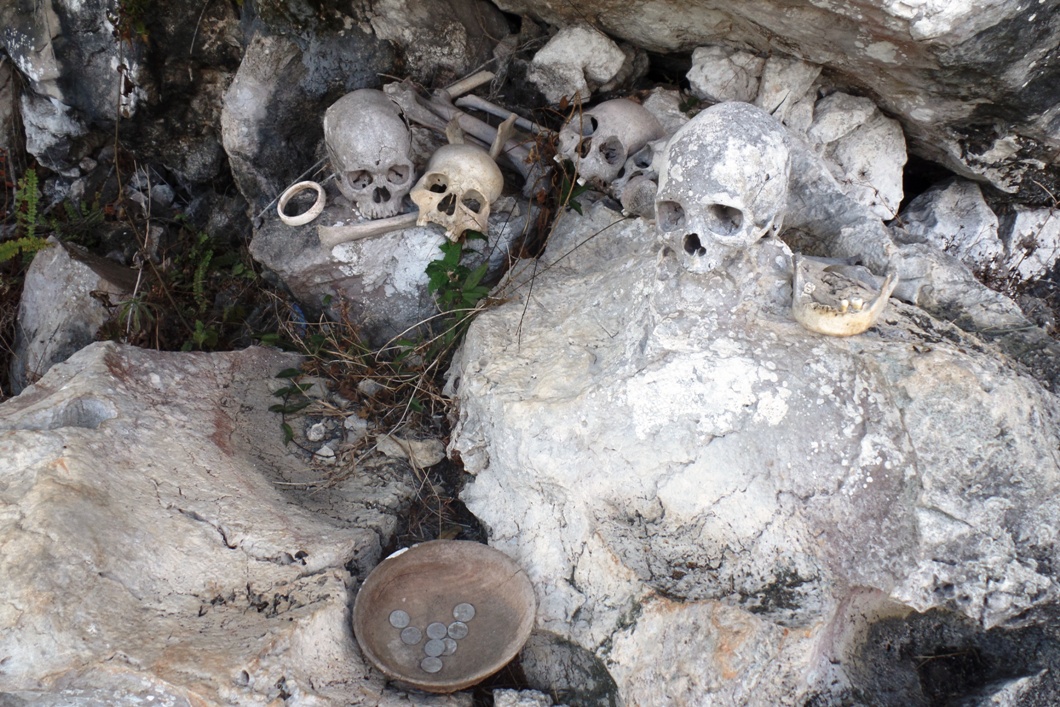
It was a burial site; where the bones of their ancestors now rested in hanging coffins, and human skulls had been arranged around various altars.

???????????????????????

When I returned to Rantepao later, Roy, Kate and I began to make preparations for the next few days: we packed away a change of clothes and some other essentials into our daypacks and asked our guesthouse if they could store the rest of our things for a few days.

In the morning we were heading to Batutumonga.

Part 3

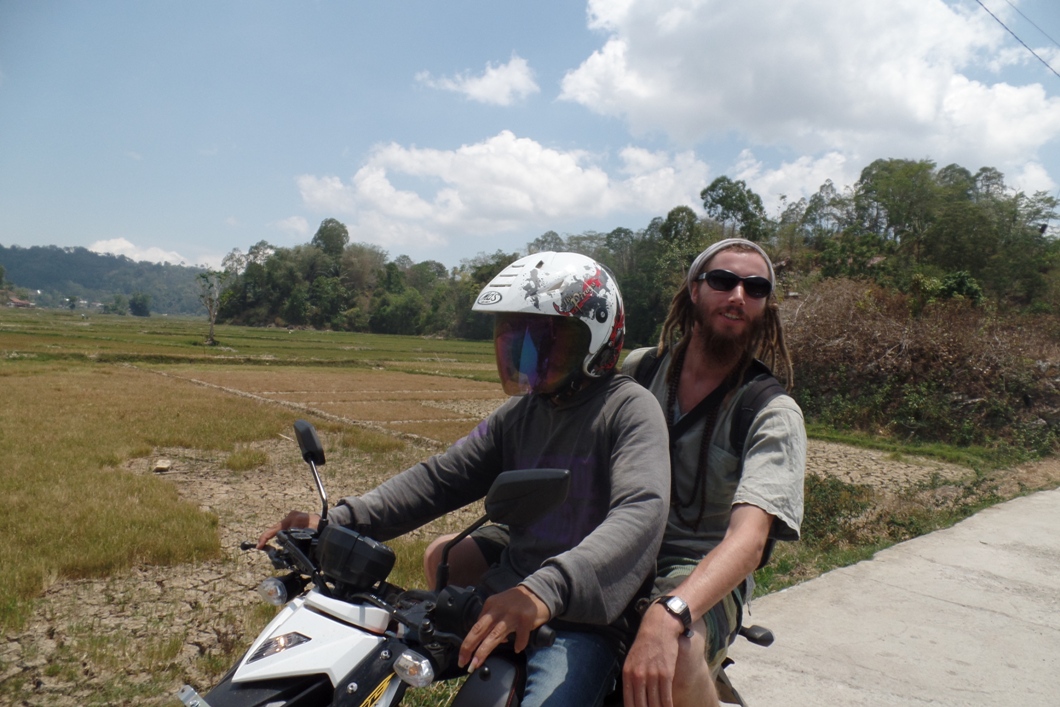
We left Rantepao by ojek.

???????????????????????

Which I believed to have been a good decision: it was much faster, the drivers took us on a shortcut through some roads where buses can’t go, and we got to enjoy sweeping views of Tana Toraja mountains from the back of a bike and feel the wind on our faces.

???????????????????????

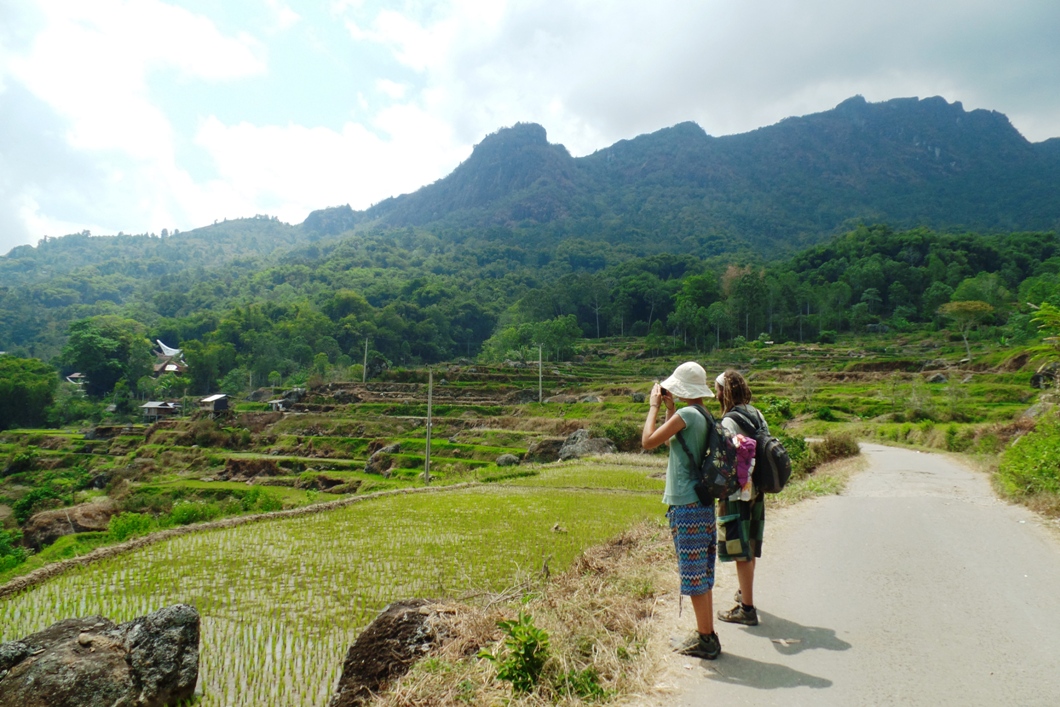
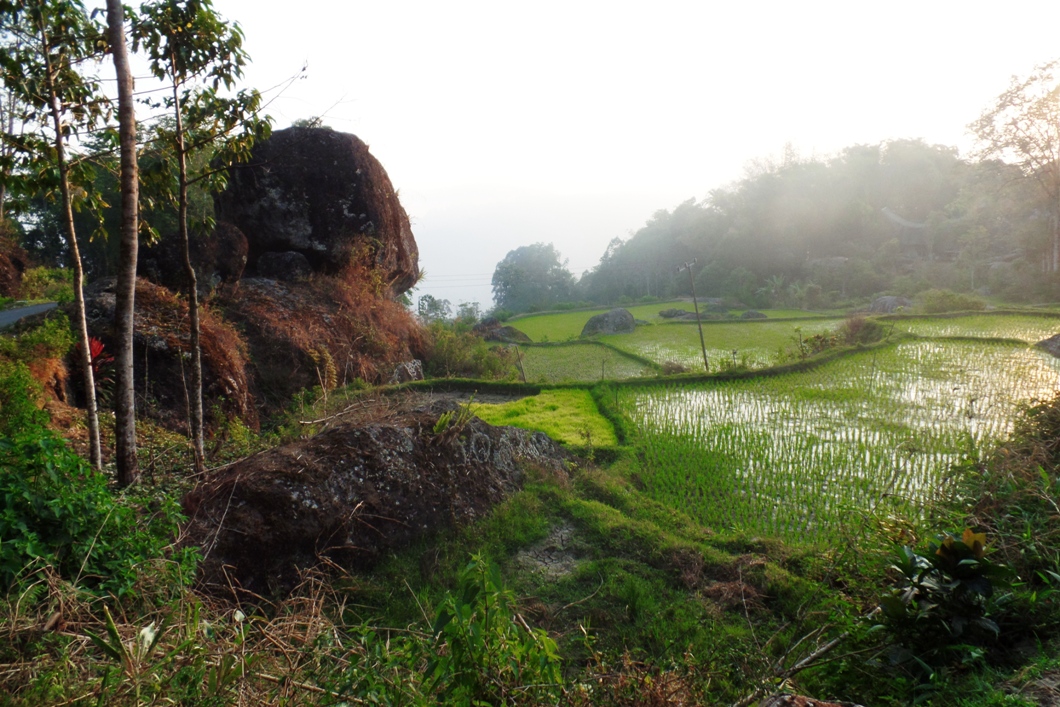
We were dropped off in Lempo, which was just above some of the rice terraces and was a great place to stop for a while and take photos.

???????????????????????

We carried on making our way up the mountain by foot, reaching Batutumonga an hour or so later, where we found suitable accommodation to base ourselves for the next few days: a rustic homestay called “Mama Yos”. We were each given a small room with a mattress on the floor to sleep in, and there was a mandi style bathroom for washing.

12

That afternoon we walked to Lokomata, a nearby village. The route was along a concrete road but on the way I saw some of the finest views of rice terraces I have ever seen.

???????????????????????

Lokomata itself was also very impressive. It was where some of the wealthier Torajan people had been laid to rest in holes which had been slowly chinked away out of the face of a large rock-face.

???????????????????????

Just before sundown we made our way back to Batutmonga, and Yos had prepared a small feast for us of rice, vegetables, fried eggs, and tempe. I washed it all down with a Bintang and then retired to my room with a book. I fell asleep very early that night.

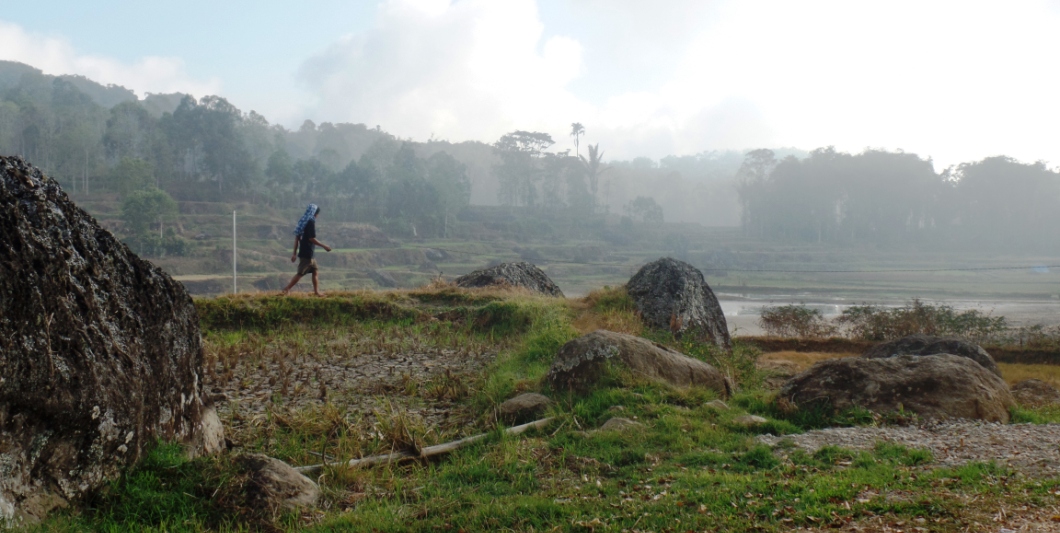
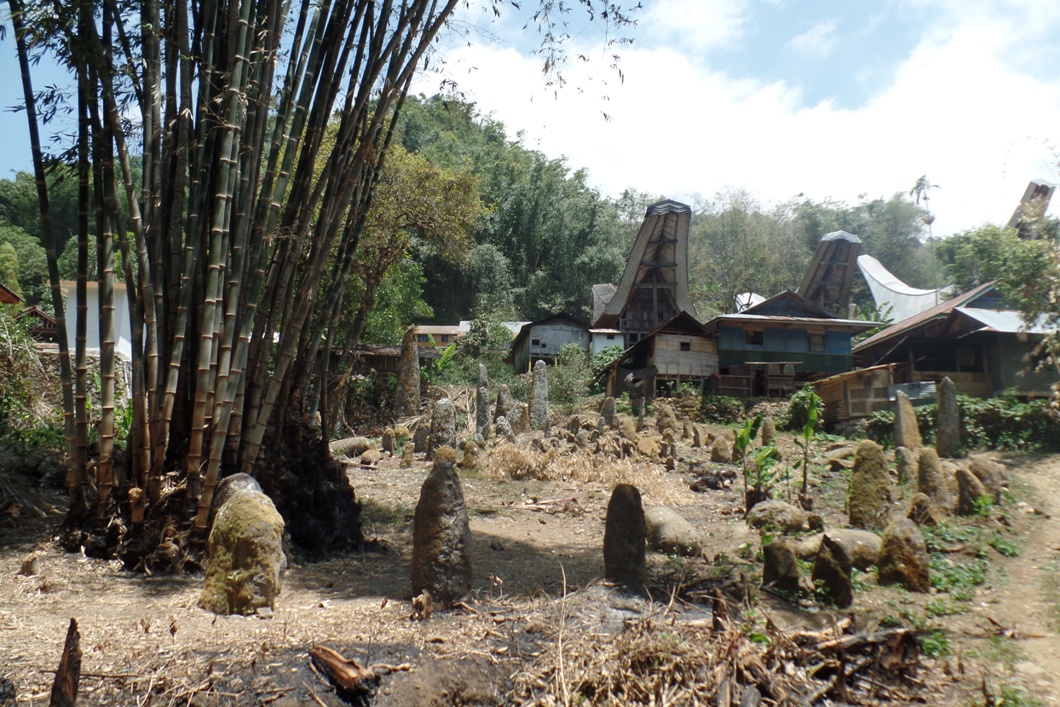
Throughout the days which followed we embarked upon a series of short hikes through the majestic landscape of Tana Toraja, and we passed through many terraces, forests, burial sites, and villages along the way. We also came across a few mysterious megalithic stone monuments which could almost have been lifted straight out of Celtic Britain.

???????????????????????

With its almost mythical landscape, scattered with large grey boulders, one can see how the generations of natives here might have developed weird, magical, and wonderful customs.

???????????????????????

There is something very special about Tana Toraja, and I am certain that it will one of the highlights from my trip around Indonesia.

???????????????????????

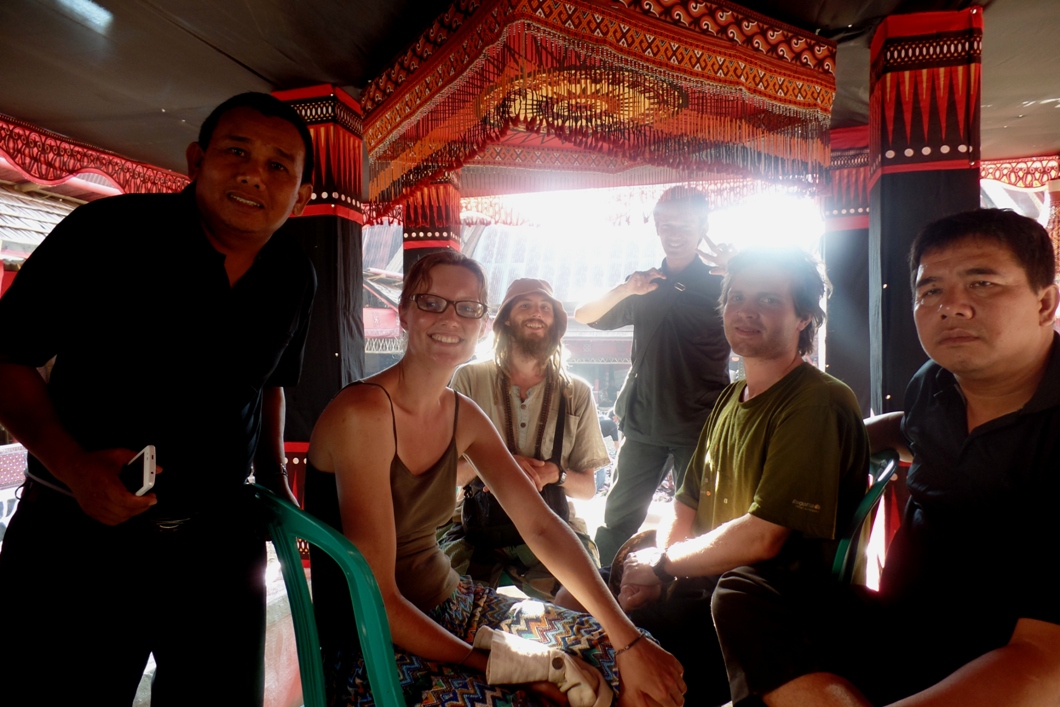
While staying in Batutumonga, we also wandered into another funeral. This was a bit smaller than the one we saw in Sangalla, but the people were very friendly and welcoming. They took us up to a small room to see the coffin of the deceased and then sat us down in a space usually reserved only for special guests.

???????????????????????

They then made conversation with us while supplying endless rounds of coffee. In the background, the butchered remains of sacrificed pigs were being dealt out to guests, and it seemed to go on for hours. We were eventually bequeathed a chunk of pork flesh each ourselves. It was a bit awkward having to then explain to them that the three of us were all, in fact, vegetarian, and had come to merely observe the mass slaughter of animals, but once they understood, there was much laughter.

???????????????????????

On the morning of our third day in Batutmonga we sadly had to say goodbye to Yos and her family. We packed our bags, again, and began to make our way back down the mountain by foot.

???????????????????????

This trail, out of all the ones we had hiked over the last few days, had the most spectacular views, and we passed through lots of charming villages.

???????????????????????

Five hours later we reached Bori. By then we were feeling hot, sweaty, and weary, so, after having a quick look around the village, we hitchhiked the rest of the way back to Rantepao on the back of a truck.

???????????????????????

???????????????????????

For more photos, feel welcome to visit my Flickr account. I must apologise, for there are quite a lot of them this time. I deleted as many as I could, I promise!

Travelblog#20: Pelni boat to Makassar – Indonesia

25th-28th October, 2014

The Pelni boat was an interesting experience. Definitely not the most comfortable mode of travel I have ever been on, but it was a necessary step I needed to take to reach the next stage of my journey.

I was heading to Sulawesi; the land of post-Wallace Line jungles, and the Tana Toraja tribes, with their peculiar funerary customs and fairy-tale landscape of megalithic monuments. There is even supposed to be some of Asia’s best scuba diving there.

But first I had to get there. On a Pelni boat. It was either that or spend a small fortune on a domestic flight from Flores. And, anyway, I kind of felt that I should take a Pelni boat at least once while I was in Indonesia, as it was just part of the experience.

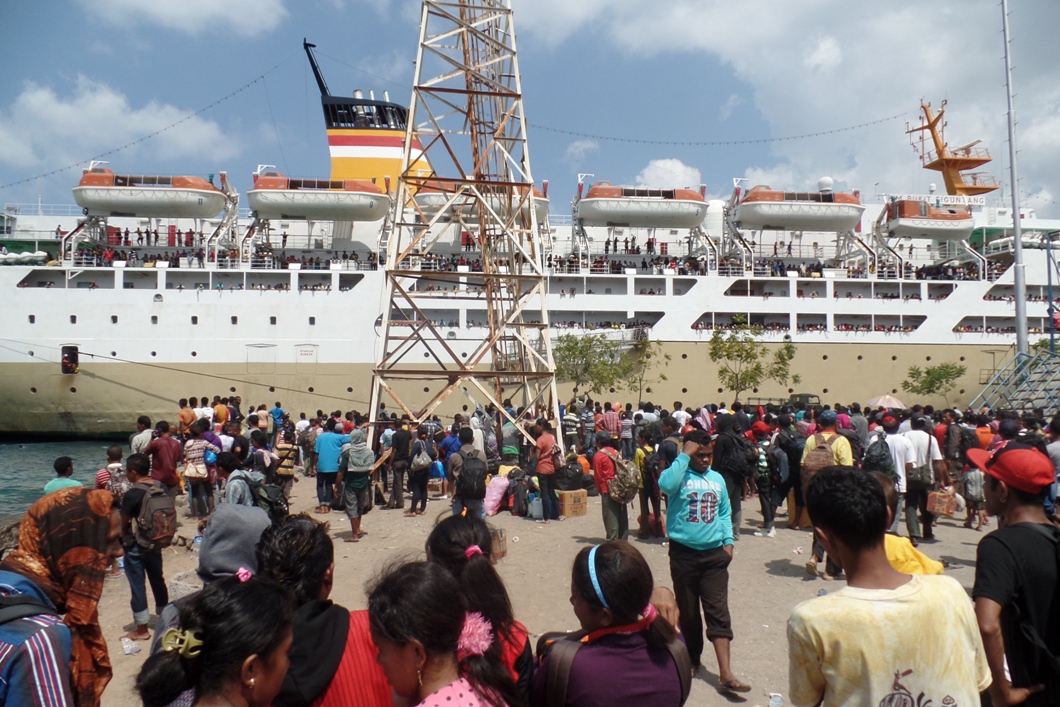
Roy, Kate (my two travelling companions) and I left bright and early in the morning, having been advised to turn up two hours prior to planned departure time. The departure time is, apparently, an arbitrary thing for Pelni boats. I have heard first-hand stories of them leaving so early people get left behind, on occasion.

On the day we were sailing it was, however, late. Very late.

???????????????????????

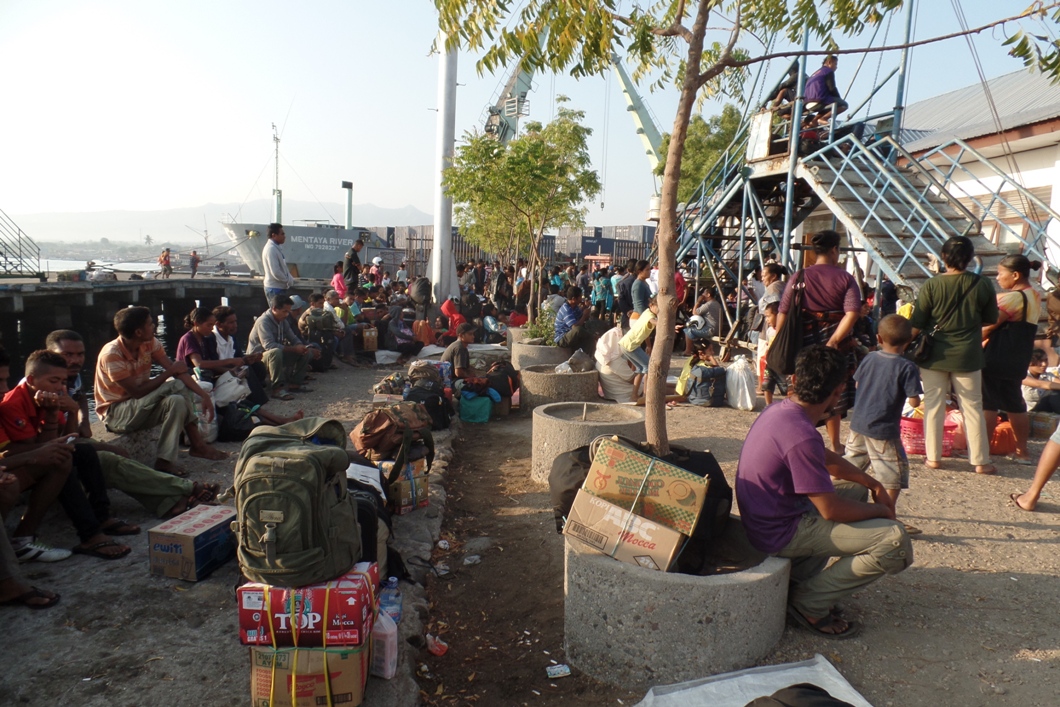
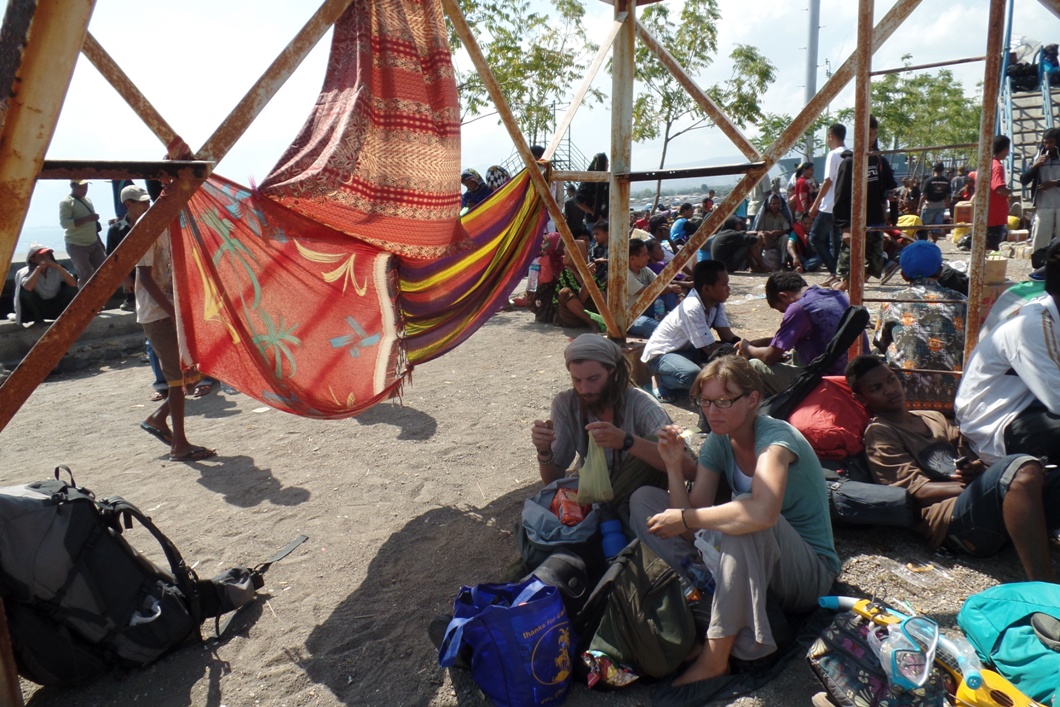
It was hot on the dock of Maumere. When we got there there was still no sign of the ferry on the horizon and the heat was starting to get to us, so we set ourselves up for a long wait. Kate and Roy arranged their sarongs as a makeshift sun-shade.

???????????????????????

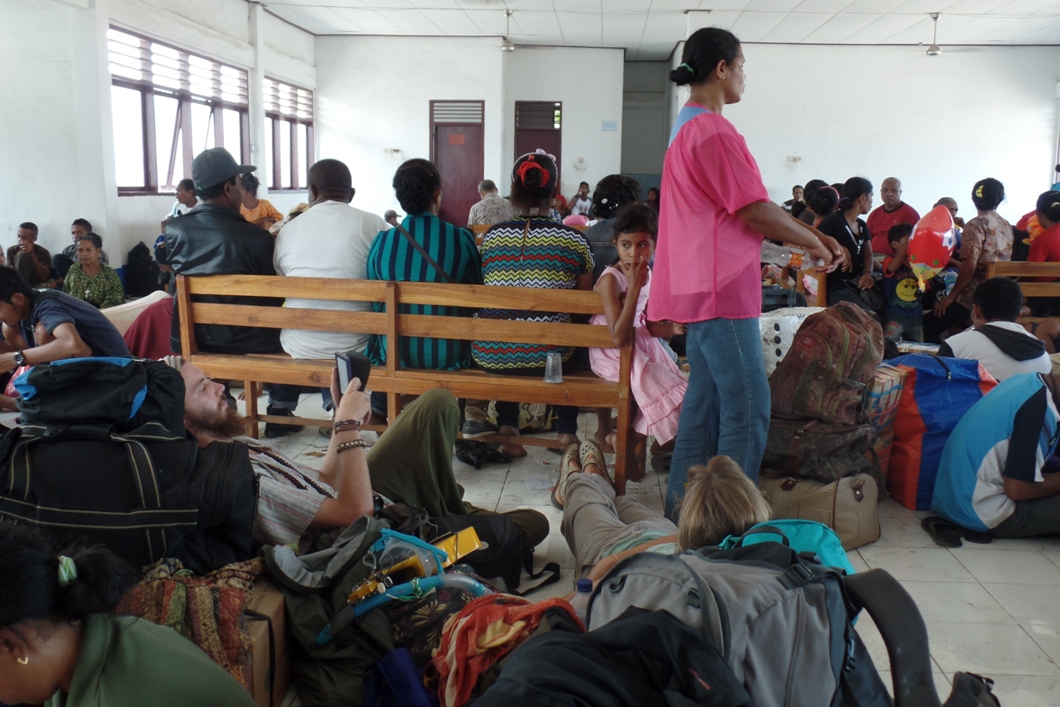
We waited like this for a few hours, but at around midday the heat became unbearable so we retreated into one of the waiting rooms.

???????????????????????

After seven hours of delay, the Pelni boat arrived in the mid-afternoon.

???????????????????????

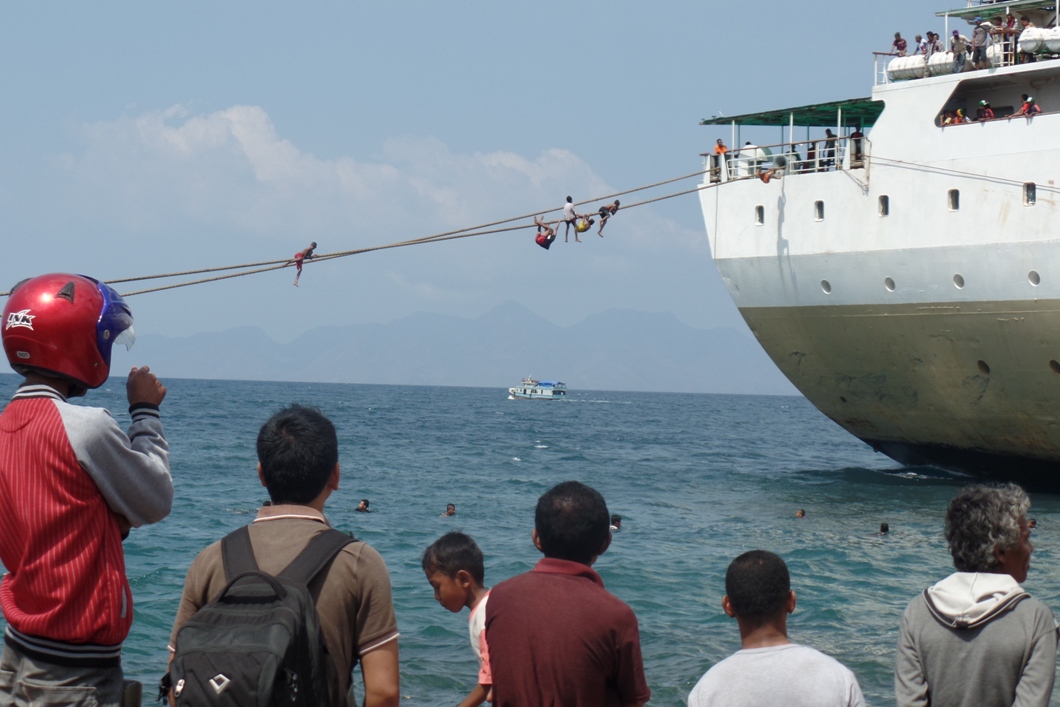
There was a mad scramble as everyone fought their way to get on board. Some of the local youngsters had a slightly different approach:

???????????????????????

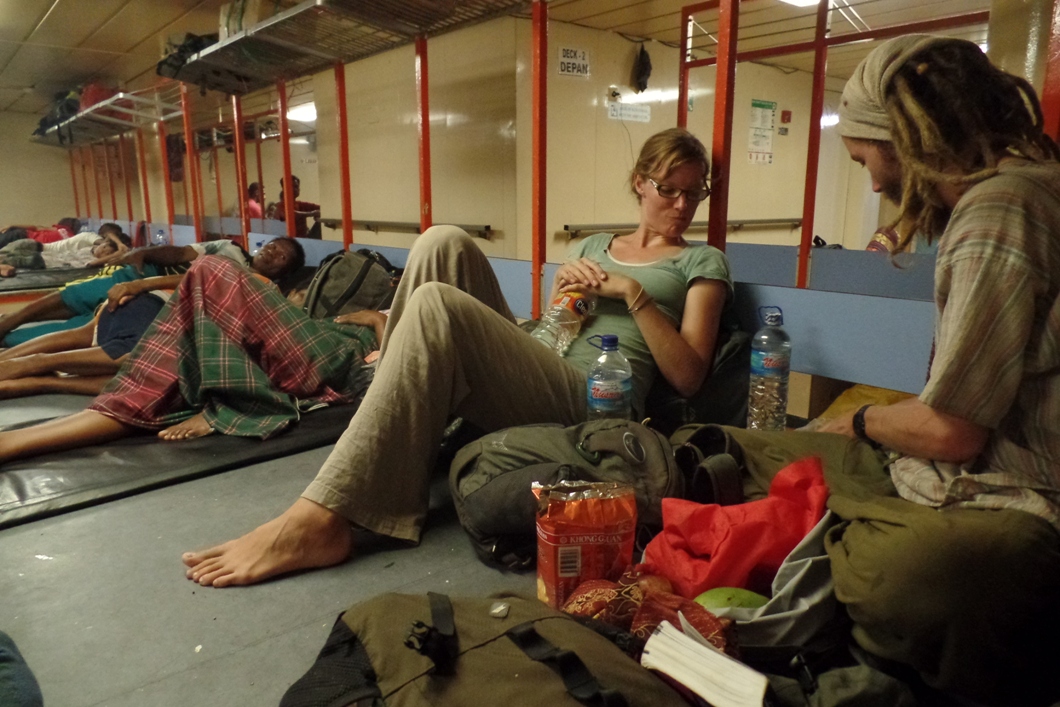
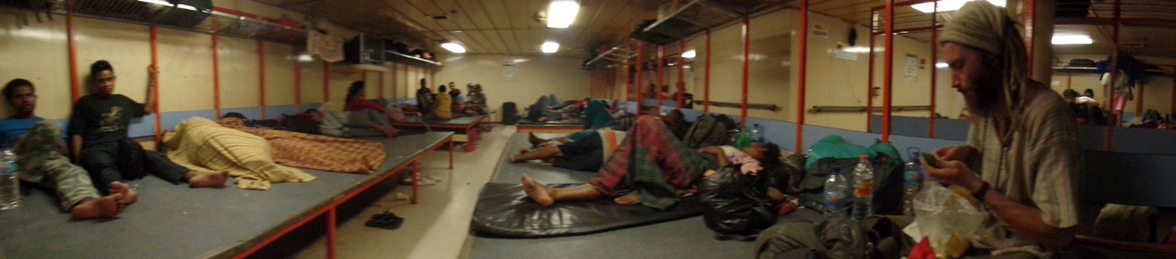
The interior was dark, musky, humid, and slightly resembled a concentration camp, but it wasn’t too bad. I had been expecting much, much worse.

???????????????????????

It was a bit of a dog-eat-dog world in there. When we first arrived two men were sat in our spaces. They pretended to not understand when we showed them our tickets, and it took us a while to get them to move. Our sleeping mats had already been taken by other passengers. The conductors, who occasionally wandered around to make sure there were no stowaways, didn’t seem interested in restoring order.

There weren’t many white people on board so for the first hour or so we were stared at, a lot. They eventually grew bored of this though, and resumed normal activity. Some of them became quite friendly and made conversation with us.

???????????????????????

I slept most of the journey, aided by my last bottle of arak I had smuggled on board from Flores. In the morning I went for a little walk around the upper decks just before the boat pulled into Makassar. It was a relief to finally leave.

???????????????????????

I am not a big fan of cities. As a traveller I generally see them as transport hubs I have no choice but pass through to reach the places I love; jungles, tribal villages, temples, mountains, and beaches. I can count very few cities that I have actually liked. Taipei, Kuching, Luang Prabang, Chiang Mai, Phomn Pehn – maybe.

That said, I actually found Makassar quite pleasant. It was fairly clean, it didn’t feel overcrowded, and the people were friendly. It was, admittedly, a little short on sights to see – Fort Rotterdam took me all of ten minutes to walk around before I got a little bored – but Makassar definitely had something.

???????????????????????

We stayed there for three days. Kate had a spider bite on her leg which went a bit nasty and needed treatment, and Roy needed to get his laptop repaired. While I waited I caught up with things on the internet and took the odd wander around the streets.

When this was all done we decided it was time to head north on the night-bus, so we caught a bemo to the station. After buying our tickets we took a wander. Roy and I bought a beer each, and we found a nice little outdoor restaurant to eat dinner.

The mood was quite merry. Kate’s leg was on the mend, Roy’s laptop had been fixed, and the three of us were about to venture to Tana Toraja; one of the places which had inspired us to come to Indonesia in the first place.

And then Roy realised that, while we had been eating, his bag had been snatched.

Laptop, money, three cards, an e-reader, and – most critically – his passport. We ran around frantically, trying to find it, asking people if they had seen anyone running off with a bag. It was useless. I think we all knew that Roy wouldn’t see any of those things again.

It also became obvious that Roy could not board the bus. He had to cancel his cards, make a police report, and he was probably going to have to make his way to the nearest embassy (which was in Jakarta).

Kate and I were both tempted to stay and help him, but he told us that we should go because there wasn’t really anything we could do. He was right: he’s perfectly capable and staying behind would have just felt like sympathy. I think he would have hated that.

So, we gave him a hug, wished him luck, and boarded the bus.

Travelblog#19: Mount Kelimutu, Maumere & Wodong – Flores, Indonesia

20th-24th October, 2014

In the early hours of the morning we were driven up to the summit of Mount Kelimutu to catch the sun rising over the rim of one of Indonesia’s most prestigious volcanoes.

???????????????????????

We ended up staying there for four hours, and I spent much of that time sat near the edge of one of the craters with a book, occasionally staring down at the three volcanic lakes. Each one was a different colour and rumour has it the shades often change. On the day that we were there they were blue, turquoise and black.

???????????????????????

It was by far the most impressive sight we had seen so far in Indonesia. As the sun rose higher into the sky the lakes started to glow from the reflected light and we saw some peculiar, almost psychedelic, streaks of yellow in one of them. We could have stayed there all day if it wasn’t for the fact that there wasn’t any food up there and we began to get hungry.

???????????????????????

We strolled down the mountain at a steady and relaxed pace, enjoying the mountain views and passing through a few villages along the way. We actually got a bit lost. It wasn’t until late that afternoon till we found our way back to Moni (the town we were staying in).

When we walked up the driveway of our guest house we were pleasantly surprised to find that Gilles and Bertrand had just arrived and, by yet another fortunate coincidence, checked into rooms which neighboured ours. It wasn’t that surprising, really; this must have been the fifth or sixth time we had crossed paths with the two French bikers, and they were starting to feel like old friends.

???????????????????????

I hopped onto the back Gilles’s bike and we went for a quick trip to a local waterfall which was, thanks to the fact that it is partially fed by a hot spring, lukewarm and great for swimming.

5

After that we went to a restaurant which had a decked seating area with great views of the highlands, and Roy and Kate joined us. We drank arak: a locally made palm-based alcohol – the natives seemed to like it, so we thought we would give it a try. It was nice. A little bit too nice, perhaps. By the time Roy and I had finished a bottle of it each it was well into the dark hours, he had his guitar out, and I was singing (or attempting to, at least).

Roy, Kate and I got on a bus heading east the next morning, but before we left we told Gilles where he and Bertrand could expect to find us later that day once they had caught up on their bikes. We were on our way to Wodong – a beach on the northern coast – but first we had to make a quick stop in Maumere to book tickets for a ferry we were intending to catch later that week.

We got into a spot of trouble on our way out of Maumere. A group of bemo drivers didn’t like the fact that we weren’t gullible enough to fall for their hiked-up prices, so they followed us around and intimidated all the other drivers we tried to approach. When we did finally manage to escape them and get a ride out of town, our driver was forced to pull to a stop by a car which had been parked in the middle of the road.

And then dozens of men crowded around us.

They were clearly trying to make both us and our driver feel threatened. Our driver got into a shouting match with them which we didn’t understand because it was all in Indonesian. It was clear though, that they were trying to convince our driver to make us get out of the bemo. Probably so that the three of us would be trapped in the middle of nowhere and be forced to pay for more expensive rides with them.

One of them stepped into the vehicle. I could tell by his calm and self-assured, but yet somehow intimidating bearing, that he was the “leader” of this gang. And probably a psychopath, too. Leaders of these mafia-like cultures usually are, and there was something about him… his eyes were cold – there was nothing behind them.

“Hello,” he said, rubbing his hands together. “Where are you going?”

I think we all knew that we had just entered a situation which we were going to have to tread our way out of very carefully. None of us said anything, at first. Who the fuck do you think you are? I was thinking, but I didn’t let out any of my anger because I knew that this was not the sort of person who would take being shouted at lightly. One does not stay leader of a rabble like this for long, if they lose face by letting others get away with standing up to them.

Eventually we just simply pointed to the road ahead, and then to our driver, questioningly. I think Roy mumbled something, but I can’t remember what it was – only that it was calmly assertive. We then turned away, breaking eye contact and making it clear that we were not interested in getting out of the vehicle or conversing with him.

In the end our driver had to bribe them before they would let us past. And he drove away very fast.

It is not very often that I feel unsafe while travelling around Asia, but that was definitely one of them.

6

Despite all the hassle we went through to reach there, Wodong was a very nice place. The sea was calm, the beach was sandy, and there were just a scattering of small villages nearby, so it was quiet. It was also low season, so we managed to haggle for a pretty good price for one of the larger bungalows.

???????????????????????

And this was the view from our balcony:

???????????????????????

Gilles turned up later that afternoon and, by virtue of being on a bike, managed to get past the bemo-mafia without any hassle. Bertrand didn’t catch up with us till the next morning though because he drank little bit too much arak the night before. When the five of us were reunited the next day we arranged to be taken out on a boat trip with one of the local fishermen.

???????????????????????

We were taken to Babi Island, where we put on our snorkels and explored an ocean wall which had lots of coral and fish, and then to another island which had a stunning white sand beach.

???????????????????????

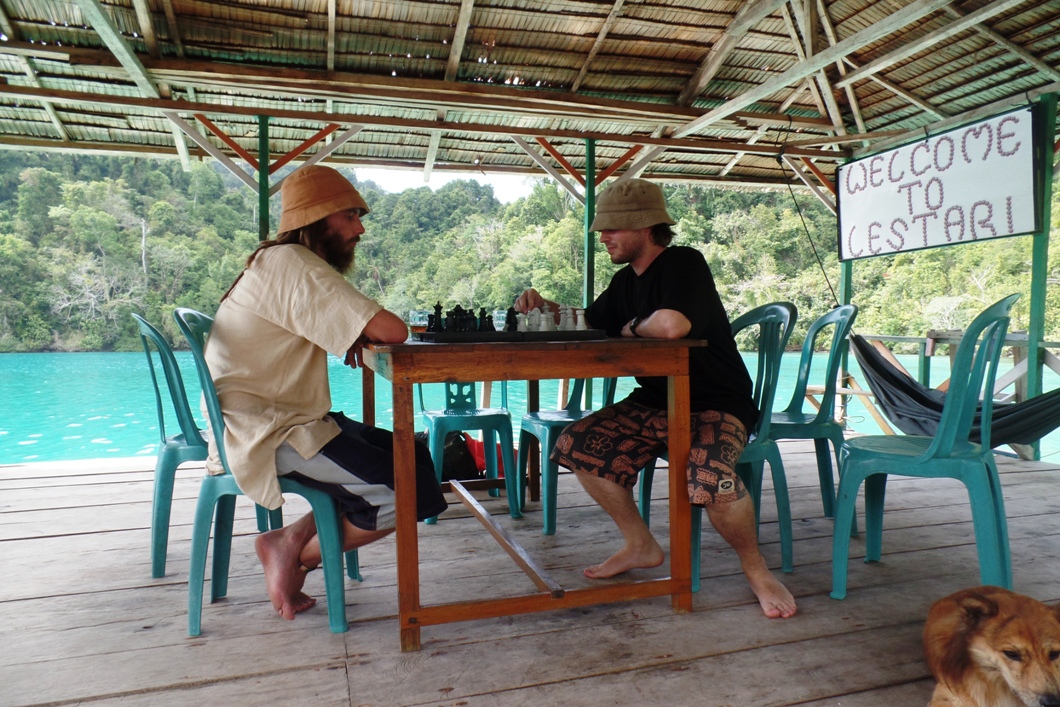
Apart from that, the rest of our time in Wodong was spent playing games of chess, reading books, drinking the occasional beer, taking the odd dip in the sea, and getting to know our new friends better.

???????????????????????

After four days in Wodong, we eventually had to part ways though: Roy, Kate and I had a boat to Makassar we needed to catch, Gilles was heading to Timor, and Bertrand was going to stay in Wodong for one more night before continuing further east. As a parting gift, Gilles taught me how to drive a motorbike with manual gears – a skill I thought might come useful sometime in the future (until then I had only dared to drive automatics).

Our next destination will be Sulawesi, the land of exotic wildlife and the Tana Toraja tribes, where the next chapter of our adventures will begin.

For more photos, please go to my Flickr account, here.