Travelblog#35: Sabang – the Philippines

10th-11th January, 2015

After a very comfortable Christmas and New Year spent with friends in Taiwan, I was back on the road again. Destination: the Philippines.

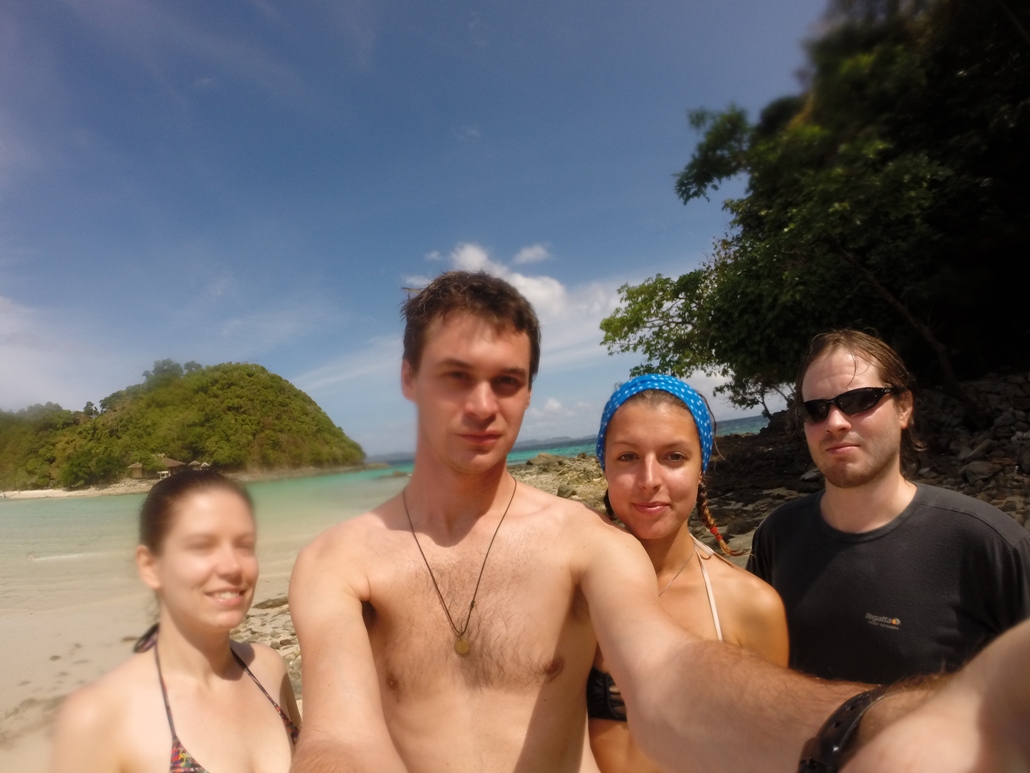
No longer alone, I had three travel buddies with me: Jody, James and Chloe. All of us are old friends and went to University together. Jody has been living in Taiwan for the last four years, teaching English. James and Chloe are a couple, and have also been travelling around Asia this year – while I was roaming around Indonesia, they were backpacking around Thailand, Laos, Cambodia, and Vietnam.
?????????????

We left Taipei in the early hours of the morning and had a three hour stopover at Manilla airport, where we waited for our connecting flight to Puerto Princesca.

It was during this transit at Manila airport that I first encountered the carefree attitude Filipinos have towards time: almost every flight was delayed that morning, but nobody seemed all too bothered or surprised. Even when the planes were ready to leave, the airlines then had to chase up missing passengers who had not turned up to their gates. Streams of names were called out in the intercom over and over again, followed by; “your flight is ready to leave. Can you report to gate [X] for boarding… please?” each time, a little more pleadingly. The delayees were, presumably, sat in cafés, obliviously slurping upon drinks without a worry in the world.

I decided that I was going to have to ‘get with’ this laid-back vibe during my time here, or otherwise it might begin to annoy me.

We reached Puerto Princesca in the morning and caught a bus straight to Sabang.

???????????????????????

We were too tired to do much else other than find ourselves a lovely little cottage by the sea to stay in, book our permits to visit the nearby underground river the next day, and finish off a long journey with a beer on the balcony.

???????????????????????

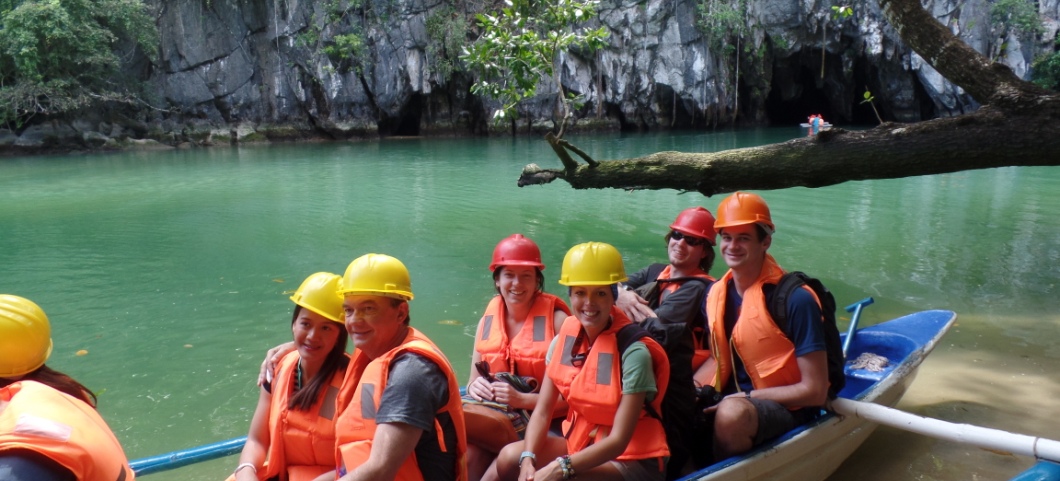
The Puerto Princesca Subterranean River National Park has recently been named one of the Seven New Wonders of the Natural World, and has thus become a little overcrowded. After we had finished patiently queuing alongside all of the tour groups, through several stages of a hopelessly bureaucratic system, we were finally loaded up onto a boat and taken to a small cove further along the coast to the entrance of the cave.

???????????????????????

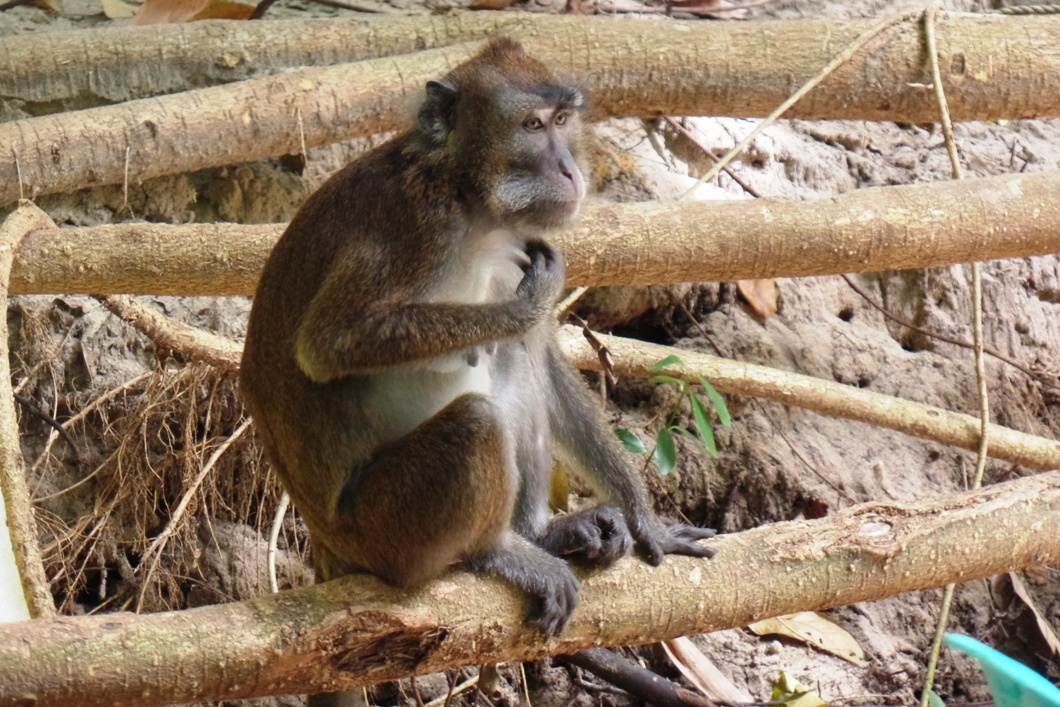
It was a very scenic area, with large monitor lizards wandering around and cheeky crab-eating macaques trying to scrounge food. The brackish waters were a beautiful greenish colour and were teeming with fish. Swimming was not allowed; as the eco-system is very unique and part of a protected area.
???????????????????????

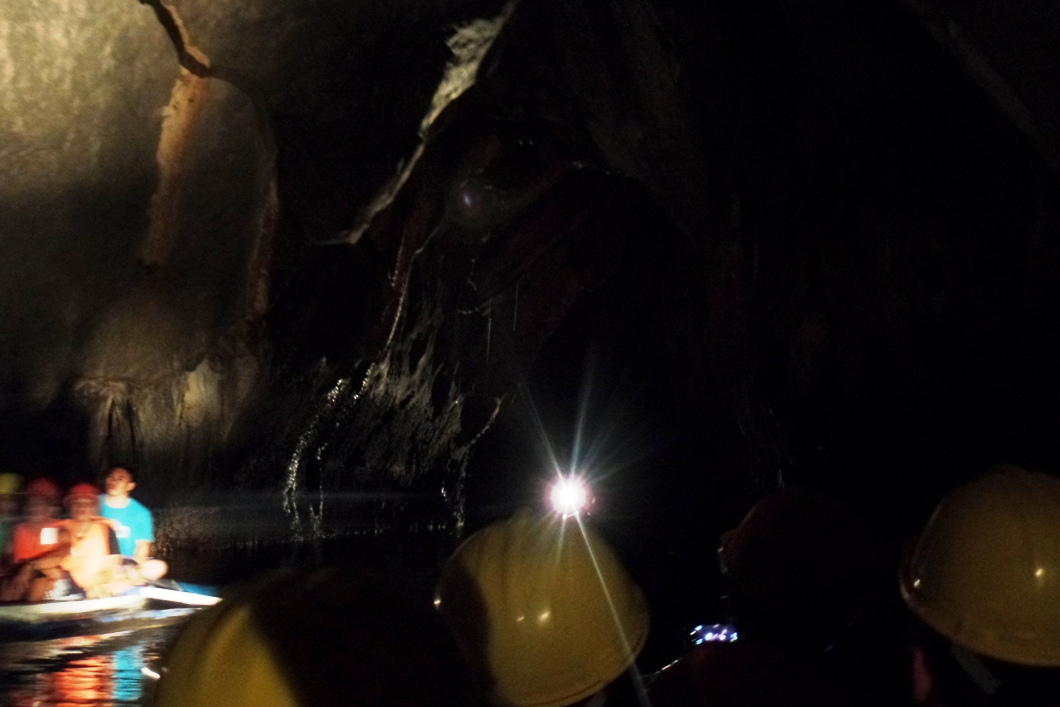
Once our group number was called out we were loaded up onto another boat and we began our tour of the cave.
???????????????????????

Our guide’s commentary was comical and gimmicky, rather than scientific, but entertaining. Between all the wise-cracks and one-liners, he did tell us a little bit about the history of the place. Mostly, he pointed out different formations and told us their names: “this is Medusa, can you see the hair?” “that one is The Dolphin,” “this one, is for adults only.”

???????????????????????

It was a very nice cave, and definitely worth the visit.
???????????????????????

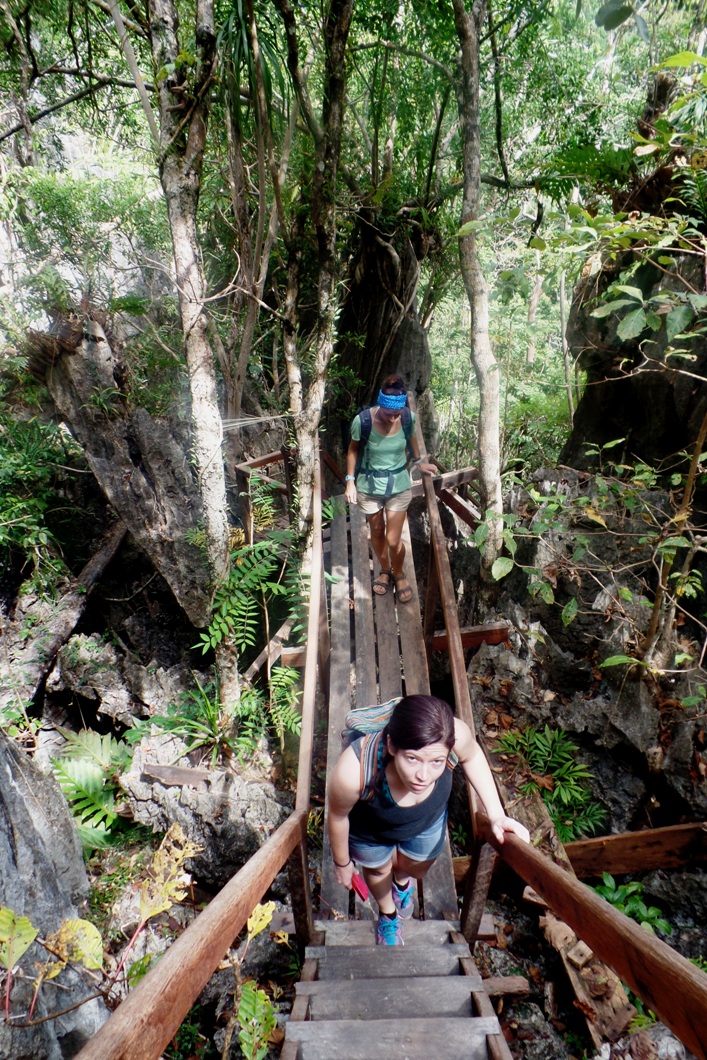
Once our tour was over we decided to walk back to Sabang through a jungle walkway I had read good things about in my Lonely Planet guide, only to discover that in the year since my guide was written the footpath – which locals and travellers alike have been casually strolling through over the years – has been rebranded as a trail which, for the purposes of ‘safety’, (*cough* *cough*) white people need a guide.

To be fair, the price for the guide was quite cheap so we grudgingly paid it. It vexes me though, when the concept of Health and Safety is abused as a money-making scheme – it is a very western habit which seems to be slowly creeping into Asia. Most of the path was paved, and it was all very well signposted – there really is no need for people to be ‘guided’ through it.

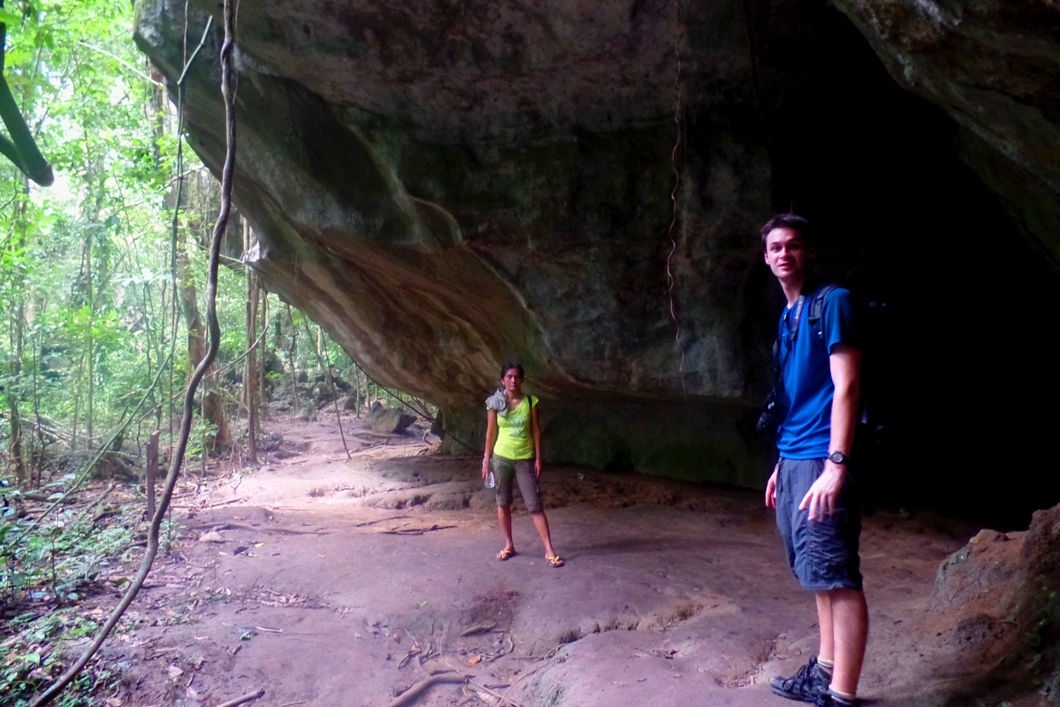
The walk went past some lovely limestone scenery, swamplands and mangroves. We even saw a snake along the way, as well as a cave which is used by monitor lizards to lay their eggs.
???????????????????????

When we got back to Sabang, we grabbed our bags and jumped upon a bus heading towards Port Barton.

For more photos, go to my Flickr account.
Travelblog#34: Taiwan

For the last few weeks I have been in Taiwan, spending time with old friends.  I am not going to write a proper blog to account for my time there, as it hasn’t really been all that exciting: I made a few day trips around Taipei, had a cozy Christmas involving lots of cheese and wine, and watched the fireworks from Taipei 101 from the top of a hill during New Years Eve. I also bathed in some amazing hot springs and revisited Taroko Gorge, which still remains one of the beautifulest places I have ever been to. This was my third time in Taiwan, and I therefore didn’t feel much need to be a tourist. I didn’t even take my camera out with me, most days, and I have had a little holiday from being a ‘traveller’, while enjoying forgotten luxuries such as Western food, hot showers, lay-ins, and a cool climate.

Therefore, for my time in Taiwan I am just going to post up some photos, which can be found here.

I have just packed my backpack and tomorrow I leave for the Philippines. I will be there for around seven weeks, in all, and the adventures will continue. I will be travelling this next leg of my journey with three good friends: Jody, James, and Chloe – whose names I am sure the regular readers of my blog will come familiar with over the coming weeks.

Stay tuned!

Travelblog#33: Banda Aceh – Sumatra, Indonesia

20th-21st December, 2014

I had originally planned to only pass through Banda Aceh. I am not a big fan of Sharia Law, and it is a town at the nucleus of Sumatra’s very strict Islamic region. There have also been a few incidents of western tourists being abducted by extremists over the years.

However, during my time in Sumatra, every other traveller I spoke to along the way who had visited had only nice things to say about the place so, after a quick re-read of its attractions in my travel guide, I decided I to spend a couple of days there.

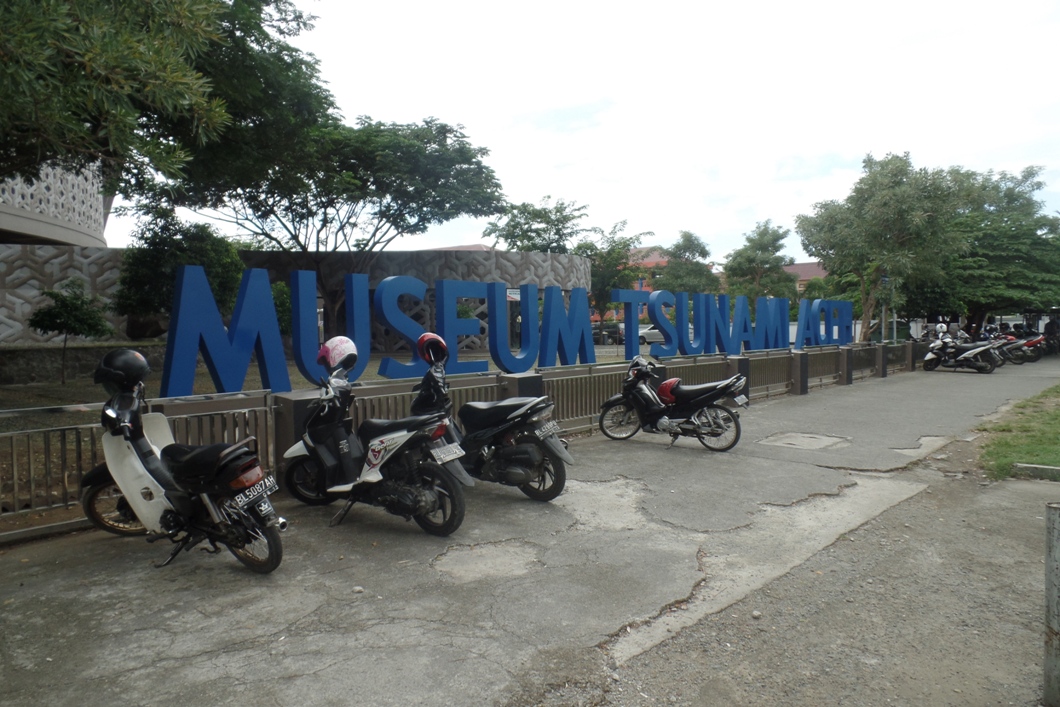
I left Pulau Weh early in the morning and boarded a boat back to the mainland. Newly made friends Dominique and Oleg were on the boat too but, while I was destined to stay that night in a room in Banda Aceh, they were planning to be aboard a sleeper bus to Medan. The three of us met up outside the Tsunami Museum later though, after I had checked into a hotel and they had bought their tickets.

???????????????????????

The museum was unfortunately closed for lunchtime by the time we arrived, so we ended up going for a wander and stumbled upon something which was, truly, bizarre.

???????????????????????

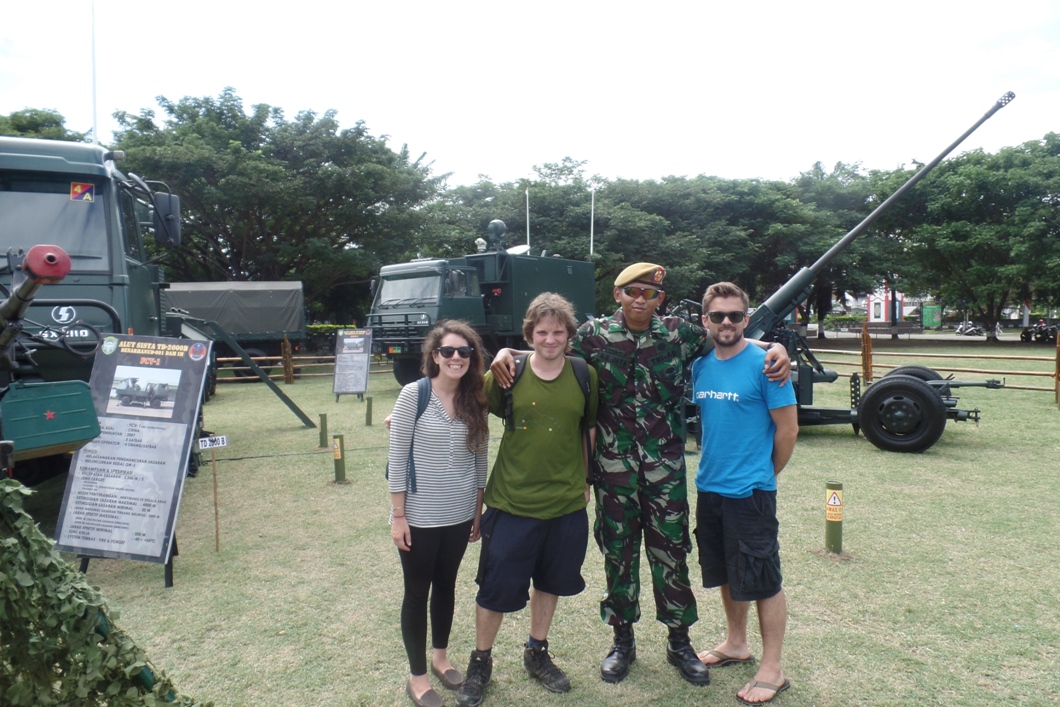
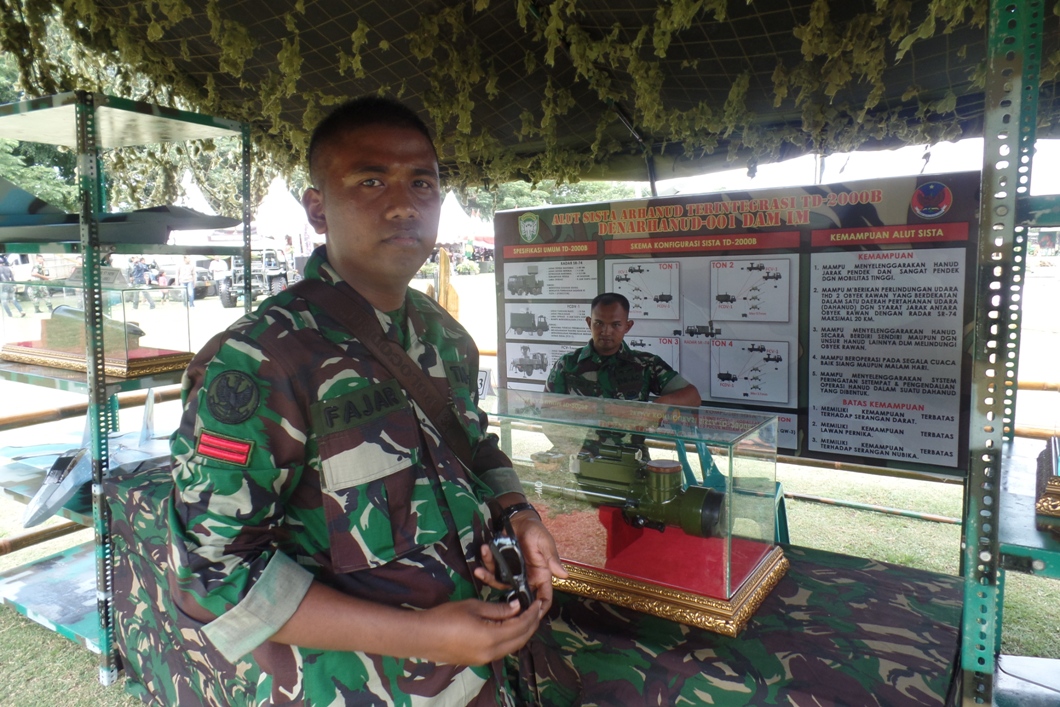
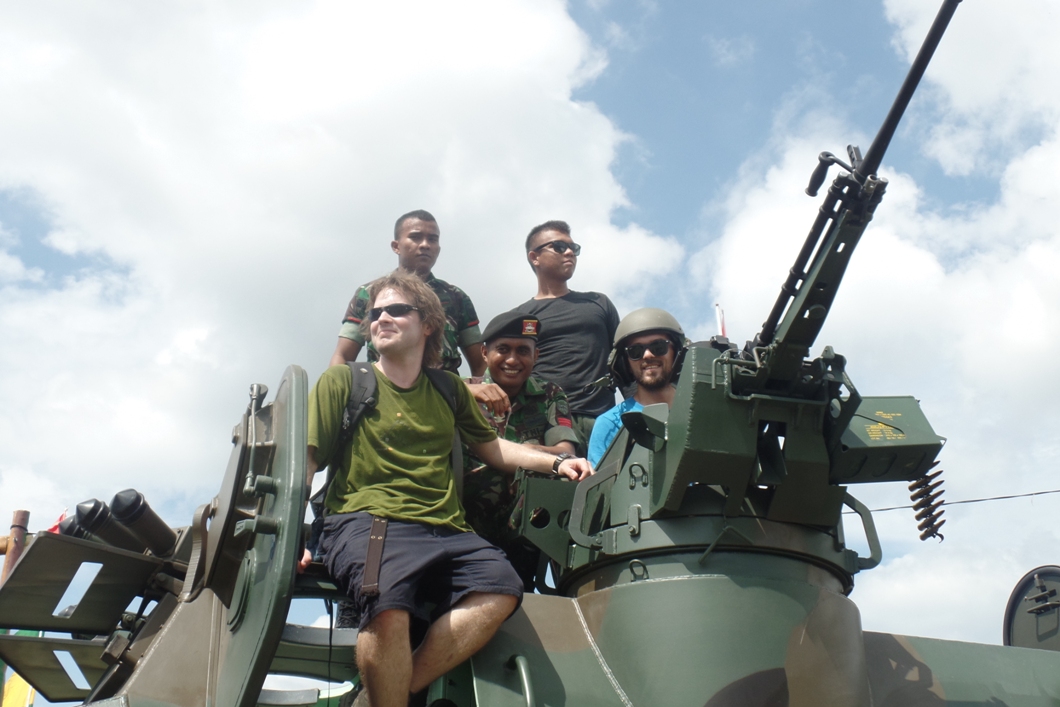
It much resembled an English country fete, with its stalls and carnival-like atmosphere, but instead of donkey riding and hearty games it was filled with guns, artillery and military vehicles. Soldiers greeted us enthusiastically and were insistent we had photos taken with them.

???????????????????????

“What is this?” I asked one of them.

“Do you want to see a big gun?” he replied, grabbing my arm and dragging me to it.

???????????????????????

I humoured him by taking a picture.

“But, really. What is this all this for?” I said, casting my arm around the field.

“Come see this missile!”

???????????????????????

“Why are you here?” I asked, pointing to the ground. “Today. What for?”

“We have a motorcycles!”

???????????????????????

Eventually, I gave up trying to understand it, and embraced the madness.

“Want to see a tank?”

???????????????????????

???????????????????????

There was also a flight simulator, caged reptiles, and I even found a series of stalls which had framed photos of heart-warming scenes of uniformed soldiers playing with children and aiding civilians.

???????????????????????

I never managed to find out what it was all about, though.

???????????????????????

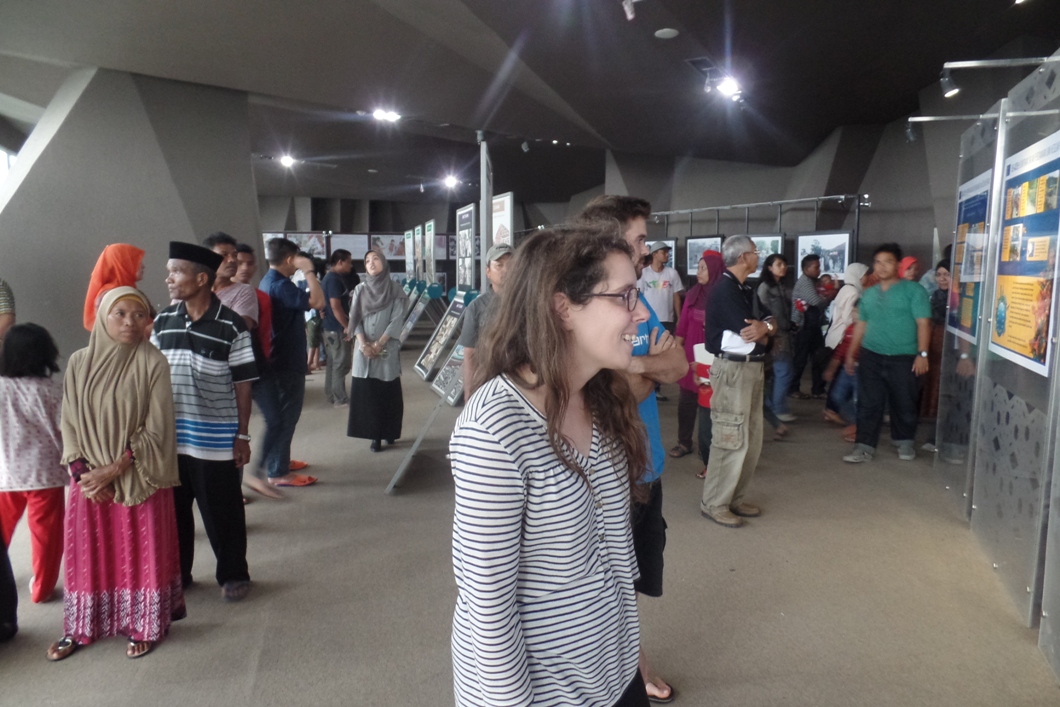
The Tsunami Museum was tasteful, solemn, and informative. There was a video, photos, lots of information about what happened, educational displays about the science of tectonic plates, as well as a few other things.

In the tsunami which struck Asia in 2004, Banda Aceh was the area affected the most; 167,000 people died, and  most of town was devastated.

The personal stories were the most interesting and poignant for me: photos of individuals were accompanied with details about how they were affected; children who had lost their parents, parents who had lost their children, and families which had lost their livelihoods and homes. It started on a very sad note, but further along the tone became much more positive and it began describing the process of rebuilding the town, showing photos of orphaned children with smiles on their faces because they were excited about returning to school, and telling stories about families who lost each other and thought each other dead, being reunited.

Dominique and Oleg left for Medan that evening, so I spent my next (and final) day in Indonesia alone. I began it with a visit to the Museum Aceh, which had a traditional Acehinese house filled with displays and details of the region’s history.

???????????????????????

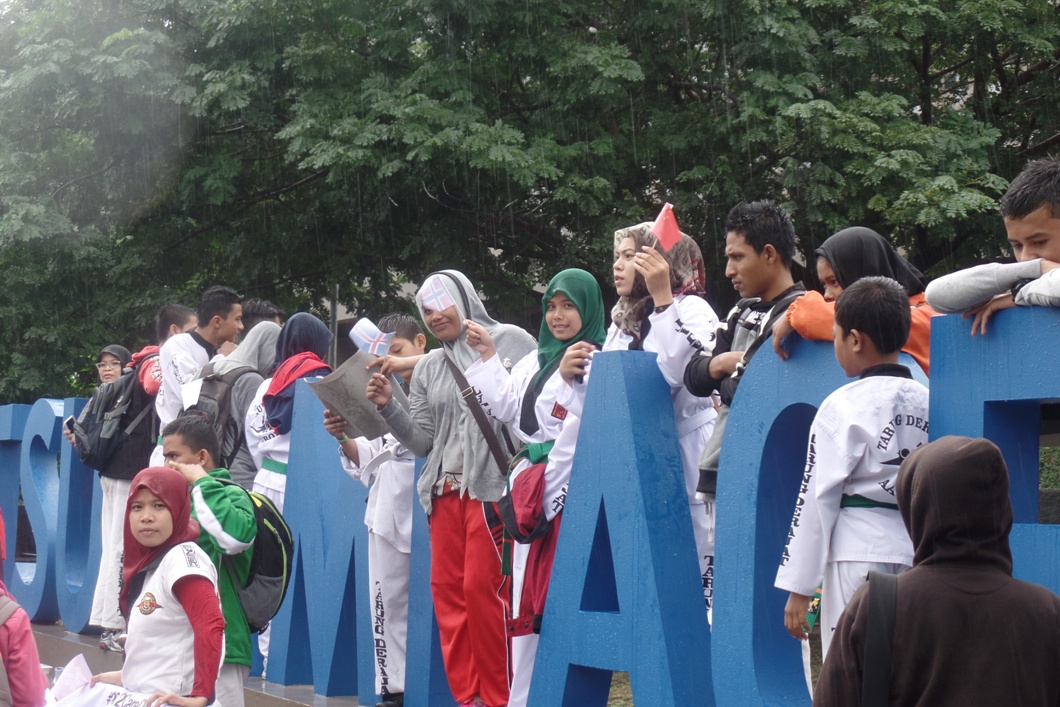
On my way out I passed the Tsunami Museum again, where there was some kind of remembrance ceremony going on as part of the build up to the upcoming 10 year anniversary of the disaster.

???????????????????????

The mood was generally cheerful: people were celebrating the kindness Indonesia received from the rest of the world after the tsunami happened, and waving different flags for all the countries which sent them aid. They were also getting all the passersby (including myself) to sign their name on a long banner.

???????????????????????

Apung 1, once I reached it, was an interesting sight.

???????????????????????

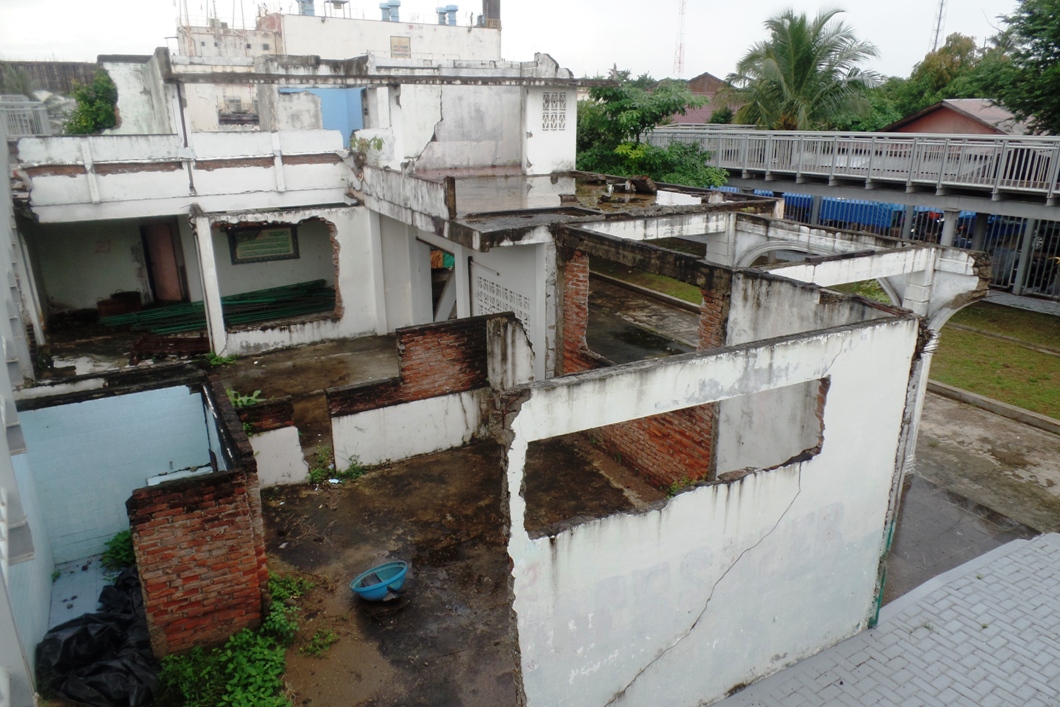
Once an electric generator ship, it was swept 2 kilometers inland when the tsunami struck, and since then it has remained there as a relic. The area around it has been turned into a Tsunami Education Park, with pictures and memorials, and some of the nearby buildings which were wrecked during the disaster have been left just as they are as an example.

???????????????????????

I hired myself a tuk tuk driver for the afternoon to take me around more sights. I went to a mass burial ground for victims, and then after that to Ulee Lheue beach, which is not actually a beach as such anymore – most of the sand was swept away – but the some of the locals still make the most of what they have and spend their free time drinking tea at cafes which have sprouted up along the grass strip and riding peddle boats.

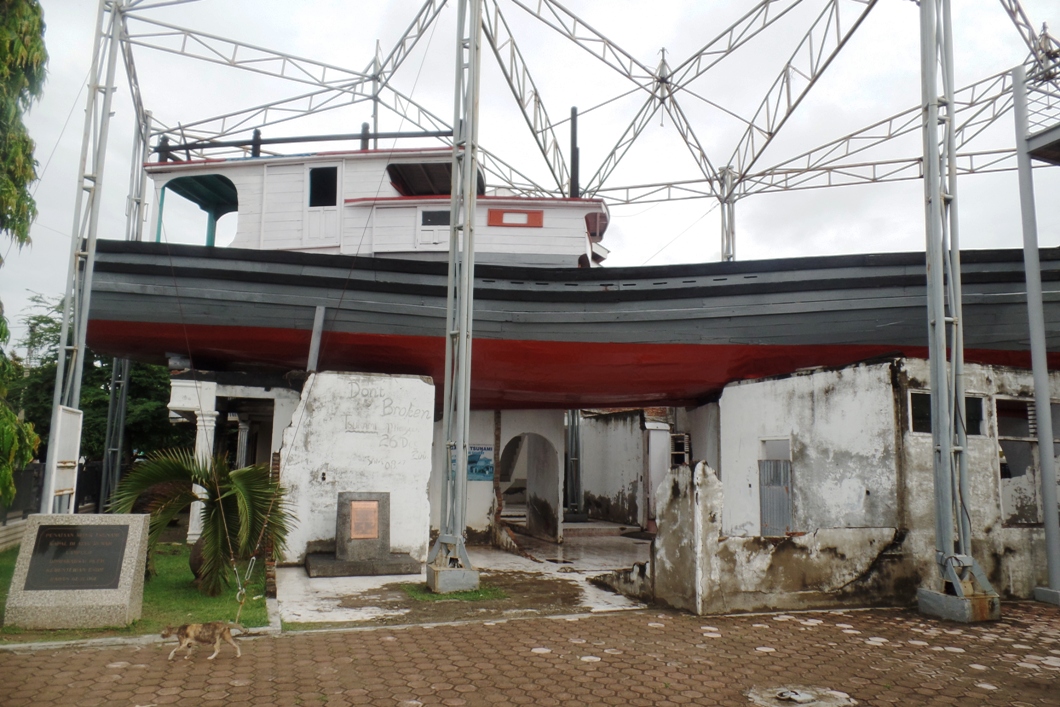
I also went to Lampulu village to see a fishing ship which got swept upon the roof of a house, and has since been maintained there as an iconic image. During the disaster, there were actually 59 people on board who, by some miracle, survived.

???????????????????????

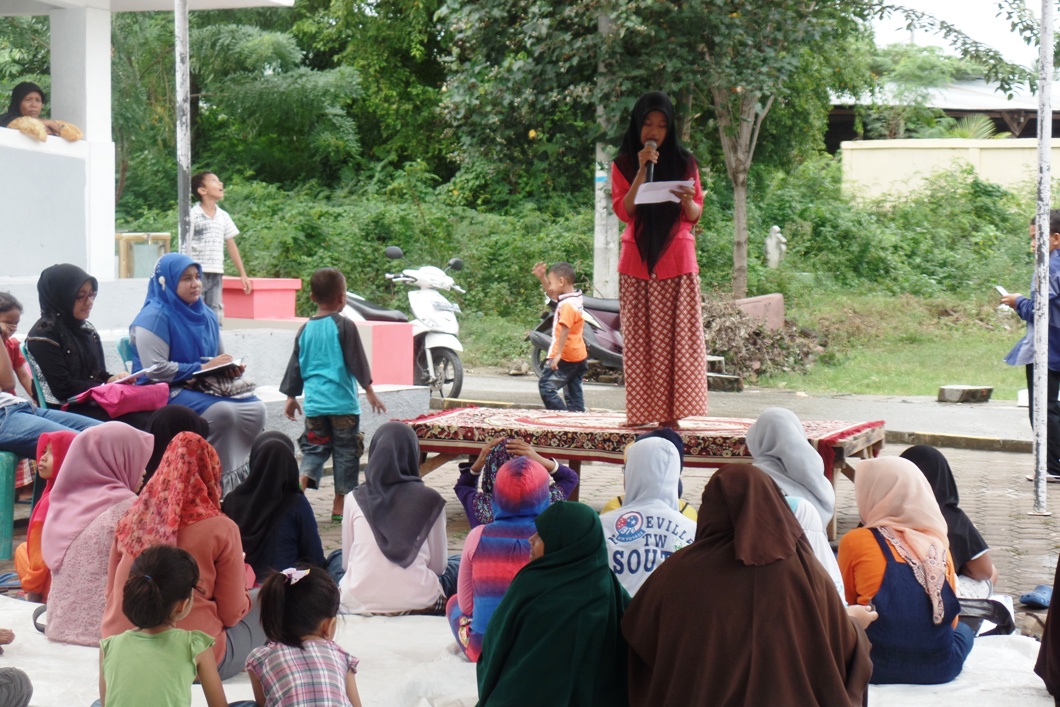
Just outside of it another touching event was happening while I was there: speeches were being given to a small audience by older children. I didn’t understand what they were saying because it wasn’t in English, but there was a generally sombre tone and some of the speakers even broke into tears, at times, but most of them finished off with a brave smile, and the audience always cheered. I suspect they were giving eulogies and recounting personal stories from the disaster.

???????????????????????

Banda Aceh was a great way to finish off my time in Sumatra, and I am very glad I made the decision to spend some time there. Sharia Law or not, it is a very special place. It is an example of how humankind can, at times, pull together and achieve great things out of mere kindness. This town has, thanks to much of the international aid they received, managed to do a great job of putting itself back together and, even more importantly, the people there have bravely got on with their lives after they lost everything. When one walks around the streets of Banda Aceh, it is sometimes hard to believe what happened there, not because the rebuilding process has been so successful – there are still landmarks from the disaster everywhere – but because of how bravely cheerful the people are, despite everything they went through.

The next morning I was flying to Taipei to spend Christmas and New Year with some friends.


For more photos from Banda Aceh, click here.