Travelblog#47: Danum Valley – Borneo

25th February-3rd March, 2015

I returned to Borneo: a place I visited during my last adventure around Asia three years ago.

And why? Well, firstly; I discovered that when one flies from the Philippines to Nepal, it actually works out cheaper to go via Kota Kinabalu.

There were a few places I wanted to see last time but sadly missed, due to not having enough time.

But the main reason, really, is that I fricking love Borneo, and the five weeks I spent there back in 2012 were some of the most memorable and exciting from that entire trip.

So, on the morning of 25th of February, James, Chloe and I boarded a plane from Manila. Pedro, who had been our travelling companion for the last four weeks, was flying back home to Taiwan, so it was now just three of us. James and Chloe (the lucky bastards) were going to be spending six weeks in Borneo, in all, but I was just going to be accompanying them for the first few days.

The plane touched down upon Kota Kinabalu in the morning and, after booking tickets for a sleeper bus heading south that evening, we went for a little wander around town. I spent most of that day experiencing flashbacks and feeling fondly nostalgic: walking past a bar and remembering it was where me and a friend drank beer a couple of times, popping into a restaurant to examine the menu and realising that I had eaten there before. Remembering some of the things that I love about Borneo. Such as the crazy equatorial weather: the constant flux between dark clouds and blazing sunlight with blue skies; that damp scent of a storm about to happen, frequently in the air; the occasional rumble of thunder in the distance.

In the evening we boarded the sleeper bus. It was fairly comfortable but unfortunately we had to get off at 3am because it rolled into Lahad Datu early. Luckily there was a 24-hour café open so we took refuge there, eating mie goreng and roti canai while we waited for the Danum Valley Field Centre office to open.


Danum Valley

Day 1

By lunchtime everything was organised and we were upon a 4WD for a bumpy two-hour journey to the Danum Valley Field Centre. We were all very tired by then, so our heads were slumping and our eyes kept rolling back. At one point I was sputtered back into a state of consciousness by James yelling my name. I opened my eyes and, as my vision switched from blurry to focussed, I saw that he was pointing to something outside the window and scrambled for my camera.

???????????????????????

A group of bornean pygmy elephants; our first sighting.

A while later we rocked up at the dormitory, where we claimed our beds, and then James and I rustled up a vegetable curry in the communal kitchen. As we were cooking, a middle-aged German guy turned up with his parents and, as soon as I saw his face, I knew that I recognised him from somewhere.

“Errm, this might sound a bit weird…” I said. “But… did I meet you three years ago, when I was last in Borneo?”

“That depends,” he said. “Did you do any diving in Semporna?”

It turned out that he owned the outfit which I had done a few days of scuba diving with – the very same outfit which James and Chloe had booked to do their PADI Open Water courses with next week.

It was one of those ‘Small World’ moments.

We chatted for a while, as he cooked dinner for his parents. And after he left a group of Malaysian students came into communal area to make their dinners’ too.

Danum Valley Field Centre is primarily a research station for scientists – tourists are accepted, if there is room, but they are a minority – so it is not like a hotel or resort: the lodgings are very basic, and specifically designed so that people can do things independently. The Malay students were all from a university in Kota Kinabalu, studying subjects which ranged from the bio-diversity of ferns to renewable energy. They were all quite friendly and talkative, when they weren’t busy tapping away upon their computers.


Day 2

At the crack of dawn James and I went to the river, hoping to spot a few birds but we weren’t having much luck. I heard a rustling nearby and saw movement in the trees – and I could tell it was some kind of ape by the size of the disturbance it caused – so I went over to investigate.

I was expecting it to be an orang-utan, but what I found was even better; a small group of bornean gibbons.

???????????????????????

I think we were very lucky to see them so close; gibbons are creatures which you hear all the time when you’re in the jungle, because they make such a distinctive sound, but they are usually so high up in the canopy and moving so fast that they can be hard to see properly. During my four days in Gunung Leuser National Park in Sumatra, I saw only one gibbon, and that was just a fleeting glance as it swung between the trees.

???????????????????????

We went back to the dorm for a while to eat breakfast and, while Chloe was brewing the porridge, this bizarre little creature crawled across the veranda. Apparently it was some kind of mantis.
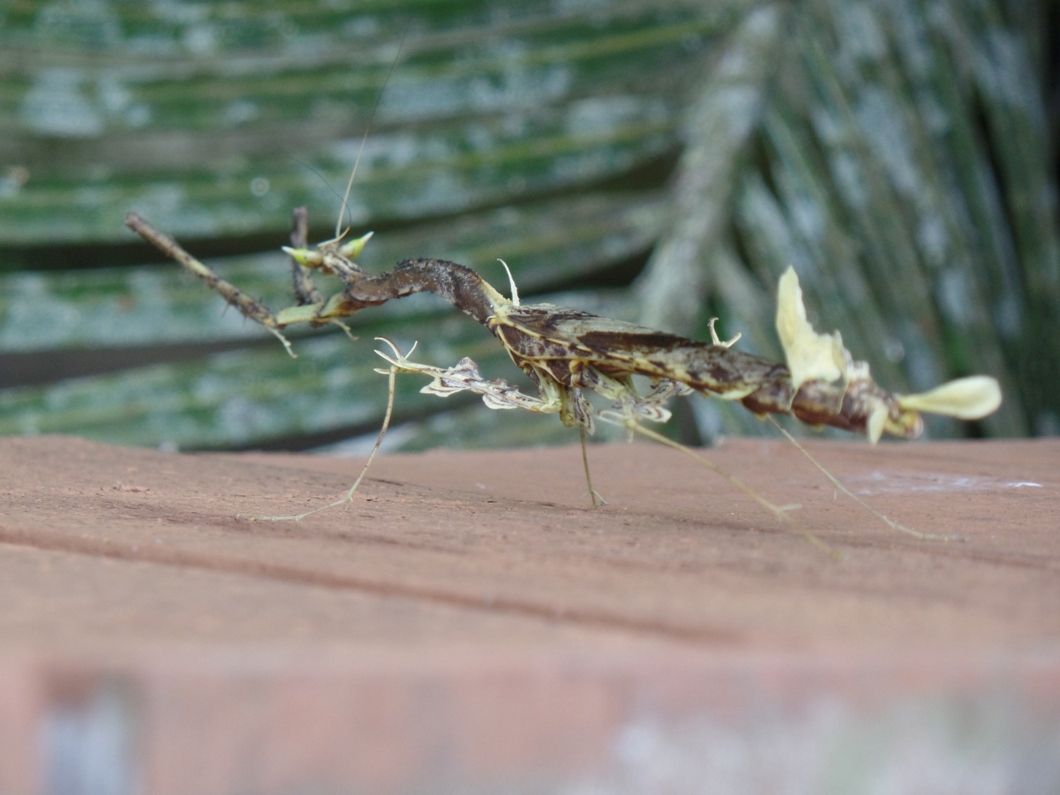
???????????????????????

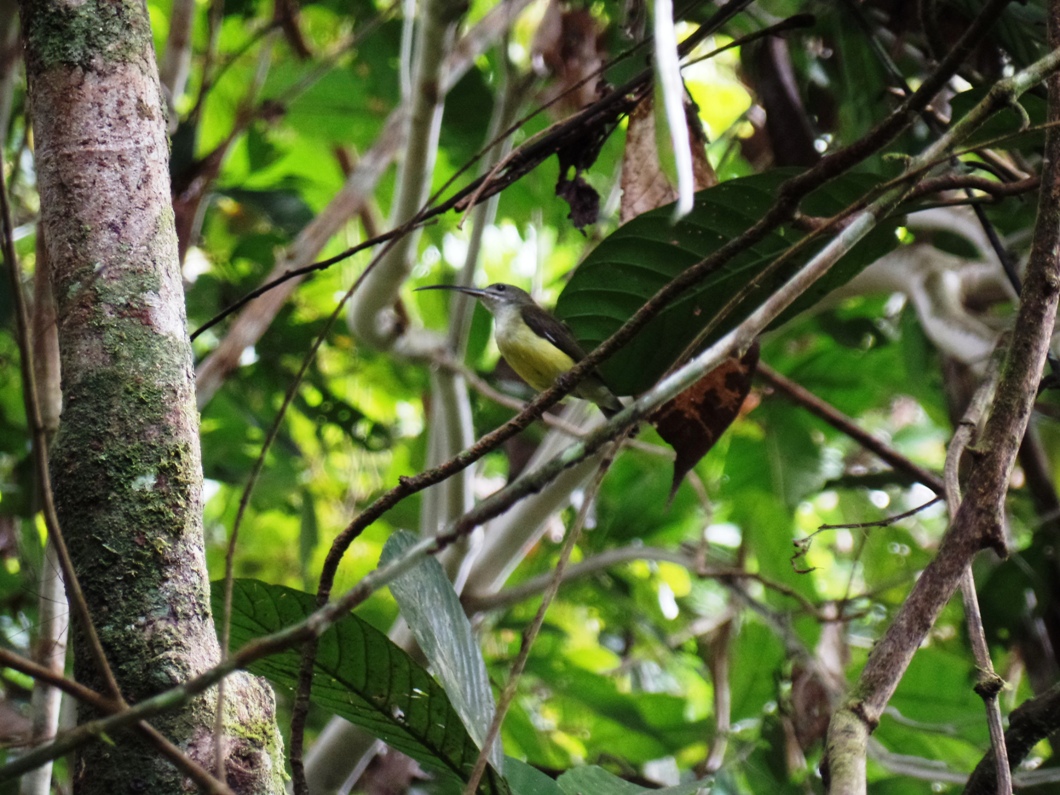
We then set off again, deciding to walk along the ‘Coffin Trail’, which turned out to be a great place for spotting birds. We kept seeing this really beautiful black bird which had a distinctive feather sticking out from its tail, but none of us managed to get a good picture of it as it was moving around too fast. I did manage to get a fairly decent shot of this small spider hunter though:
???????????????????????

About halfway along the trail I suddenly heard a branch snap. What was that? I wondered, expecting some kind of primate. A large tree was obstructing whatever it was from view, so I primed my camera ready and sneaked up behind the trunk to get a peak.

???????????????????????

And that – to my utter shock – was the photo I took. I should also mention that it was taken with absolutely no zoom.

I immediately backed away.

“What was that?” James asked, noticing that something was up.

“It’s a f**king elephant!” I exclaimed. “Stay back.”

The creature immediately made a distressed trumpetting sound, followed by a growl. I never knew that an elephant could growl, until that moment, but it sounded like the kind of noise a predator would make.

I carried on pulling back, eventually veering to the side a bit to see if it was still there.

???????????????????????

I then discovered that there were actually four of them, and that one was a calf – which was why the the older ones were being so protective. They carried on growling, and Chloe was – quite understandably – scared. I was a bit scared too, but I couldn’t resist taking a few photos as I gradually backed away.

???????????????????????

Eventually the elephants stomped off into the trees, their trunks blaring out loud noises along the way. The path was clear, and we could carry on walking.

We reached the coffins shortly after that: they were placed there over 400 years ago by the Orang Sungai (literal translation: ‘River People’) tribes who used to inhabit the banks of the Segama.

???????????????????????

We did encounter the elephants again on our way back, but the second incident was far less dramatic: the creatures were busily eating leaves on a little ridge above us and, once they heard us coming, they calmly walked away.
???????????????????????

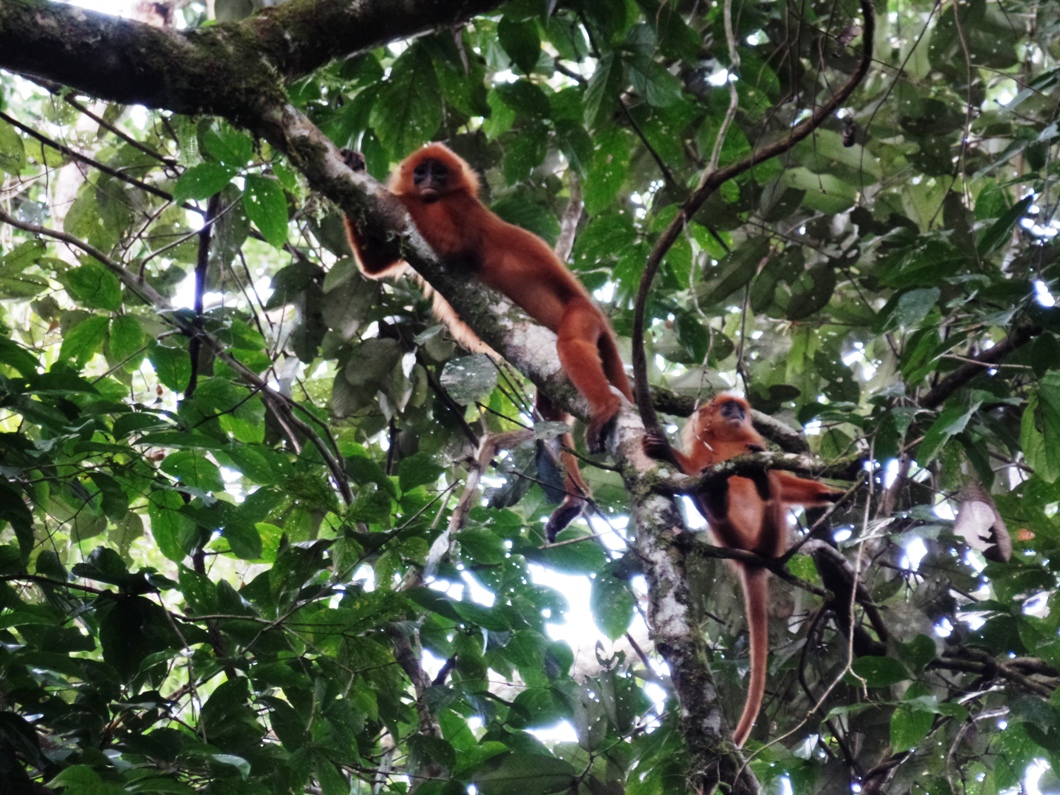
In the afternoon we came across a group of red leaf monkeys, which we observed for a while. They, and the gibbons I saw that morning, were the only primates which I didn’t manage to see last time I was in Borneo so, from that moment on, I could proudly say that I had glimpsed every species of monkey and ape on the island.

???????????????????????

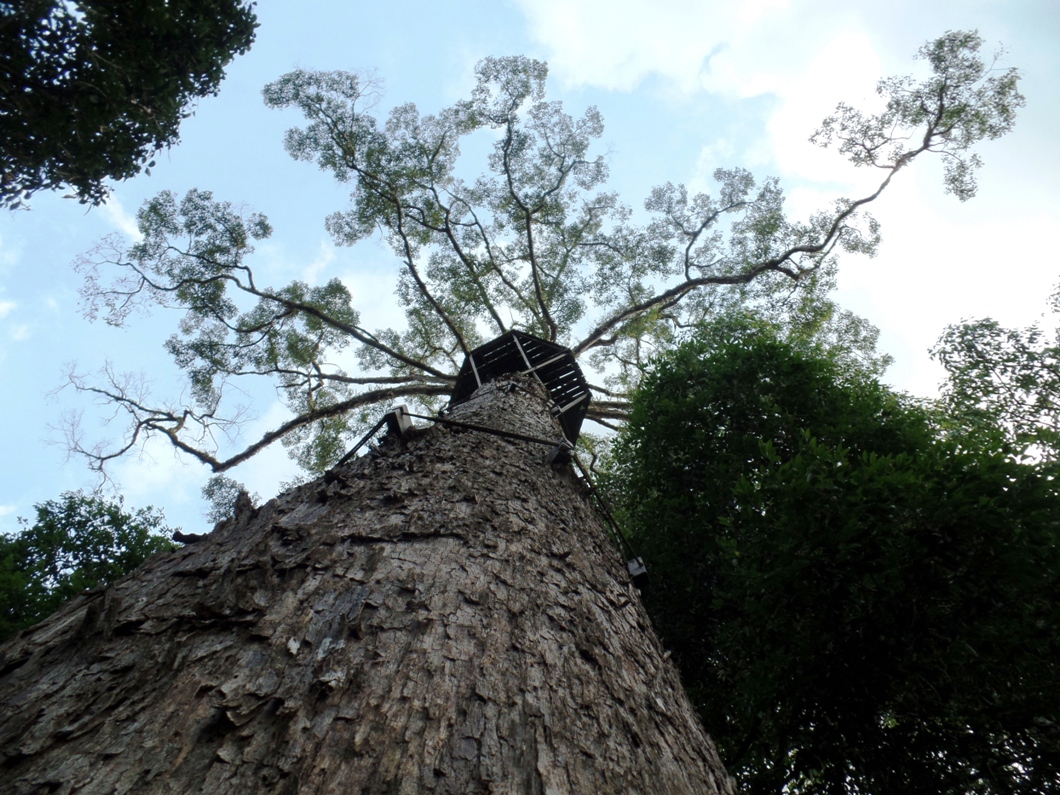
At the end of the afternoon we visited Danum Valley Field Centre’s Tree Platform. Due to my fear of heights, I never made it up to the upper level – I barely made it to the first! – but it was still an enjoyable view. We stayed there until dusk.
???????????????????????


Day 3

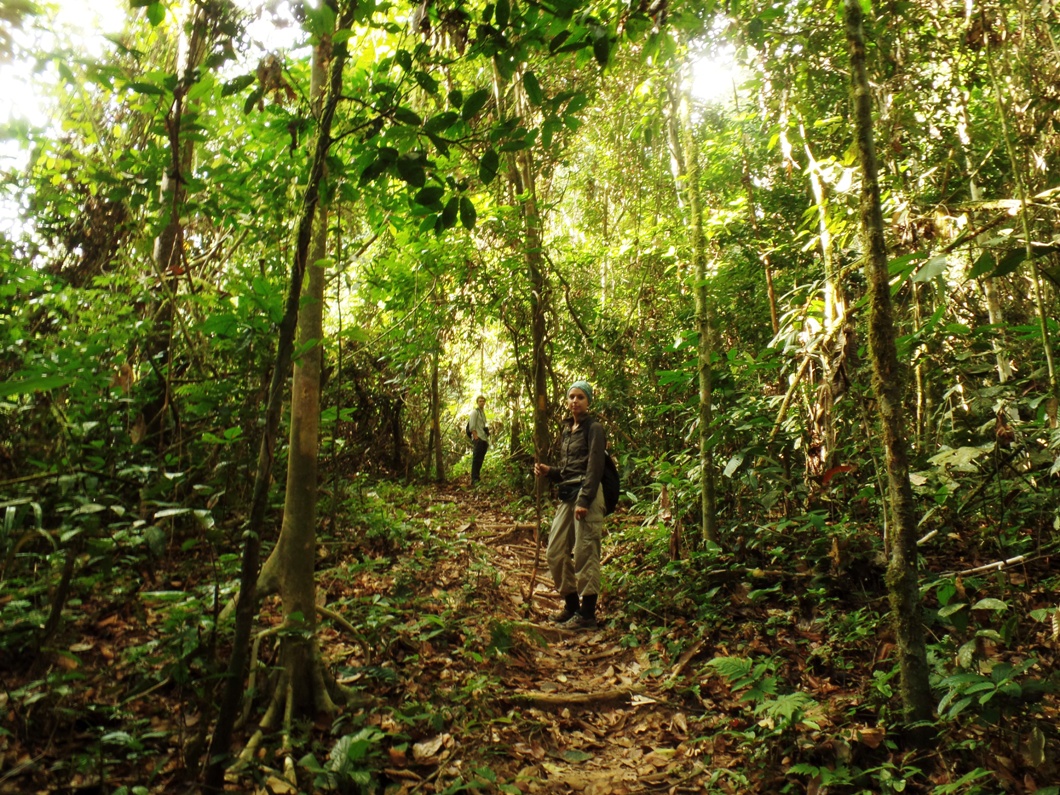
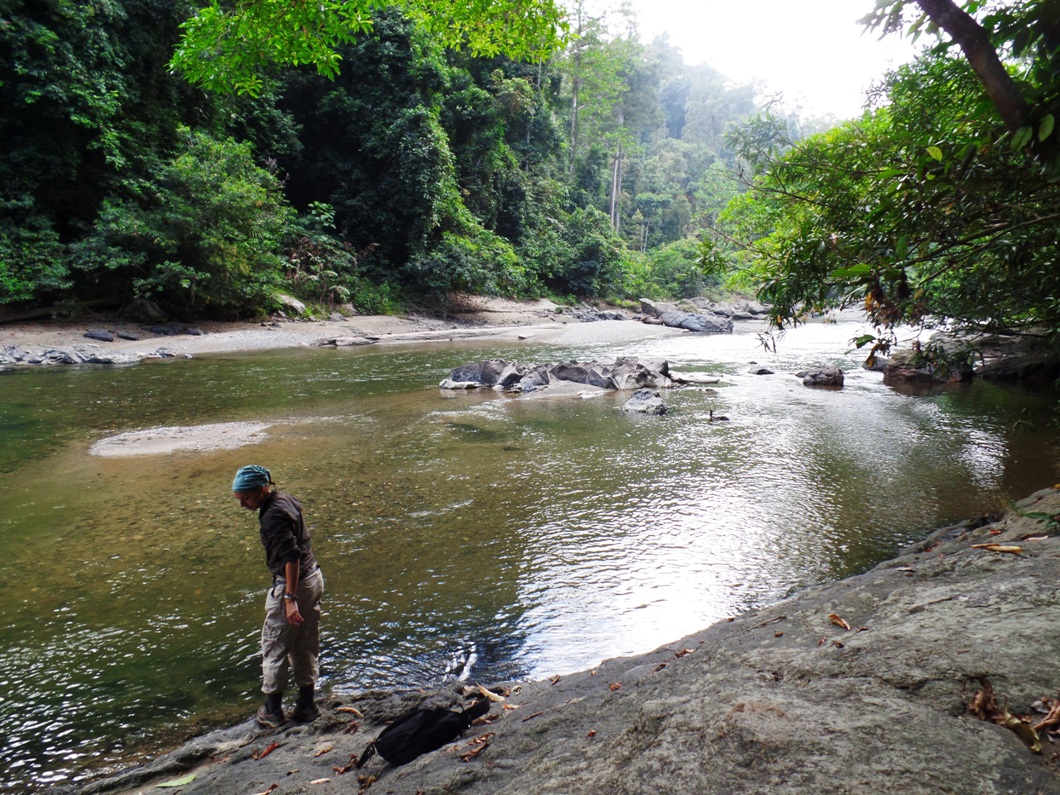
We wanted to do at least one long trek while we were in Danum Valley, so on the third day we decided to hike along the ‘Rhino Pool’ trail.
???????????????????????

We weren’t quite as fortunate with the wildlife that day, but we were so grateful for how blessed we were on the previous one that we didn’t mind. The trail was a very nice one, passing through stunning primary rainforest, and there were lots of sounds, making it audibly one of the finest jungle treks I have ever been on.
???????????????????????

We reached the spot for which the trail gets its namesake (a rhino was spotted there by someone in 1995) after two hours, and then we took a different trail to loop back to the headquarters, arriving just in time to eat our lunch by a small beach on the bank of the Segama river.

???????????????????????

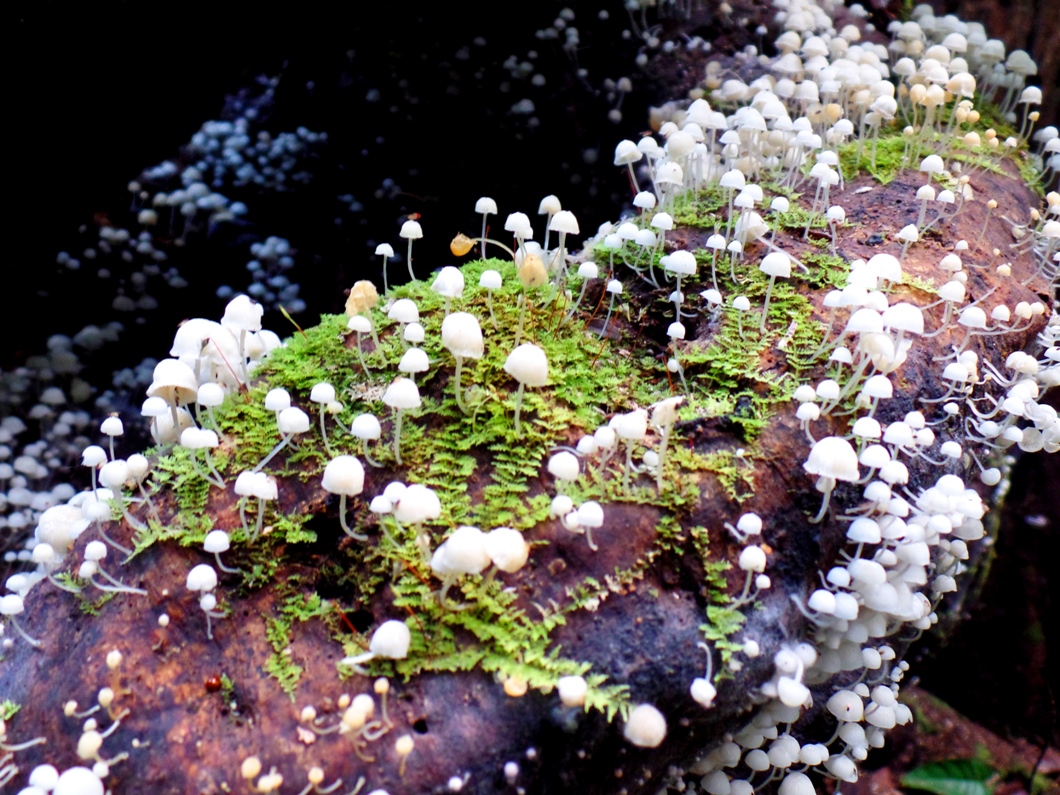
In the afternoon we took it easy and strolled around a series of small paths near the headquarters. We spotted black squirrels, pygmy squirrels, a few birds, another group of red leaf monkeys, and came across a decomposing tree which was covered in mushrooms and looked like something out of a weird fairytale.
???????????????????????

Just before sunset we sat upon a platform overlooking the river and were lucky enough to witness a pair of hornbills land upon the tree opposite us and swoop between the branches for a while just before they flew back to their nest.

???????????????????????

That night we were taken out on a guided night walk, where we saw a fleeting glimpse of a sambar deer, lots of spiders, and this lizard:

???????????????????????


Day 4

The three of us decided to venture off our own separate ways for our last day in Danum Valley, so we could spend it pleasing ourselves. I began it by getting up at 5am and walking over to the Observation Tower just before sunrise, so I could hear the dawn chorus, which was a very magical experience.

???????????????????????

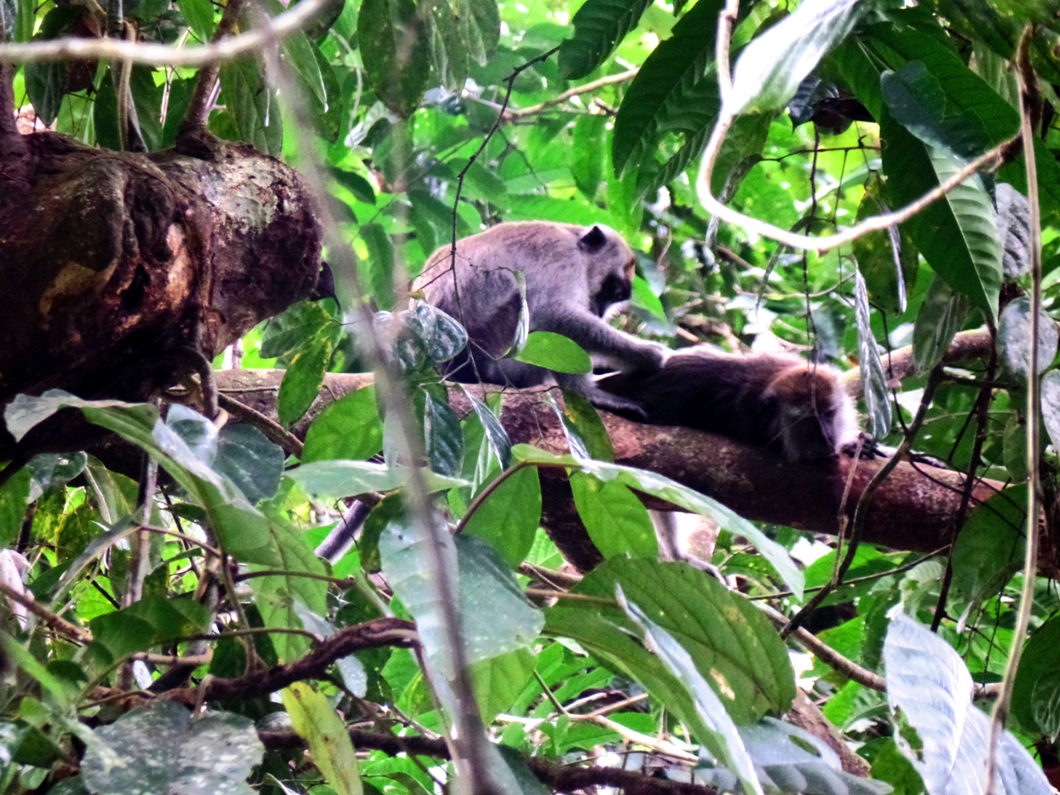
I wandered aimlessly for rest of the day and saw a few creatures along the way, including a group of red leaf monkeys, more squirrels, and lots birds. Towards the end of the afternoon I came across a group of long tail macaques, and I sat down to watch them for a while as they bonded with each other.
???????????????????????


For more photos from Danum Valley, click here.

Travelblog#46: Baguio – the Philippines

21st-24th February, 2015

Me and my three travelling companions had originally intended to spend our last few days in the Philippines visiting a small village in the north called Kabayan – which is famous for its people having their mummified ancestors stored within caves – but when we looked at the transport options we realised that such a venture would have been impractical with the rather limited ammount of time we had left. We could have just about done it, but it would have meant an entire two days of travelling for just one to spend actually exploring Kabayan.

So instead we ended up going to Baguio – a mountain city in the highlands of North Luzon, which is surrounded by many attractions – and it swiftly became my favourite city in the Philippines. Throughout this blog I am going to catalogue the places we visited.


St Louis University Museum

???????????????????????

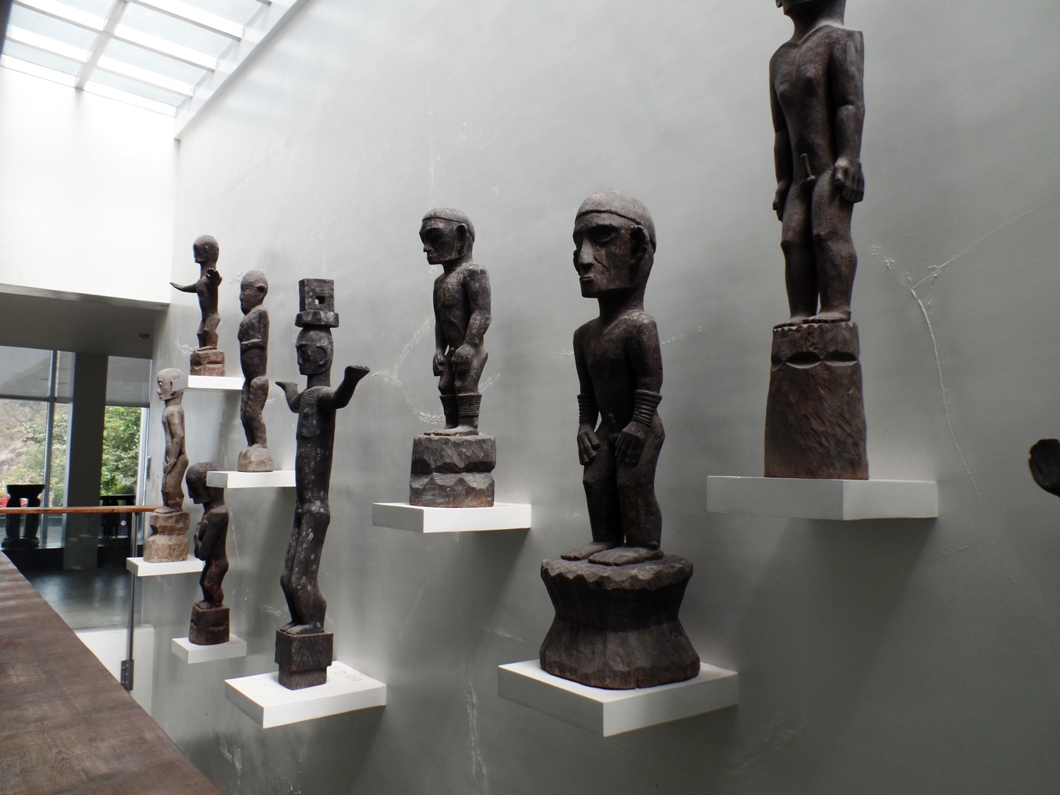
This is definitely somewhere to go if one has a particular interest in indigenous tribes, but it is not for everyone. I visited alone, while my travelling companions – who are not quite as geeky about history as I am – were busy shopping in SM Mall.

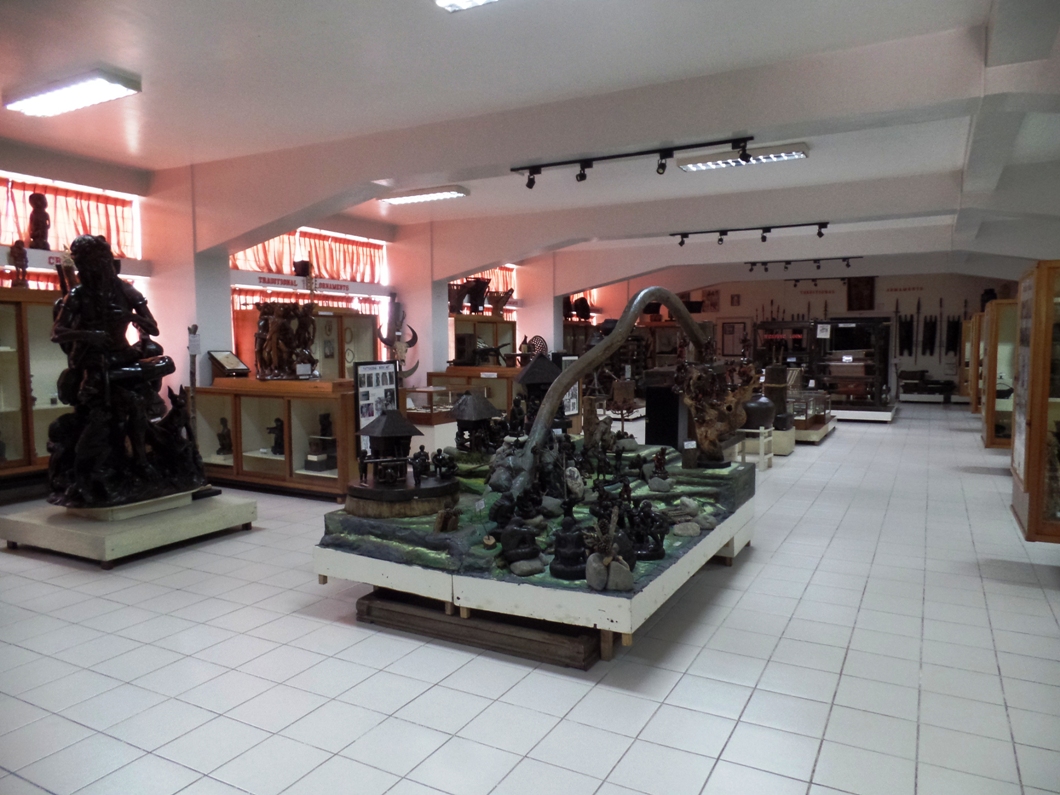
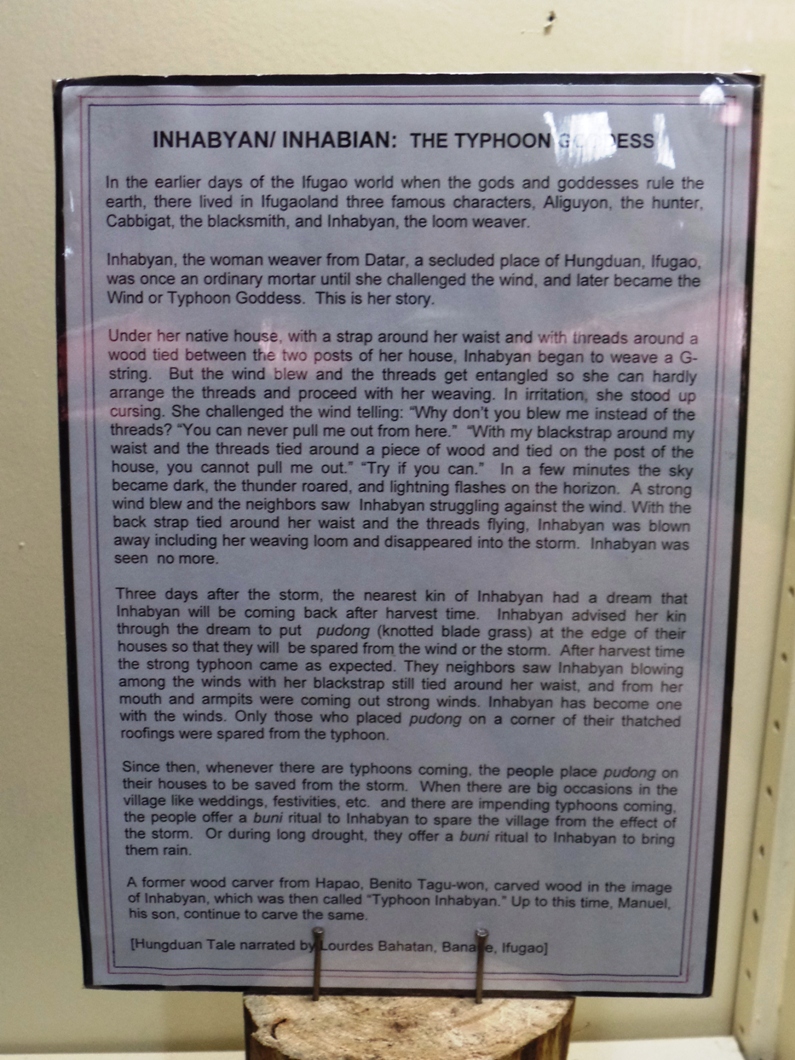
Hosted in the basement of the University’s library, it contains a vast collection of tribal artefacts from across the Cordillera, and the exhibition is wonderfully illuminated with enlightening information. The curator, Ike Picpican, is clearly very passionate about his subject and appears to have a particular interest in the magico-religious traditions of animist tribes. I found the details about indigenous talismans – such as tangkils (bands warriors wore around their arms) and dulis (necklaces made from snake vertebrae, which Bontoc women wear to protect themselves against malevolent spirits and thunderstorms) – and the stories about the gods and goddesses of the Cordillera pantheon, very intriguing.

???????????????????????

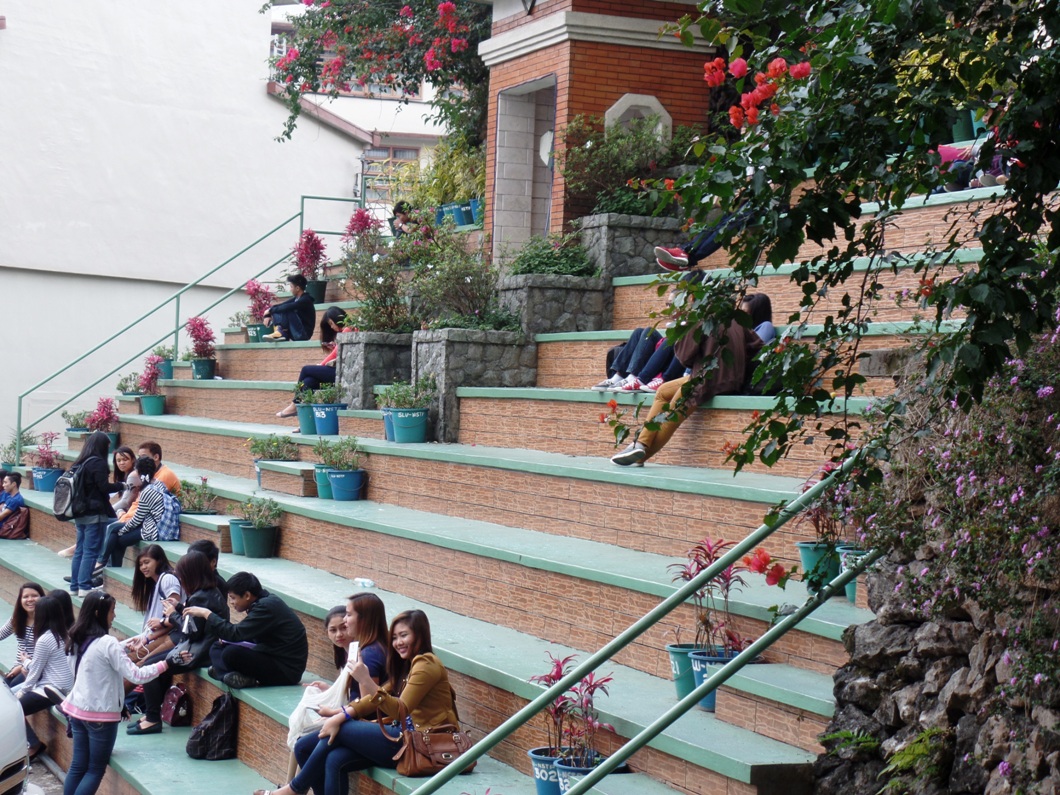
Entry was free but, as it is on the grounds of St Louis campus, I had to pass through security, leave my passport at the entrance and wear a visitor’s badge. It was quite interesting to see the inside of a Filipino university.

???????????????????????


Baguio Museum

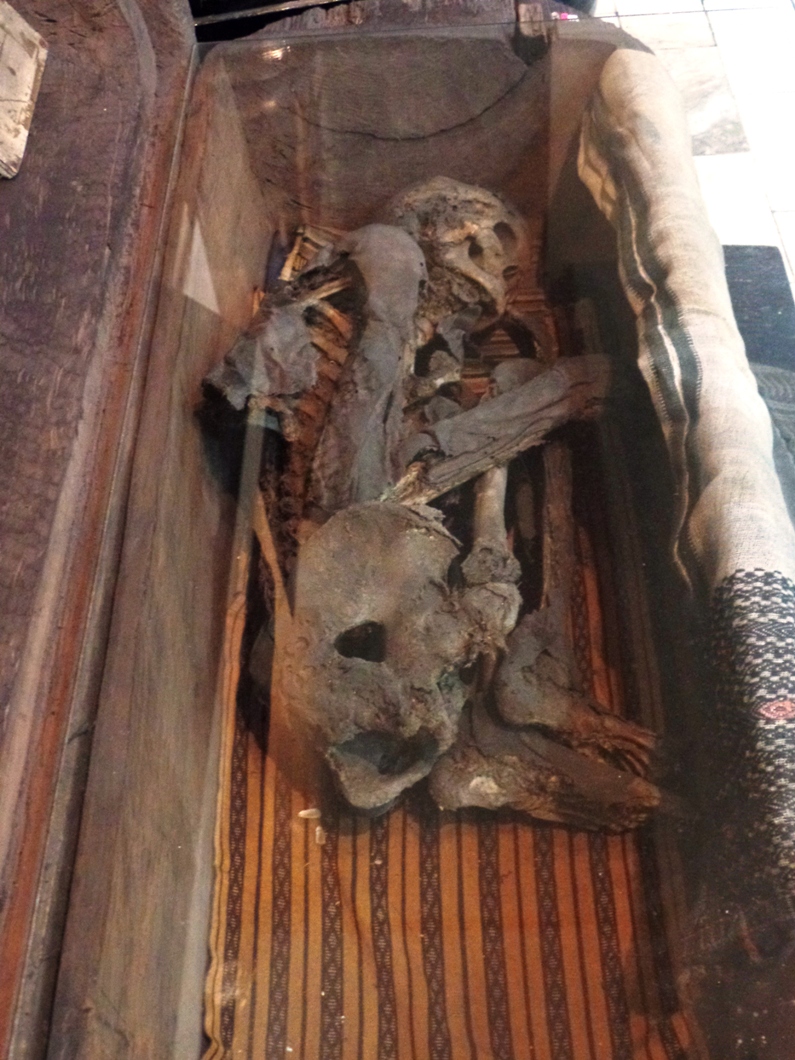
As far as tribal history goes, the museum at St Louis University definitely had the upper hand, but Baguio Museum was still a fairly good (and educational) way to burn an hour or two of time, and it was also home to a genuine Kabayan Mummy.

???????????????????????

There was also an art gallery downstairs and, if any of you readers have a burning desire to see a portrait photo of every mayor Baguio has ever had, then the second floor of this museum is the place for you. I, admittedly, may have breezed past that particular section…


BenCab Museum

???????????????????????

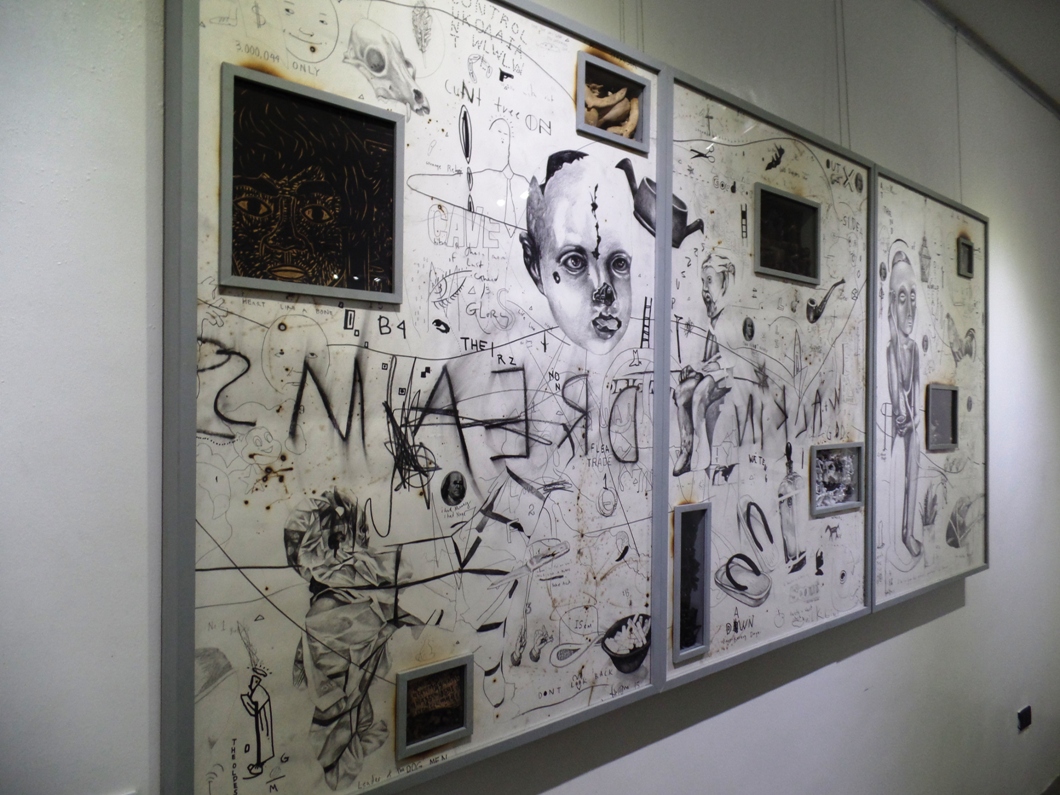
Possibly the highlight of Baguio for all four of us was this treasure. It was a little out of town so we had to catch a taxi, but it was definitely worth the trip. It was more of an art gallery than a museum, but a very good one, and it somehow managed to cover a whole range of traditional and modern styles while still keeping the tribal theme as a distinct nucleus.

???????????????????????

Baguio is a very arty place. Every museum there seems to have at least one room (or several) dedicated to displaying works made my local hands and minds. I found that the standard was generally very high, and much of it captured what I sensed was the essence of a tribal – and formally animist – identity caught in the throws of modern urbanisation and a Christian doctrine.

???????????????????????


Tam-awan Village

???????????????????????

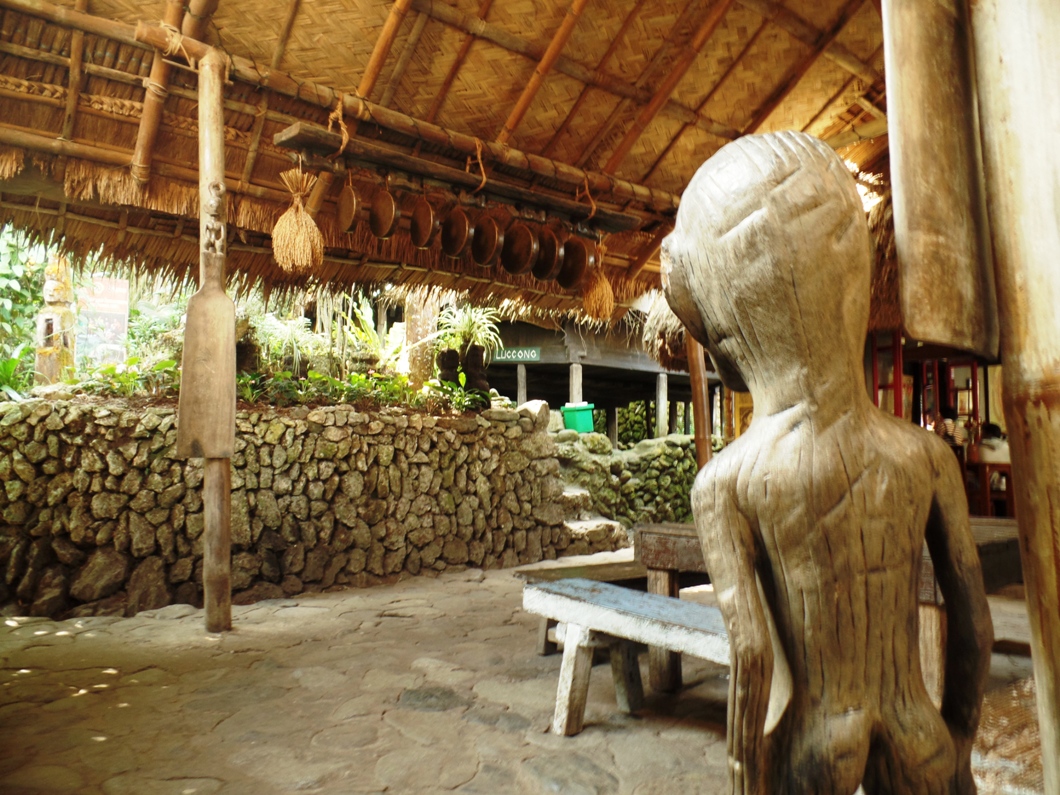
Tam-awan was okay, but not quite deserving of its status as one of the main attractions in Baguio. It was essentially a collection of remodelled tribal buildings scattered around a copse, with a few art galleries and new-agey things – such as dream-catchers, and tires painted in psychedelic colours – thrown into the mix. There is quite a nice atmosphere there, though. I would recommend it to future travellers if they have some time to burn.


Baguio Botanical Gardens

???????????????????????

The Botanical Gardens were a little rough around the edges – if they had just cleaned up the few little parts of it which let it down it would have been great – but it was definitely an enjoyable place to wander around for an hour or so, and we couldn’t really complain when it was free.


Maryknoll Ecological Sanctuary

???????????????????????

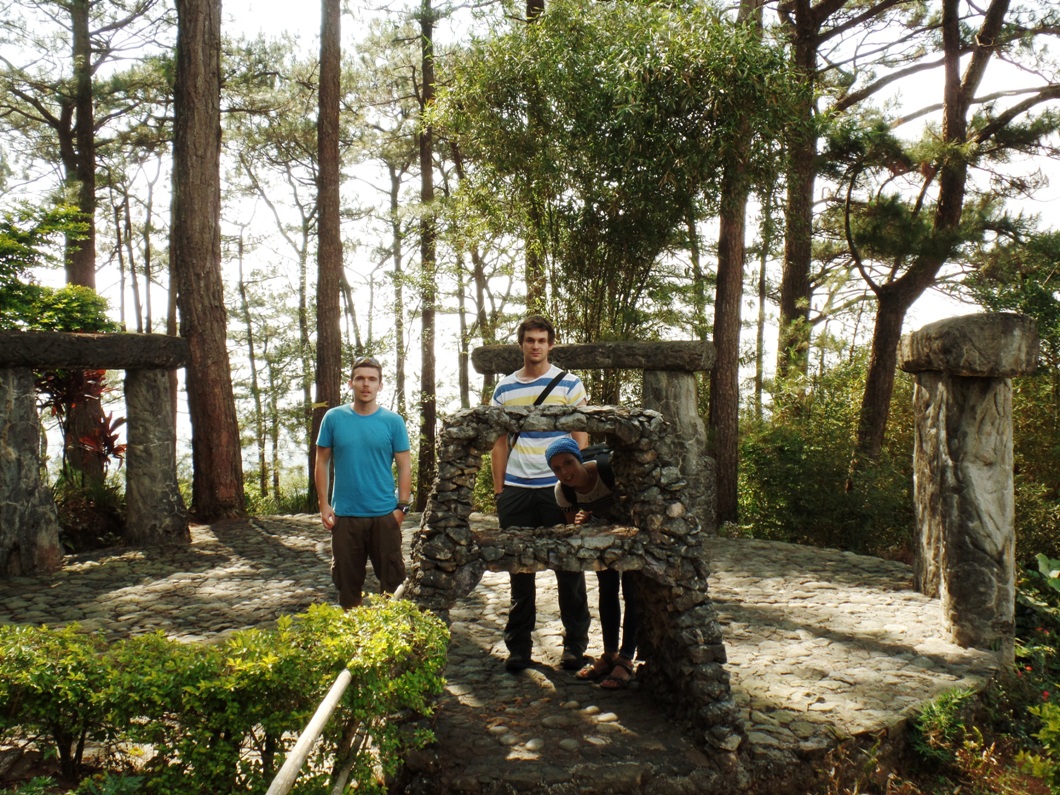
The ‘Cosmic Journey’ (which involved walking through a series of gardens giving a very brief history of the universe and life on our planet) was a bit cheesy, but the gardens themselves were very nice and the energy there was pleasant. The gift shop was stocked with lots of naturally made products, including soap and insect repellents, and there were a variety of interesting books about spiritual philosophy for sale. I ended up walking away with a copy of a book about the pre-Christian religious traditions of the tribes of the Cordillera – a subject I had become increasing intrigued by.

???????????????????????


Mine’s View

???????????????????????

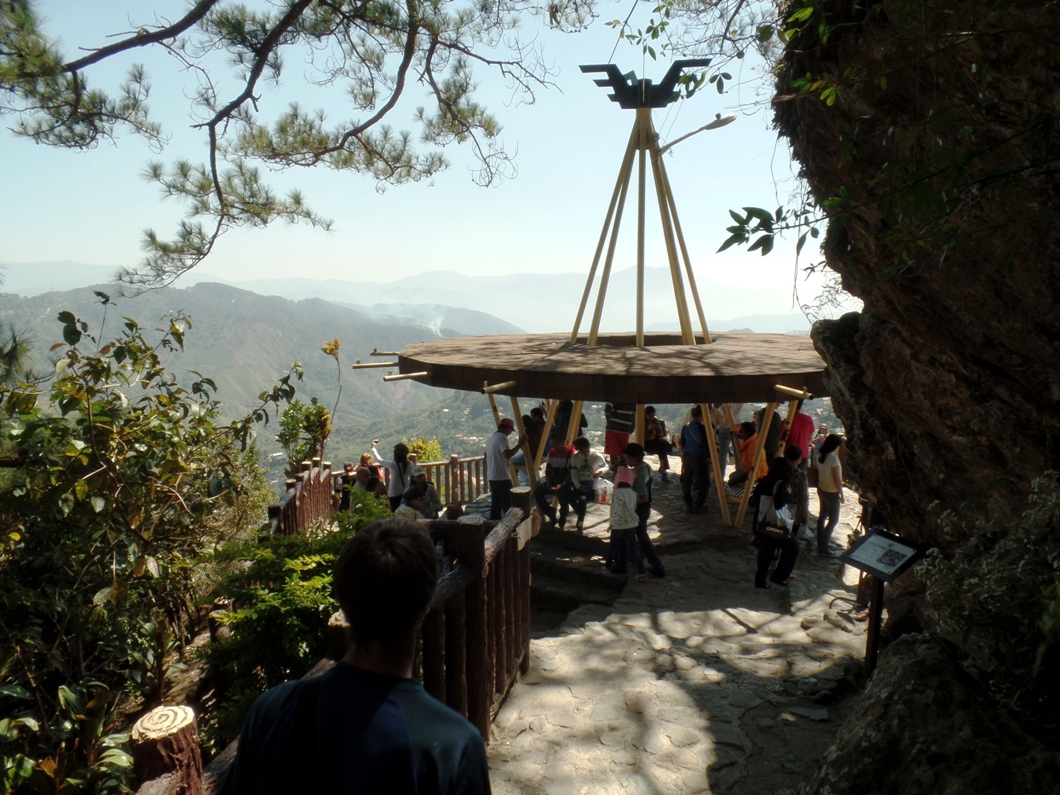
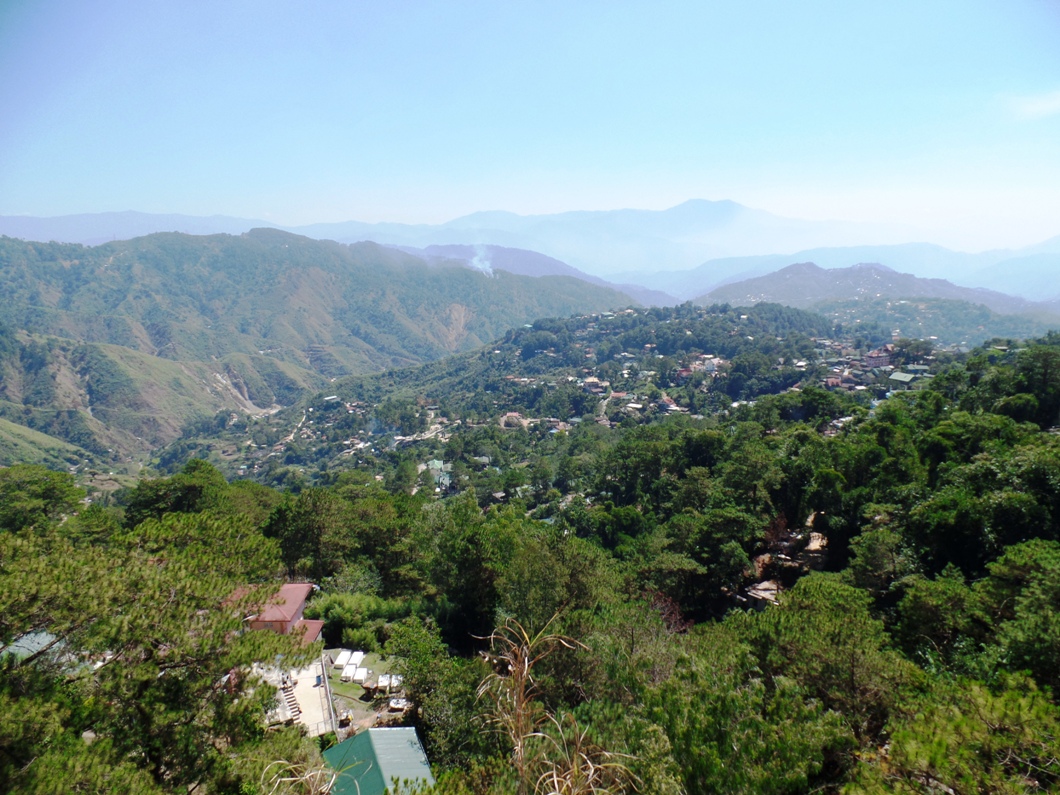
It was just a short jeepney ride away, and the four of us caught a great view of the mountains.

???????????????????????

We did, however, have to walk past a tourist trap of street stalls selling various forms of tat on our way down.


Vegetarian Restaurants

Being vegetarian in Philippines has been very frustrating, at times – there have been occasions where I have wandered around towns for what felt like hours, trying to find something without meat in it – but Baguio was definitely an exception to that rule and there was a good variety of places for me and Pedro to eat. ‘Oh My Gulay’ is the restaurant which all the travel guides rave on about, but we actually found the food there a bit bland. There was a Taiwanese style vegetarian restaurant in the food court at SM Mall which was always good for a spot of lunch, and on the final day in the area we discovered a place called ‘Health 100’, which just so happened to be opposite the road from Baguio Village Inn (the guest house most backpackers end up staying at).


The Earthquake

On the morning before we left, we went to Health 100 to eat breakfast and just as we were waiting for our food, the table suddenly began to shake and the floor rumbled. It didn’t last for very long, and I was a bit unsure what was going on at first, but, when I saw the panic-stricken café workers running towards the doorway, I realised that I had just experienced my first earthquake.

Its epicentre was 13 kilometres away from the city, and it was a magnitude of 4.1. Nobody was hurt, so I am actually glad it happened because it was quite an exciting experience.


For more photos from Baguio, click here.

Travelblog#45: Sagada – the Philippines

19th-20th February, 2015

Sagada was a bit of a surprise for me. It was one of the places I had ringed in my travel guide as a somewhere to visit – mostly because it sounded like there were some interesting caves to see there – but it wasn’t a location I had been expecting too much from. The Ifugao Rice Terraces had always been the principal reason for visiting the north of the Philippines, and Sagada was just an afterthought.

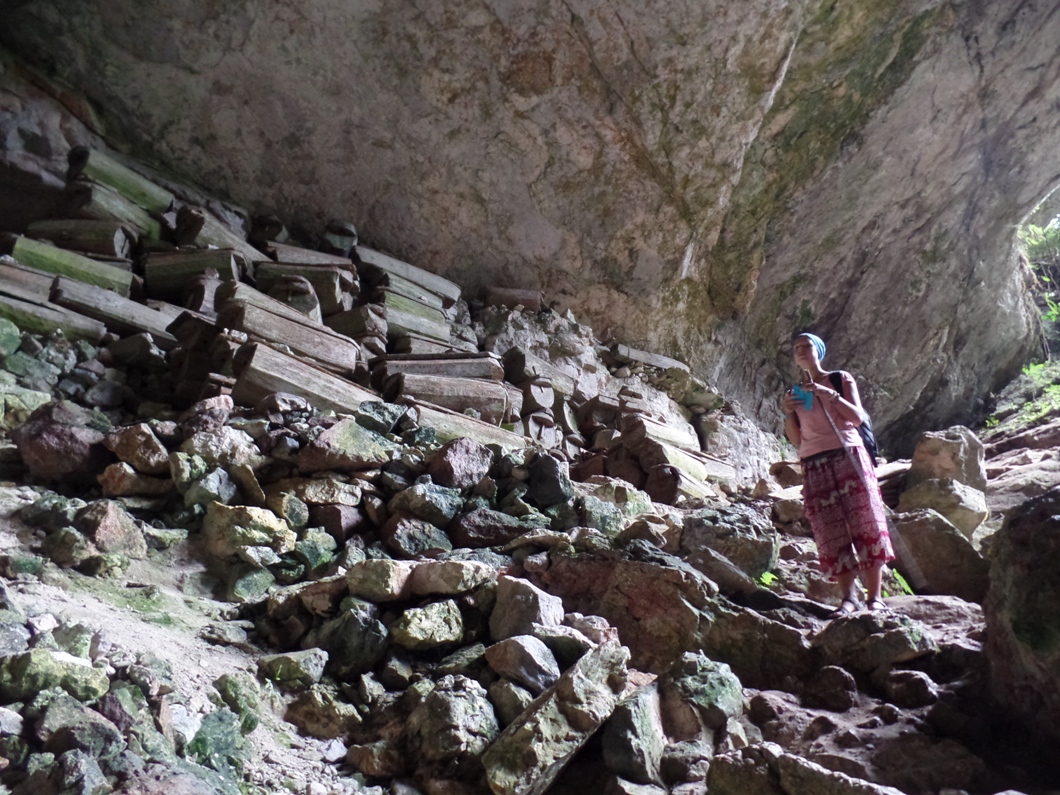
Well, I visited. And, as expected, the caves were quite interesting. On our first morning there me and my three companions – James, Chloe and Pedro – started off the day by visiting Lumiang Cave, which was home to over 100 coffins.

???????????????????????

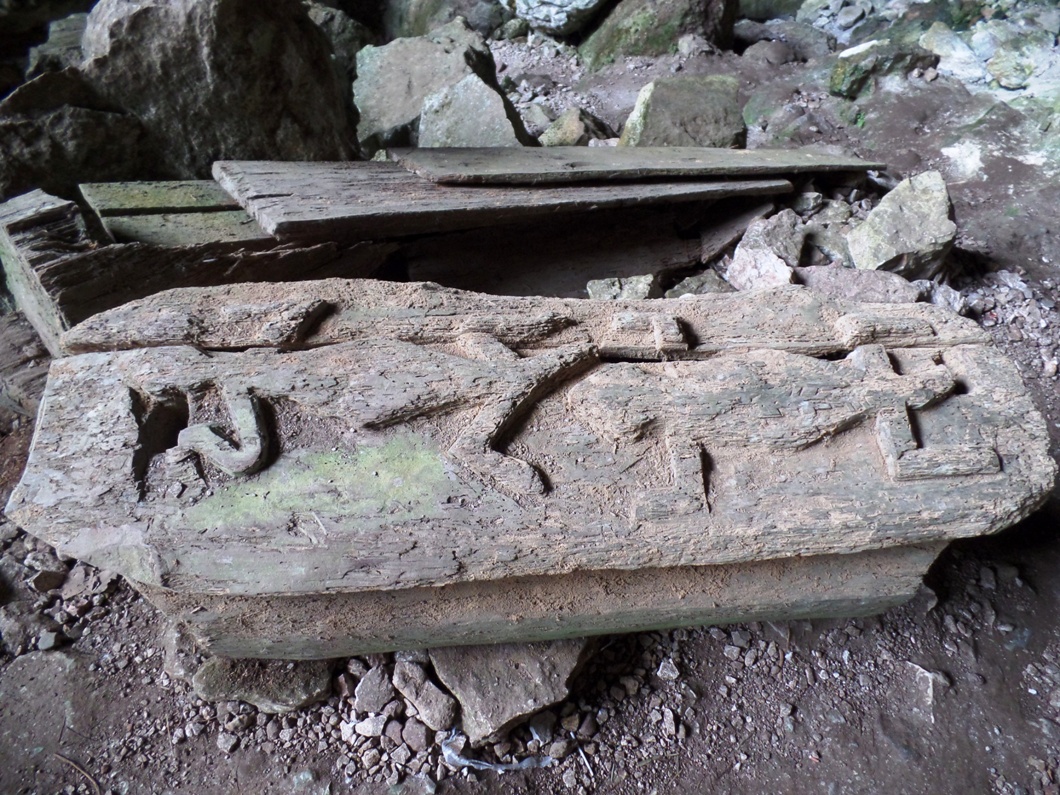
The coffins were filled with skeletons, and some of them even had carvings of lizards (symbols of fertility) on them. The people of Sagada have a tradition of ancestor worship which is hundreds of years old.

???????????????????????

We then ventured to the next cave; Sumaging. The travel guide never mentioned how the road which runs between these two attractions has stunning views of a plateau.

???????????????????????

Sumaging Cave itself was a little bit mediocre. We wandered around inside it for a few minutes and then turned back – none of us had a very powerful torch, and it didn’t seem like there was anything in there which was interesting enough to warrant hiring a guide and spending a couple of hours of our day scrambling around a series of dark chambers. We wandered back up to the town, stopping at a lovely vegetarian cafe called Gaia for a lunch, and then making a little detour through a chain of small villages: Ambasing, Demang, and Dagdag.

???????????????????????

In the afternoon we went for a walk around Echo Valley, which was, like most of the terrain around Sagada, covered in beautiful pine trees. It is also home to more coffins, which had been hung from a series of limestone karsts – a tradition which is still in practice today by some of the Applai people who have remained faithful to their animist roots.

???????????????????????

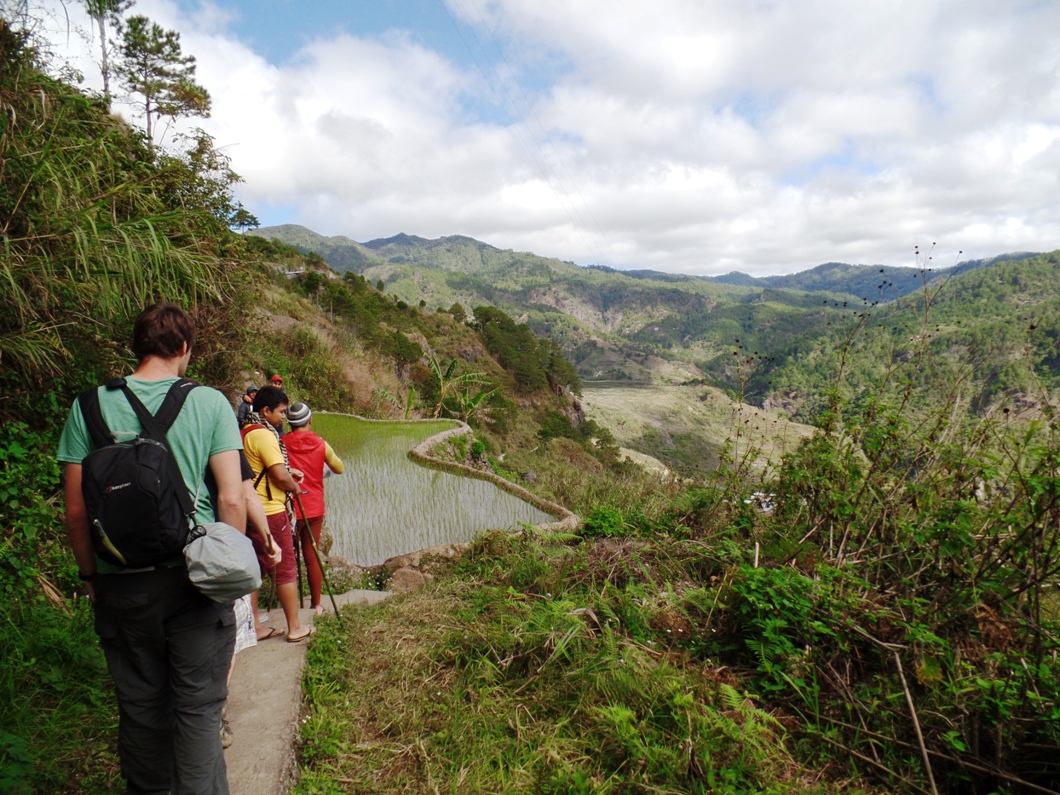
The following day James, Pedro and myself caught a jeepney to a nearby village called Banga-an, with the intention of taking a leisurely stroll to the nearby Bomod-ok Falls.

???????????????????????

With it being Chinese New Year there were typically lots of tour groups being guided along the path, and the ladies who were escorting them kept asking us where our guide was. Which confused us, as the path in question was paved and we had been told by the Tourist Information Center in Sagada that a guide wasn’t needed for it.

We ignored them and carried on walking, but a few of the ladies we walked past got out their phones and called their friends, and thus, when we reached a small hamlet and at the bottom of the hill a group of them were waiting for us. They blocked our path and were very insistent that we could not venture any further unless we hired one of them to lead us.

At first they claimed it was because of safety – what if we got lost or hurt? – but then James told them that he had GPS on his phone and the trail was marked out on an App he had downloaded. They then said it was possible for us to walk it without a guide if we paid them a handsome ‘ordinance fee’ of 300 pesos. Each. We immediately pointed out the logical flaw: that, if they were prepared to do that, then this really wasn’t about our ‘safety’ at all. I asked them how long this new procedure had been in place for – at what point, exactly, was it decided that guides were mandatory? – but they wouldn’t tell me, so I am guessing it was very recent change. After I asked their ringleader three times, if there was any law against foreigners walking down that trail without a guide, she, very reluctantly, admitted it was just a ‘policy’ decided by the ‘Banga-an Tourist Center’ (aka, the village mafia).

The argument went round and round in circles, and I got very frustrated. Eventually I just walked away.

“You taking a guide then?” she said, siding up to me with the registration book and a pen.

“No.”

“Why not?” she asked, looking incredulous.

“Because I think what you lot have got going on here, is very weaselly.”

I know what you are probably thinking: that I am just a privileged person from the First World and they are just trying to make a living. Why didn’t I just pay up?

It wasn’t about the money – I would have paid that much as a conservation fee and not thought much about it – it was the method they were using to try to get money out of me which vexed me. Schemes like this keep popping up all over Asia, usually in places which are quite touristy, and they are nothing more than institutionalised scams. Walking people up and down a paved pathway is not a valid job, and forcing such a service upon someone, when they neither want nor need it, isn’t all that different from begging – in fact, in many ways it is worse, because beggars are not usually plump middle-aged women who own mobile phones; they can be ignored, and they will not block you from somewhere you want to go if you don’t pay them. Guiding is a profession which I have the upmost respect for, and I quite often employ the service of one when I think they can provide me with some information about an area I am venturing to or escort me to a place where I actually need to be guided but, as far as I am concerned, those ladies back there were not guides, and predatory way that they stalk around Banga-an, leaping upon any foreigner they see, lacks dignity.

Forced to turn back, by the time I reached the road in Banga-an again I was feeling very grouchy and I decided I needed some time alone to clear my head, so I began walking in the direction of Aguid; a nearby village which I could remember being described as quite scenic in something I had read.

???????????????????????

On my way there another three more ‘guides’ jumped upon me from the roadside, suspiciously asking me where I was going – obviously hoping that I was going to the waterfall and they could ‘guide’ me – but I didn’t even credit them with a response. I just ignored them and carried on walking.

???????????????????????

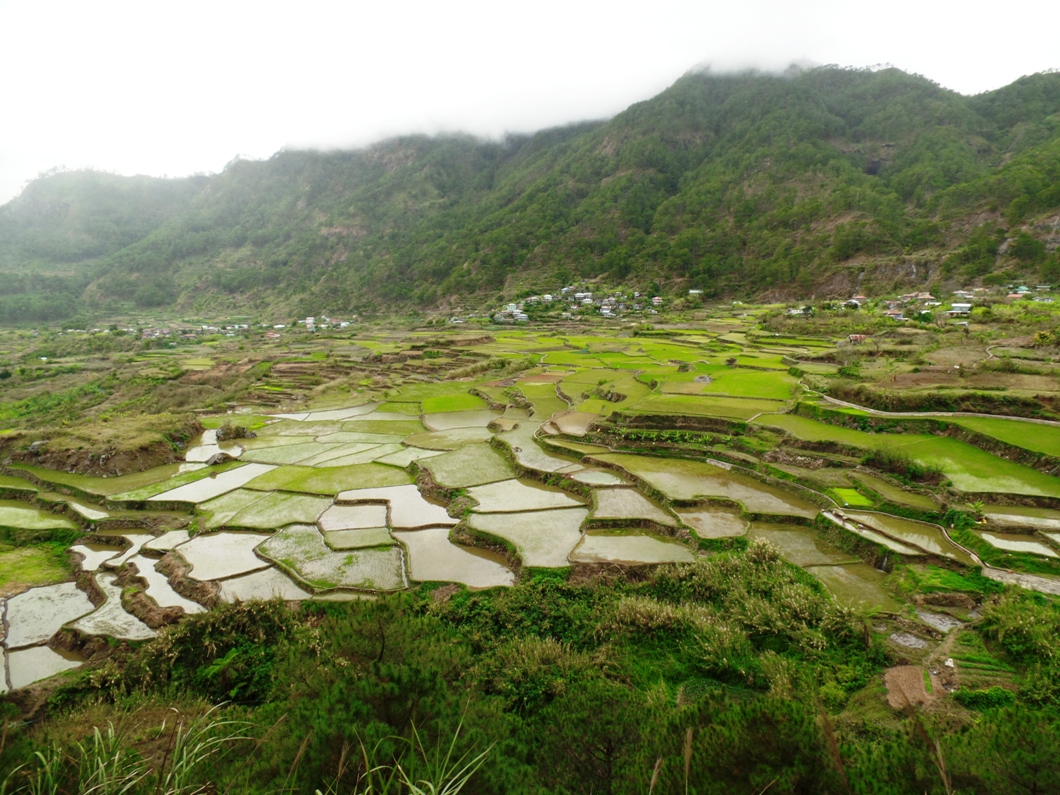
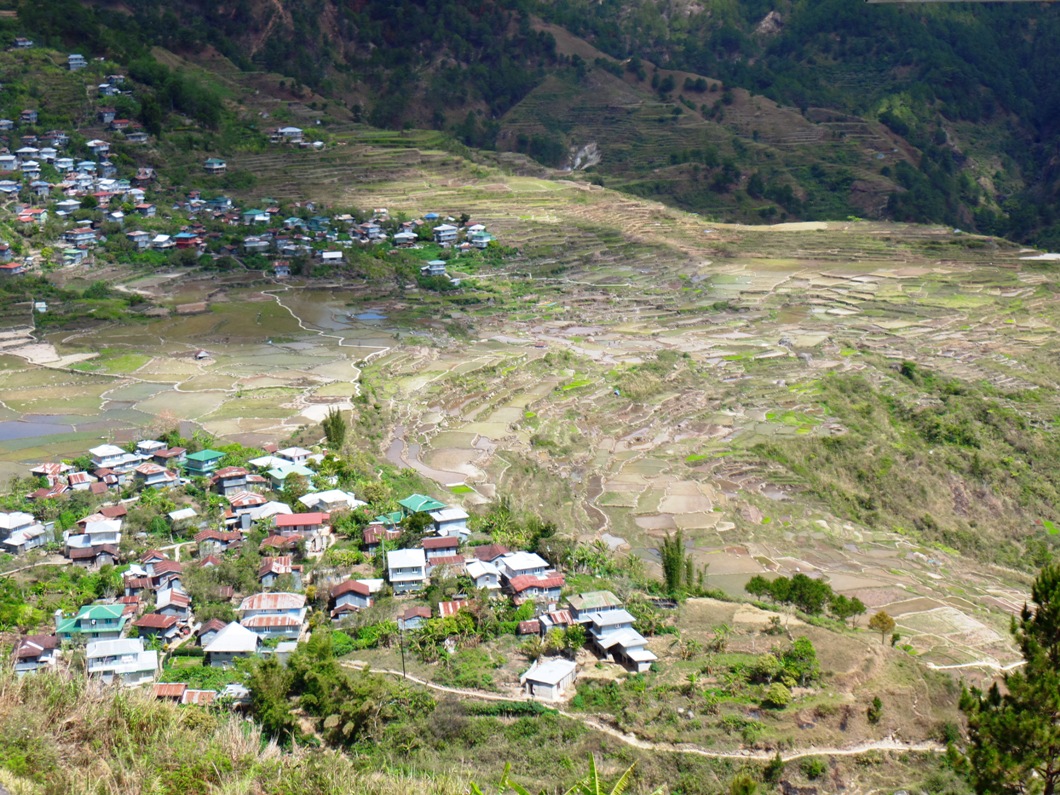
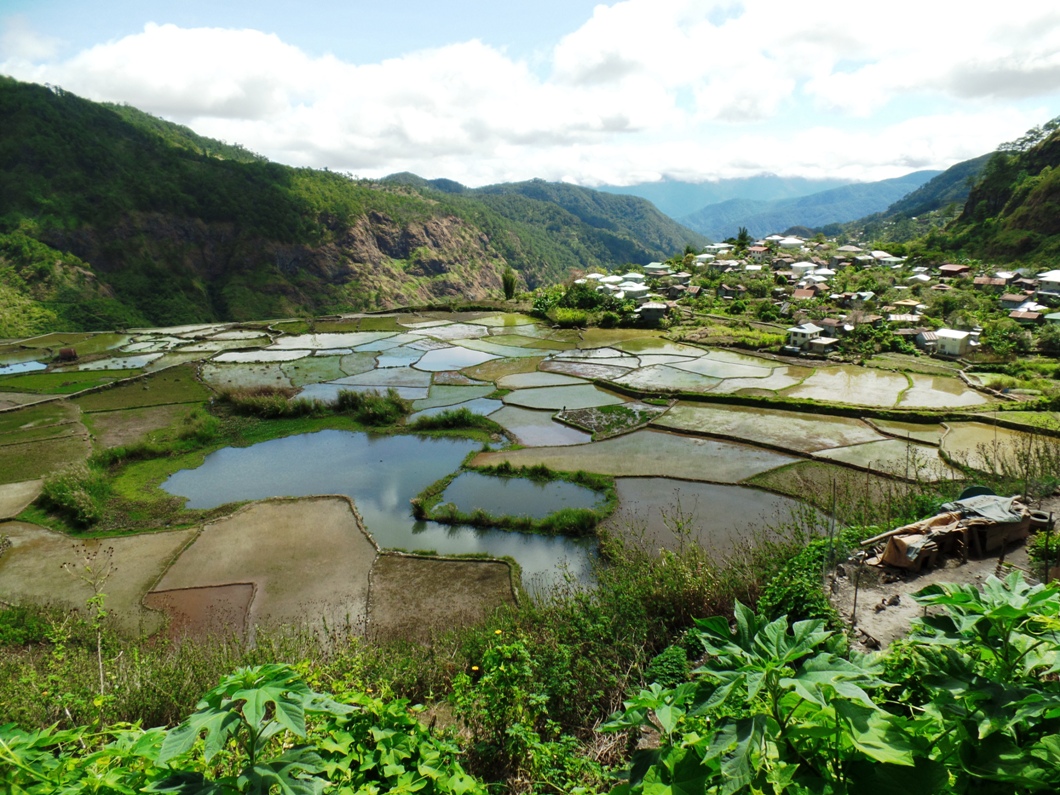
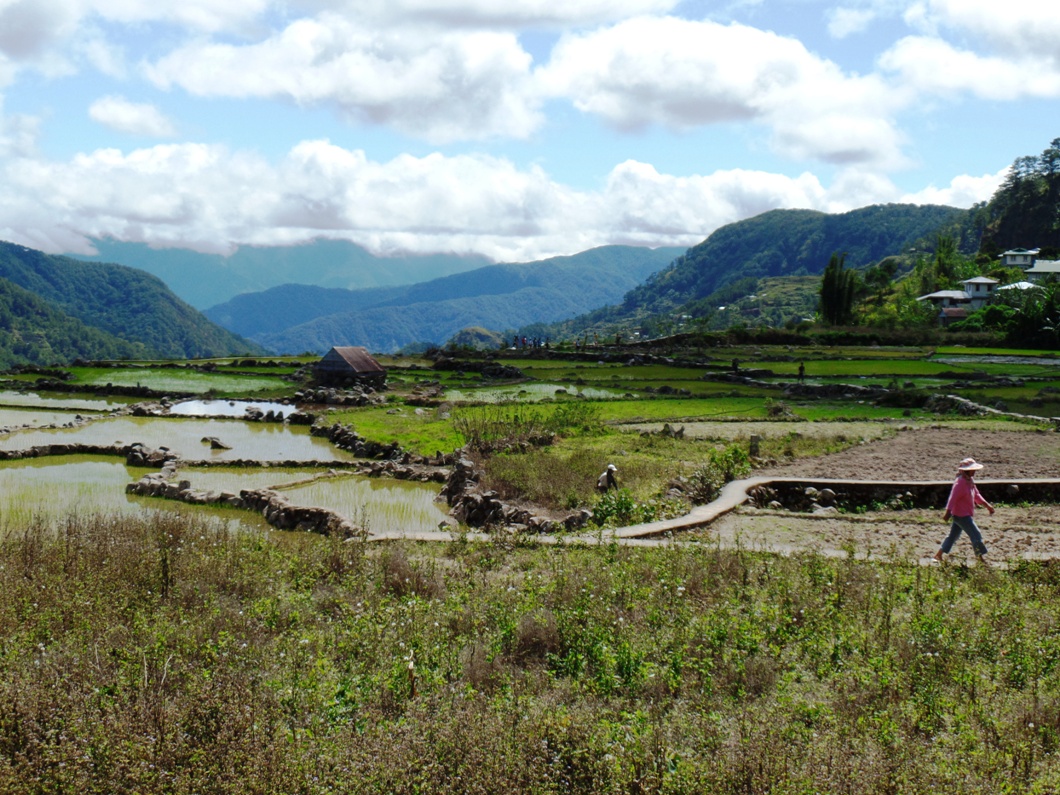
The views I saw from the roadside as I walked to Aguid were great, and my mood soon lifted. When I reached the main village where I was greeted by a few wide-eyed locals who seemed surprised to see a foreigner wandering around their neighbourhood. This surprised me, because it was probably one of the most picturesque places I had seen in the Philippines so far. I would certainly recommend it to any future travellers who end up reading this. Hoards of people come to see a waterfall which is just a stone’s throw away every day, but yet it seems that not many visitors make it here:

???????????????????????

I walked down some steps, past a few more houses, and around the terraces for a while, enjoying the quiet simplicity of the setting and the wonderful scenery.

???????????????????????

I eventually realised that I was going to have to go back to Banga-an, as I had been gone for a while and James and Pedro were probably waiting for me, so I started to navigate my way back up to the main road. The villagers I passed were all very happy to point me in the right direction, and none of them asked for any money.


For more photos from Sagada, click here.