Travelblog#45: Sagada – the Philippines

19th-20th February, 2015

Sagada was a bit of a surprise for me. It was one of the places I had ringed in my travel guide as a somewhere to visit – mostly because it sounded like there were some interesting caves to see there – but it wasn’t a location I had been expecting too much from. The Ifugao Rice Terraces had always been the principal reason for visiting the north of the Philippines, and Sagada was just an afterthought.

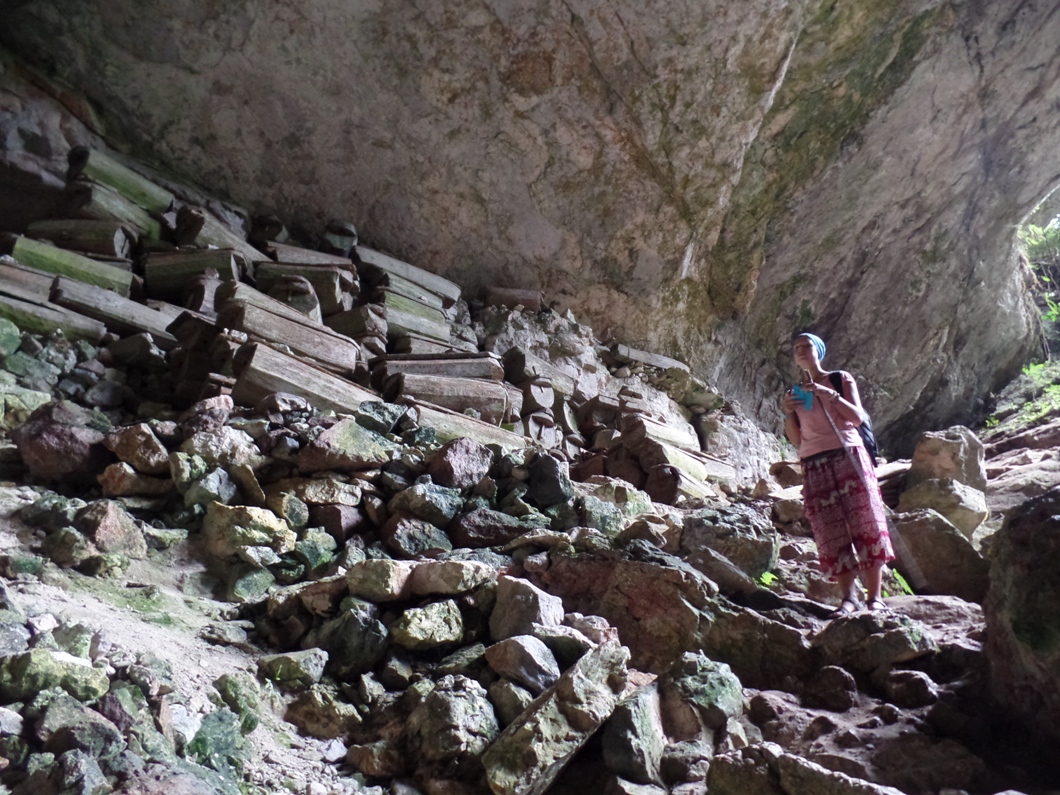
Well, I visited. And, as expected, the caves were quite interesting. On our first morning there me and my three companions – James, Chloe and Pedro – started off the day by visiting Lumiang Cave, which was home to over 100 coffins.

???????????????????????

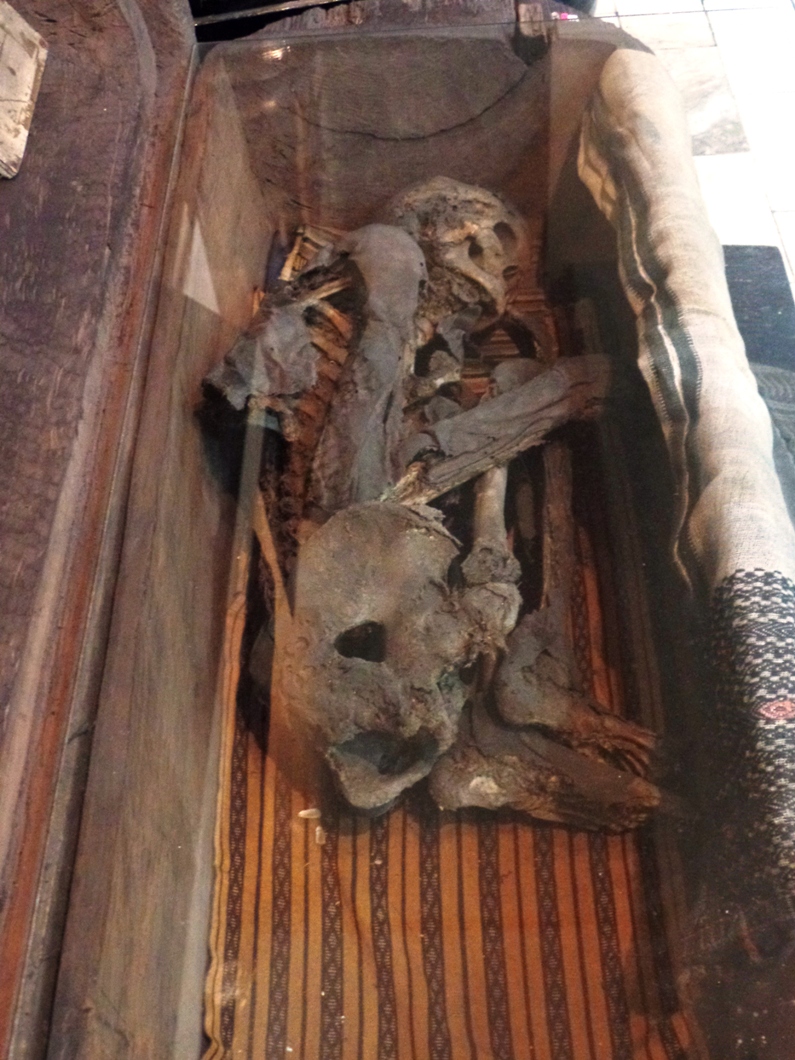
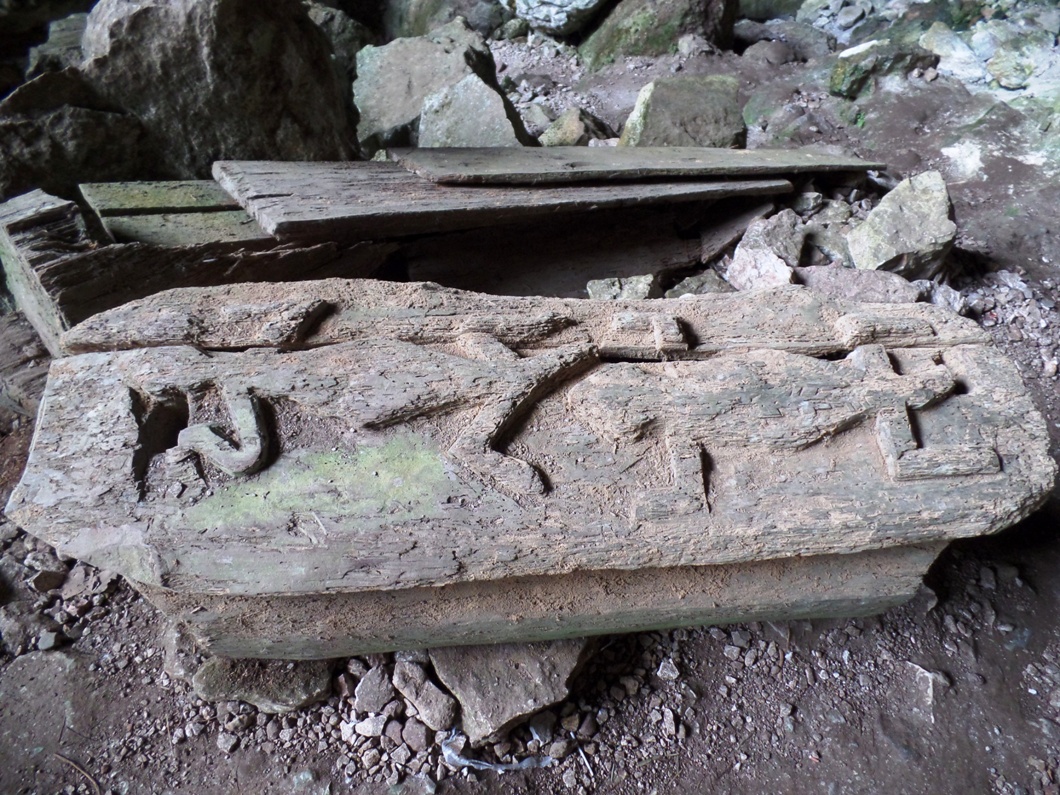
The coffins were filled with skeletons, and some of them even had carvings of lizards (symbols of fertility) on them. The people of Sagada have a tradition of ancestor worship which is hundreds of years old.

???????????????????????

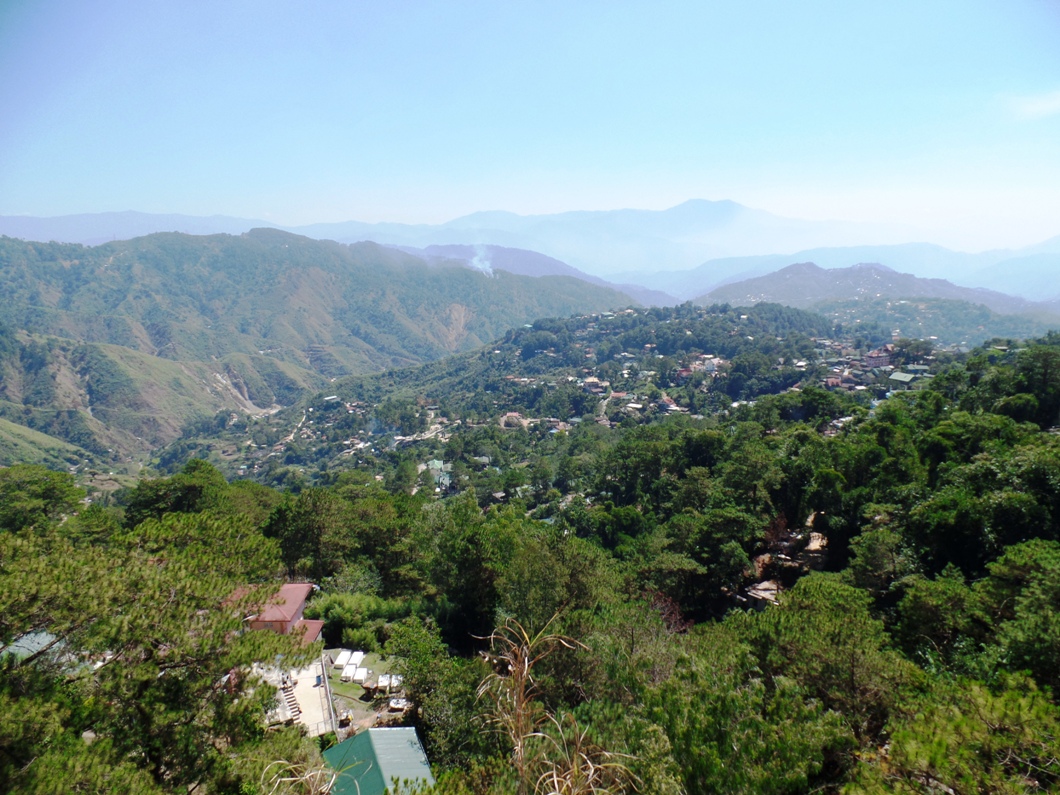
We then ventured to the next cave; Sumaging. The travel guide never mentioned how the road which runs between these two attractions has stunning views of a plateau.

???????????????????????

Sumaging Cave itself was a little bit mediocre. We wandered around inside it for a few minutes and then turned back – none of us had a very powerful torch, and it didn’t seem like there was anything in there which was interesting enough to warrant hiring a guide and spending a couple of hours of our day scrambling around a series of dark chambers. We wandered back up to the town, stopping at a lovely vegetarian cafe called Gaia for a lunch, and then making a little detour through a chain of small villages: Ambasing, Demang, and Dagdag.

???????????????????????

In the afternoon we went for a walk around Echo Valley, which was, like most of the terrain around Sagada, covered in beautiful pine trees. It is also home to more coffins, which had been hung from a series of limestone karsts – a tradition which is still in practice today by some of the Applai people who have remained faithful to their animist roots.

???????????????????????

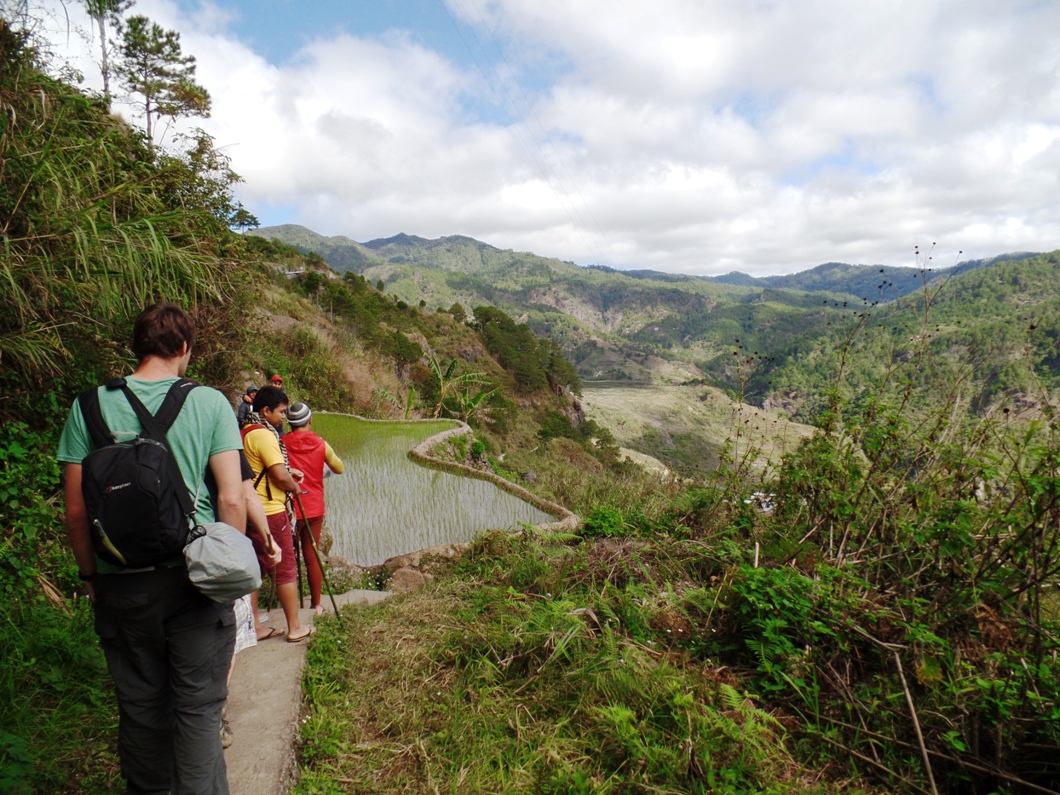
The following day James, Pedro and myself caught a jeepney to a nearby village called Banga-an, with the intention of taking a leisurely stroll to the nearby Bomod-ok Falls.

???????????????????????

With it being Chinese New Year there were typically lots of tour groups being guided along the path, and the ladies who were escorting them kept asking us where our guide was. Which confused us, as the path in question was paved and we had been told by the Tourist Information Center in Sagada that a guide wasn’t needed for it.

We ignored them and carried on walking, but a few of the ladies we walked past got out their phones and called their friends, and thus, when we reached a small hamlet and at the bottom of the hill a group of them were waiting for us. They blocked our path and were very insistent that we could not venture any further unless we hired one of them to lead us.

At first they claimed it was because of safety – what if we got lost or hurt? – but then James told them that he had GPS on his phone and the trail was marked out on an App he had downloaded. They then said it was possible for us to walk it without a guide if we paid them a handsome ‘ordinance fee’ of 300 pesos. Each. We immediately pointed out the logical flaw: that, if they were prepared to do that, then this really wasn’t about our ‘safety’ at all. I asked them how long this new procedure had been in place for – at what point, exactly, was it decided that guides were mandatory? – but they wouldn’t tell me, so I am guessing it was very recent change. After I asked their ringleader three times, if there was any law against foreigners walking down that trail without a guide, she, very reluctantly, admitted it was just a ‘policy’ decided by the ‘Banga-an Tourist Center’ (aka, the village mafia).

The argument went round and round in circles, and I got very frustrated. Eventually I just walked away.

“You taking a guide then?” she said, siding up to me with the registration book and a pen.

“No.”

“Why not?” she asked, looking incredulous.

“Because I think what you lot have got going on here, is very weaselly.”

I know what you are probably thinking: that I am just a privileged person from the First World and they are just trying to make a living. Why didn’t I just pay up?

It wasn’t about the money – I would have paid that much as a conservation fee and not thought much about it – it was the method they were using to try to get money out of me which vexed me. Schemes like this keep popping up all over Asia, usually in places which are quite touristy, and they are nothing more than institutionalised scams. Walking people up and down a paved pathway is not a valid job, and forcing such a service upon someone, when they neither want nor need it, isn’t all that different from begging – in fact, in many ways it is worse, because beggars are not usually plump middle-aged women who own mobile phones; they can be ignored, and they will not block you from somewhere you want to go if you don’t pay them. Guiding is a profession which I have the upmost respect for, and I quite often employ the service of one when I think they can provide me with some information about an area I am venturing to or escort me to a place where I actually need to be guided but, as far as I am concerned, those ladies back there were not guides, and predatory way that they stalk around Banga-an, leaping upon any foreigner they see, lacks dignity.

Forced to turn back, by the time I reached the road in Banga-an again I was feeling very grouchy and I decided I needed some time alone to clear my head, so I began walking in the direction of Aguid; a nearby village which I could remember being described as quite scenic in something I had read.

???????????????????????

On my way there another three more ‘guides’ jumped upon me from the roadside, suspiciously asking me where I was going – obviously hoping that I was going to the waterfall and they could ‘guide’ me – but I didn’t even credit them with a response. I just ignored them and carried on walking.

???????????????????????

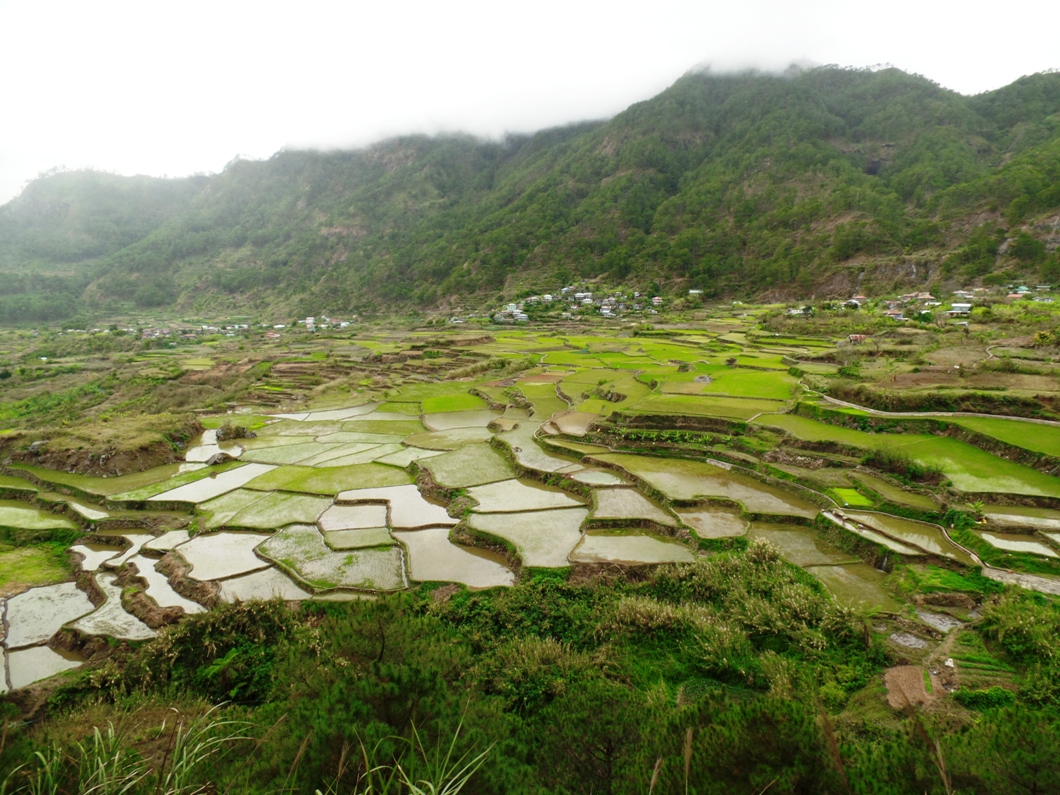
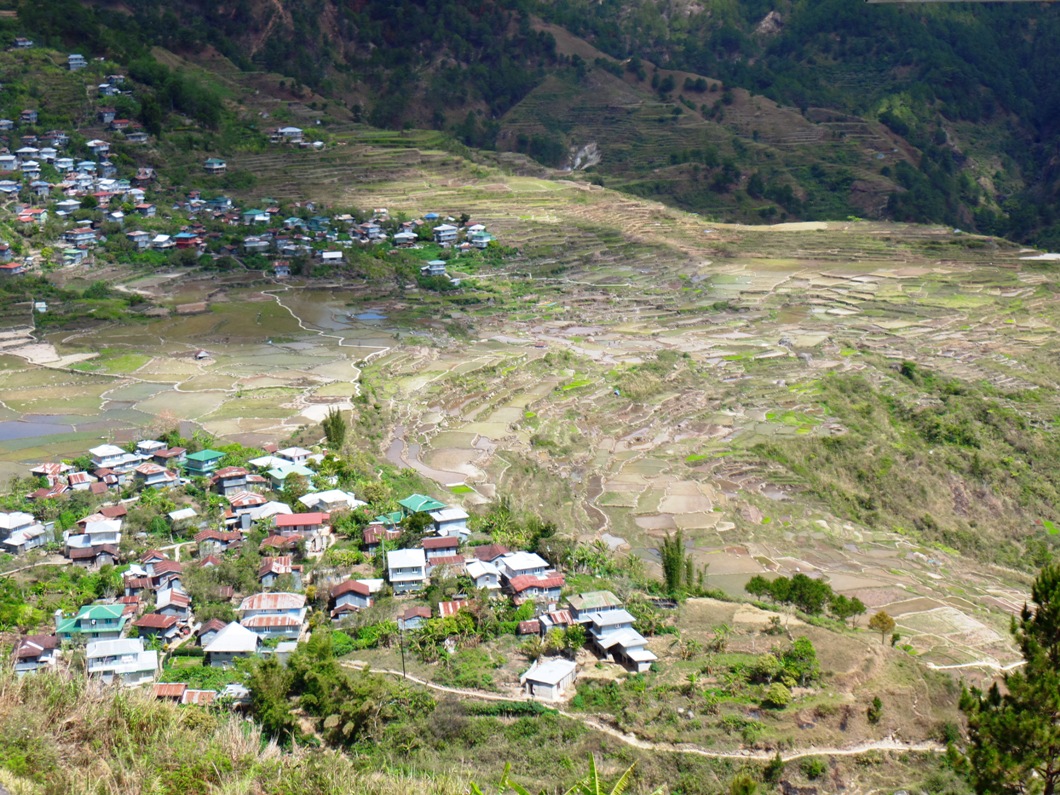
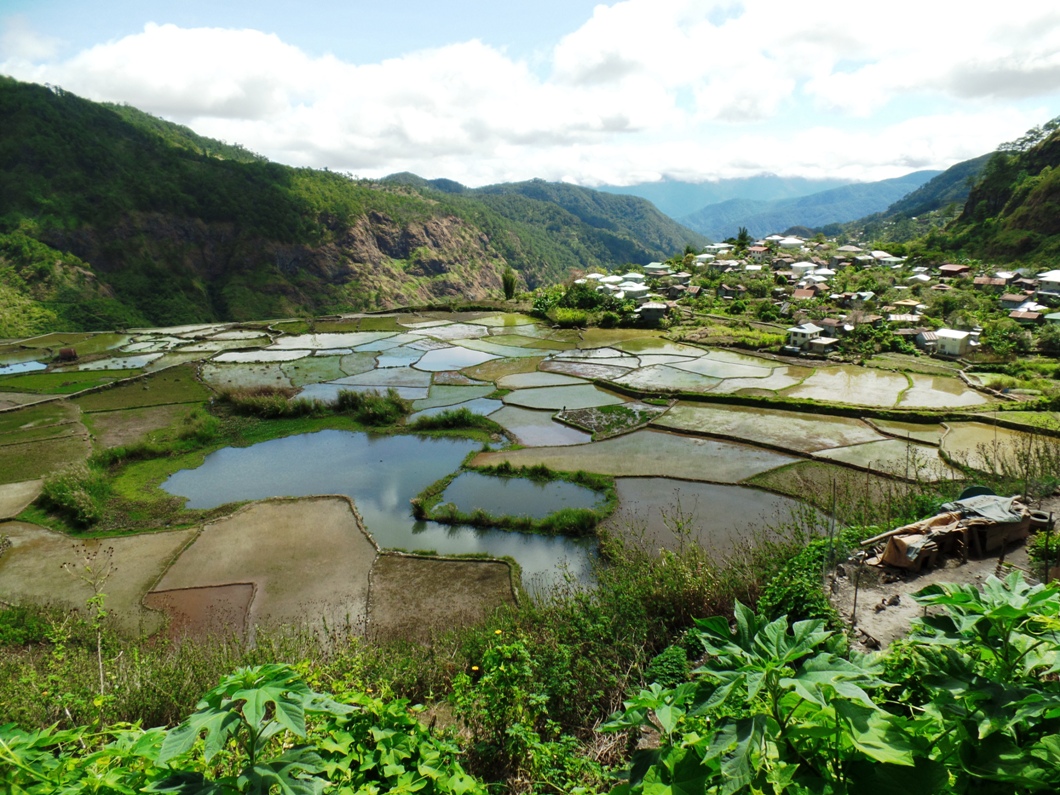
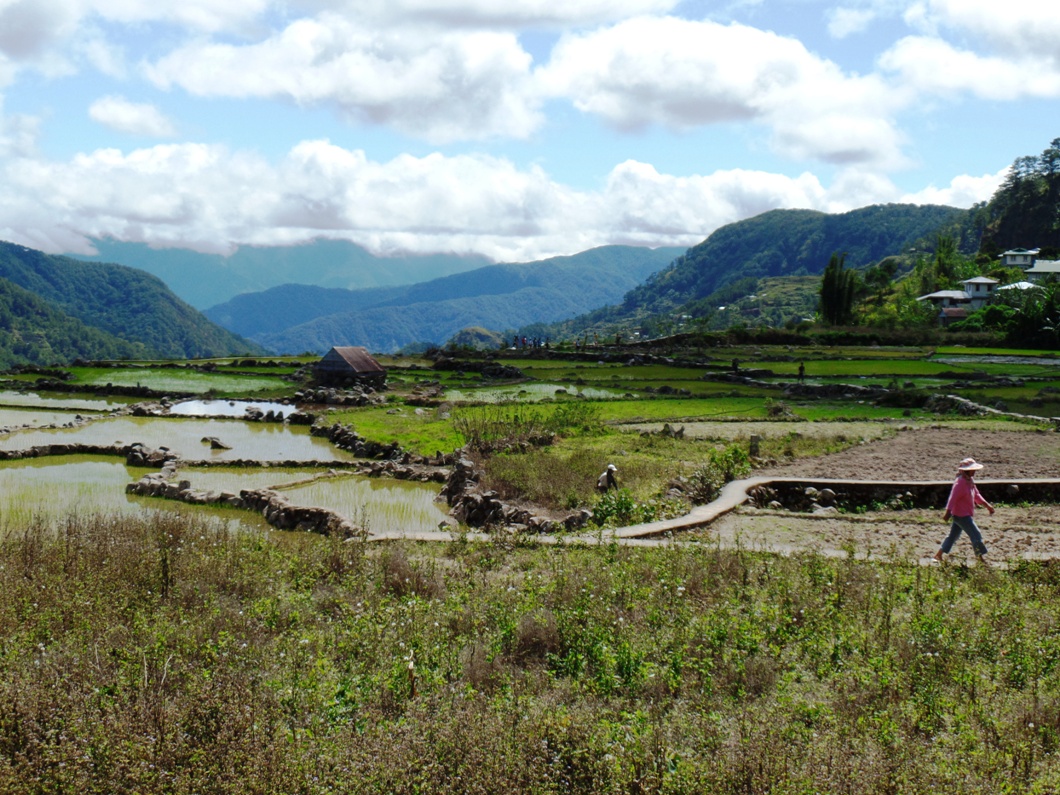
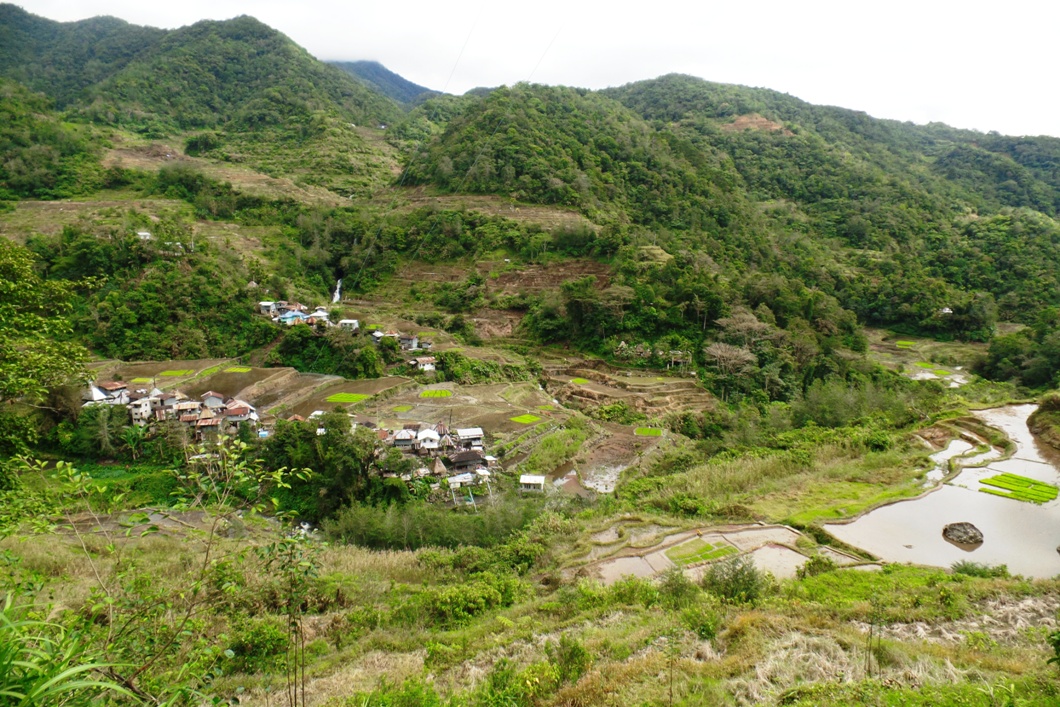
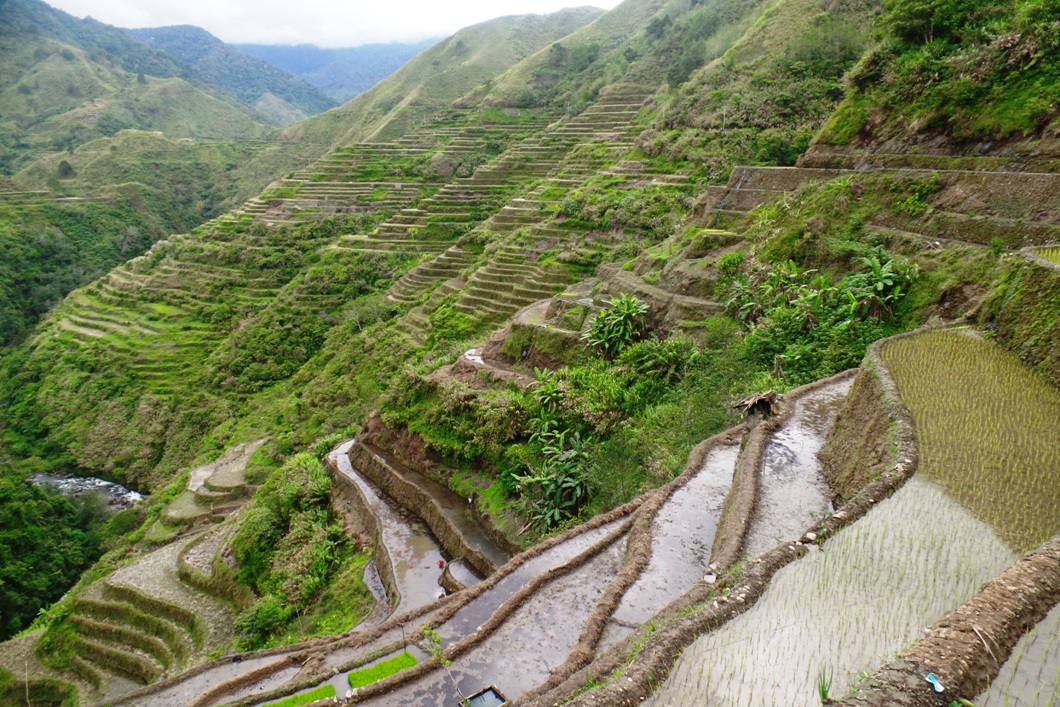
The views I saw from the roadside as I walked to Aguid were great, and my mood soon lifted. When I reached the main village where I was greeted by a few wide-eyed locals who seemed surprised to see a foreigner wandering around their neighbourhood. This surprised me, because it was probably one of the most picturesque places I had seen in the Philippines so far. I would certainly recommend it to any future travellers who end up reading this. Hoards of people come to see a waterfall which is just a stone’s throw away every day, but yet it seems that not many visitors make it here:

???????????????????????

I walked down some steps, past a few more houses, and around the terraces for a while, enjoying the quiet simplicity of the setting and the wonderful scenery.

???????????????????????

I eventually realised that I was going to have to go back to Banga-an, as I had been gone for a while and James and Pedro were probably waiting for me, so I started to navigate my way back up to the main road. The villagers I passed were all very happy to point me in the right direction, and none of them asked for any money.


For more photos from Sagada, click here.

Travelblog#44: Ifugao Rice Terraces – the Philippines

15th-18th February, 2015

Leaving Manila in behind, me and my three travelling companions – James, Chloe and Pedro – made our way to the bus station, where were loaded upon an aged vehicle. Once every space was filled, extra chairs were assembled in the aisle and more passengers were loaded on. This kind of thing is generally the norm in Asia, if you are travelling during the day, but this was night and… wasn’t this service advertised as a ‘sleeper’?

Ohayami are certainly not a company I would recommend to future travellers.

As the bus drove out of the city, engine straining from the weight of over 60 passengers, I discovered that my seat didn’t recline, and accepted the fact that sleep was going to be near impossible that night.


Banaue

???????????????????????

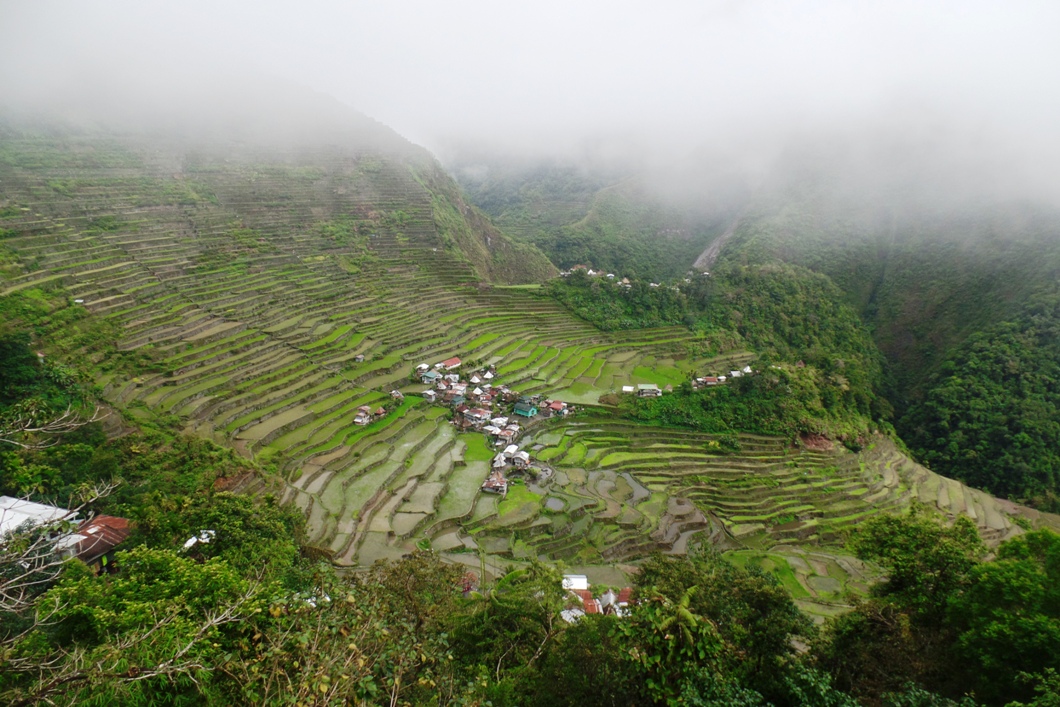
Banaue is a mountain town in the highlands of North Luzon. It is the gateway to the Ifugao Rice Terraces; an ancient complex of paddies spread across the Philippine Cordillera which archaeological evidence suggests are over 2,000 years old. In 1995 the area was awarded the status of a UNESCO World Heritage Site. It was one of the places which had originally inspired me to come to the Philippines.

When we arrived in the morning it was raining and we were very tired, so we resigned ourselves to a lazy first day. We settled into a nice guest house called Querencia Hotel, which had restaurant overlooking the mountains, and we relaxed, occasionally turning our eyes wistfully to the window, where the downpour seemed to carry on relentless.

It eventually cleared up for a while, and during this brief lapse we ventured outside and made our way over to a local viewpoint, where we caught sight of mist drifting across the valley, blocking much of the scenery from view but making for an atmospheric landscape.

???????????????????????

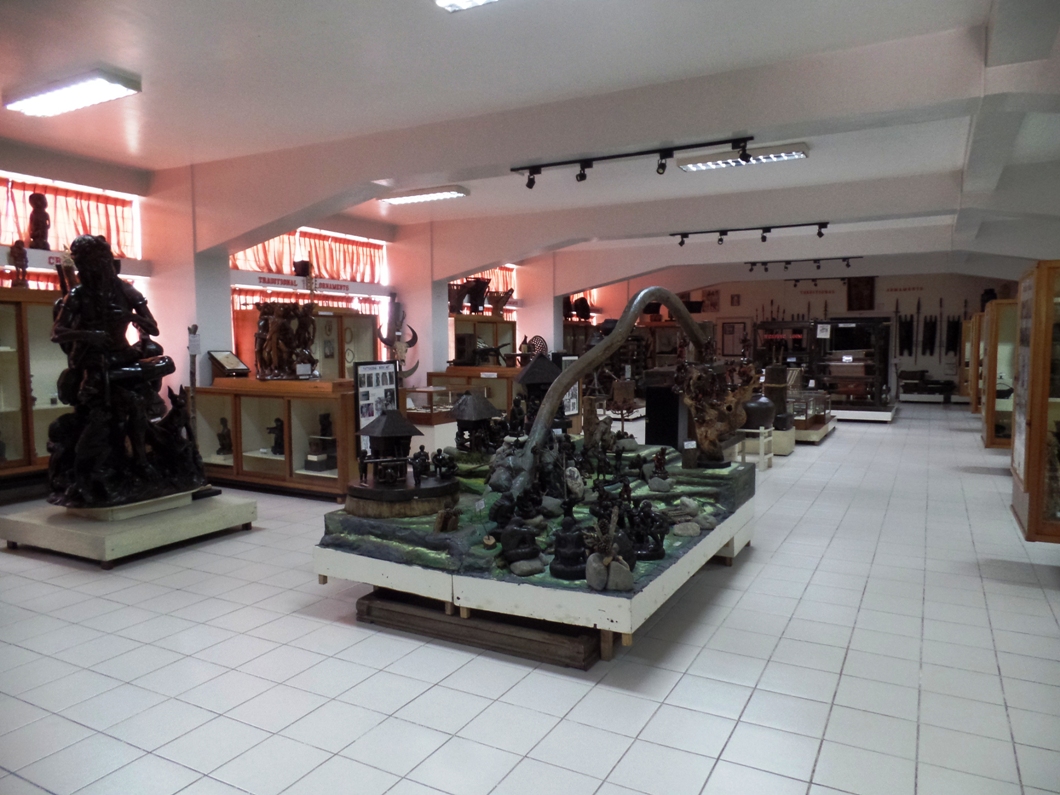
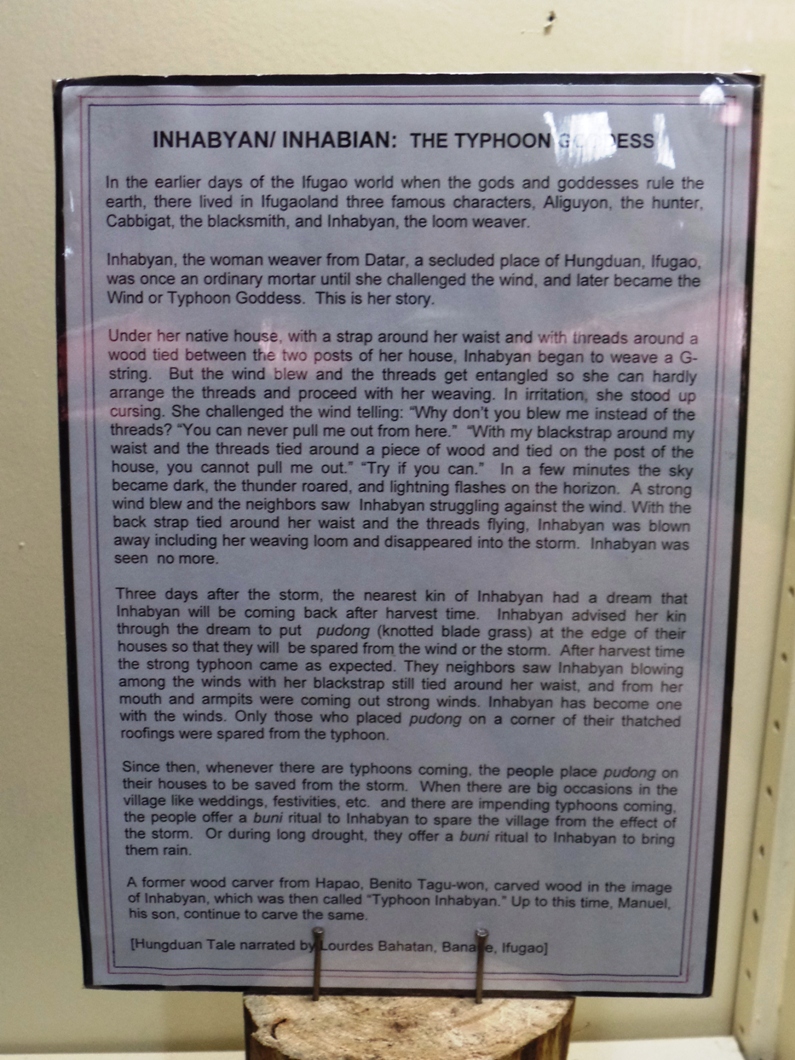
We then wandered over to a nearby museum, which was filled with artefacts and had lots of information about the culture and history of the Ifugao tribes who call these lands home.

???????????????????????

After a good night’s sleep – and much improved weather – the following morning we were ready to start exploring the area properly. We went for a wander along a trail which followed an old irrigation canal through some of the rice fields outside Banaue, passing Tam-an – a humbly picturesque village – and then Poitan, which had some traditional Ifuago huts.

???????????????????????

We then returned to Querenia Hotel and packed our bags before jumping upon a jeepney heading to Batad. We had ideas in our minds of venturing out on a trek from there so we could see some of the terraces and villages which are a bit more off the beaten track. By a stroke of fortune we met a woman on the jeepney called Joy who was a registered guide. She was from Batad and spoke very good English, so we told her that we were interested in hiring her to take us out on a trek the next day if the weather was agreeable.


Batad

???????????????????????

Batad isn’t properly joined up to any roads so we had to get off the jeepney and walk the last few kilometres. We managed to make it to the village in time to see its breathtaking terraces before the sun went down, and then we claimed a dormitory-style room in a simple lodging house. It rained all night, and when we got up the next morning the entire village was so enveloped by fog that all we could see from the balcony was white. We began to worry that we were going to have to rethink our plans to venture out on a trek that day, but luckily the haze gradually lifted and the sun came out.

???????????????????????

We contacted Joy and told her that we could be ready to leave within a few minutes if she was still free to take us.

???????????????????????

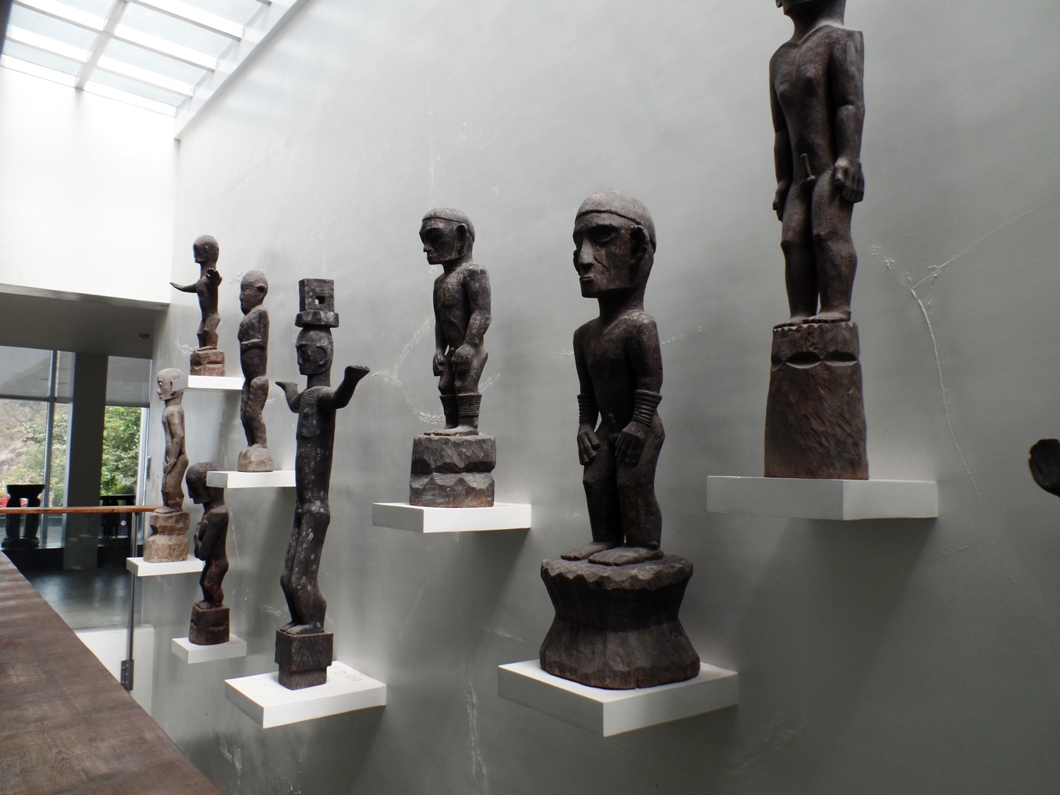
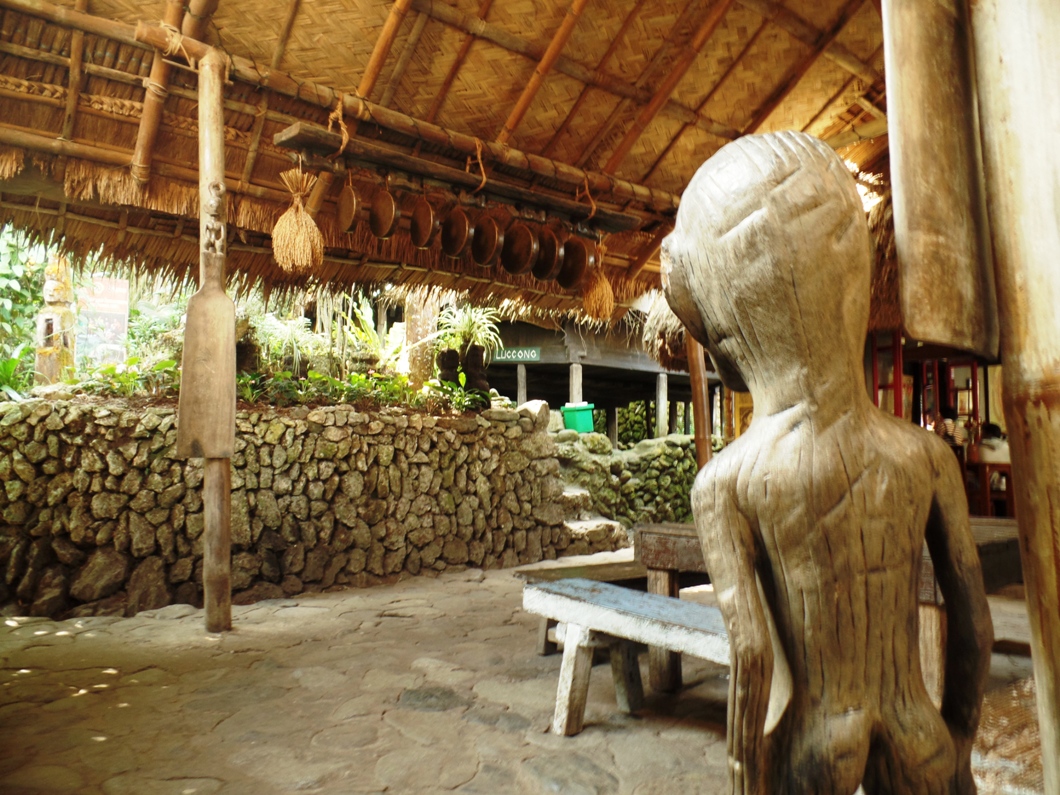
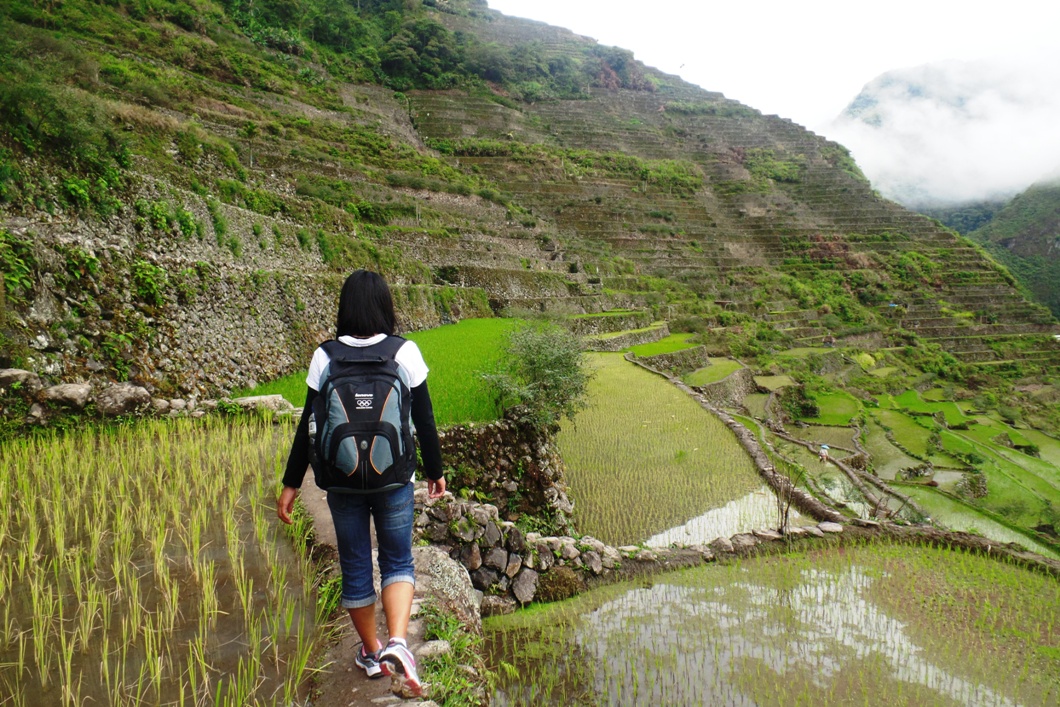
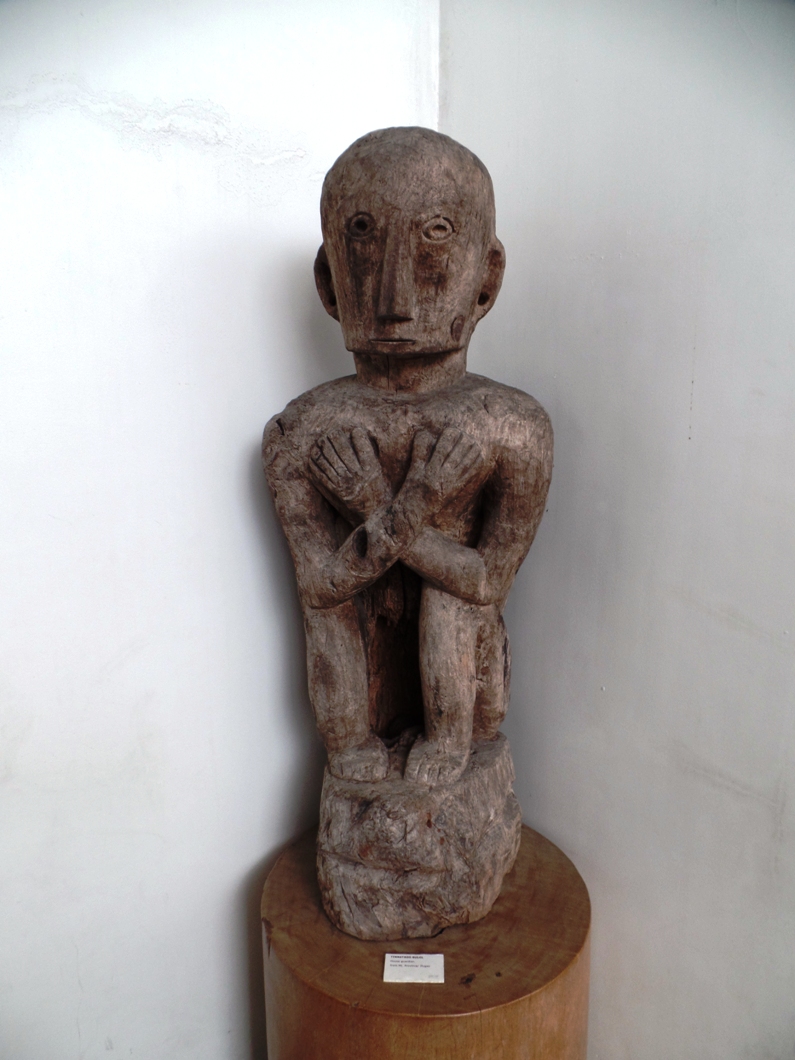
Shortly after that, she was leading us out of the village through the terraces. Along the way she told us lots of interesting facts about the area and its people, and she was also happy to do her best to answer any questions we had. All but 2% of the people living around Batad have converted to Christianity, but some of their old summer festivals are still in practice, and she was able to tell me that the wooden effigies of a sitting man I kept seeing everywhere were depictions of Bulul, who, back in the days when they were animists, was placed around the fields to guard the rice.

???????????????????????

Once we had crossed the Batad terraces Joy led us over a mountain and through some woodlands. At around midday we reached a village called Cambulo, where we ate lunch, and then for the rest of the day we were hiking along a ravine with very striking scenery.

???????????????????????

Later that afternoon we reach Pula, a small village perched upon one of the mountain peaks.


Pula

???????????????????????

It only had one guesthouse, which was owned by an elderly lady whom everyone called “Aunty”. There was a French couple also staying there that night, and their guide and ours worked together to rustle up some vegetables and rice for dinner. While they were cooking Aunty’s grandson, Marvin, chatted with us about his life growing up in the terraces and his plans to get a job abroad for a while to improve his English. When we had finished eating we all sat around a fire and Marvin initiated a few puzzle games.

???????????????????????

In the morning we rose bright and early. We were all keen to get going, as we were hoping to get back to Banaue by lunchtime so we could catch the midday bus heading to Sagada. We were accompanied by the French couple and their guide for the remainder of our journey as we walked for four hours through a terrain of forests until we reached the main road. Once there, we thumbed a passing dumpster-truck and jumped onto the back.

???????????????????????


For more photos from the Ifugao Rice Terraces, click here. My travel-buddy James also has his own photography website.

If you are interested in embarking upon a trek around the area with Joy (whom I would highly recommend as a guide) then she can be contacted via email (jpoligon@yahoo.com) or her telephone number (+639366580357).

Travelblog#43: Manila – the Philippines

13th-14th February, 2015

Manila has a bad reputation among the capitals of South East Asia: crime levels are high, it is surrounded by shanty towns, the streets are dirty, the traffic is almost constantly congested, the air quality is poor, and some say it  gives even Bangkok a run for its money for seediness.

It is the sort of place which I usually avoid, but I was going to have to pass through there on my way to the Ifugao Rice Terraces from Donsol anyway, and making that journey all in one go would have meant spending a full 24 four hours on buses.

It was Manila’s rich abundance of museums which eventually swayed the decision for me and my three travel companions – Chloe, James and Pedro.

???????????????????????

Rizal Park seemed like a good place to begin our cultural experience of Manila. It was just a short walk from our hotel and contained many mini-attractions. After a quick stroll through the central gardens we passed Rizal Monument – where the national hero’s remains are kept under guard by armed sentries.

We then went to the nearby Site of Rizal’s Execution, where a collection of bronze statues recreate and immortalise the moment he was executed by the Spanish colonials:

???????????????????????

Even the National Gallery of Art had a room dedicated to exhibiting portraits and sculptures of José Rizal:

???????????????????????

And, when we visited Fort Santiago, we discovered it was the location where Rizal was imprisoned before he was executed and, thus, part of it had been converted into a shrine and museum about his life and works – of which, we were given a complimentary guided tour.

???????????????????????

By the end of our first afternoon in Manila, we were feeling like we had learned quite a lot about the national hero of the Philippines, and he sounded like a very admirable man. There was much more to Manila than José Rizal, though. Such as the National Museum of the Filipino People which, through its four floors, houses various displays on natural history, indigenous tribes, sculpture, art, and had a large collection of artefacts excavated from the wreckage of the San Diego; a Spanish ship with sank offshore in the 16th century.

???????????????????????

Casa Manila – a reconstruction of a Spanish colonial house, filled with many original antiques – was also a refreshing break from Manila’s noisy downtown, and it was near to the Cathedral and San Agustin Church, both of which were worth the time they took to have a quick browse.

???????????????????????

By the end of my two days spent wandering around its sights, although I still couldn’t call myself a fan of Manila, I did start to appreciate that it had some interesting and pleasant sights to see if you can bear passing through its more unsightly spots to reach them.

To finish off our time there James, Chloe, Pedro, and myself had a wander around Manila’s vibrant Chinatown, where we stocked up on lots of tea and even found a decent vegetarian restaurant, before we catch a taxi to the bus station to catch a sleeper heading north.


More photos from Manila can be found on my Flickr page.