20th – 22nd October, 2023
I have finally made it to the eastern coast of the Yucatan peninsula in Mexico.

Which is a bit later than I intended. My original idea – when I planned this trip – was to spend much more time in Guatemala, and then head on to Belize and the Yucatan peninsula. And then – if I have the time and money – maybe hop to Mexico City for a few days before flying home. I ended up flipping that script over after speaking to other backpackers who sang praises for Mexico’s Oaxaca and Chiapas regions whilst also warning me how expensive and touristy Yucatan and parts of Guatemala are.
And, looking back, I am glad I made this decision. Mexico was originally going to be a bit of an afterthought as far as this trip went but now has ended up being one of the highlights. I now cannot imagine this journey without Puebla, Oaxaca, San Cristobal de las Casas, and Palenque. It has been an amazing couple of months.
Tulum is the only place on the eastern coast of Mexico I am going to explore now. Perhaps this is a bit of a shame, as I am sure there are lots of beautiful places here, but it is true what a lot of people warned me; it is expensive and very touristy here, and I am at the end of my trip now and money is running low. I am not the sort of person who enjoys lazing at a beach anyway, as I get bored quite quickly. When I go to coastal areas, I primarily go for scuba diving and snorkelling, which comes at a high premium here, and I have already done a lot of that stuff whilst in Belize and Honduras.
So, why – out of all the places I could visit on the Yucatan coast – did I choose Tulum? Well, I am sure this is going to surprise many people but it may have something to do with…

More Mayan ruins!
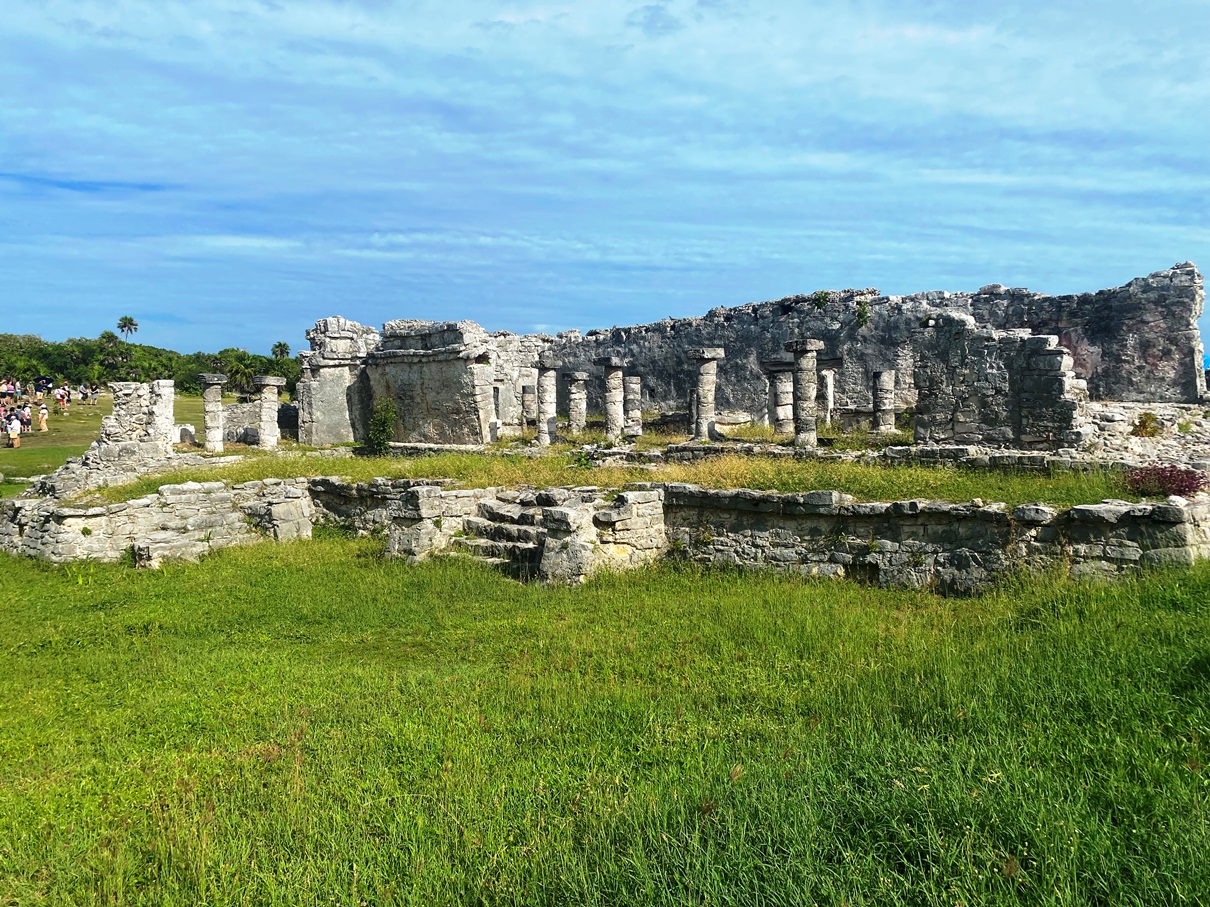
Yes, my tour of pre-Colombian Mexico is not over yet. Sorrynotsorry.
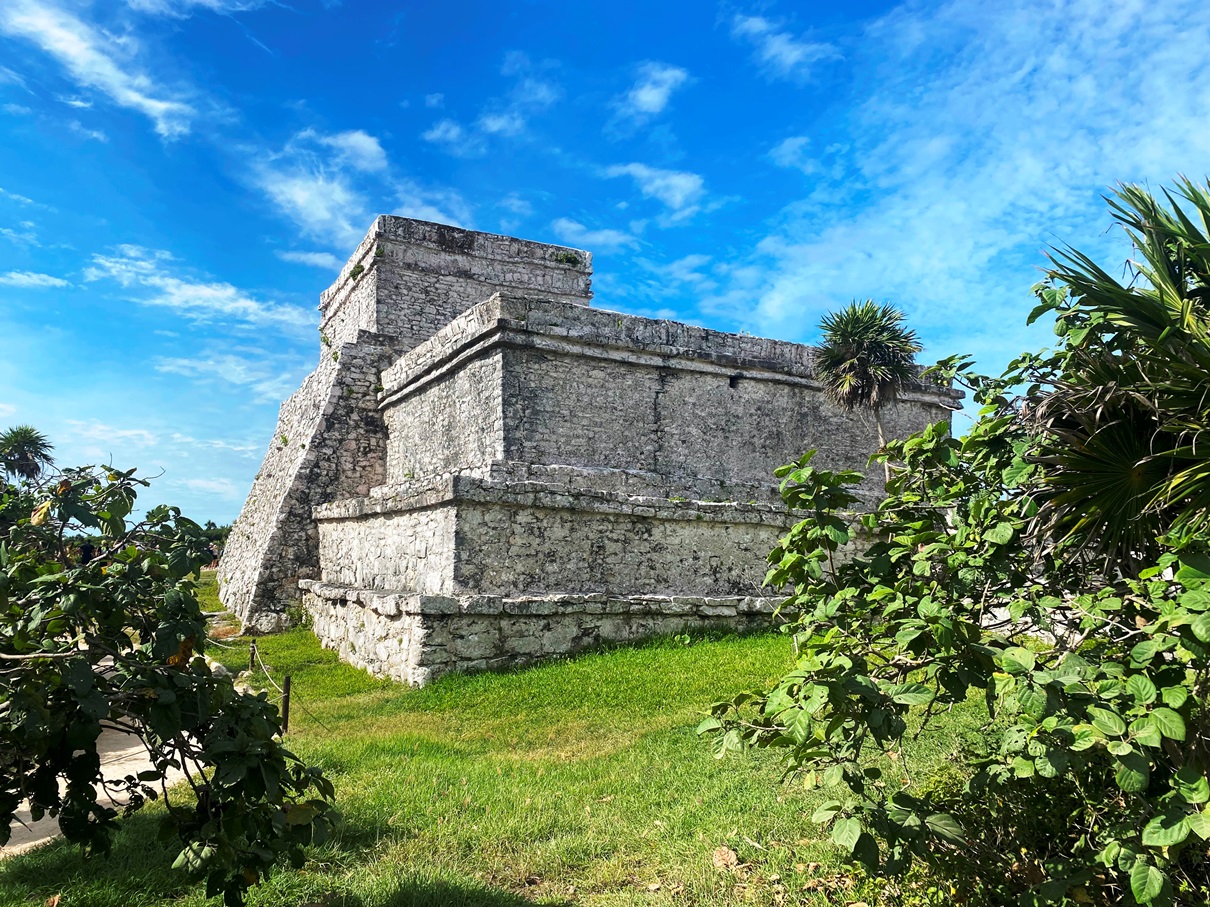
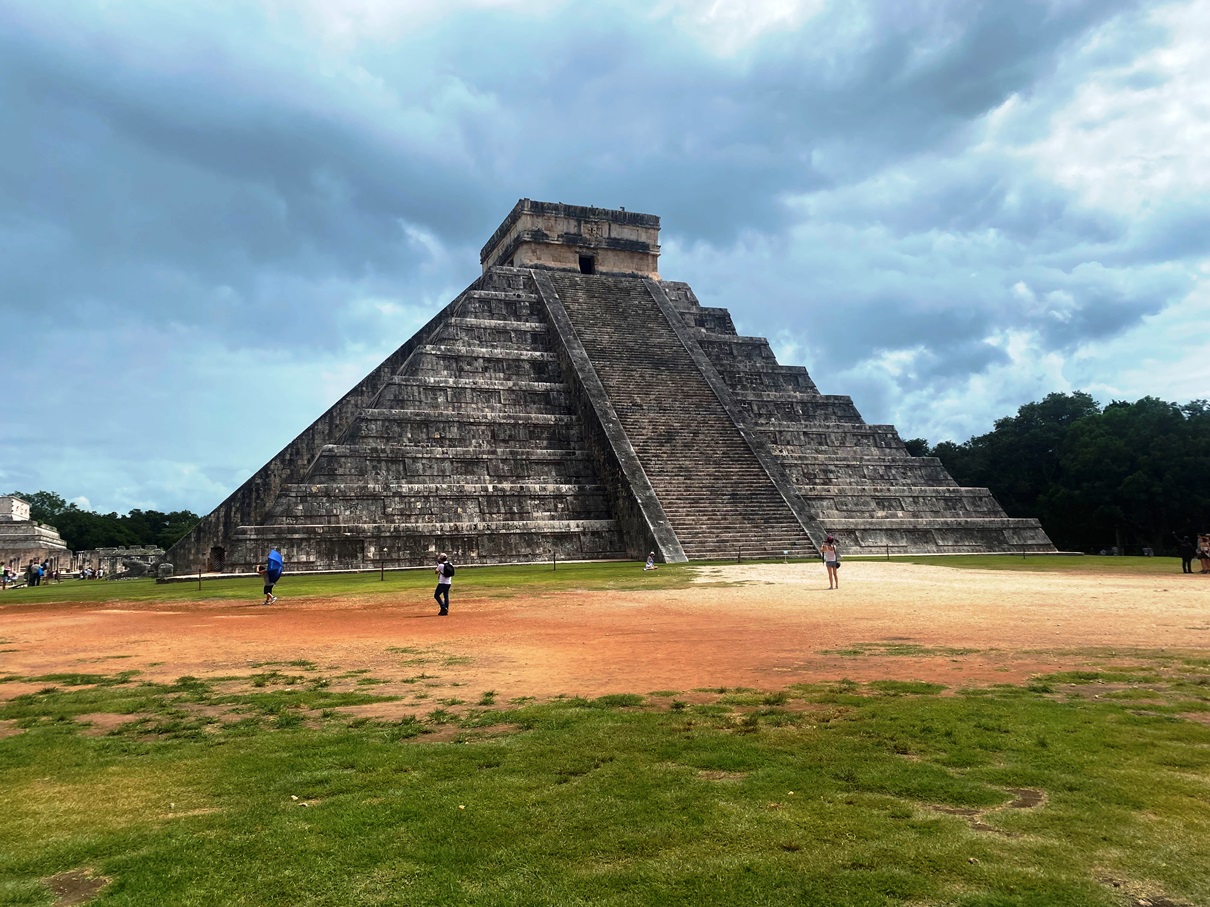
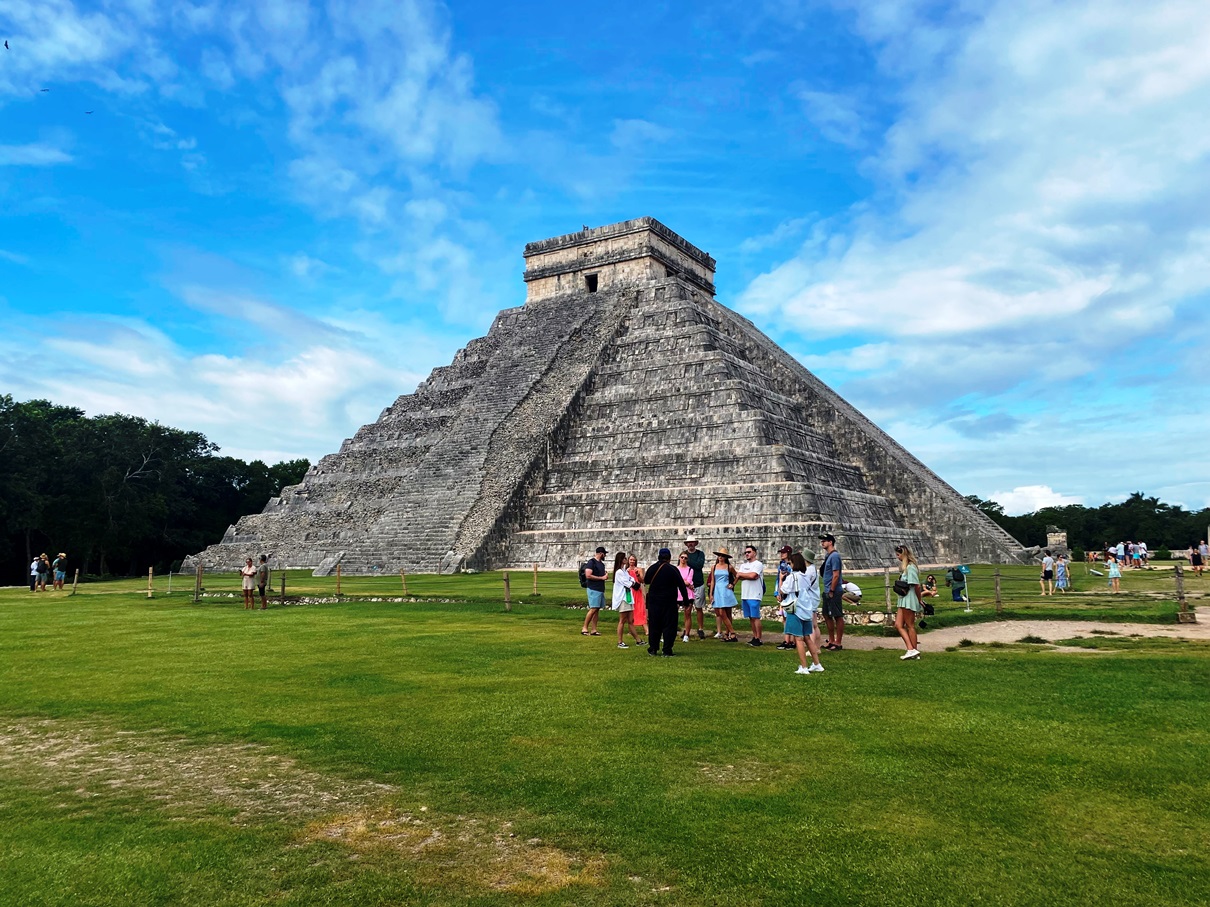
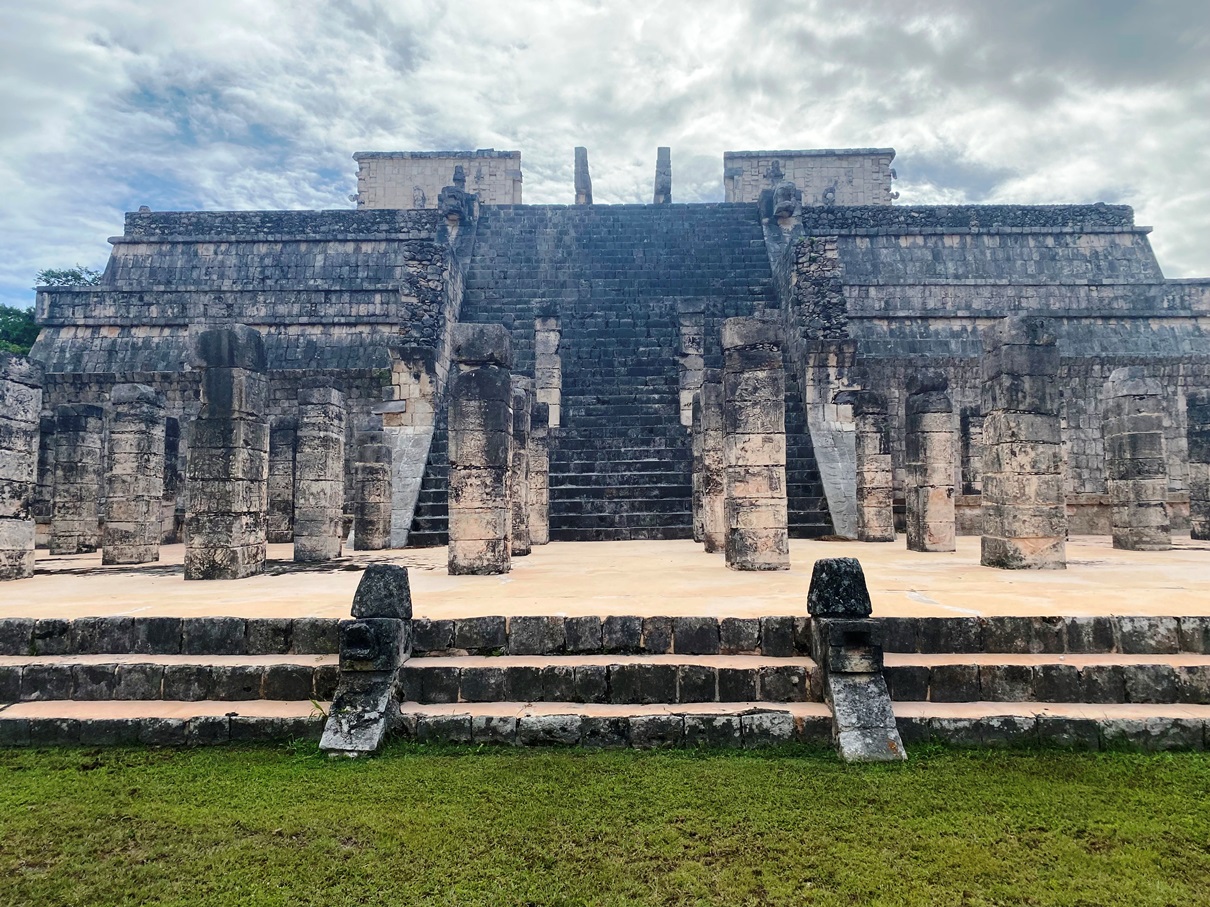
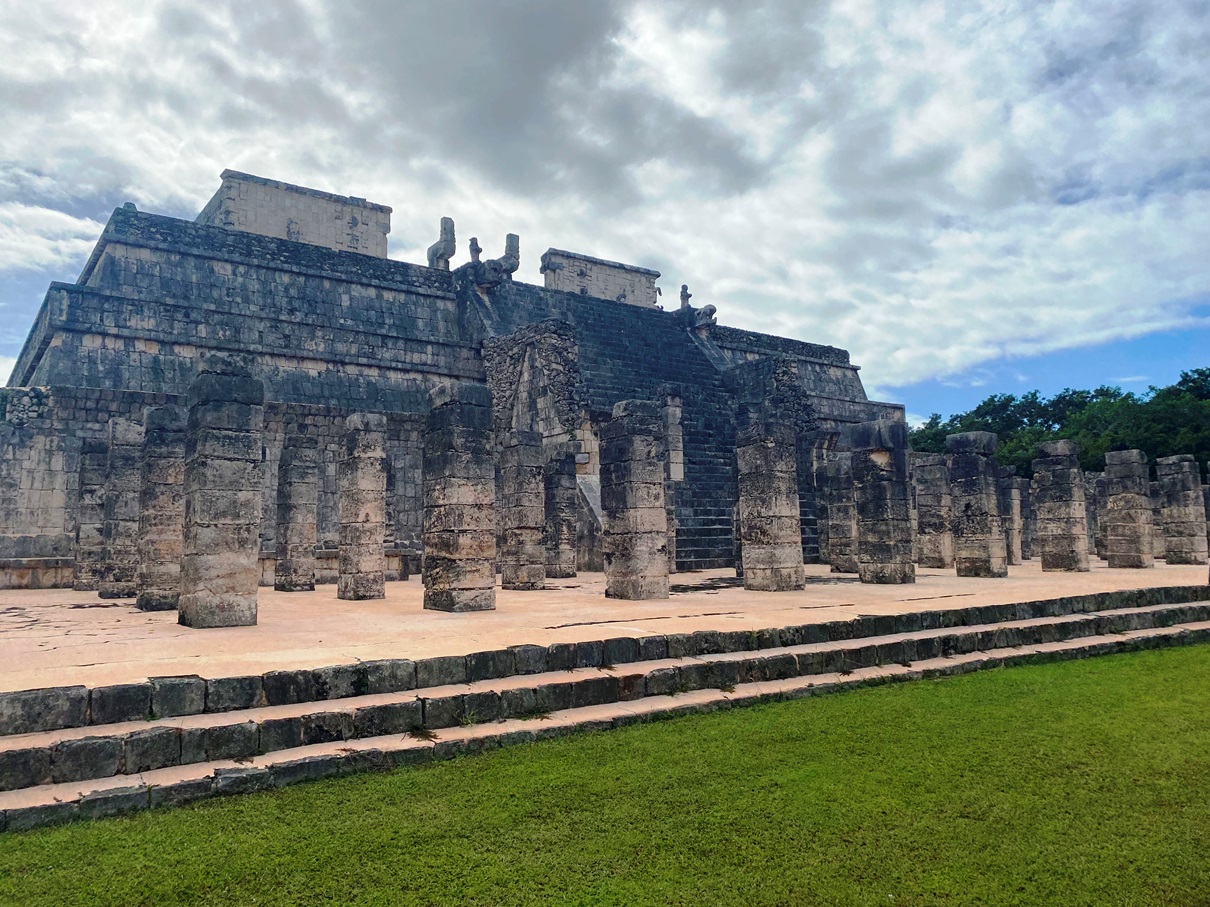
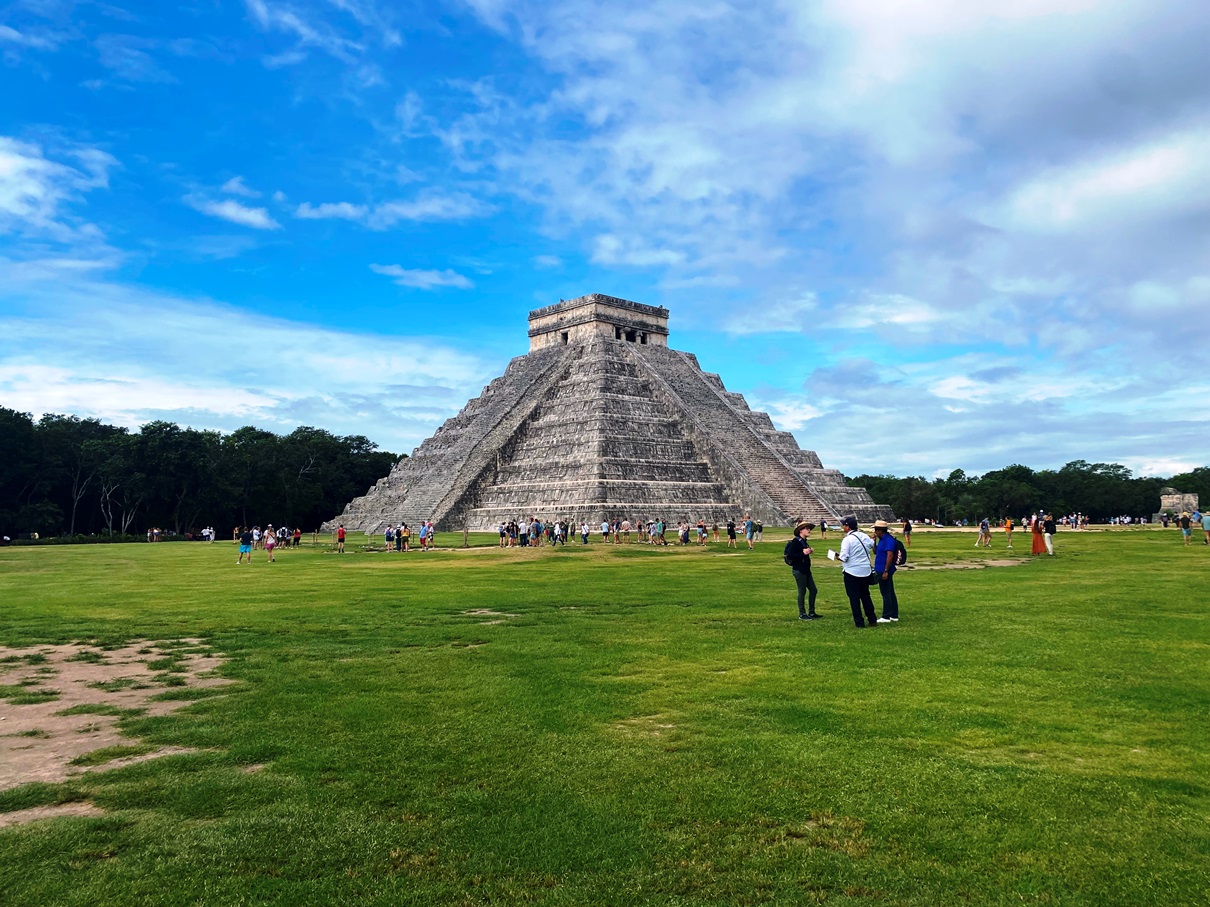
If I am honest, I wouldn’t say that these ruins are the most spectacular I have seen. At least in an architectural sense. Perhaps I am still a bit spoilt now, especially after seeing Chichen Itza just a few days ago. This site is on a smaller scale and this is reflected in the sizes of its structures.

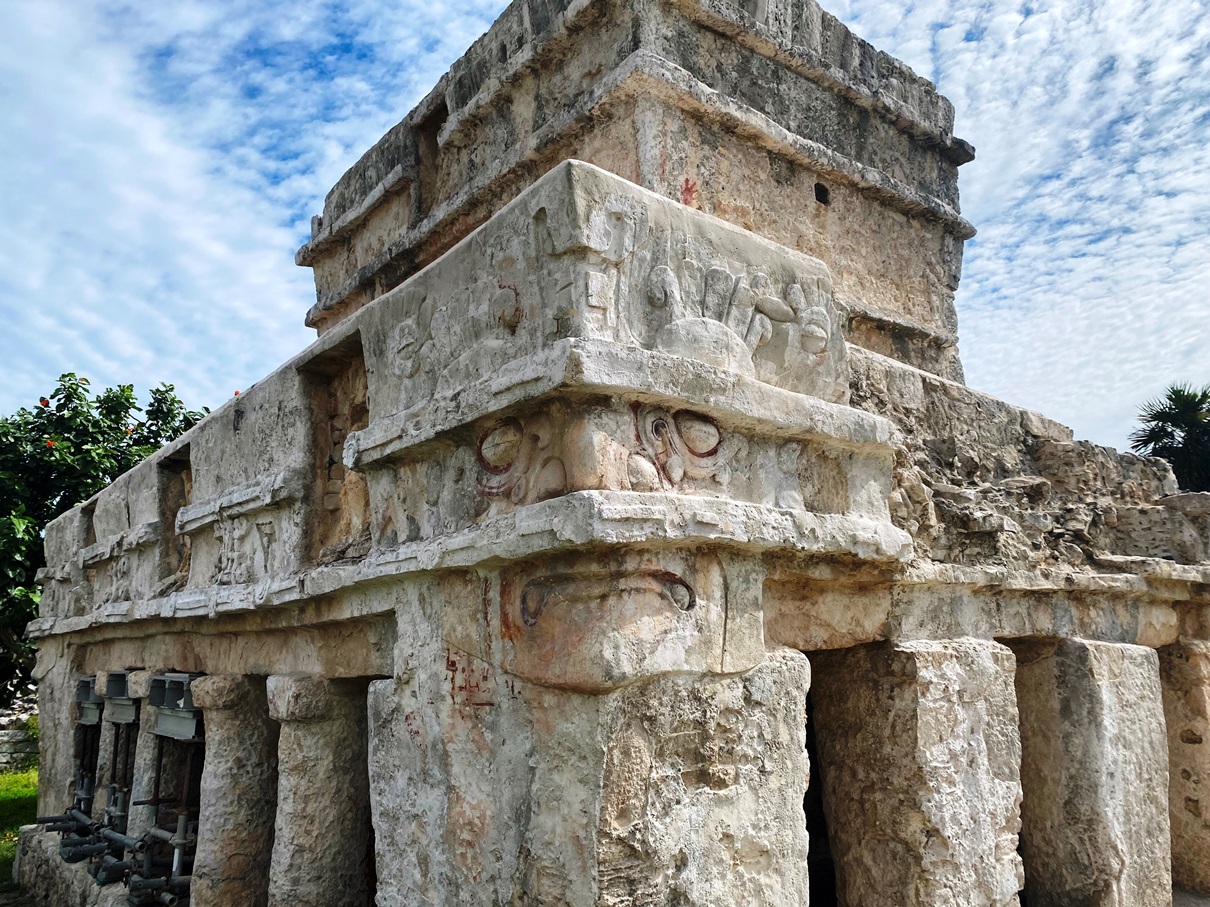
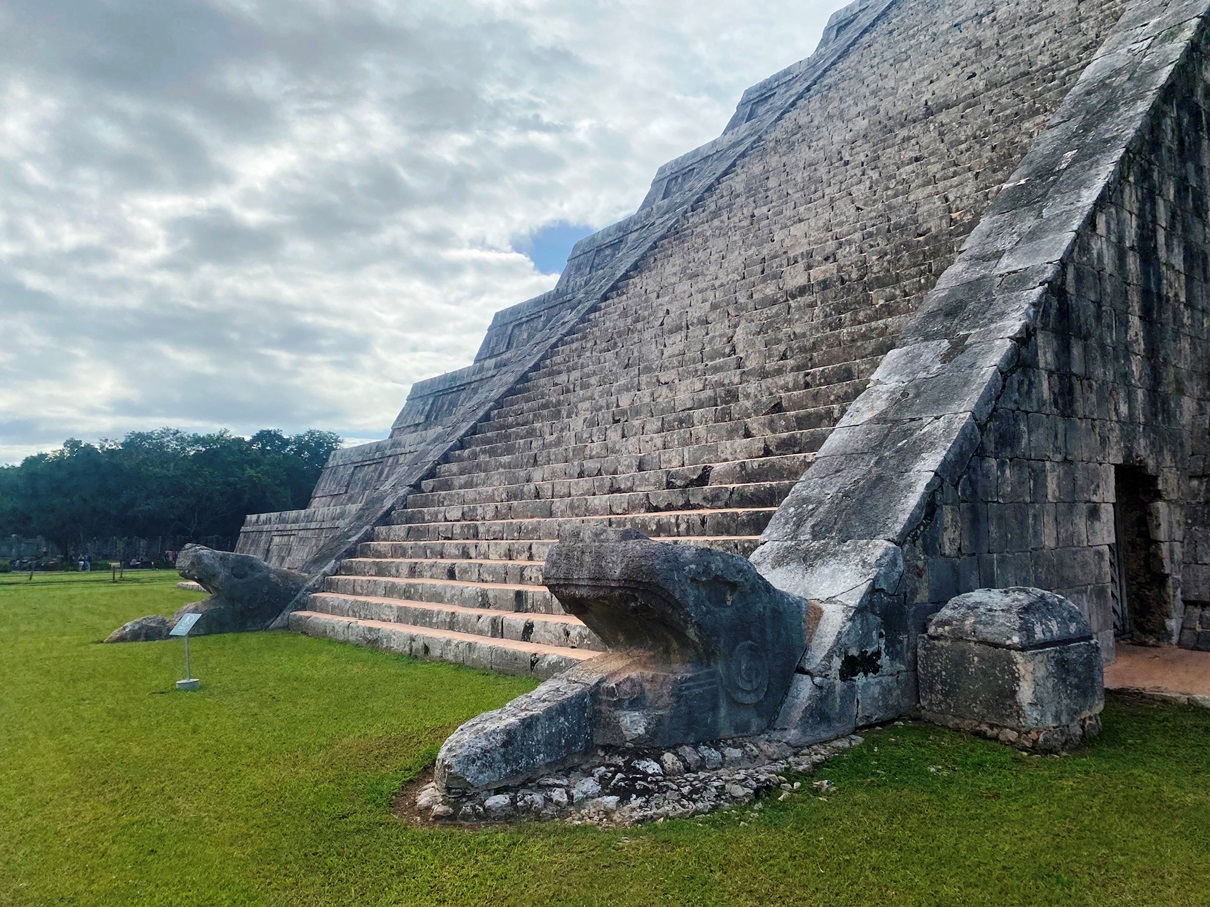
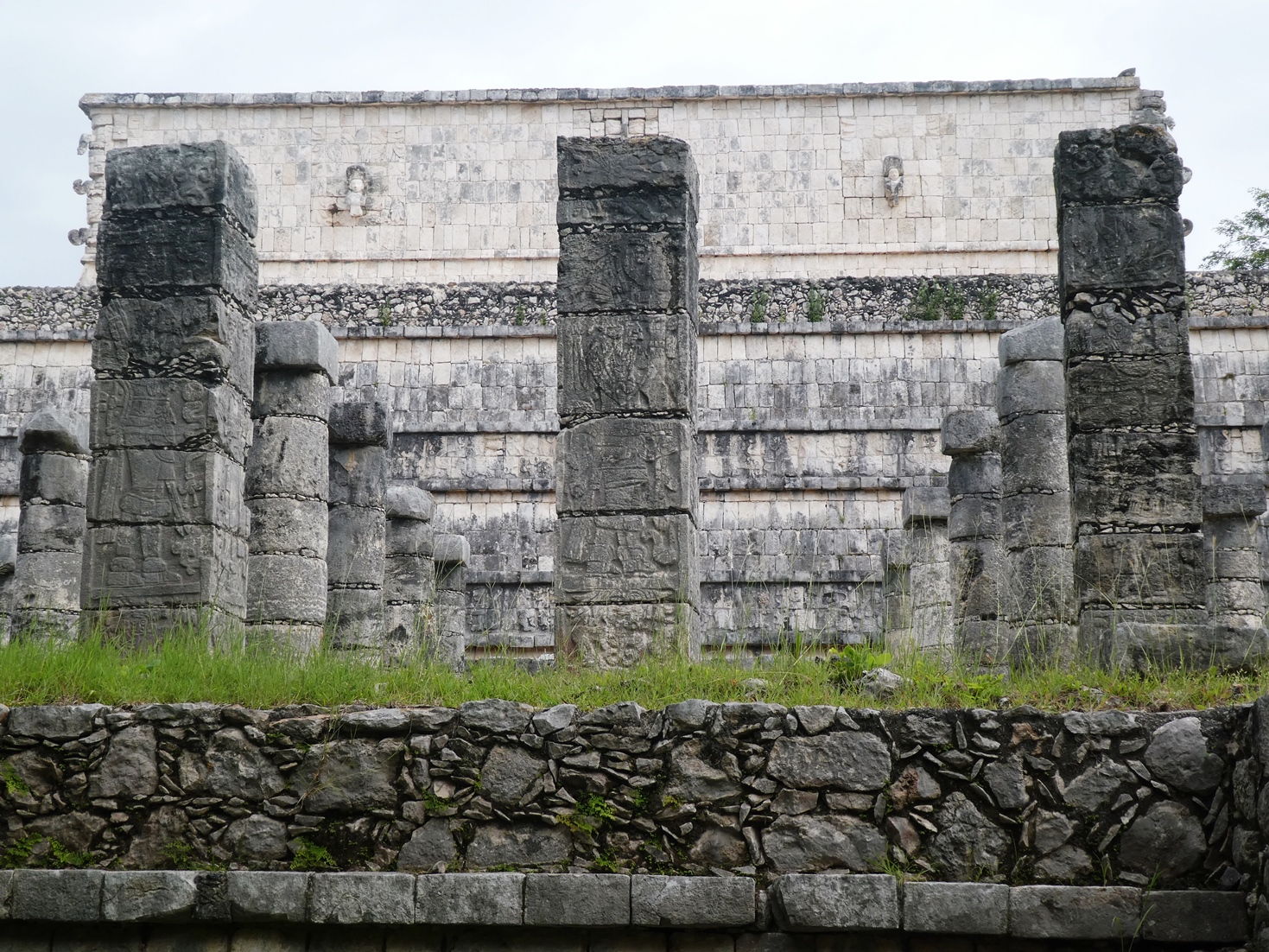
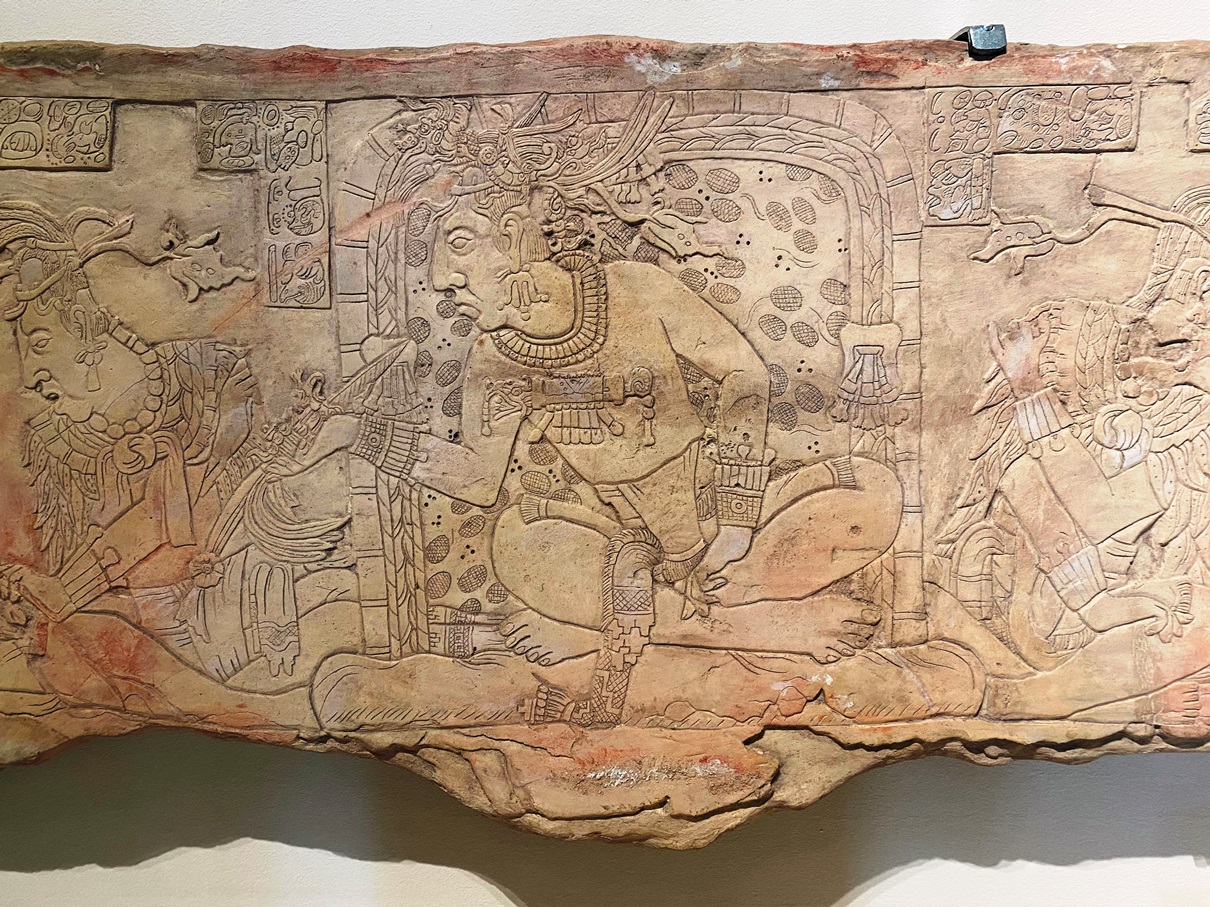
Some of them do have some impressive carvings, though.
I do suspect that I perhaps came here at the wrong time of the year, as there seemed to be a lot of maintenance work going on. There were certain iconic features I couldn’t see very well let alone take photos of because the archaeologists were blocking the view, and the area around El Castillo was completely roped off so I couldn’t get close to it. It was a bit disappointing. Especially as something that I did have access to were information panels describing the features of this area and how impressive they are. Features I could not see.

This is not a complaint; I understand that these sites take maintenance and it is important. I think I just came on the wrong day.
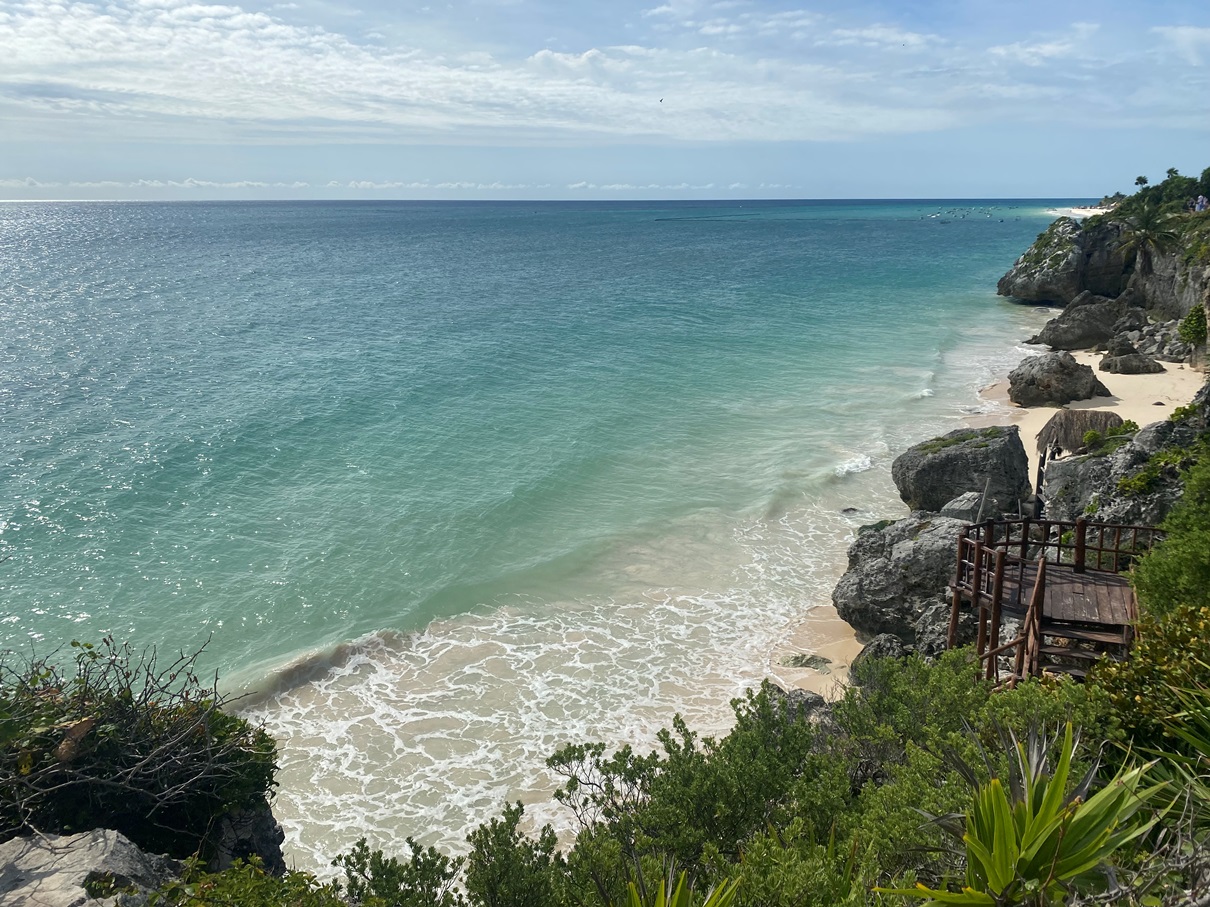
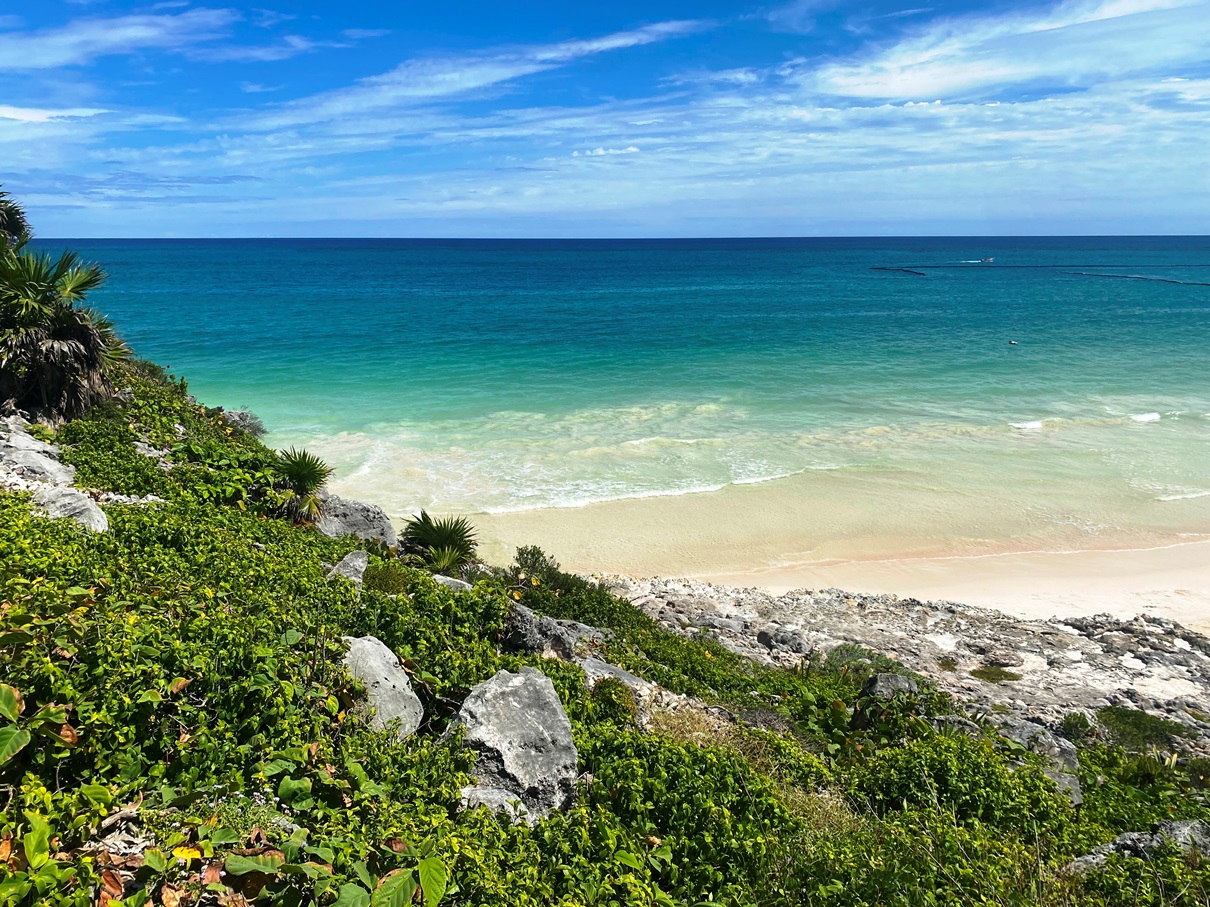
One thing that does make this place special – and worth seeing – is its setting. It is spread across the breadth of the coastline which makes for some amazing views.
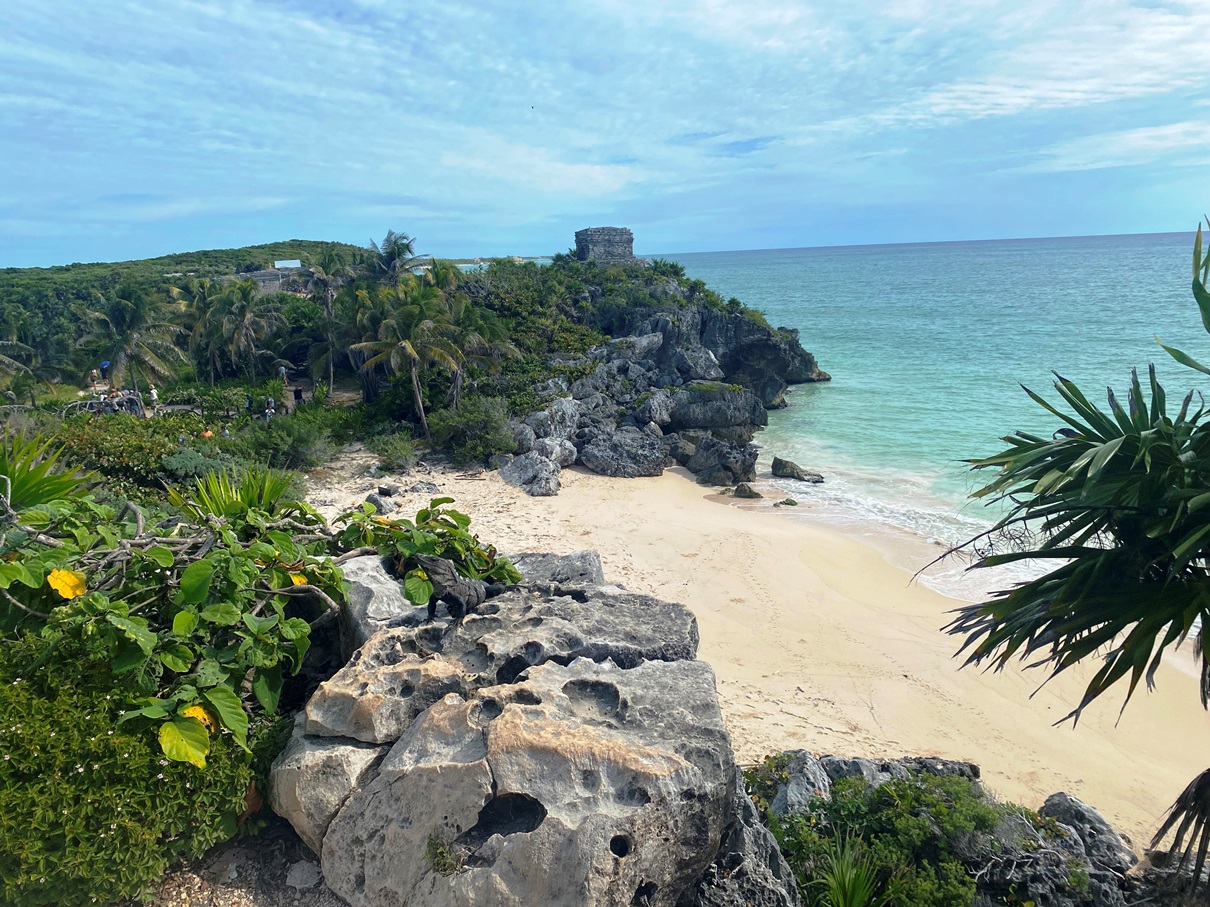
There is also a beach below which, at some parts of the year, people can access and even swim, but during my visit it was closed off because it is turtle season. Once again, this is not a complaint. Those of you who read this blog regularly will know how much into conservation I am, so I am glad they are being responsible.

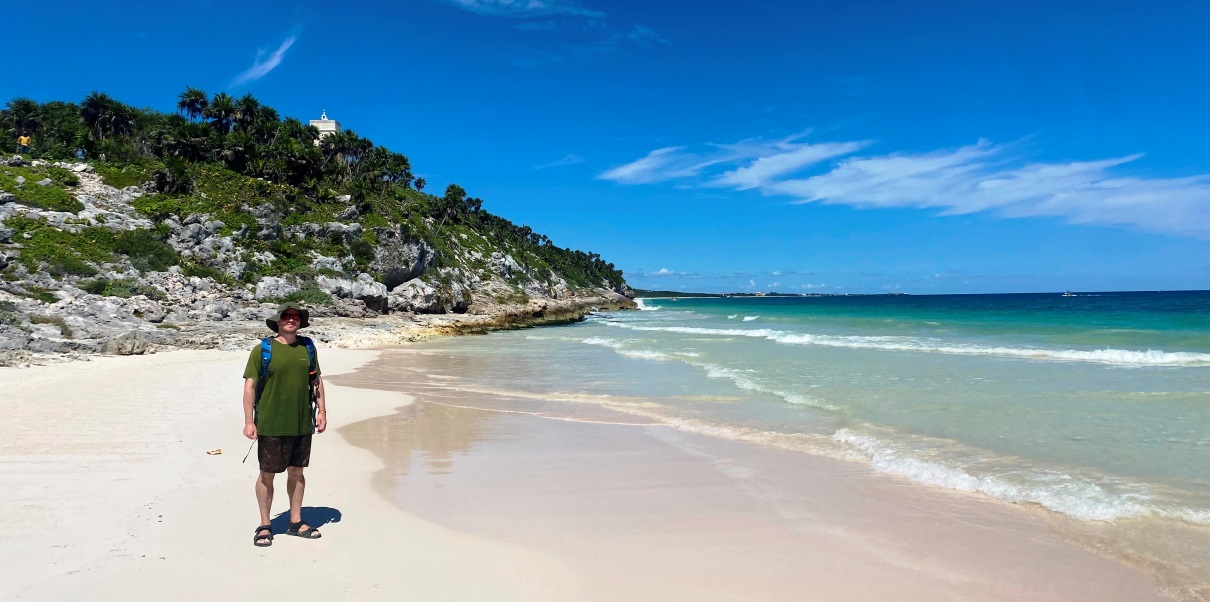
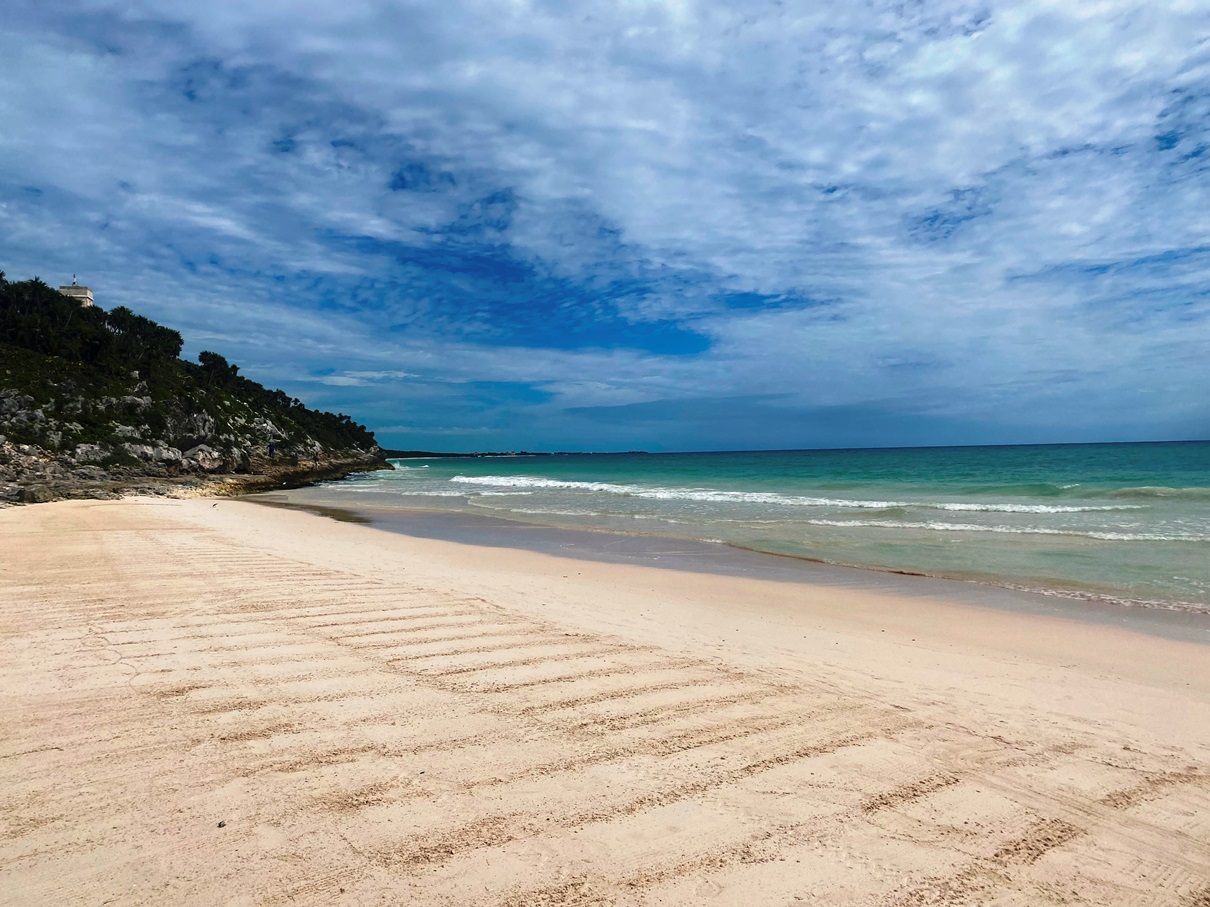
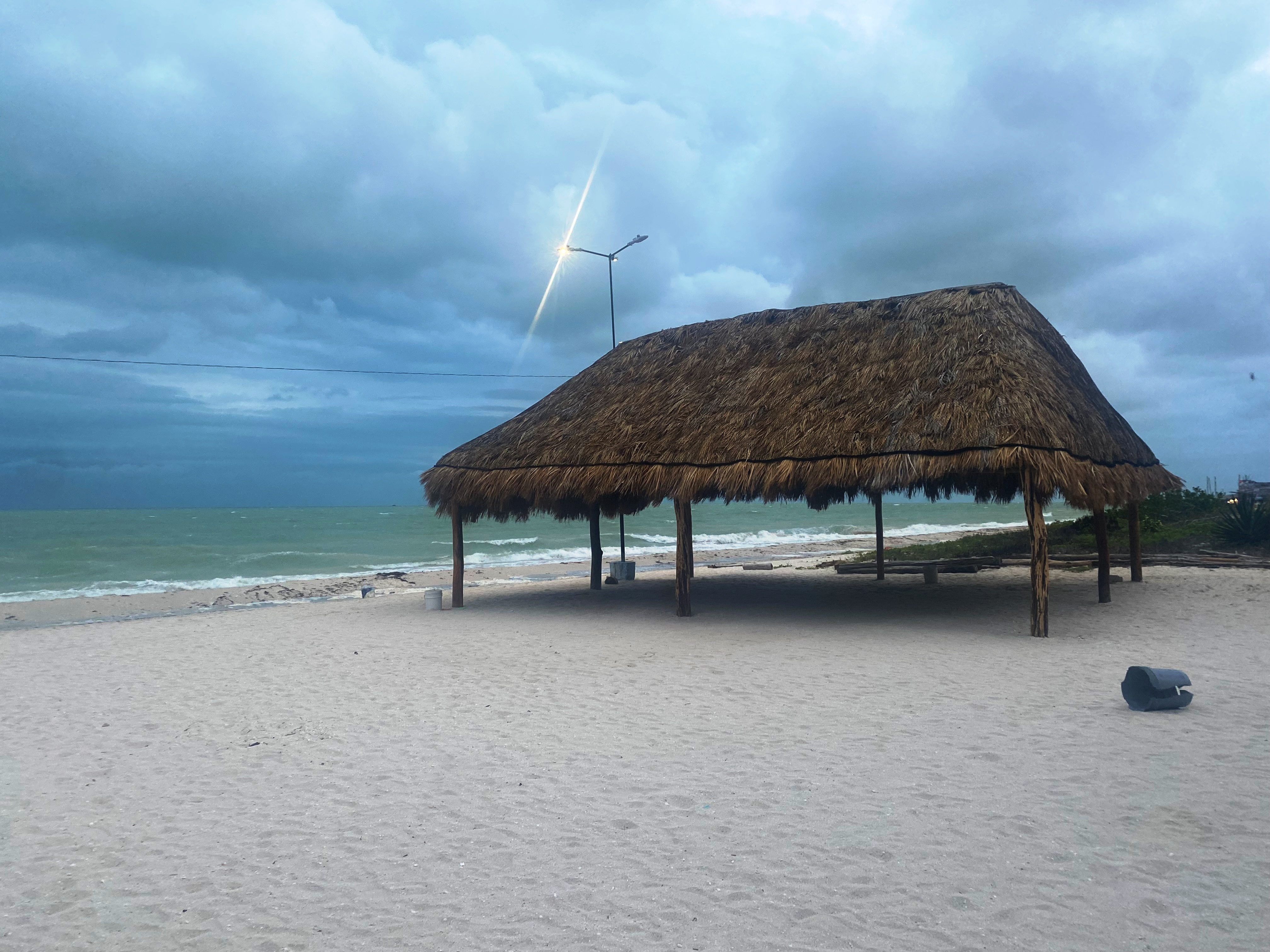
After exploring the ruins, I made my way towards another beach a short walk away and spent much of what remained of the day enjoying the scenery whilst wading in the lukewarm waters. I found myself reflecting on my journey a lot that day and the fact that it is soon to end. It is a bittersweet feeling. I have had an amazing time, and it will be strange going back to the ‘real world’ and working again. I am also looking forward to some of the creature comforts that I miss and seeing my friends and family.
The following morning, I got up early and went for a little day trip to a place called Cobá.

This is a small town that doesn’t receive too many visitors so transport options are limited. The colectivo I caught was one of just a few that run each day and I could see why; I was one of just three who boarded it – the other two appeared to be workers – and for the last leg of the journey I was alone.

This is another Mayan site, and it wasn’t initially on my radar because it is not as well known. I heard other enthusiasts talk about it when I was in Valladolid, and it inspired me.
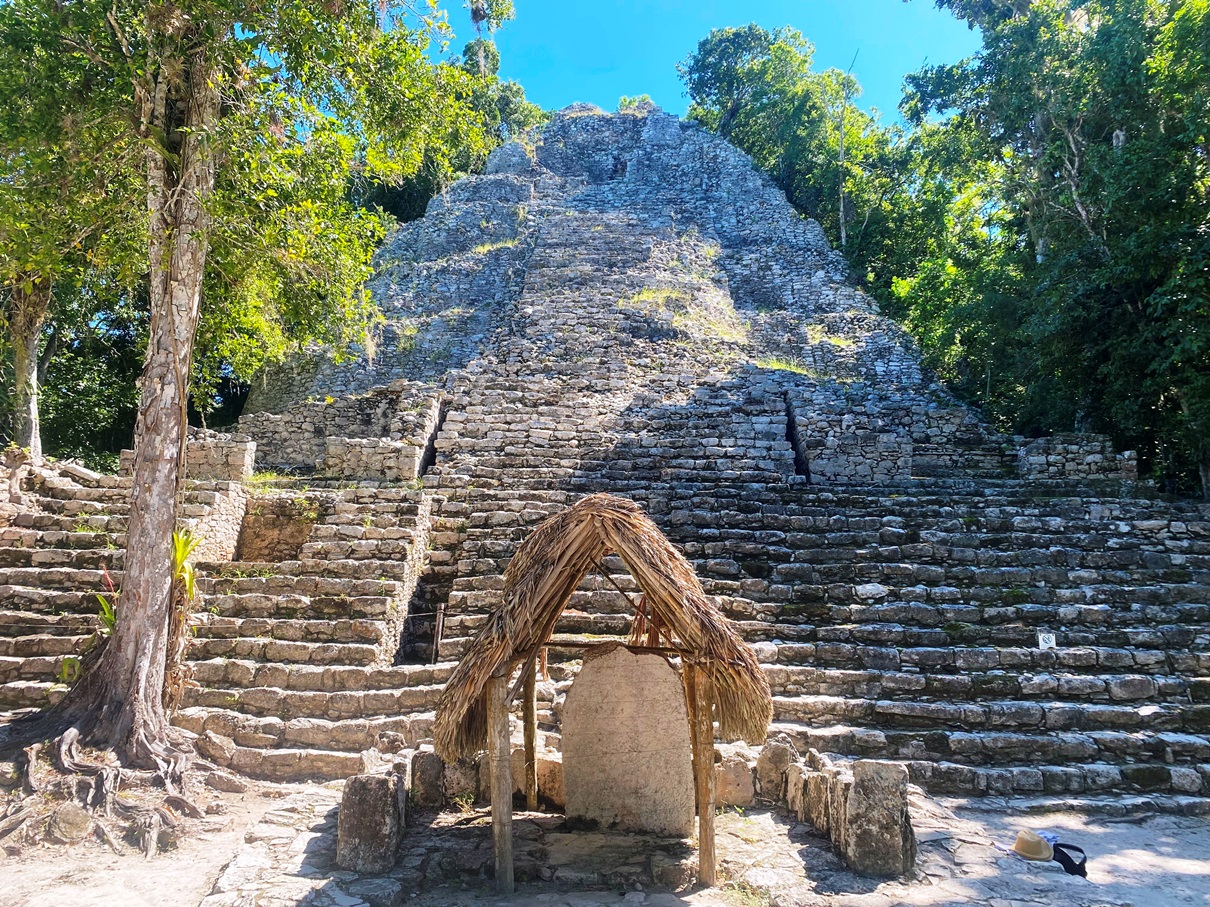
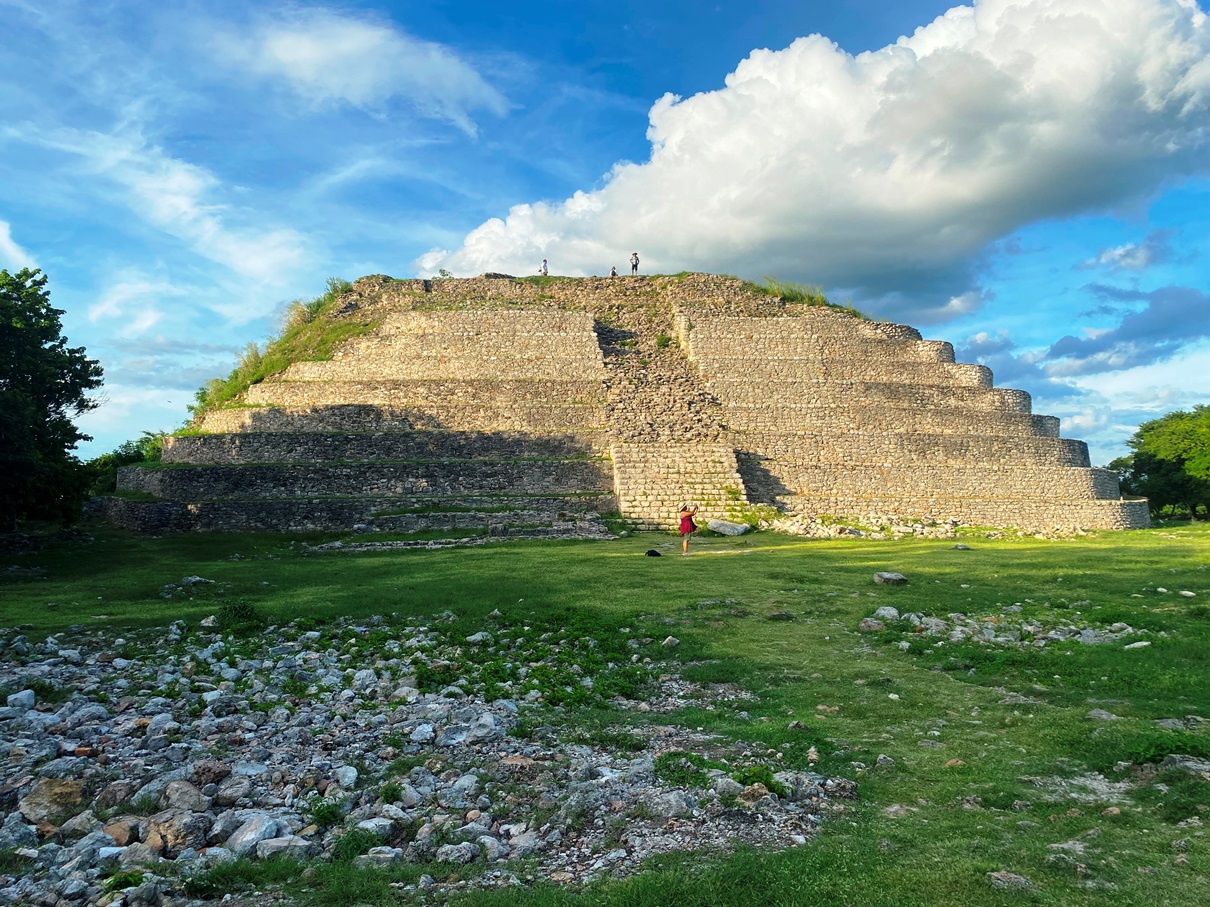
So, with that in mind, it was much more impressive than I thought it would be. Two of its pyramids are very large. They are not quite as well restored as most of the others in the area, but that gave them a rustic, Indiana-Jones-like charm.

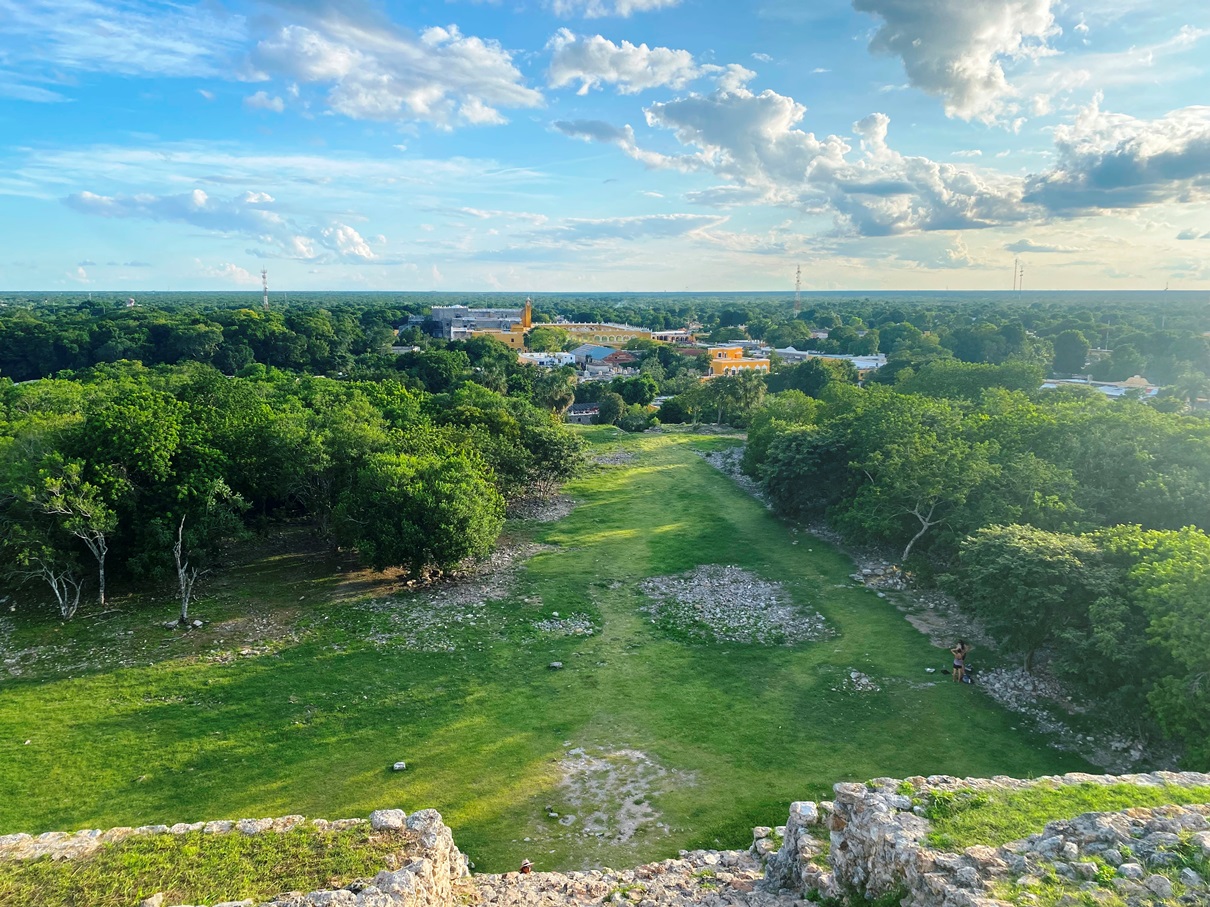
The site is also quite vast and spread out across a sprawl of jungle. Many of the visitors who come hire bicycles to save themselves time but it is all walkable if you are able-bodied. I enjoyed taking my time, as the area was good for bird life. I managed to snap a few of them with my digital camera.

Yes, it is still working. Just about. I have to push the lens back in manually after zooming these days. Who knows, maybe it will get me to the end. I am hoping it will as its zoom function might be useful for the Dia de Muertos parades next week.
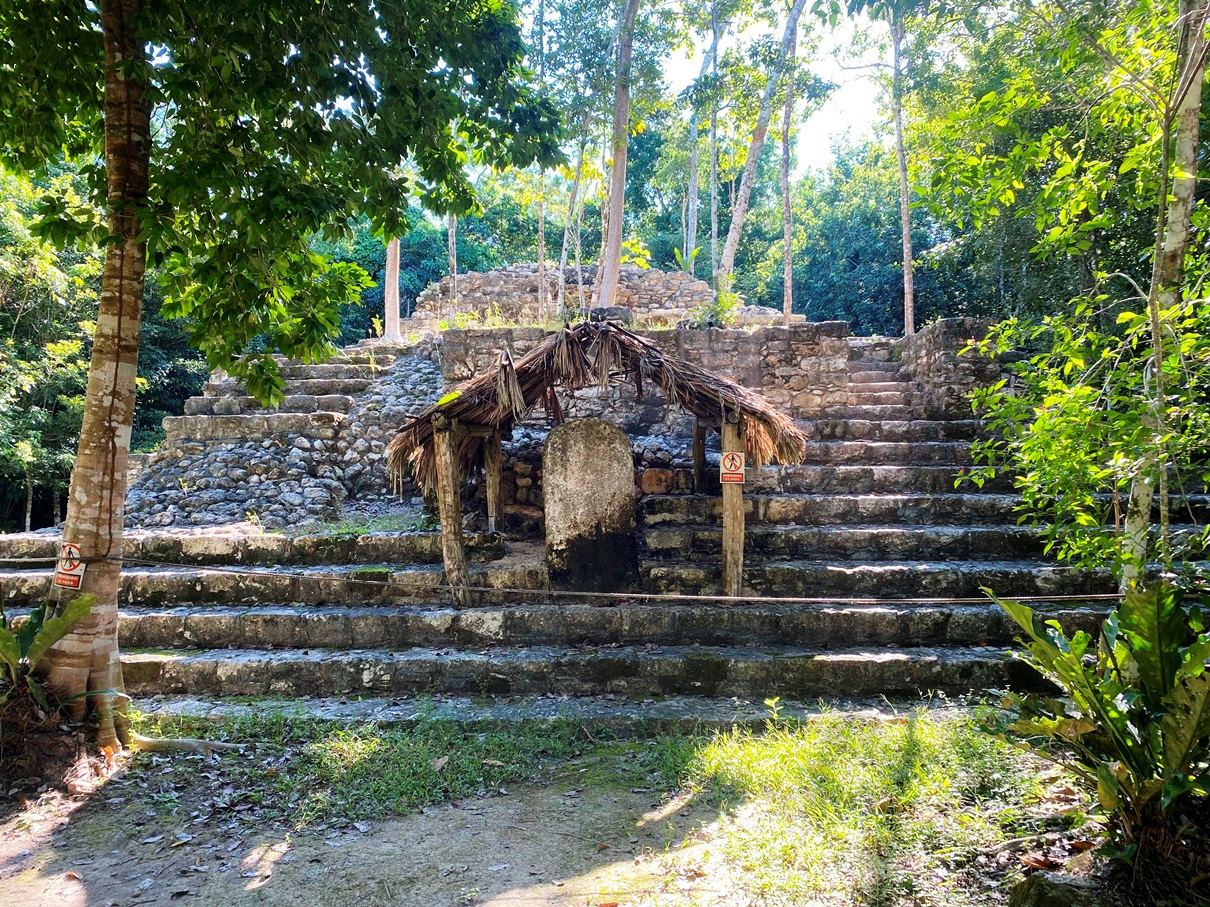
I found myself feeling quite wistful as I walked around these ruins, as I realised that these were probably the last ones I would see on this trip. After my time in Tulum, I am heading back to Merida, where I will mostly lay low and spend time with the friends I made there before the Dia de Muertos festivities. This is probably my last proper ‘day trip’ of this journey.

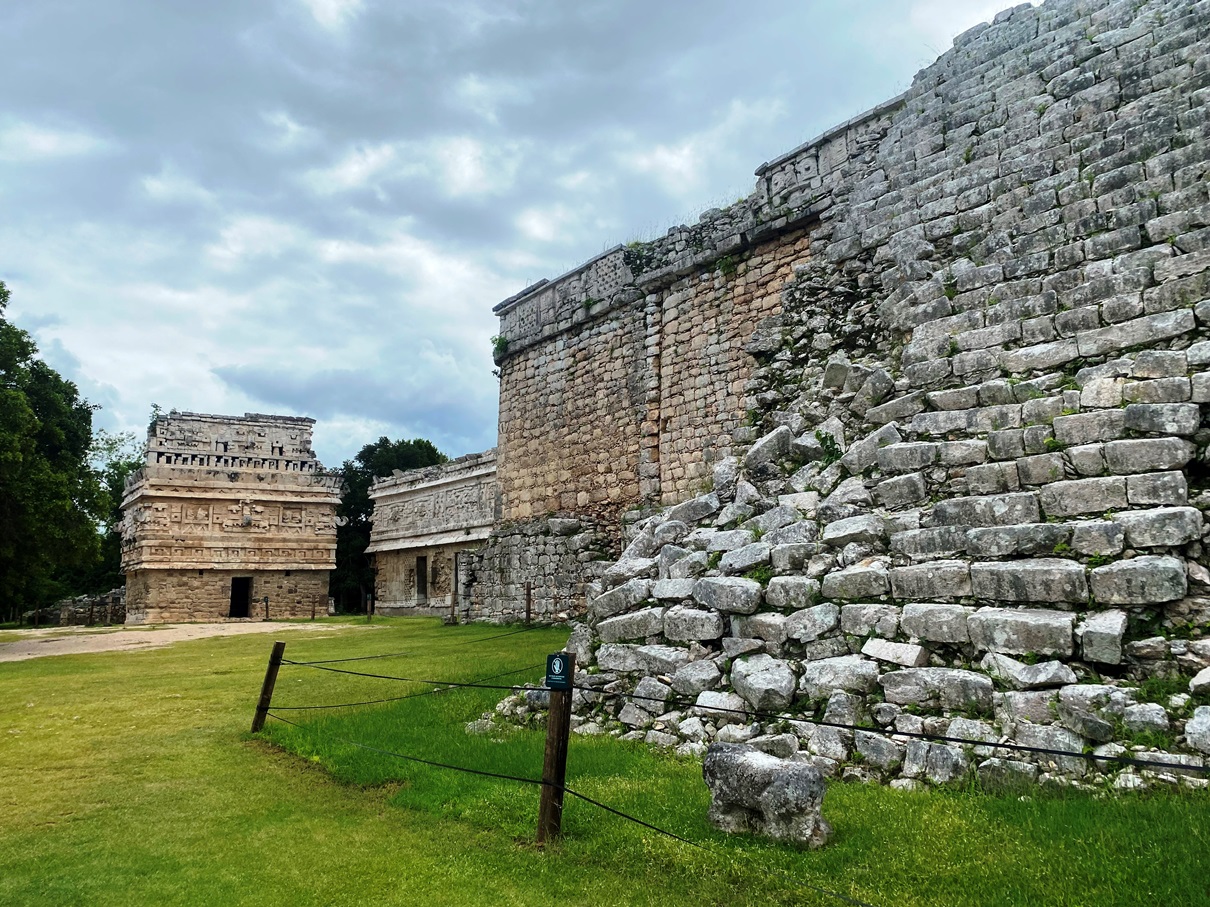
One thing that is interesting about this site is that it is also somewhat of an anomaly in the area. The architecture is more similar to the Peten style which is more common in Guatemala, and even to my amateur eye, I could see this influence. The pyramids were steep, and most of them had steles at their base, as well as sacrificial platforms.
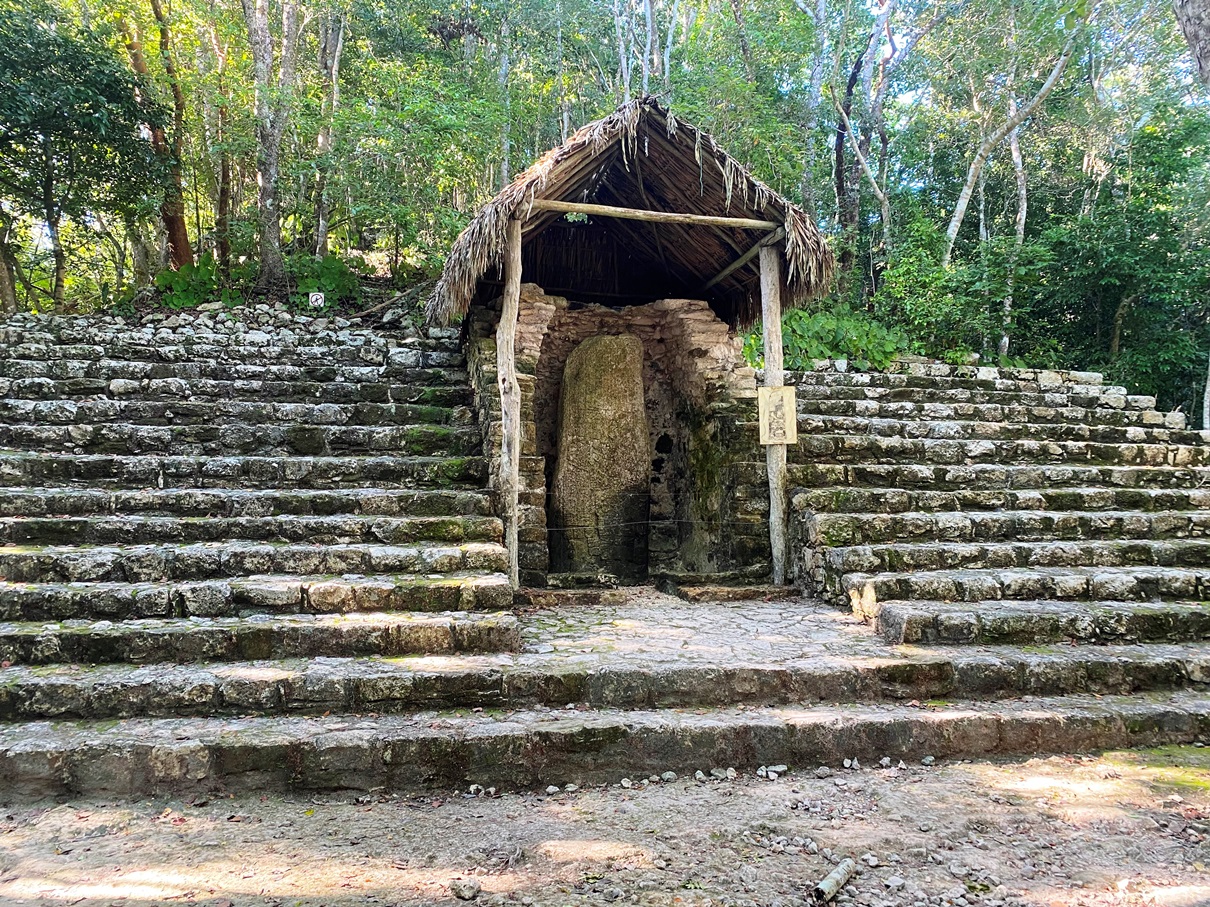
Because this place is mostly made from limestone, the carvings on the steles are not very well preserved, which I guess is one of the reasons why not as much is known about it in terms of its political affiliations and dynasties. If you look carefully at some of them, you can see the faint outline of humanoid figures.

After slowly making my way around the site I passed by the pyramid closest to the entrance again, and by then, a few tour groups had arrived (although it was nothing on the scale of places like Chichen Itza).

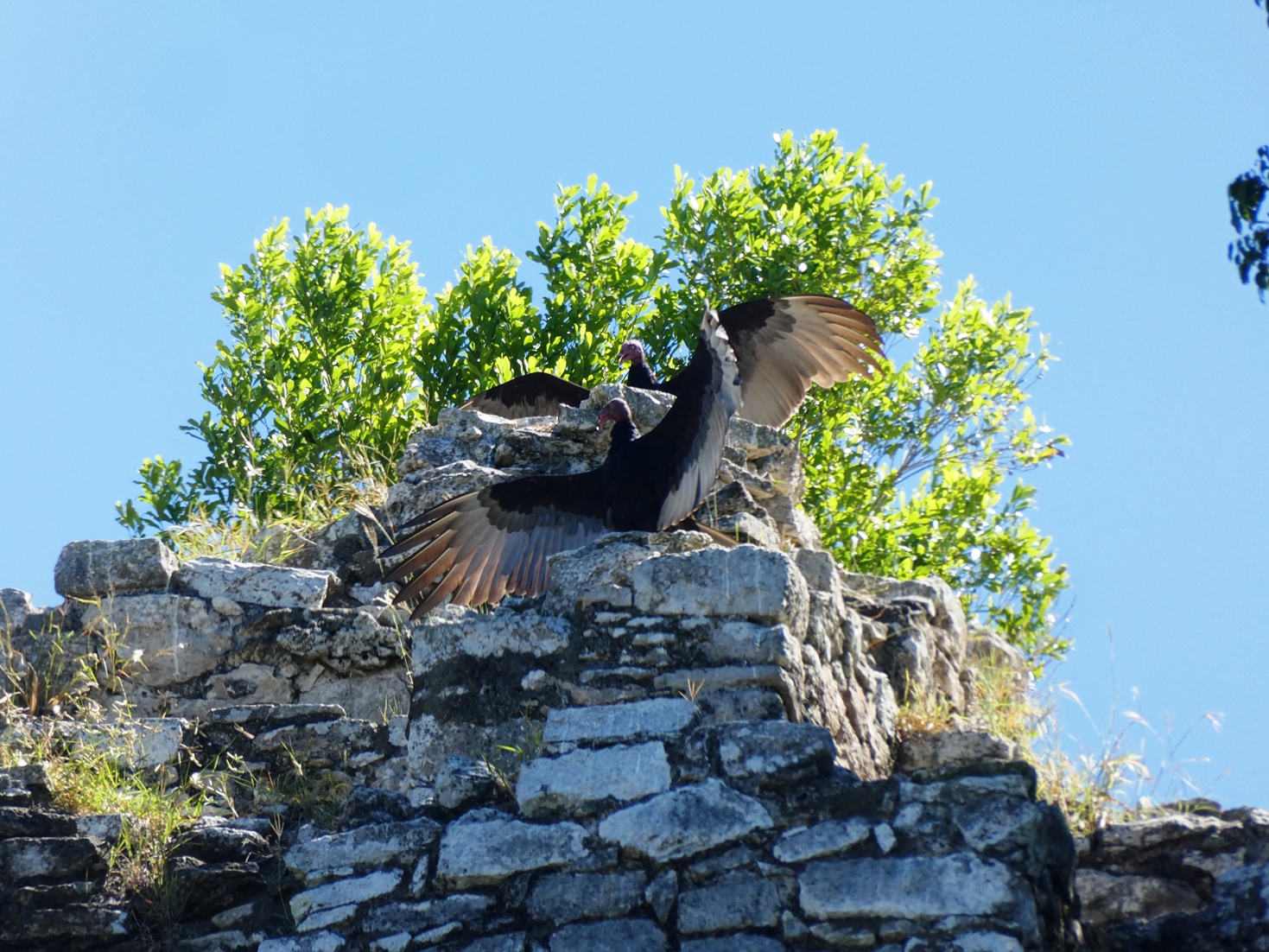
One of the groups lined up in front of the pyramid and spent a bit of time standing there with their hands raised whilst some music played. Most of the participants looked European and it felt a bit like a modern, new-agey thing, rather than something Mayan. At least there wasn’t any cultural appropriation going on, I guess, but there was something that felt a bit off about it to me. Usually, when I witness something like this, I will feel something. An energy. Even if it is not one that I particularly resonate with, I will sense it. While watching this, I felt nothing. I found it a bit strange that none of them seemed to notice that there was a pair of eagles perched at the top with their wings spread. Now, that was something quite magical.
When I left I tried to catch the colectivo back to Tulum but it didn’t arrive. I asked around and the locals told me that this sometimes happens during the low season because the drivers don’t see it being worth their time. Luckily, however, there were two other people stuck in the same situation as me and we managed to negotiate a reasonable price for a shared taxi.
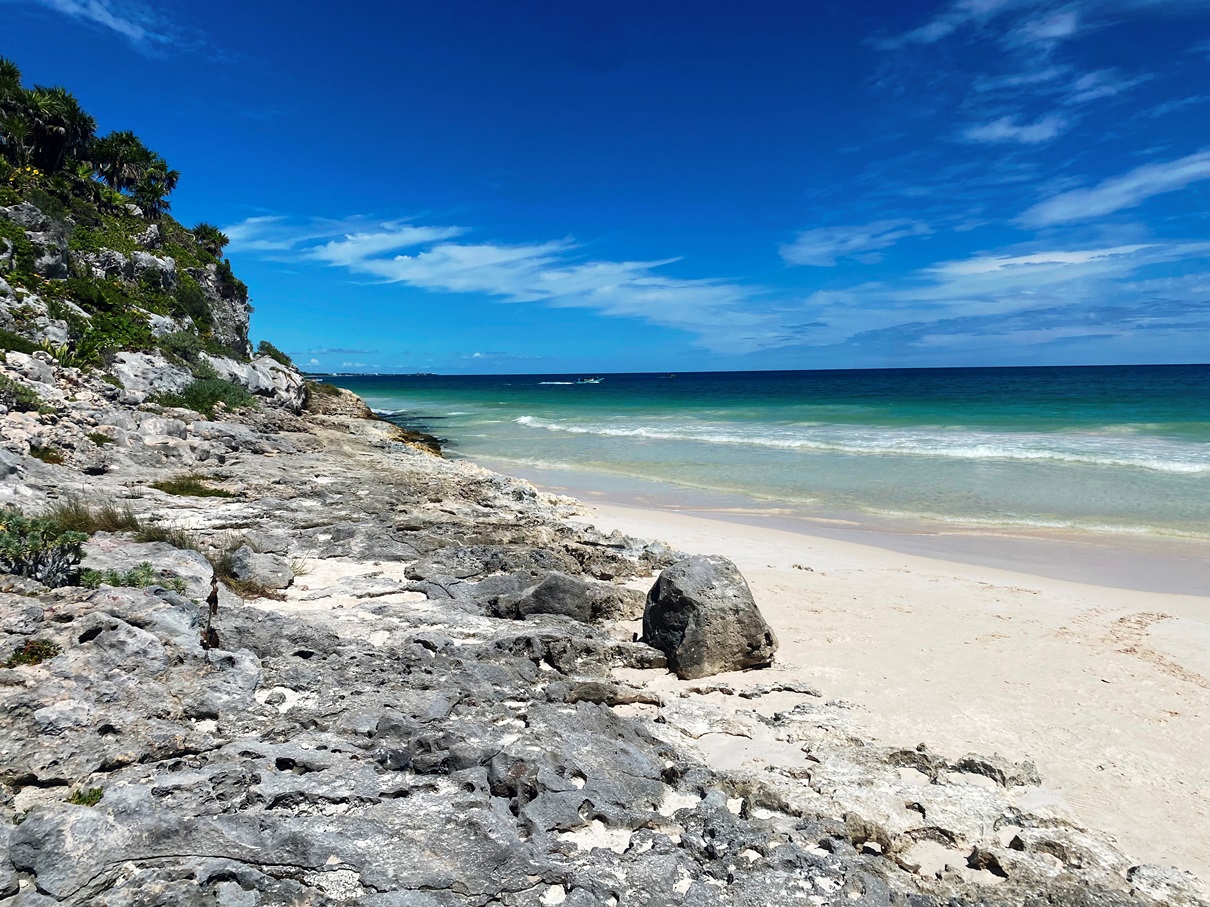
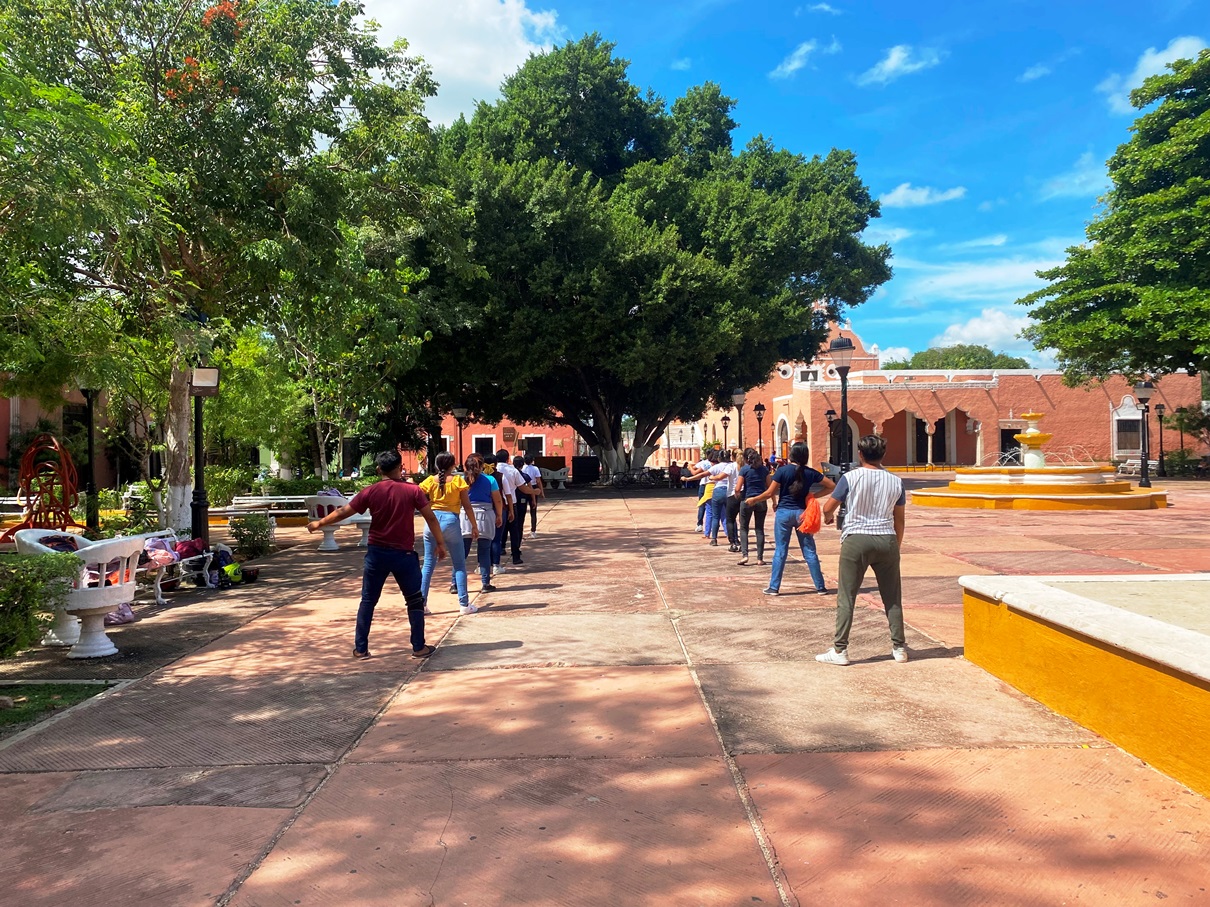
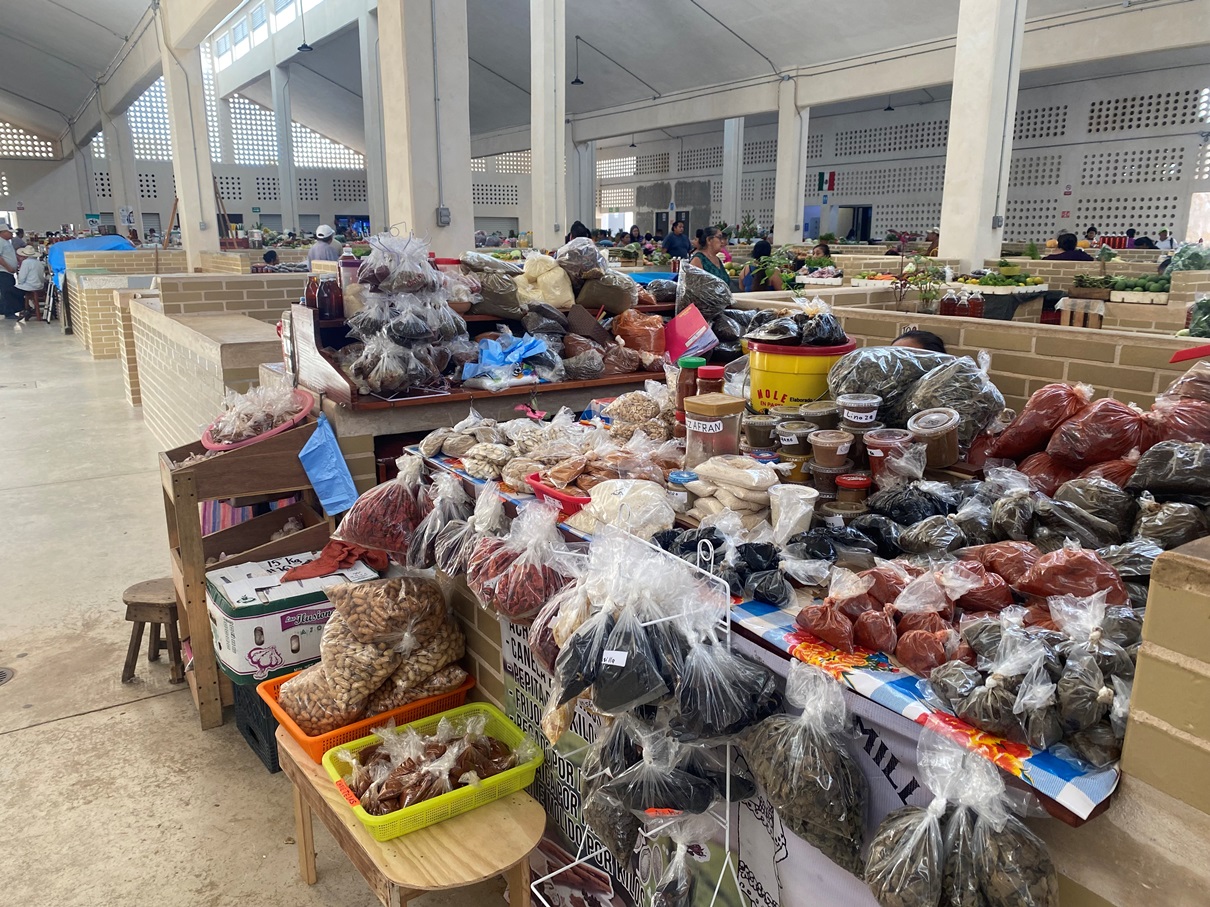
I spent one last final day in Tulum before returning to Merida, but I don’t have much to say about it if I am honest. I tried to repeat what I did a few days ago in Valladolid and have a day to just wander around, take things slow, and get to know the town a little better, but Tulum is a very different town from Valladolid. When you go to Valladolid, you feel like you are a welcome guest who is getting a glimpse of how the locals live, whereas in Tulum everything seems segregated. There are tourist markets and local markets. Tourist restaurants and local restaurants. They live different lives. Whatever culture Tulum once had seems to have been mostly swallowed by its tourism sector.

That wasn’t the only thing that I noticed during my time there. I found the people that I was sharing my hostel with to be a different crowd from what I have become used to. Not many other backpackers but rather flashpackers and groups of young people on holiday. They seemed to mostly be there to spend time at the beach, drink, and party. There is nothing wrong with that – I was young once and we are all different people with different interests, so each to their own – but what I will judge some of them for is the noticeable increase in bratty, entitled behaviour that seems to come with that demographic (which is frustrating when you are sharing facilities). I just didn’t have much in common with them.
I am glad that I came to Tulum, saw its ruins, spent time at the beach, and went to Cobá. They were all worthy things. But, also; coming here did confirm for me that I made the right decision when I decided to spend more time in Mexico’s interior than the coast.
My next blog will cover the Dia de Muertos festivities in Merida and it will – unless something dramatic happens – be my last.
For more photos from my time in Tulum, click here.
























 Tej Turner