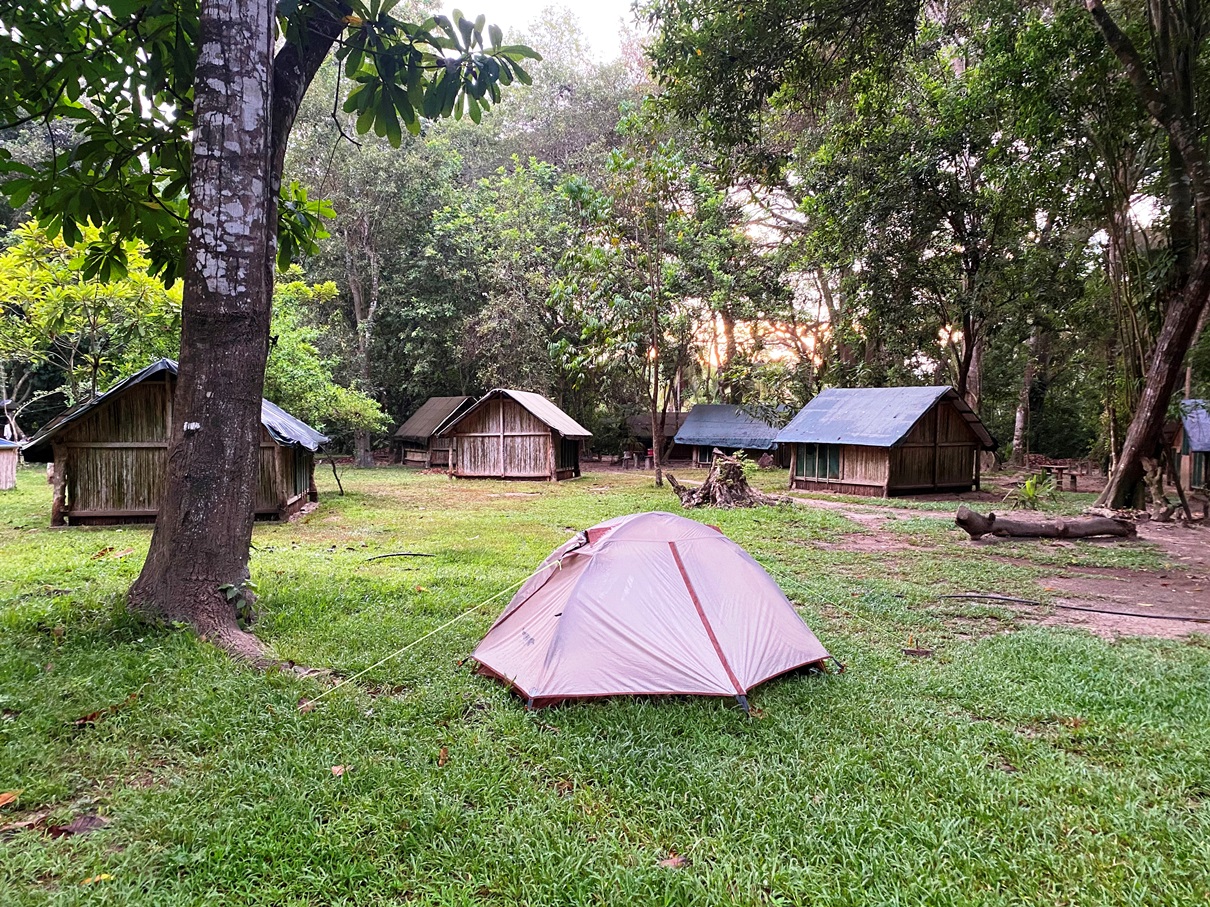
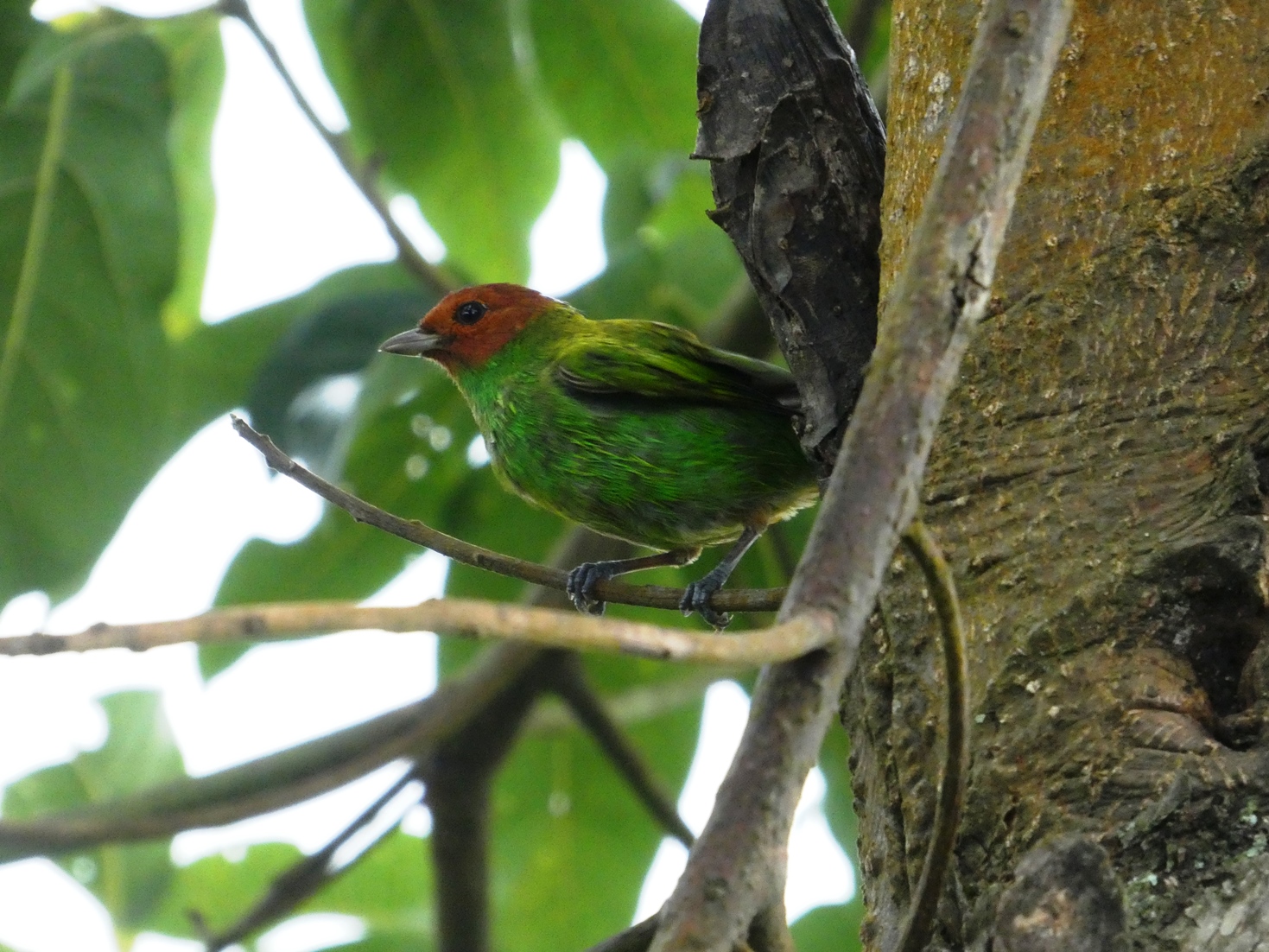
Travelblog LA#12: Antigua & Acatenango Volcano – Guatemala

19th – 25th June, 2023


I arrived in Guatemala at 9:30 in the morning, and after passing through immigration did something that was a bit out of character for me and forsook the cheap public transport option in favour of a shuttle service. Those of you who follow me regularly will know that I am a very budget-conscious traveller, but Guatemala City has a reputation for being dangerous and there have also been incidents of the local ‘chicken buses’ – the slow, open-air, rickety buses that trawl through much of Central America – being hijacked by gangs who rob the passengers by gunpoint. As usual, the chances of this happening to you personally are slim, but it is still commonplace enough for me not to take any chances on this occasion.
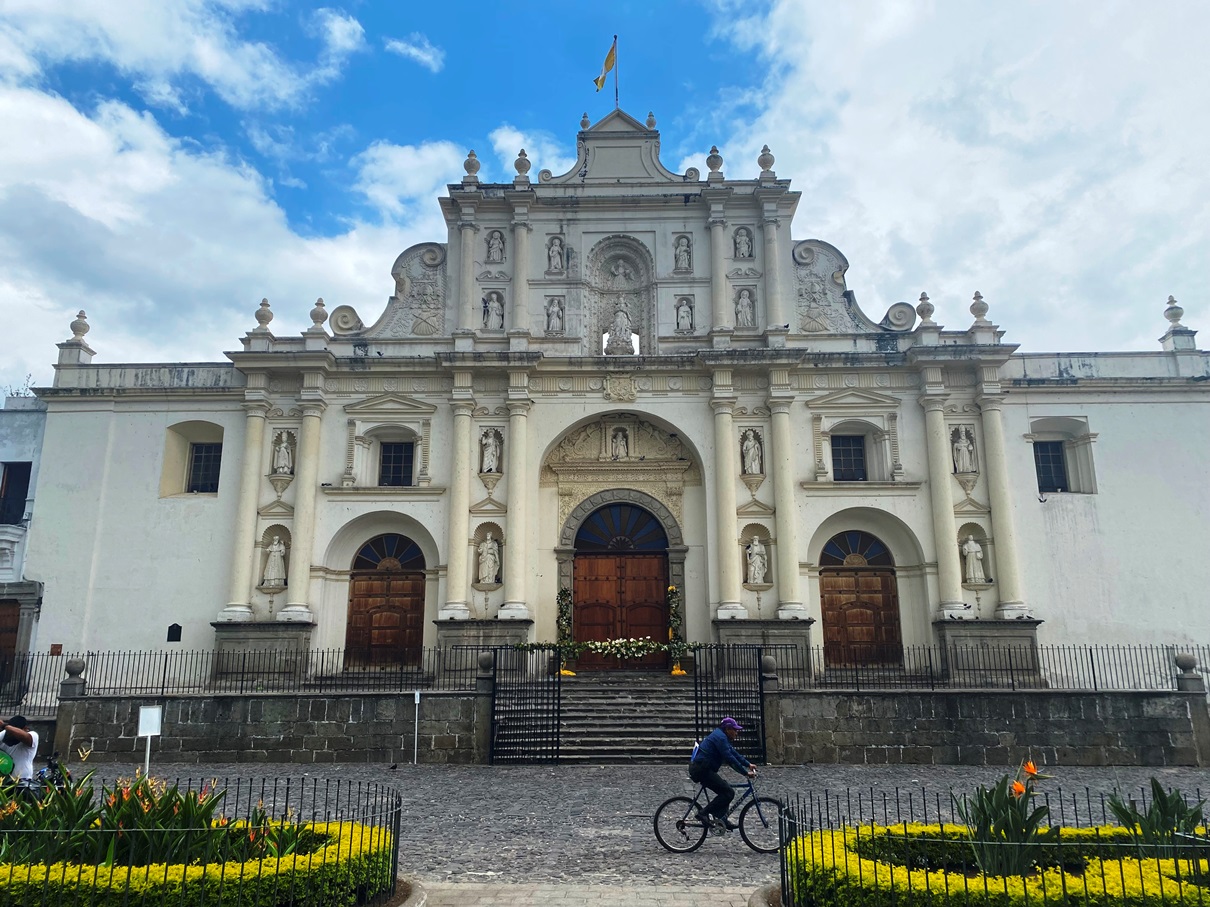
I spent my first few days in Antigua, its former capital and a UNESCO heritage site. It was just an hour away from the airport, and its cobbled roads made the last few minutes of the journey a very bumpy affair. My hostel was on the outskirts of the old town by the ruins of a church and – despite how excited I was to be there – I waited until the following day to start exploring, as I was exhausted after my flight from Colombia (one that had left in the early hours of the morning and entailed a layover in Panama).
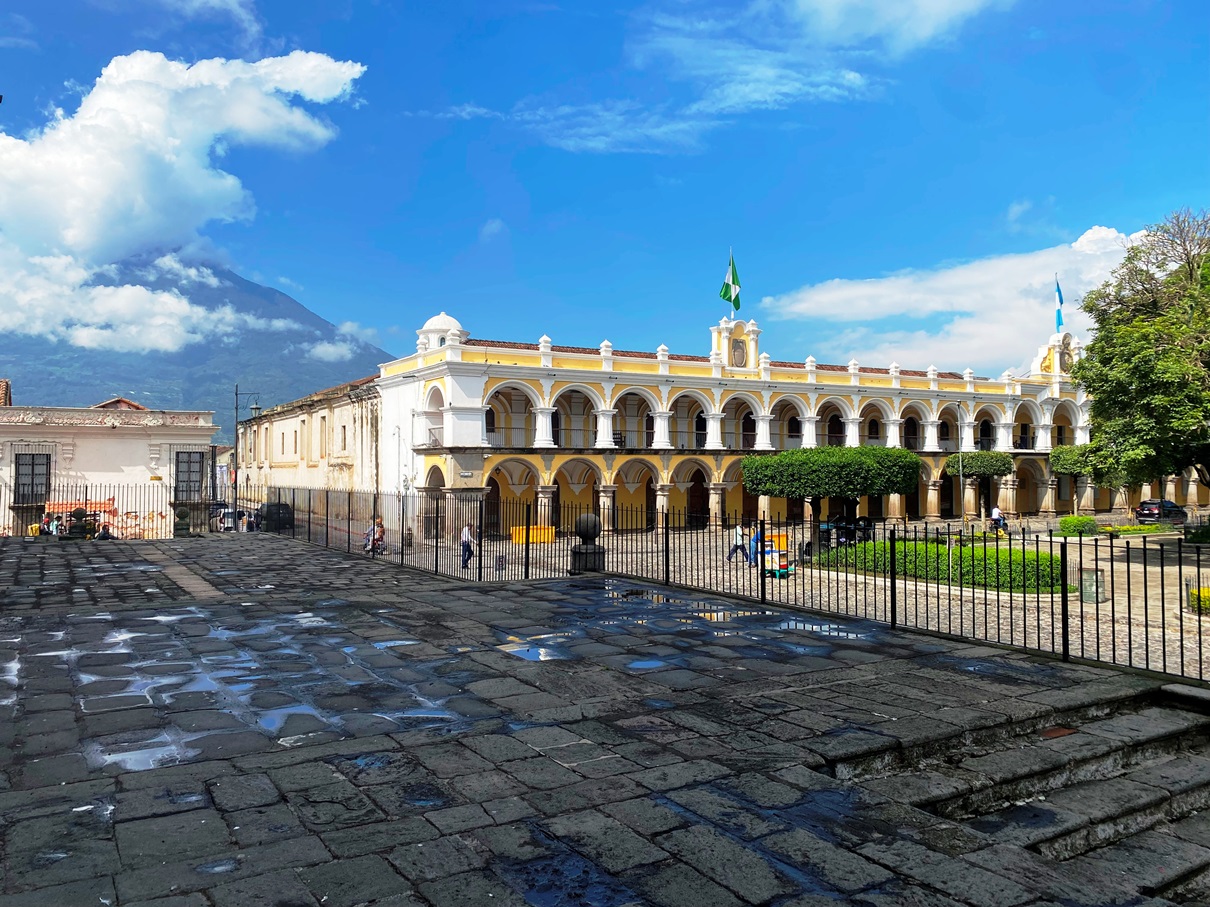
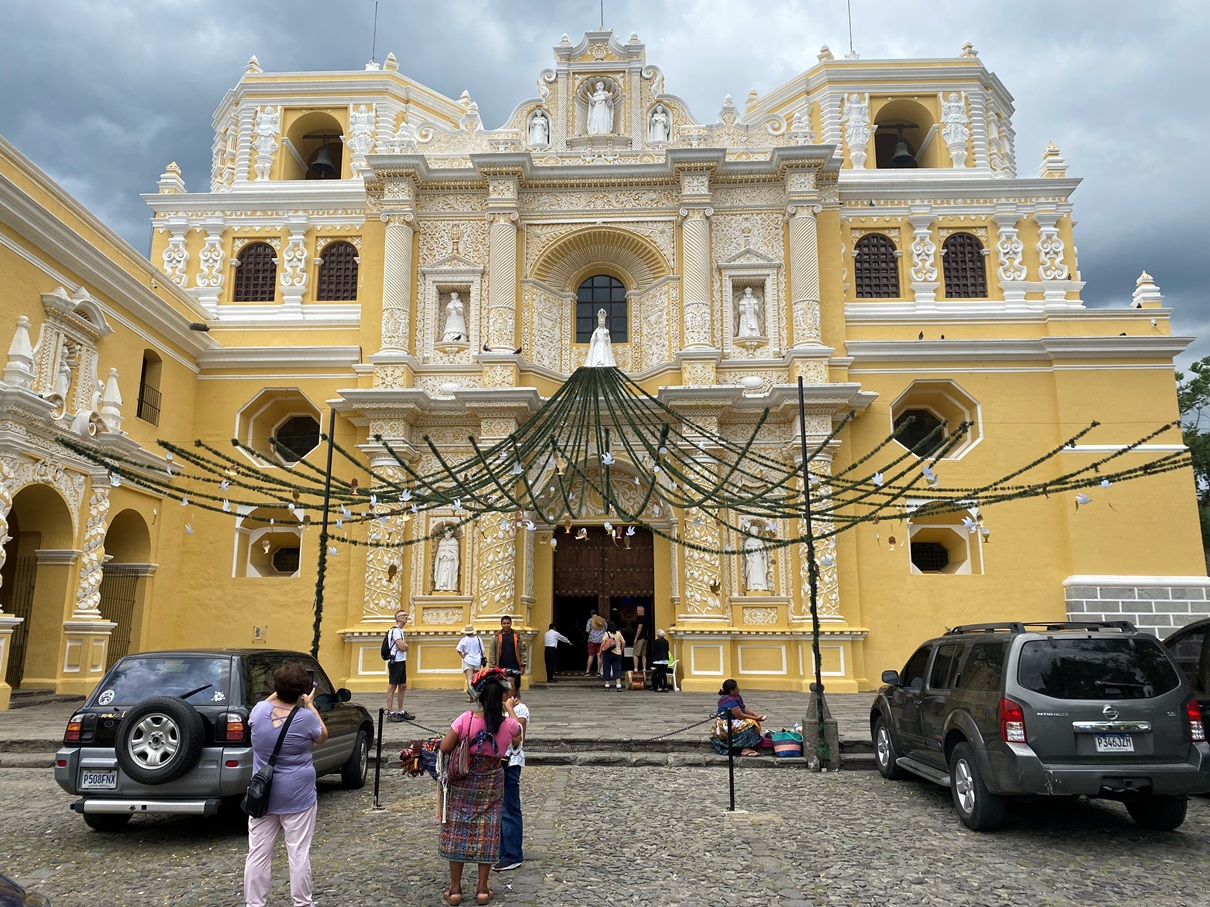
I have visited many an old town during my travels, but Antigua is one that made an impression on me. Despite having a completely different ambience and architecture, it reminded me of Kathmandu because you can find all kinds of interesting things to see by wandering aimlessly. Whenever I was on my way to a place I wanted to tick off my list, I kept coming across ruins of churches and other buildings; remnants from when the survivors abandoned this place in favour of the new capital after a series of devastating earthquakes in the eighteenth century. An event that simultaneously destroyed the city but left what remained frozen in time. This place was never fully abandoned, and those who did stay rebuilt around the ruins using a similar baroque style, unintentionally predestining it to once again rise as UNESCO world heritage site centuries later.
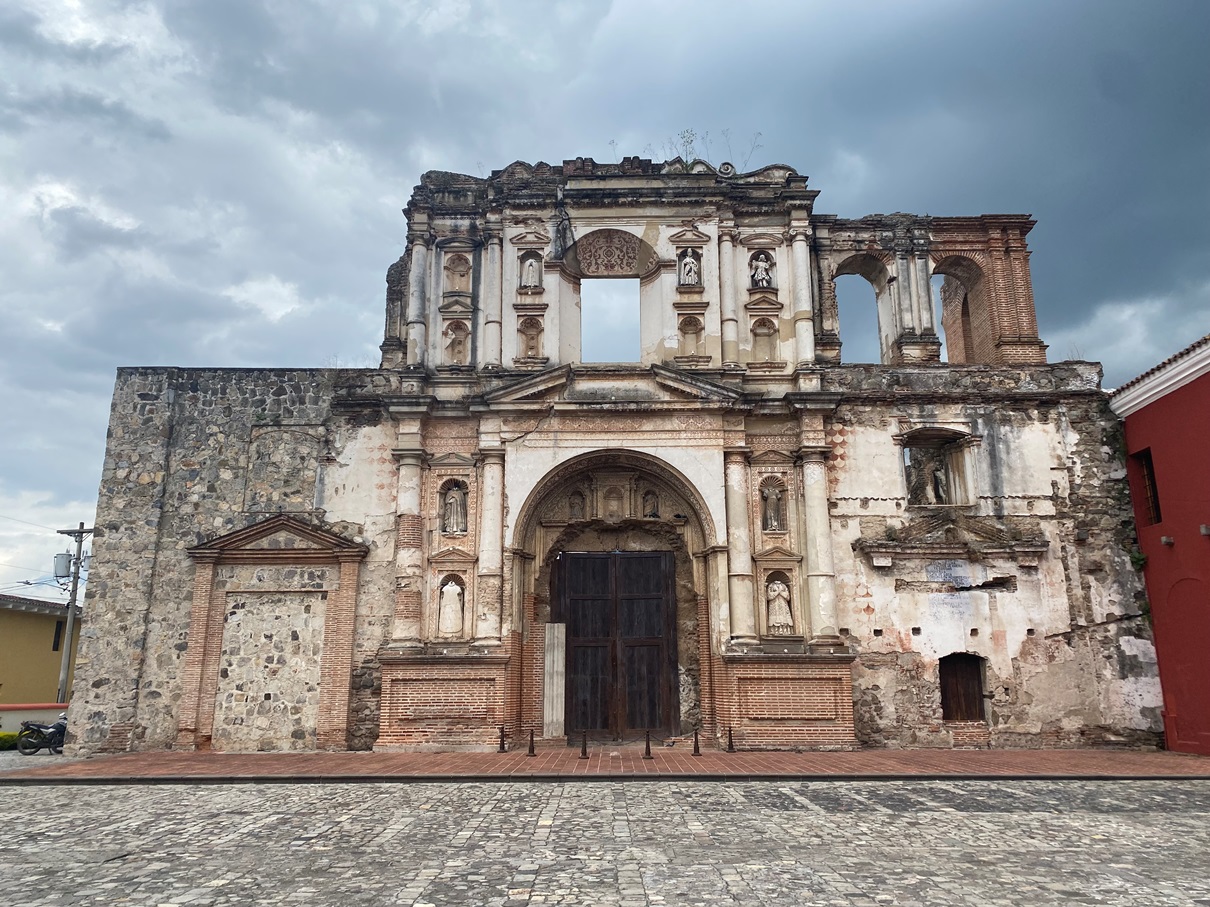
I won’t bore you by listing all the places I visited, but if I were to name some highlights from the days I spent here, two in particular spring to mind. Firstly, the Convento de Santa Clara: an old monastery whose inner courtyard has been partially restored and turned into gardens.
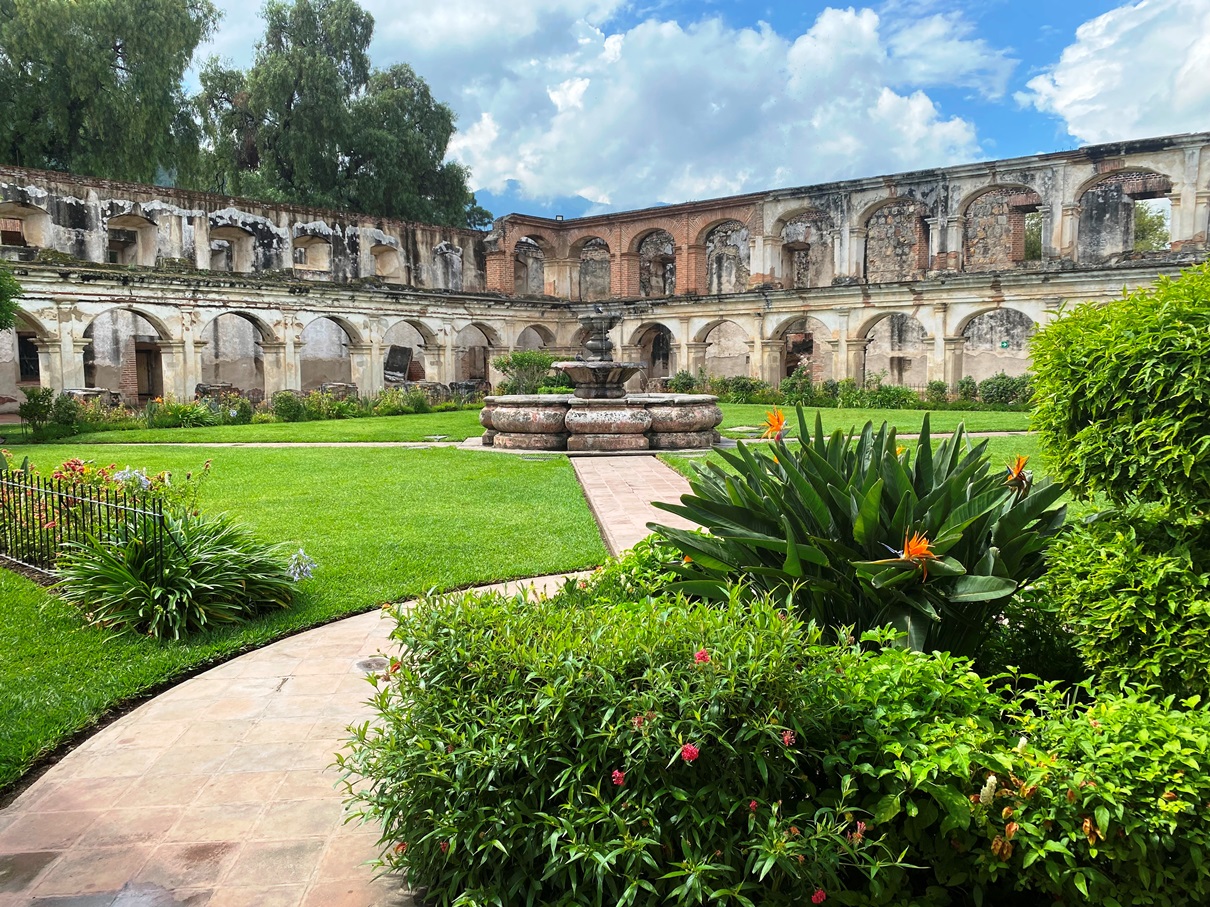
The walls of the main church – including its sacristy, upper choir, and altar – still stand, and its outer façade still has its original stucco moulding.

And another highlight was the Museo Nacional de Arte de Guatemala (MUNAG), which is free to enter, has an audio guide, and places a particular emphasis on the history of art. I was pleased to see that the indigenous population of Guatemala is well represented, and it is also home to pre-Colombian artefacts.

But besides these two things, I would urge those visiting Antigua to simply wander. And do so not just around the areas surrounding the plaza but also around its outskirts, as there are fewer tourists, and you will glimpse a different side to Guatemala. 

Another good thing about doing this is that the locals on the outskirts seem less jaded about tourists. I got the impression that some of the churches closer to the centre of Antigua have become a bit fed up with the waves of gringos wandering in and out. There was one in particular that I never managed to get inside because they had people at the door controlling who could come in or out. The first time I tried to enter, they told me that I couldn’t because I was wearing shorts, so the following morning I wore trousers, but then they had another reason. I eventually realised that these were excuses and they just don’t want gringos there. I am not sure how I feel about this. I understand how it could become annoying when your place of worship is a tourist attraction, and some of the less-sensitive tourists can be very obnoxious when they stomp around waving their cameras. On the other hand, most gringos are either Christian or come from Christian backgrounds, so such gatekeeping seems a bit weird. It must be frustrating for people of a pale complexion who legitimately want to pray, but I am not one of them, so I don’t feel I can weigh in too heavily here. I can say that I visited lots of churches on the outskirts of Antigua, and when I did, I was respectful, and locals didn’t seem to mind me. Many of them were very welcoming.
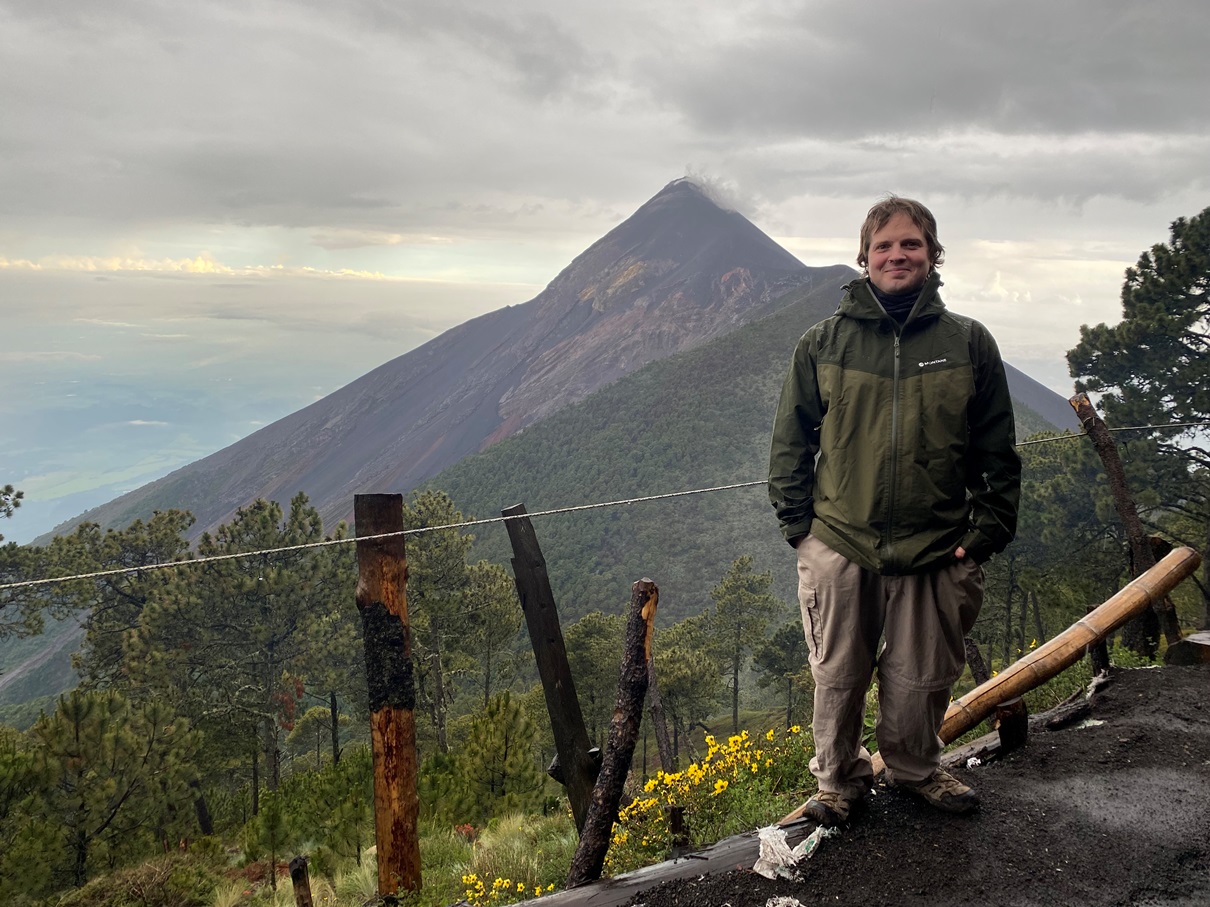
Antigua sits within the Motagua Fault Zone that cuts through Guatemala. It is the reason that it has suffered so many natural disasters and is also surrounded by some spectacular volcanoes, many of which can be summited, including one called Acatenango.
I initially intended to hike there under my own steam – as I possess camping gear and it is possible to – but when I looked into the logistics, they seemed complicated and the tours offered by Antigua’s various companies also happen to be very reasonably priced. Eventually, I decided it was worth paying that little extra to save myself the inconvenience of fiddling with public transport and carrying all my camping gear up a mountain. 

So, after doing some research online, I eventually settled upon CA Travelers as they were simultaneously one of the cheapest and had some of the best reviews. A driver picked me up early in the morning from my hostel and first drove us to their office – to meet our guides and access any equipment we might need – and then we were driven to a village called La Soledad.

We started on the trail almost immediately, and it was a steep climb up a path of volcanic soil. We were ascending over fifteen hundred meters in altitude that day, but the sky was cloudy, the air was blessedly cool, and it wasn’t raining. Perfect hiking weather. We were told by our guides that we were lucky.
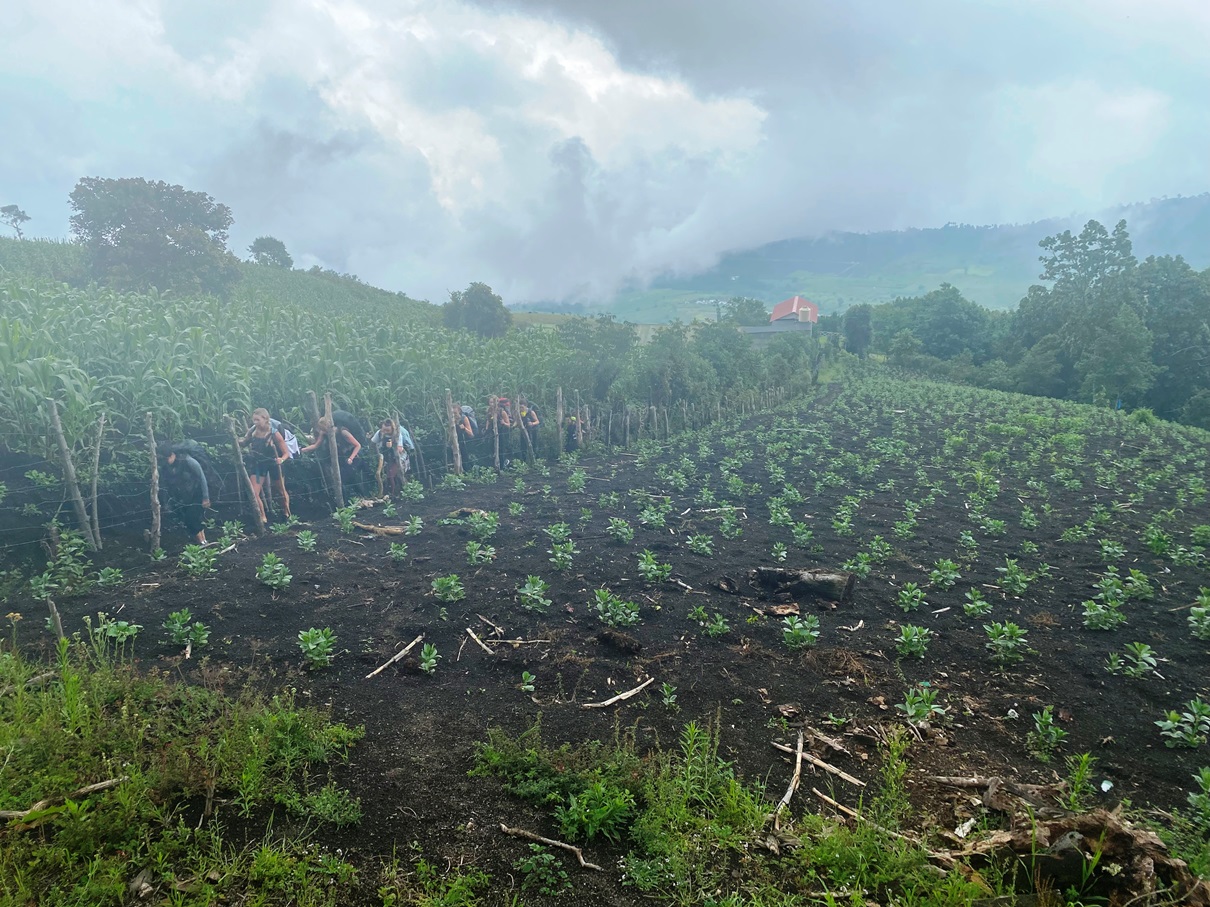
The first hour or so was through farmlands consisting mostly of cornfields, but as we rose higher, we reached the cloud forests, where the fog became so thick during some moments that we could barely see more than a few dozen feet before us.

Maybe I am getting fitter now, but it was easier than I had anticipated. We took plenty of breaks to catch our breaths and enjoy the scenery.

The fog did clear up a little as we neared CA Traveller’s base camp. It is on the side of Acatenango (a dormant volcano) but has a view of its ever-active twin, Fuego.

After settling into our tents and drinking a well-earned cup of hot chocolate, the guides told us about an additional hike we could make closer to Fuego if we wanted to. This was tempting, but I was tired, and the volcano wasn’t very active that day. A faint trail of smoke was almost constantly wafting from the crater, but not much else was going on, so there seemed little chance of seeing any lava fields up close.

Also, just as I was contemplating – almost on cue – the clouds returned, and it began to rain. Out of the ten of us, only two hardy souls decided to attempt this extra hike, and they put on their bright yellow ponchos and headed out into the storm. I wished them well and decided to enjoy the view from the comfort of the base camp. The guides lit a fire, and we sat around it for warmth.
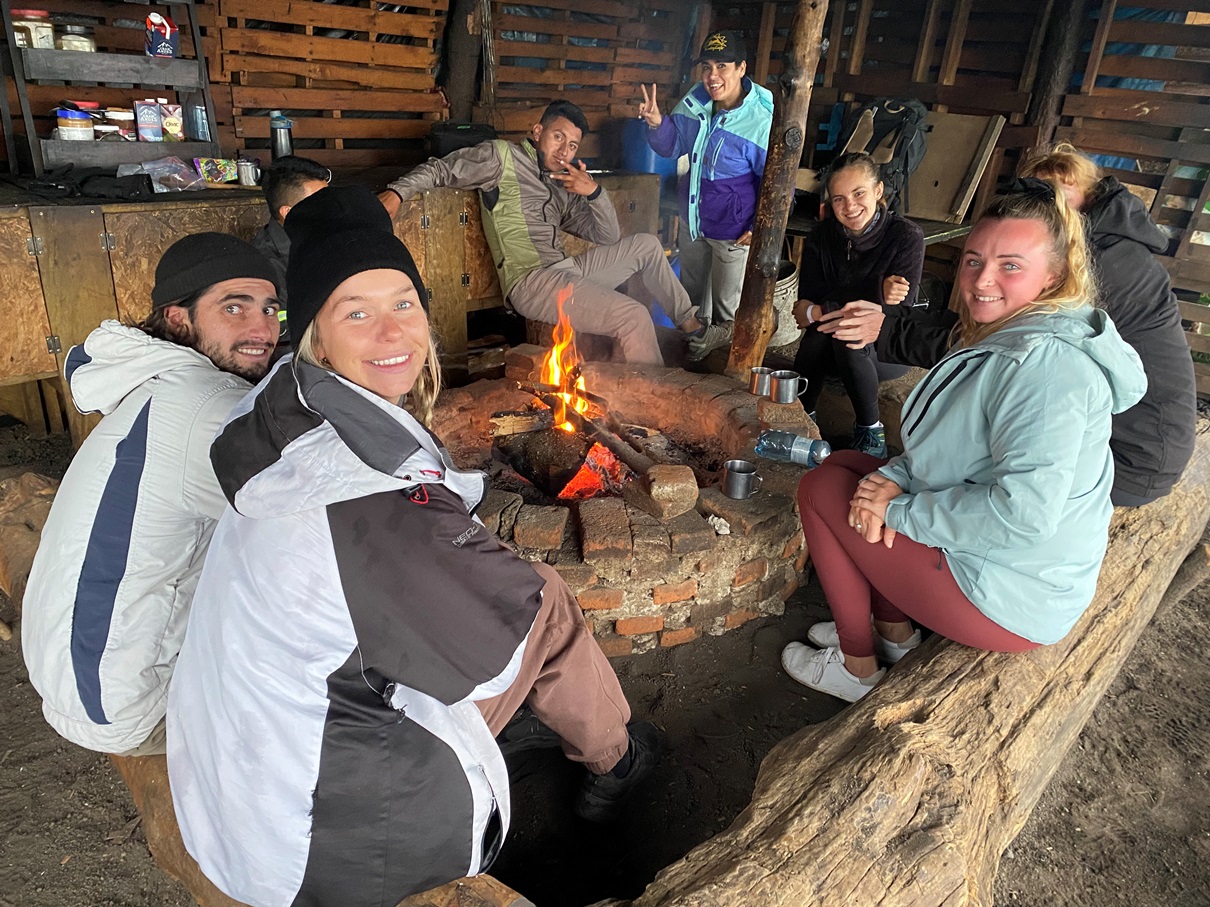
We kept looking towards Fuego, and at one point, we suddenly saw a belch of grey smoke between all the fog.

And then, over time, the air gradually cleared, and we could see the volcano again.

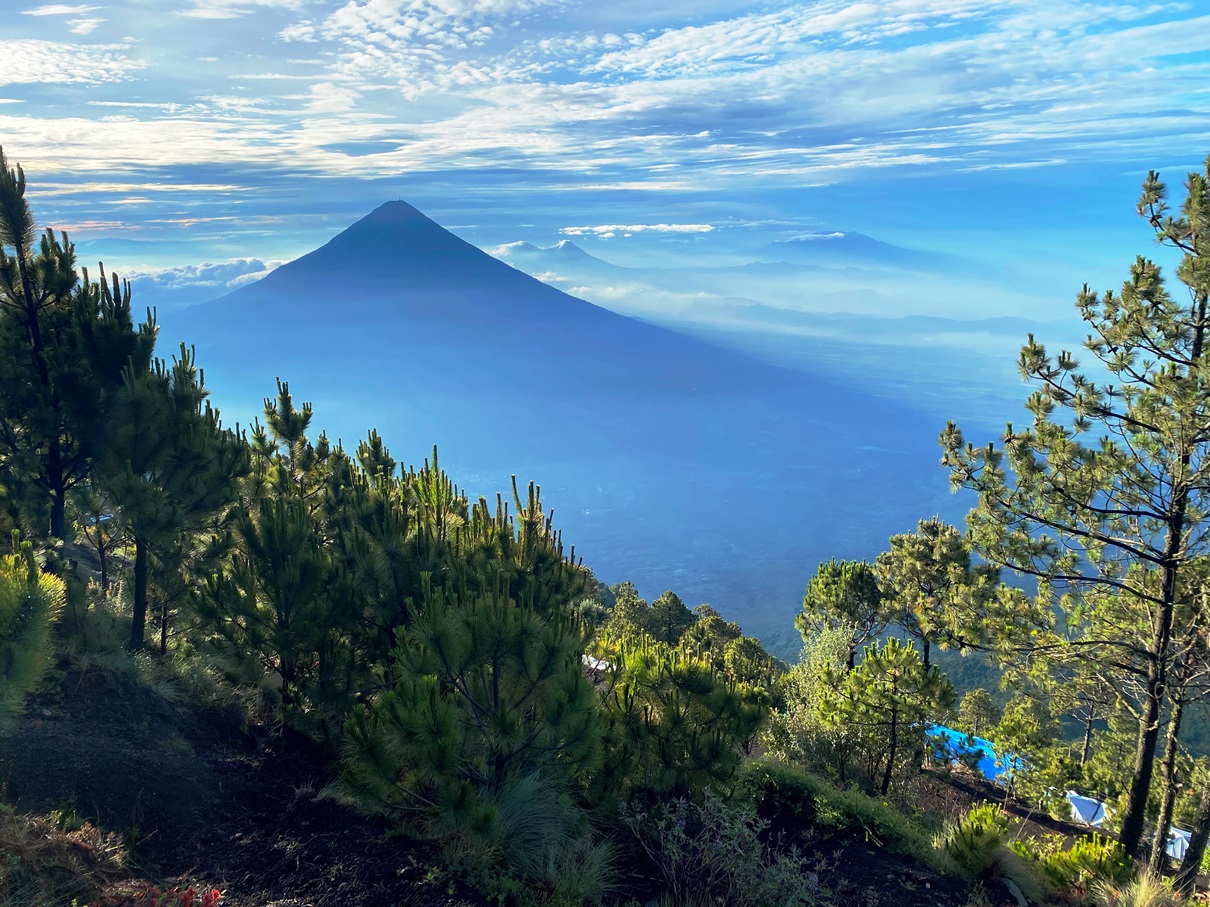
Eventually, we could even see the faint outlines of three yellow figures slowly climbing up the side. As more fog cleared, we got to appreciate more of the landscape. We could now see the outline of Agua – another dormant volcano that looms over Antigua – as well as other villages, mountains, and volcanoes.
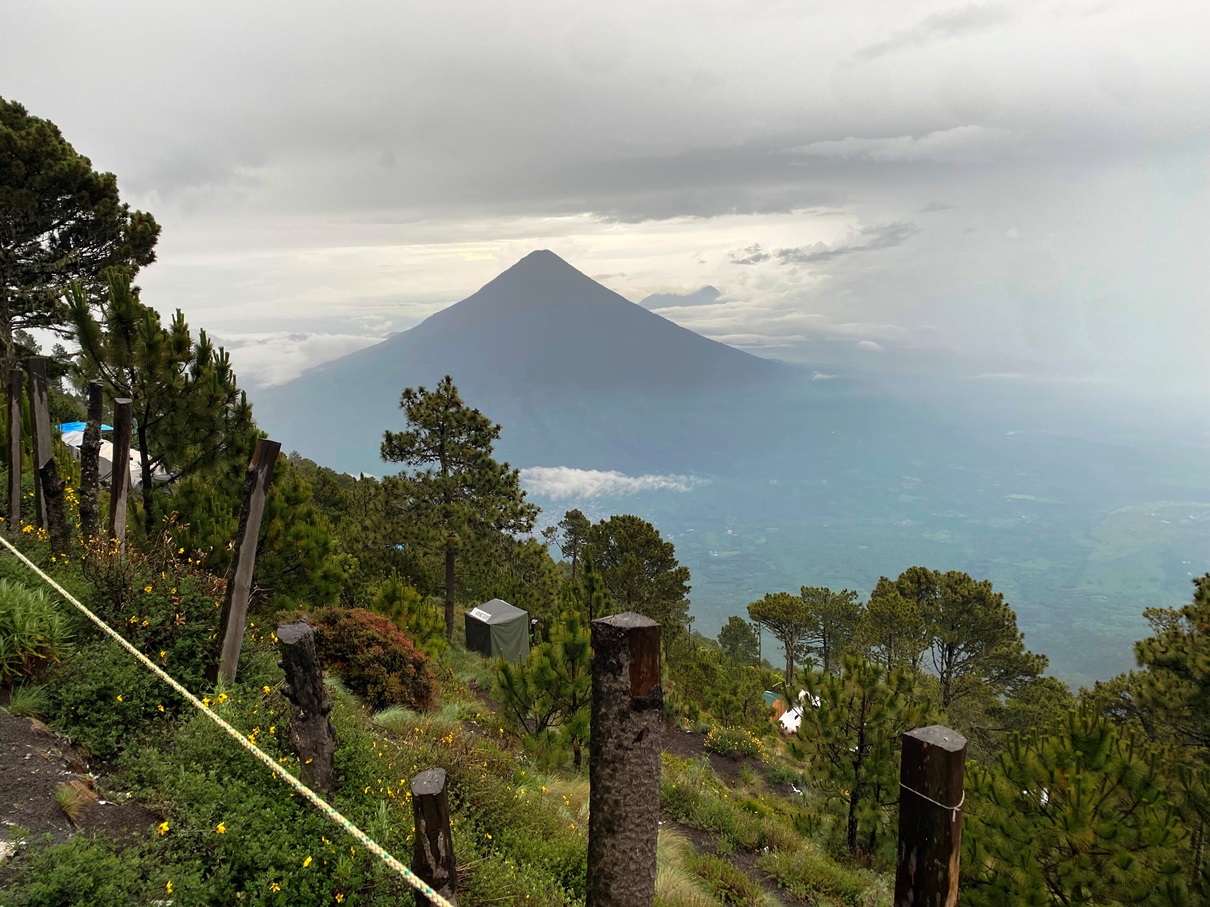
After our companions returned from their excursion to Fuego, we all ate together, and then I retreated to my tent early to get some sleep. We were due to wake up at 3:30 the following morning to the summit of Atatenango in time for sunrise.

We were blessed with clear skies that morning and made our way up the trail by torchlight. We were only ascending another three hundred meters, but I was surprised by how out of breath I kept getting because of the altitude.
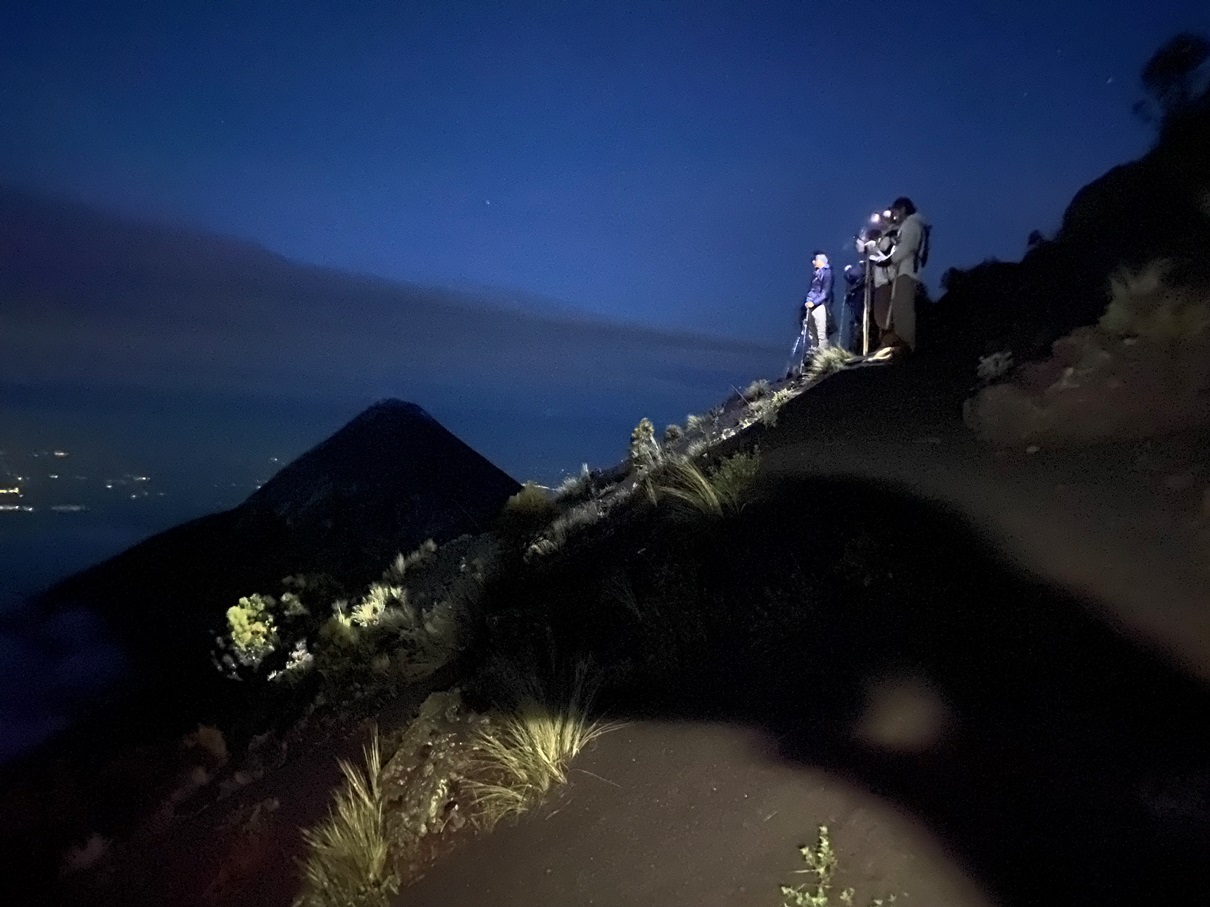
This is usually the point where bloggers like to show off their literary skills and descend into dense verbiage of flowery prose involving lots of superlatives and metaphors, but you have probably noticed by now that on this blog, I tend to let the pictures speak for themselves as to what places looked like and focus on giving you enough information about the experience.

Well, Acatenango is the highest peak for quite some distance, so the panorama from up here spans all directions. When you first reach the crater, you are on the side that looks down upon Fuego.
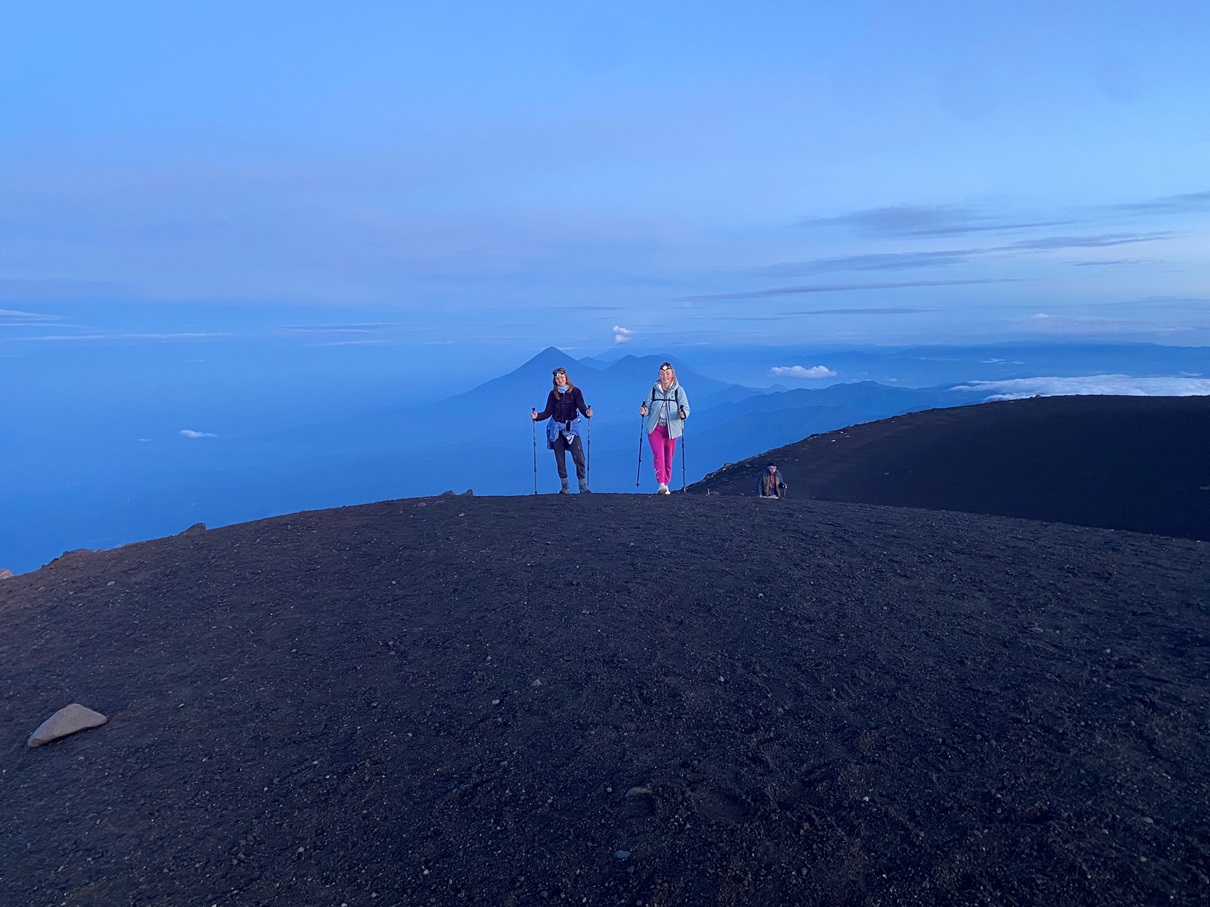
But then, as you make your way around the rim, you see other landscapes, including Agua, Pacaya, and many other peaks.  

At one point, our guide even pointed over to the distance – where the highlands faded into the clouds – and said that was where, on a clearer day, one can see the Pacific Ocean. 
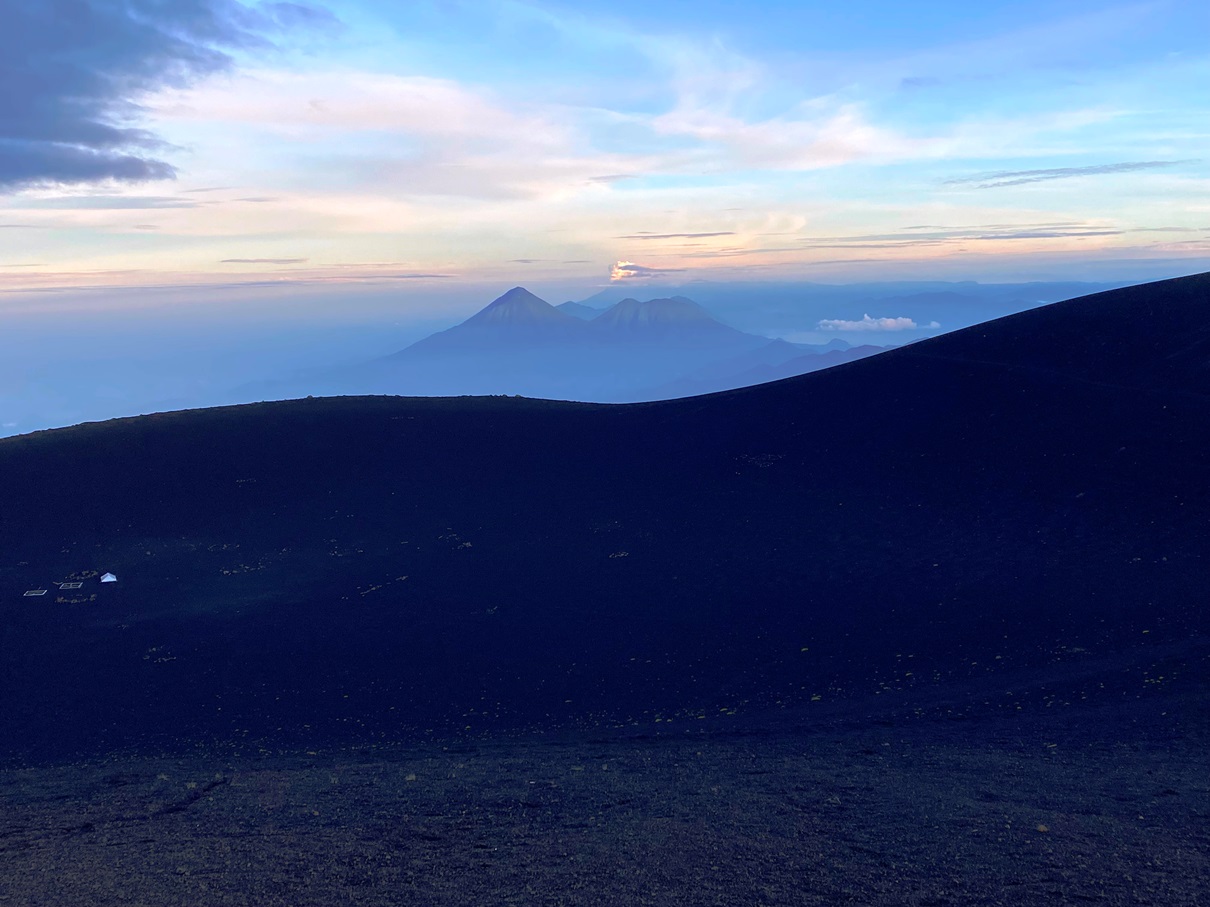
And there was also the sunrise itself.

But, it was also very cold up there, so we couldn’t linger all too long. After taking a few group photos, we began to make our way down the eastern side.
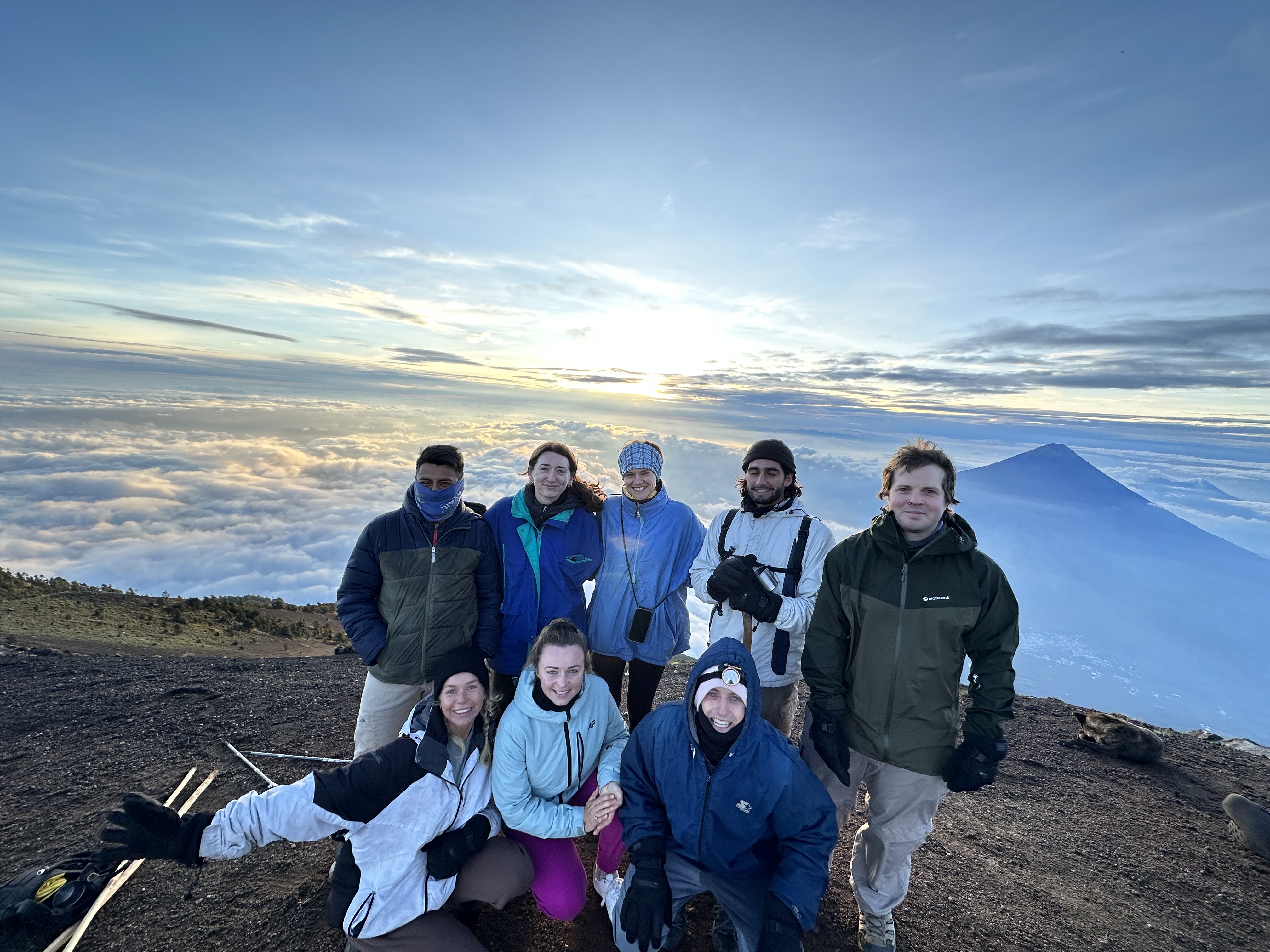
This not only offered even more spectacular views but involved a lot of sliding down the volcanic soil, which was fun.

And then, after breakfast at camp, we packed our things and made our way back down the mountain. As usual, this was much faster and easier than the way up. By late morning we were back on the bus, and by lunchtime, we were back in Antigua.

Overall, I was very happy with my experience with CA Travelers. Going with them rather than off my own steam not only saved me from carrying all my camping gear up a volcano but also cut out a lot of hassle in terms of transport and providing food for myself. Their spot on the side of Acatenago has one of the best views, I met some great people, and it was nice to spend the evening sitting by a fire under a shelter with them (instead sitting on my own in my tent as the rain hammered it, as I would have done if I was by myself). 

They are also an ethical company that donates some of their profits to one of the local schools. Such schemes seem common in Guatemala, as children are only provided free lessons for the first six years, and many from poorer families don’t get to finish their education. This is a sad situation, but it is at least good to hear that some enterprises are trying to recover from the shortcomings of a weak government.
My next blog will involve an adventure with another socially-conscious enterprise. After I returned to Antigua, I came across a poster advertising a three-day trek through the highlands of Guatemala. This one was also very reasonably priced, and – after doing some research – I found out that the company is a non-profit run by volunteers and helps fund local schools. As I type this, I am currently waiting for my shuttle bus to Quetzaltanango.


Click on these hyperlinks for more photos from Antigua and Acatenango.


Travelblog LA#11: Barichara & The Chicamocha Canyon – Colombia

2nd – 6th June, 2023


I mentioned in my last blog that I travelled through Colombia quicker than intended and found myself with some time to spare. My flight from Bogota to Guatemala is booked for the 13th of June – giving me almost two weeks merely to explore Colombia’s capital – so I decided to look into other opportunities that could be found on the way there.

I opened up Google Maps on my phone, scanned the area between Santa Marta to Bogota, and I noticed that I had a place called Barichara bookmarked. It took me a while to remember how it had got there because it wasn’t a place I remembered reading about. I think it was either Mari and Tom – the Belgian couple I met during my first week in Colombia at Tierradentro – or Sergio – a friend of a friend I met at a soiree in Santiago – who recommended it to me.

After further reading, I discovered there was more than just Barichara this area had to offer. It was in the Chicamocha Canyon region: home to several other villages connected by a trail one can hike over two to three days. Perfect.

When I arrived in San Gil – the nearest town – I swiftly realised that this was primarily an adventure sports hub and that I, as a hiker, was a minority. The hostels here seem to all operate on the same model: lure people in with cheap rates for accommodation and then push a bunch of tours on them (which is where I suspect they make most of their money). Some of them were tempting, but they all ended up being beyond my interests, frugal budget, or fear of heights.

Despite this, the first hostel I stayed was still kind enough to agree to look after my big backpack for me, and the next day I caught a bus to Barichara with just a daypack full of the bare essentials.

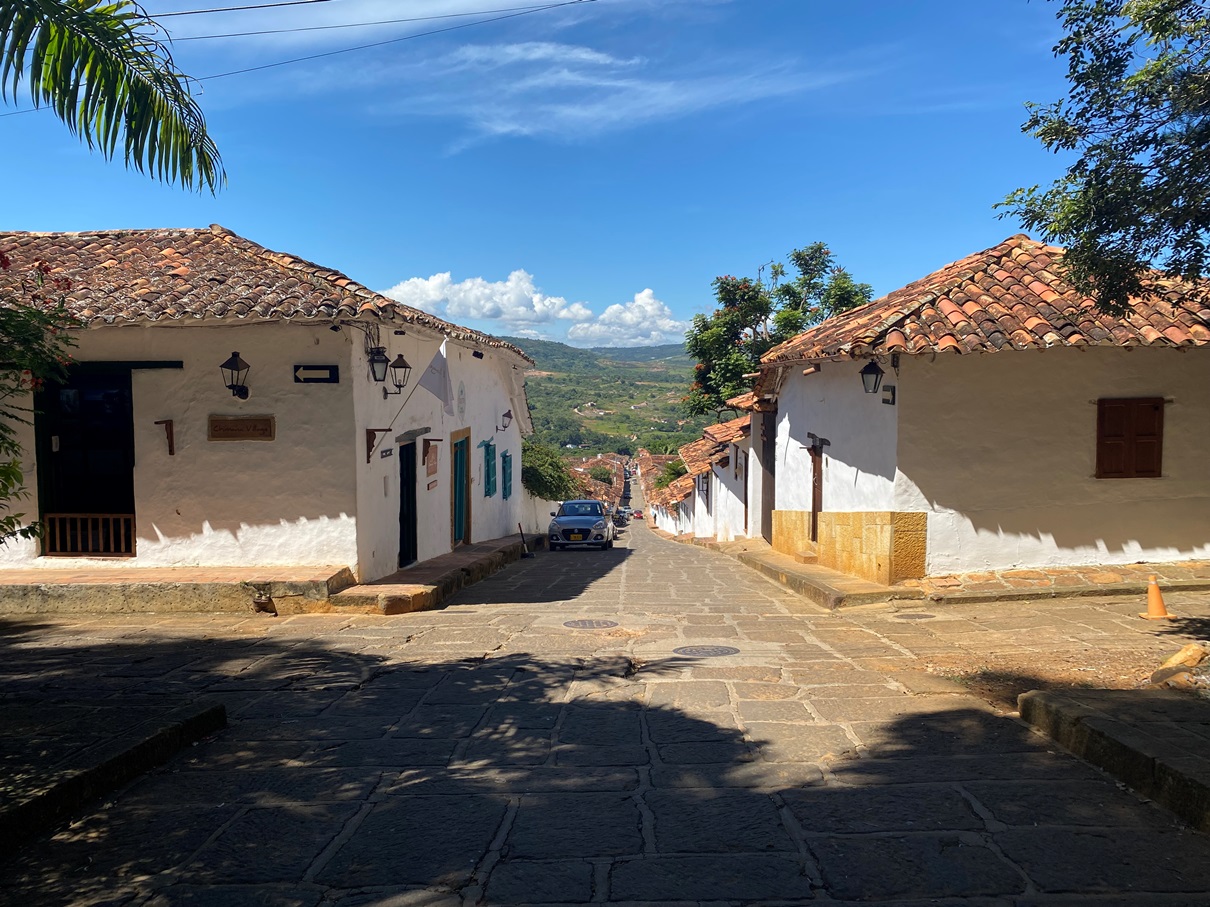
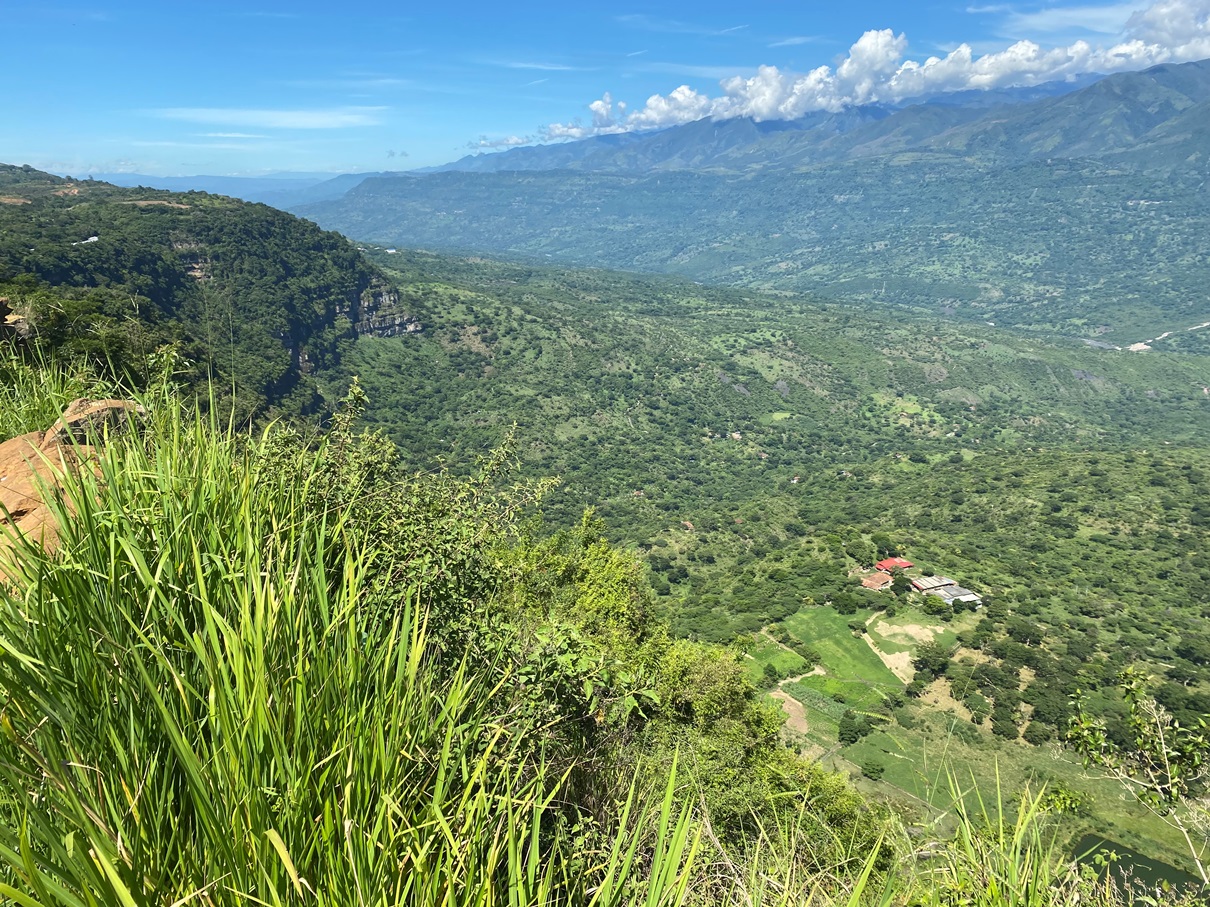
I spent some time exploring Barichara before beginning the hike. It was a lovely place. Not just for its architecture and old churches, but also the vistas that can be seen from the western side, overlooking the Suarez Valley.

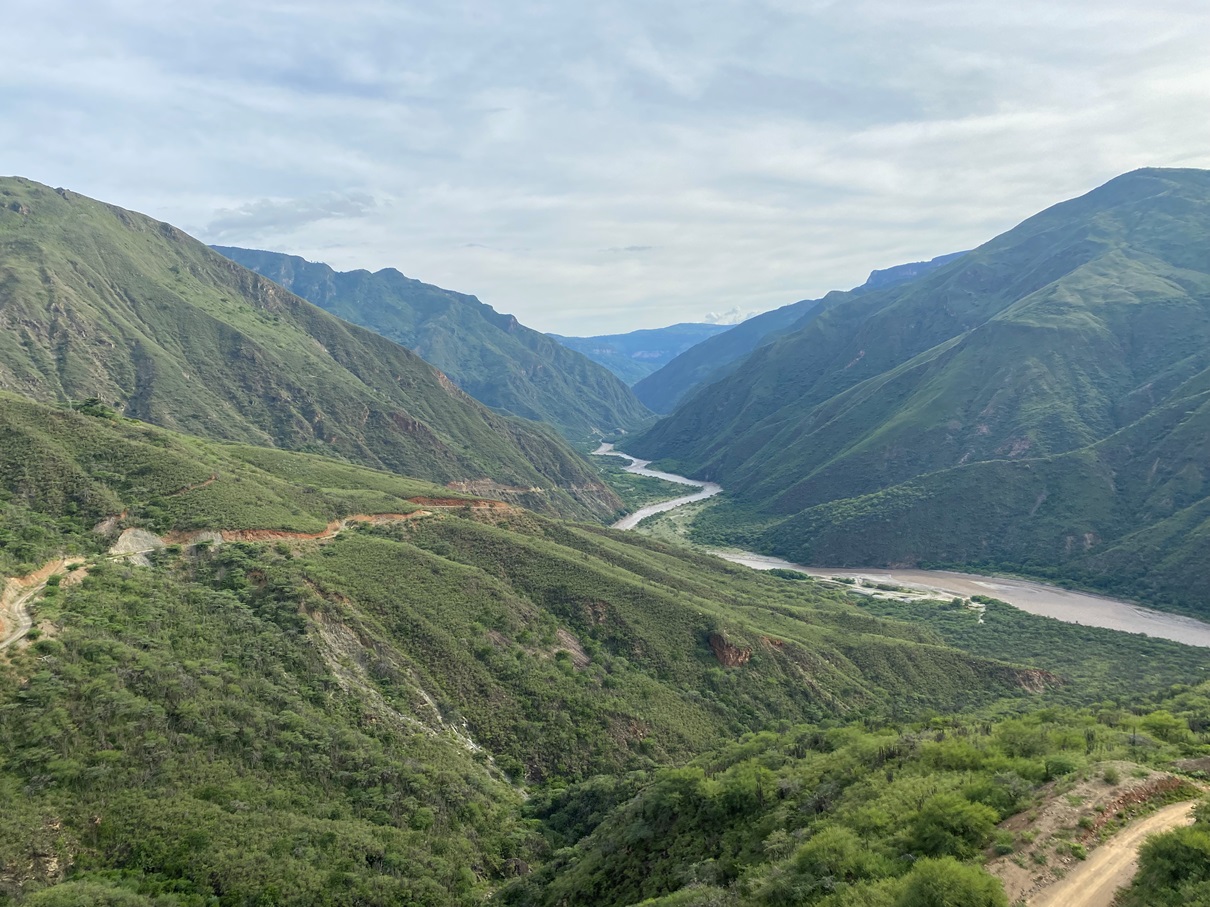
And this isn’t even the main vein of the Chicamocha Canyon (that is to come on the second day of this trek).

I was surprised by the quality of the trail too. It was an old cobbled road – some of it even lined with walls – and I passed some abandoned homes and farmsteads along the way.

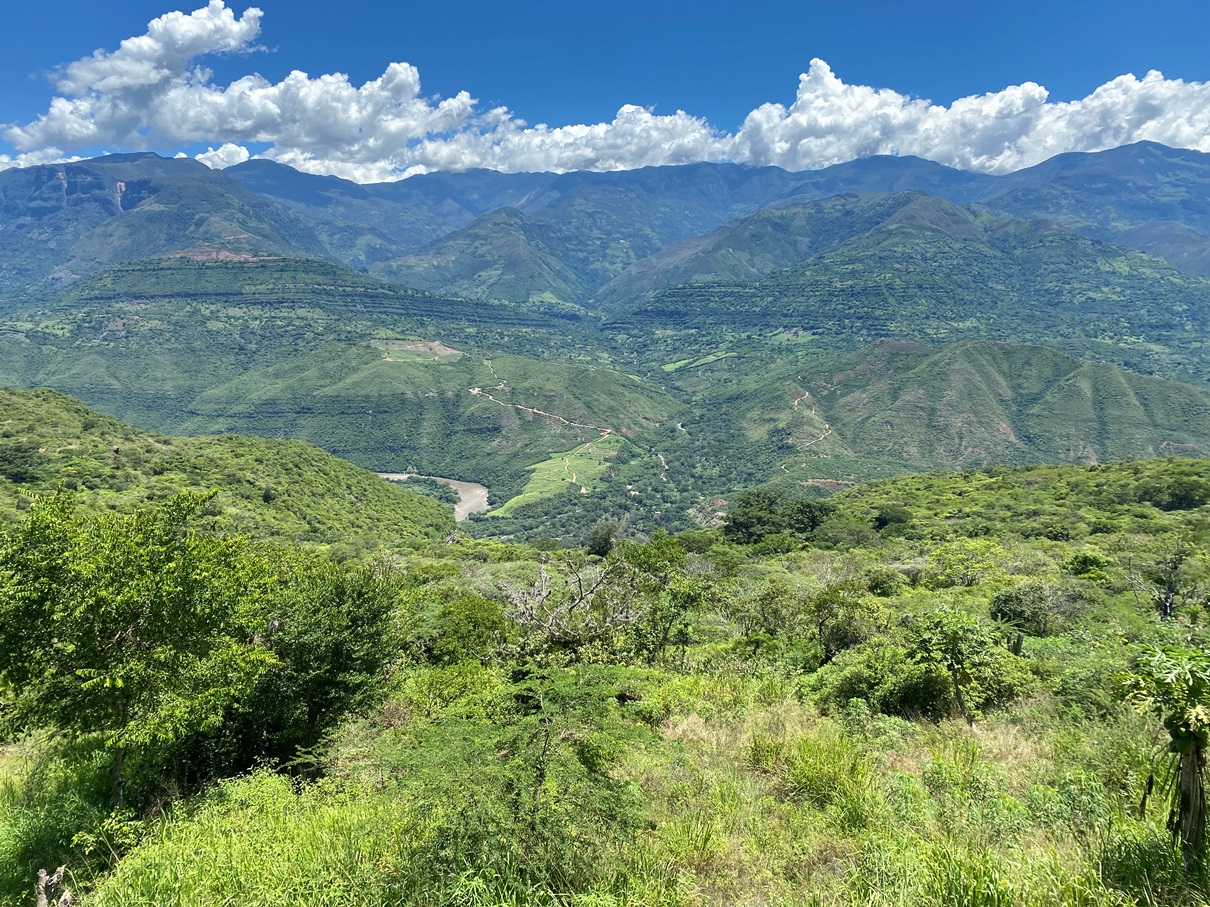
The views were stunning throughout.

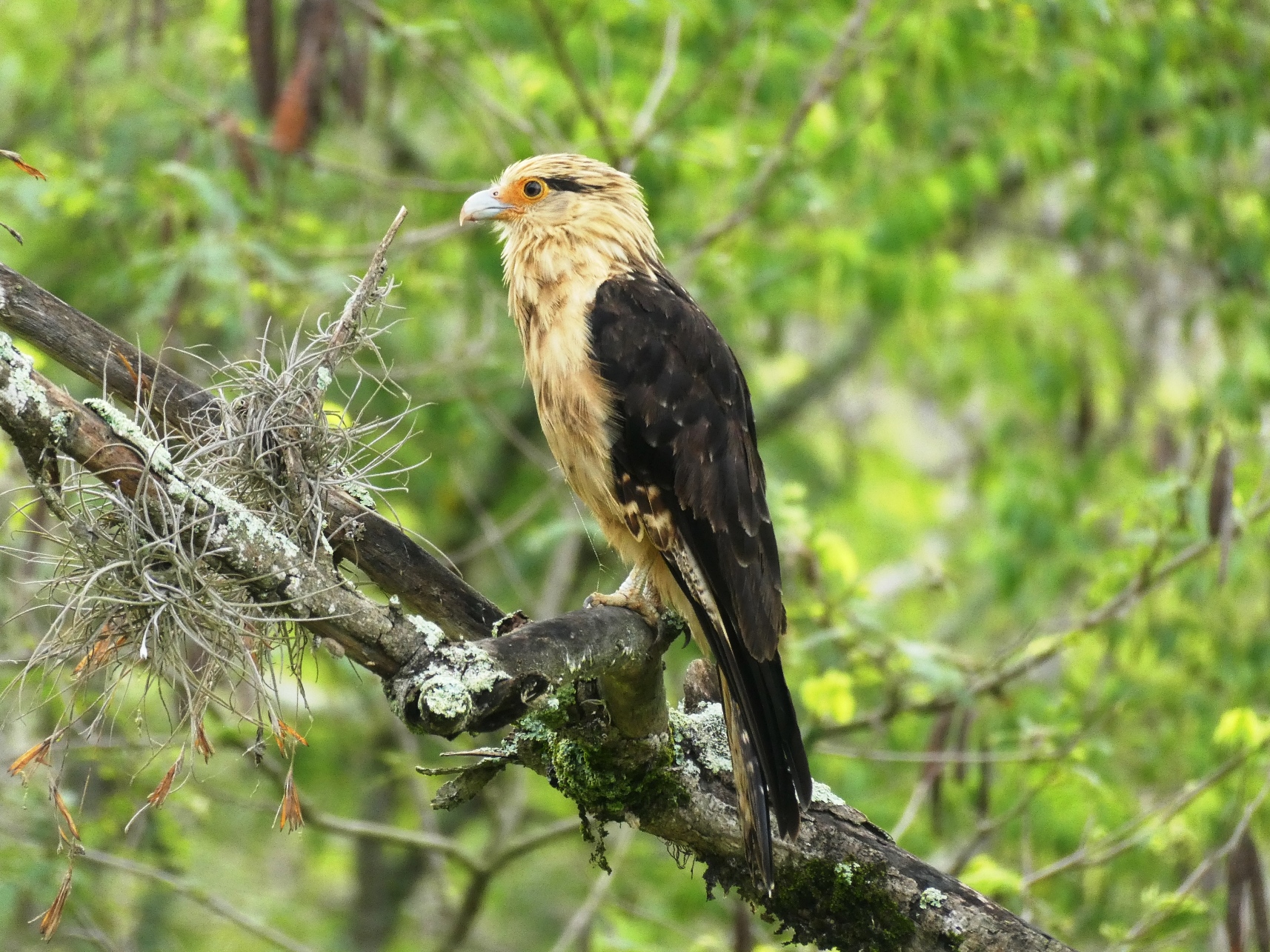
And it was surprisingly good for birdlife too. Many were flighty, but I managed to capture some with my digital camera.

It took me about two hours to reach Guane. Not as many people come to this place, but it is just as picturesque – if not more – as Barichara and the villagers seem very welcoming to the ones who do.

I passed by a shop where a woman sold homemade creamy liquors made from goat’s milk called ‘buratá’, and bought some. There was also another mirador overlooking the valley, and I stopped there for a while, ate lunch and hydrated myself whilst waiting for the midday sun to pass.

And then, after a quick walk through the plaza, I made my way along the next part of this trek: the trail to Villanueva.

Whereas most of the walk to Guane had been a gentle slope downhill, this was uphill. It wasn’t too steep, but it being the afternoon meant that it was hotter. I passed many more farmsteads along the way (but most were still inhabited).

And when I reached the top, I found myself looking down on Villanueva.

Despite being a much newer town than Barichara and Guane, I found it quite charming. I got myself a room at Hostel San Juan – which was very reasonably priced – and went to have dinner before getting an early night’s sleep.

Knowing I had a long day ahead, I rose early the following morning and ate a few breakfast bars before heading back along the trail again.

It took me an hour or so to reach the actual canyon. Before that, it was more farmsteads along a dirt track road. I was quite blessed with the weather; in the morning, it was overcast, so the air was cool. I had heard that one of the main enemies of this trek – like many in Colombia – is the sun and heat.

I was, however, a little worried that all these clouds would obscure the view of the canyon, but they cleared up a little when I reached the first mirador.

As I made my way down, the fog continued to waft across the canyon, occasionally clearing up just enough for me to appreciate the view and take some photos.

The fog was also a blessing when I reached the knife-edge part of the trail, as it eased vertigo I usually feel during such moments.

By the time I had reached the bottom, the mist had cleared completely, and I stopped at the village of Jordán to eat a snack and hydrate myself but didn’t linger for too long. It was 10:30 am, and I still needed to hike out of the canyon. I wanted to get as far as possible before the midday heat hit.

I had read online that this trail back up the canyon is not too steep and… that is sort of true. I have certainly done much worse. The Colca Canyon in Peru comes to mind as one that was far tougher. The trail is yet another cobbled road, and it has plenty of shelters along the way where one can rest in the shade (whilst enjoying the view).

But, despite this, you are still essentially climbing an elevation of almost a thousand meters in just a few hours, and I greatly underestimated the toll this would take on me. Most people rest in Jordán overnight and hike this in the morning, whereas I was doing it at midday – after just spending four hours climbing down the canyon, no less. I had to take many rests along the way, and I was glad I brought plenty of water.

Once someone reaches the village of Los Santos at the top of the canyon, there are two options for getting back to San Gil; either by catching a very slow bus to Piedecuesta (which has connections to San Gil) or taking a shortcut through a cable car system several miles away. I chose the latter option – as I wanted to take the more scenic route – but the logistics of this were frustrating. There is (puzzlingly) very little public transport, and the locals I asked sent me on a bit of a wild goose chase to a series of places they thought might have colectivos but ultimately didn’t. In the end, I had to catch a mototaxi.

The cable car, however – when I did reach it – was one of the best I have ever been on. I got to descend into a whole other part of the canyon and back out again (but this time whilst sitting back and watching it all go by).

After this, I returned to San Gil and relaxed for a couple of days before heading to Bogotá.

Overall, I am very glad I came here and I am also greatly surprised that somewhere not even on my radar ended up being a highlight of Colombia. The San Gil area is certainly on the backpacker circuit as a place for adventure sports but not very well known for hiking. I know many other people have done it (because there are guides online, and the route is on Maps.me) but it doesn’t seem to be as popular as it should be. I had the trail to myself for the entire two days and didn’t come across another gringo.


If you would like to see more (stunning) photos of this area, click here.


Travelblog LA#10: Santa Marta, Tayrona & Minca – Colombia

NOTE: This blog will feature a Practical Information section at the end giving tips for other travellers heading to the same places.


25th May – 1st June, 2023


Those who read my last blog will not be surprised when I say I took it easy when I returned from Ciudad Perdida. I was exhausted, had blisters on my feet, and not only did I need some rest but also had some maintenance to catch up on, such as laundry and hand-washing my sweaty backpack.

Santa Marta was where I based myself for the week that followed. This place holds the title of being the first-ever Spanish settlement in Colombia but it became overshadowed by Cartagena and nowadays almost everyone that visits this area passes through this city, but it doesn’t get much mention as most people (including myself) use it primarily as a launching pad for more notable attractions.

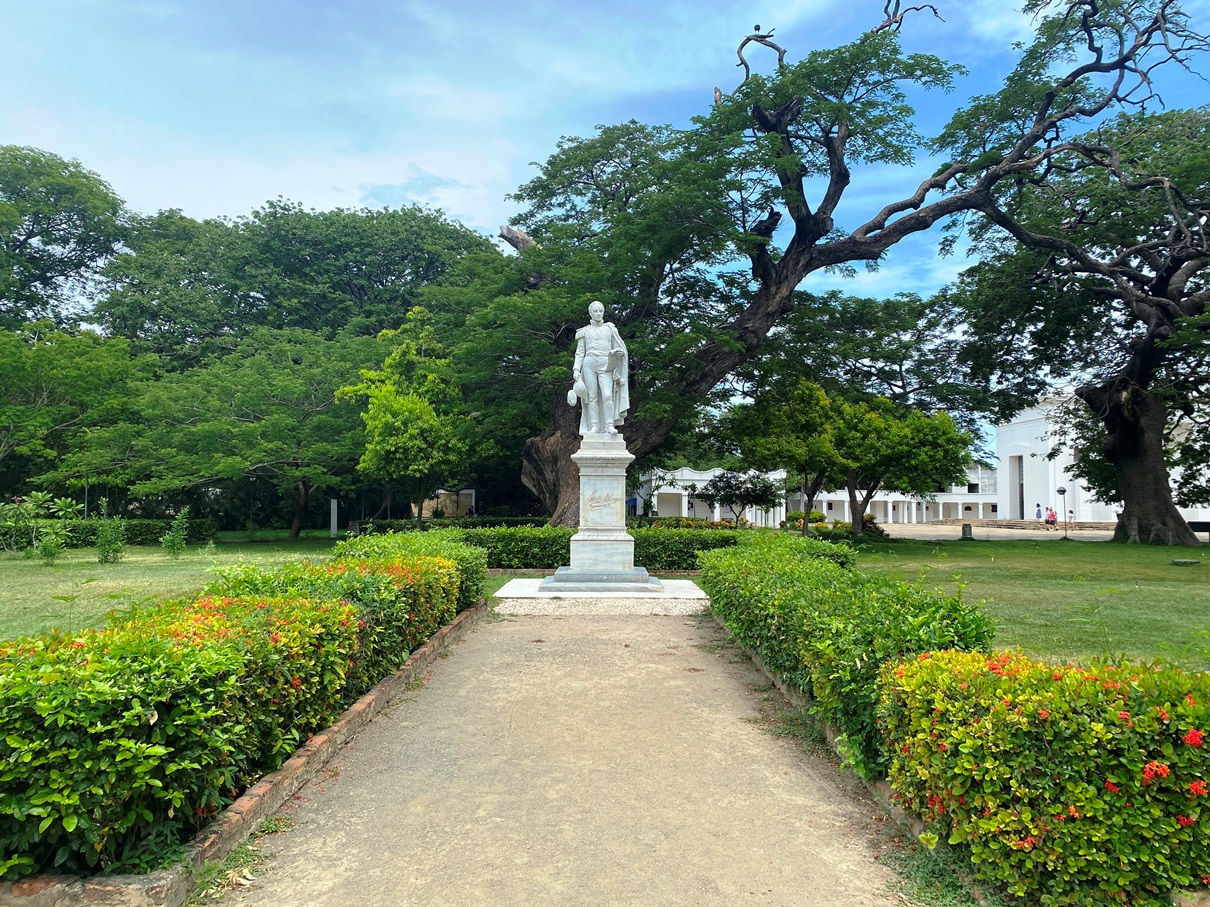
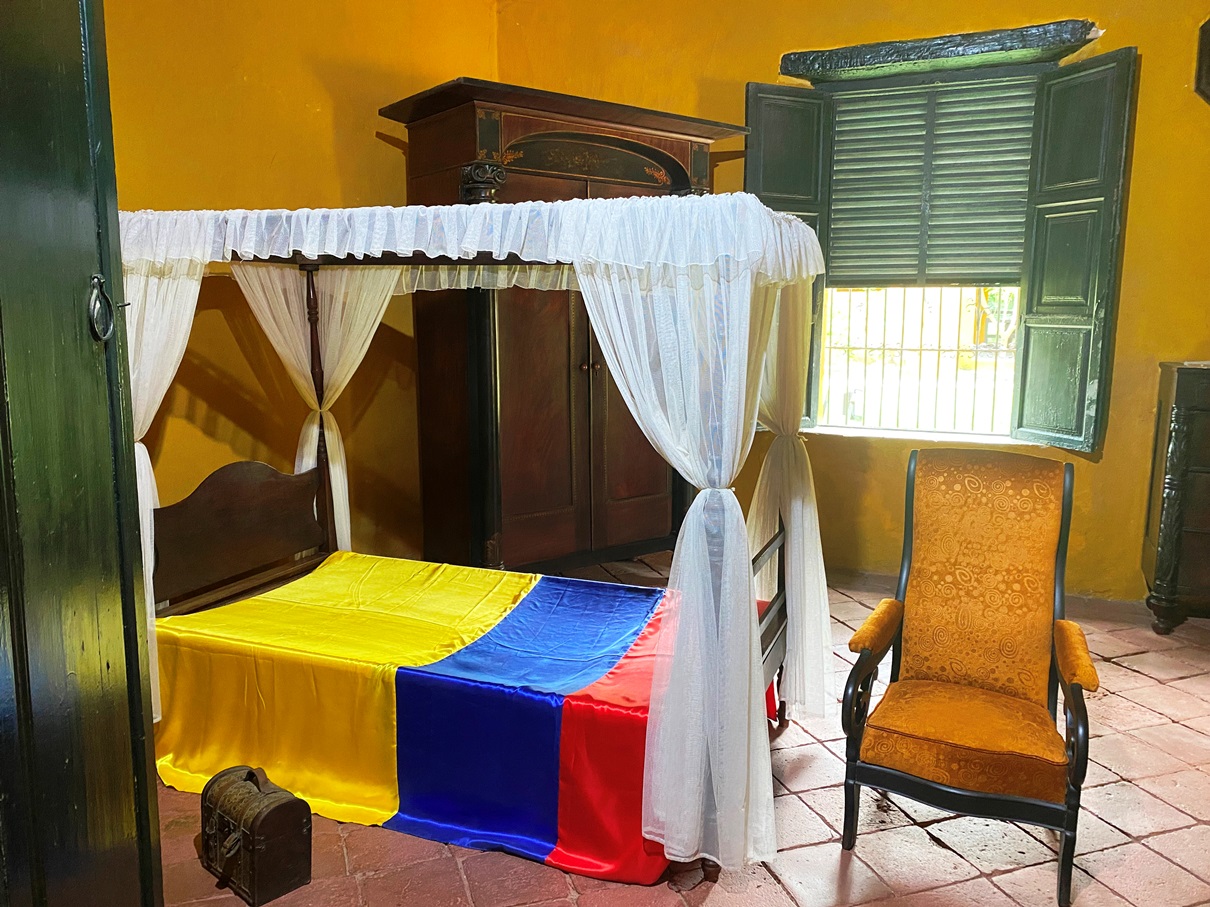
My low expectations for Santa Marta actually made me quite fond of it by the end. When I first arrived, I stayed on the outskirts at a hostel close to the bus station that also happened to be close to Quinta de San Pedro Alejandrino – a hacienda famous for being the place where Simon Bolivar spent his final days – so I wandered there the morning after arriving back from Ciudad Perdida. It is home to museums, some botanical gardens, and a memorial, and you can also see the room where Bolivar passed away.

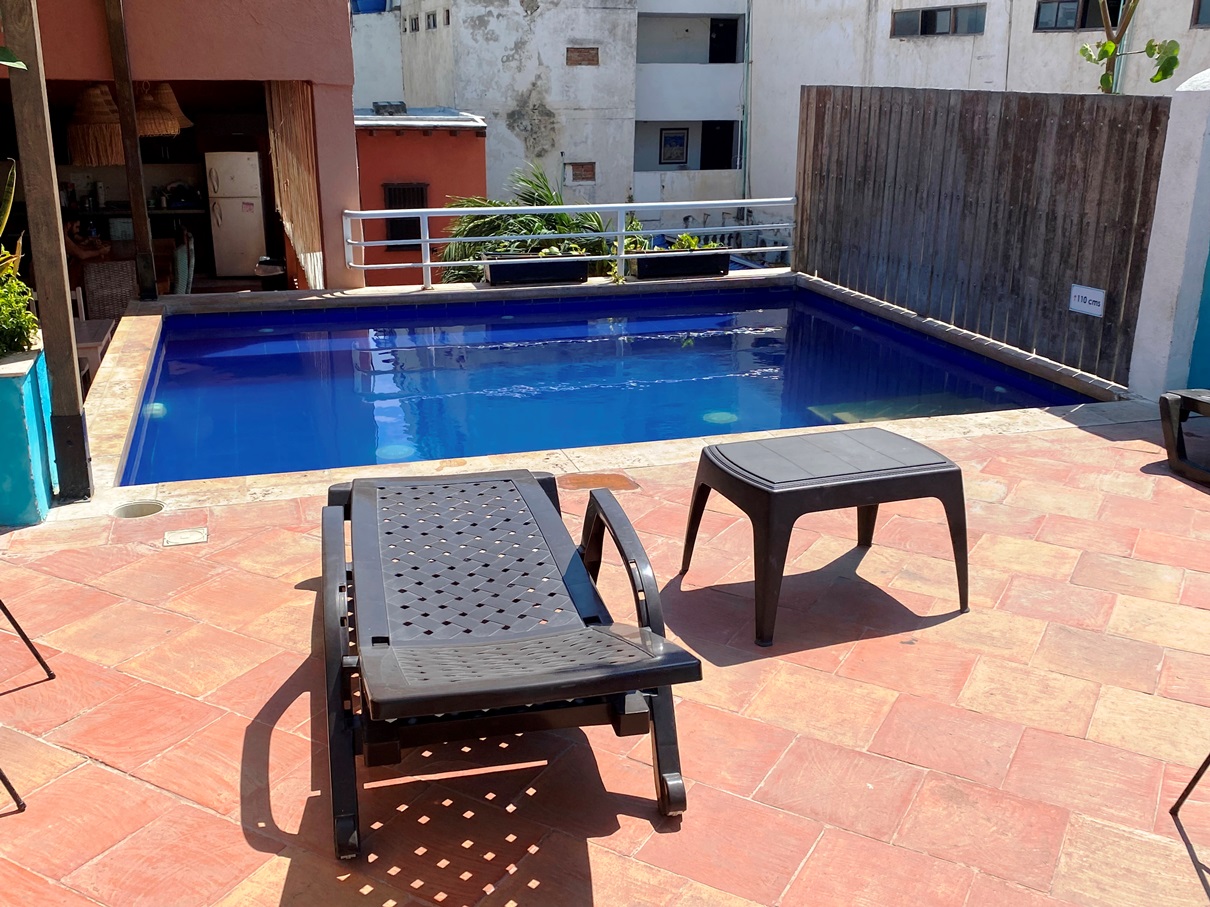
This got me curious about what else Santa Marta had to offer, so I decided to move to somewhere closer to the historic centre, eventually settling upon Gagaka Rua – a hostel close to the old town with a rooftop pool – and it was the perfect place for me to chill out and lay low for a while.

It was something I needed, as I had been travelling very fast over the last few weeks. My trip to Cuyabeno was not in my original itinerary – but something I chose to do after hearing glowing recommendations from other people – so I entered Colombia behind schedule and had to play catch up. And then, even after I had caught up, I heard on the grapevine that the rainy season was due to begin along the northern coast, so I was racing to get to Ciudad Perdida whilst the weather was still good.

I found the centre of Santa Marta to be quite charming. Its architecture doesn’t hold up against Cartagena, but tourism not being so central to its economy made it feel more like a real town. It also has a great museum – El Museo De Oro – which is free to enter and has a collection of artefacts and lots of information about the area’s history.

As well as relaxing and catching up with my blog – between having dips in the pool – Santa Marta is where I based myself whilst making some trips to nearby places. The first being Tayrona National Park.

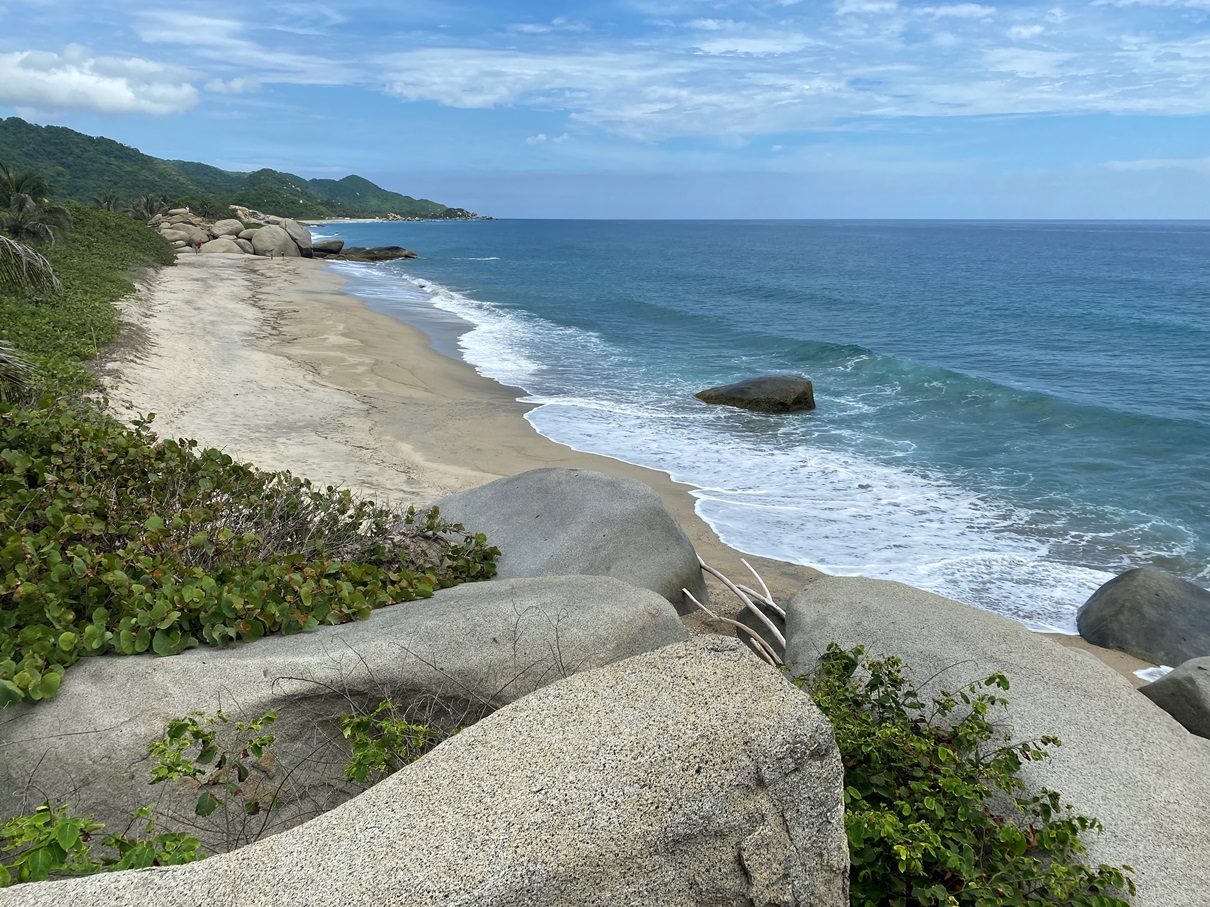
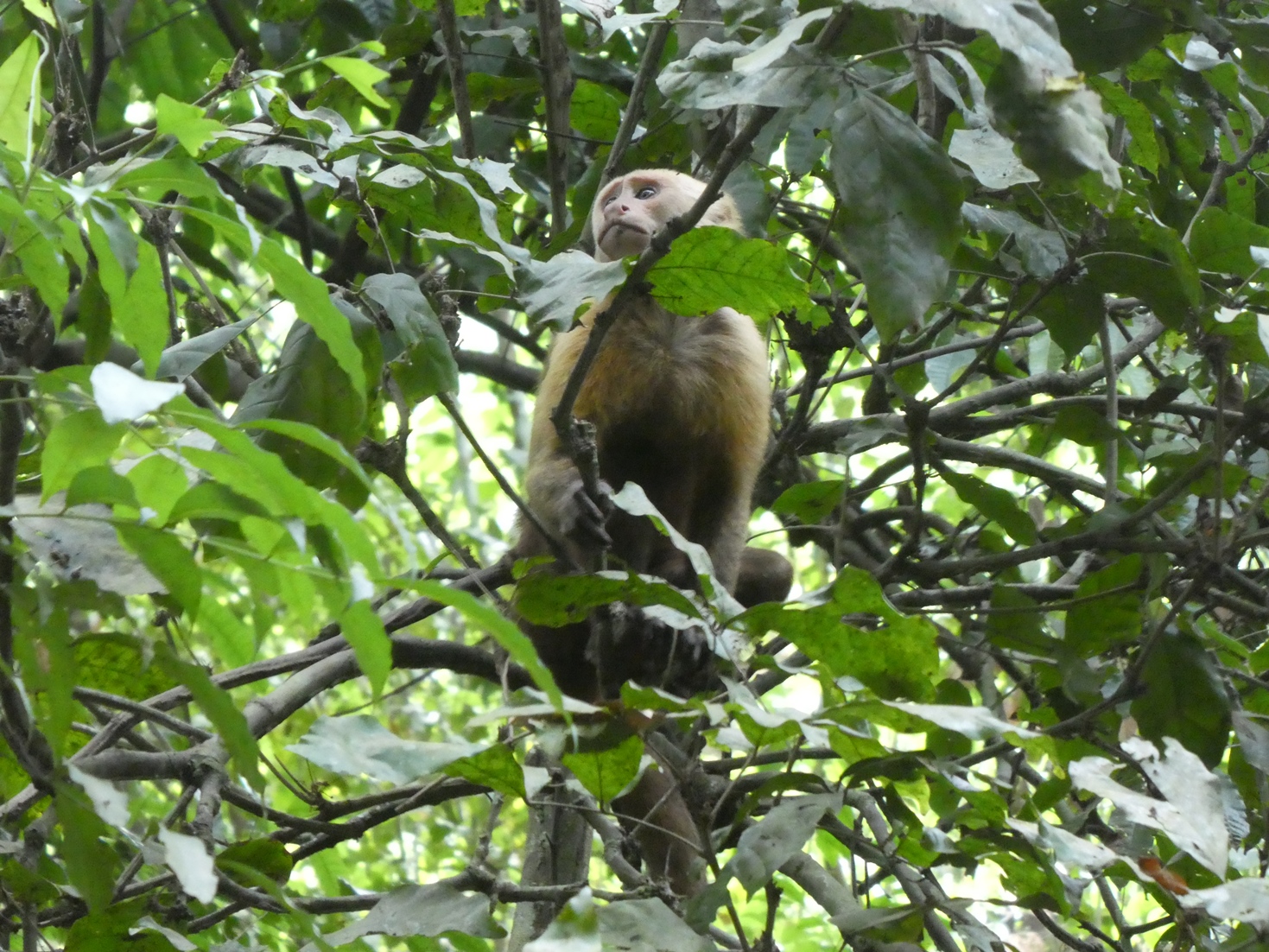
Not only was this home to some beautiful beaches, but it was also surprisingly good for wildlife. On my first day there I reunited with Lydia and Alex (two of the other people I hiked to Ciudad Perdida with), and within just a few minutes of walking through the jungle, spotted capuchin monkeys.

This is a species that I have worked with during my time in Merazonia, but not encountered in the wild until this point. I ended up seeing several other groups over the next two days, and some were displaying weird behaviour that made me suspect that humans have been feeding them.

I am going to get on my soapbox for a quick moment and say this: please don’t feed wild animals. Especially creatures like monkeys. It is really bad for them to associate humans with food because they eventually start to rely upon it and forget how to provide for themselves, and sometimes they will start to get violent when they don’t get what they expect. I know some of you think it is cute to be able to get closer to them but trust me on this; it is so much more magical when you come across wild animals that are still truly wild and behaving normally.

As well as capuchins, I also saw some red howler monkeys.

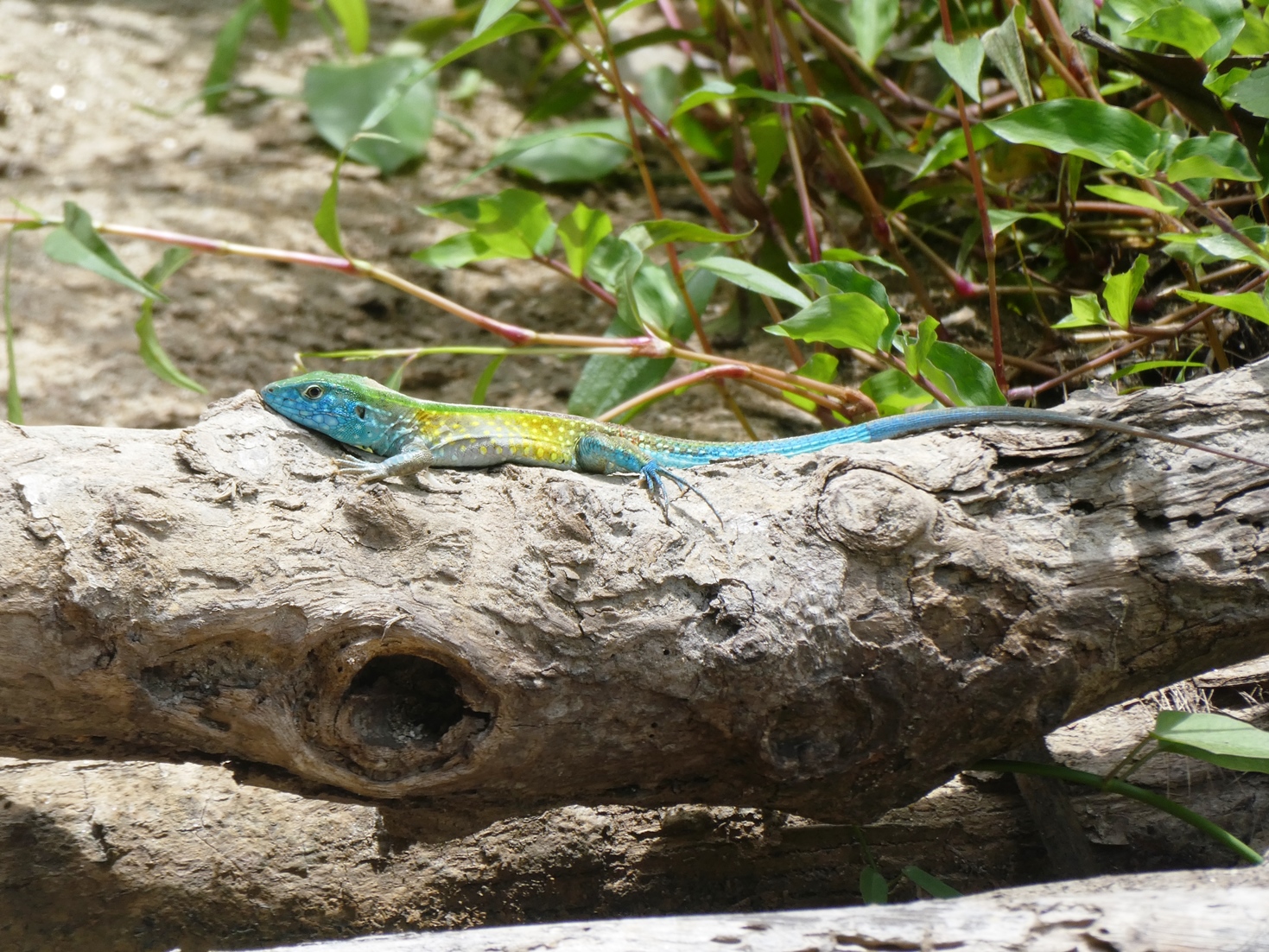
Lizards.

Many species of birds, including this woodpecker.

Several capibaras and even a cotton-top tamarin monkey. Neither of which I managed to get any decent photos of because they were flighty creatures.

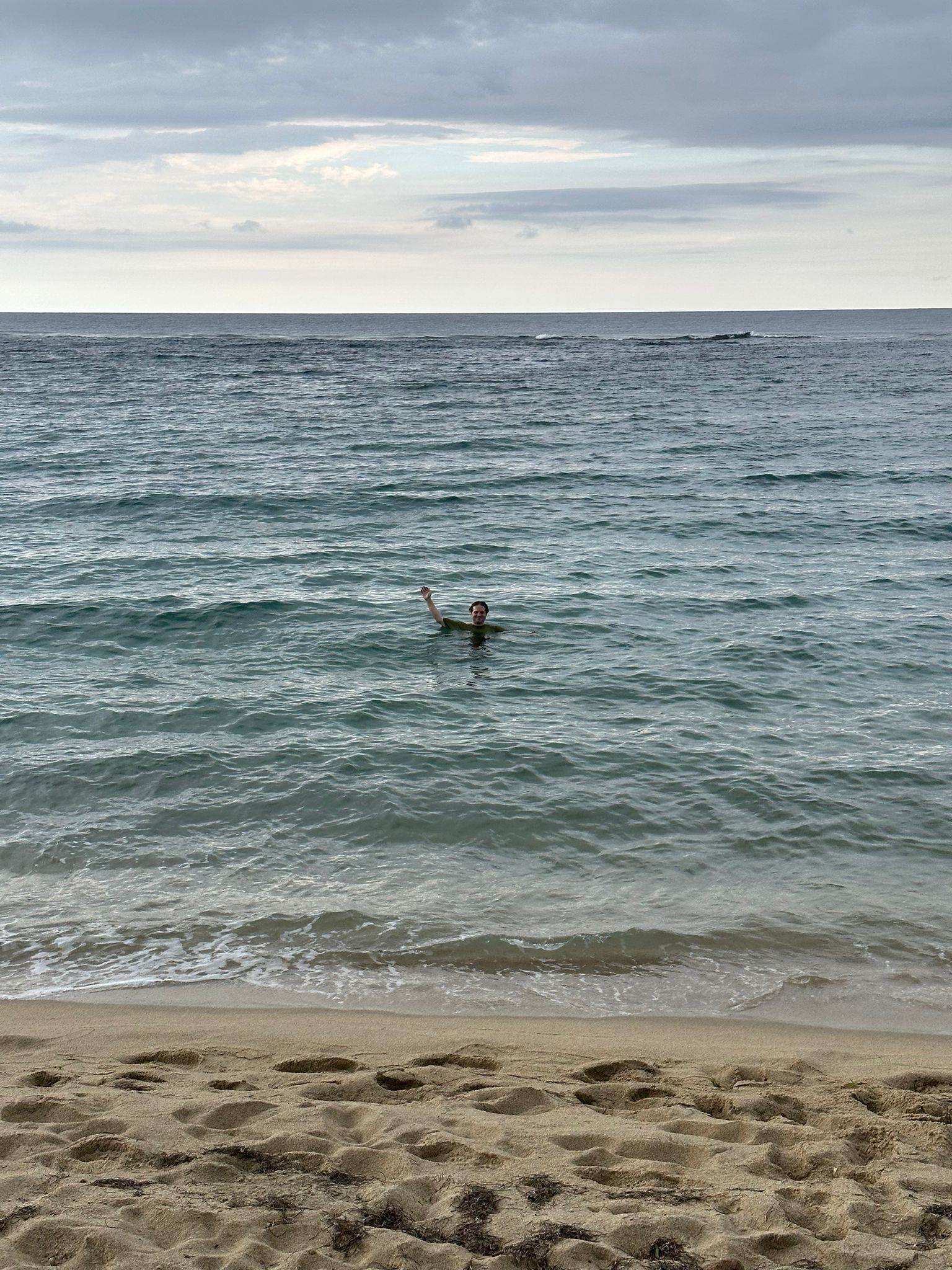
Otherwise, Tayrona was where I spent time swimming and relaxing at the beach. I also got to test out the new snorkel I bought in Medellin.

Lydia and Alex only came for a day trip, so I said goodbye to them the first afternoon, but I had brought my tent with me and ended up spending the night.

The other place I visited whilst at Santa Marta was Minca, a nearby village in the mountains. I was a little on the fence about coming here as it is one of those places that Gringo expats have colonised and filled with fancy hostels, yoga retreats, cafes, etc, and those sorts of places can irritate me at times. Don’t get me wrong, I am a bit of a hippy myself and also spiritual. It’s just when these first-world ‘free-spirited’ residents are so absorbed within their privileged bubble that they are completely out of touch with reality – or are weird in a way that feels showy rather than authentic – that they annoy me. Whilst I did overhear some conversations that made me snort to myself, and at one point found myself witness to an upcoming guru leading an ‘erotic hypnotherapy’ meditation session intended to parasexually trigger orgasms on its attendants (yes really), it wasn’t too bad.

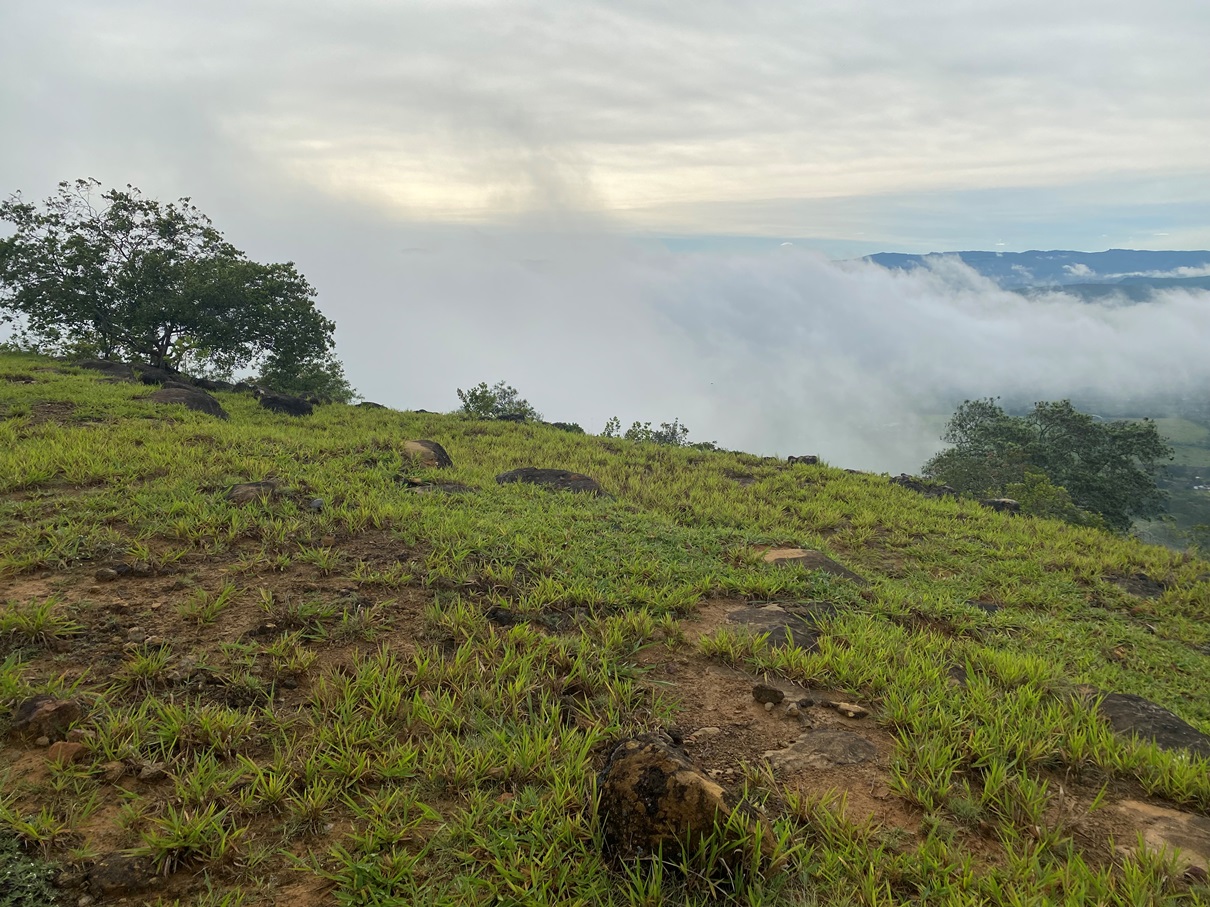
On the morning I arrived, the weather seemed good whilst the forecast the following day was a bit bleak, so I caught a moto taxi straight up to a place called Los Pinos; a known viewpoint where one can see much of the Sierra Nevada on a clear day, but, alas, when we were halfway up the mountain, it began to rain. By the time I arrived, the view looked like this.

I waited an hour or two, hoping it would clear up, but I seemed to be out of luck that day. No matter; I was aware I had been more than lucky so far. The north and south of Colombia are in two different climatic regions. When I was in the south, people told me it was at the tail end of the rainy season, but the weather was great, and – as I mentioned before – in the north the rainy season was long overdue. Travelling in the low season in both areas made things much easier and cheaper for me, but I had been blessed with great weather so am grateful for my good fortune. The rain had finally caught up with me.

I hiked back to my hostel in Minca whilst the clouds wafted across the mountain, visiting a pair of waterfalls on my way and passing by many coffee plantations. It did start to clear up a little that afternoon, and I didn’t get too wet.

Much of the next two days were spent chilling at my hostel, where I caught up with my blogs (including this one) at a little desk overlooking the mountains. Look, here is a photo of me now.

And this is the view.

Yes, that’s right. This is one of the very few occasions where I am writing a blog contemporaneously (instead of playing catch-up days or weeks later). Hi.

Minca is known for its birdlife, and as I was writing this, reading books, and catching up on TV series, I kept having to read for my camera as creatures appeared in the trees around me (between the rainstorms).

After my two nights spent in Minca, I caught a night bus down to a place called San Gil. This wasn’t in my original itinerary, but all that fast travelling I mentioned means I now have some spare time.


For more photos from Santa Marta, Tayrona and Minca, click on these hyperlinks.


Practical Information and Recommendations

This is mostly going to be some recommendations for places to stay, as there were some lovely hostels in this area that I want to give a shout-out to.
First of all, Hostal Casa San Pedro in Santa Marta. It is a brand-new place within walking distance of the main bus terminal and Quinta de San Pedro Alejandrino. The facilities are great, and being out of town meant it was quiet (I had the dorm to myself for the three nights I stayed). The people who run it are friendly and helpful, and they were excited to see me because I was their first-ever foreign guest. They looked after my backpack and valuables for me during Ciudad Perdida.

Within the centre of Santa Marta, I was initially going to stay at República – a popular hostel that I had heard good things about online – but when I arrived, they made me wait in the common area for a while before checking in, and during that time decided it wasn’t for me. It was full of people partying by the pool in the daytime to awful music, the staff seemed disinterested, and there was something weird about the energy there. I ended up cancelling my booking and instead checked in to Gagaka Rua Hostel, which also had a pool, but was also quieter and had more personable staff.

In Minca I stayed at Dunarinka, which is owned by a lovely lady, had a balcony, hammocks, a great view, communal kitchen, and was just a ten-minute walk from town. There are other places which have amenities like swimming pools, but they were all quite pricey. Lots of the accommodation options in Minca are owned by first-world expats who have raised prices artificially, but Dunarinka – run by locals – remains good value for the budget traveller.

Finally, my advice for Tayrona National Park is for anyone who wants to camp. When I arrived at the entrance, a tout posing as park staff greeted me (I have found this a very common phenomenon in bus stations in this part of Colombia, too: always buy your tickets from the official booths). He tried to tell me that I needed to book my camping there and then went through a list of campsites with me (along with their prices). I refused, and not only were my suspicions confirmed when I arrived at the park – where I saw from the actual prices he was charging commission – but his ‘map’ did not even include all of the options.

San Juan has the best beach, and there is camping available there, but bear in mind that it is a bit more expensive, does not have as many amenities (such as wifi), and the only option for eating is a single restaurant which – judging from its prices – is very aware it possesses a monopoly. It is also very busy during the daytime. My advice is to camp closer to Arrecifes, as the beaches are quieter, there is a range of campsites and restaurants – all with more amenities – and you won’t have to walk so far carrying all your camping gear. You can then walk to beaches such as San Juan whilst treating Arrecifes as your base. Out of the campsites there, I found EcoCamping Lui to be the best value. Tequendama was the nicest looking but expensive, whilst Jacobo Bermudez and Andres Bermudez (both run by the same family) were a bit run down, and I got a weird vibe from them. There is another option further away from the beach called Don Pedro that I didn’t see so can’t give an opinion.