Travelblog LA#17: San Ignacio – Belize

13th – 15th July, 2023


The crossing from Guatemala to Belize was one of the easiest I have ever done: fast and with little hassle. We are still in low season, so the queues were short. I used a shuttle bus service that was very convenient, comfortable, and not too pricey, but it did – for reasons I will cover in my Border Crossing Tips at the end of this blog – drive right past my hostel only to drop me off in a layby a half hour walk away. Needless to say, I was far from impressed and may have uttered some curses about the driver as I walked up a steep hill under the hot sun with all my luggage. Yellow Belly Backpackers warmly welcomed me when I arrived, but it was too early for me to check in so they looked after my bags while I went back into town to draw out some money and buy groceries.
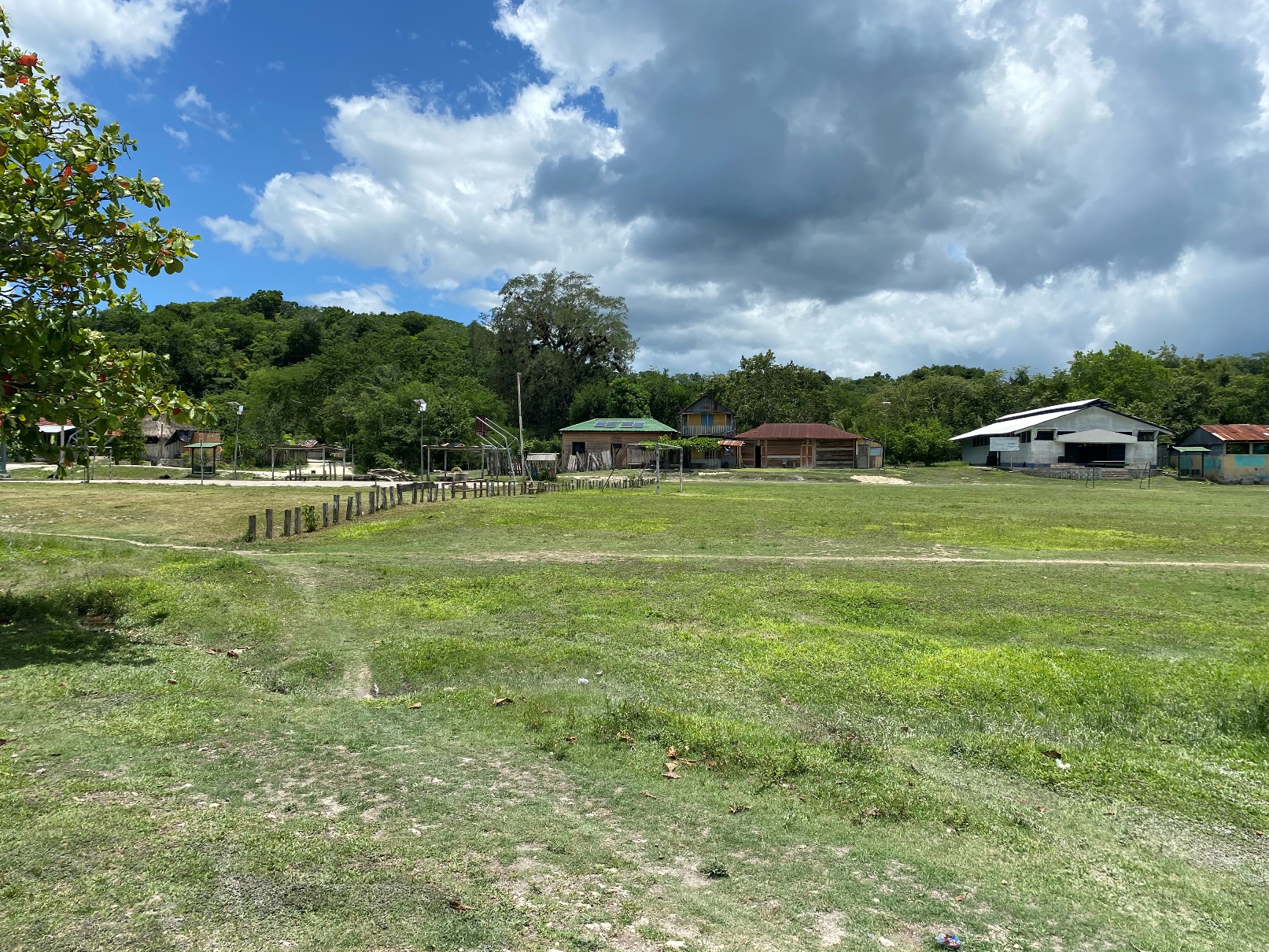
San Ignacio was a bit of a culture shock. I had heard that Belize is different from most of Central America but had not realised just how different. Being five months into my trip, I have become automatically wired to speak to people in Spanish now, but – whilst some people seemed to understand, and a few even spoke back to me – many pulled bemused expressions. Belize’s official language is English, but in day-to-day life most people speak a Creole similar to Jamaican patois. There is something very musical about it, and as an English speaker it is fascinating to listen to as you always pick up odd words.

Belize is very multiethnic. Most of its population are of mixed heritage, the culture is predominantly Caribbean, and you see all kinds of people. On the first day, I even passed by a pair of Mennonites – a mostly Caucasian Christian sect that settled here in the 1950s – in town, distinctly clad in their blue overalls and wide-brimmed hats. I smiled as I passed them, but they pulled stern expressions and continued their business. I have heard that some of them are starting to modernise whilst overs are very conservative and prefer to keep to themselves; I am guessing the two I passed were the latter. Most Belizians have a cheery disposition and a laid-back outlook on life, but if you are a member of the LGBTQ+ community you might want to bear in mind that some are very religious. I have found most of Latin America to be more gay-friendly than I expected but here I was surprised to see some billboards on the roads with very old-fashioned propaganda printed on them such as, ‘Children need a mother AND a father’.

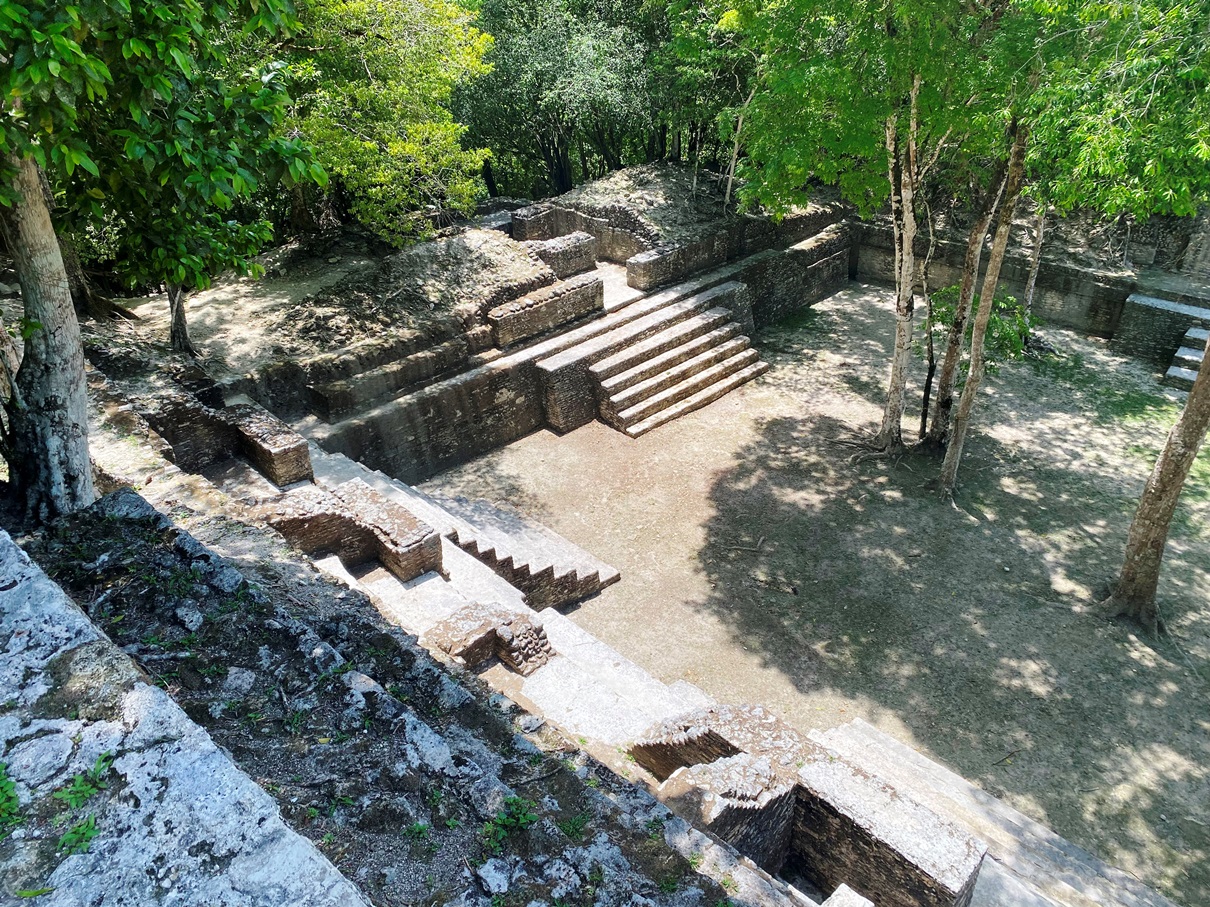
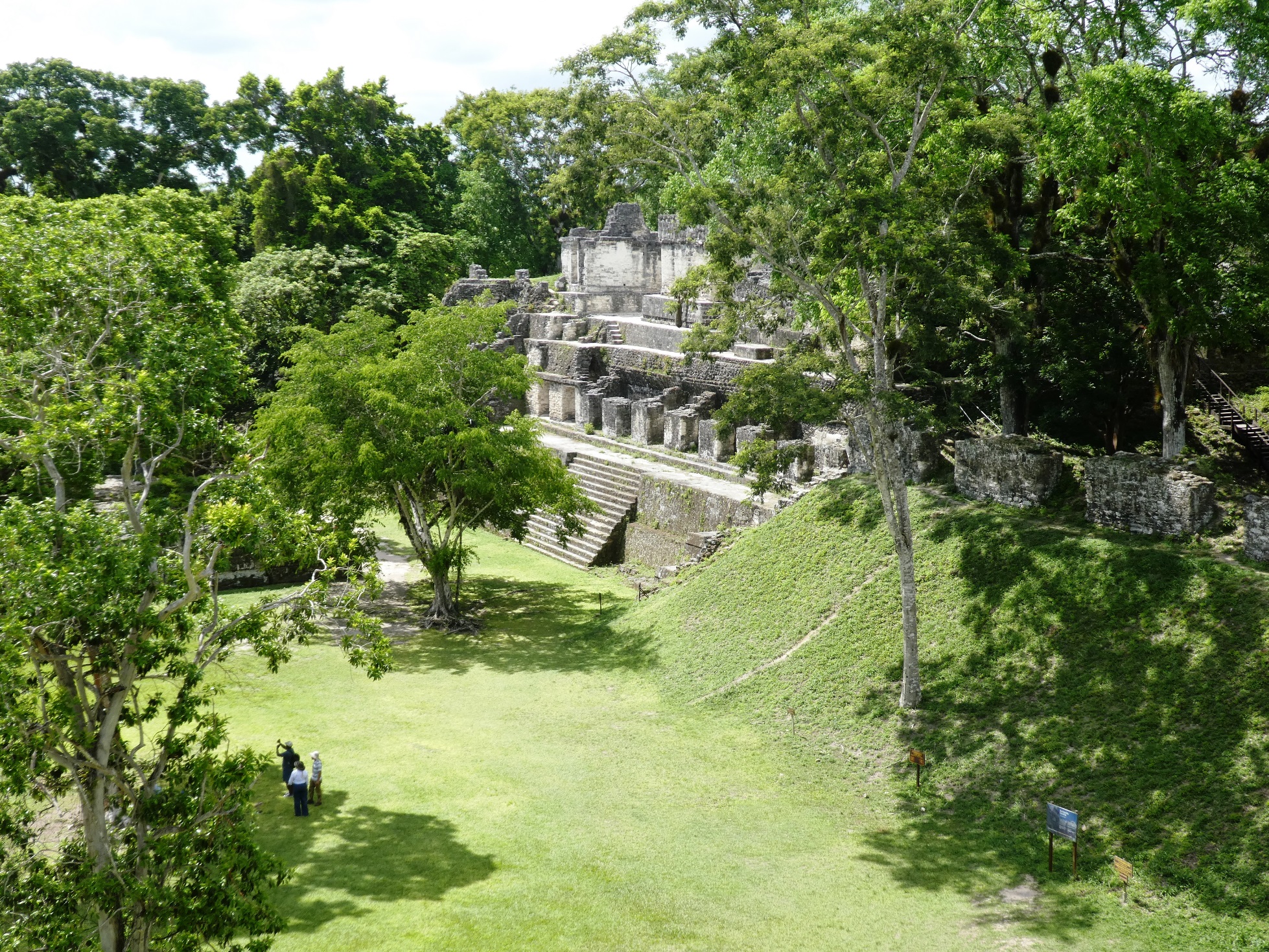
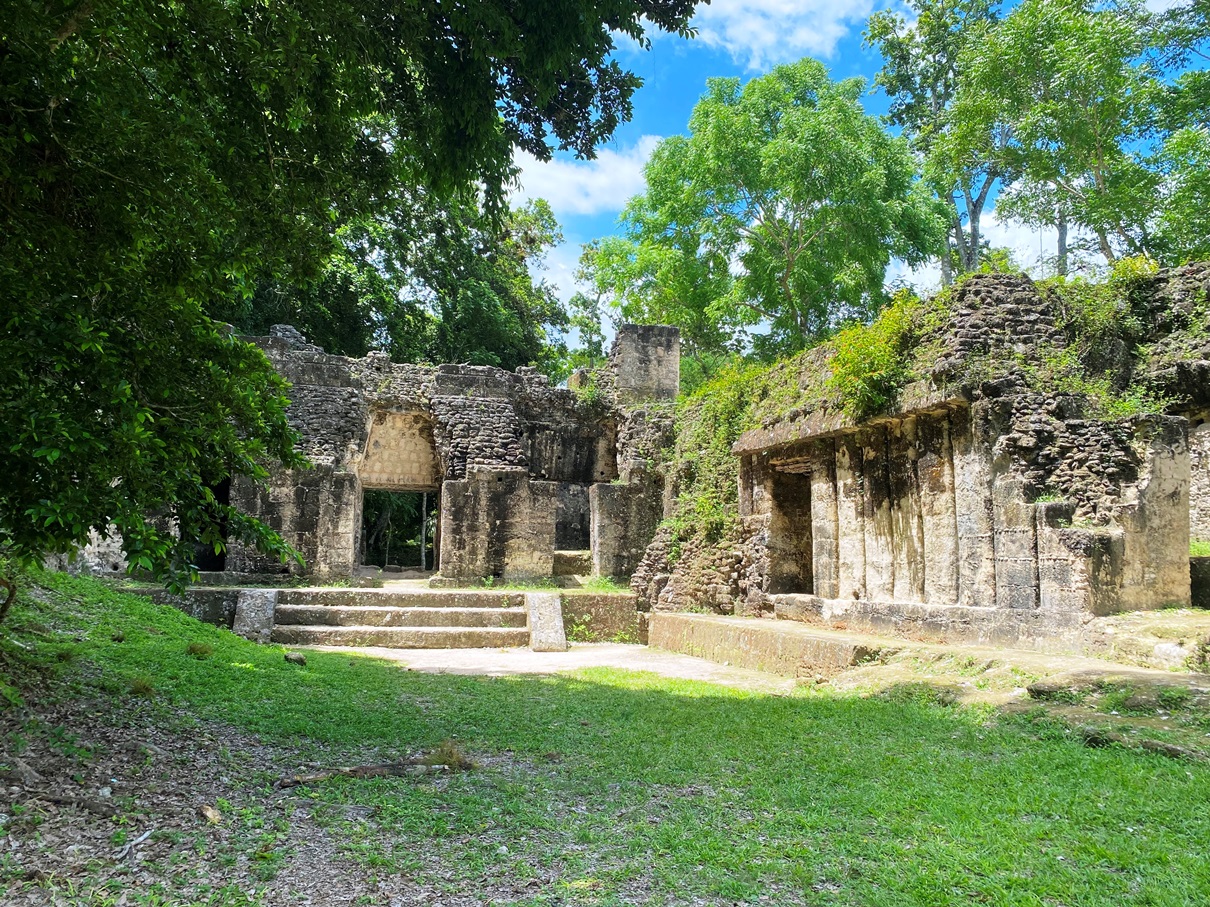
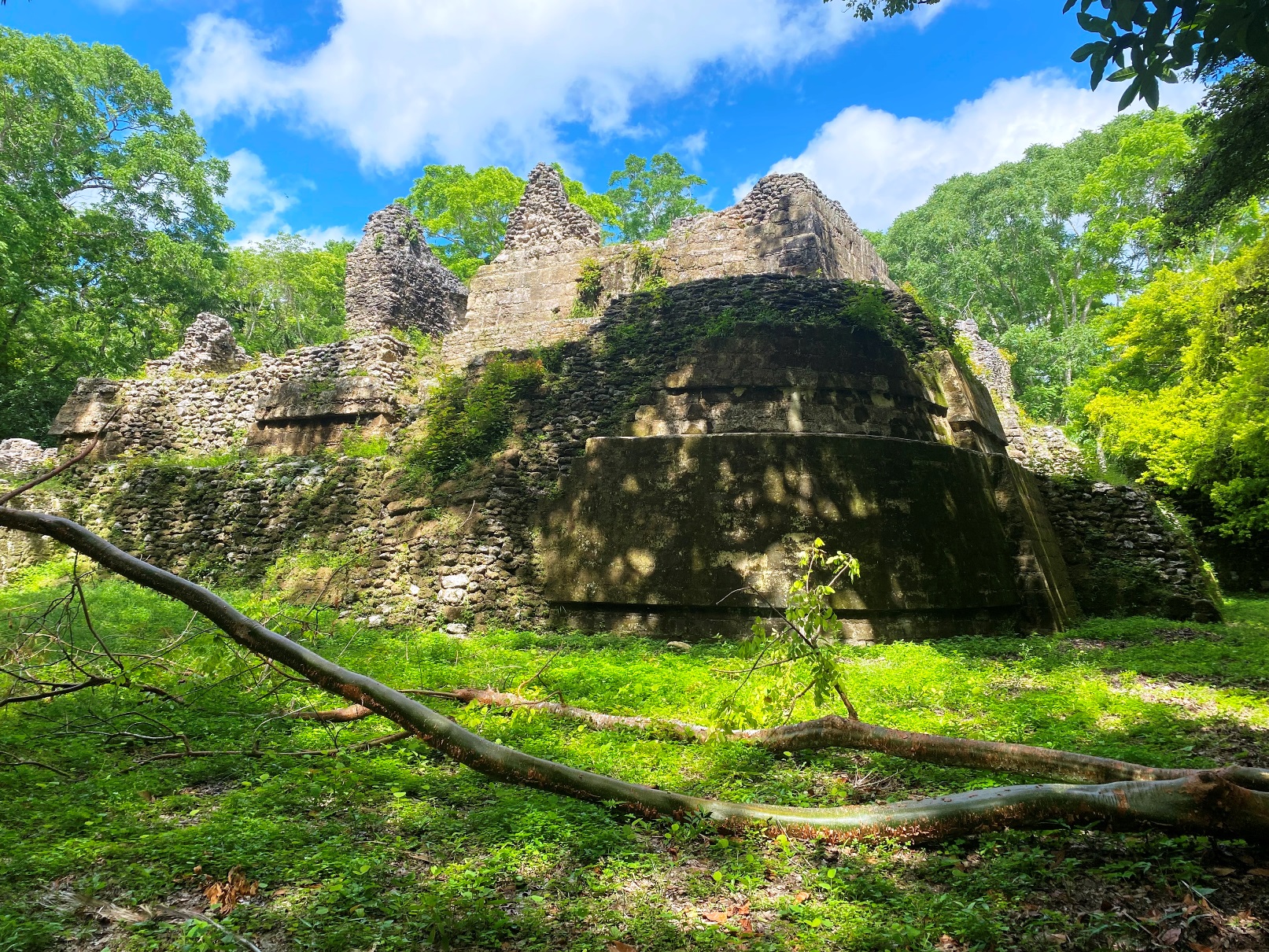
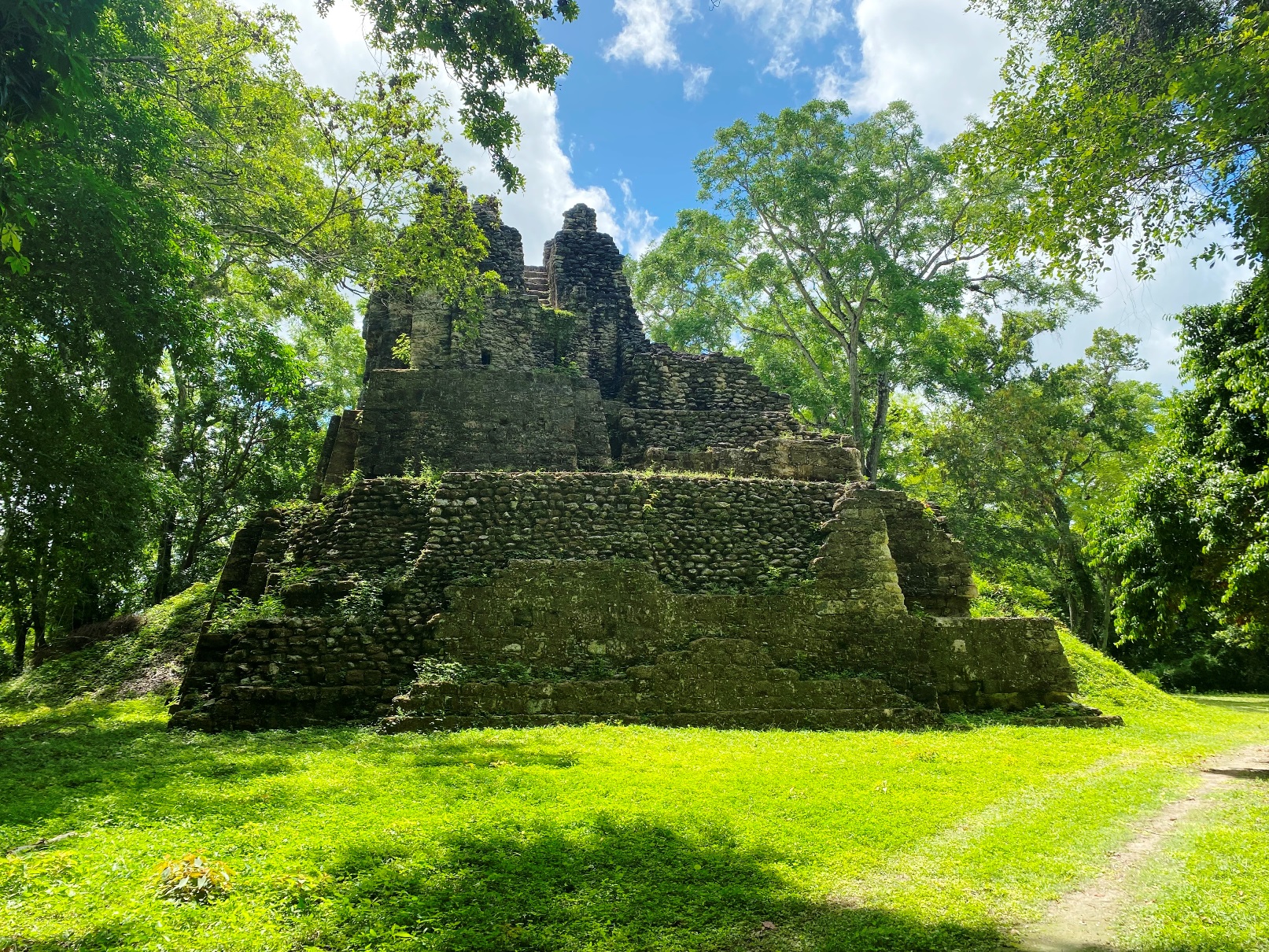
That afternoon I began exploring and began with Cabal Pech: some Mayan ruins just a short walk away from my hostel.

Belize is an expensive country compared to most of Latin America – one of the reasons that my time here will be shorter than originally planned – but a saving grace is that the Institute of Archaeology appears to be a benign organisation who have kept admission prices to its monuments low. This one has an onsite museum, and it was also quiet when I visited so I had it mainly to myself.

These aren’t the most spectacular ruins compared to some of the others I have seen recently, but the ease of reaching them makes it worth it if you are in the area and have a couple of hours to spare. It features the usual combination of plazas, pyramids and ball courts. There are lots of trees in the area which makes it a lovely place to sit and relax for a while.

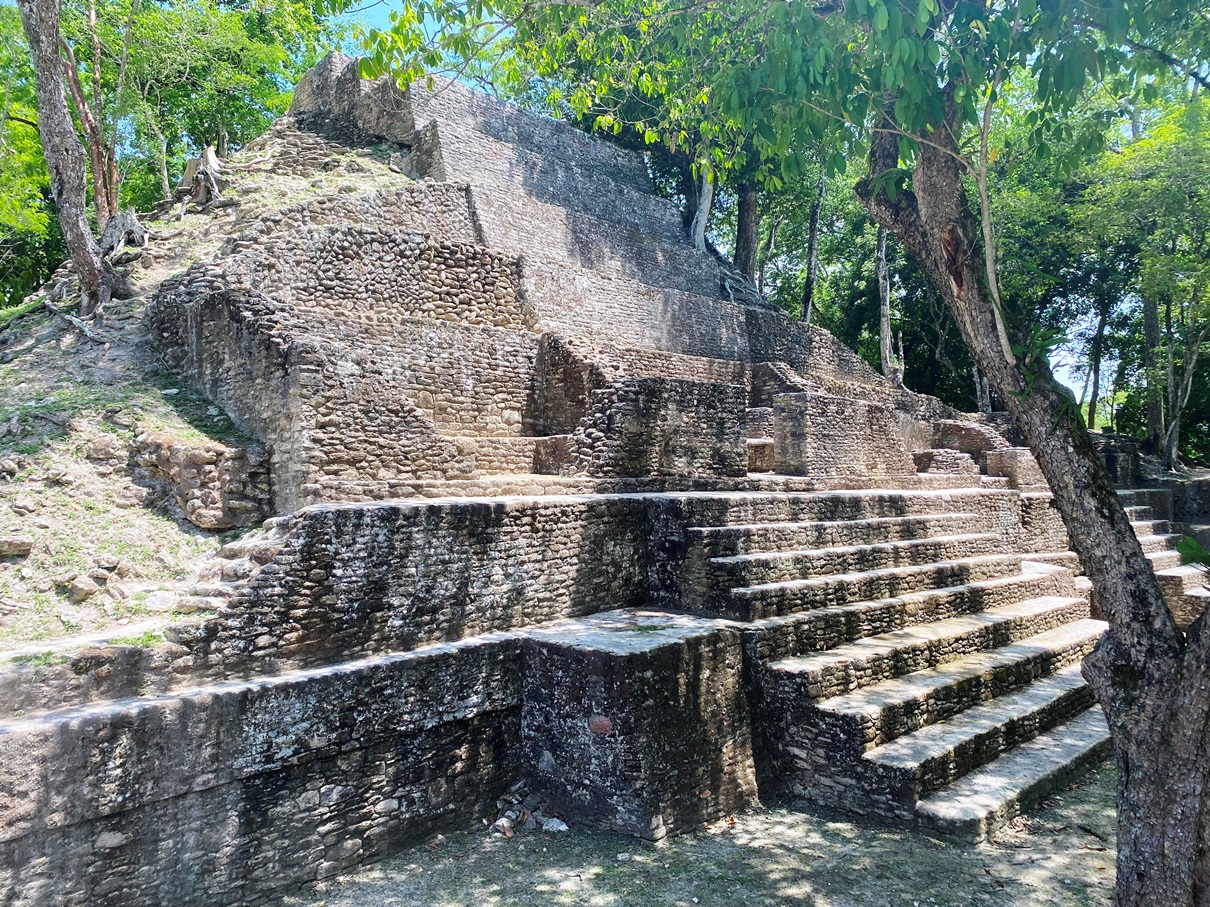
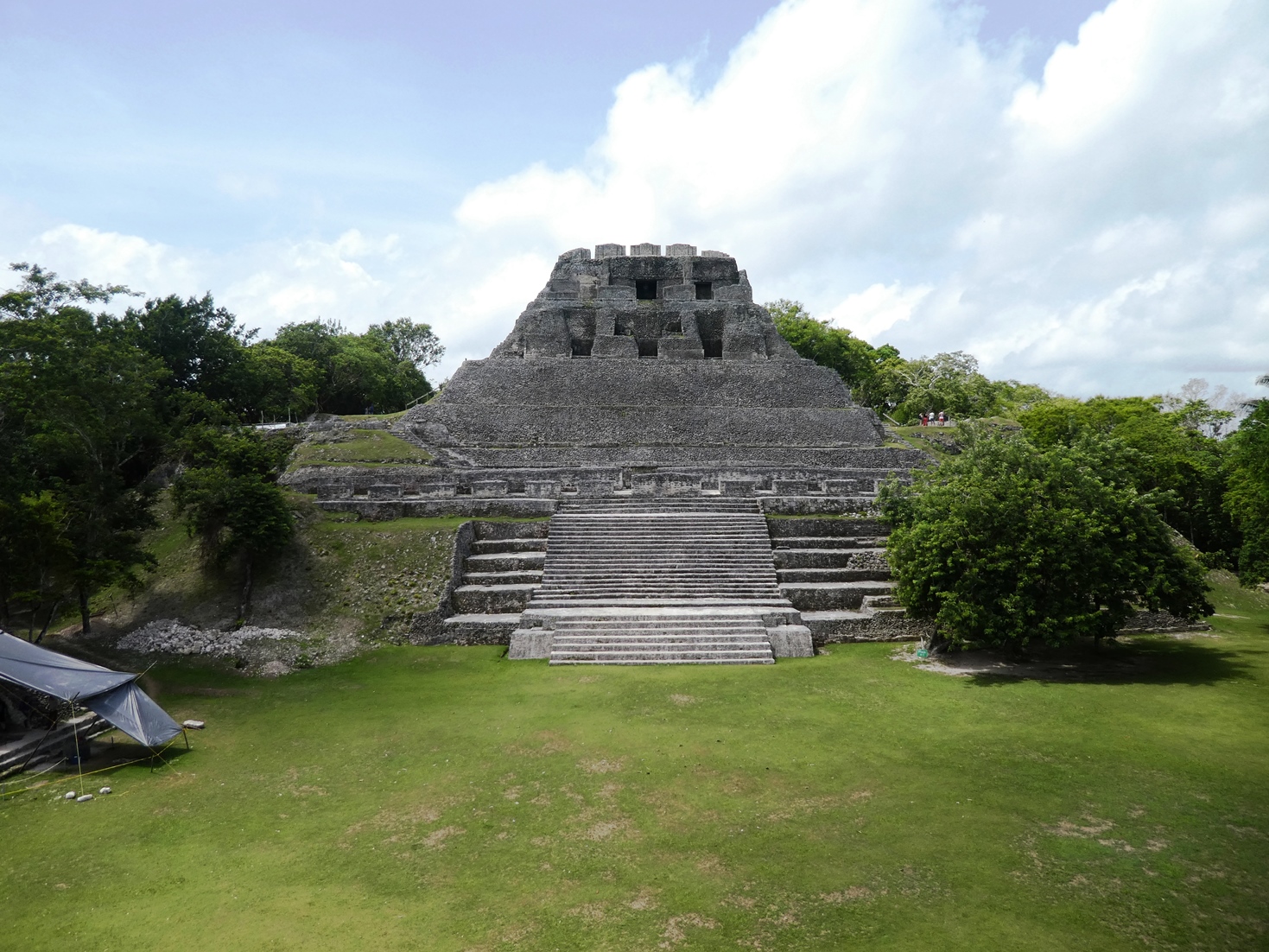
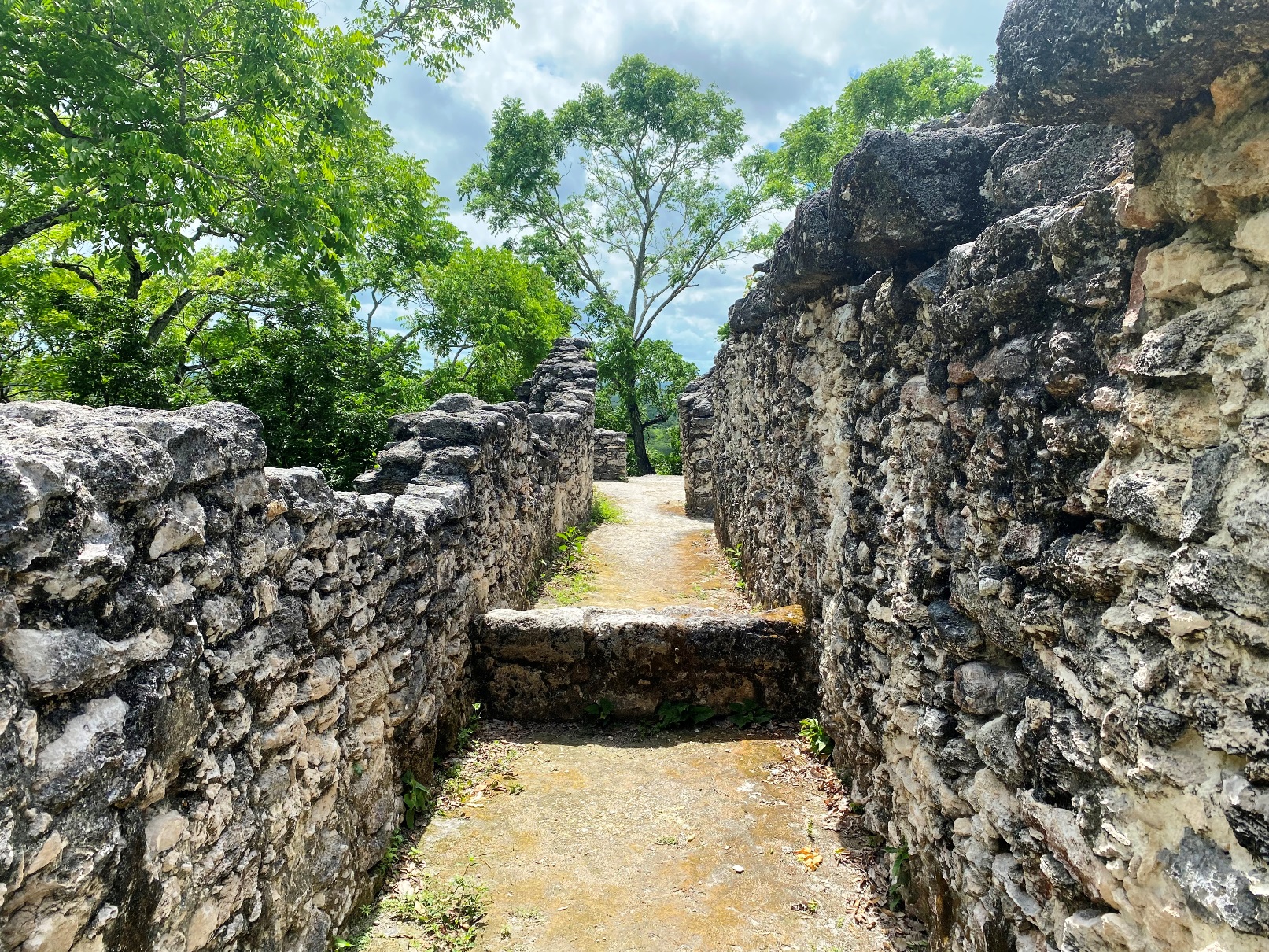
The following day, I went to Xuantunich, some other Mayan ruins closer to the Guatemalan border. These were more impressive than Cabal Pech, but this also meant I had to spare the place with a few tours, some of which had inconsiderate guides that kept pausing their groups outside the most photogenic spots to give their long orations (please, I implore you: if you are ever in a tour and find your guide doing this remind them to not be an ass).

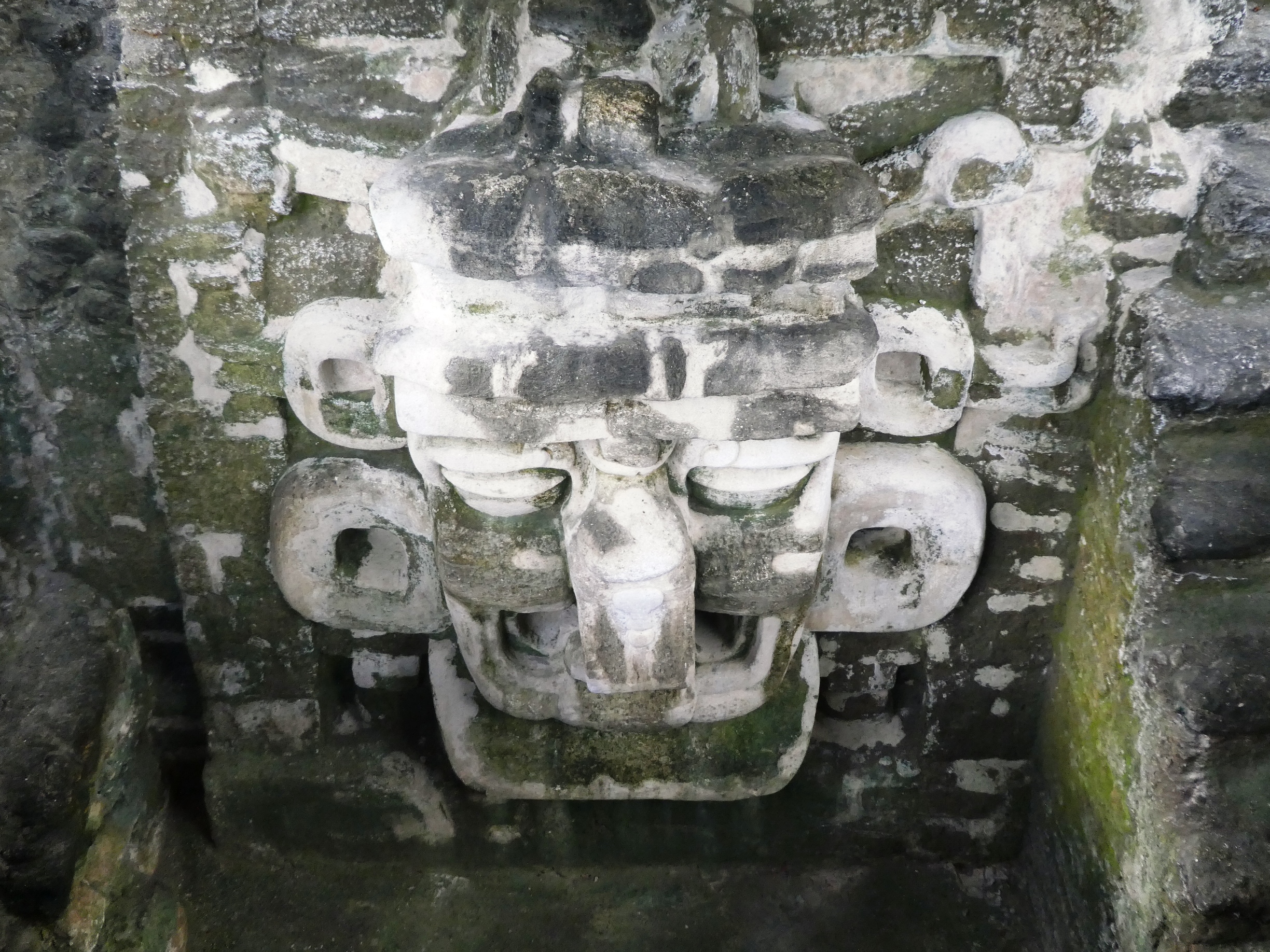
One highlight of this place is that some of the original friezes on the main pyramid are preserved. The ones you see as a visitor are actually fibreglass reconstructions – designed to protect them from weathering – but the originals are still beneath. It is truly awe-inspiring to envision what these places must have looked like when they were covered in paint and all of the reliefs were intact. Not only have most of their stuccos not survived the passing of time but archaeologists have found traces of pastes on many of the facades of Mayan monuments so it seems that – much like the Greeks – their world was much more colourful and garish than many people imagine it to have been.

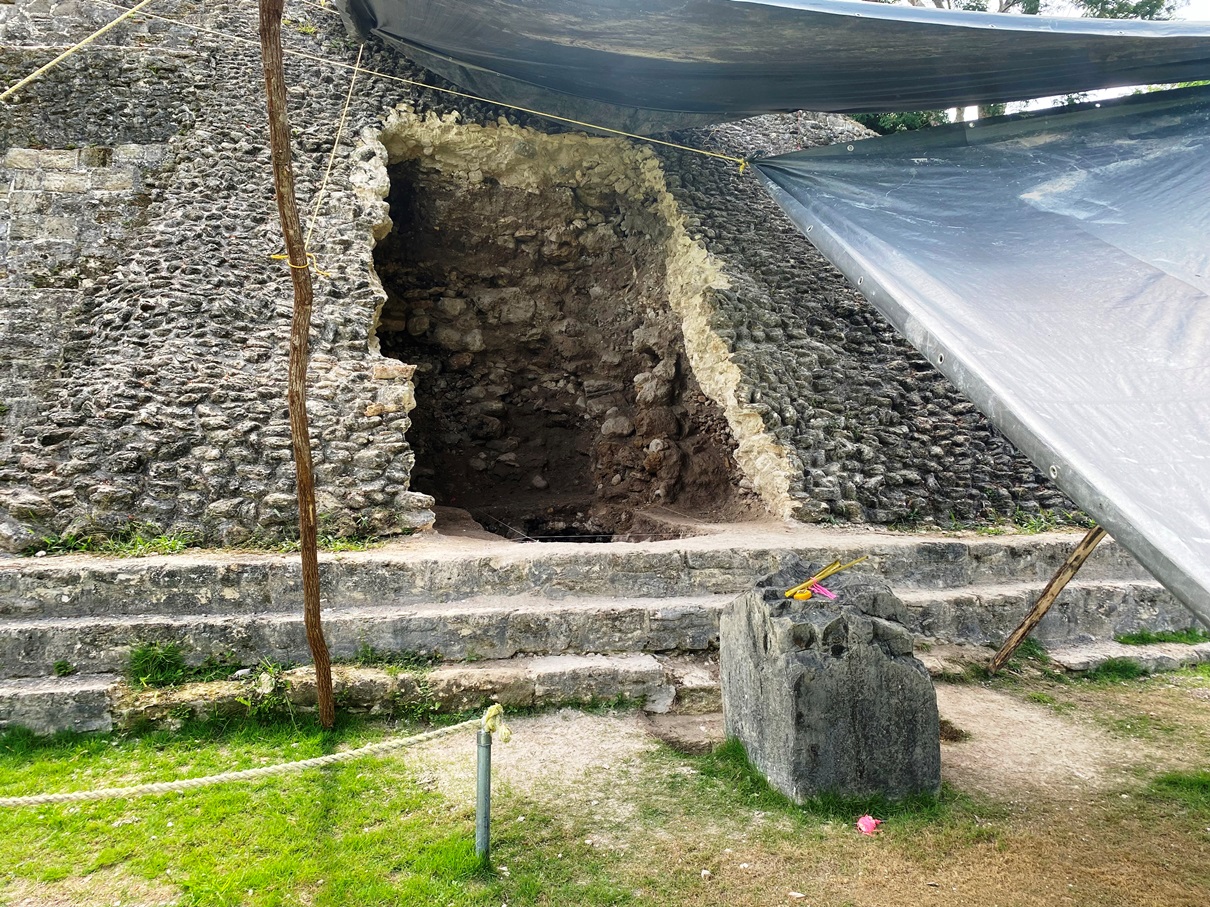
Interestingly, there were some ongoing excavations during my visit. I mentioned in a previous blog that a lot of the older Mayan sites have several layers to them – as they kept building over and over again – and I spoke to the archaeologists and found out that they have so far found a chamber in this pyramid and are currently digging into the floor. Perhaps they will find a burial here. I understand this is fairly common.

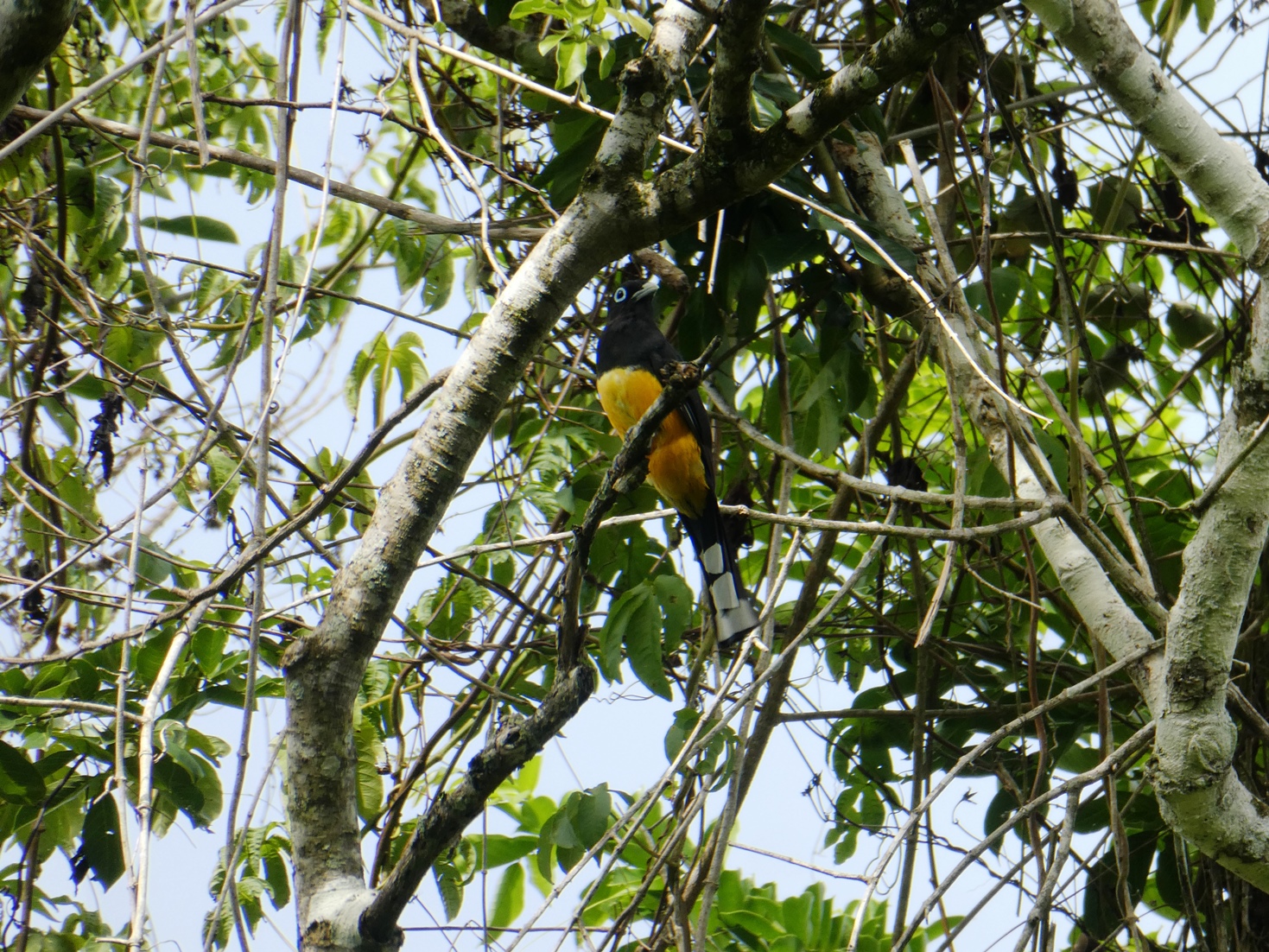
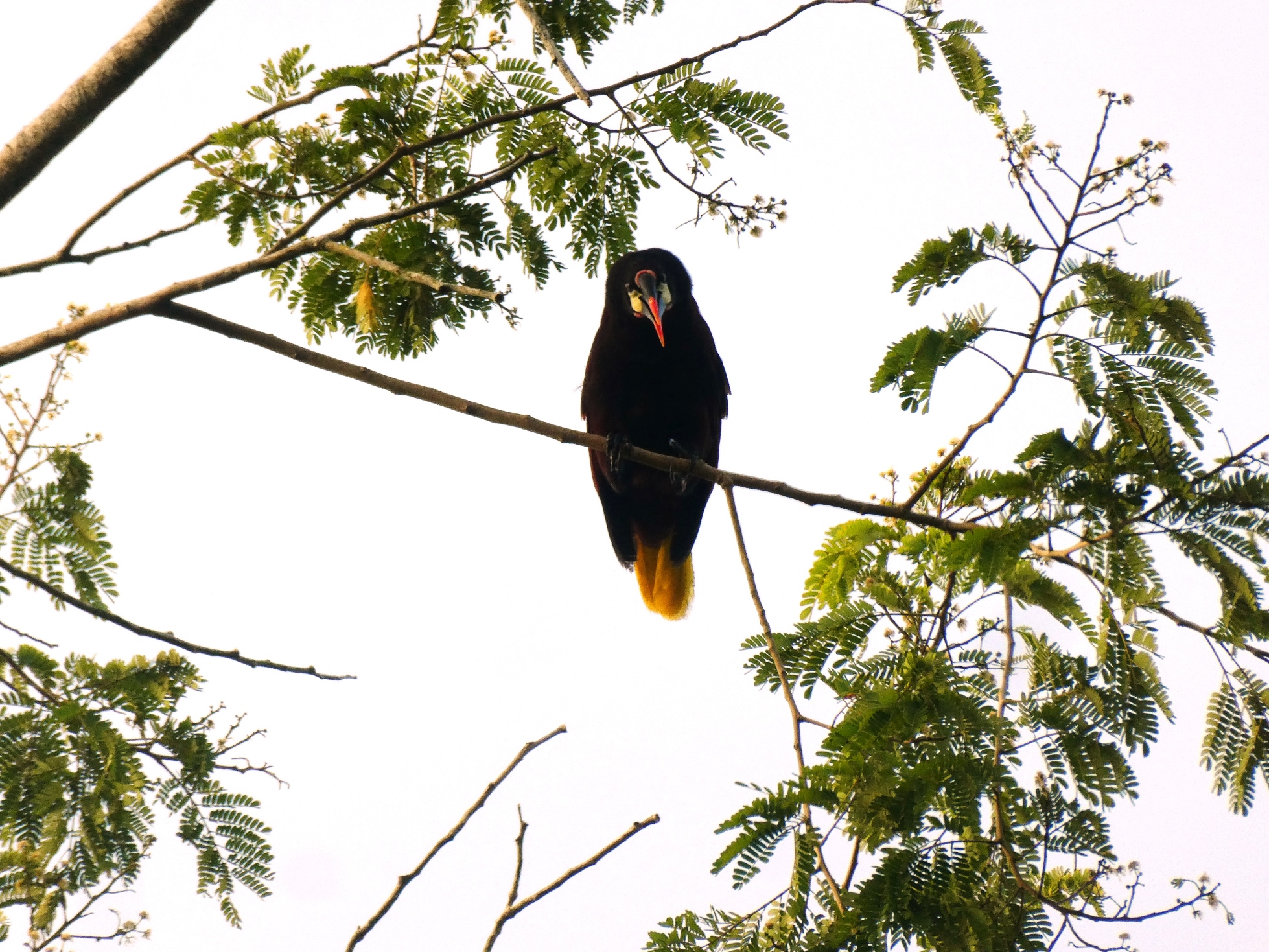
During the walk from the road to the ruins, I also spotted some wildlife, including a lizard and a gartered trogon.

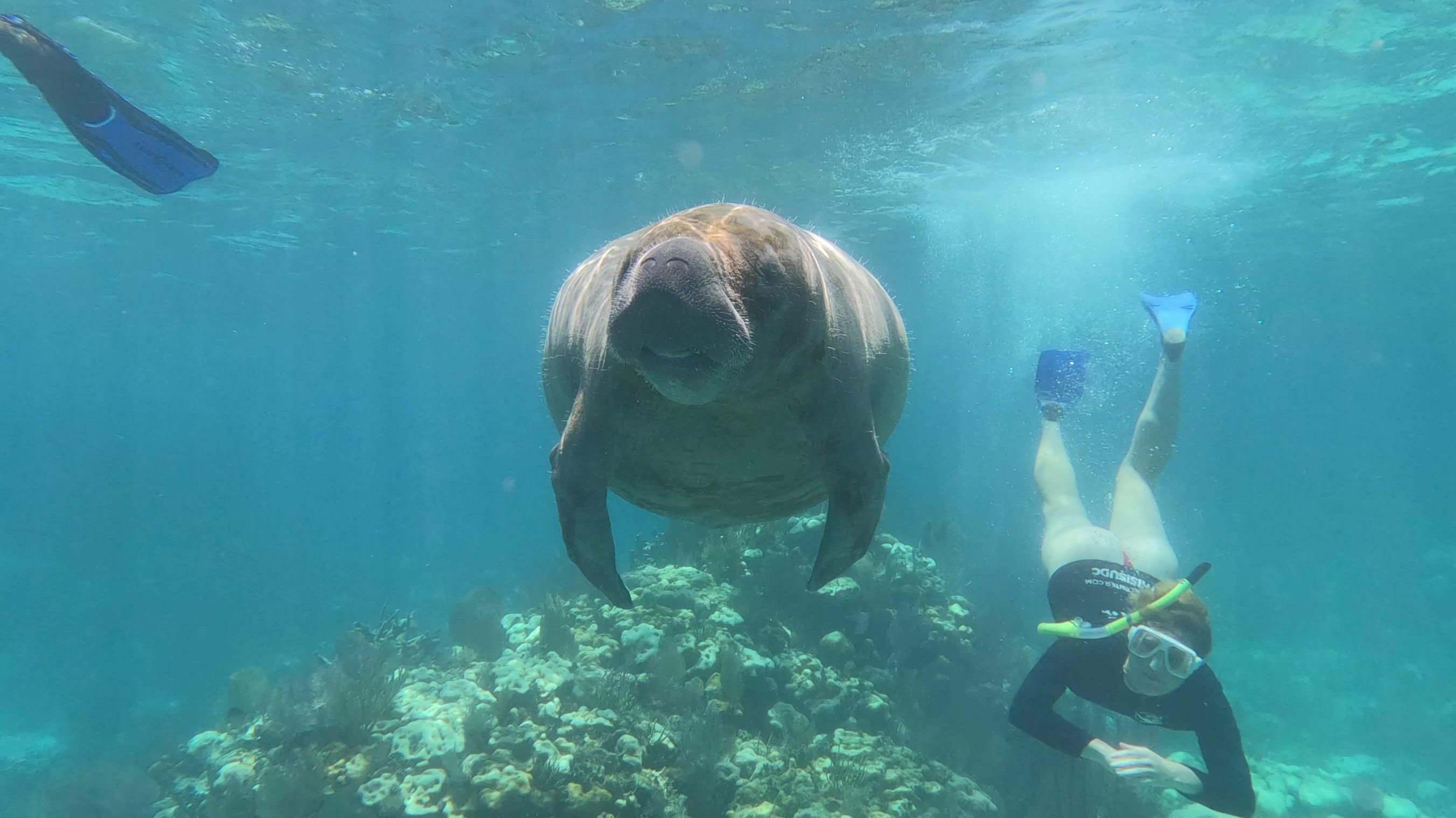
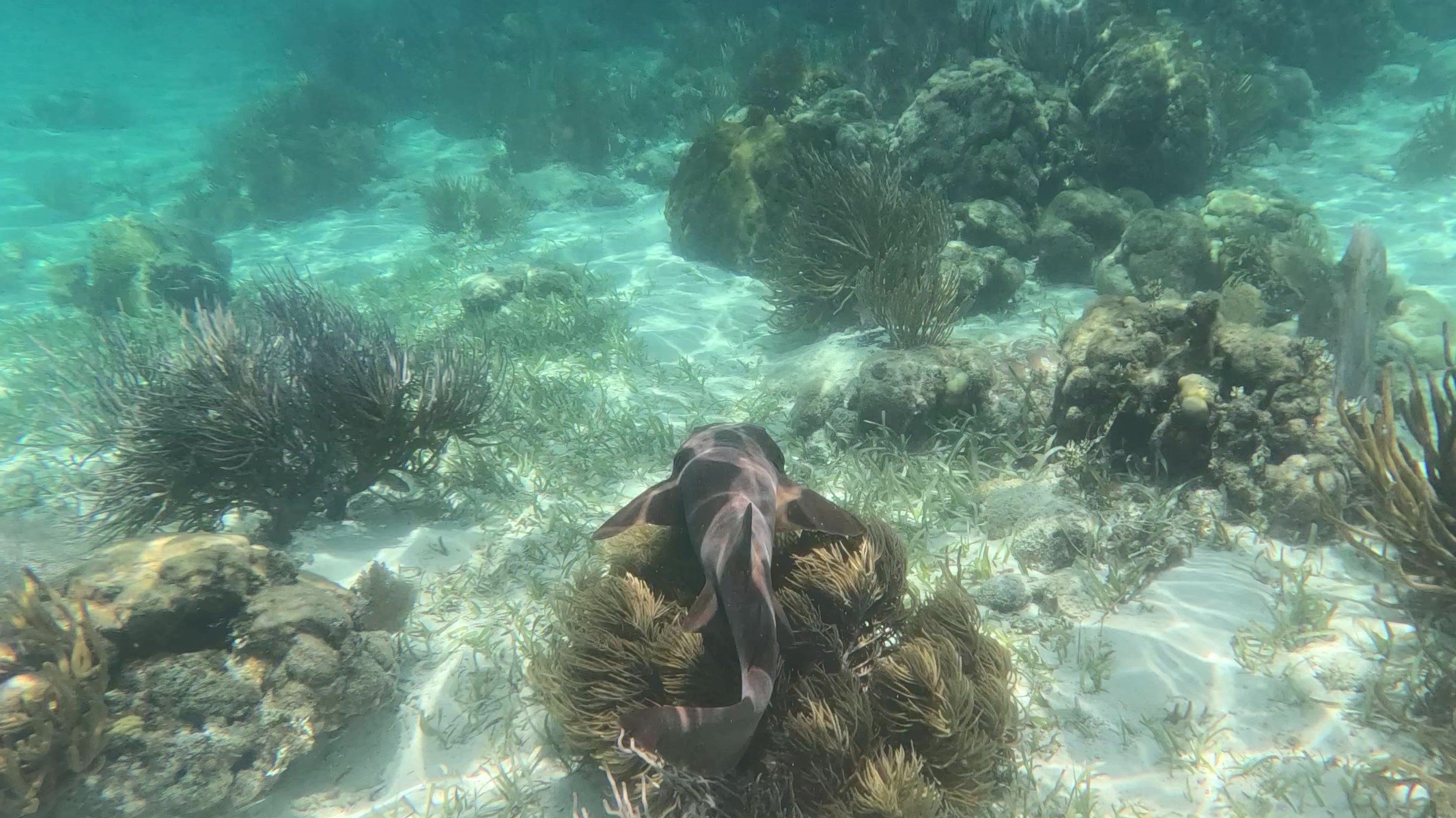
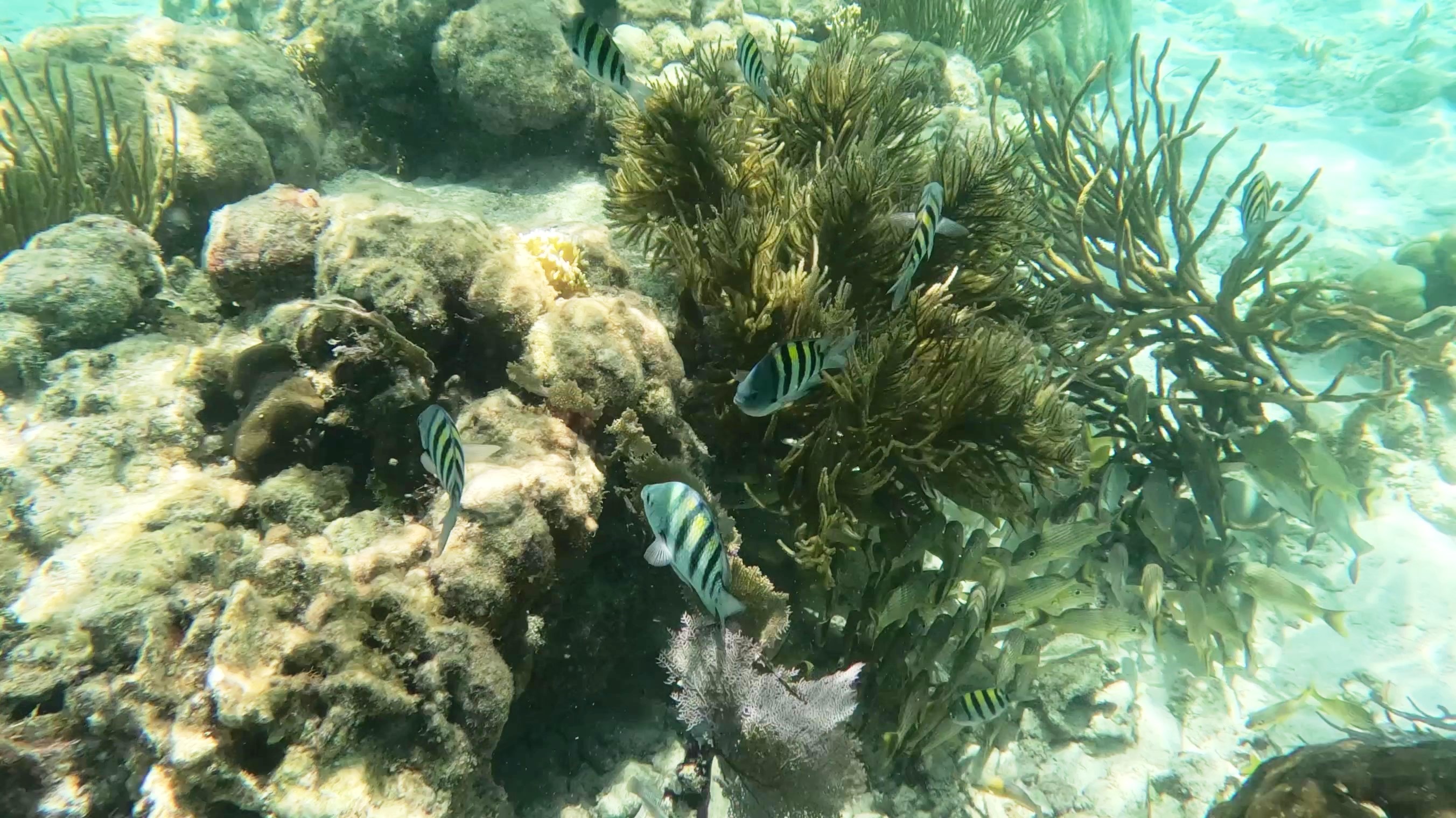
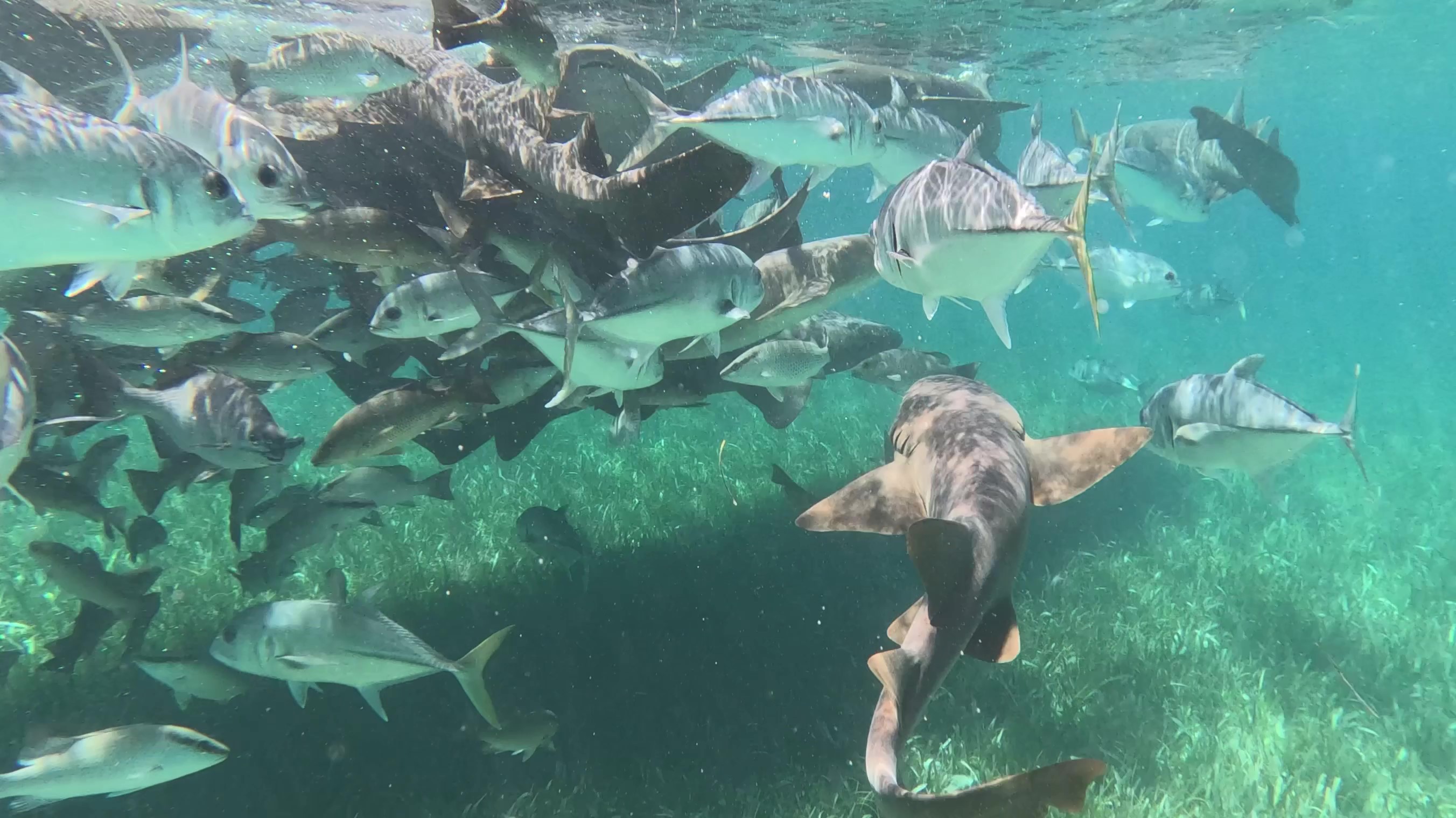
But besides visiting these two ruins, I spent a bit of time in San Ignacio relaxing and chipping away at some edits for a novel due for publication next year. Yellow Belly Backpackers was a wonderful place to do it and has become one of my favourite hostels in Latin America. It has excellent facilities, a great vibe, and you can tell that Bubbles – the owner – is not just out to make money. He adds lots of finishing touches to his hostel that he doesn’t need to – as it is already great value as it is – such as stocking up his communal kitchen with plenty of condiments and during my stay he even put out a keg of complimentary rum punch for guests some of the evenings. If anyone reading this is passing through this part of the world and looking for somewhere to lay low for a while; trust me, come here. I expect I will be returning here on my way back to Guatemala in a week or so’s time, but for now, I am going to an island called Caye Caulker to relax on the beach and do some snorkelling.


For more photos from my time in San Ignacio, click here.


Border Crossing Tips

It is possible to cross the border from Guatemala into Belize independently, but from my understanding this will not only take more time but will not save you that much money. The shuttle service you can book from Flores is cheap (at the time of writing this the touts sometimes quote as much as 150 quetzals but you can negotiate them down to 125). The chicken buses are cheaper but come with hidden costs as they don’t go all the way to the border so if you are carrying a lot of luggage you will need to fork out for a taxi. Border crossing days can often be stressful but the shuttle service made this one of the easiest I have ever done.

But, another thing to be aware of when you book this service is that there are currently two competing companies, and both have some positives and negatives. I used Getaway Travels which came in the form of a plush coach with large seats and air conditioning. It was a comfortable journey, but – as you might remember from the beginning of my blog – they drove past my hostel and refused to let me off. At the time the bus driver claimed it was because he was ‘not allowed’, but after driving me to the other side of the town it was not even an actual bus station he dropped me off at but rather a layby close to a posh hotel so that story sounded like bullshit to me. This suspicion was confirmed when I finally arrived at Yellow Belly Backpackers half an hour later and they told me that the real reason they refused to drop me off was because of a quarrel they were having with them. Yellow Belly used to direct their guests to their service but stopped because they were too unreliable so now Getaway Travels now refuses to drop backpackers off there. It seems pretty childish.

Mayan World runs another service, which I experienced a few days later when I continued to Caye Caulker (as the same bus that departs from Flores each day continues to Belize City). This one does have the convenience of picking people up and dropping them off at their hostels, but their buses are small, rundown, and often overfilled. I was the last to board and given a foldout ‘seat’ at the front by the engine that was very cramped and didn’t have leg space (I had to stretch my feet out towards the driver’s gearstick). At one point the police stopped us and told the driver off for having too many people, and apparently there was an issue with the driver’s paperwork. I was a bit pissed off, and so were many other passengers (most of whom had come from Guatemala that day and had a much longer journey than me). I honestly think the chicken bus would have been more comfortable.

So there is the situation concerning the two shuttle services running through this area at the time I wrote this. They might improve their services sometime in the future so make sure to ask some questions before booking. It is probably still worth using it if you are crossing the border, but if you are travelling from San Ignacio to Belize City, my advice is to save yourself some money and catch the chicken bus.


Travelblog LA#16: Tikal & Uaxactun – Guatemala


9th – 12th July, 2023


After being in the Flores area for over five days, I finally visited its main attraction. The world-renowned, UNESCO-accredited, former capital of the Mayan world: Tikal.

And I am not afraid to admit that it is worth the hype. The only reason I refrained this long was not because I was reluctant but rather because I did not want to visit it during the weekend, and this turned out to be a good decision. This is one of those places that a lot of rich people want to tick off their bucket list so they fly directly to the local airport, do a tour of the ruins and then leave all within the same day, but this kind of behaviour peaks at the weekend. I visited on a Monday and found it quiet, and I shared a guide with just two other people. The previous day his group had numbered over twenty.

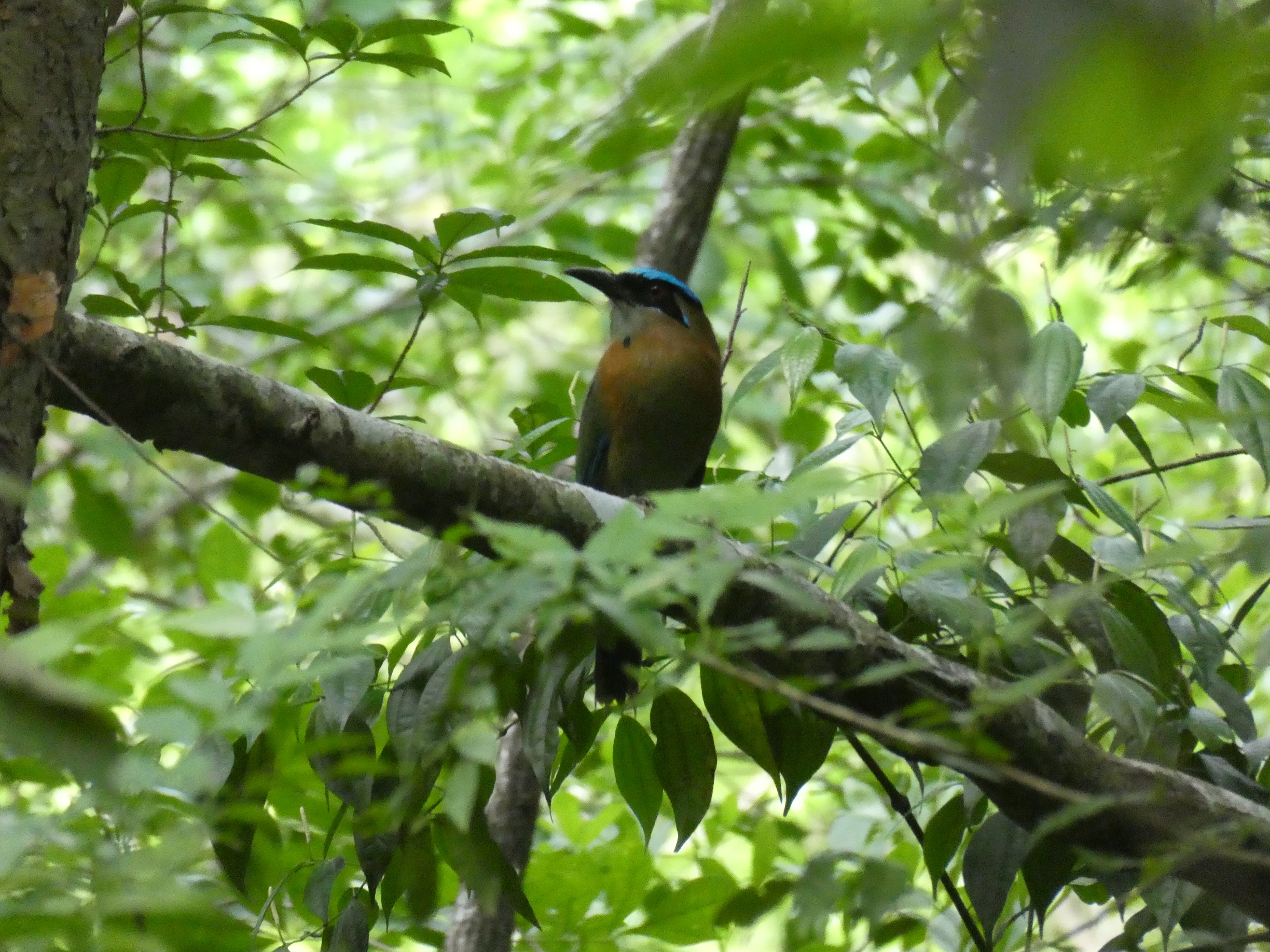
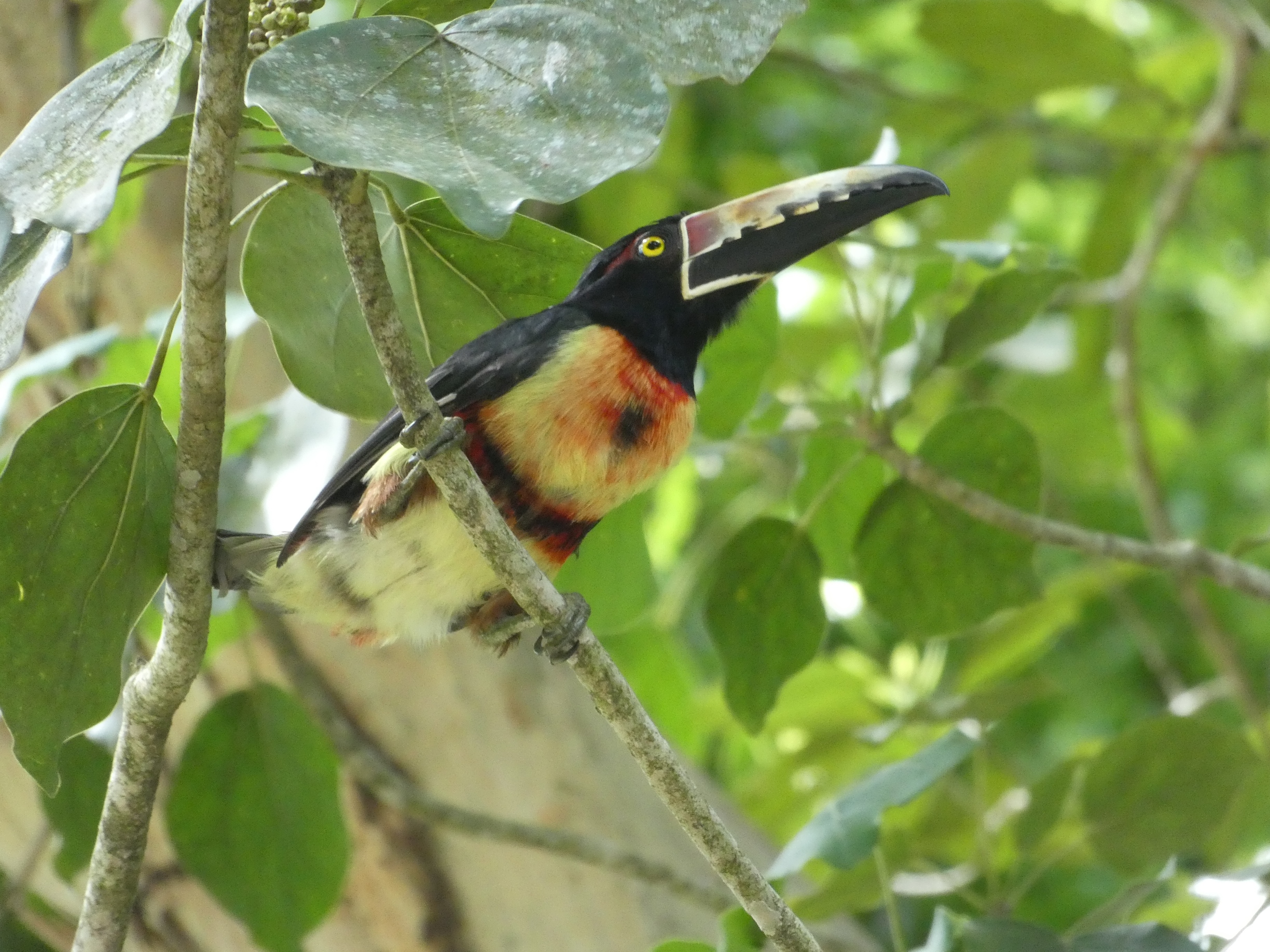
Speaking of guides, this is one of those occasions that I will publicly endorse one. Rony – whose contact details I will include below – ended up being not only very knowledgeable about this complex but also happened to be an ornithologist, and when he found out the three of us were wildlife enthusiasts he took us on a detour through the jungle. We spotted many species of birds that morning, including:

A white-collared manakin.

A blue-diademed motmot.

And some toucans.

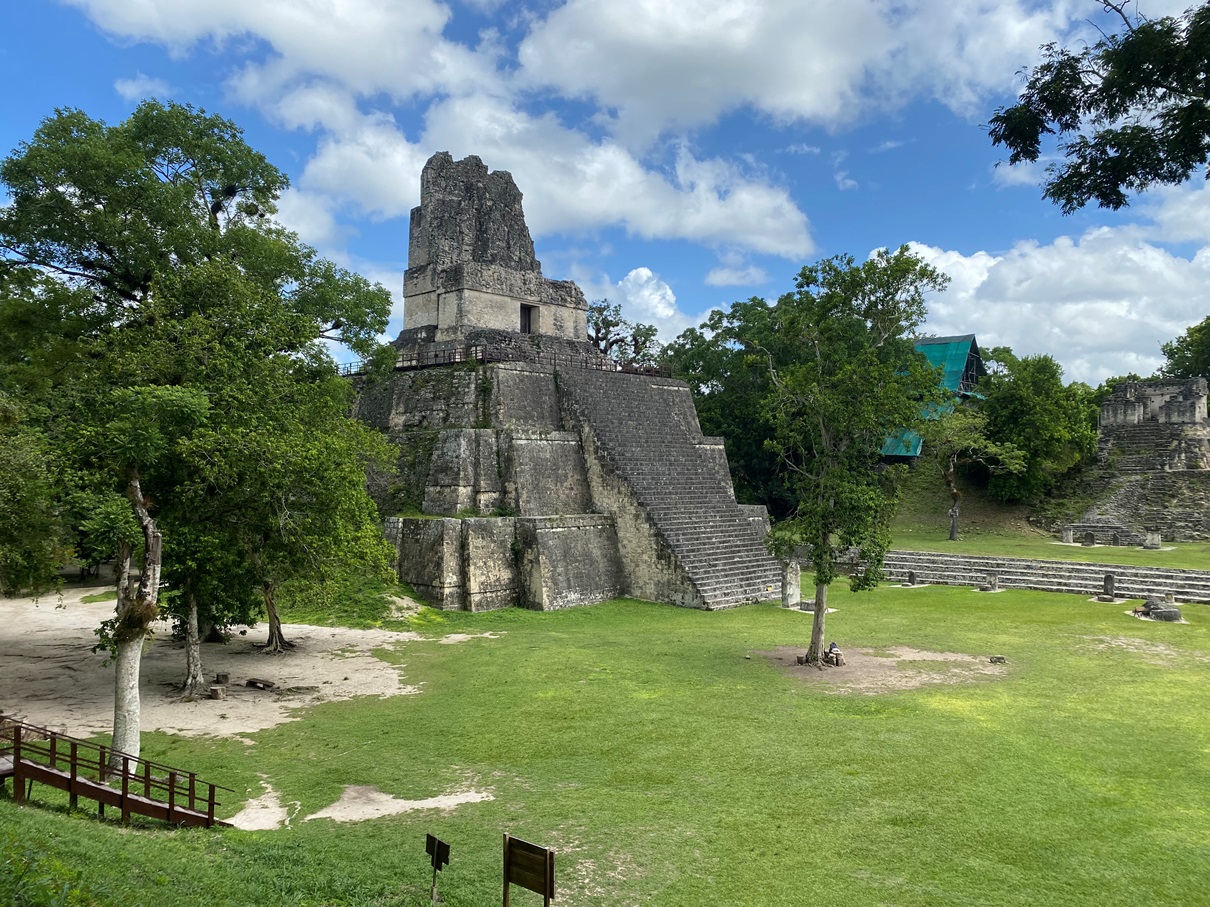
When we got to exploring the actual ruins, we began with a smaller plaza on the eastern side that featured two pairs of pyramids opposite each other. One of them was still – like many Mayan monuments – buried beneath the jungle, but our guide explained that this is not always because they simply haven’t gotten around to excavating yet. Often it is deliberate, as the Mayans built many of their structures from very soluble limestone, and archaeologists want to preserve them.

The other, however, has been excavated and partially restored.

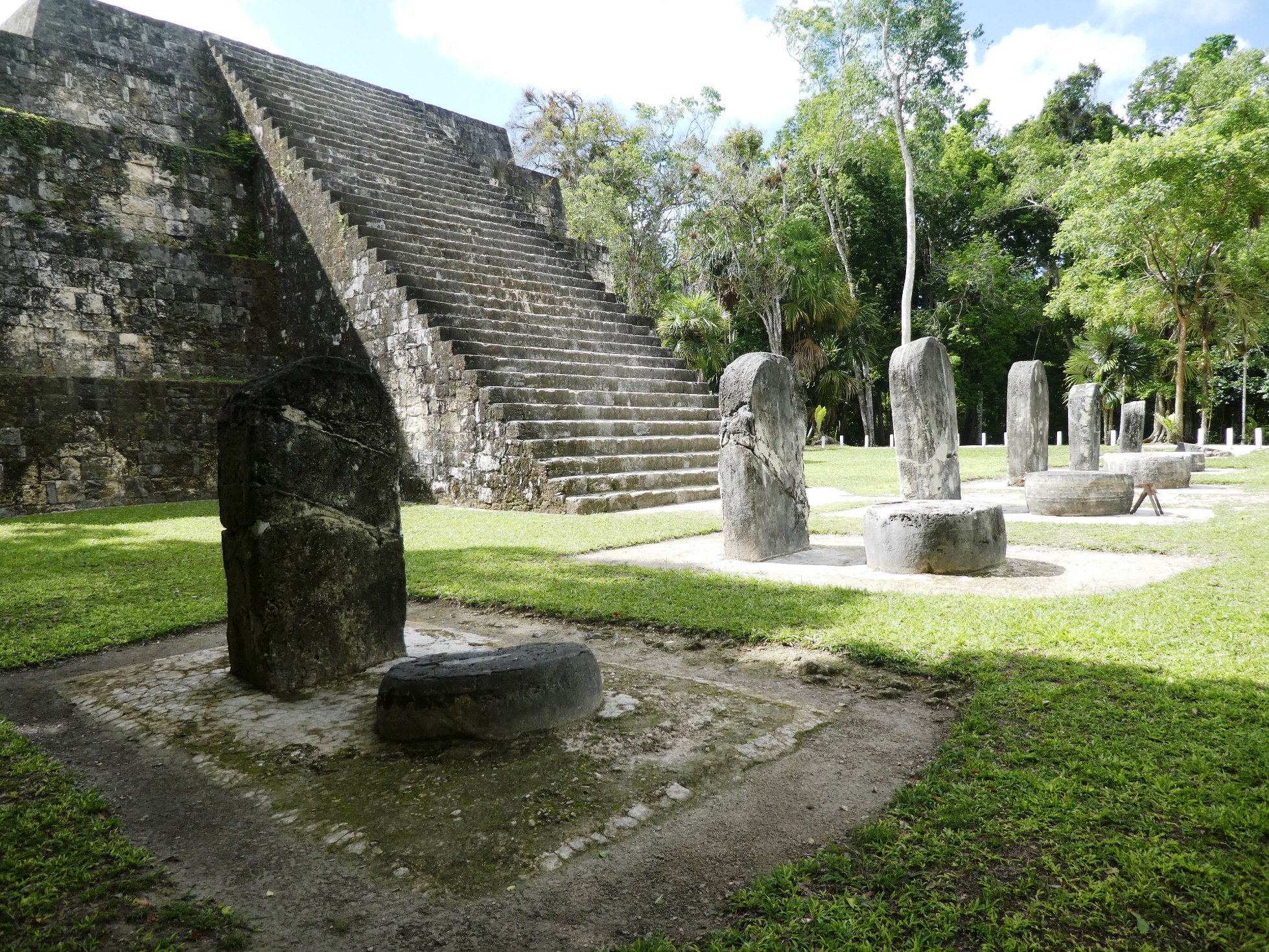
Many of the plazas in Tikal feature steles and ceremonial platforms. The former being where the Mayans recorded their history and bragged about their conquests, and the latter where they made offerings. Historians have translated much of the Maya script – which is why we now know quite a lot about their history and culture – but the cities with access to more durable stone have generally managed to preserve more of their history as their steles are more legible.

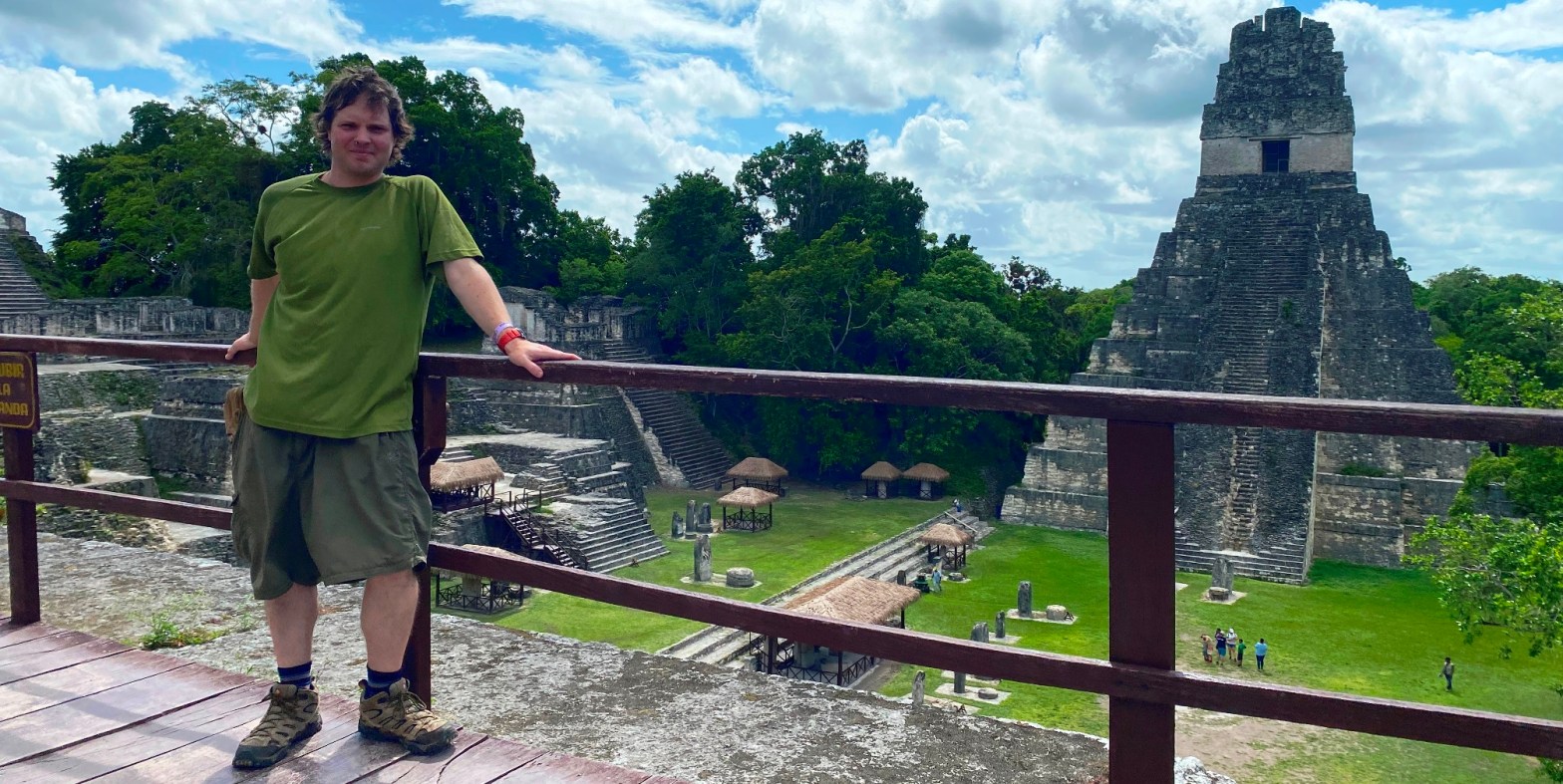
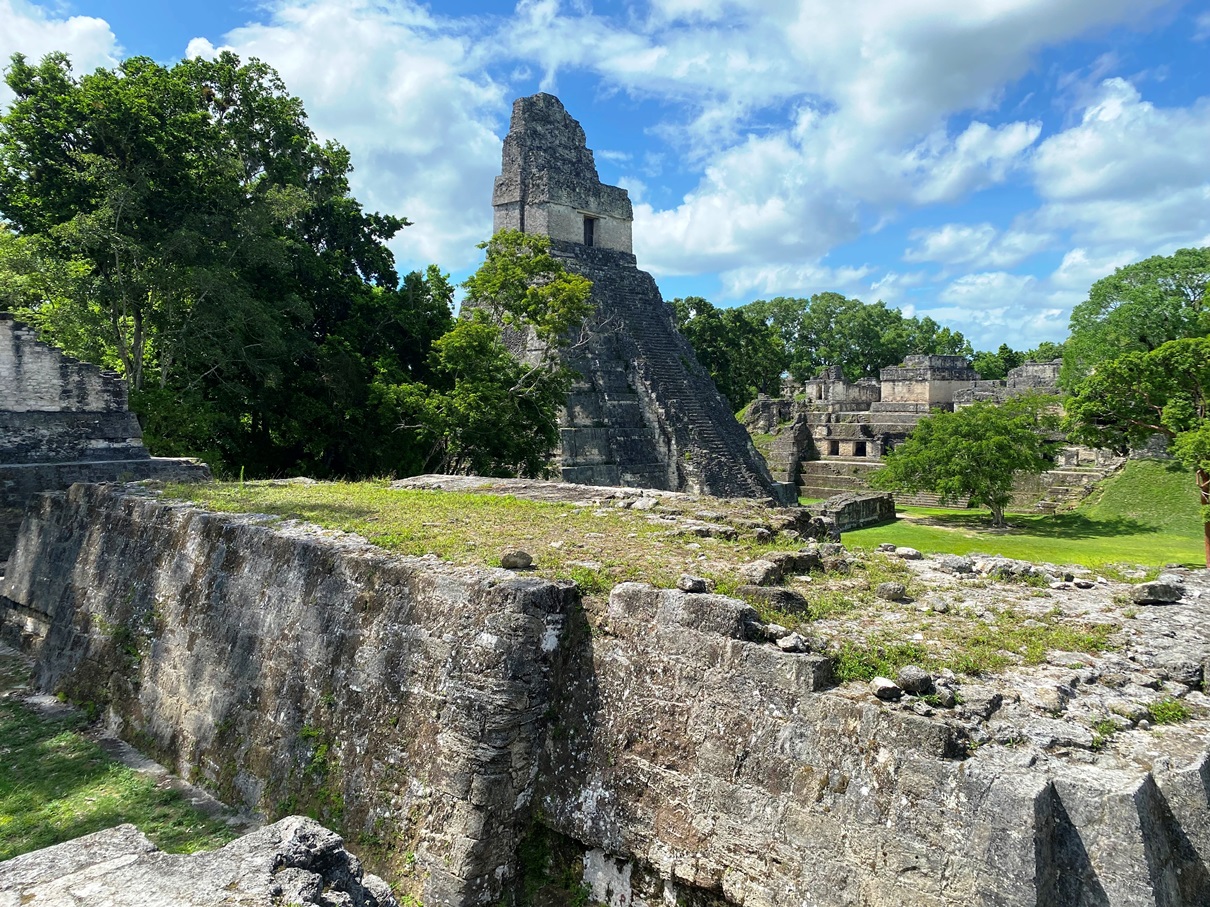
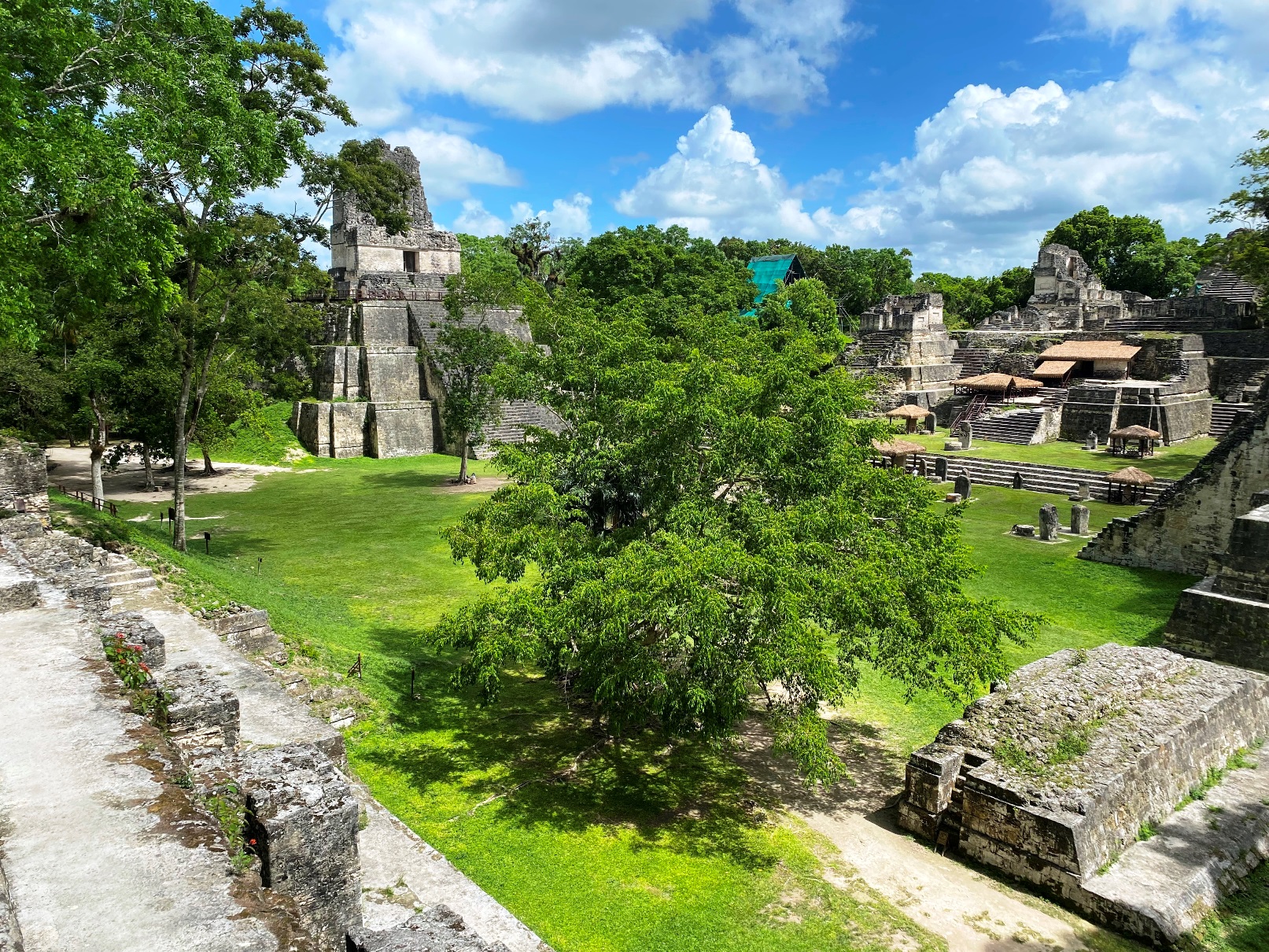
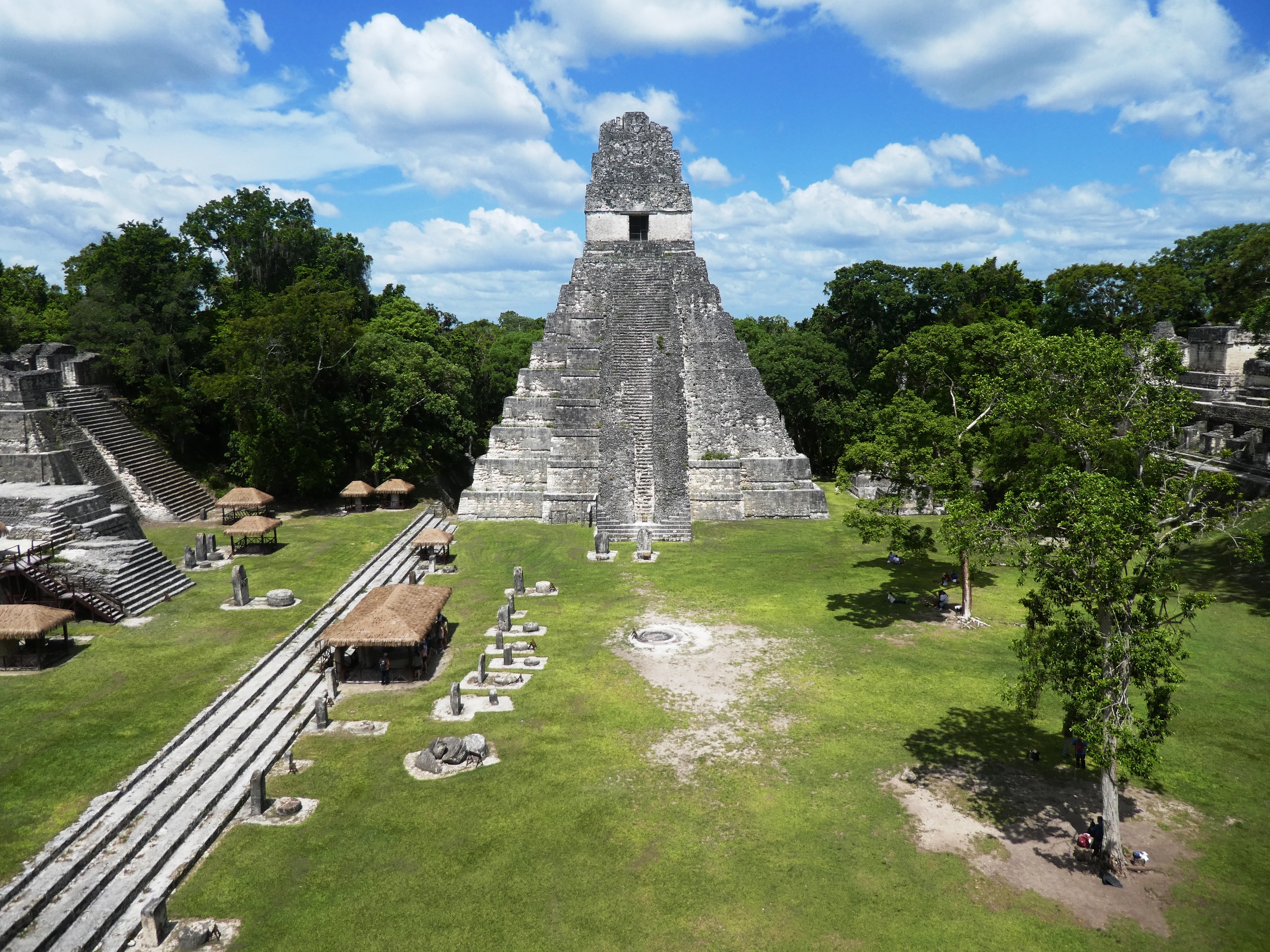
Shortly after this introduction, we made our way to the central plaza, featuring the iconic pair of pyramids that many of you have doubtless seen pictures of before and will recognise. What you don’t often see in the pictures is that there are also two huge acropolises on either side of them.

And the slightly smaller pyramid has wooden steps at the back that you can climb for a view of it all.

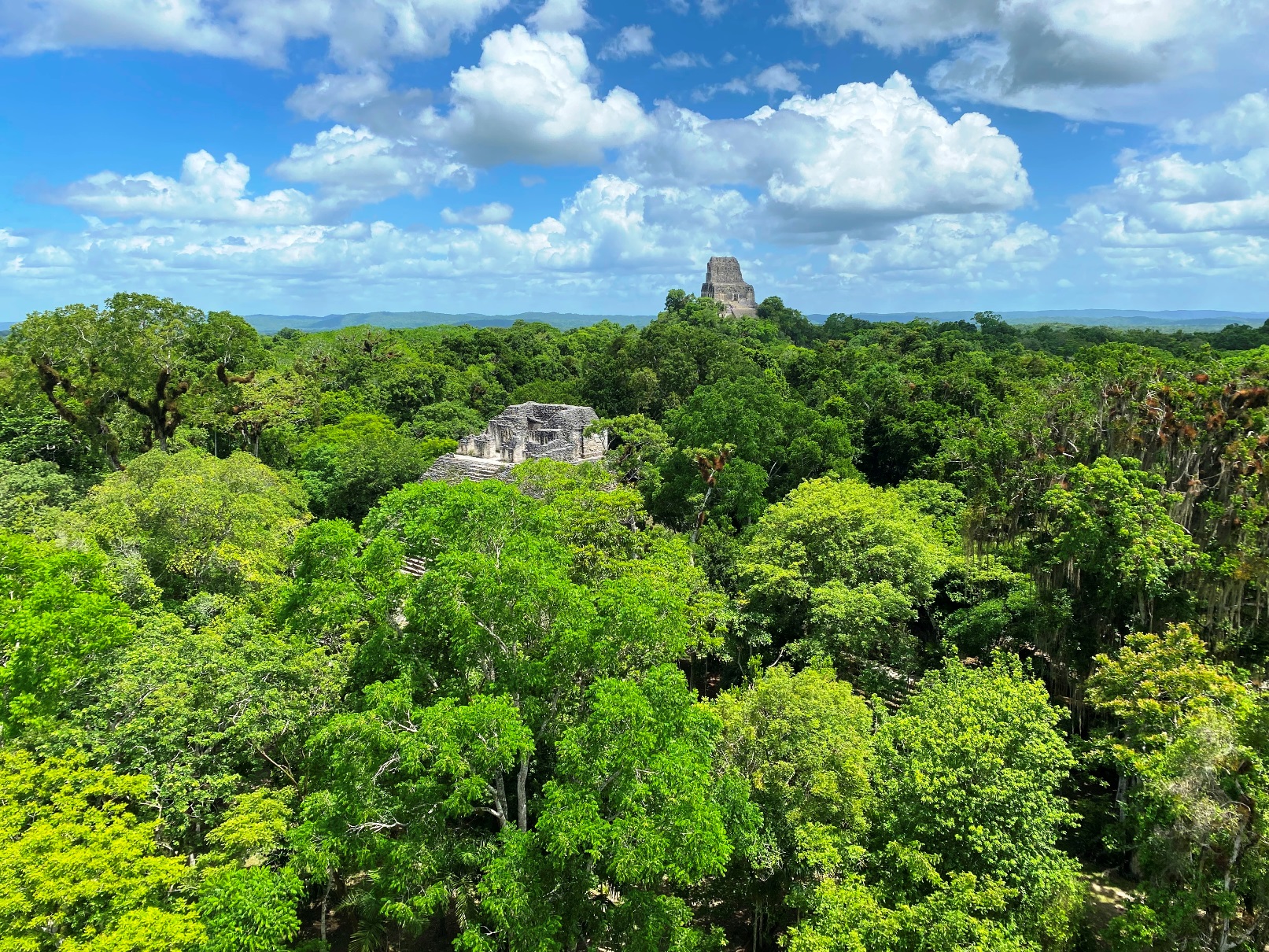
There are several pyramids that you can climb in this complex. I think my favourite was ‘Mundo Perdido’, as it featured a complete panorama from the top, and you could see many of the features of Tikal peaking above the treeline.

After exploring some of the smaller, less excavated plazas, our tour ended and my companions got back onto a bus heading back to Flores, but I had different plans. I was heading to Uaxactun – a village further into the jungle with its own ruins – and this meant I still had a few hours to wait.

I have mentioned here before that there are some positives and negatives when it comes to having a guide or going to places independently. I have been going on more tours than I usually do in Guatemala because the prices have been quite reasonable, and – after you have looked into the logistics of things such as transport – the convenience has often outweighed the difference in cost. Tikal is a site that doesn’t have that much information, so I was glad to have someone to give me context, and I was very pleased with Rony because he gave us a bonus wildlife tour.

But, another thing I will say is to remember that guides cater group tours to a wide range of people with differing levels of mobility and interest, and when it comes to historic places, this often means that guides will skip parts. This is obviously because most people are happy seeing the ‘more notable’ features, but if you are a bit of a geek like me and want to explore everything you might want to consider ensuring you have some free time in the end. I was glad that the circumstances of my visit allowed me this as I got to see some things that I would have otherwise missed, including this incredible pyramid.

I would have also missed this amazing stucco by the central plaza.

As well as some smaller places that were admittedly not as dramatic but still lovely, and I had entirely to myself.

When the end of the afternoon came, I returned to the entrance and waited for the bus to Uaxactun. There is only one each day, and it passes by Tikal in the late afternoon. It is primarily for residents, so by the time I got on it was crammed with not only people but sacks of beans and other supplies. The conductor gestured for me to sit on a crate of Coke bottles.

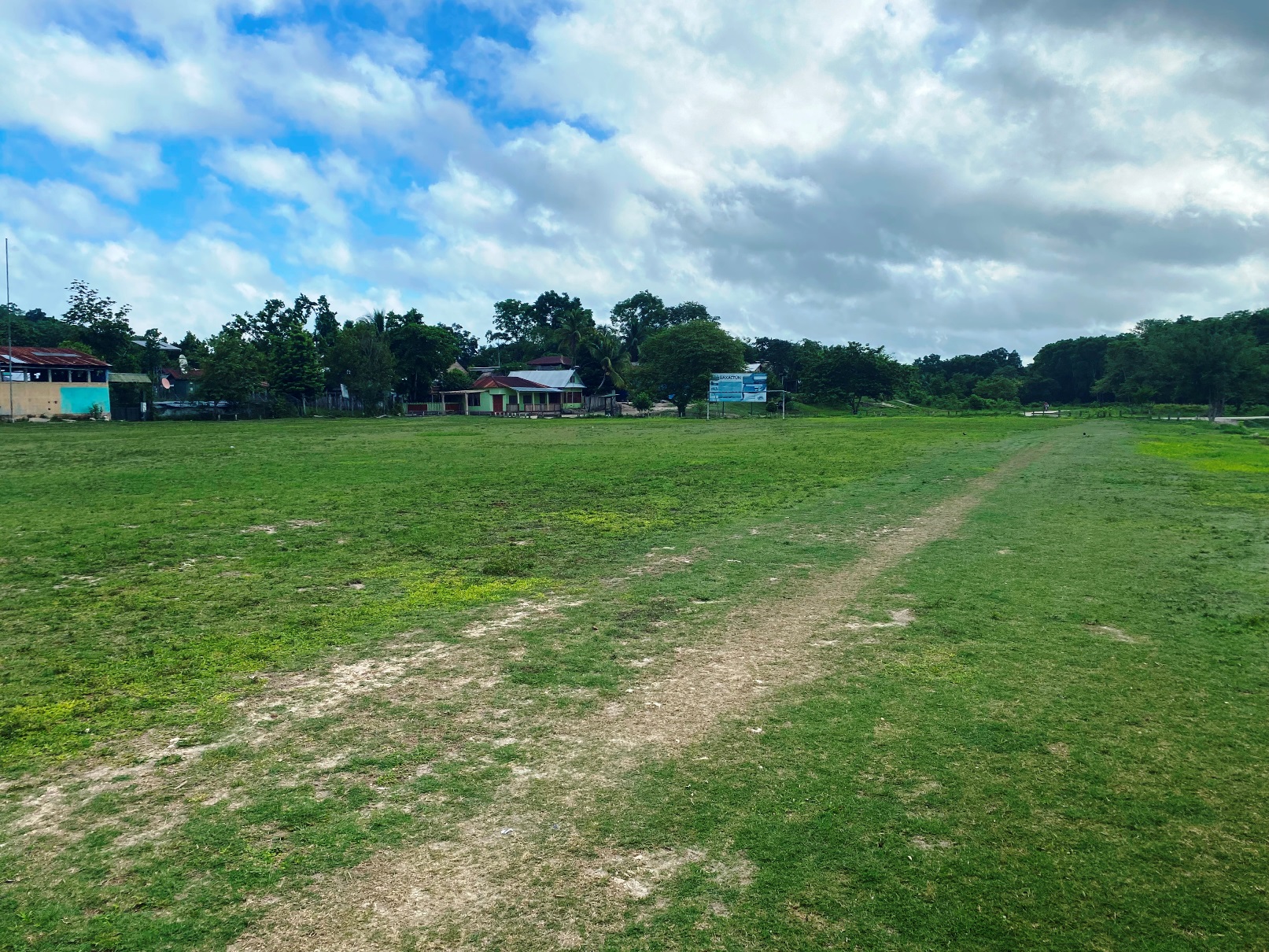
It was almost evening when we arrived, and I could immediately tell this was a very tight-knit community. Everyone seemed very familiar with each other, and the bus dropped off most of the passengers outside of their houses. This meant I got to have a little tour of the village. Its central feature appears to be an old runway for a disused airport that the villagers have appropriated and filled with football pitches and other community spaces.

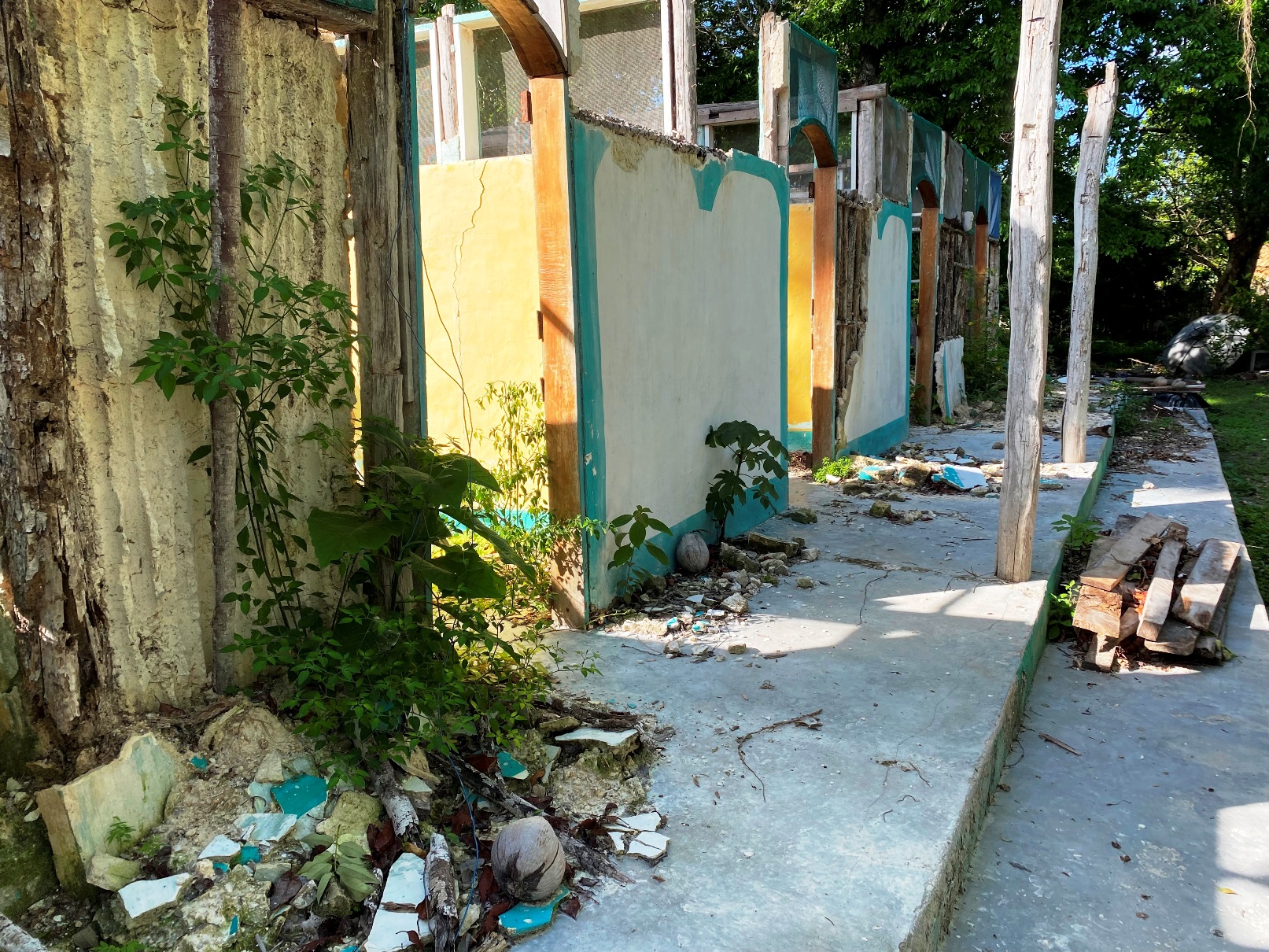
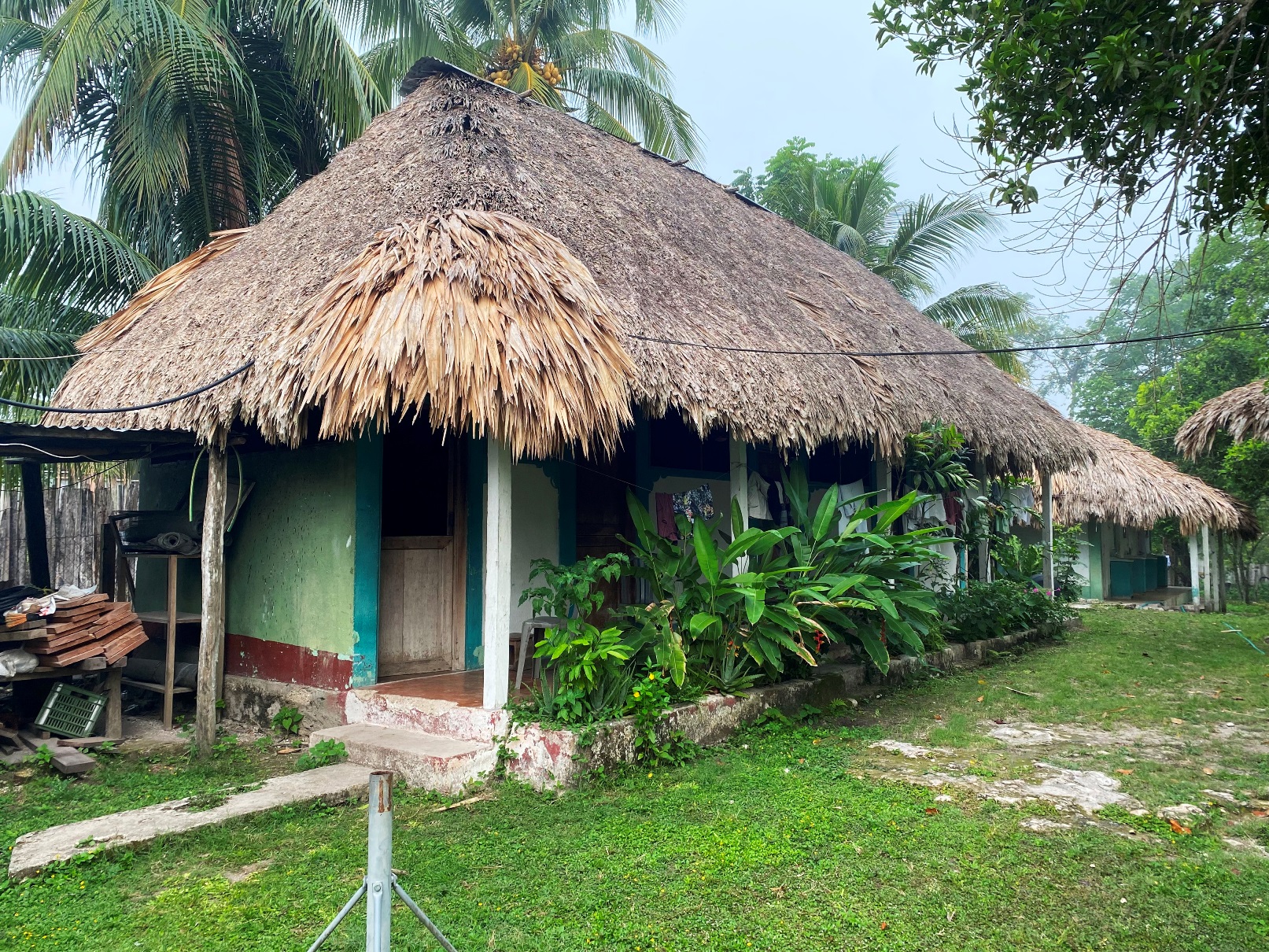
Uaxactun only has one place for visitors to sleep: a hotel called El Chiclero. Its owner was the wife of one of the archaeologists who excavated the ruins, but she was away during my stay, and her brother was looking after the place. It looked a bit rundown, and there was an entire building that looked like it used to be rooms for guests but was now just a shell. Luckily they had a place for me in another block. I could tell that I was their first visitor for a while. When they led me to my room, I opened the door to find a girl hurriedly dusting off the pillows and sheets.

I ate dinner at Uaxactun’s only restaurant, and it seemed very much like I was the first customer they’d had for a while. I didn’t have time to do anything else that evening besides shower and sleep. The mosquito guards on the walls and ceiling of my room had lots of holes, but it was too late to do anything so I had to make do. I put some repellent on my shoulders and arms and hoped I would get through the night reasonably unscathed.

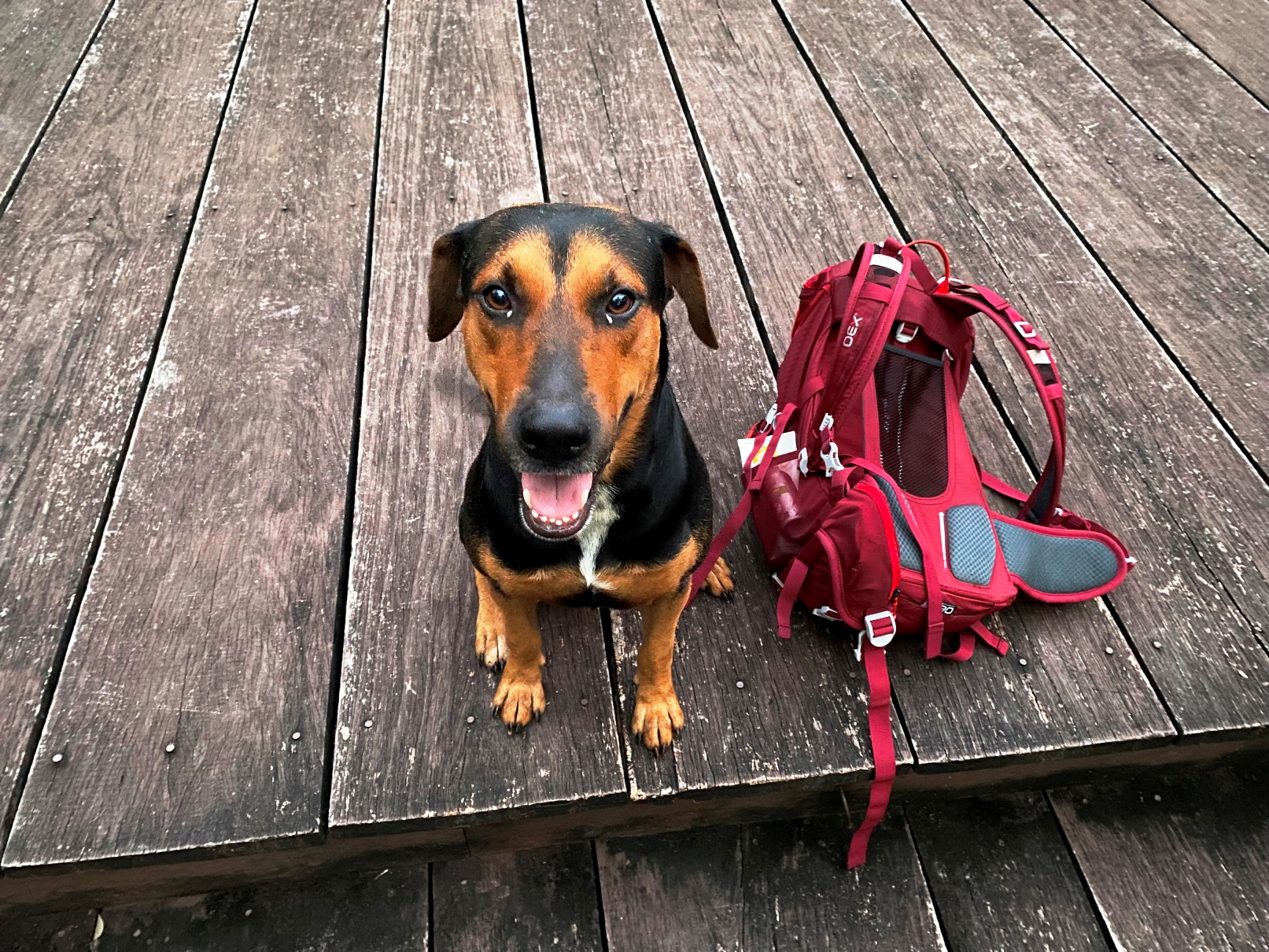
The following morning I got up early to watch the sunrise from one of the archaeological sites outside the village: something that Rony – my guide for Tikal – recommended. El Chiclero had a resident dog called Rocky who followed me.

This place is believed to be an astronomical observatory because it features a pyramid overlooking three edifices. During this time of the year – close to midsummer – if you sit on the pyramid, you can watch the sunrise from behind the edifice to the far left. It was a bit cloudy that morning, so I saw this as a general haze of light rather than the sun in its full magnificence.

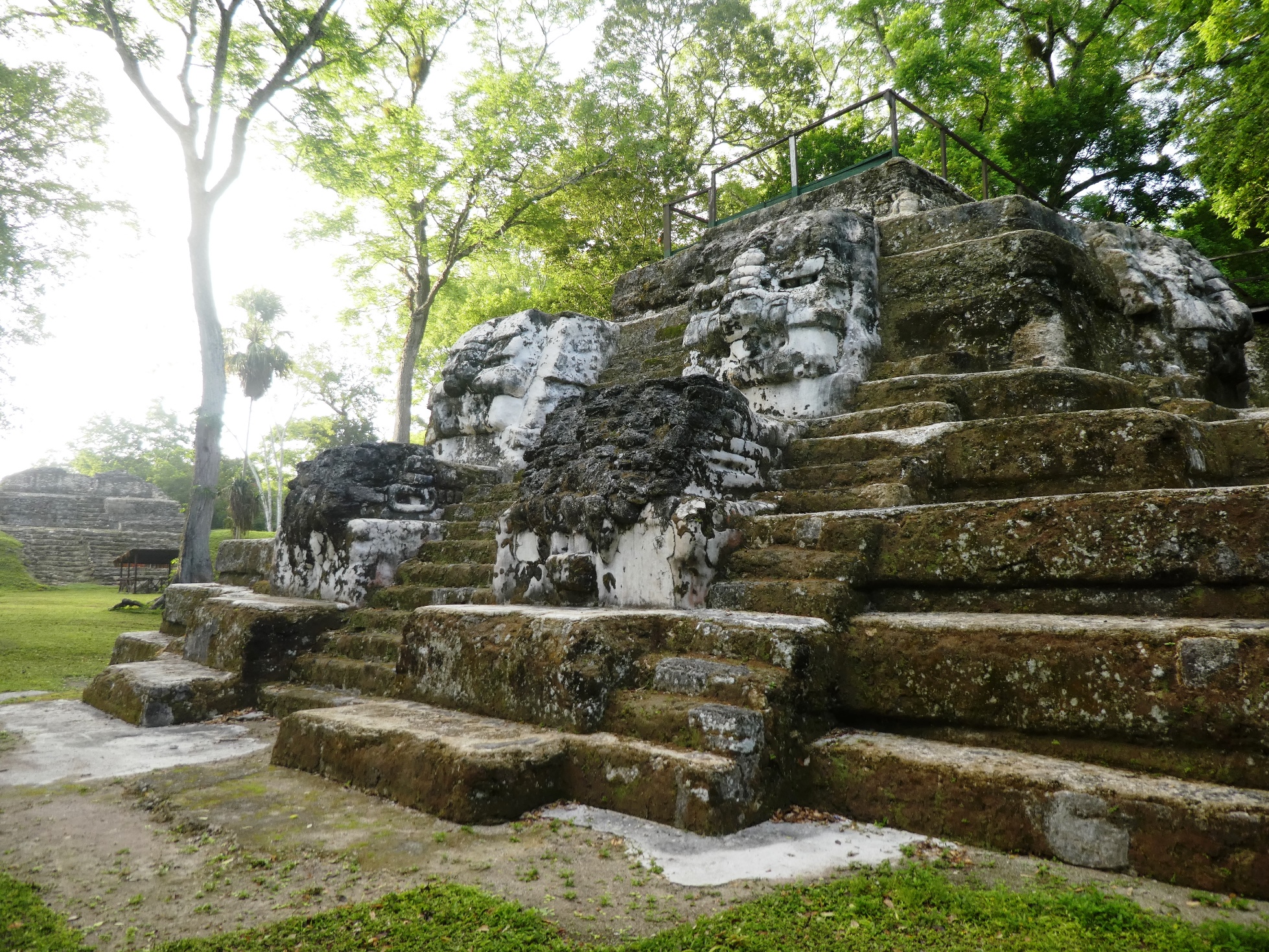
But I did get to hear the dawn chorus, and as the area around me brightened, I also saw more of the site. I think my favourite feature was the stucco faces on the pyramid.

Rocky remained my loyal companion for the rest of the day. He did occasionally get a little excited at the sight of monkeys – and would start barking – but when it came to birds he was relatively chill and didn’t scare too many of them away.

The astronomical observatory is one of several sites excavated by archaeologists during the 1920s and 30s. They designated it as ‘Site E’, and nearby I saw a sign for a place called ‘Site H’, so I followed the trail only to find it had many forks that weren’t signposted. After getting lost for a couple of hours, I eventually gave up and returned to the village. One of the locals later informed me that many of Uaxactun’s ruins have been reclaimed by the jungle. It was possible I had walked over ‘Site H’ and not even known it. The only other sites that are still explorable – besides the astronomical observatory – are known as ‘A’ and ‘B’.

So that is where I went next, and conveniently these two were both easy to find and close to each other.

I don’t think I have ever been to somewhere like Uaxactun. Usually, when somewhere becomes notable for tourism it becomes a story of development and if you read a travel guide printed more than a year or two ago the swiftness of it can often be startling. With Uaxactun, I feel like the opposite has happened. Either people have stopped coming here, or perhaps they built all this infrastructure because they thought it would become more popular than it actually became, and now there are not enough visitors to keep them all maintained and running.

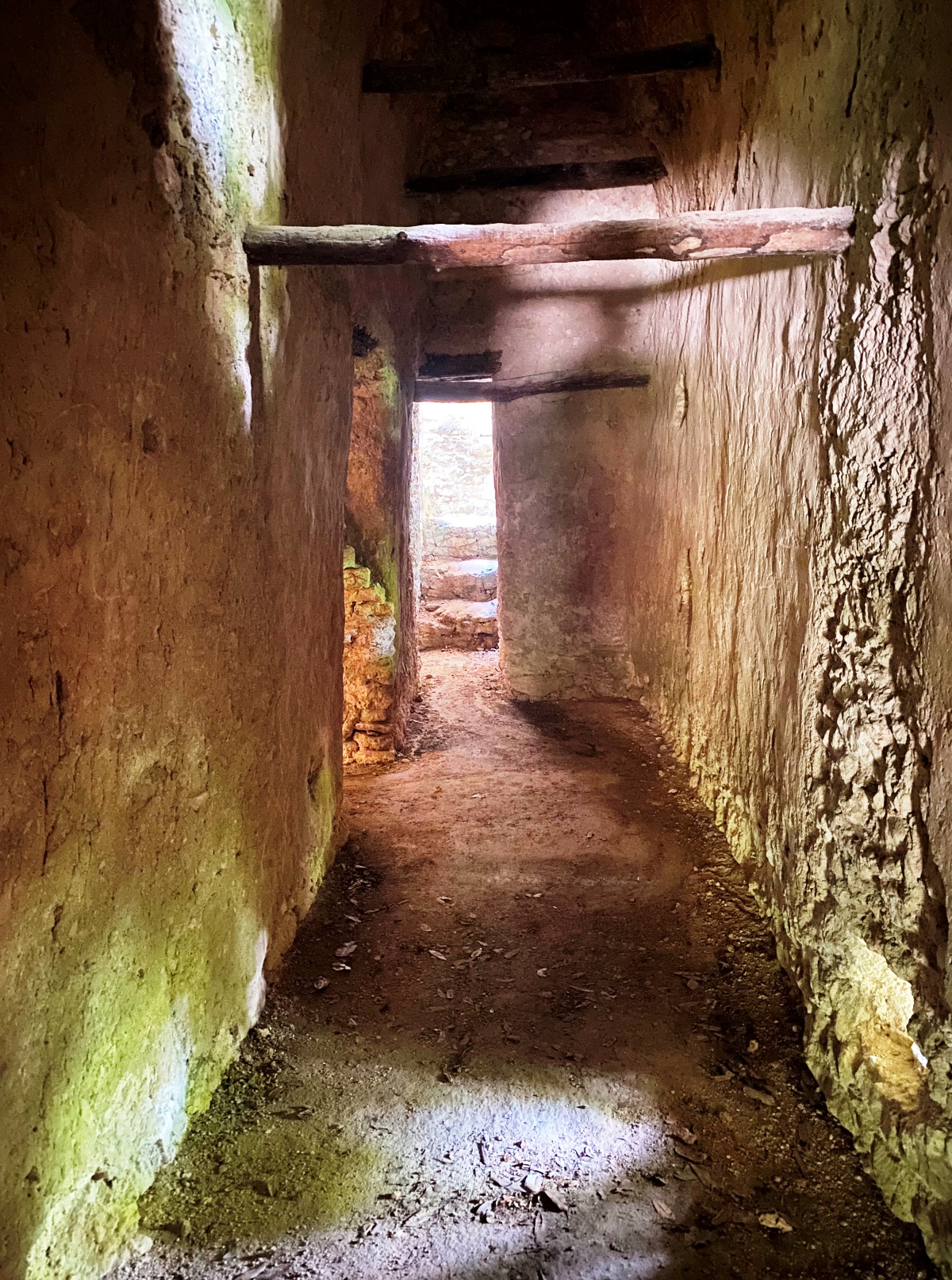
Despite this, I am glad I came here. The ruins are not quite as dramatic or photogenic as Tikal, but they have some features that its more famous neighbour doesn’t. I have already mentioned the amazingly preserved stucco faces on the pyramid in the astronomical observatory, but there are other things such as a series of inner corridors at the top of the ‘palace’ structure in site A.

And there is also the fact that the visitors who do come will almost certainly have the entire site to themselves, which makes for a lovely atmosphere.

The site also features many placards giving information (in both Spanish and English).

And then is also the village. After visiting both sets of ruins, I went for a little walk along the airstrip, and all the locals were friendly and keen to start conversations with me.

Later, when I returned to El Chiclero, I also chatted with Antonio – the brother of the owner – for a while and found out why the place looks a bit rundown. The roof collapsed for one of the blocks of rooms a year ago, and they are still in the process of dismantling the remains before building new ones. I am guessing the pandemic has not helped as repairs cost money and I imagine there has been very little coming in over the last few years.

I don’t want this blog to put people off coming to El Chiclero as I am sure it will be amazing once they fix it up again. I came at the worst possible time: during a time of renovation in the low season and whilst the owner was away. She could have closed the place completely – and not risked her reputation – but that would have left me stranded, so I appreciate she made arrangements to stop that from happening. I still had a clean bed to sleep on, the toilet flushed, and the shower worked. The only thing I will complain about is that they need to either fix their mosquito guards or put nets in the rooms, as I did get bitten a bit that first night. The second night I was better prepared and spent some time stuffing toilet paper and plastic bags into all the holes and gaps before it got dark.

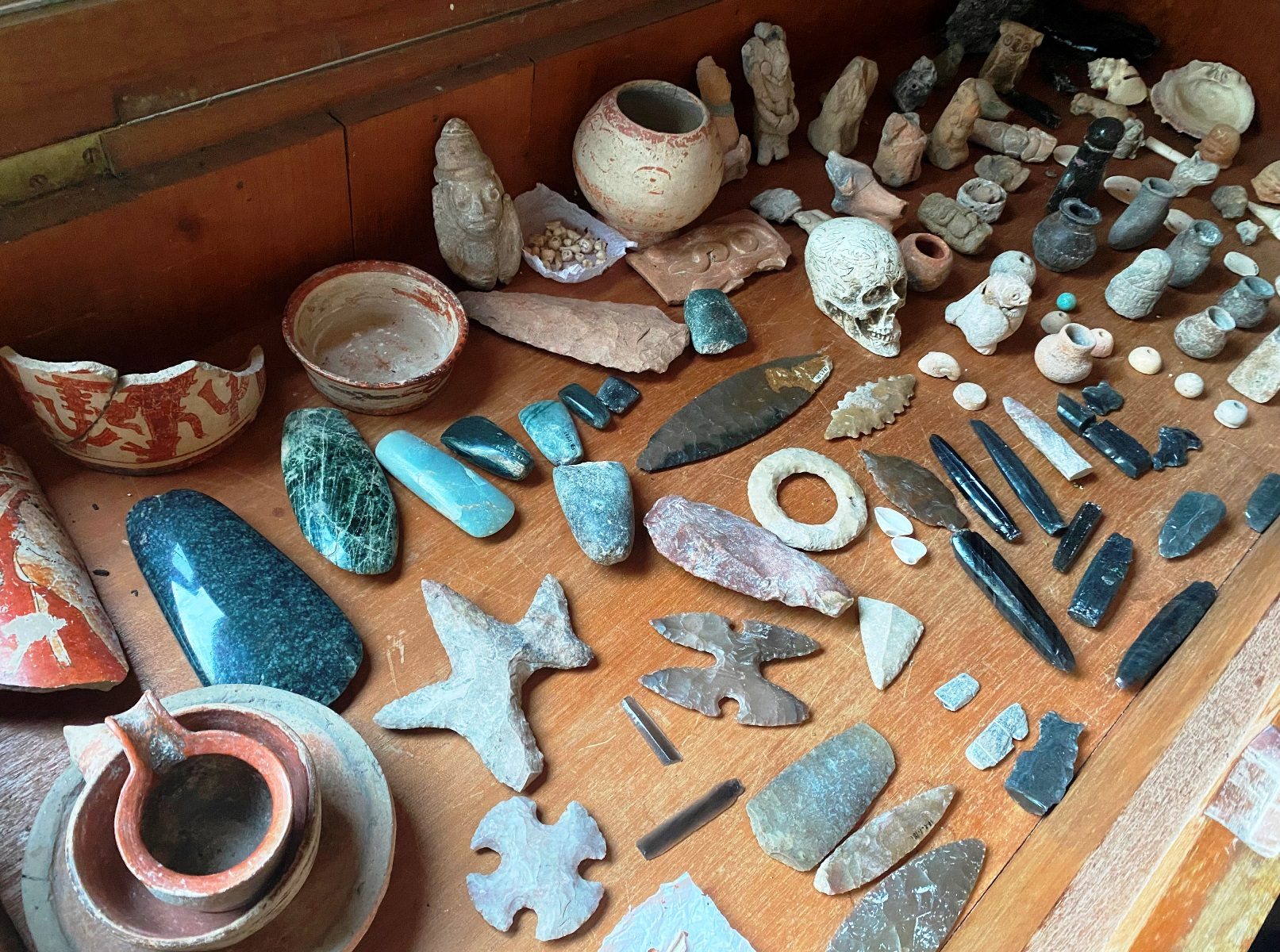
Did I mention that El Chiclero has a museum? One of the cool things about staying here is that it is also home to a collection of artefacts from the area. The building is currently also being used to store beds until the new rooms are ready, but if you ask they will still let you in and show you around.

I am very glad I came to Uaxactun. Both the village and its ruins are lovely, and it was nice to get off the beaten track for a couple of days. More people should come here.


If any of you are interested in hiring Rony as a guide he can be contacted by WhatsApp on this number (+502 4910 2118). He is highly recommended by me not only for his knowledge of Mayan history but also for the local wildlife, and he offers both group tours through local agencies and private tours to various places.


Click on the hyperlinks for more photos from Tikal and Uaxactun.


Travelblog LA#15: Flores & Yaxha – Guatemala

5th – 8th July, 2023


Getting to the north of Guatemala from Lake Atitlan is a long journey. First, I had to catch a shuttle bus from Panajachel to a bus station in Guatemala City. From there, several night buses leave each evening, but none have functioning websites so I had to turn up early to ensure I got a seat. It is possible to make reservations on the phone, but if your Spanish is not fluent, this will be almost impossible as the people on the other side talk very fast.

I hoped that by turning up at the station early I would have a chance of getting one of their more comfortable ‘luxo’ seats on the first floor – perfect if you are travelling solo, as you can get one of the solo seats on the right-hand side – but those were all sold out, and even the second-floor seats were rapidly disappearing so I snatched one leaving at 8 pm. The bus station was a bit of a dive, which made me nervous about what the bus would look like, but it wasn’t too bad. I found myself sitting amongst a family who was friendly enough, the air conditioning worked, and my seat reclined just enough for me to get a bit of sleep before I found myself woken up at 5 am in Santa Elena.

It was only a twenty-five-minute walk from there to Flores, a small island on Lake Petén Itzá. It was understandably too early for me to check in to my hostel, so I left my bags there and decided to visit one of the attractions nearby. Actun Kan Caves.

Most tourists who come to this area stay here for two nights, book a tour to Tikal – its most famous ruins – and then leave, but I think they are missing out as there are other reasons to stay, and these caves are one of them. The admission cost was cheap and included a helmet fitted with a head torch. There are lots of caverns to explore, but the place is well signposted – a good thing as I can see how someone could easily get lost in here – and it is also home to many bats.

After that, I took things easy that first day. There were a few reasons for this. I was tired after my journey, and after several weeks in the highlands I was back in a tropical region again and had to acclimatise to the heat. I also had some work to do as my publisher had just sent me the first round of edits for Blood War – the third instalment of my Avatars of Ruin series – which is due to be published early next year, so I will be travelling a bit slower for a while.

On my second day in Flores, I went out for a while and caught a boat to a village called San Miguel on the opposite side of the lake. The nearby peninsular is home to some trails and a mirador overlooking the area.

There is also a Mayan site here called Tayazal. It is not very well known because most remains are still buried beneath the jungle, but you can see the signs from all the artificial mounds dotted about the place. I think the local authorities have plans concerning this area because I came across an excavation site and an incomplete boardwalk. It seems a place to watch over the coming years.

San Miguel is also home to a museum of Mayan artefacts. The place does look like it could do with more attention – as it is currently a bit short on displays and in a state of disrepair – but it is free, and the staff are friendly. I was its only visitor, and the attendant was very talkative and open to questions; it was almost like getting a free tour.

By my third day, I decided it was time to start exploring some of the Mayan ruins this area is known for, but with the weekend approaching I didn’t want to go anywhere near Tikal – as I knew it would be busy – so I instead went to the less explored Yaxha.

These ruins are on the shore of a lake with the same name, close to the Belize border. There are currently no transport options, so unless you have a vehicle your only option is to go on a tour. Luckily, these are reasonably priced and include a guide.

When I arrived, the guide told us about an optional trip to see a set of smaller ruins on an island in the middle of the lake; news somewhat sprung upon me, so I didn’t have much time to make an informed decision. I decided to give it a miss. It was a bit pricey, and I liked the idea of having some extra time to explore the main site of Yaxha by myself. After the others returned, I did speak to some of them, and it sounded like the journey across the lake was quite enjoyable, but the ruins on the island weren’t much to write home about. I don’t think there is a wrong or right choice when it comes to this, but I am personally happy with the decision I made.

I didn’t know what to expect from Yazha, but it was a surprisingly extensive network of acropolises, plazas, and pyramids dotted through a jungle teeming with primates – mostly noisy howler monkeys but also some spider monkeys too – which only added to the atmosphere.  

There are several pyramids that you are allowed to climb, which makes for some great views.

We also passed by the court where the famous Mayan ballgame was played. Almost all large Mayan sites have these, but – like much to do with the Maya – some of the details of this game are a mystery. It is believed that the players were only allowed to touch the ball with their hips and shoulders, and there was a strong ritual aspect. I do not have the authority to weigh in with my opinion on this, but there seems to have almost certainly been some form of sacrifice made at the end of the game, and it was the winners – rather than the losers – that were the offering. What kind of form this ‘sacrifice’ took is still debated among historians, but my guide seemed to believe that it was one of blood (or expendable body parts such as ears and noses), so the players got to live afterwards.

One of the most intriguing things my guide revealed during the tour was that this little hollow is the oldest known part of the complex. This site was in use for thousands of years – from the pre-Classic to the late-classic – and many Mayan pyramids have hidden layers because they often build over them again and again throughout the generations.

Our tour ended with us climbing Yaxha’s tallest pyramid, from which one can watch the sun setting over the lake. It was cloudy that evening, but we got to see some nice colours ignite the horizon as well as some birds.

Overall, if this is one of the lesser-known Mayan sites, then I think I have a very rewarding few weeks ahead of me, and I am excited to see more.


Click on the hyperlinks for more photos from Flores and Yazha.