Paperback version of The Janus Cycle now available!

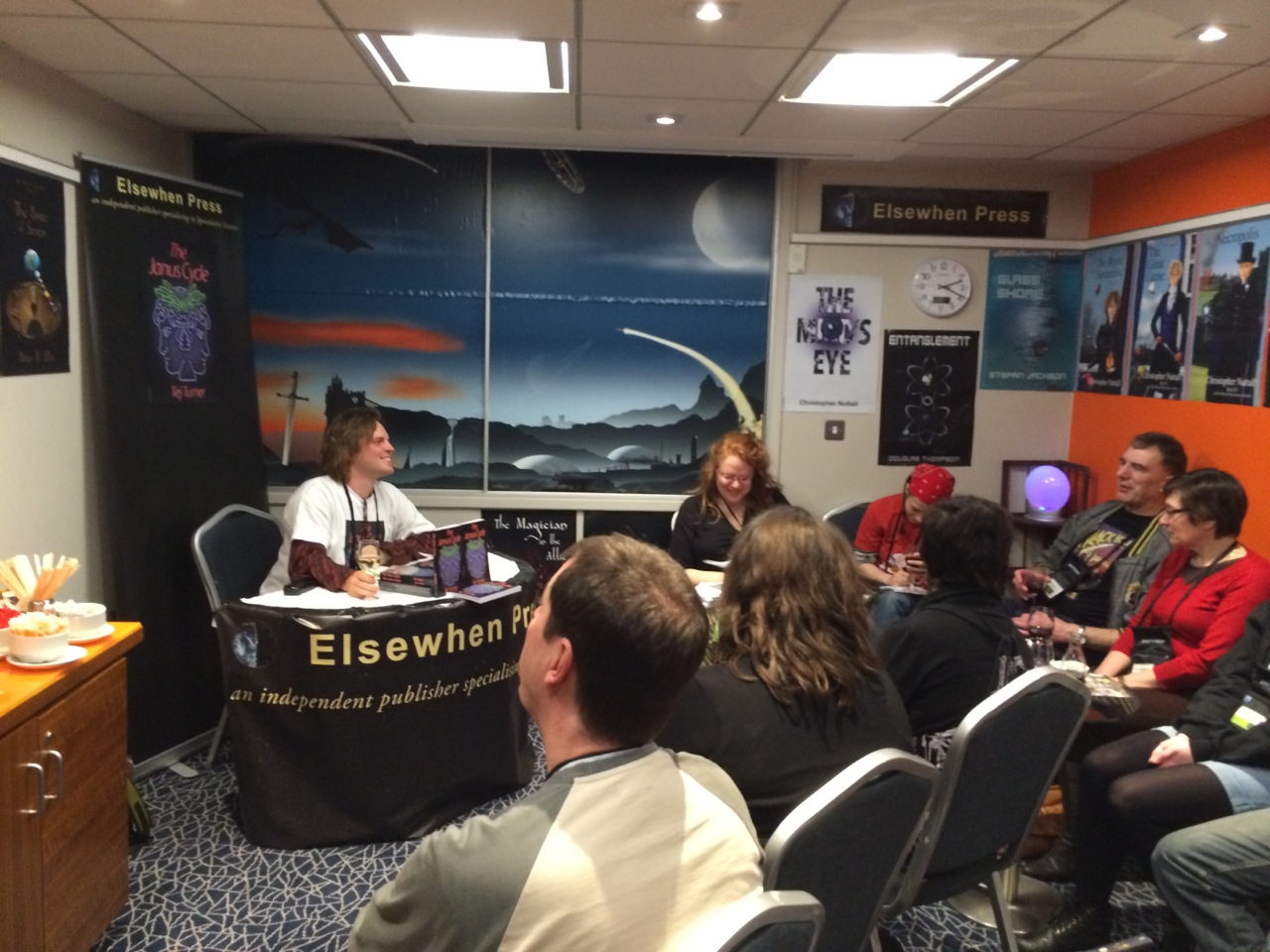
On Sunday the 5th of April the paperback version of The Janus Cycle was launched at EasterCon 2015 event Dysprosium. Wine was drank, I read out a short extract from the book where people generally laughed at all the right moments (which is always a good sign), and we managed to sell many copies over the weekend.

IMG_1726


Released at the beginning of the year as an ebook, The Janus Cycle is my debut novel and it has received a 5* review from the online magazine RisingShadow. A physical copy can now be delivered to your door if you order it online either through Amazon (in the UK, US, and Canada) or directly from the publisher via the Elsewhen Press Purchasing Portal (worldwide).


The Janus Cycle

9781908168467The Janus Cycle can best be described as gritty, sexy, surreal, urban fantasy.

Janus is a nightclub. But it’s not merely a location, it’s virtually a character in its own right. On the surface it appears to be a subcultural hub where the strange and disillusioned, who feel alienated and oppressed by society, can escape to be free from convention. Underneath that façade is a surreal space in time where the very foundations of reality can be twisted and distorted. But the special, unique, vibe of Janus is hijacked by a bandwagon of people who choose to conform to alternative lifestyles simply because it has become fashionable to be ‘different’ and this causes many of its original occupants to feel lost and disenchanted.

The story unfolds through the eyes of eight narrators, each with their own perspective and on their own personal journey. A story in which the nightclub itself goes on a journey. But throughout, one strange girl briefly appears and reappears, warning the narrators that their individual journeys are going to collide in a cataclysmic event. Is she just another one of the nightclub’s denizens, a cynical mischief-maker out to create havoc, or a time-traveller trying to prevent an impending disaster?

Traveblog#52: Trekking the Himalayas Part 3 (Helambu Trail) – Nepal

To read the other parts of my trek through the Himalayas click on the following links: Part 1 (Langtang Valley Trail) and Part 2 (Gorsainkunda Trail).


18th-19th March, 2015


Day 8

In the morning my foot was still a little painful but I could walk again, so it seemed that it was luckily just a sprain. Not wanting to shirk my good fortune, I left Ghopte straight away.

???????????????????????

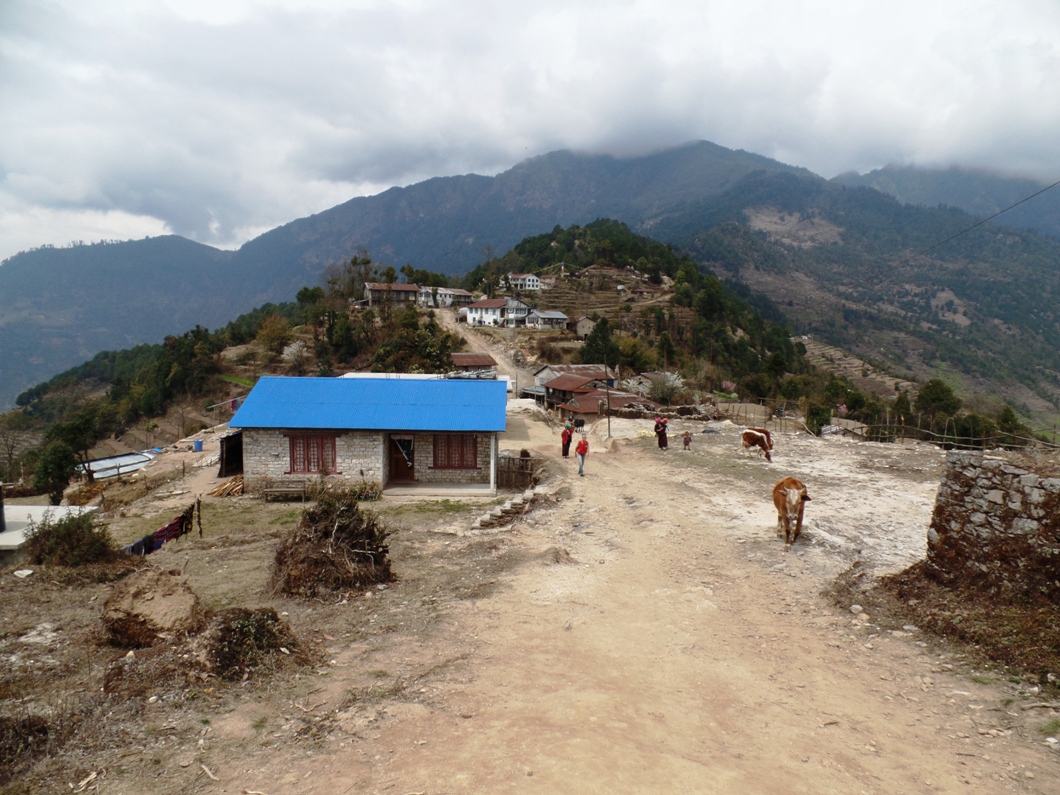
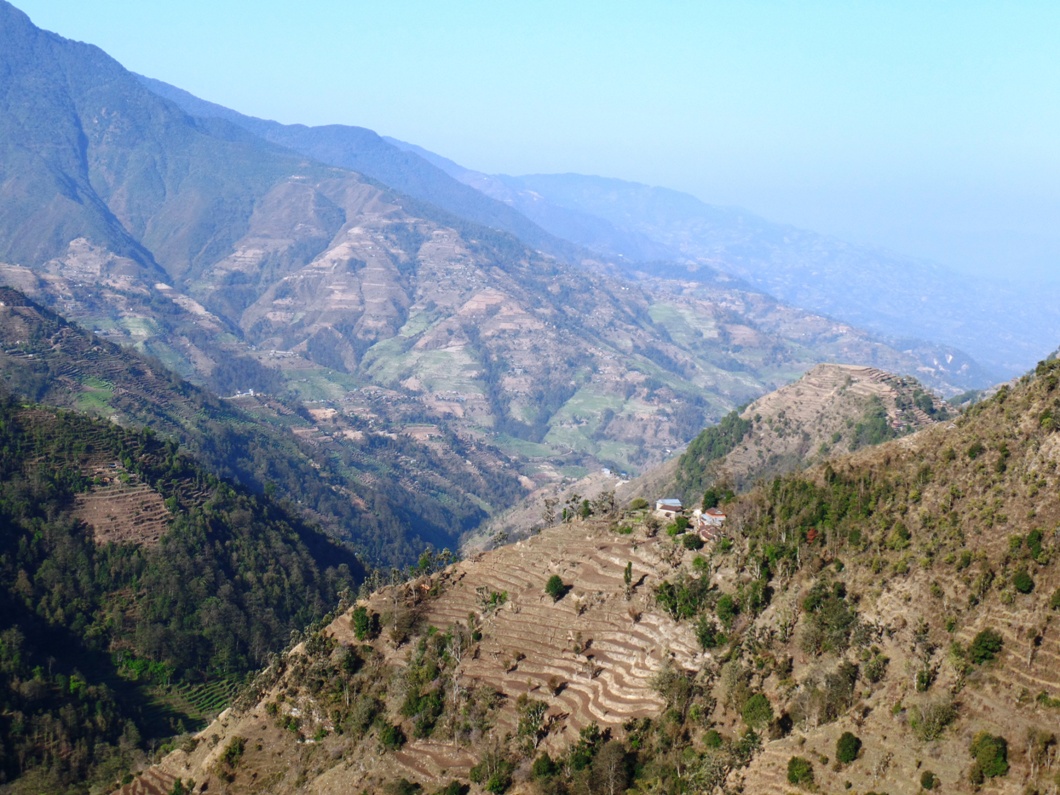
Within an hour and a half I reached Therapati Pass; a village where the Gorsainkunda tail ended. I was on the Helambu trail now, heading south, towards Kathmandu, steadily reaching lower altitudes. The snow gradually faded. Trees became abundant. White-coated mountains became steadily replaced by farms, forests, and rice paddies.

???????????????????????

I crossed paths with many people along the way. “Did you go through The Pass?” they all asked me. “Is there still snow?”

I told them that there was deep snow but, as long as they get there before it snows again, there were footprints they could follow. The Pass was open again.
???????????????????????

I walked for nine hours that day, but it was generally more downhill than uphill so it wasn’t too exhausting. My body was acclimatised to much higher altitudes, so this new kind of terrain felt like a breeze.

???????????????????????

I reached Chipling at around 4pm and had a quick wash before I sat down to eat. Clouds appeared and it began to rain heavily, and thunder. I thought about all those people I met that day who were attempting The Pass, and hoped they had made it safely.


Day 9

At this point I was looking forward to getting back to a nice hotel in Kathmandu so I got up early and left.

???????????????????????

I crossed a valley and a few villages that morning, and by the time I reached Chisapani I had acquired an entourage of dogs, who escorted me to the entrance of Shivapuri Nagarjun National Park – the last stretch of my journey.

???????????????????????

It was a gradual uphill climb for the first hour, through a wonderful forest. When I reached the top there were some spectacular views of the Himalayas – where I had just come from.

???????????????????????

And then it was all downhill for a couple of hours until I reached Sundarijal, where my trek ended. Tired, weary, smelly, and carrying a sweaty bag full of dirty clothes, I climbed onto a bus to Kathmandu.


For more photos from Helambu, click here.

Travelblog#51: Trekking the Himalayas Part 2 (Gorsainkunda Trail) – Nepal

To read the first part of my trek through the Himalayas, click here.


15th-17th March, 2015


Day 5

In the morning I left the wonderful family at Paradise Hotel in Thulu Syabru behind and began making my way up the mountain. I was technically not on the Gorsainkunda trail yet; I was taking a lesser known trail as a shortcut to reach Laurebina. It wasn’t really signposted, so I kept checking with every local I passed if I was on the right trail and they corrected me accordingly.

???????????????????????

The first village I passed gave me a very bad first impression: a lady tried to demand chocolate from me because I took a photo of the mountains, and the second person I met was a man who replied to my greeting of “Namaste” by grunting, and then proceeded to harshly whip the yaks he was leading and throw stones at them. This was very different to the way that I had seen animals treated on the Langtang Valley trail. All the people in this area are reliant upon two creatures – yaks for milk, and horses for carrying provisions up to their mountain homes – and without them the lives that they currently lead couldn’t carry on as they know it today. Until that point I had only witnessed animals treated respectfully, as part of a symbiotic relationship I generally approved of.

???????????????????????

Just before I joined the woodland again I passed a Buddhist shrine where a monk was chanting prayers and people were burning incense. It was a nice scene to watch.

???????????????????????

It wasn’t long until I was treading through snow again, and the footpath was steep. I met a friendly man along the way who was guiding his vegetable-laden horse up the mountain, and when I reached his village an hour later I ate a lunch cooked by his wife.

???????????????????????

I was officially on the Gorsainkunda trail by then, and after I had eaten I set off for the next village. It was snowing, so I put my raincoat on and wrapped up warm. The whole terrain turned white and hazy – I could barely see more than a few meters ahead of myself. I began to worry: I was alone and all I had to go on for direction were footprints because the trail was completely covered in snow. If the footprints vanished I could be in trouble. I walked faster. The creeping altitude and steep incline were making me out of breath, but I dared not stop.

Eventually I saw the outline of a building and rushed towards it. A woman was stood outside.

“How far to Laurebina?” I asked.

“This is Laurebina,” she replied.

“I can’t see anything!” I exclaimed, casting my arm out to the white fog.

“You could see it in the morning, if you stay here,” she offered.

I spent that evening sat around a cosy fire, bonding with a group of Indians who were part of a spiritual society and, led by a female monk, they had come to sample the trek to see if it was suitable pilgrimage for their ashram. There were also three young Nepali students.


Day 6

It was on this day that I began to occasionally have thoughts along the lines of, Why am I doing this to myself? And contemplating the fact that nobody was forcing me to be here, and this was all of my own volition.

The wind howled all night and it was bitterly cold. Urges to visit the toilet became hour-long battles of will to leave the tenuous warmth of blankets. When the sun came up, it was foggy again, and snowing. Most people talked of spending the day inside as it seemed too dangerous to venture out.

It eventually cleared though, and I began to get ready.

???????????????????????

I was the first to set off and the uphill climb left me breathless; I was well over 4,000 meters above sea level by then, and the air was getting thin.

Why am I doing this to myself?

???????????????????????

The trail became completely lost to the snow and I couldn’t even see any footprints. I did not know the way and this would have been a dangerous place to get lost in, so I sat down by a shrine for a while, and waited for people who did know the way to come by.

Why am I doing this to myself?

???????????????????????

An hour later both the Indians from the ashram and an Austrian couple – Guenther and Christina – I had met briefly before while trekking Langtang Valley appeared. The sun came out, the wind eased, and my mood lightened.

???????????????????????

That’s the thing about mountaineering; you constantly flip between loving it and hating it. For every steep, exhausting climb, there is a new amazing view to see. Whenever there is cold and windy weather, you’ll usually find shelter and a cosy fire. Sometimes you feel very aware of the dangers when you are alone, but you encounter amazing people along the way.

???????????????????????

We reached Gorsainkunda around lunchtime but, disappointingly, the sacred lakes – the main feature of the trail – were covered in snow and looked a little like this:

???????????????????????


Day 7

There is nothing quite like waking up in the middle of the night – fully clothed, under three thick duvets, your breath misting in front of your face – needing a drink to quench your parched mouth, and reaching out for your bottle of water to find that it has turned into a solid block of ice.

You think – Shit, what am I going to drink tomorrow while I am hiking? – and, as a premeditated action, choose to place the frozen bottle under the duvets with you, so it can thaw at your discomfort.

In the morning, when your mind has finally won the battle with your body – which is strongly against venturing to the colder world outside – you get out of bed, put your coat on – you never dared to take the rest of your clothes off, after all – and attempt morning hygiene. The toothpaste emerges out of the tube eventually, after much pressure, like a line of half-dried cement and, when it meets your teeth, causes a a shock of pain. You then wash your mouth out with water which has, somehow, formed icicles in the mere minutes since you poured it.

Shortly after, the owner of the guest house marches into the common room with a wet face. He has just splashed himself with water sourced from a small hole dug out from the ice covering the lake.

How do you live here?” you ask.

He just smiles and shrugs, and then carries on with his morning activities. He grabs some leaves, places them on a tray of hot embers, and begins walking around the lodge with it, letting the smoke drift around the whole building.

“What are you doing?” you ask.

“These are Juniper leaves,” he replies. “We do this in the morning to praise our God.”

“That’s interesting,” you reply. “In the West, some people who practice animist traditions will sometimes do the same, but with wild sage. It’s mostly used to cleanse negative energies. It’s called smudging.”

“Really?” he says, almost in disbelief. It is one of those kindred-like moments; when you realise that you are from opposite sides of the world but are distantly related somewhere along the line and not really that different from each other.

But I still need to get out of here, you think to yourself.

 ***

To get out of Gorsainkuna Village I only had two options; turn back, or brave Laurebina La (“The Pass”, everyone calls it). The Pass had been closed for most of the last couple of weeks because of the snow. A group of people had attempted it the previous day, but were forced to turn back.

My new friends Guenther and Christina had a guide who seemed quite confident in their chances to make it though, and I asked if I could tag along. We discovered that there were others who had similar ambitions so, with the idea of safety in numbers in mind, a whole group of us numbering twelve left together at 7am in the morning.

???????????????????????

Guenther and Christina’s guide led the way and the rest of us followed, carving a path through the thigh-deep snow. It was slow and arduous work. My toes hurt, at first, and then they went numb, so I wriggled them at every possible moment to get the circulation going, paranoid about frostbite.

???????????????????????

We reached the highest peak of the trek (4,600 meters) after about an hour, and we stopped there for a while to take photos.

???????????????????????

We could also see the steep ravine we had yet to descend through.

???????????????????????

It was nerve wracking. I had not seen any evidence of a trail for quite some time, so the footprints the guide was making through the snow was all we had to go by and have faith in.

???????????????????????

When we finally reached Phedi I was very relieved because the worst was over. We stopped for lunch to celebrate before we carried on towards Ghopte.

???????????????????????

During The Pass I had slipped in the snow and twisted my foot at a bad angle, and then carried on walking, not thinking much of it at first, but it had become increasingly painful throughout the rest of the day. By the time we reached Ghopte, I was limping and could barely walk. I removed my shoe and sock to realise that my foot was swollen.

By some strange coincidence there was a guy from Ecuador staying at the lodge who was a doctor, and he gave me some anti-inflammatories. He did warn me though that, while it was probably just a sprain, it was possible that I might have fractured it. I began to worry: with no roads or hospitals for miles, Ghopte would have been a very inconvenient place to be stuck with a debilitating injury.


To read part 3 of my trek, click here. For more photos from the Gorsainkunda trail, click here.