Review: Fearless by Allen Stroud

One of the biggest challenges a space-based science fiction will face – in my opinion – is whether the author has done their homework and performed enough research into the realities surrounding humans inhabiting space.

I am happy to say that this book has achieved this very well.

Within just the first few pages of reading Fearless, it was clear to me that Allen Stroud has not only done his homework in terms of the ‘science’ part of such a story, but also the ‘fiction’; he has filled his futuristic vision of our world with a whole timeline of events which transpired between our present day, all the way up to the beginning of his story (which takes place just shy of one hundred years into the future), and it made for a compelling and believable mise en scene.

This book is described as a military SF, but it doesn’t get too bogged down with the ‘military’ side of that – as in, it doesn’t focus too much on spaceships monotonously shooting endless rockets and lasers at each other, as some books can. Instead, much of the tension of the story lies in the moments that the characters find themselves vulnerable to the vacuum of space, by either their equipment being compromised or their ship. Throughout these moments, Allen often draws out the tension by weaving in backstory about the characters – as they reflect on their past experiences and their knowledge to better make crucial judgements. This not only lends the story much more nuance, but it also allows its most nail-biting moments to hang whilst simultaneously giving the world and its characters more depth.

The narrative style is first-person, and there are three characters whose perspective we shift between throughout the story. These transitions are not jarring at all (as can sometimes be when an author attempts this), and each of them has a distinct voice.

The only criticism I have is that I did occasionally find myself having trouble remembering who all the secondary characters were. Although, I must also confess that I am one of those readers who naturally absorbs fewer details of a story my first time round than many others do, so I suspect not everyone would experience this problem. It was not something which stopped me enjoying the story, and I always found myself feeling familiar with these characters whenever they were introduced to me again.

There are some interesting twists and turns along the way, and everything about the story – from its characters to the scientific themes, and the events which unfold – feels real enough pull you into its narrative. I will not give any spoilers, but it does seem very much that this novel ended with a nod to a possible sequel which I am looking forward to reading when it comes out.

One last thing I would like to say is that Allen has an admirably diverse cast. And not in a way which feels at all forced; it makes perfect sense that a ship which trawls the solar system a hundred years into the future would have an international crew. Something else that he touches on – which I had never even considered before – is that zero-g environment is one which could one day be attractive to people who are physically impaired (for one does not necessarily need to walk on a spaceship, after all). Many authors in the past have used technology as a miracle ‘cure’ for disabilities, and that can sometimes be problematic, so it is refreshing to see that Stroud has steered well away from this trope. Instead, he has speculated a future where technology can certainly improve the lives of those with disabilities but, more importantly, the people who have them can live full and rewarding lives around them. This is something I suspect will resonate with many readers.

Travelblog SA#39: Mendoza & Iguazú – Argentina & Brazil

26th January – 1st February 2019

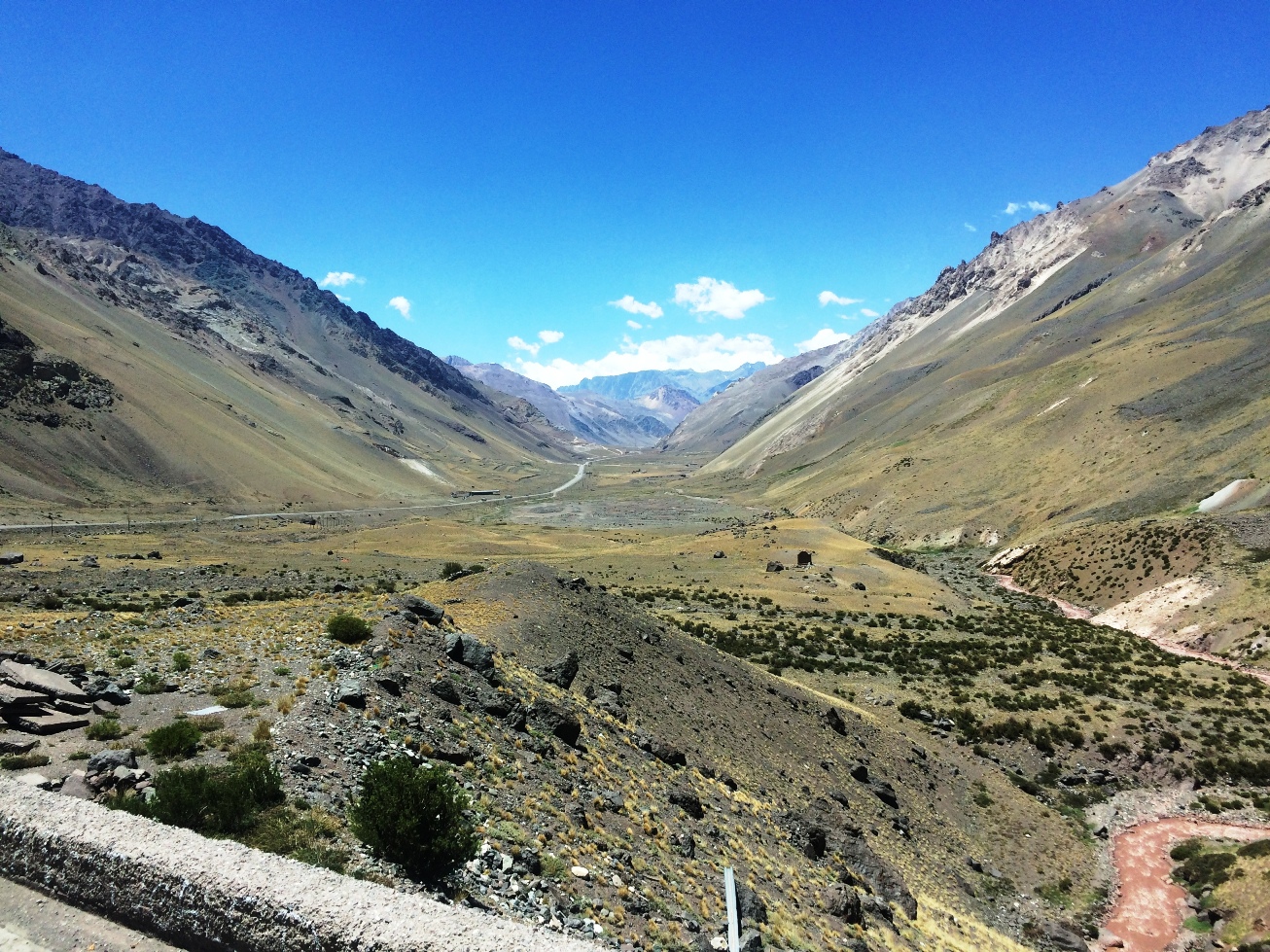
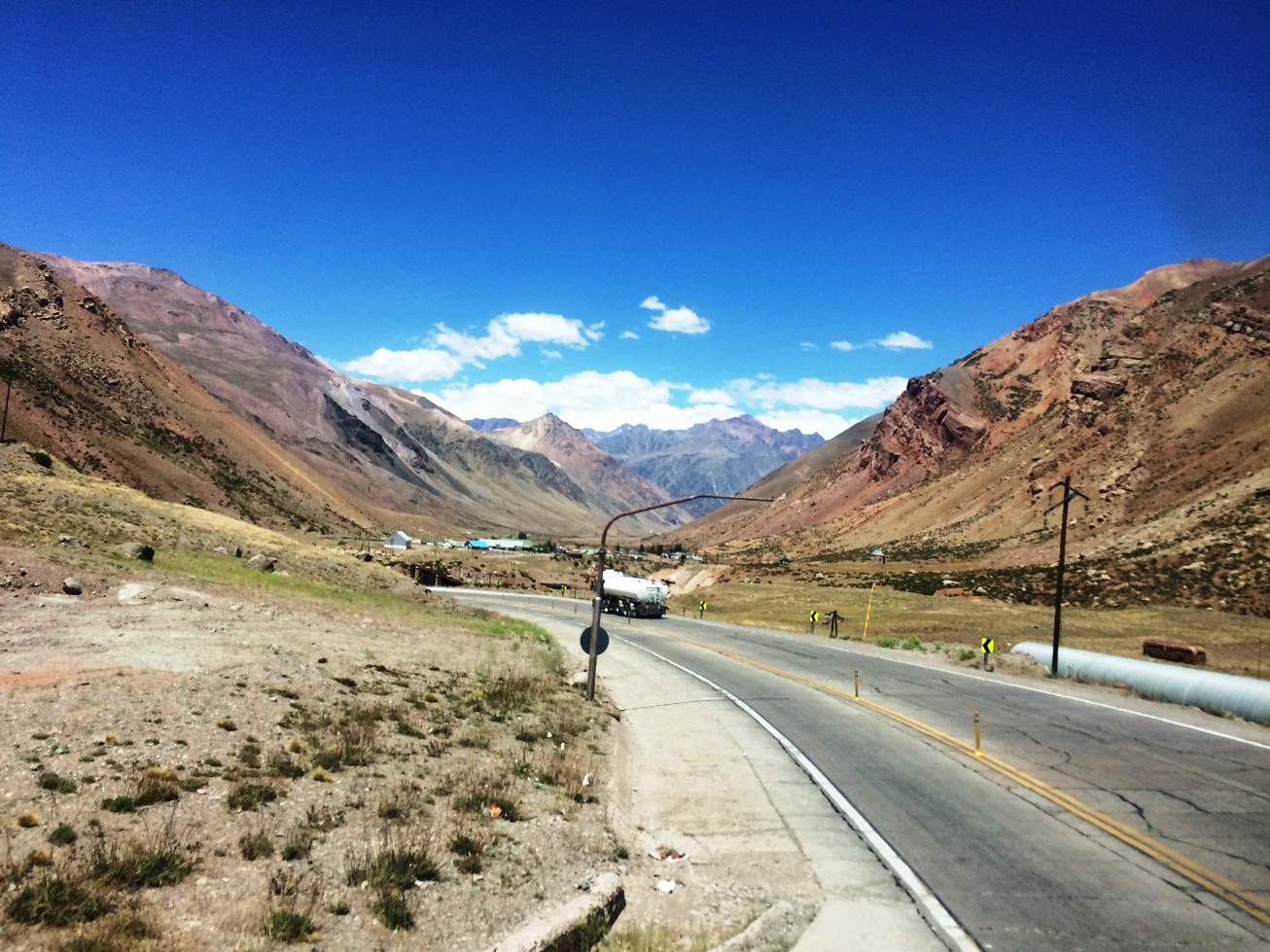
Before I speak of my time in Mendoza I would like to mention the journey there as the road which crosses into Argentina from Santiago is not one to be forgotten and certainly one to be passed in the daytime. I usually take long distances at night when I can to save time and money but this was an occasion I went for the more scenic option.
1

It climbs up into the Andes, through an incredible landscape of barren valleys and ice-capped mountains. The road is truly a marvel and I have uploaded some videos from it which can be viewed here.
2

I stayed at Hostel Estacion during my time at Mendoza. It was a homey place and the staff were helpful. It also, most blessedly, had a pool to swimming pool which gave periods of relief during the sweltering days where the temperature fluctuated between 32 to 38 Celsius. I spent much of my afternoons and evenings in Mendoza drinking Malbec (their signature wine) and chilling out in the garden between taking occasional dips in the pool.
4

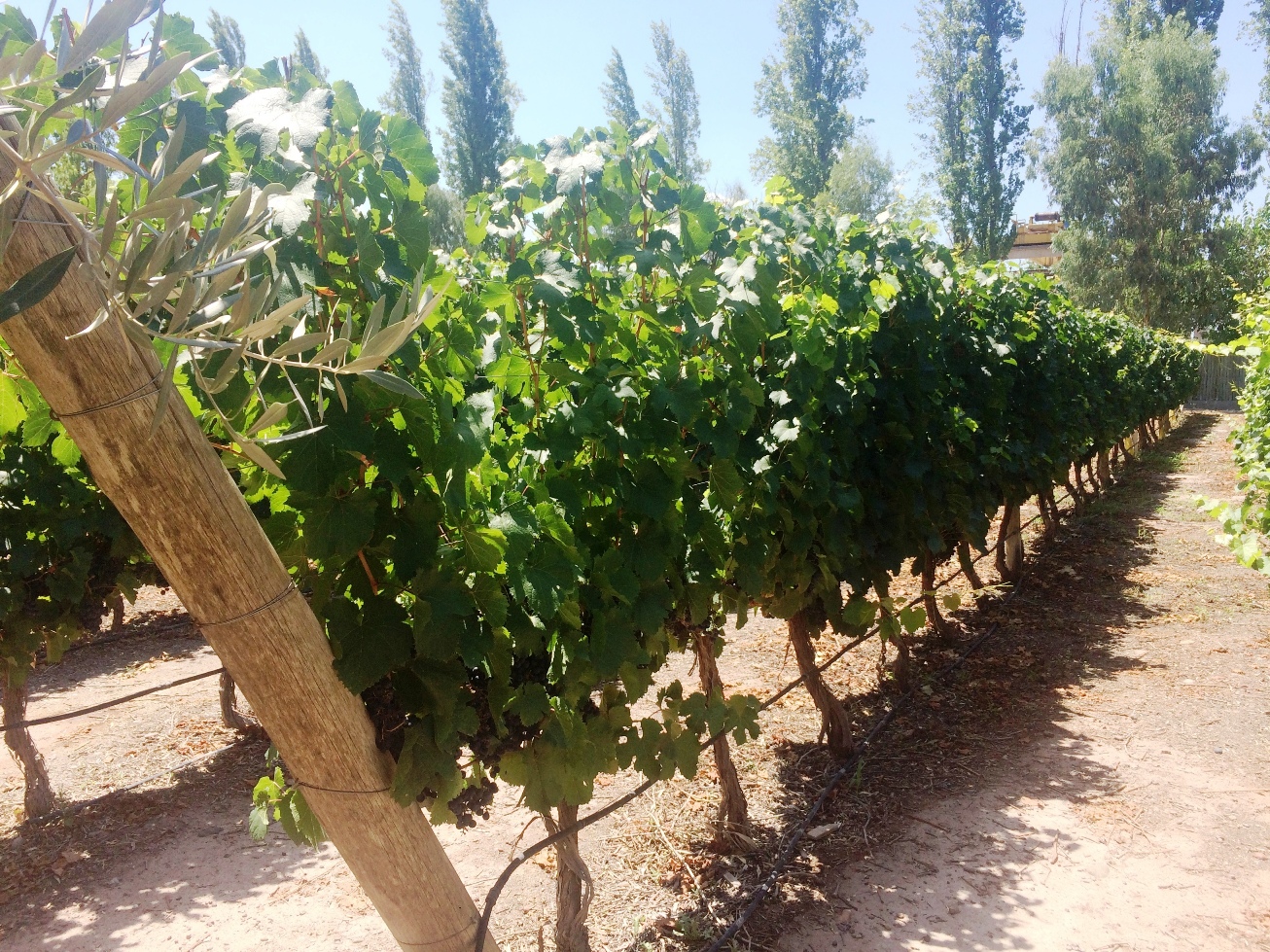
There was hardly ever a cloud in the sky. Mendoza receives very little rainfall. It was originally a dessert until a series of irrigation channels were created to channel water from the nearby mountains. Constant sunshine, warm temperatures, lack of clouds, and the introduction of flowing water created the ideal conditions for the production of grapes, and many of Argentina’s population are of Italian descent. Thus, it became one of the biggest vineyards in the world.
6

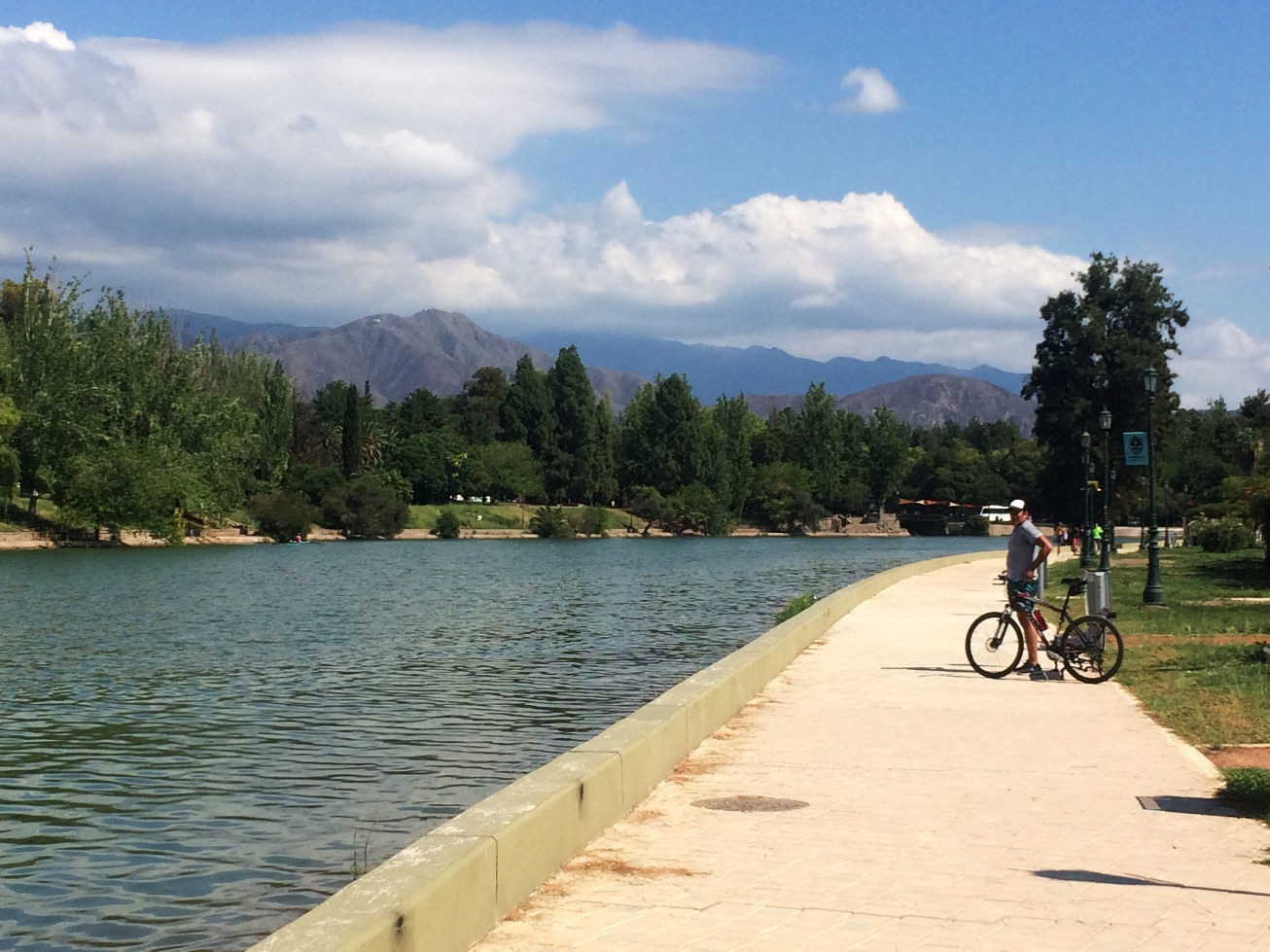
Mendoza is a sleepy town, particularly during the afternoons when all the shops close and everyone retreats into their houses for siestas. I wandered around during a Sunday and found that the busiest places were the church – where mass was being held – and San Martin Park, where people had come to lounge upon the grass, ride their bicycles, and there was even a rowing club practising in the lake.
3

A visit to Mendoza is simply not complete without going on a tour to see some of the vineyards though, which is what I did on my final day.
7

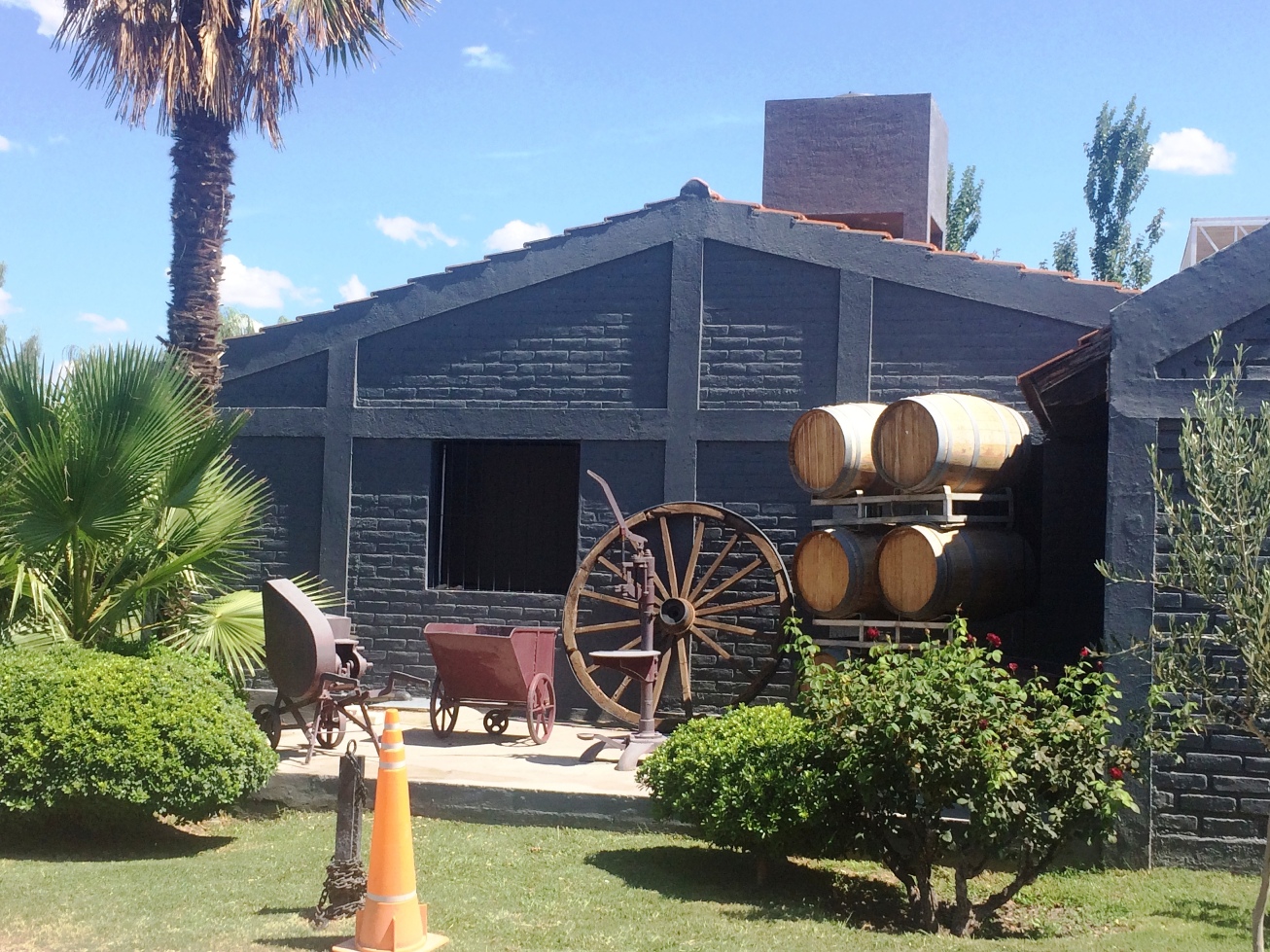
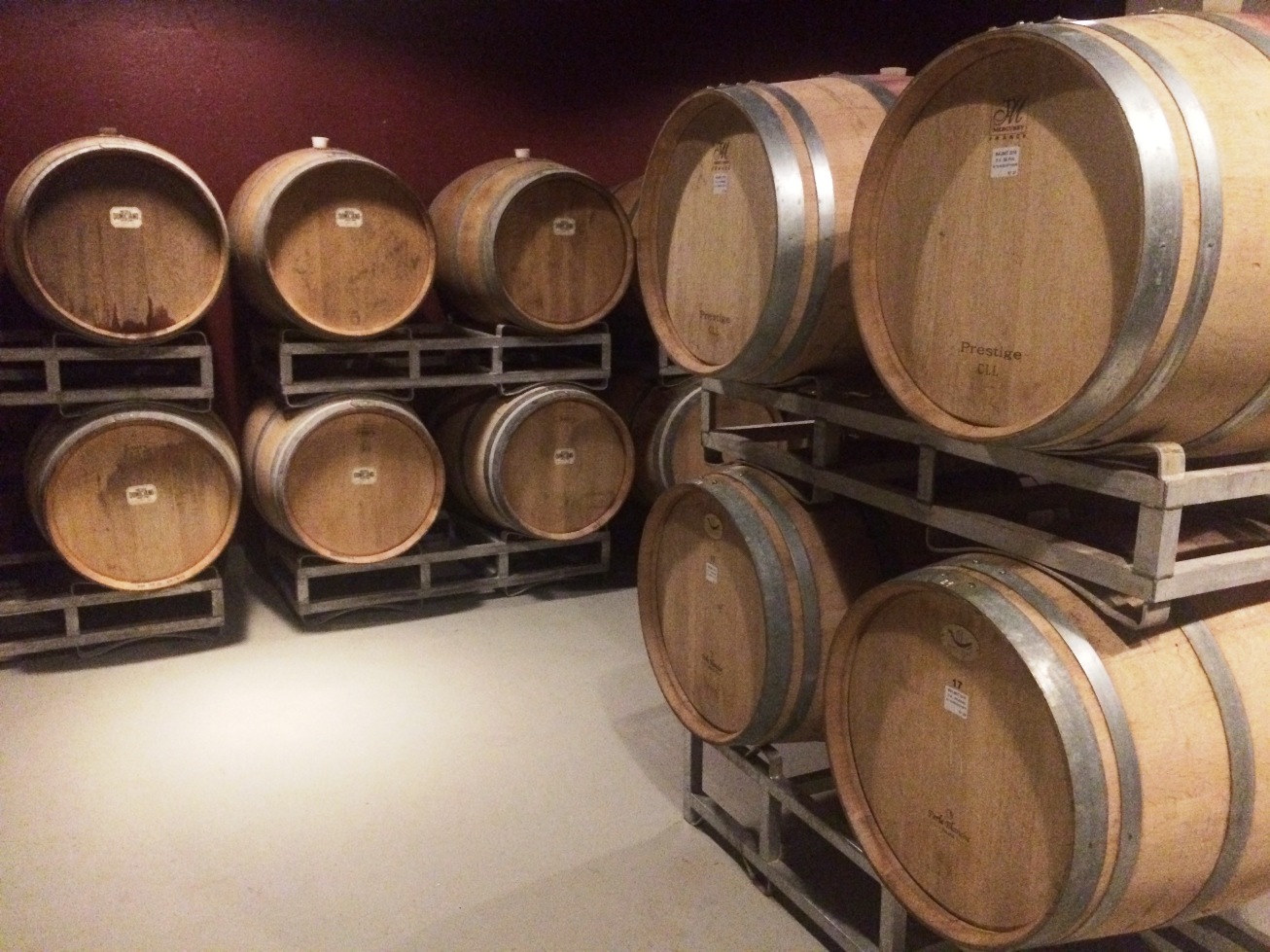
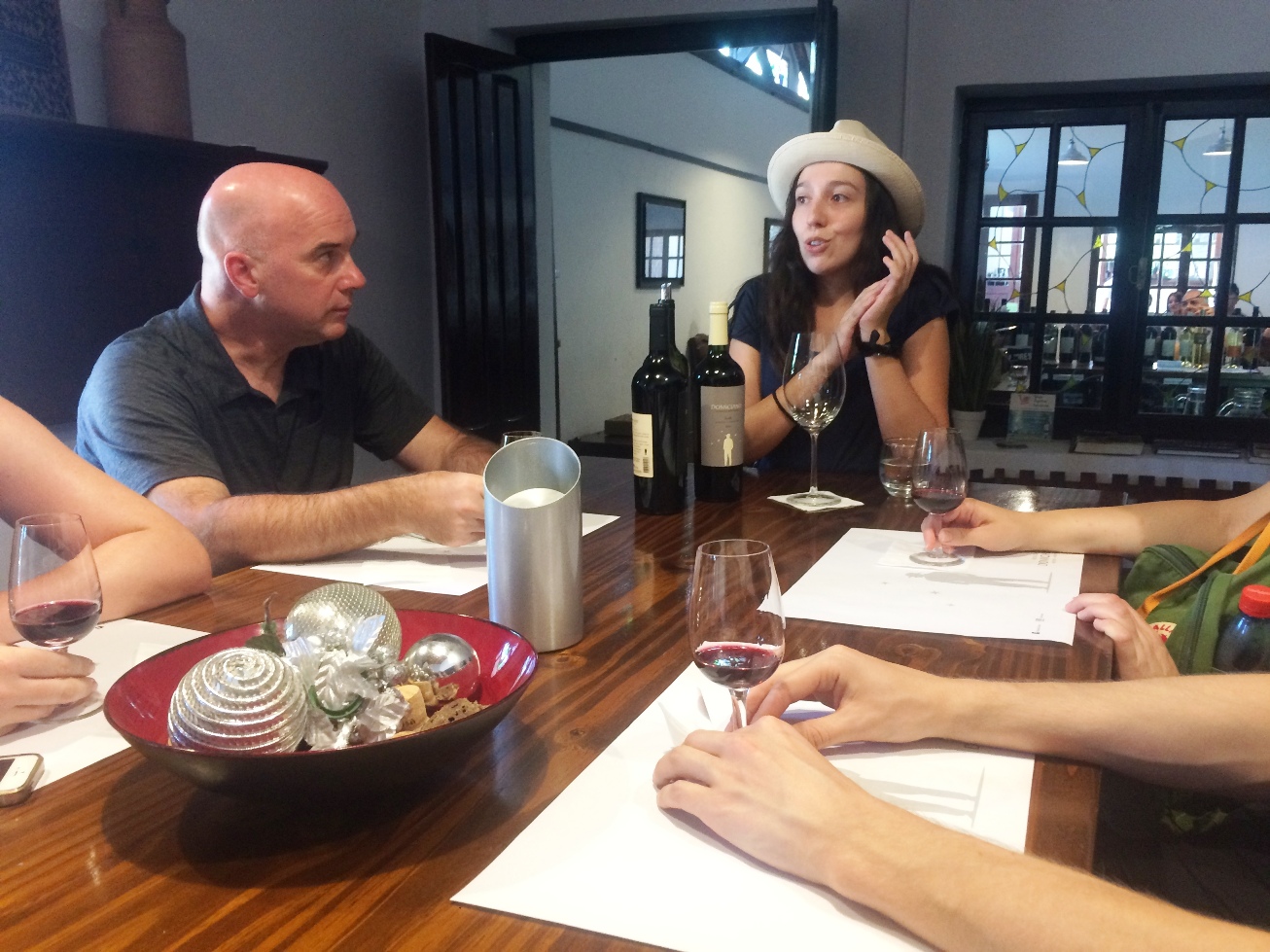
I originally had a romantic notion in my head that I would this independently – as it is very possible to hire a bicycle, buy a map, and tour vineyards off your own steam – but the reality was that it was just so unbearably hot I questioned how much I would enjoy it. The hostel I was staying at recommended a reasonably-priced tour on an air-conditioned bus and perhaps, being eight months into my trip now, I was beginning to feel a little lazy. I didn’t regret my choice, as I had a wonderful afternoon. We were taken to three vineyards, in all, and each gave us a little tour of their grounds where they explained some of the wine-making processes until we got to the best part, the tasting.
5

We were also taken to an olive oil factory, where I ended up buying some things from their range of dried vegetables and pastes. Unfortunately, I couldn’t buy any wine – as much as I would have liked to – because the following morning I was flying to Iguazú.
8

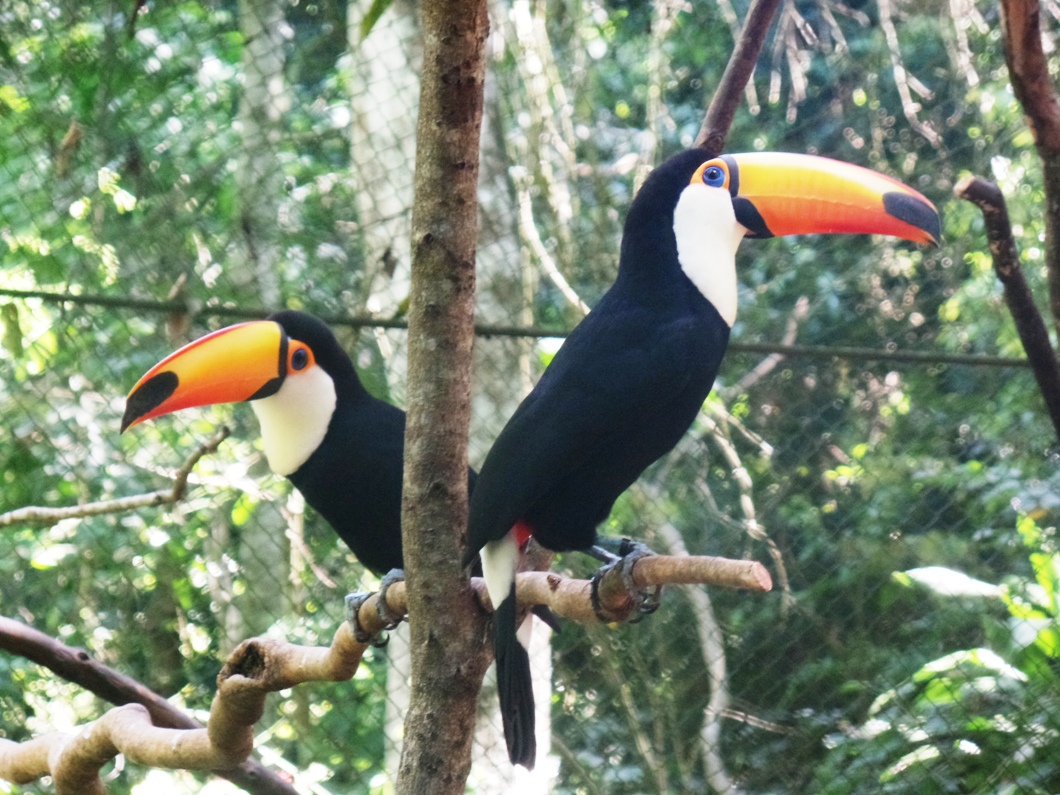
I didn’t arrive in time to see the falls the first day so instead, I went to Güira Oga, an animal refuge. It runs on similar principles as AmaZOOnico in Ecuador – which I went to several months ago – treading a healthy balance between being a zoo and rehabilitation centre. Entry fees go towards the care and rehabilitation of animals and the guests are only exposed to the animals which have no chance of being released (or are being kept as mating pairs to help repopulate numbers in the wild) during their tours. I saw lots of birds and also some mammals, including monkeys, wildcats, deer and otters.
SAMSUNG CAMERA PICTURES

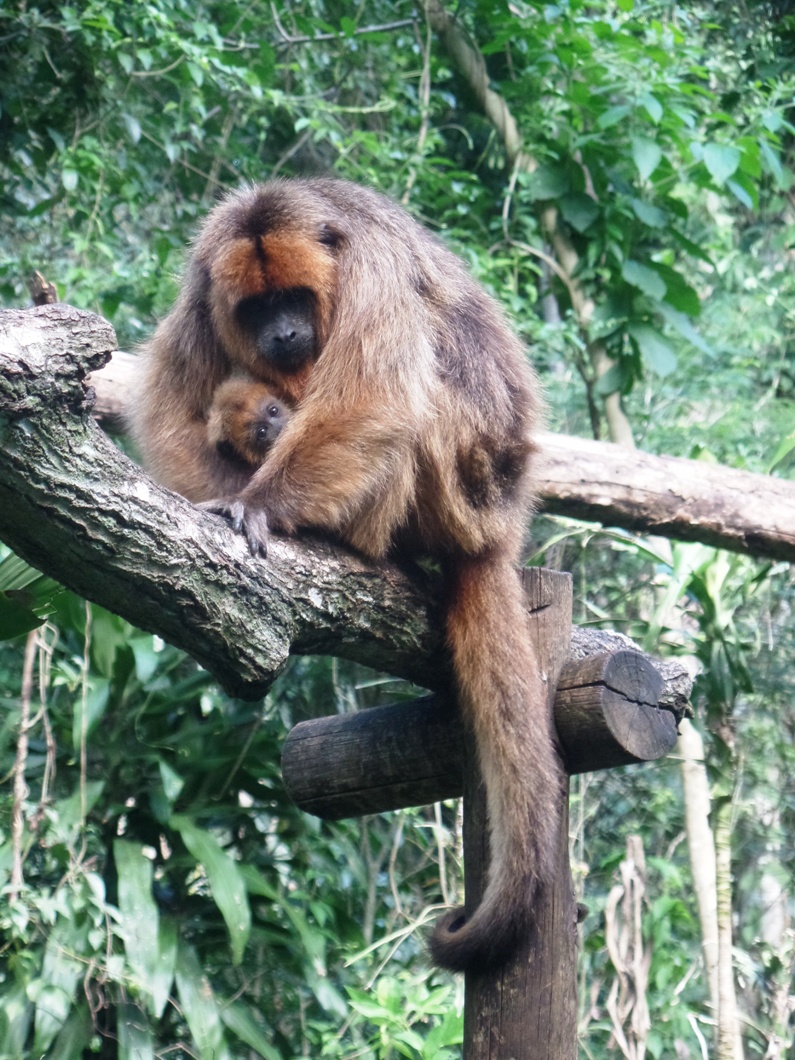
They had recently released a pair of howler monkeys who have since had a baby and still linger around the grounds while they are being weaned off the dependency of humans to provide them food. I saw them and have a video of it here.
SAMSUNG CAMERA PICTURES

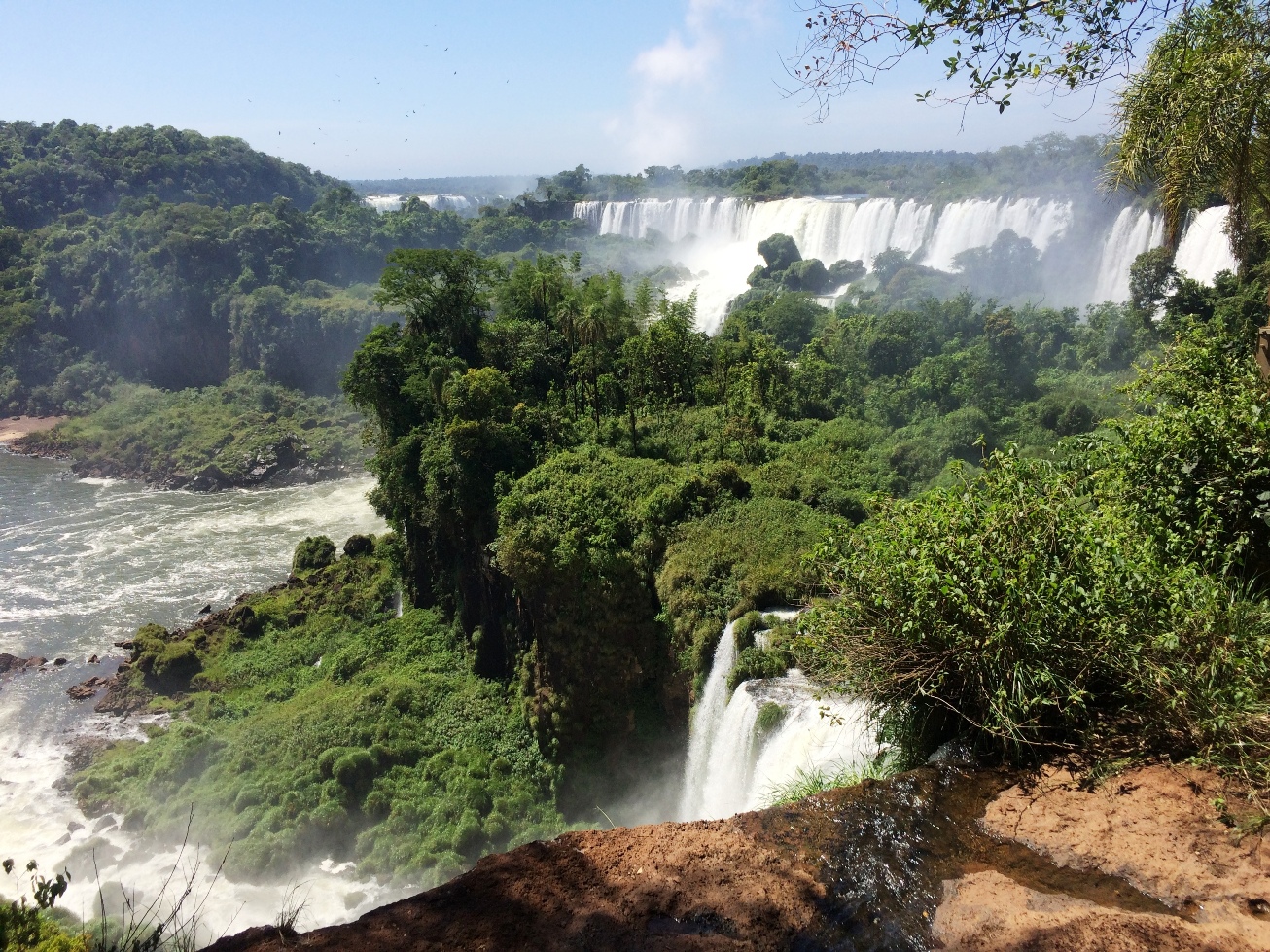
I went straight to the falls first thing the next morning.
11

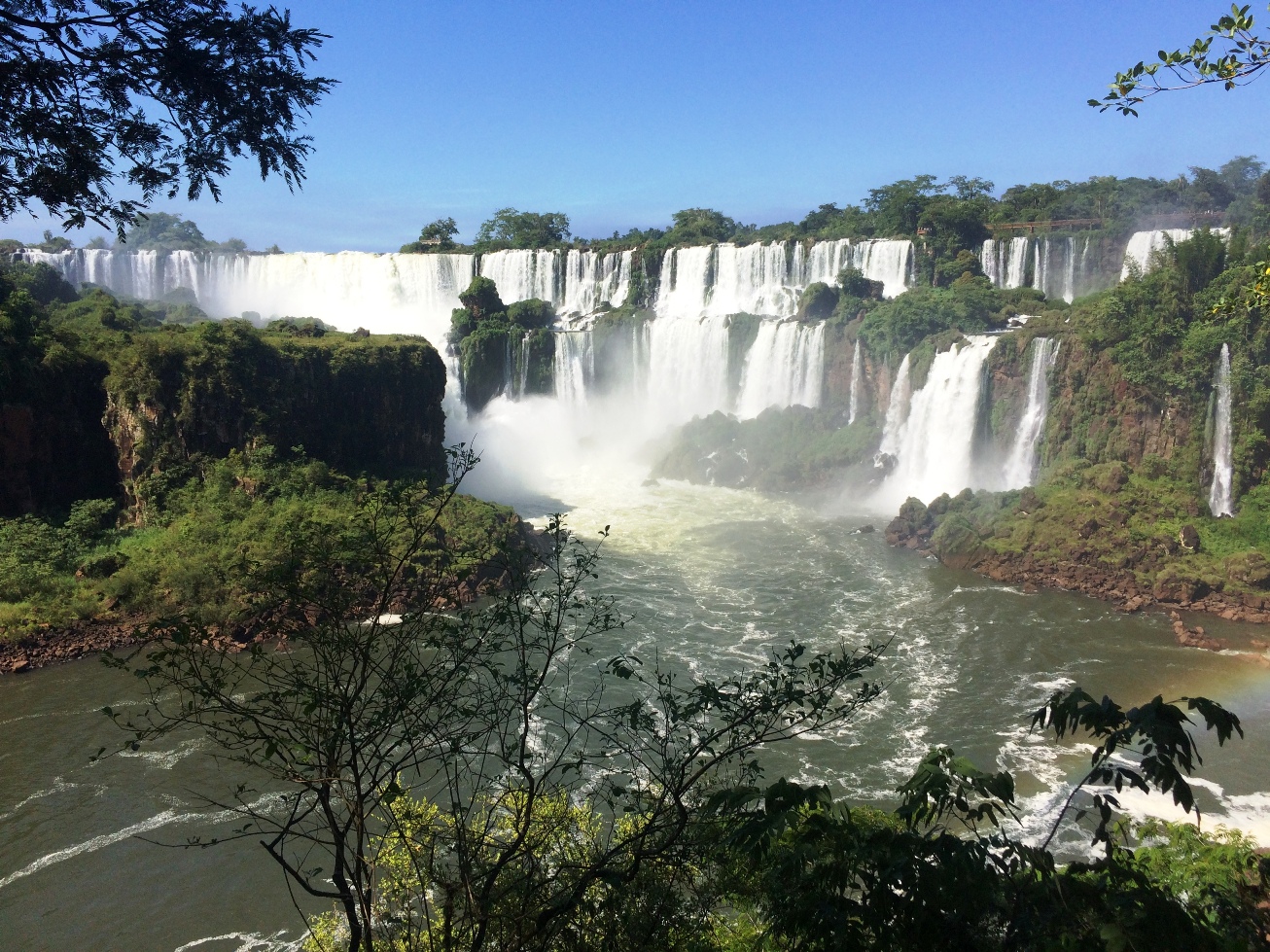
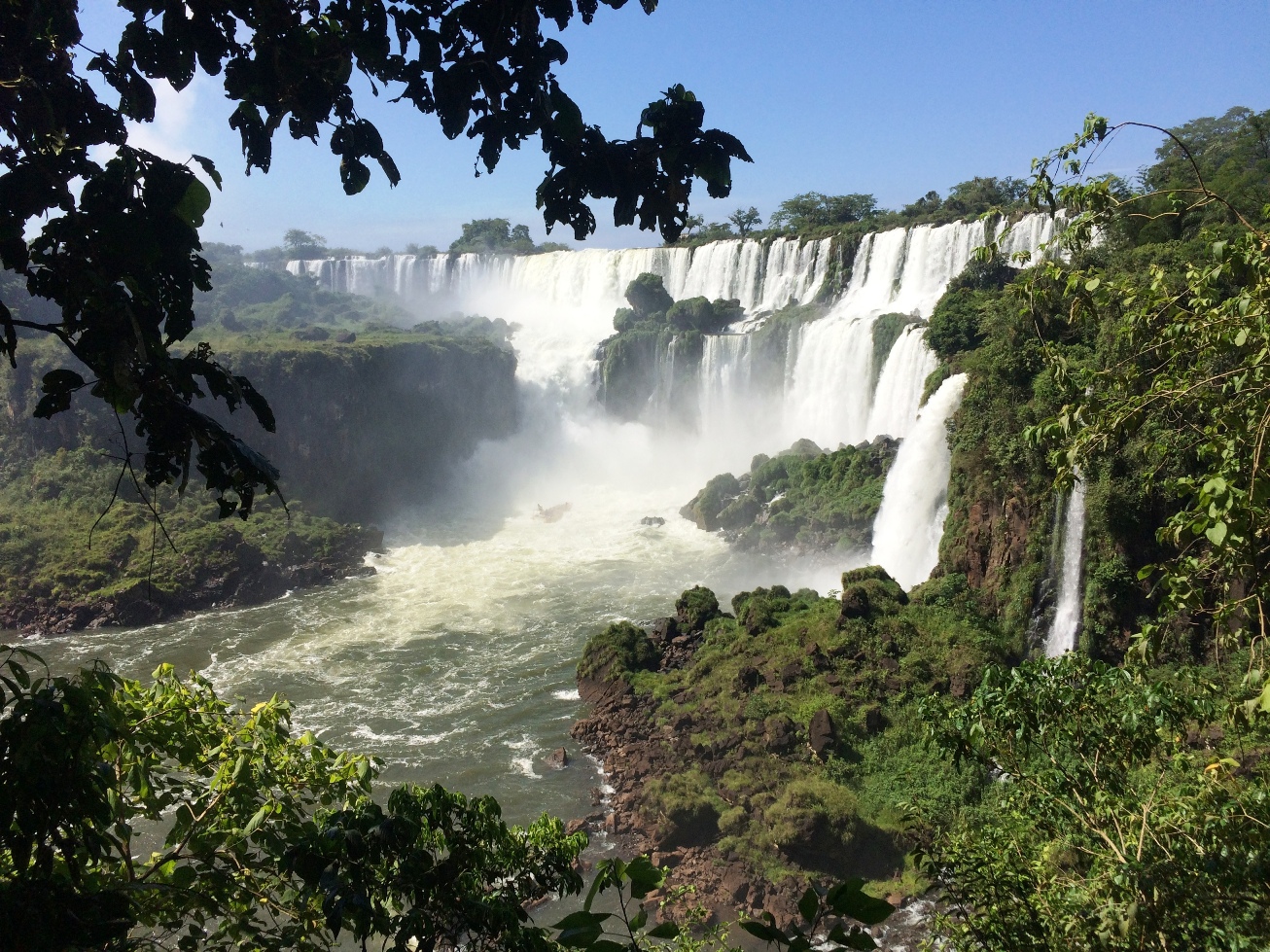
That day, I went to view them from the Argentinean side. There was almost a full day’s worth of walkways one could view the cascades from. The first, ‘Paseo Inferior’, is along the bottom.
12

The second trail, ‘Paseo Superior’, goes along the top.
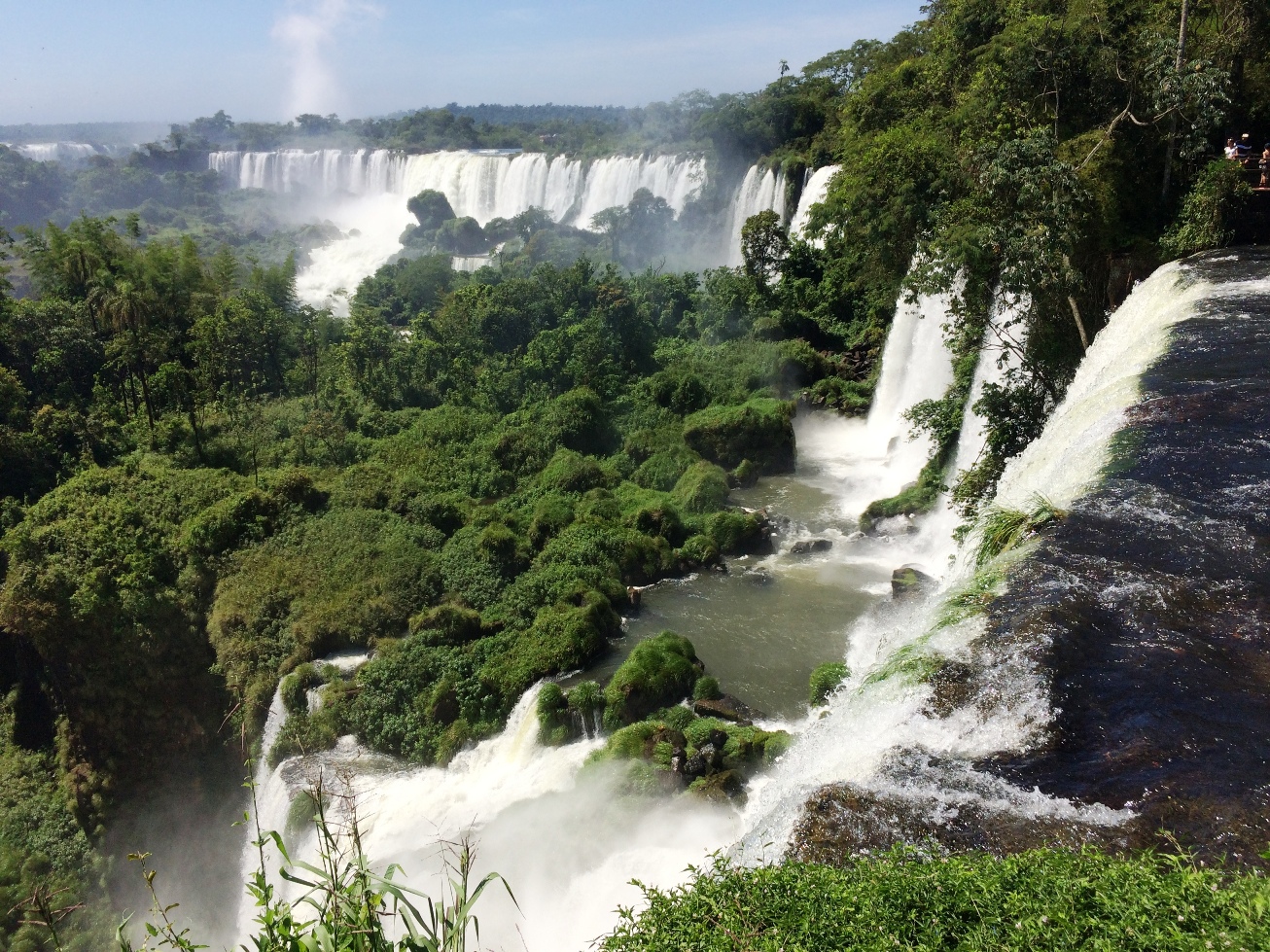
13

And there was also a third trail where you can walk along a series of boardwalks further up the bank to reach Garganta del Diablo, where another section of the falls plunges into the river. I have videos here.
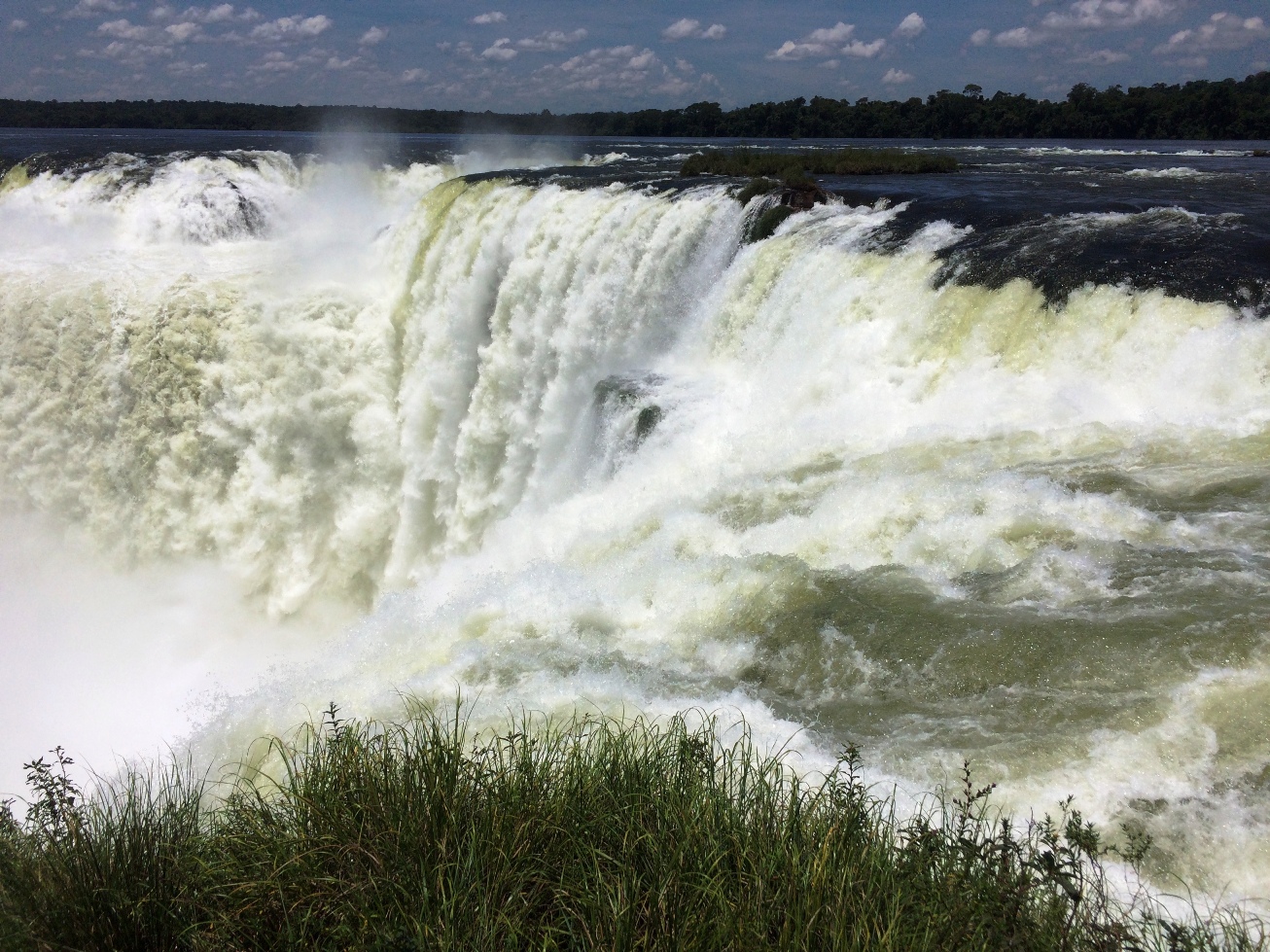
14

I also have a collection of other videos from the Argentinean side, which can be viewed by clicking here.
15

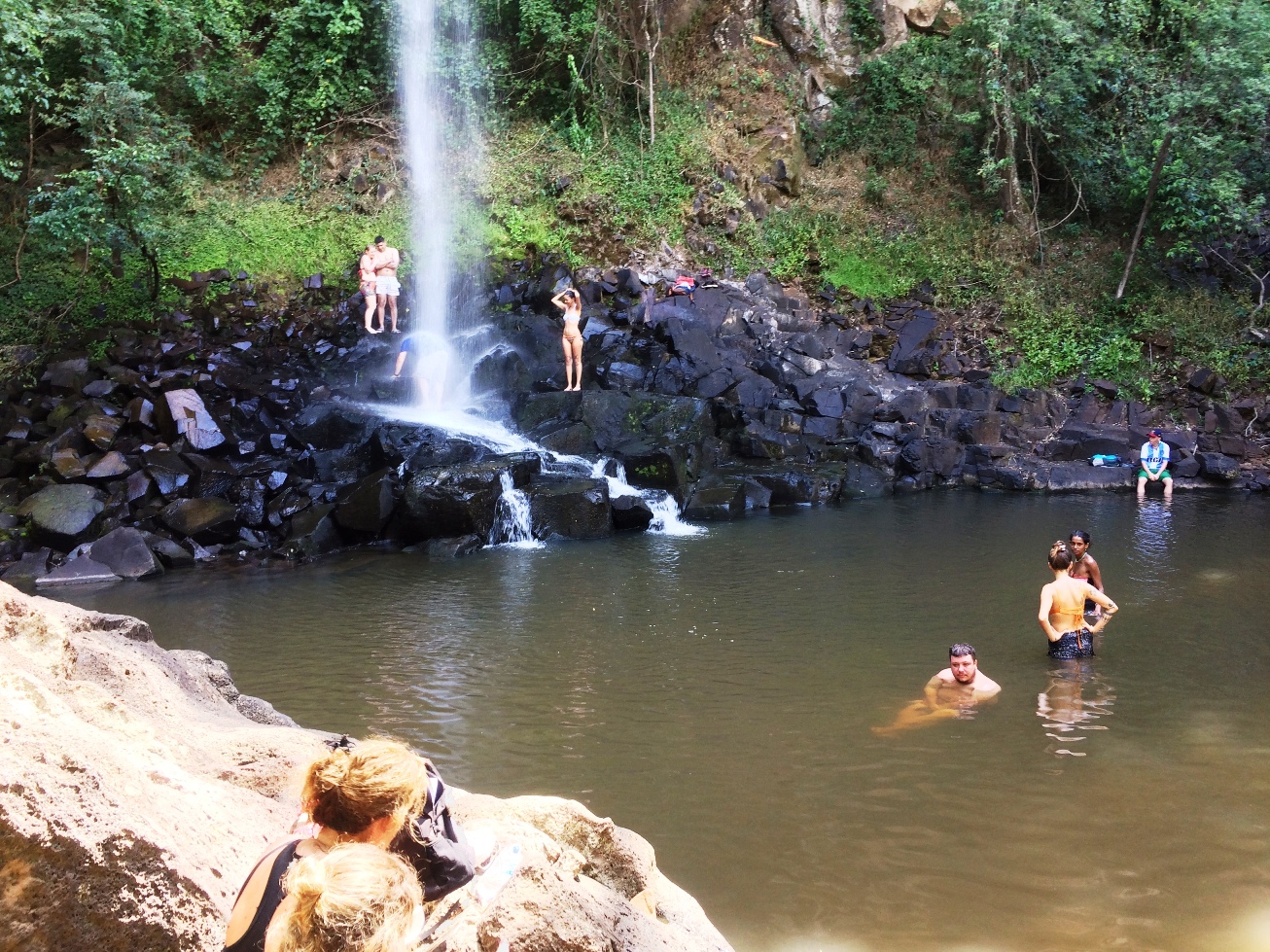
There was also another trail to Arrechea Falls. They were not as spectacular but it was a pleasant walk through the jungle and the pool at the bottom was suitable for swimming which was a refreshing relief considering the sweltering heat.
16

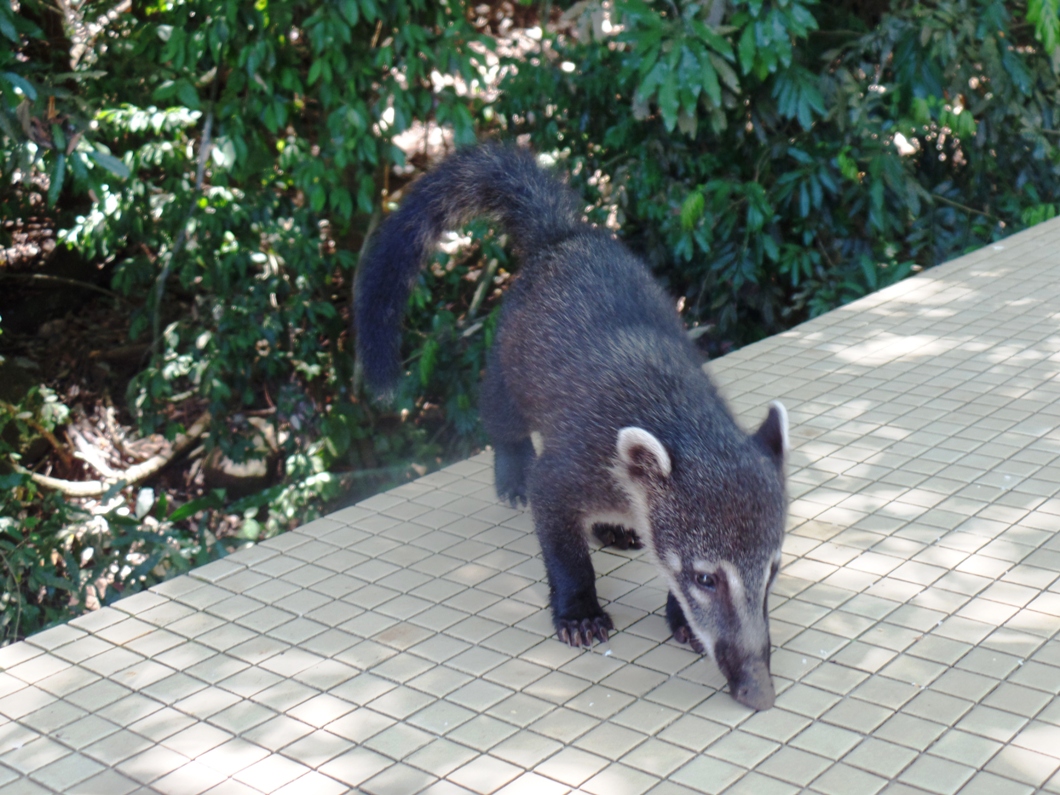
Being back in tropical regions – after months spent of Patagonia and the Andes – brought me back to the first few months of my travels which were spent in Ecuador and Peru. It wasn’t just the heat and flora that made me reminisce. It was also all the animals saw in the Iguazú National Park that day and the visit I’d made the previous afternoon to the rescue centre. They renewed within my mind similar issues which these wild places visited by humans face. There are problems at Iguazú with the coatis and some of the monkeys too. They were perhaps originally encouraged by visitors feeding them, thinking it was cute, but now the animals have come to associate humans with food and are a nuisance. This is bad for them because many have probably forgotten how to obtain all their food from the wild now. One of them stole my lunch and for a few moments, we were caught in a wrestle before it tore away half of my bread roll.
SAMSUNG CAMERA PICTURES

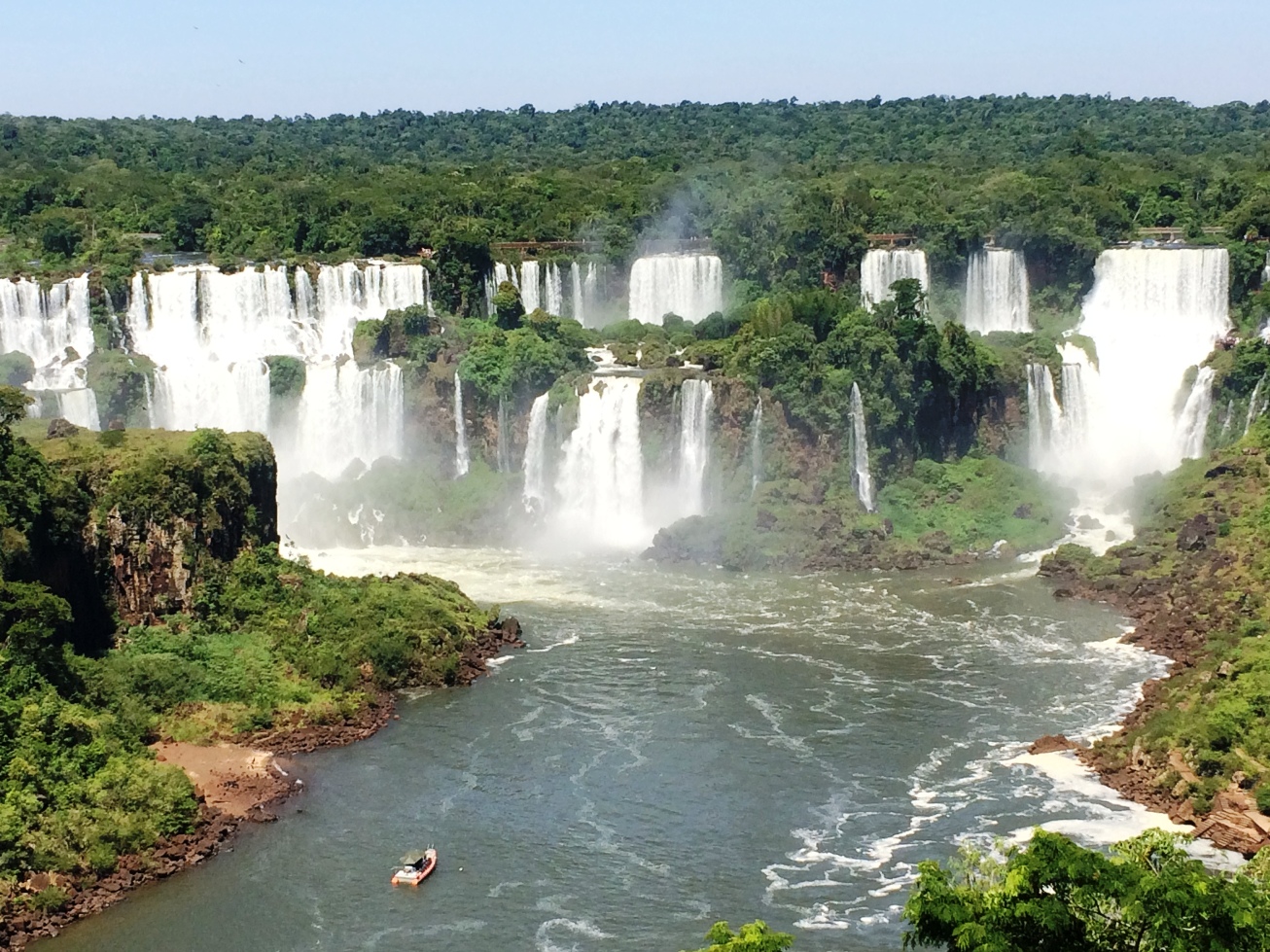
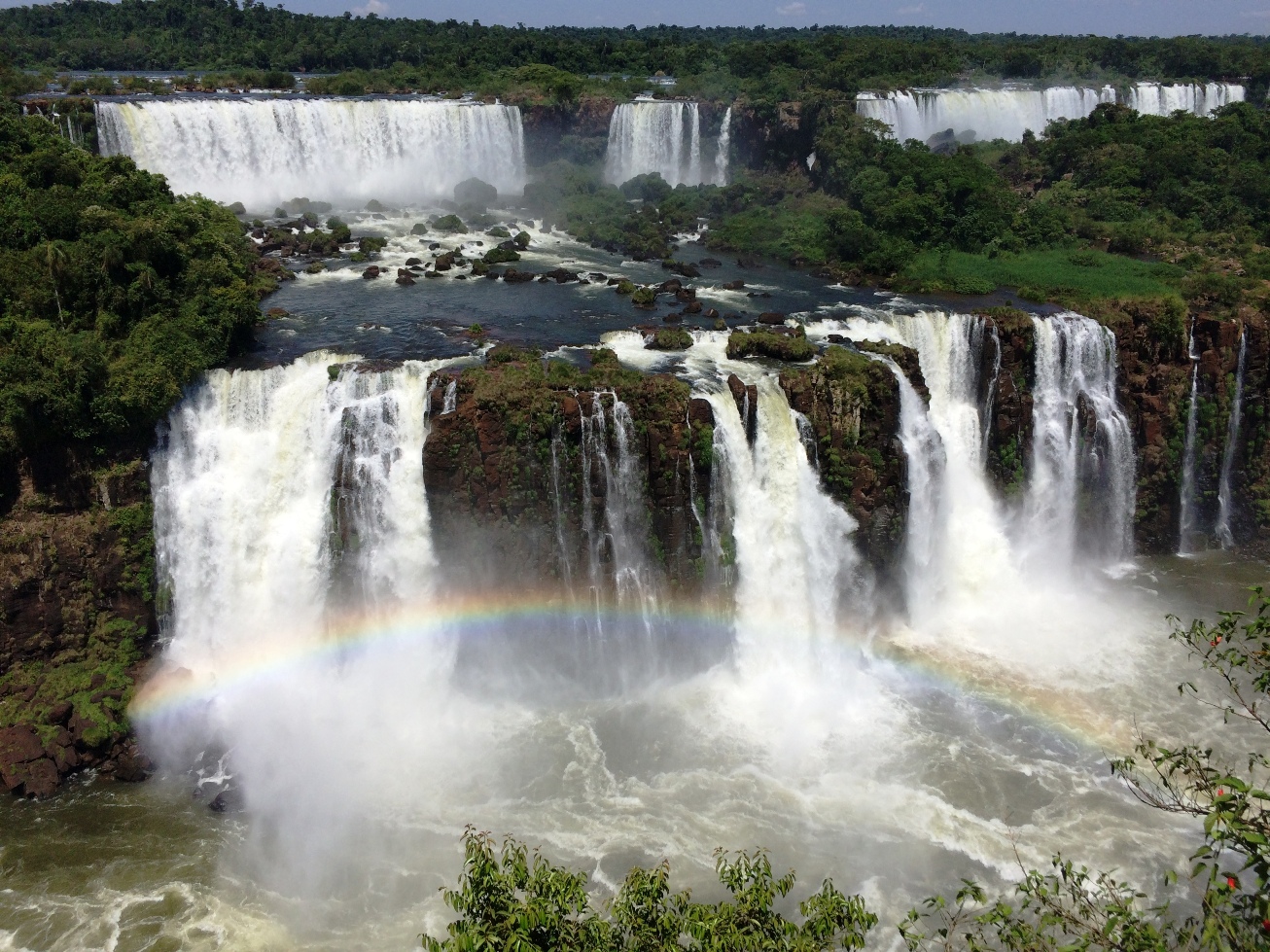
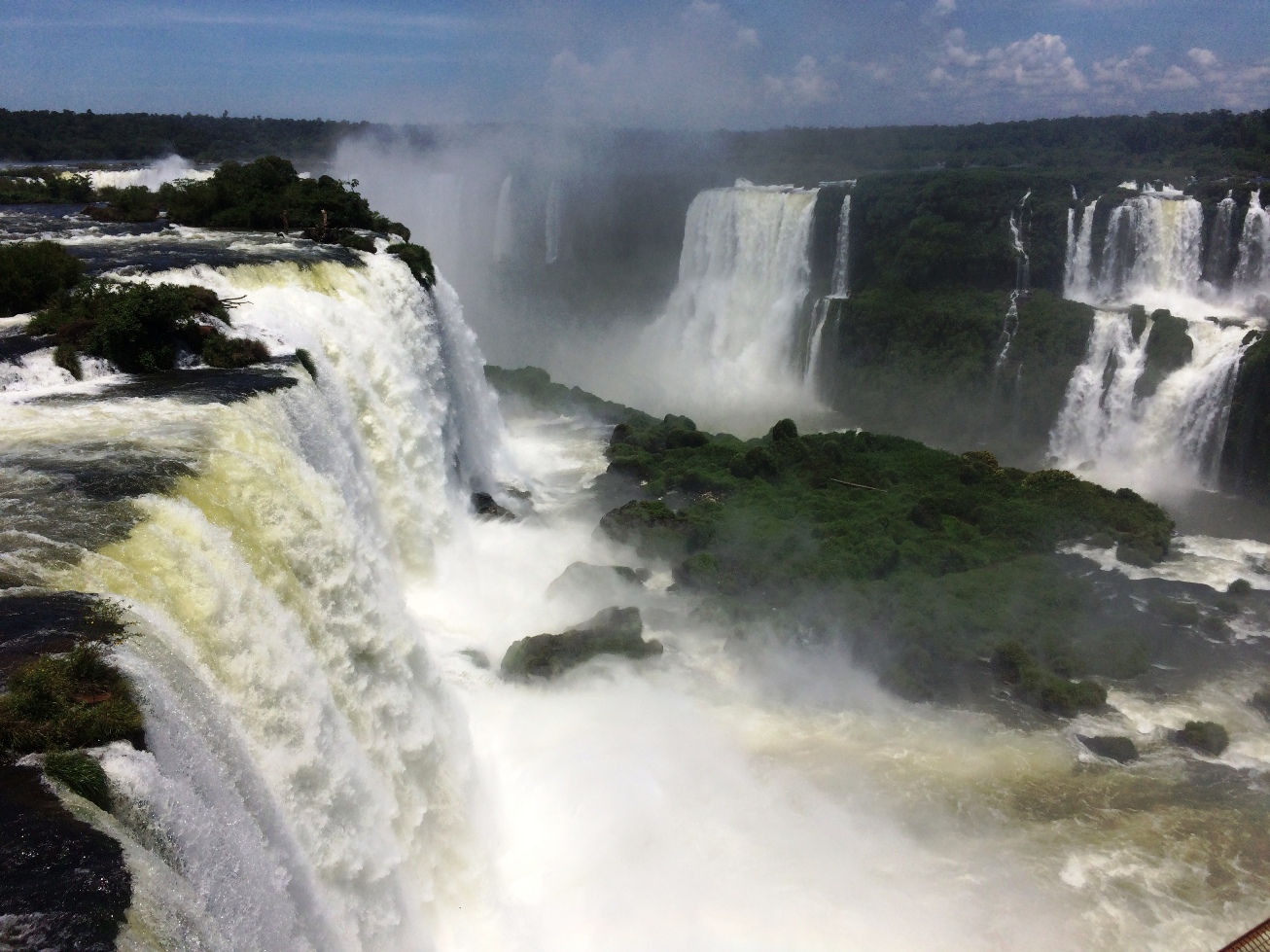
I caught a bus over the border the following day to see the falls from the Brazilian side.
20

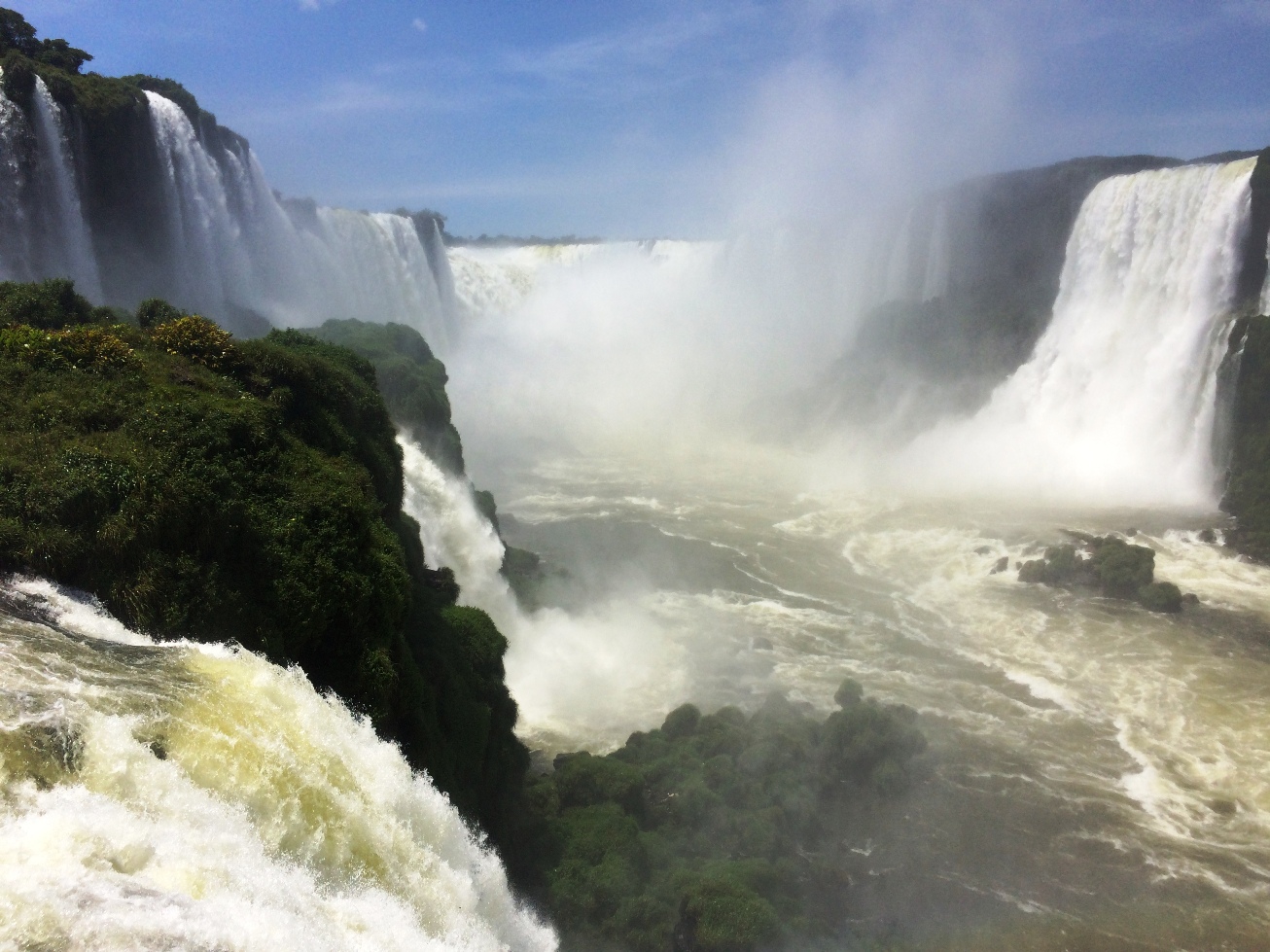
It wasn’t quite as jaw-dropping as the Argentinean side, but still – the bar being as high as it is for this incredible place – it was well worth the trip.
18

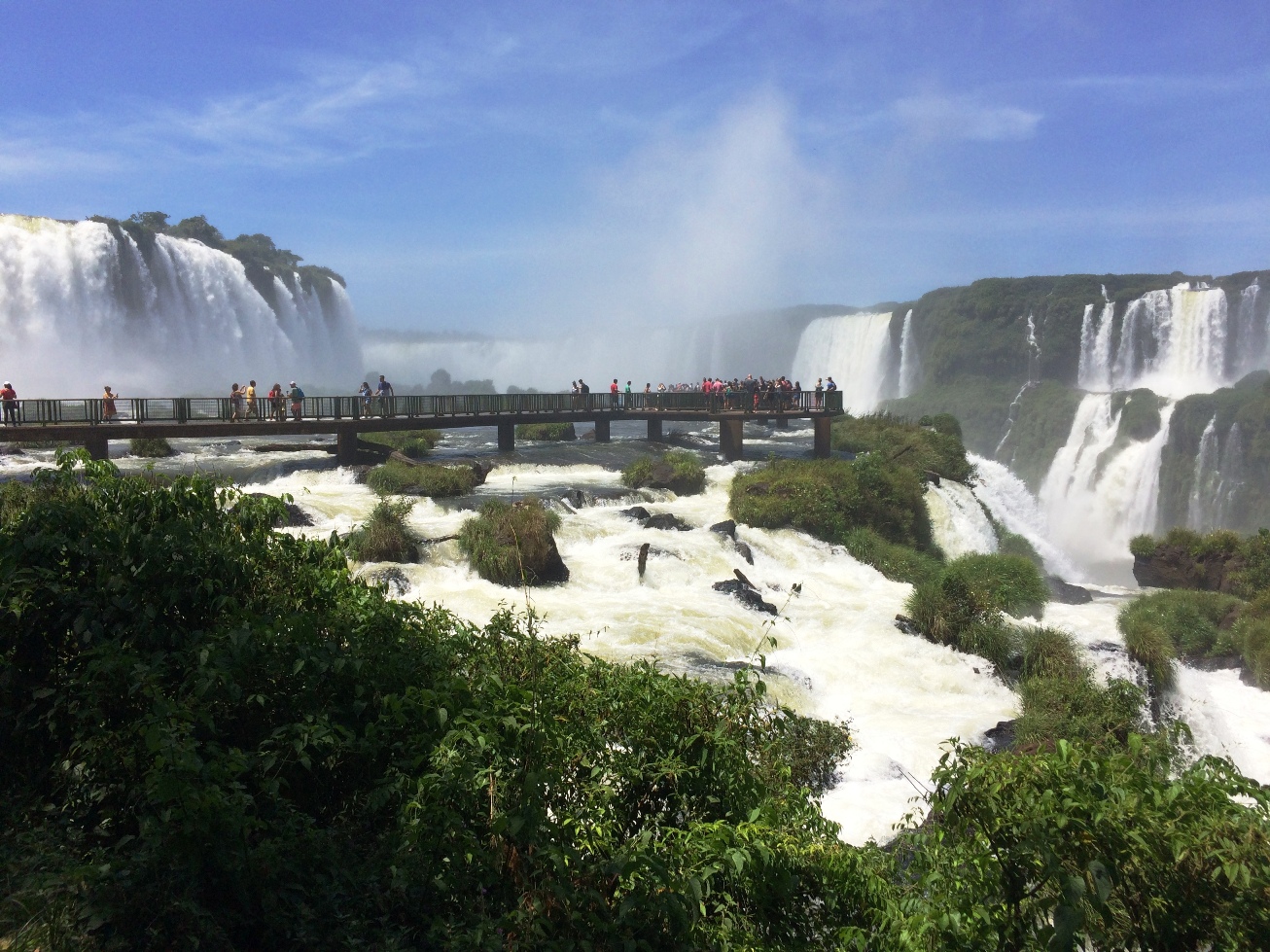
The highlight of it was probably the boardwalk at the bottom of Garganta del Diablo, which I had seen the top of the previous day in Argentina.
17

More videos of this side of the falls can be viewed here. I also caught some of them in slow motion too.
19

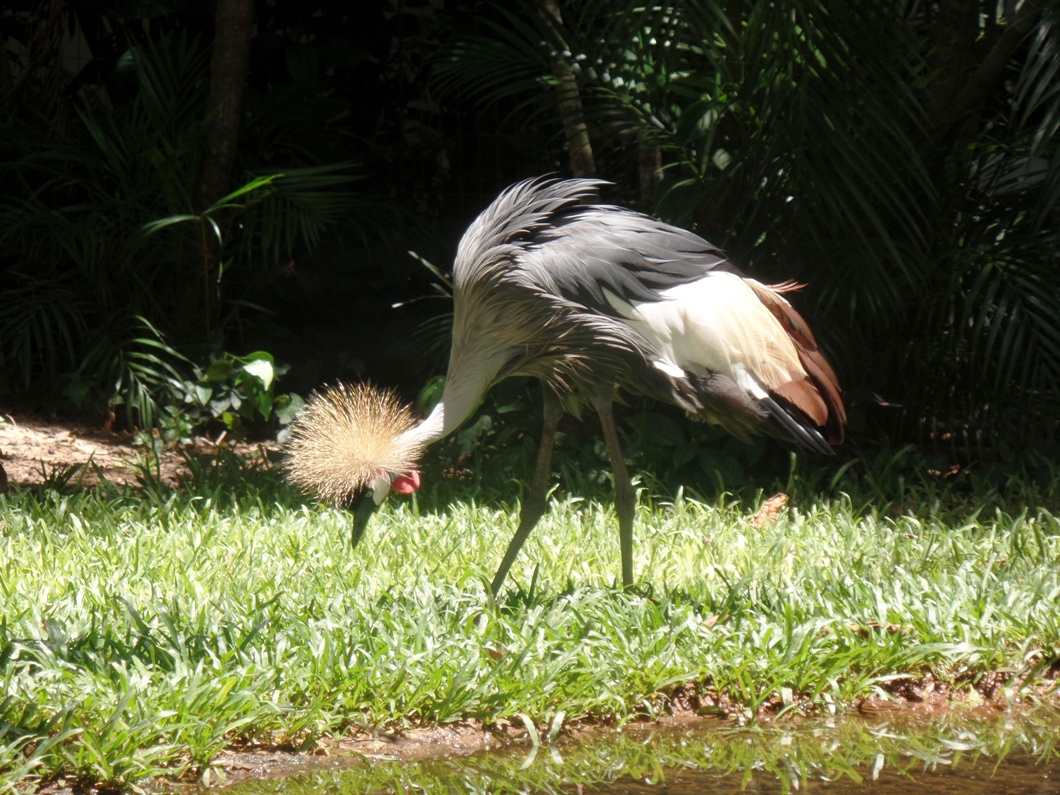
There is another wildlife centre by the Brazilian side of the falls called Parque Das Aves. It has a bit more a zoo feel than Güira Oga but does have a great collection of birds and they are involved in some conservation projects.
SAMSUNG CAMERA PICTURES

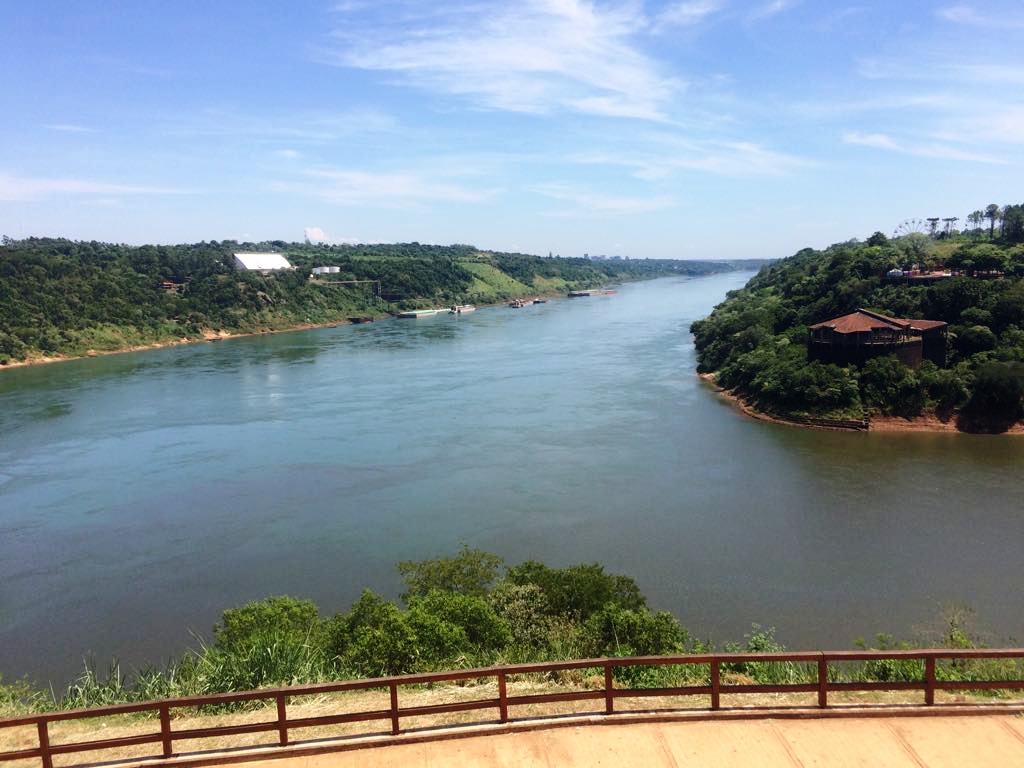
My last day in Iguazú, there wasn’t much left to do so I went for a walk around the town, soaked up the atmosphere, and also went to the Tres Fronteras Mirador. A place where you can stand where the Iguazú and Paraná rivers meet and look upon both Brazil (to the right) and Panama (to the left).
23


For more photos and videos from Mendoza or Iguazú click on the hyperlinks.

Travelblog SA#38: Chiloé Island – Chile

17th-20th January 2019

11

In many ways, Chiloé reminded me of Wales, my home back in the UK. Although it is an island, it is so close and well connected to the mainland it feels more like a peninsula, and it is a domain of grassy hills and cows and sheep, with intermittent forests and quaint towns and villages, where time seems to pass a little slower than the rest of the country.

1

I spent my first day in Castro, its biggest city which wasn’t actually very big, wandering its streets. I soon saw some of its famous palafito houses, perched over the water, and also paid a visit to its church which is of the distinctive Chiloéan Jesuit style, built from wood.

6

I also made a little trip in the afternoon to the islet of Quinchao and walked around the village of Achao, which also had churches and views of the mainland.

7

The following morning I ventured out to the island’s west coast for a hike through Chiloé’s National Park.

10

For any other travellers thinking of going to this area, I will quickly explain how to get to the Cole-Cole beach trail, for both the Lonely Planet and websites like Wikitravel do so quite poorly. They make it sound like all hikes around Cucao region begin from the same place, whether you are heading to Laguna Huelde or up the coast to Cole-Cole, but this is not actually the case.

When you catch the bus to Cucao, the bus driver will likely try to coax you to get off at the entrance to Chiloé National Park headquarters, because that is where most of the gringos who come to this area go to but, if your destination is not Laguna Huelde but actually Cole Cole, stay on the bus because you do not need to pay the entrance fee to the park for this particular hike and the bus can drop you off a little closer to the trailhead, saving you a good hour of walking down a concrete road.

12

I will be honest, the first hour or so of this trail was not awe-inspiring, but I have been spoilt recently, spending the last month hiking some of Patagonia’s finest parks. The path begins along a rather flat beach. You do have a fairly good chance of seeing some interesting birds and there are little hamlets along the way, but it is very samey for a long time and you soon get bored.

8

There are also the bugs. I believe they may by some kind of breed of horsefly, but this particular kind are huge and much more annoying than anything else I have come across before. I am used to things like mosquitoes and leeches from my travels but these things, whatever they are, are truly one of nature’s worst abominations. They are very noisy and I didn’t actually realise they bite at first, as it seemed that they lacked any other purpose but buzz around you, clumsily and aimlessly, but eventually I discovered that if you stay still for too long they do bite and it’s painful. On some occasions I had over twenty of them chasing me down the beach. After over an hour of it, I threw a tantrum and went into a rage, swinging my hat in the air around me and screaming curses.

9

Once I reached the village of Huentemo, I crossed a bridge and the trail became much more enjoyable. I entered a series of hilly woodlands with coastal views.

2

The flunts, as I named them, were a little less in number, but continued to be an annoyance. At one point I smacked one with my hat and it fell to the ground, dazed. I crushed it with my shoe, and it was the most satisfying moment of my entire day.

13

When I reached Cole-Cole, I set up my tent by the beach and I actually felt a little wistful. I realised this was my last overnight trek in Patagonia. I guess it was a great way to finish it, with a view like this.

3

The sunset was pleasant too.

4

In the morning, I wandered outside and there were lots of interesting birds out on the beach, including this group of (what I believe to be) curlews (video here).

Curlews

I finished off my time in Patagonia by spending a couple of days in Chile’s Lake District. Puerto Varas was the place I based myself. It was perched upon the shore of Lago Llanquihue and, although it was a bit touristy and there wasn’t actually too much to do there, it did have stunning views of the Volcanoes Osorno and Calibuco.

14

This area is an old German colony so it has lots of interesting architecture. The following morning I went for a day trip to the village of Frutilla to walk around its neighbourhoods before I caught a night bus back to Santiago, where I would spend a few days shopping and seeing friends before I crossed the border into northern Argentina.


For more photos from Chiloé, click here, and for more from Puerto Varas, click here.