
25th – 27th August, 2023
Costa Rica, another country that was not in my original itinerary but I squeezed in at the last minute.

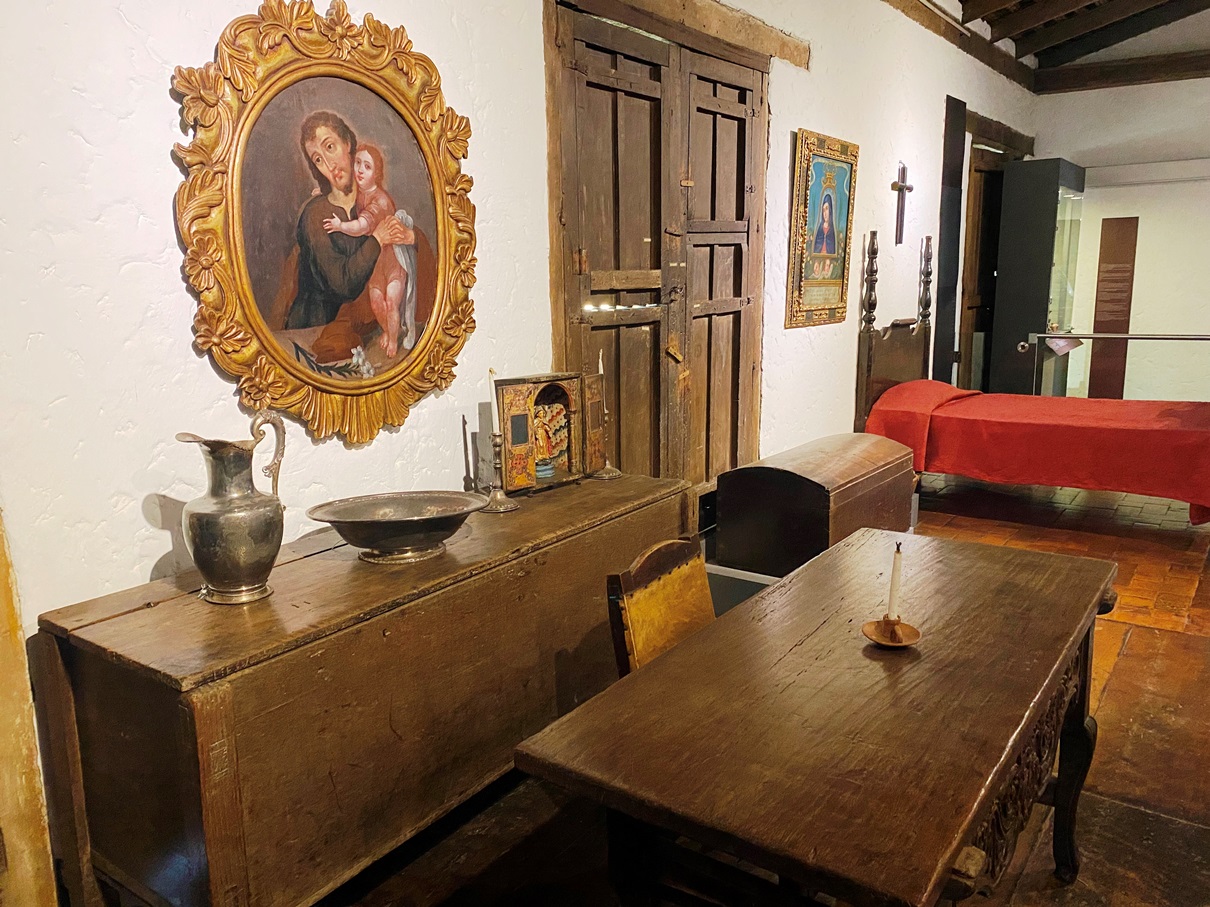
With that in mind, my first stop in its capital was at the national museum, situated within the walls of an old fortress. It has many different exhibitions which together make a very comprehensive catalogue of Costa Rica’s history. From pre-colonial times to its struggles for independence (not just from Spain, but also Mexico, the US, and the shortly-lived Federal Republic of Central America), to the twentieth-century civil war, all the way up to the present day. Which was great for me as I had some catching up to do.

I was also quite pleased to see that the indigenous population were also given some focus here, with details concerning their cultures, origins and history with the colonisers. Like all new world countries, the story concerning Costa Rica’s relationship with the original inhabitants is fraught with human rights violations, and this museum doesn’t shy away from that. Costa Rica does still have some native groups living in some of its regions but most of the population would now describe themselves as ‘mestizo’, and this fusion of cultures is also reflected in many of the nation’s festivals and traditions.
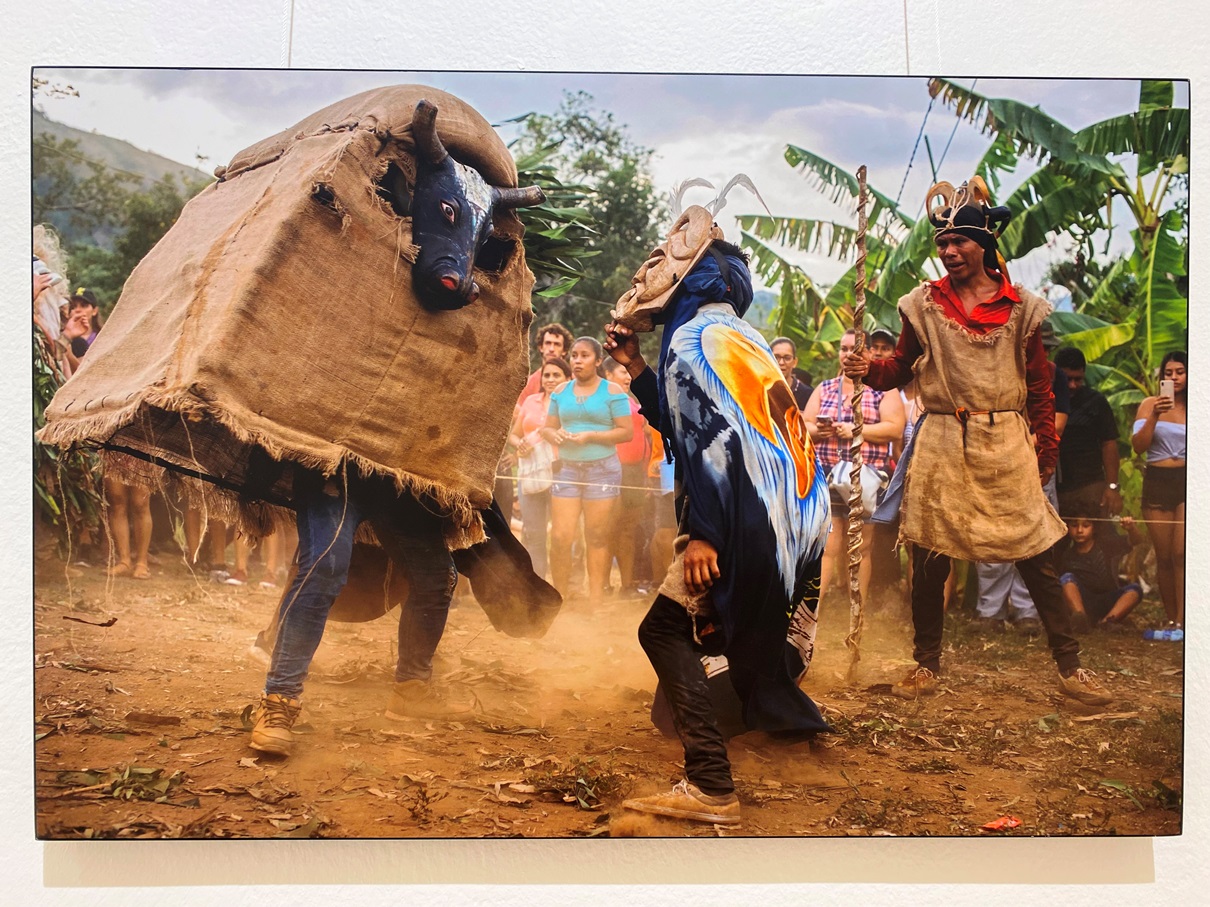
Out of all of the Latin American countries, Costa Rica is one of the most prosperous, and as to how they achieved that, I don’t think there is one definitive answer. I don’t believe any population is innately superior so luck plays a huge part in these things. Their ancestors certainly proved in the past that they were willing to take up arms when their liberty was under threat, but their more recent history has been more harmonious. For most Latin American countries, the root of many of their problems stems from neo-colonist exploitation and meddling from the US, but Costa Rica has faired much better than others, and it seems to me that it is largely because they have – for better or worse – played good diplomatic game of making enough concessions to keep the US happy whilst also putting the interests of their citizens first. Their army was disbanded in 1948, meaning the government had more money to spend on welfare, and it vastly improved the quality of life here. Since then, Costa Rica has remained peaceful by adopting a practice of political neutrality.
Those of you who follow me regularly will not be surprised when I tell you that my favourite part of this museum was its pre-Colombian exhibition. The civilisations that dwelt here are not talked about much because not as much is known about them. They didn’t leave behind any cities quite as majestic as the Inca or Maya did, so any golden age they may have achieved is either the kind that did not leave behind as many traces or remains buried and still to be discovered.
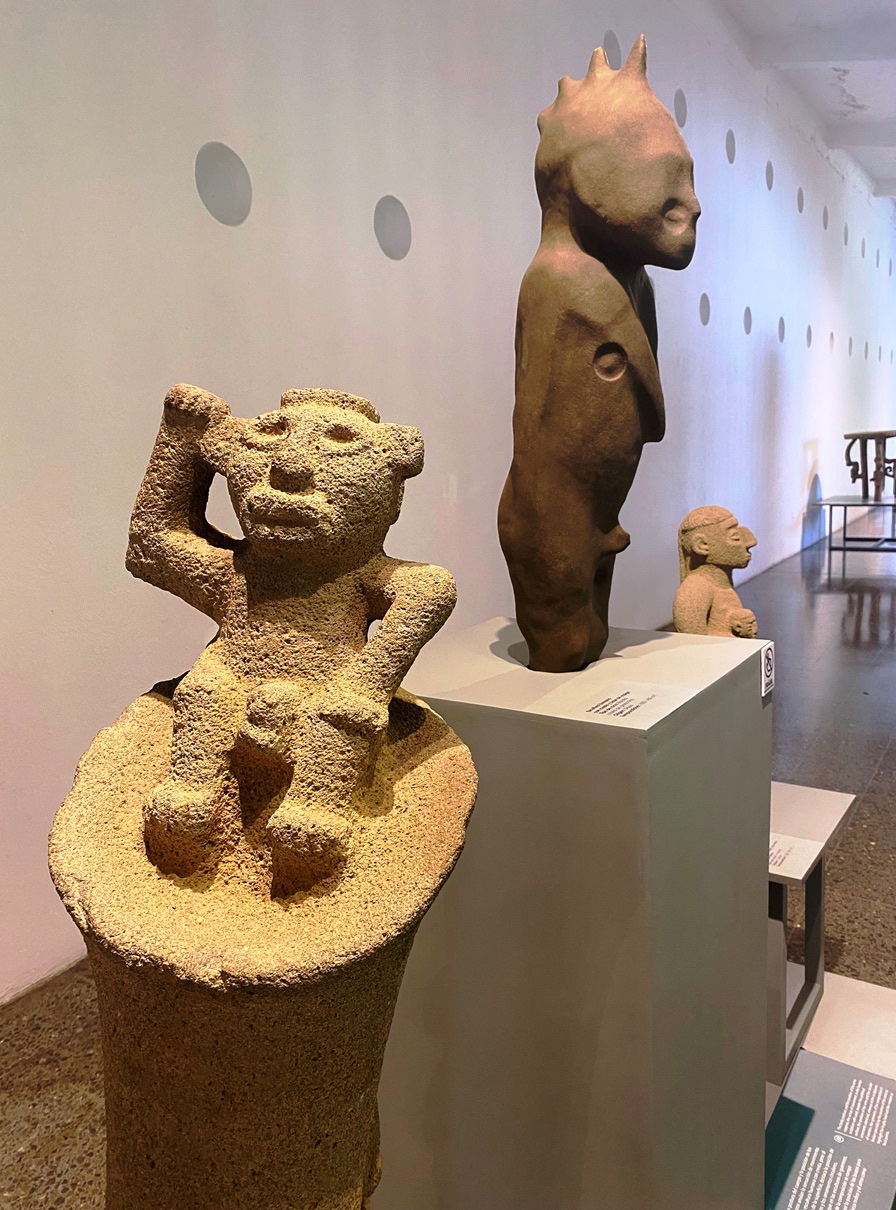
But something that they did leave behind plenty of was stone sculptures, and I was surprised by how intriguing they were.

Many of them feature the usual anthropomorphic features that appear to be common in pre-Colombian civilisations in all of Latin America, but – as usual – the styles of each region are quite variable, and they certainly have their own flair here.
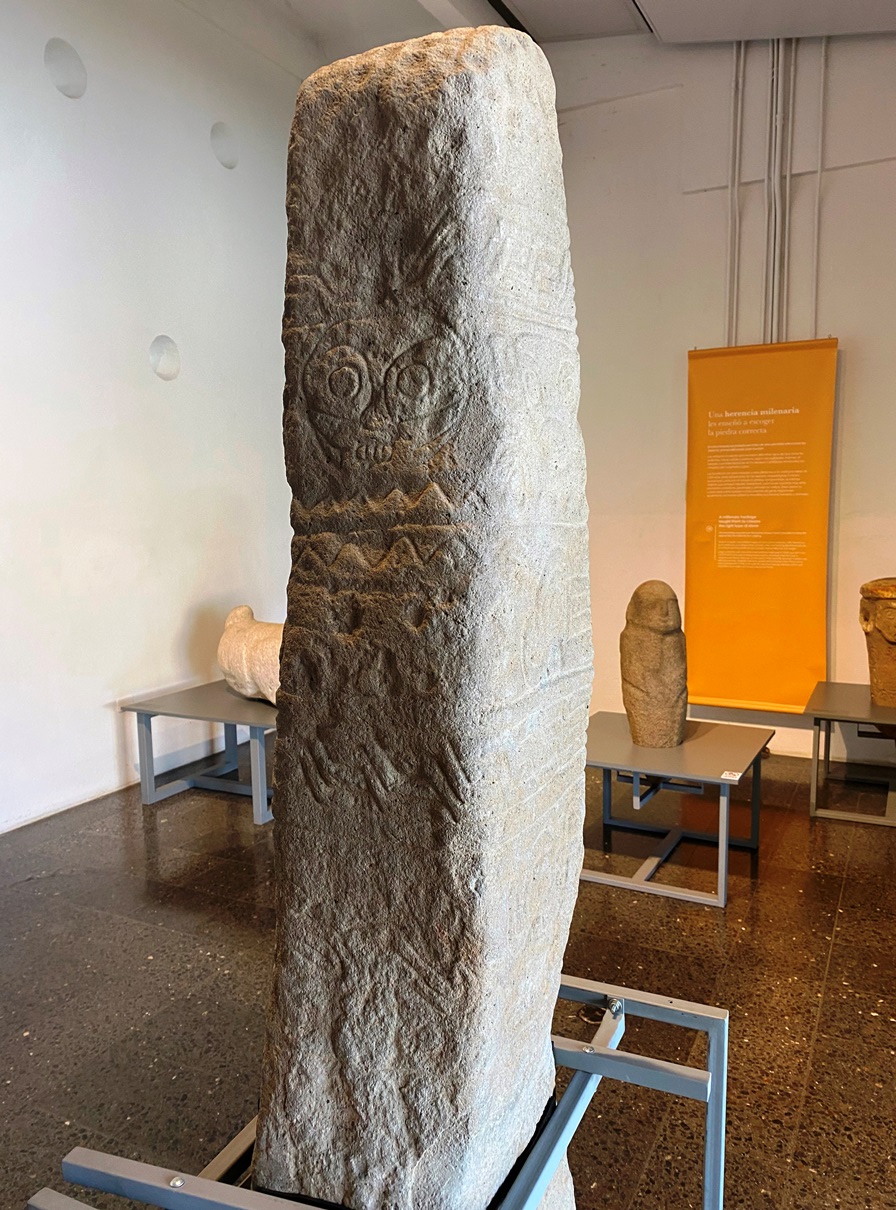
Also popular are statues of warriors, many depicted holding weapons and trophy heads of those they defeated; hinting that this was a war-like society.

And they also seemed to have been fond of geometric patterns.
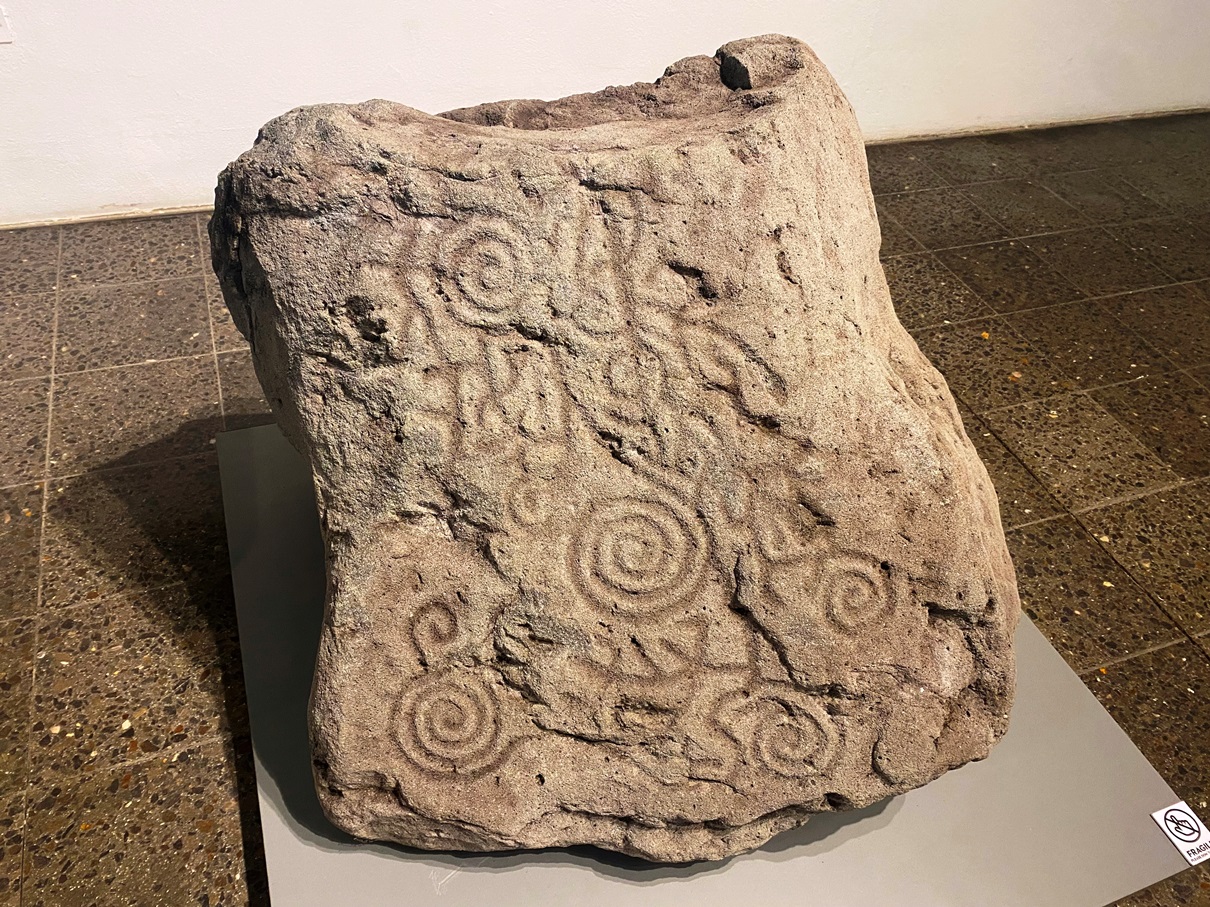
But perhaps most intriguing of all is their culture of ‘metates’; stone and oval ritual platforms. Their purpose was almost certainly ceremonial as many of them feature shamans and gods in anthropomorphic forms.

Another museum that also made a big impression on me was the Museo del Jade.

I was not previously aware of this, but the artisans of Costa Rica’s pre-Colombian civilisations were rivals to both the Olmec and Maya when it came to the production of this precious stone.

Such objects were not only treasured but also believed to play a prominent role in day-to-day life and were indicators of status and power.
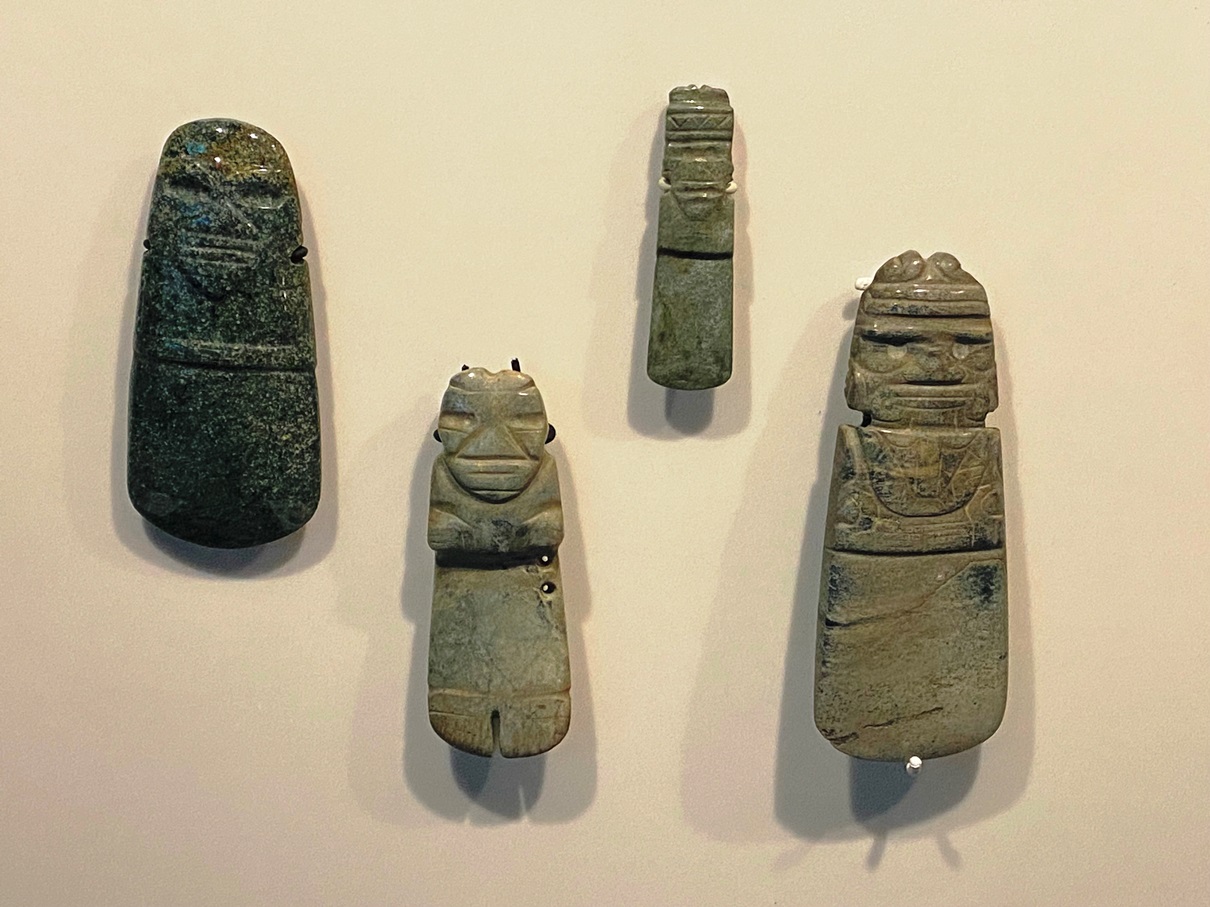
They were also used in ceremonies. It is thought that each person was assigned a protective spirit at birth in the form of an animal, and given an object in its shape as a talisman.

This museum is very expansive, spread across four entire floors. One is called ‘Splendour of the Night’, which has dimmed light and eerie birdsong. The displays are focused on depictions of nocturnal animals such as owls and jaguars. It was very atmospheric.

And not all of its displays are exclusively jade. There is also a lot of pottery: much of which is of local style.

As well as pottery that appears to have come from other pre-Colombian civilisations, including Mexico: indicating that these people were well connected.
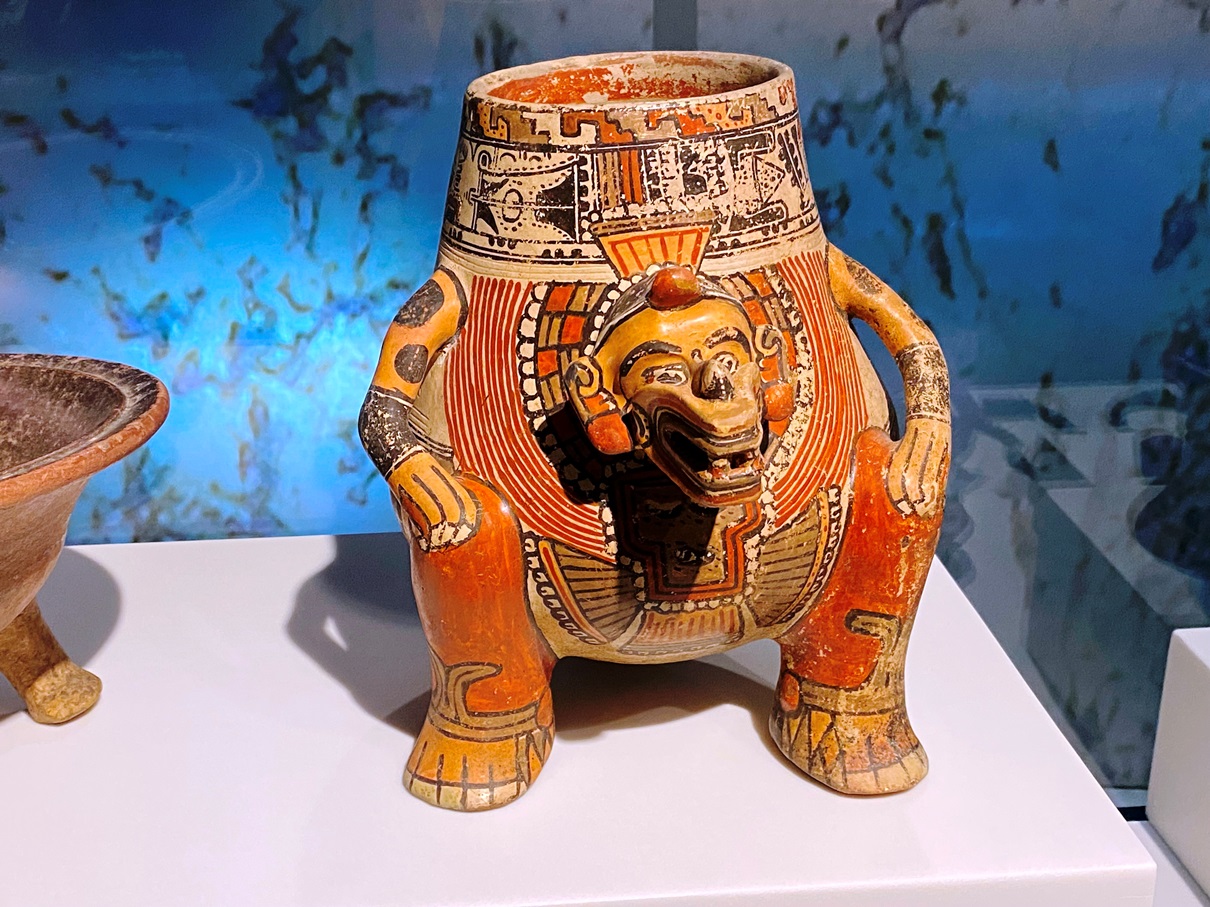
But one of the things that I found the most interesting was its collection of depictions of female shamans. Most civilisations from this part of the world only have evidence of men being shamans, but it seems there were more opportunities for women here.

Apart from visiting museums, I spent most of my time in San José wandering around its streets, parks, and churches, and I overall found it to be a pleasant city. The cathedral is – yet another – post-earthquake reconstruction, so it is modern, colourful, but pleasant.
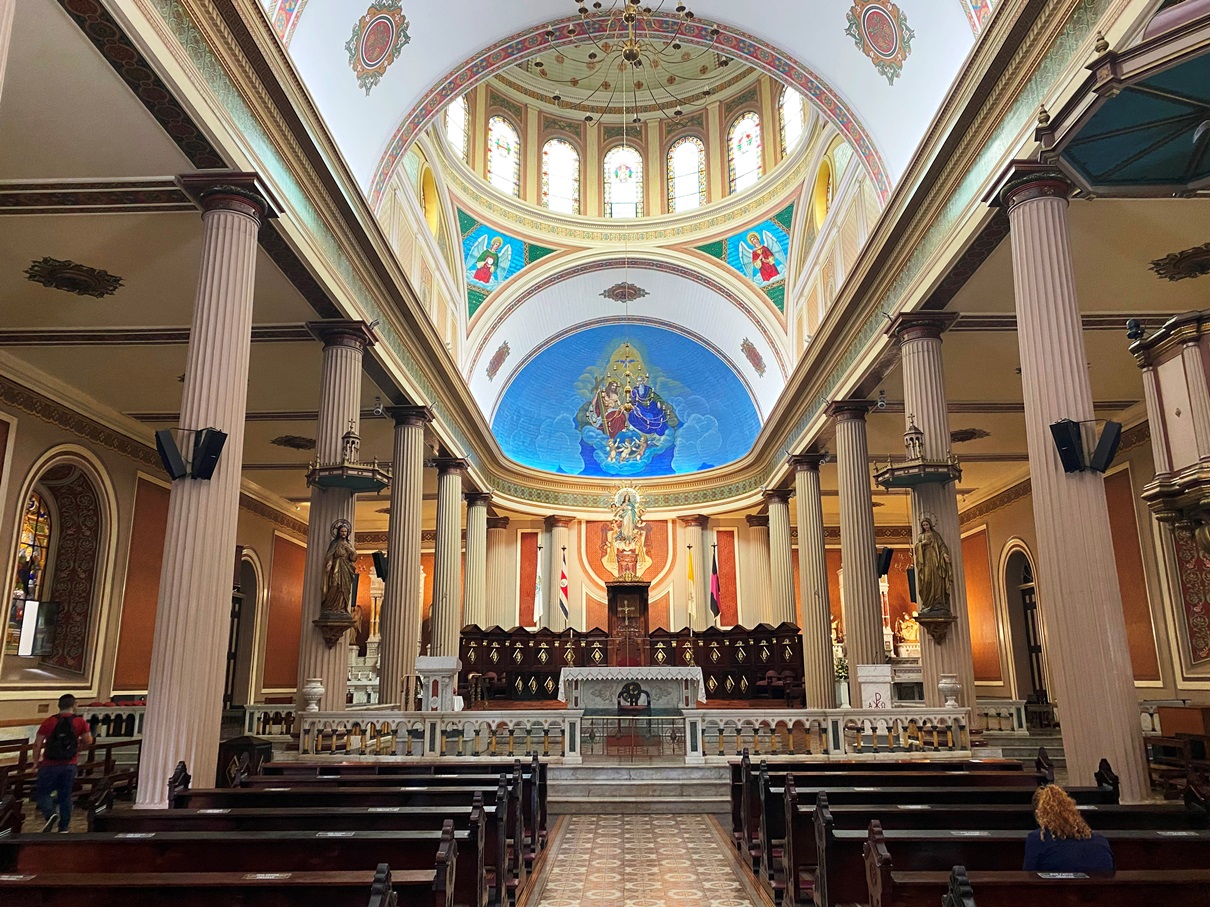
And there are lots of scenic plazas with nice architecture to be found. I particularly liked the National Theatre.

Once again, I am in a country during the low season, yet the weather has mostly been fine. The hostel I was staying in was almost empty, and the few other people I met during my time there were on holiday and just passing through before heading to Costa Rican’s islands, national parks, and beaches. I know that when people have just a short amount of time they need to prioritise, but I think they were missing out on not exploring Costa Rica’s capital.
I also want to shout out to the hostel too: NATIVUS. A lovely little place with great facilities, amazing artwork on its walls, and kind people. Recommended.
For more photos from my time in San José, click here.
 Tej Turner