
31st September – 2nd August, 2023
Another day, another border crossing. This is my third in less than a month, leaving Guatemala again, but this time for Honduras. Like the others, it was relatively painless. From Cobán I caught a bus to El Rancho and had to wait for over three hours for a bus to the border. I get the impression that this is a place that only exists because opportunists sprung up when it became the meeting point for two of Guatamala’s main roads. The one time I went out to stretch my legs I had to tiptoe around trash and a prostitute propositioned me, so I mostly waited in the ticket office. The second bus came, and it was reasonably comfortable. I arrived at El Florido in the early evening, and the border control was empty.

Copán Ruinas is a sleepy town. I was expecting it to be much more touristy than it was – as it is one of the primary hotspots of Honduras – but I have a feeling that ‘touristy’ is on a different scale in Honduras to most other places I have visited. I stayed at one of its only hostels and most of the beds were empty. One of the few guests was a guy called Cameron, whom I had met a few weeks ago in San Ignacio.

The following morning I went straight to the ruins and arrived just after they had finished feeding the scarlet macaws. I know that I have gotten onto my soapbox a few times on this blog about feeding wild animals, but this is one of the cases where it is justified. Copán Ruinas has a rehabilitation centre that works with the administrators of the ruins as part of its release program. When the birds are well enough to fly again they release them here, and the forests around the ruins have feeding stations to help the birds out during the transition period. It is regulated, and there are signs around the place telling visitors not to engage in any bird feeding themselves.

Their presence is quite fitting and adds to the atmosphere. The scarlet macaw is a motif that the Mayans featured in much of their iconography, particularly in their ball courts where they held their famous ball game, and this city seemed to have a particular fondness for them.

I arrived before the tour buses and had the place mostly to myself for the first couple of hours. I know I have visited several Mayan ruins by now, but these were special and possibly the most memorable.

They are not as well-known as places such as Tikal or Chichen Itza. Possibly because they are located in Honduras – which isn’t exactly a country people associate with the Maya – and also because they don’t have quite as iconic pyramids. This city was a big player during the Classical period of Mayan civilisation. It dominated most of the cities around it and endured a rivalry with Tikal that lasted for hundreds of years.

And when it comes to micro details, Copán is unmatched. Steles and statues are dotted about the place, many of them depicting past rulers in godlike forms.

And their backs and sides are covered in hieroglyphs, bragging about their deeds and telling their history. Much of our knowledge about Mayan history is thanks to Copán.
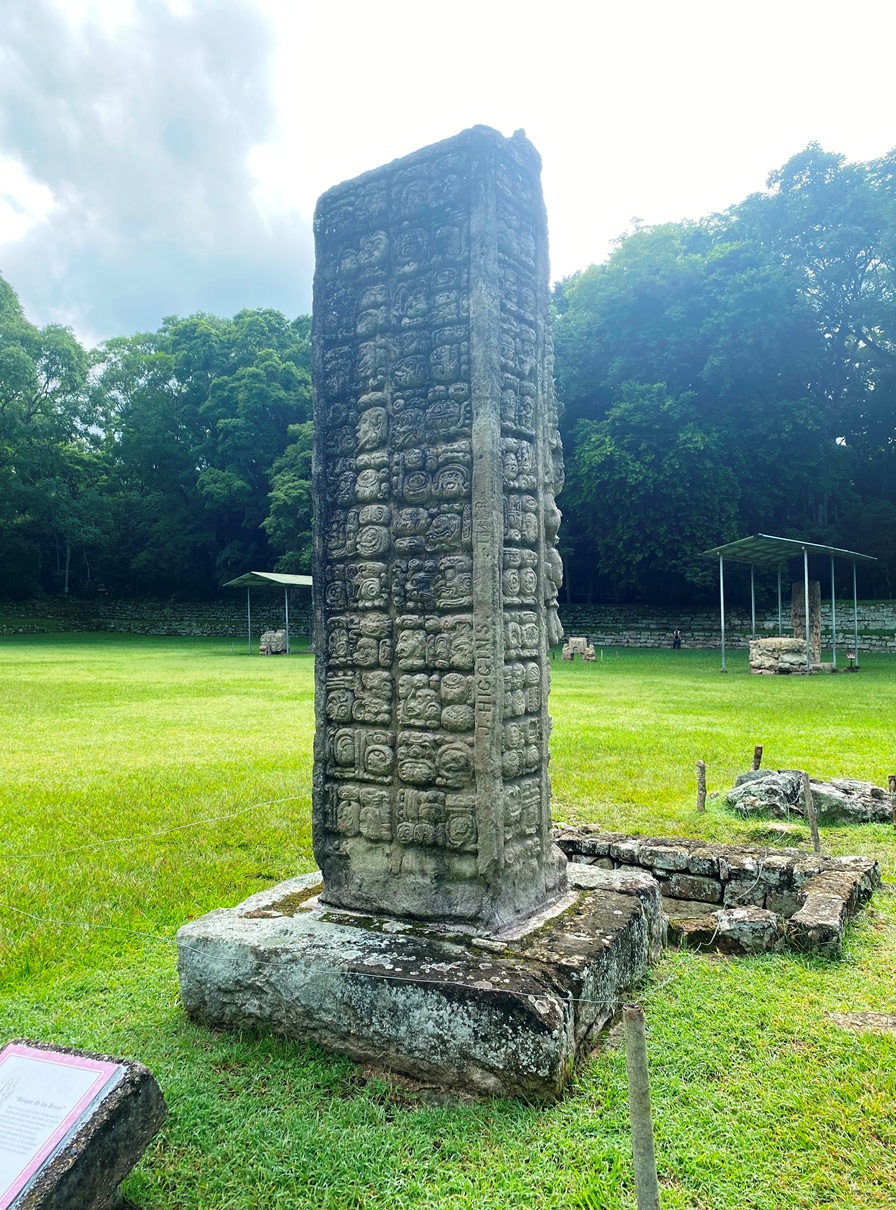
The most awe-inspiring feature of this place – and a monument that I believe deserves much more recognition – is the hieroglyphic stairway.
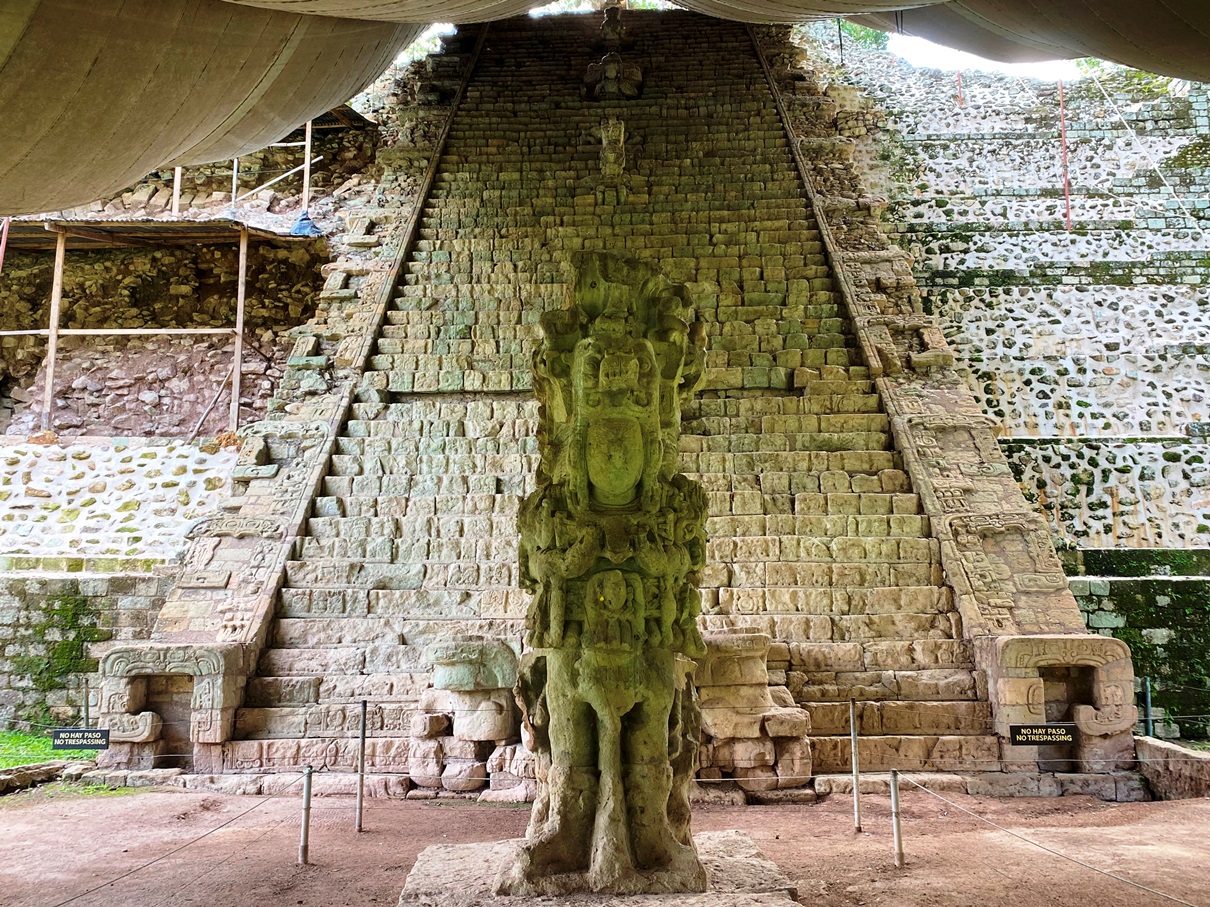
Much effort is put into preserving this feature. It is cordoned off to stop visitors from climbing, and they have placed canvas to protect it from the rain, which somewhat compromises the view of the site as a whole, but is understandable, all considering.

Each of its sixty-two steps is covered in hieroglyphs which tell the story of Copán ’s dynastic history. It was commissioned during the Late Classic period after the Quirigua captured the city’s thirteenth ruler Uaxaclajuun Ubʼaah Kʼawiil, and sacrificed him.

The Copán complex is made up of many parts. Most of the tourists that come only go to the central acropolis and leave but being the geek I am I also went to many of the smaller places, such as Las Sepulturas.
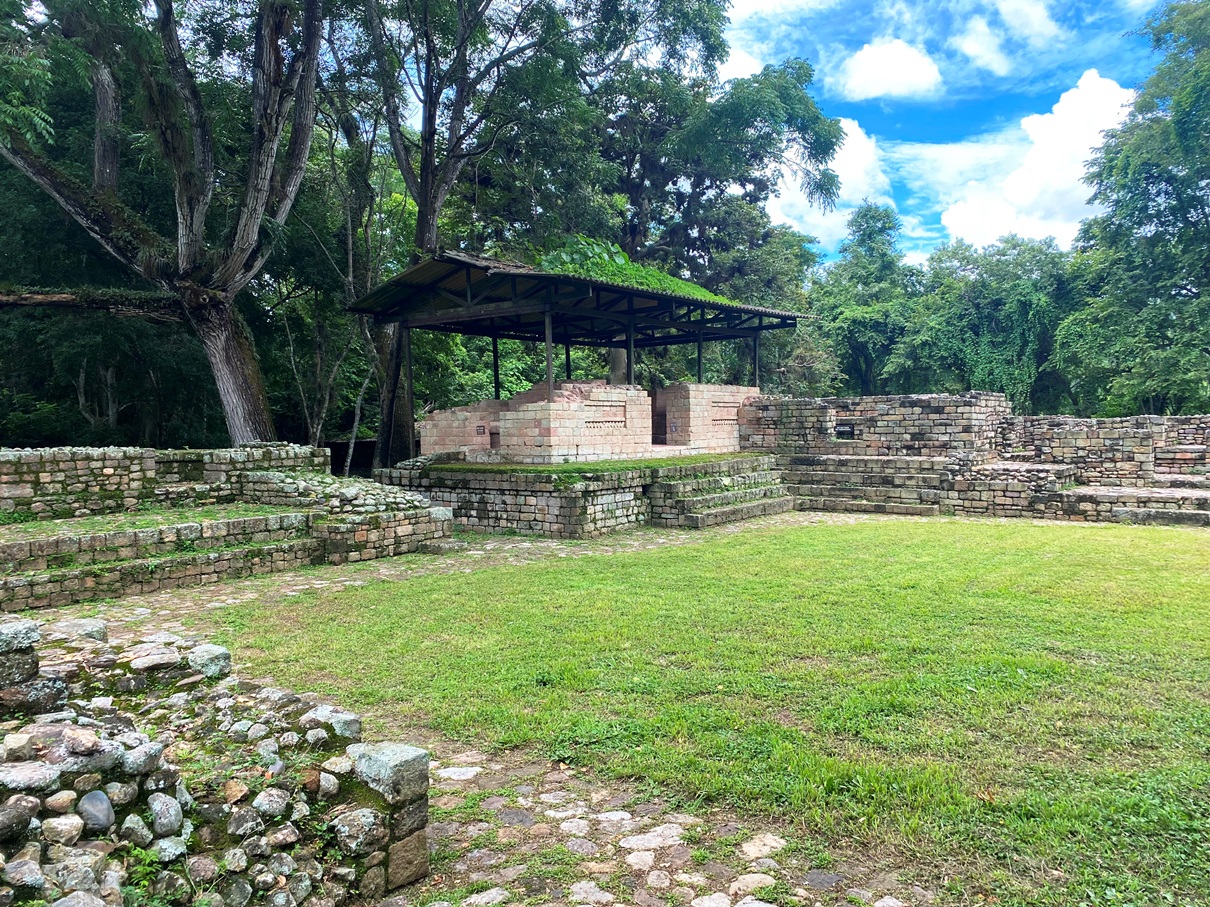
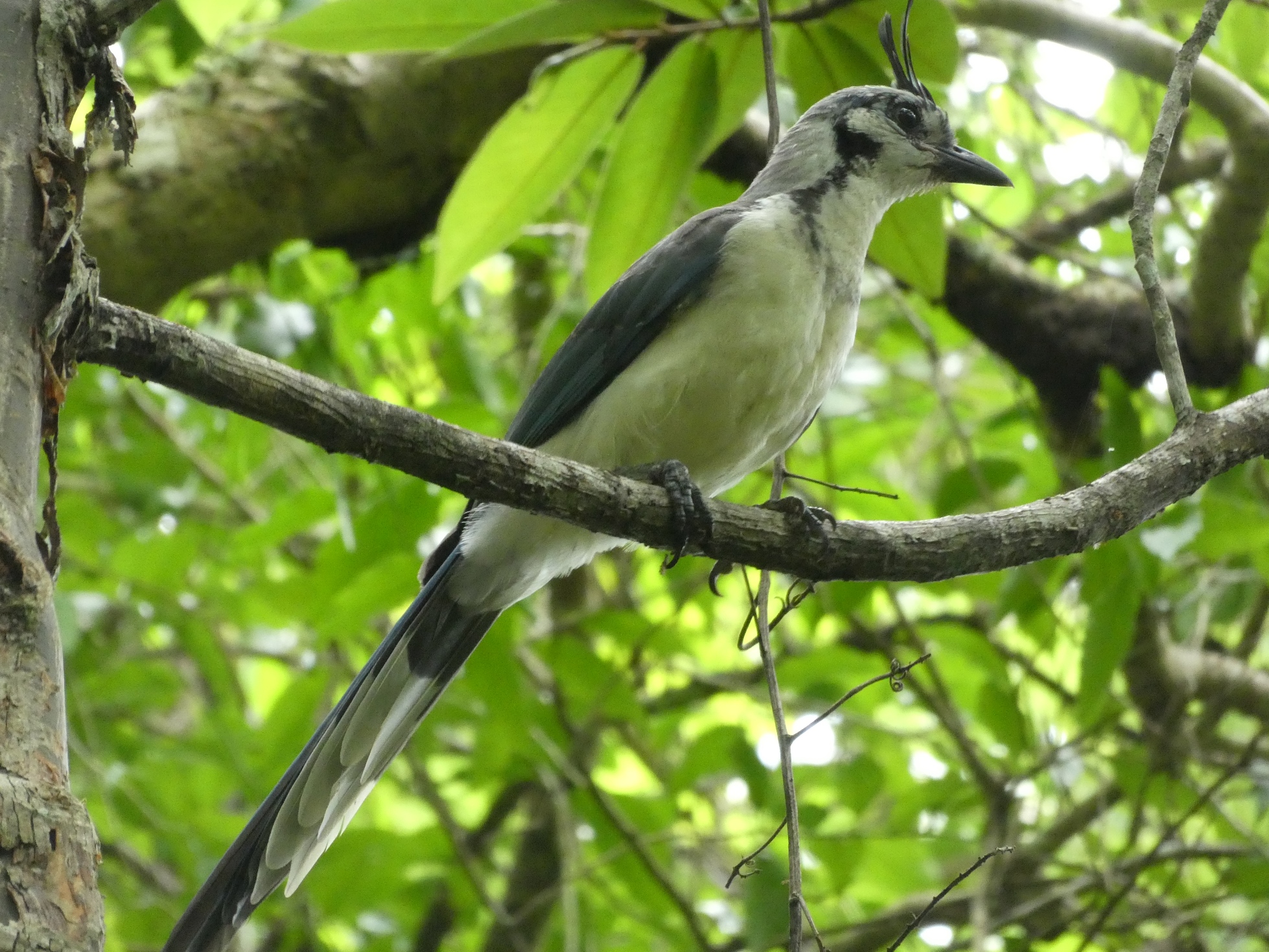
If I am honest, these other ruins weren’t much to write home about, but I am still glad I went to them as they gave me a reason to walk around more. The forests around Copán Ruinas are very good for birdlife, and I spotted many species whilst wandering between its different ruins. Honduras is less developed than most Latin American countries, and the lack of other people probably helped.
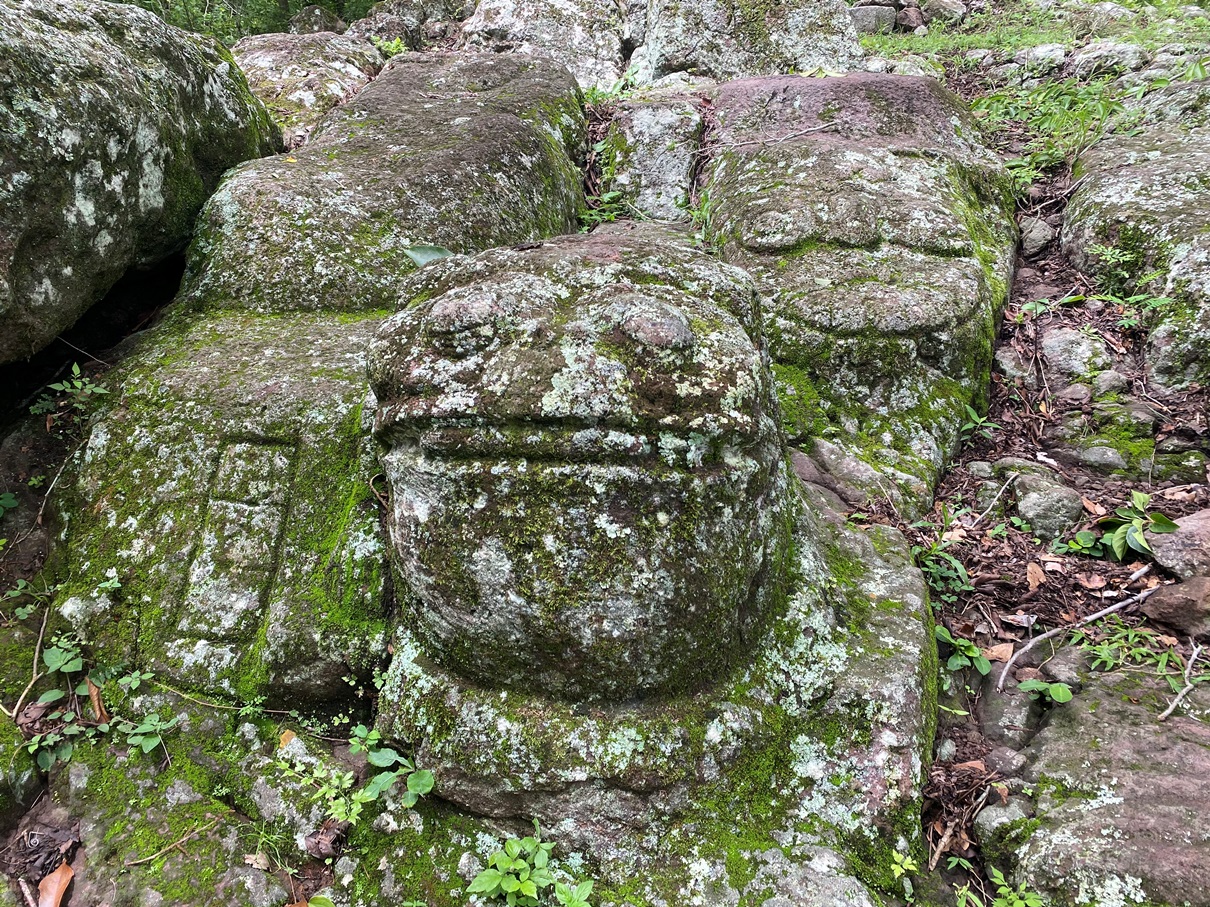
I also walked to Los Sapos. This is a bit away from all the other ruins and is essentially just some rocks close to a stream that has been carved so that they have the faces of frogs. So I guess consider just how much into ruins you are before deciding whether to go. I enjoyed it as the walk there was nice and it had a very interesting energy. It is believed that they were most likely shrines that people would visit to make pleas to certain gods or spirits. Perhaps to do with fertility.
Another memorable visit that I made during my time here was to the Museo de Esculturas. It is located at the same place as the ruins, but I went on a separate day as I did not want to rush my way through and wanted to read through all of its information with a fresh mind. Its central feature was something particularly memorable.

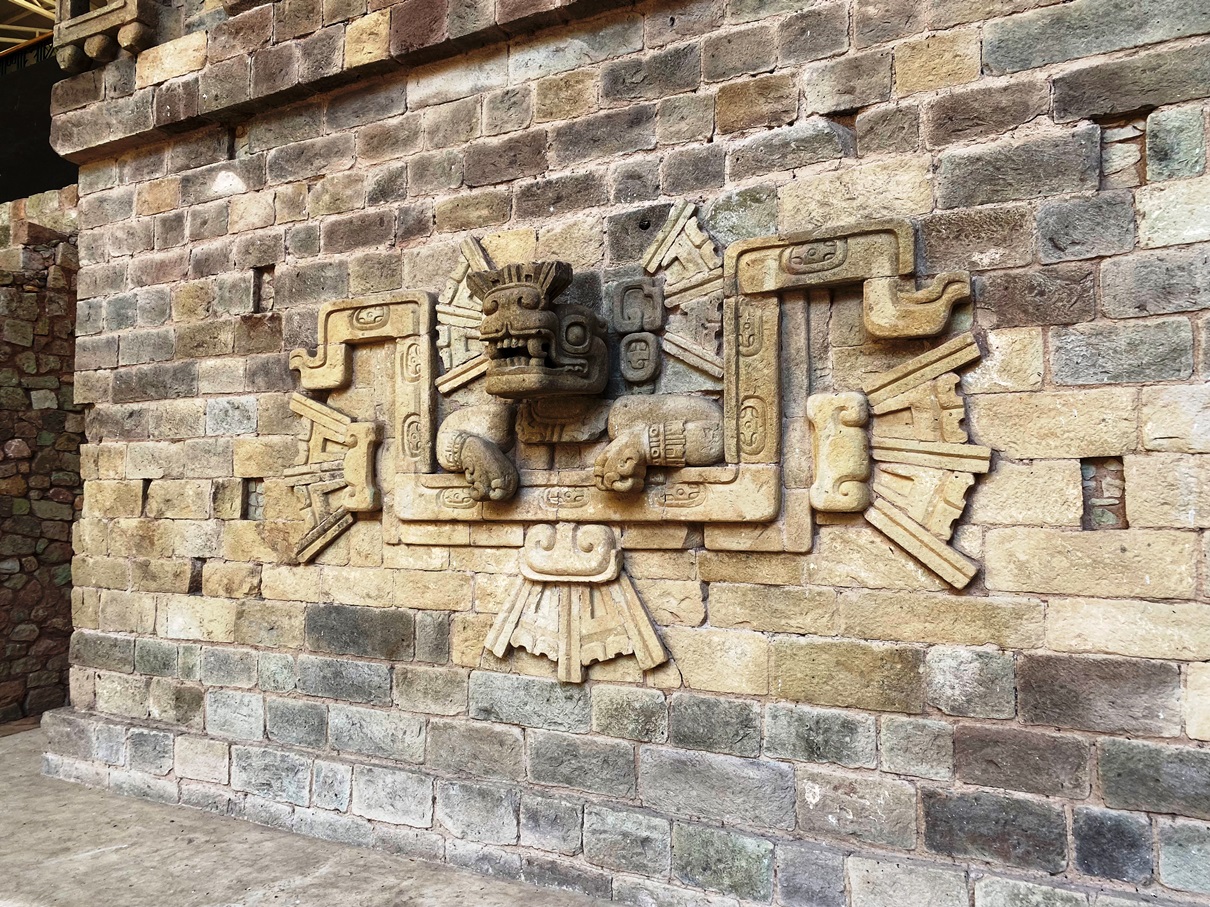
Now, before you get too excited, I just want to say that this is not an original monument. I have mentioned during my entries for both Tikal and San Ignacio two things; that the Maya often built their new monuments on top of old ones and that – much like the Greeks – their world was much more colourful than it would seem because the pastes they used to colour their facades have washed away over the years.

Well, this is a reconstruction of something they found underneath one of Copán ’s pyramids. It is called Rosalila. This is not exactly as they found it but they analysed the residues on the faces of the rocks to guess what it would have looked like when it was in use.

Also within this museum are many statues, panels, and facades that they have rescued from the Acropolis and other sites in the area. They keep them here to protect them from the rain and keep them preserved. This a place to check out if you are visiting Copán.
Overall, I think I will look back on my first few days in Honduras fondly, and I am excited for what I have to come. This country is quieter and less developed than the others I have visited so far on this trip, and I am enjoying the ambience. The climate has also been very agreeable to me. It is technically ‘low season’ but the daytimes have been warm, and most of the rain has come in the late afternoons and evenings in the form of dramatic storms (which I love), cooling the air for nightime. My next destination will be Lake Yojoa, where I plan to undertake some hiking.
For more photos from Copán Ruinas, click here.
 Tej Turner