I have recently been featured in The Fantasy Hive‘s Author Spotlight series, where I answered some questions about my forthcoming novel Bloodsworn, my past novels, future projects, writing techniques, and many other important things such as what kind of mythical creature I would ride into battle!
Elsewhen Press has just announced they will be publishing a new novel of mine early next year.
A bit of a departure from my previous two novels (which were an urban fantasy duology), this one is the first instalment of a brand new epic fantasy series titled ‘The Avatars of Ruin’.
You can read their announcement by clicking here. It includes more details, including a lovely map of the world I created.
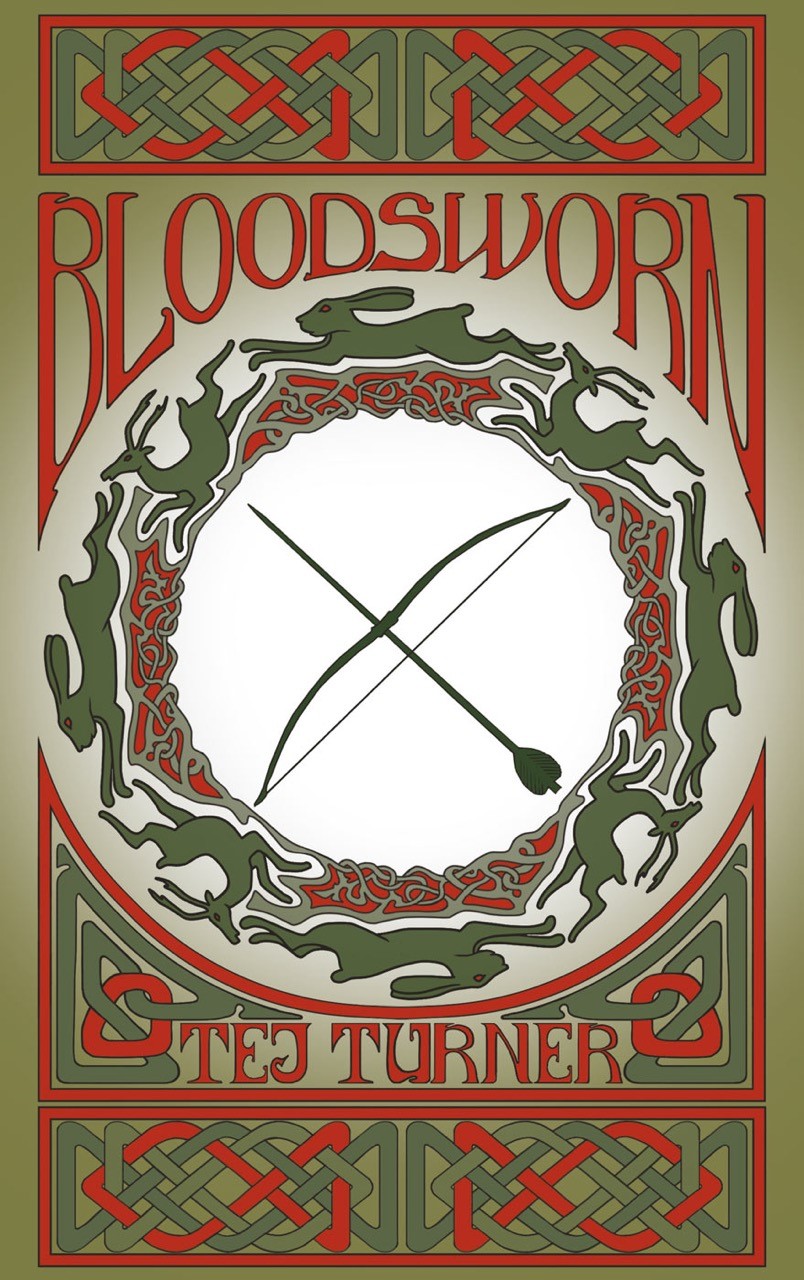
Bloodswornwill be available on all ebook formats from the 8th of January and as a paperback on the 8th of March 2021. This beautiful cover was designed by Alison Buck.
Cover Art by Alison Buck
“Everyone from Jalard knew what a bloodoath was. Legendary characters in the tales people told to their children often made such pacts with the gods. By drawing one’s own blood whilst speaking a vow, people became ‘Bloodsworn’. And in every tale where the oath was broken, the ending was always the same. The Bloodsworn died.”
It has been twelve years since The War of Ashes, but animosity still lingers between the nations of Sharma and Gavendara, and only a few souls have dared to cross the border between them.
The villagers of Jalard live a bucolic existence, nestled within the hills of western Sharma and far away from the boundary which was once a warzone. To them, tales of bloodshed seem no more than distant fables. They have little contact with the outside world, apart from once a year when they are visited by representatives from the Academy who choose two of them to be taken away to their institute in the capital. To be Chosen is considered a great honour… of which most of Jalard’s children dream.
But this year the Academy representatives make an announcement which is so shocking it causes friction between the villagers, and some of them begin to suspect that all is not what it seems. Just where are they taking the Chosen, and why? Some of them intend to find out, but what they discover will change their lives forever and set them on a long and bloody path to seek vengeance…
One of the biggest challenges a space-based science fiction will face – in my opinion – is whether the author has done their homework and performed enough research into the realities surrounding humans inhabiting space.
I am happy to say that this book has achieved this very well.
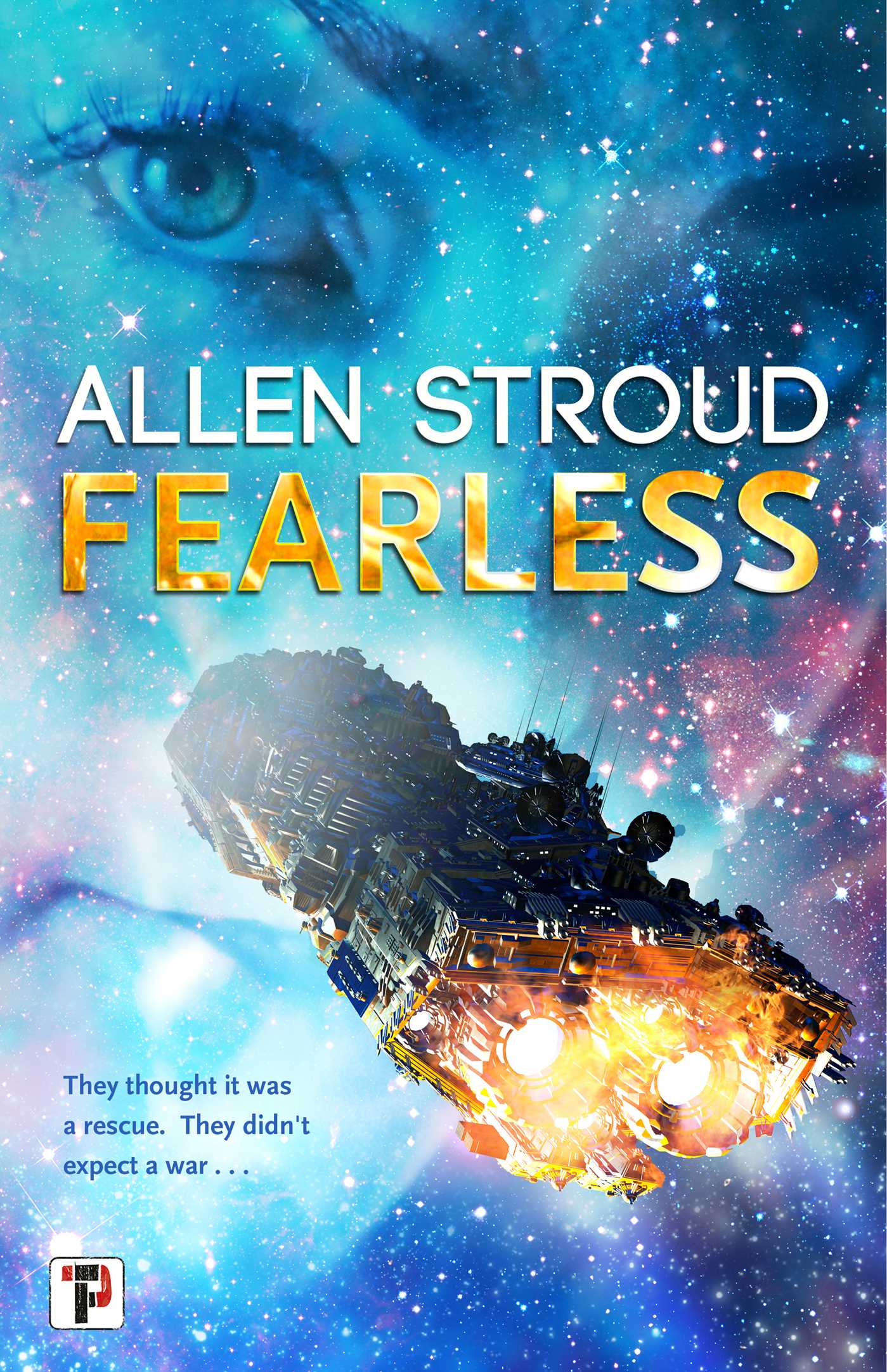
Within just the first few pages of reading Fearless, it was clear to me thatAllen Stroud has not only done his homework in terms of the ‘science’ part of such a story, but also the ‘fiction’; he has filled his futuristic vision of our world with a whole timeline of events which transpired between our present day, all the way up to the beginning of his story (which takes place just shy of one hundred years into the future), and it made for a compelling and believable mise en scene.
This book is described as a military SF, but it doesn’t get too bogged down with the ‘military’ side of that – as in, it doesn’t focus too much on spaceships monotonously shooting endless rockets and lasers at each other, as some books can. Instead, much of the tension of the story lies in the moments that the characters find themselves vulnerable to the vacuum of space, by either their equipment being compromised or their ship. Throughout these moments, Allen often draws out the tension by weaving in backstory about the characters – as they reflect on their past experiences and their knowledge to better make crucial judgements. This not only lends the story much more nuance, but it also allows its most nail-biting moments to hang whilst simultaneously giving the world and its characters more depth.
The narrative style is first-person, and there are three characters whose perspective we shift between throughout the story. These transitions are not jarring at all (as can sometimes be when an author attempts this), and each of them has a distinct voice.
The only criticism I have is that I did occasionally find myself having trouble remembering who all the secondary characters were. Although, I must also confess that I am one of those readers who naturally absorbs fewer details of a story my first time round than many others do, so I suspect not everyone would experience this problem. It was not something which stopped me enjoying the story, and I always found myself feeling familiar with these characters whenever they were introduced to me again.
There are some interesting twists and turns along the way, and everything about the story – from its characters to the scientific themes, and the events which unfold – feels real enough pull you into its narrative. I will not give any spoilers, but it does seem very much that this novel ended with a nod to a possible sequel which I am looking forward to reading when it comes out.
One last thing I would like to say is that Allen has an admirably diverse cast. And not in a way which feels at all forced; it makes perfect sense that a ship which trawls the solar system a hundred years into the future would have an international crew. Something else that he touches on – which I had never even considered before – is that zero-g environment is one which could one day be attractive to people who are physically impaired (for one does not necessarily need to walk on a spaceship, after all). Many authors in the past have used technology as a miracle ‘cure’ for disabilities, and that can sometimes be problematic, so it is refreshing to see that Stroud has steered well away from this trope. Instead, he has speculated a future where technology can certainly improve the lives of those with disabilities but, more importantly, the people who have them can live full and rewarding lives around them. This is something I suspect will resonate with many readers.