
15th – 18th September, 2023
As mentioned in my last blog (to read Part 1 of my time in Mexico City, click here), I arrived in Mexico City a few days before its Independence Day celebrations were due to begin, and that was certainly not something to miss. This blog is going to cover that and my visit to Teotihuacan.
The Mexican Independence Day festivities begin on the evening of the 15th of September with the ‘El Grito’. When thousands of people gather within the main square of the Zocalo district to witness the President make a series of inciting speeches to which the crowd yells back, “Viva Mexico! Viva l independence!”. This is a partial reenactment of the time when Miguel Hidalgo incited the citizens of Dolores to fight for their independence from the Spanish in 1810.

But when the actual day came, it seemed that it might not be possible for me. I didn’t mention this in my last blog but I had been experiencing problems with my back recently. I think the cause was probably a combination of things. I had spent a lot of time sitting in the seat of a car during my road trips with Juan in Costa Rica, and when I arrived in Mexico I ended up having to walk around the airport for a while with all my bags to find an ATM that wouldn’t slap my foreign card with excess charges. Then, after that, my first few days in Mexico were mostly spent in museums – which involved a lot of walking around and standing in spots as I read displays. By the time the 14th of September came I was at the point where I couldn’t even walk more than a few minutes without it flaring.
That, and on the early evening of the 15th, a storm suddenly swept over Mexico City. One that was so dramatic that the other guests at the hostel and I had to abandon the gazebo that served as a communal area on the rooftop and take shelter in the kitchen.
But, as the time drew closer, the weather began to clear and my back was feeling a little better so I decided to take a paracetamol and join the troupe of other guests heading out to the festivities.
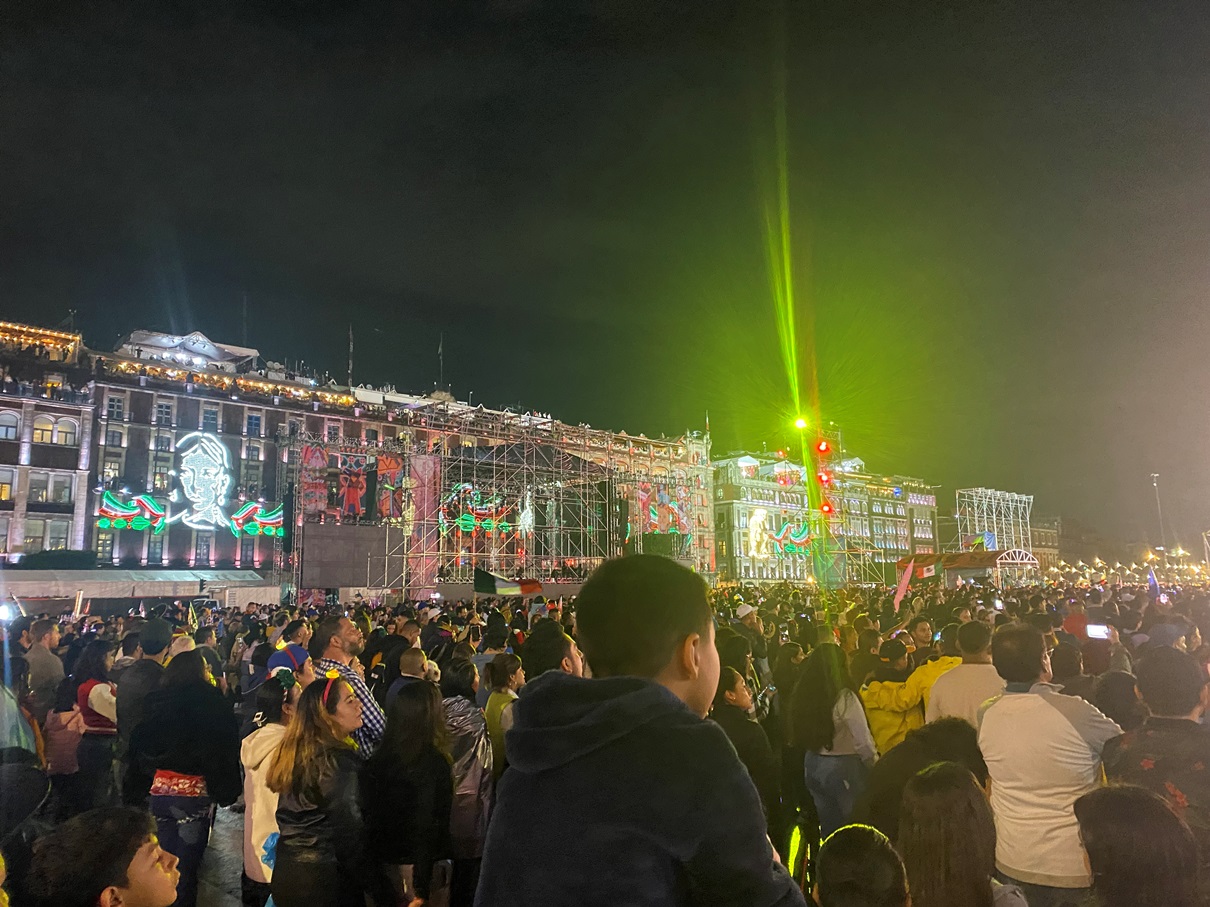
I had thought that – with us turning up as late as we did – there wouldn’t be any space left in the plaza but it seems that we were not the only people who had been deterred by the storm. We arrived just as an opening concert was about to begin. A famous band started to play on a stage in front of the cathedral.

I stayed there for about half an hour or so but eventually had to leave. Partly because my back was starting to flare up again but also because there were no public toilets and I had drunk several beers with some of the other backpackers during the storm.

This meant that I missed the part where the President appeared. It would have been nice to witness that first-hand, I guess, but I was happy I got to see the prelude and soak up the atmosphere for a while.

There was one good thing about returning at the time I did, however…

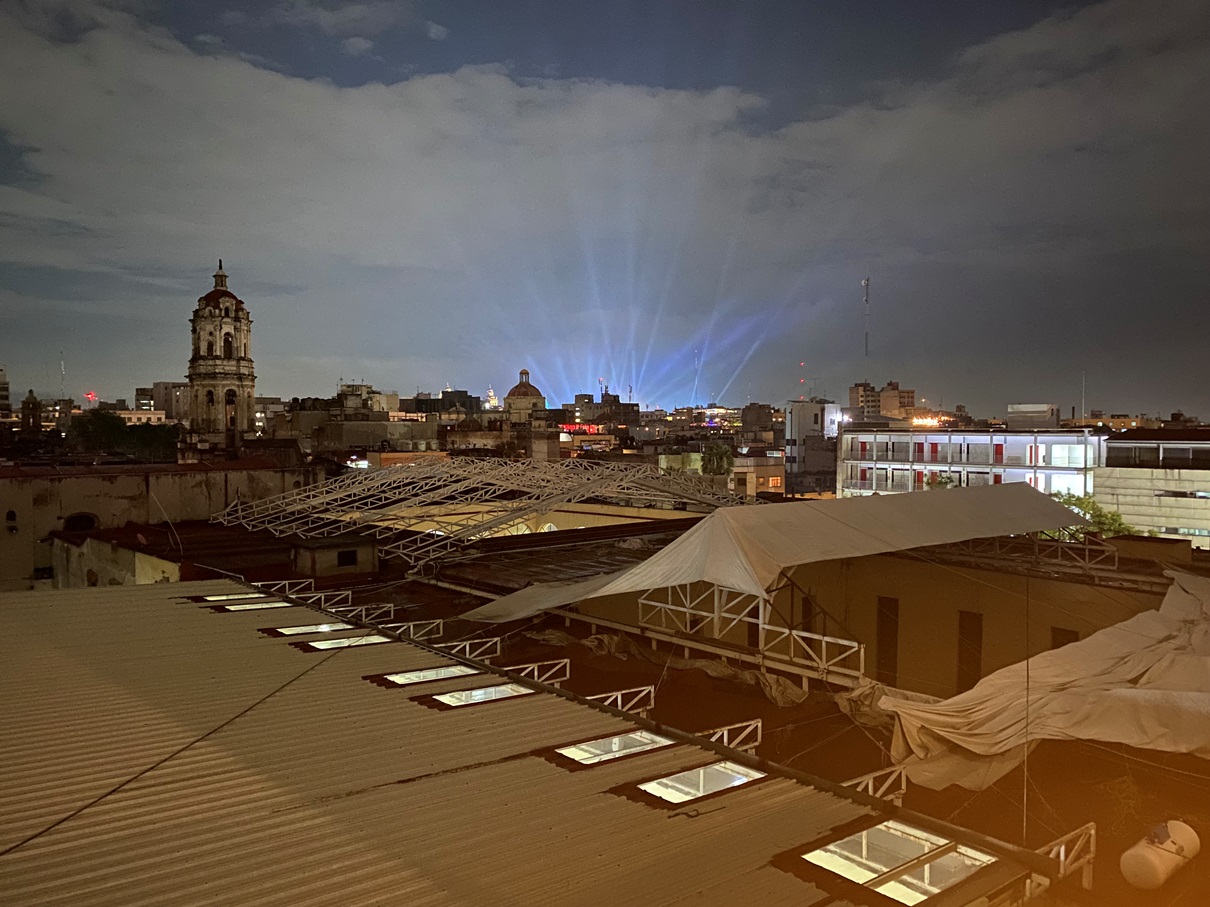
… and that is that I got to watch the fireworks display from the roof of my hostel (whilst drinking another beer).

The following day there was a military parade, and I went to see it with two of the other people staying at the hostel.
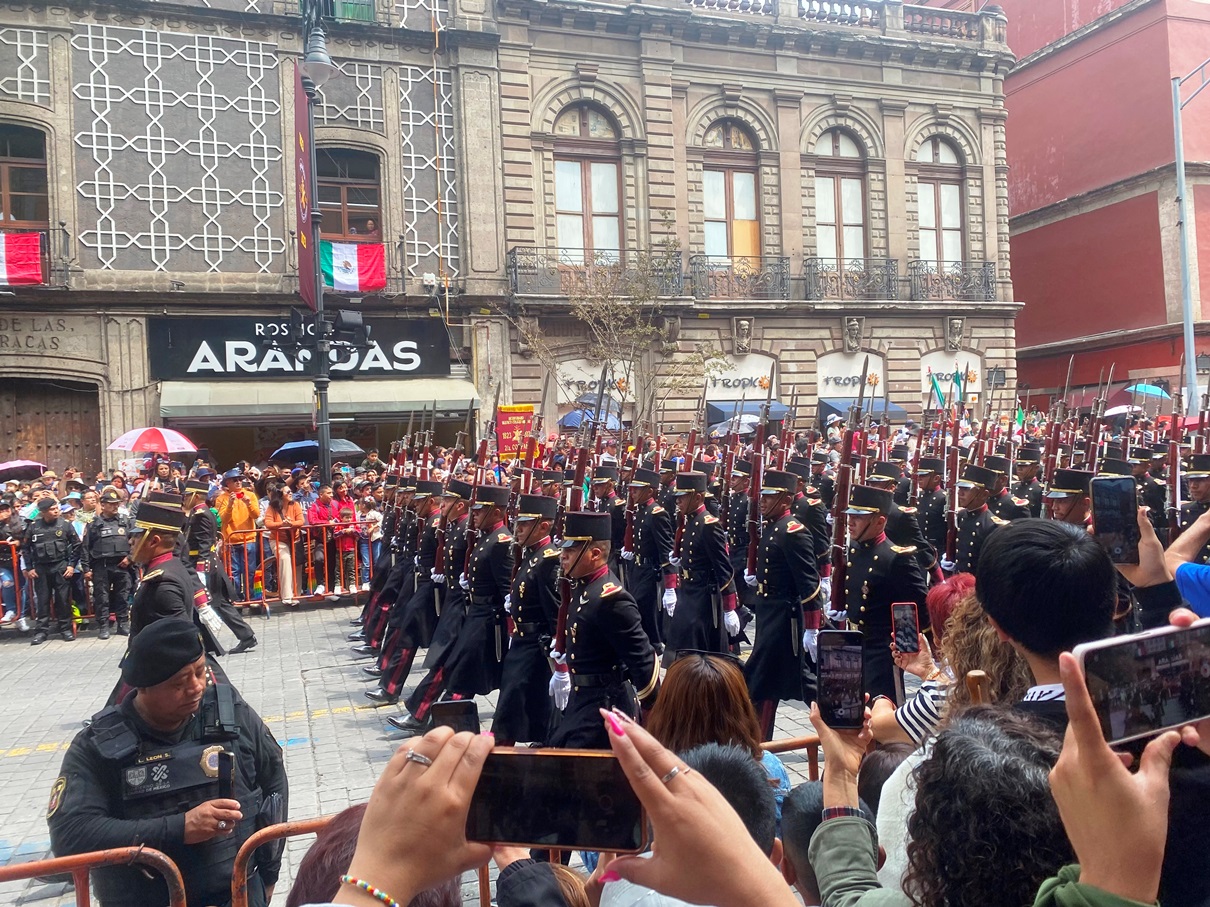
Contrary to the previous night, we found it impossible to get into the plaza on this occasion – by the time we tried to make our way there it was already packed – so we made our way to one of the nearby avenues that the parade was due to pass through.

And, as usual with such events in Latin America, there was a lot of waiting for it to start. I think we were there for about an hour before we started to faintly hear music and other sounds echoing from the plaza. During that time we did occasionally get to watch fighter jets passing above, but besides that, we just waited.

When the parade came it didn’t disappoint. I won’t bore you by listing all the things that we saw but I will say that it was very long. Tanks, paratroopers, engineers, infantry, cavalry, medics, and many others. Some of them even on the backs of large trucks.

One of the highlights for me was a group of falconers marching by with eagles. A friend who was observing from a different place said that she witnessed them all take off. Some of Mexico’s allies were also represented, including many Latin American and Caribbean countries along with some others. I will say, however, that it was a bit disorientating for me to hear people cheering when soldiers from Russia marched by. I can only guess that they hear a very different spin on their news in this part of the world.
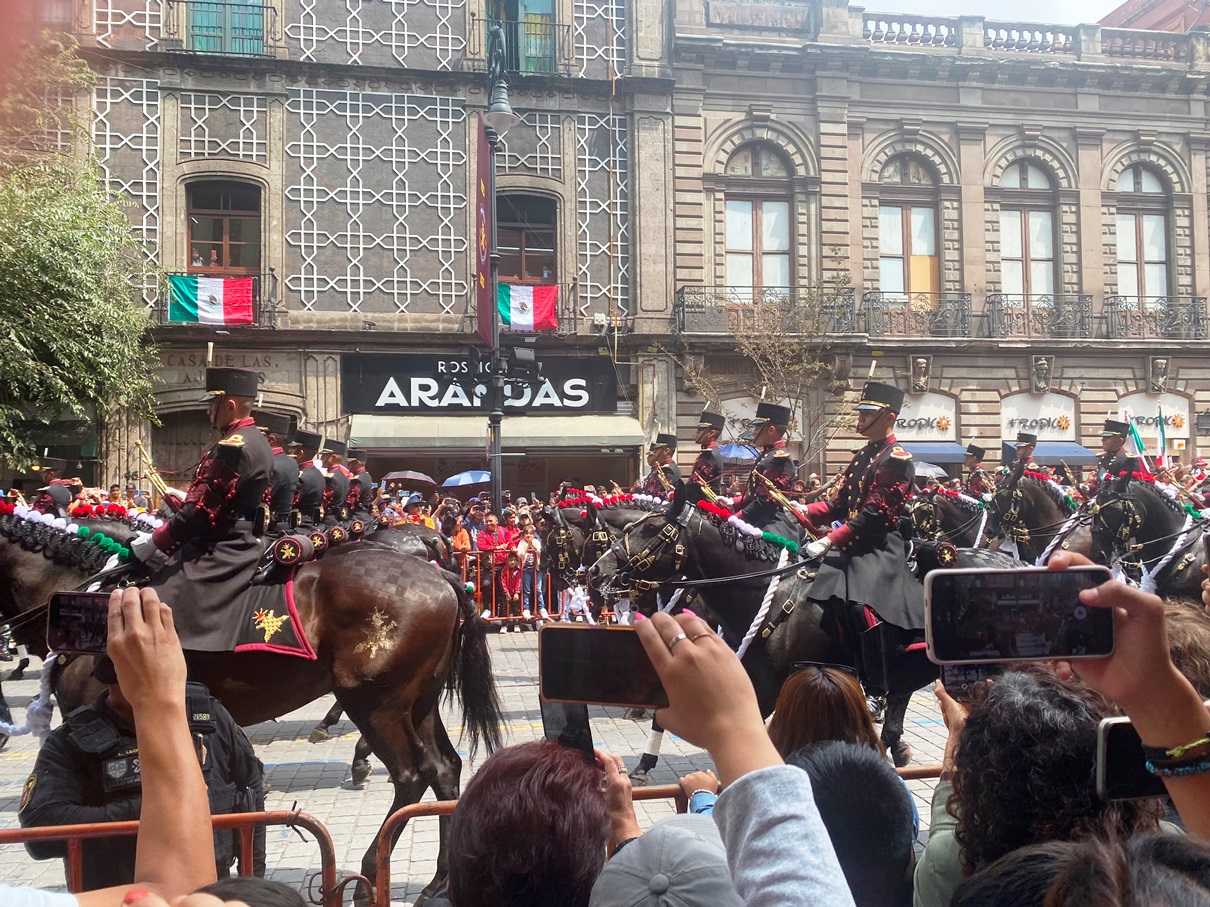
I will also admit that I didn’t watch the entire thing, as it was very, very long, and – especially towards the end – a bit repetitive. I made my way back through the plaza, which by then had emptied a little and was covered in confetti.

And now I will write about what I suspect most of you are here for; my visit to Teotihuacan.
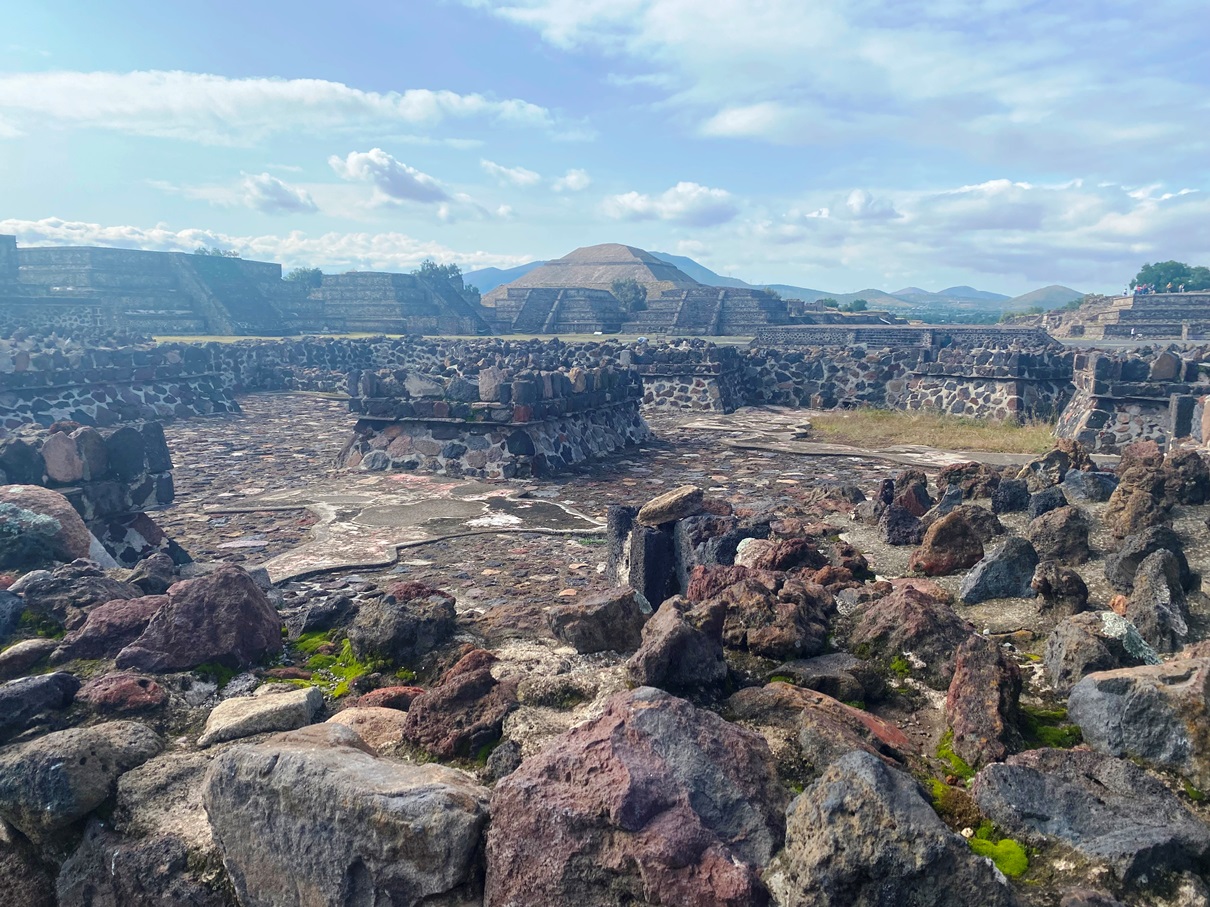
I purposefully waited a couple of days after the Independence Day celebrations. Not only to give my back a bit of a rest but also because I wanted to wait until the weekend was over so I could avoid the crowds.
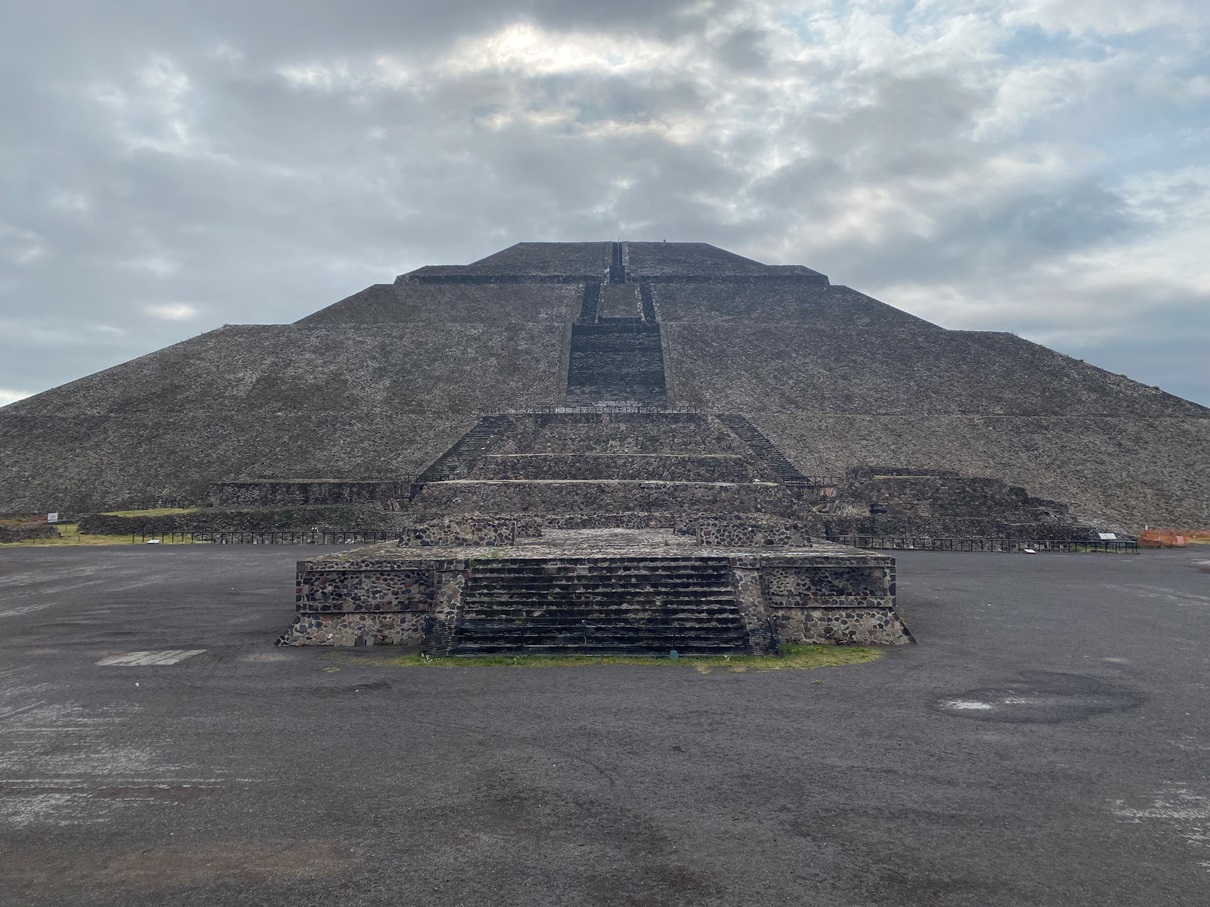
I was fairly successful with this. When I arrived I managed to take a few photos of it whilst it was still fairly empty, but I think that might have had more to do with the fact that I turned up early. Within a couple of hours, some tour buses arrived and the place was much busier.
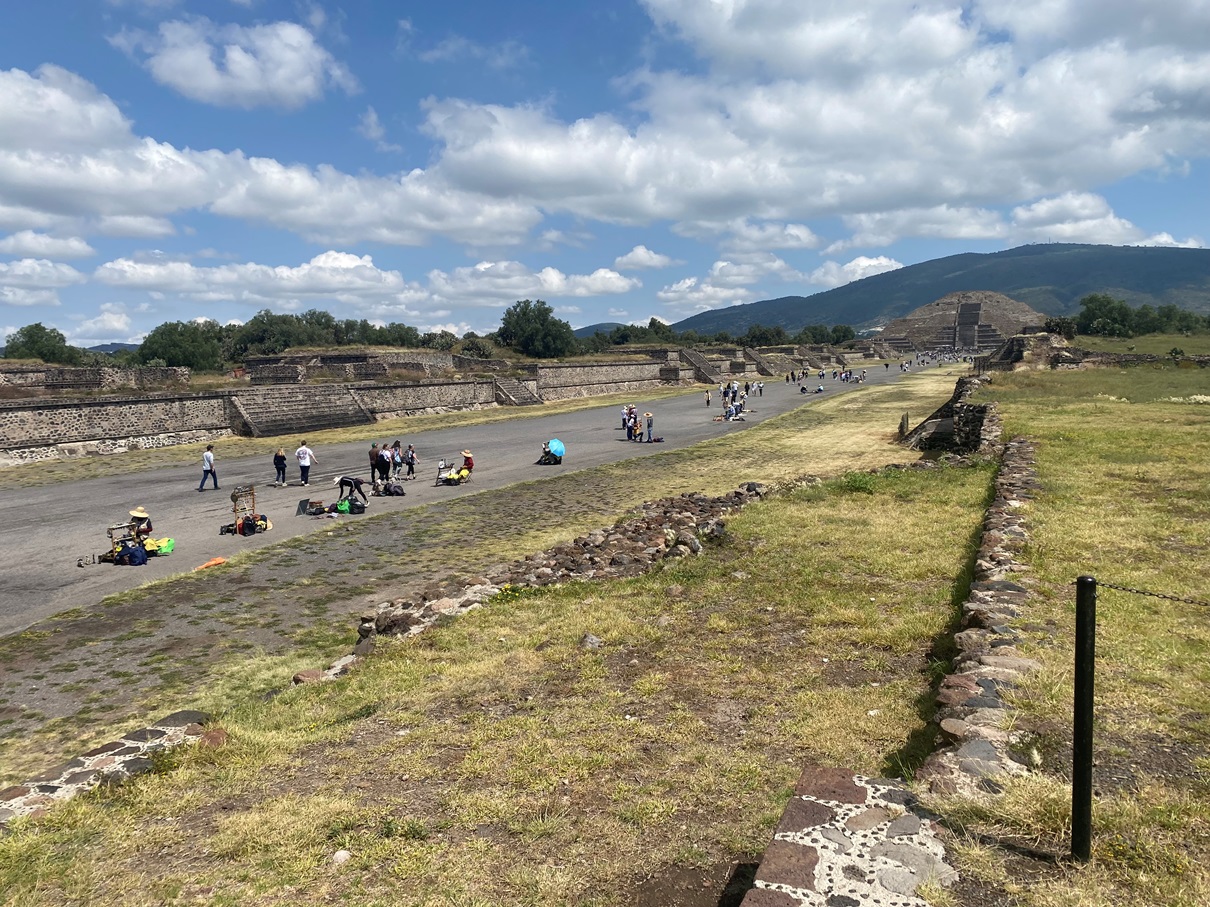
The first feature you see when you enter the site is the Pyramid of the Sun, which is much bigger than pictures like this would make you think.
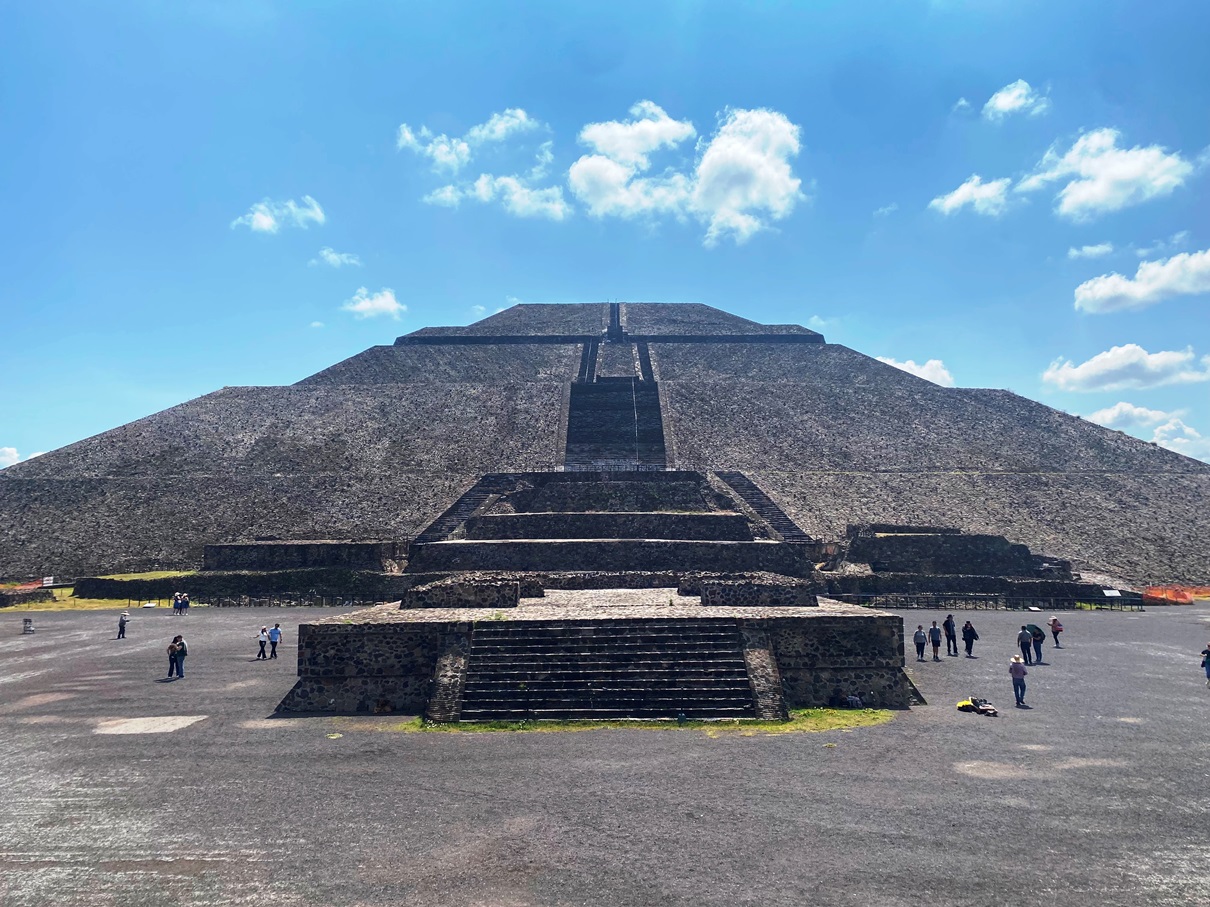
It is also possibly misnamed; many contemporary historians have analysed the archaeological finds and concluded that this is more likely to have been dedicated to Tlaloc, the rain god. I do not have the authority to weigh in heavily on this but – as an amateur enthusiast – the arguments for it seem fairly convincing to me.
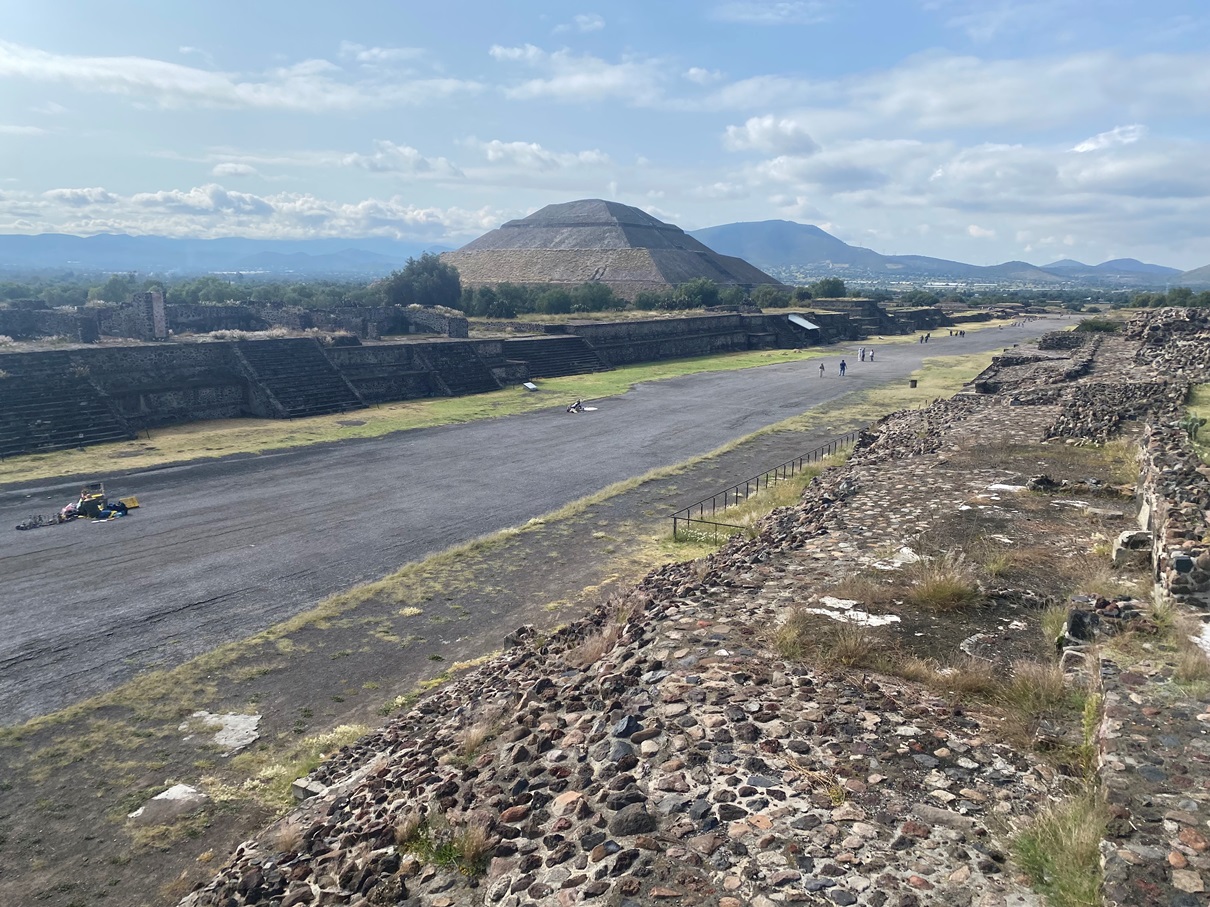
After walking along the Avenue of the Dead, one reaches the second most prominent pyramid that looms over the site; the Pyramid of the Moon. Evidence left in murals seems to suggest that this was dedicated to a deity we do not have a name for so is often referred to as The Great Goddess of Teotihuacan.
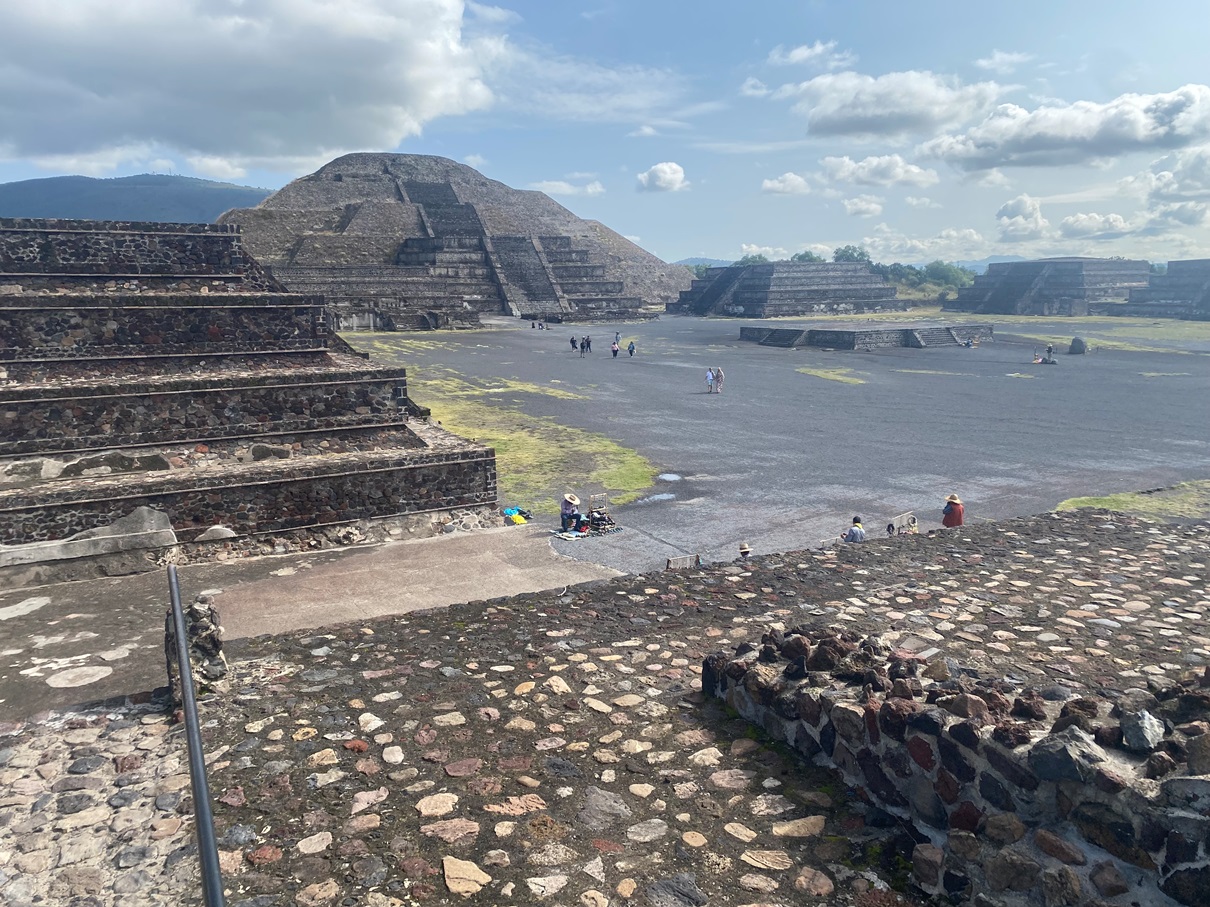
In truth, we do not truly know what any of the deities of Teotihuacan were called. Their civilisation fell into decline mysteriously during the eighth century and their script has never been deciphered. The Aztecs rediscovered this site hundreds of years later and appropriated many of their gods into their pantheon whilst giving them new names.

Close to the Pyramid of the Moon are a series of buildings filled with little temples, shrines and courtyards. They are not as well-known but fascinating because many of the walls are covered in murals and carvings.

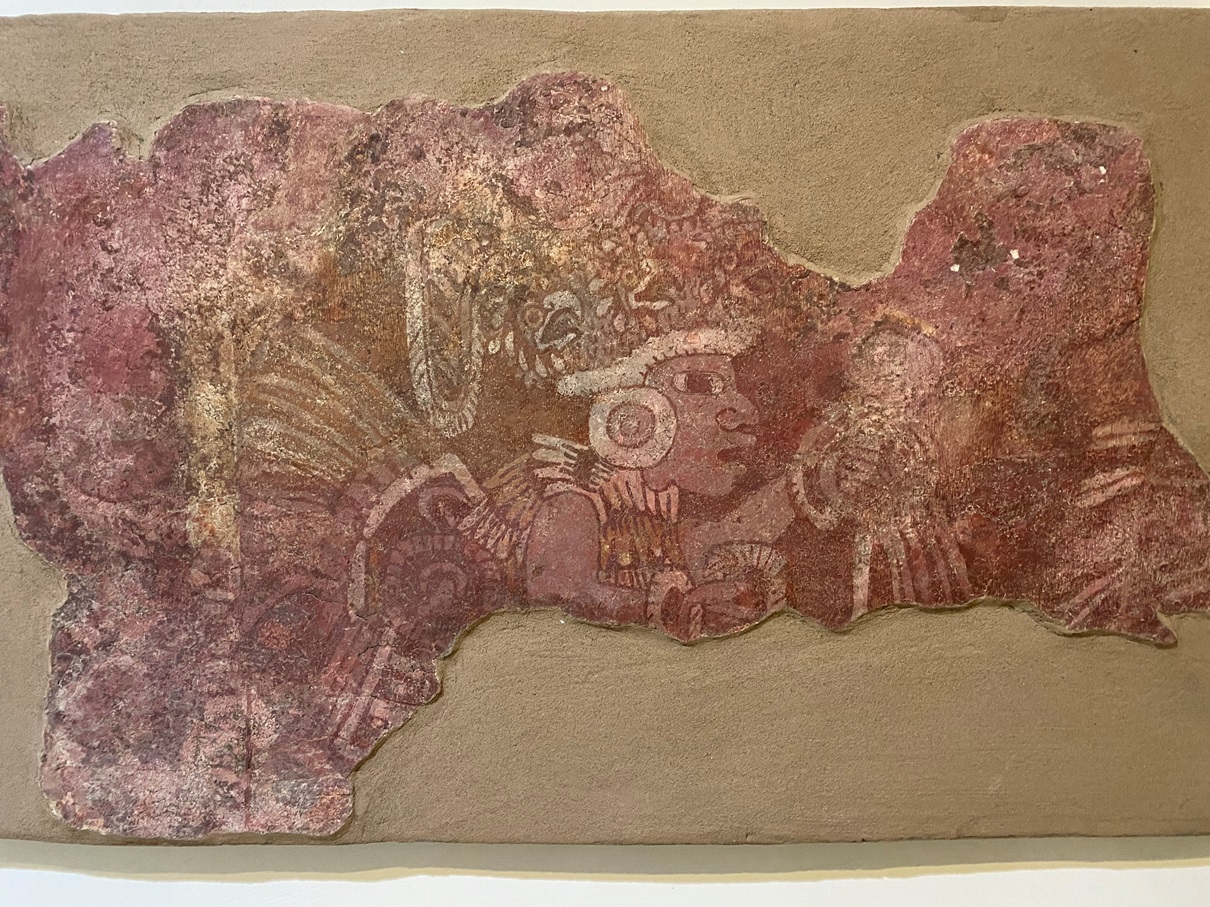
Speaking of carvings; a tip that I would like to give to those who might be visiting is to not miss the Museo de los Murales. This is also close to the Pyramid of the Moon and is included with your entry fee when you come to Teotihuacan, but many people miss it. It is home to many of the better-preserved murals that they have recovered from the site, many of them with information.
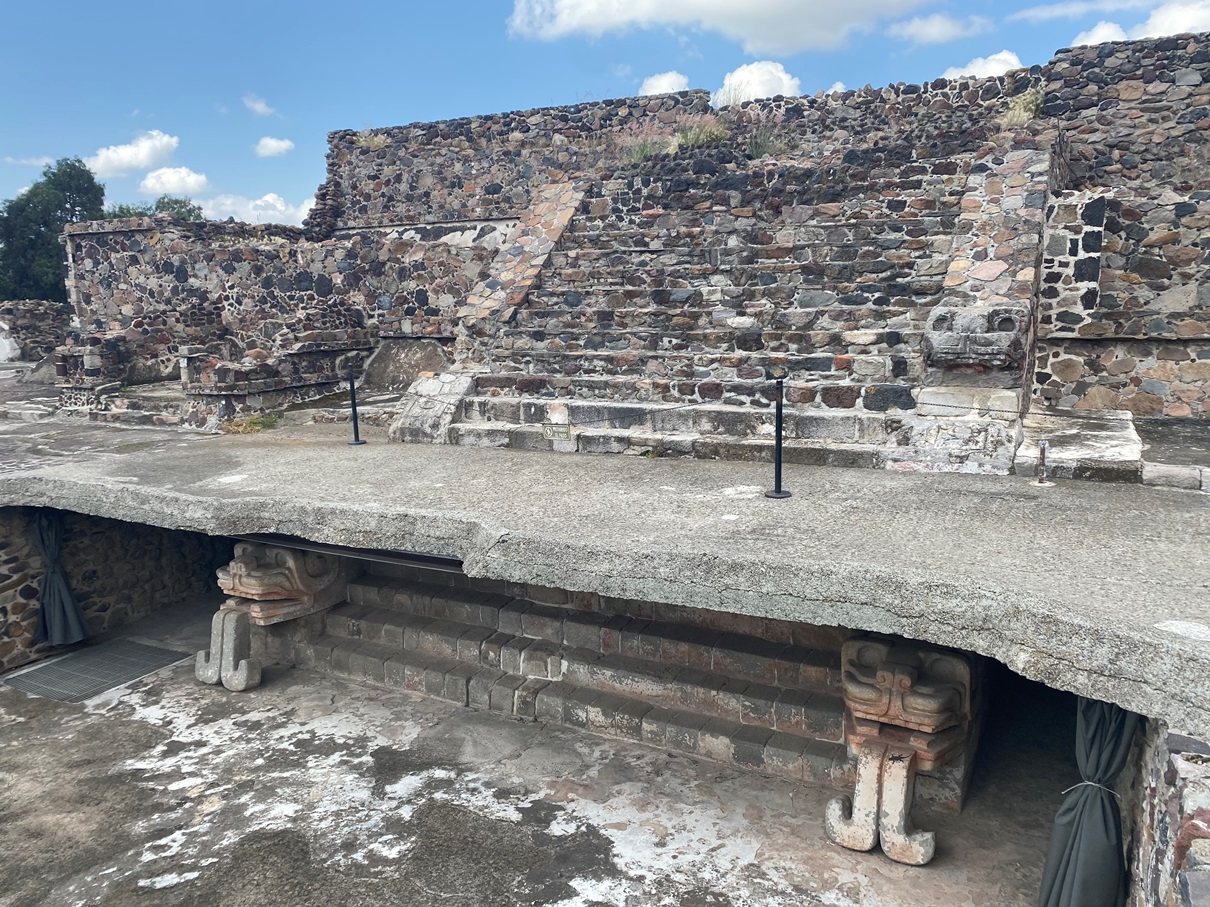
On the southern side of the Avenue of the Dead are Plaza Oeste and some of the residential areas. The Plaza has an interesting example of the different stages of Teotihuacan’s different stages of building as they have excavated one of the floors to see more steps beneath.
The residential areas are perhaps not as exciting to look at if you are a visitor, but – as usual – this area has been a treasure trove to archaeologists in finding clues as to how the people of Teotihuacan lived.

Teotihuacan is very intriguing in that regard. I have seen a few instances where people have nicknamed the Teotihuacan ‘The Rome of Pre-Colombian America’, but I am not sure if that is the most fitting comparison to be made. They were certainly very multicultural, as the evidence from the living quarters shows that they had many different peoples dwelling in this city – including the Maya – and some of them even had their own districts.

Another thing the archaeological evidence indicates is that they were a fairly egalitarian society whose citizens enjoyed a fairly high standard of living for the time. They are still not sure how this place was governed as they haven’t found any indication of a singular ruling class. This, and the other mysteries that surround them concerning their religion and mysterious decline, makes me think more about the Harappans (if a comparison were to be made).

The Temple of the Feathered Serpent is usually the final stop for those who visit Teotihuacan. It is situated in a very iconic plaza surrounded by little platforms and pyramids, and it is certainly structurally impressive.
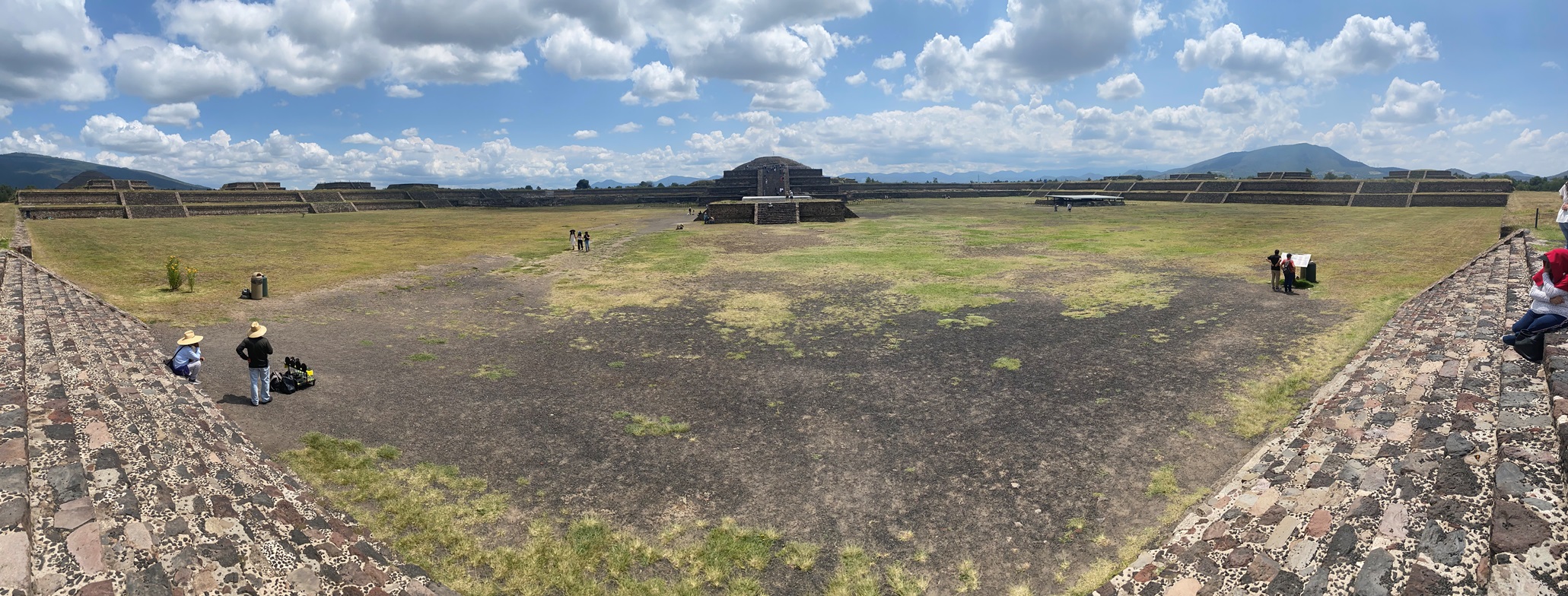
But I didn’t get quite the same energy as I did from the other two main pyramids here, and I am not quite sure why. I think this one has been excavated a lot, and I suspect that the serpent heads on display are recreations, as they look far too well-preserved to be originals.

One last thing I will say about Teotihuacan is that there are a few other little sites included in your ticket scattered around the nearby neighbourhood. Some of them were closed on the day I came but I did manage to get inside the Palacio de Tetitla which is a great example of the high standard of living the population of this city enjoyed and is covered in interesting murals.
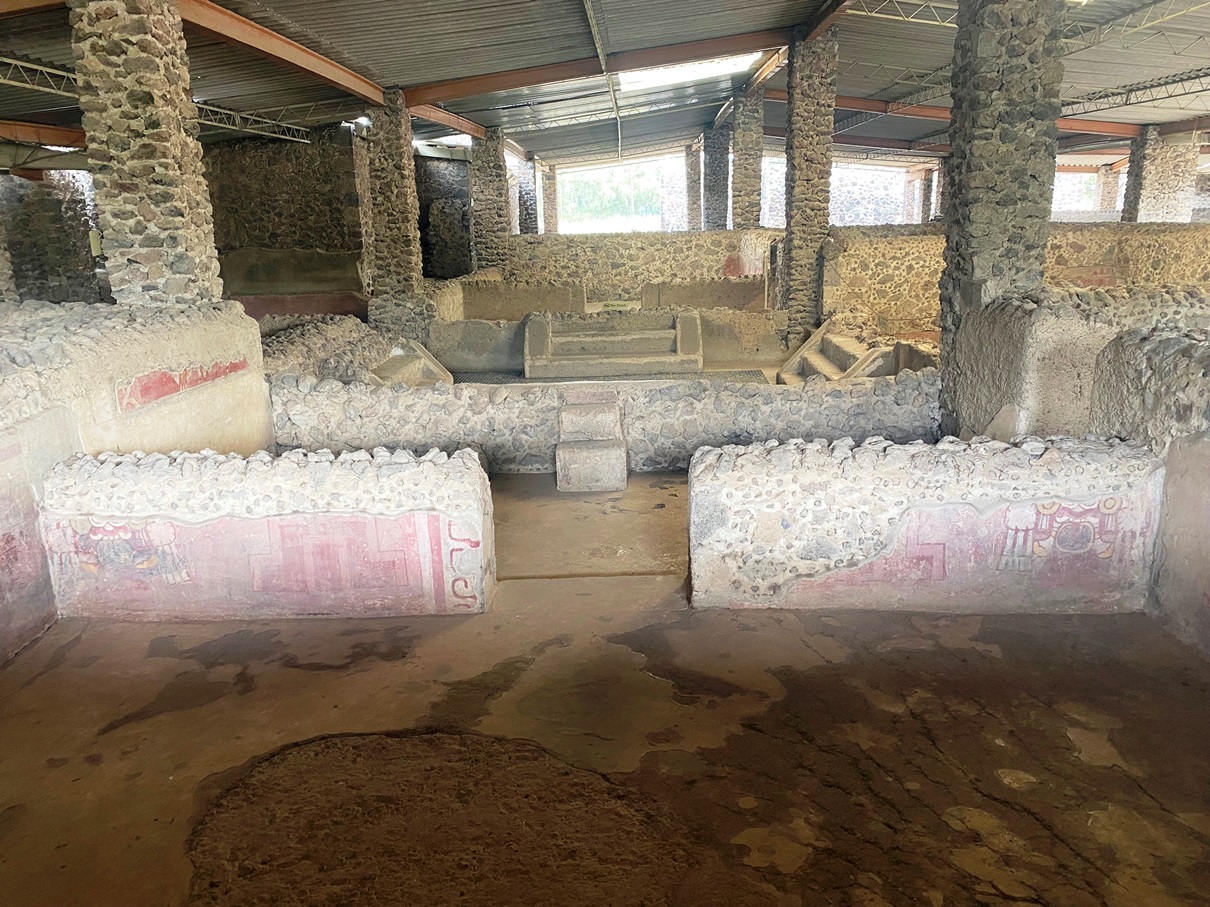
For more photos of Teotihuacan, click here. Also, I have many videos from the Independence Day celebrations that can be found in my Mexico City album.
 Tej Turner